



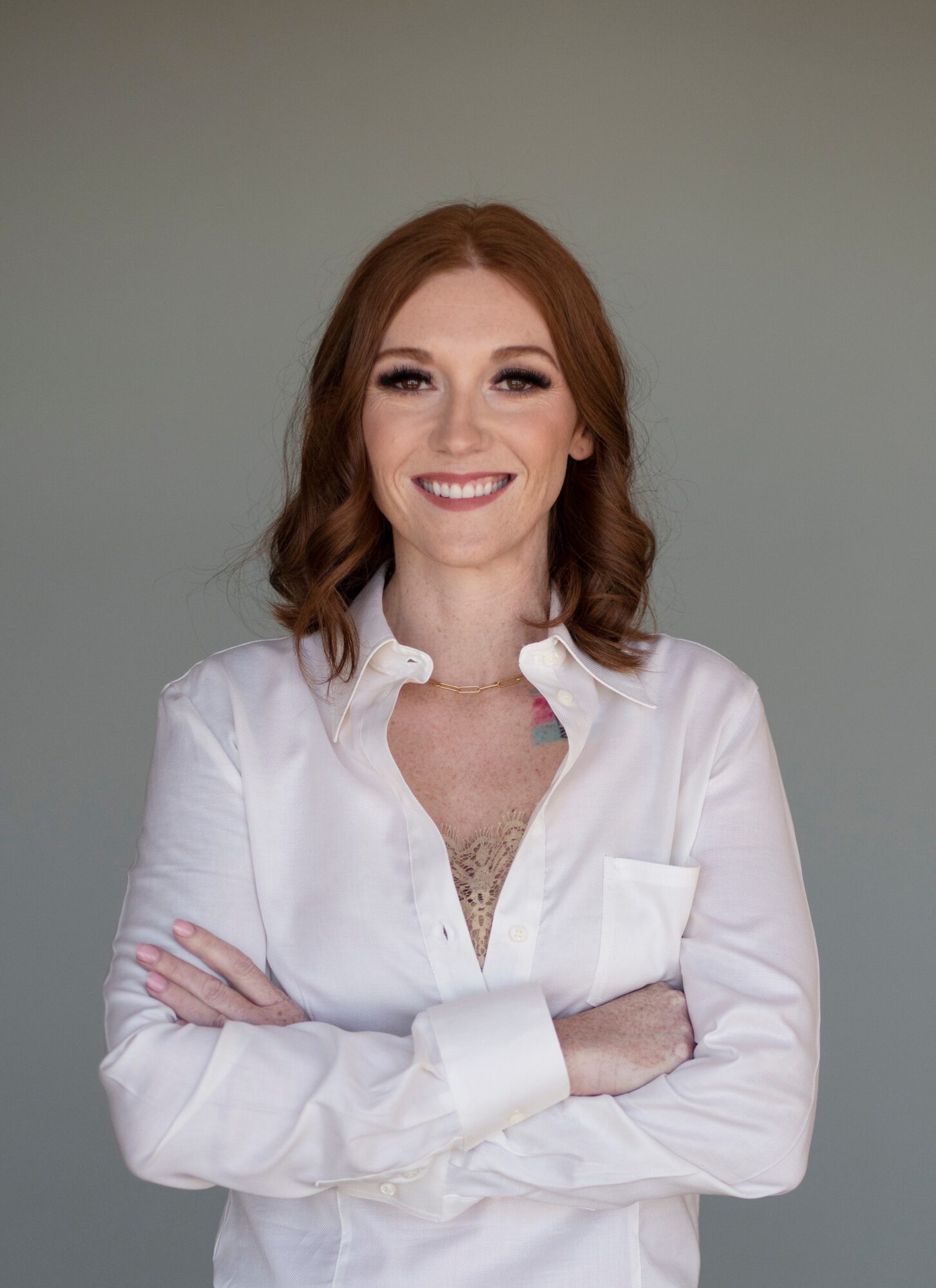
Today we’d like to introduce you to Annie Wardle.
Hi Annie, it’s an honor to have you on the platform. Thanks for taking the time to share your story with us – to start maybe you can share some of your backstory with our readers?
My path into HVAC controls and building automation was not something I originally planned. It actually started at home. My husband has been in the controls industry for nearly 20 years. He began as a field technician, worked his way into project management, and earned his Project Management Professional certification along the way. One day he was building a test bench for his technicians in our living room, and I asked him to explain what he was working on.
As he walked me through it, something clicked. I became genuinely interested in how the systems worked, how programming controlled real equipment, and how much logic and problem solving went into it. The more questions I asked, the more I realized this was something I wanted to pursue. After I expressed my interest, he helped introduce me to people in the industry. That gave me the opportunity to take my first steps into building automation.
From there, I immersed myself in learning both on the job and independently. Over the last three years, I have grown into a programming focused role. Today I work as a Systems Software Engineer II. I troubleshoot control systems for commercial buildings, everything from airflow and temperature control to complex heating and cooling sequences.
One thing that has stood out throughout my journey is how uncommon it still is to see women in this role. In my experience, I have always been the only female programmer in the room. Rather than letting that hold me back, it has motivated me to sharpen my skills, speak confidently, and keep growing. I hope my story shows that curiosity, support, and persistence can open doors, even in industries where you do not typically see people who look like you.
Would you say it’s been a smooth road, and if not what are some of the biggest challenges you’ve faced along the way?
It has not been a perfectly smooth road, but I have enjoyed it. One of the biggest challenges was learning the language of the industry. There are acronyms for everything, and multiple acronyms can refer to the same exact piece of equipment, which was overwhelming at first.
The biggest adjustment for me personally was going from running my own business and controlling my own schedule to being an employee again with a structured workday and deadlines. Even with that change, I genuinely enjoy the work. I love troubleshooting and fixing problems, which is why I work in service. I enjoy finding the issues in the programs or equipment, figuring out what is really happening, and getting everything working the way it should.
Thanks – so what else should our readers know about your work and what you’re currently focused on?
I work in building automation and HVAC controls as a Systems Software Engineer II. I specialize in service and troubleshooting, which means I spend most of my time finding the root cause of comfort complaints, airflow issues, and equipment problems, then fixing them through programming changes, system adjustments, or field verification. I work on a wide range of systems including VAVs, air handlers, duct static control, heating and cooling sequences, and building level logic that ties everything together.
What I am known for is being able to take a problem that looks complicated on the surface and break it down into something solvable. I am very detail oriented, and I have a strong ability to connect what the building is doing in real life with what the program is telling it to do. A lot of people can read points on a screen, but I focus on understanding what is actually happening and why, then making changes that hold up long term instead of quick fixes.
What I am most proud of is how quickly I have grown in this industry and the confidence I have built in my skill set. I came into controls because I was genuinely curious, and I put in the work to learn the technical side deeply. I take a lot of pride in being someone customers and teammates can trust when things are not working right.
What sets me apart is my mix of technical troubleshooting and communication. I can talk to technicians, engineers, and customers in a way that makes the solution clear. I can explain what is happening, what needs to change, and why it matters. I love this work because every day is different and it feels rewarding to solve real problems that improve how a building operates.
Do you have any advice for those looking to network or find a mentor?
My husband has been my biggest mentor. He is incredibly smart and experienced in HVAC and controls, and he has taught me so much. Even now, I still learn from him constantly. He amazes me with how well he understands systems, troubleshooting, and how everything ties together.
I also learn a lot from the people around me at work. I look up to my senior programmers and my bosses because they have been in the industry a long time and they truly know what they are doing. I respect their guidance, and I pay attention to how they approach problems and make decisions.
I also learn a lot from building engineers. They know their buildings better than anyone, and every site has its own history, quirks, and priorities. Listening to their perspective helps me understand what the building should be doing and what it has been doing, which makes troubleshooting much more effective.
My advice for finding a mentor is to stay curious and ask questions. The best mentors are often the people already around you who are willing to teach and share what they know.
Contact Info:
- Website: https://sunbeltcontrols.com/