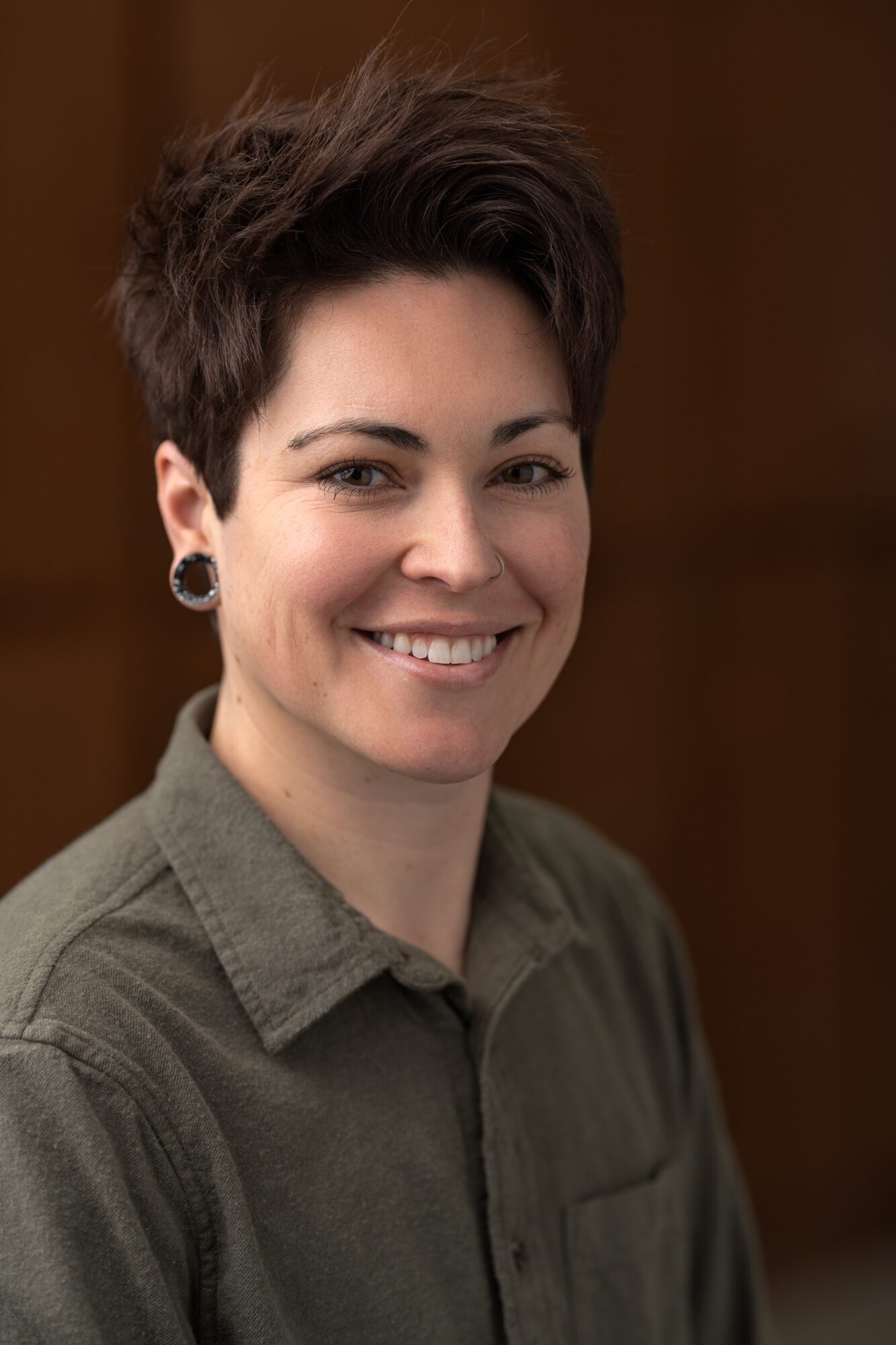



Today we’d like to introduce you to JAXON SHAFFER.
Hi JAXON, so excited to have you on the platform. So before we get into questions about your work-life, maybe you can bring our readers up to speed on your story and how you got to where you are today?
My path into this work as an MFT, or gender and relationship therapist, as I like to refer to myself, is deeply personal. I grew up in San Diego as a queer person, and from a young age, I was struck by how much more struggle I seemed to see in the queer community especially around mental health, substance use, identity, and belonging. That curiosity led me to study psychology at San Diego State University, where I also minored in LGBT studies. Even then, I knew I wanted to do work that supported both my own growth and the well-being of my community.
I went on to pursue my master’s degree at Lewis & Clark Graduate School of Education and Counseling in Portland, a program grounded in social justice. It was there that my understanding of gender expanded in a way I hadn’t been exposed to before. Through that process, I came to understand myself as nonbinary and began my own journey with gender-affirming care. Around the same time, I started focusing more deeply on trans mental health and the broader history and systems surrounding gender-affirming care.
A concept that really shaped my approach is hermeneutic injustice: the idea that people can suffer not just from their experiences, but also from not having the language or framework to make sense of them. That idea has stayed with me and continues to guide my work today. I don’t see therapy as a process of “fixing” people, but rather helping them understand themselves in a deeper, more meaningful way.
During my training, I also had a difficult experience in an internship where I encountered transphobia and gatekeeping within the very systems that were supposed to provide care. That experience was both painful and clarifying; it reinforced how much work still needs to be done and pushed me to create a space that felt aligned with my values.
After graduating in 2019, I started my own private practice to offer care that is affirming, relational, and grounded in both clinical expertise and lived experience. Today, I specialize in working with queer, trans, and neurodivergent individuals, couples, and families, often around trauma, identity, and relationships. Much of my work centers on helping people make sense of their experiences, especially those shaped by chronic invalidation, marginalization, or disconnection from themselves.
I feel incredibly grateful to do this work. It’s not just a career for me, it’s something I deeply believe in.
Would you say it’s been a smooth road, and if not what are some of the biggest challenges you’ve faced along the way?
It definitely hasn’t been a smooth road.
One of the biggest challenges, as I mentioned before, was during my training, when I realized that the values I had been taught around social justice and affirming care weren’t always reflected in real-world practice. When I started working with trans clients during my internship, I encountered a surprising amount of hesitation, lack of knowledge, and, at times, outright gatekeeping within the mental health field.
What stood out most was how many providers felt unprepared or even afraid to engage in gender-affirming care. There was a lack of shared language, limited training, and often a kind of defensiveness or fragility that made it difficult for people to fully show up for the work. That was a turning point for me; it became clear that this wasn’t just a clinical gap, but a systemic one.
At the same time, I often felt very alone as I tried to navigate it. I was early in my career, still in training, and there weren’t many mentors around who could guide me in the kind of work I felt called to do, especially in supporting trans youth and their families. That work requires a nuanced understanding of identity development, family systems, and how to help people move through fear and uncertainty with care.
Instead of stepping back, I leaned in. I sought out the knowledge, mentorship, and experience I needed, and I began to carve my own path forward. That process ultimately shaped the foundation of my practice today.
There is still a significant need for providers who are both competent and genuinely affirming in working with trans and queer communities. Being part of that change, and continuing to learn, advocate, and provide thoughtful, informed care, are things I take seriously and feel deeply committed to.
Thanks for sharing that. So, maybe next you can tell us a bit more about your work?
I’m a licensed marriage and family therapist, and my work is rooted in a systemic, relational approach. That means I don’t just look at individuals in isolation; I help people understand themselves within the context of their relationships, families, and the broader systems that have shaped them.
I specialize in working with queer and trans individuals, and what sets my work apart is my ability to work not just with individuals, but systemically with youth and their families. Because of my training as a family therapist combined with specialized experience in gender-affirming care, I’m able to support both young people exploring their identities and the parents who are trying to understand and support them.
This kind of work requires a nuanced understanding of child and adolescent development, the diversity of gender experiences, and familiarity with established standards of care, such as those from the World Professional Association for Transgender Health (WPATH). It also requires the ability to navigate complex family dynamics and help create communication that builds trust rather than disconnection.
In addition to individual work, I’ve facilitated groups for both parents and youth, and worked with families together. I find a lot of meaning in helping bridge those relationships by supporting young people in feeling seen and affirmed, while also helping parents move through uncertainty in a way that keeps the connection intact.
Alongside that, I do a lot of work around relational and complex trauma, particularly with clients who have experienced chronic invalidation, disconnection, or harm within their relationships. I’m trained in Narrative Exposure Therapy, which I use to help clients process and make sense of their experiences in a way that feels integrating rather than overwhelming.
What sets me apart is the combination of clinical training and lived experience I bring into the room. This isn’t just a specialty for me; it’s deeply personal. I care a lot about doing this work well, and I’m constantly engaging with new research, expanding my knowledge, and refining my approach. I also tend to be very direct and relational in my style, which helps create a space where people feel both supported and genuinely understood.
What I’m most proud of is building a private practice that reflects my values. I get to work with the clients I feel most aligned with, and the relationships I’ve built through this work are incredibly meaningful to me. There’s a lot of integrity in how I practice, and that matters more to me than anything else.
Alright so before we go can you talk to us a bit about how people can work with you, collaborate with you or support you?
The easiest way to work with me is through my website, where you can schedule a free consultation. That initial conversation is a chance for us to connect, talk about what you’re looking for, and see if it feels like a good fit.
I work with individuals, teens, and families, and I’m especially passionate about supporting queer and trans clients navigating identity, relationships, and trauma.
I also really value collaboration. I regularly connect with other providers involved in gender-affirming care, such as endocrinologists, surgeons, primary care providers, specialized clinics, and fellow therapists, because I believe in a holistic, team-based approach to care. When providers are aligned, it makes a meaningful difference in the support clients receive.
I’m always open to building relationships with other therapists, healthcare providers, and community members who are doing affirming, thoughtful work. Whether that’s through referrals, consultation, or simply staying connected, those relationships matter.
And more broadly, one of the most impactful ways people can support this work is by increasing awareness that there are providers who are not only affirming but also deeply informed and committed to doing this work well. Getting that information into the hands of people who need it can make a real difference.
Contact Info:
- Website: https://www.kindredsensetherapy.com