


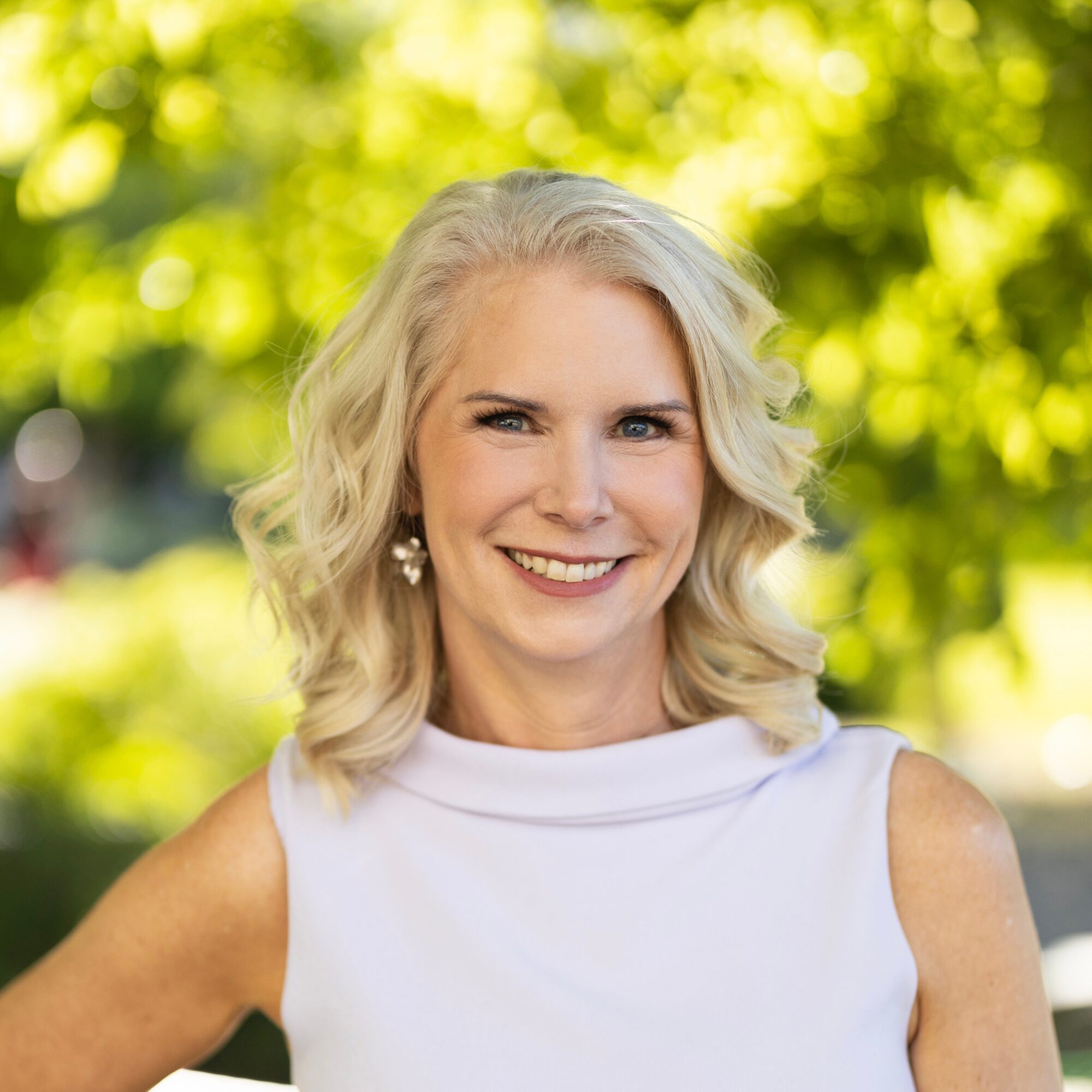
Today we’d like to introduce you to Candice Smith.
Hi Candice, so excited to have you with us today. What can you tell us about your story?
Oregon is in my bones. I grew up in Ashland, went to the University of Oregon in Eugene where I studied History, and honestly never really left. That grounding in how communities evolve over time shaped the way I think about systems, people, and change.
After graduation, I built a career in nonprofit administration and fundraising that spanned more than 20 years. What I love about this work is that it touches something fundamental in people. Philanthropy is one of the few forces that can help someone reach the highest levels of what Maslow described — transcendence, purpose, the feeling that your life and resources meant something beyond yourself. I have always been drawn to working with individuals who simply want to use their abundance to make things a little easier for someone else. That never gets old.
Then in 2016, while my family and I were living overseas, I got the call that my father had been diagnosed with Stage IV cancer. Our lives changed overnight. We came home to Oregon, and for the next two years I walked alongside him through the end of his life. The whole time, I kept asking myself: why is this so hard? Why does caring for someone who won’t get better feel like something no one has thought through? Why did it feel like I was the first daughter to ever be doing this?
Out of that grief and frustration, Caregiven was born. I ideated and built a family caregiver support tool and platform designed to help people who are caring for another adult feel less alone and to find the right words when they needed them most. In 2022, I sold Caregiven to Veratrus Health, which now distributes it as an employee benefit. I stepped away in 2024 feeling like I had accomplished something meaningful, but also knowing I had more lives to impact.
I came across HomeShare Oregon through my board service at the Oregon Jewish Community Foundation. The model stopped me in my tracks. Here was a solution to two problems at once: older adults who want to stay in their homes and people who need an affordable, safe place to live. One match, and both lives get better. The financial security, the companionship, the community connection — it all compounds. I fell in love with the value proposition immediately.
Stepping into the Executive Director role felt less like a pivot and more like an arrival. Everything I have built, studied, and believed in has been pointing here.
Would you say it’s been a smooth road, and if not what are some of the biggest challenges you’ve faced along the way?
I believe the first time you attempt anything truly worth doing, it should be hard. We seek the learning, not just the outcome. By that measure, my journey has been extraordinarily rich.
With Caregiven, the challenges stacked up fast. I had no technology background and had never worked in the for-profit world. I was building something I had never built, in an industry I had never worked in, with tools I had never used. But underneath all of that was a much heavier question: if I failed, did my father’s death mean nothing? I had walked out of grief and directly into a wholehearted commitment to making sure other people had a less-hard time losing someone they loved. The stakes felt enormous and deeply personal. The odds against any new startup are brutal, and every single day I sat with the weight of what failure would mean — not just professionally, but spiritually.
There was imposter syndrome, of course. And then there was the particular kind of hard that comes from talking about your father’s death every single day as the founding story of your company. It kept his spirit alive, and I am grateful for that. It was also a sustained weight on my heart that I don’t think people fully understood from the outside.
The funding landscape added its own set of lessons. I was told as a female founder in my 40s that I was too old to be investible. I was told that things would go more smoothly if I just did what investors wanted, even when it didn’t serve my users. I was told that death wasn’t “sticky” — that word has never sat right with me. It is incredibly hard to sell a product that everyone will need and almost no one wants to think about.
And then selling the company brought its own grief. My vision was taken in a new direction. I was no longer the CEO; I was there to execute someone else’s plan. When I eventually left, it felt like losing my father all over again.
But I treasure every single one of those moments. They are the whole education.
Thanks for sharing that. So, maybe next you can tell us a bit more about your business?
Our goal is simple to say and powerful to imagine: we want home sharing to be a first instinct, not a last resort.
Right now, when life gets hard — when the mortgage feels impossible, when the house feels too big, when loneliness starts to settle in — most people don’t think of home sharing. They think of selling. They think of moving. They think of waiting for something to change. We are here to change what people reach for first.
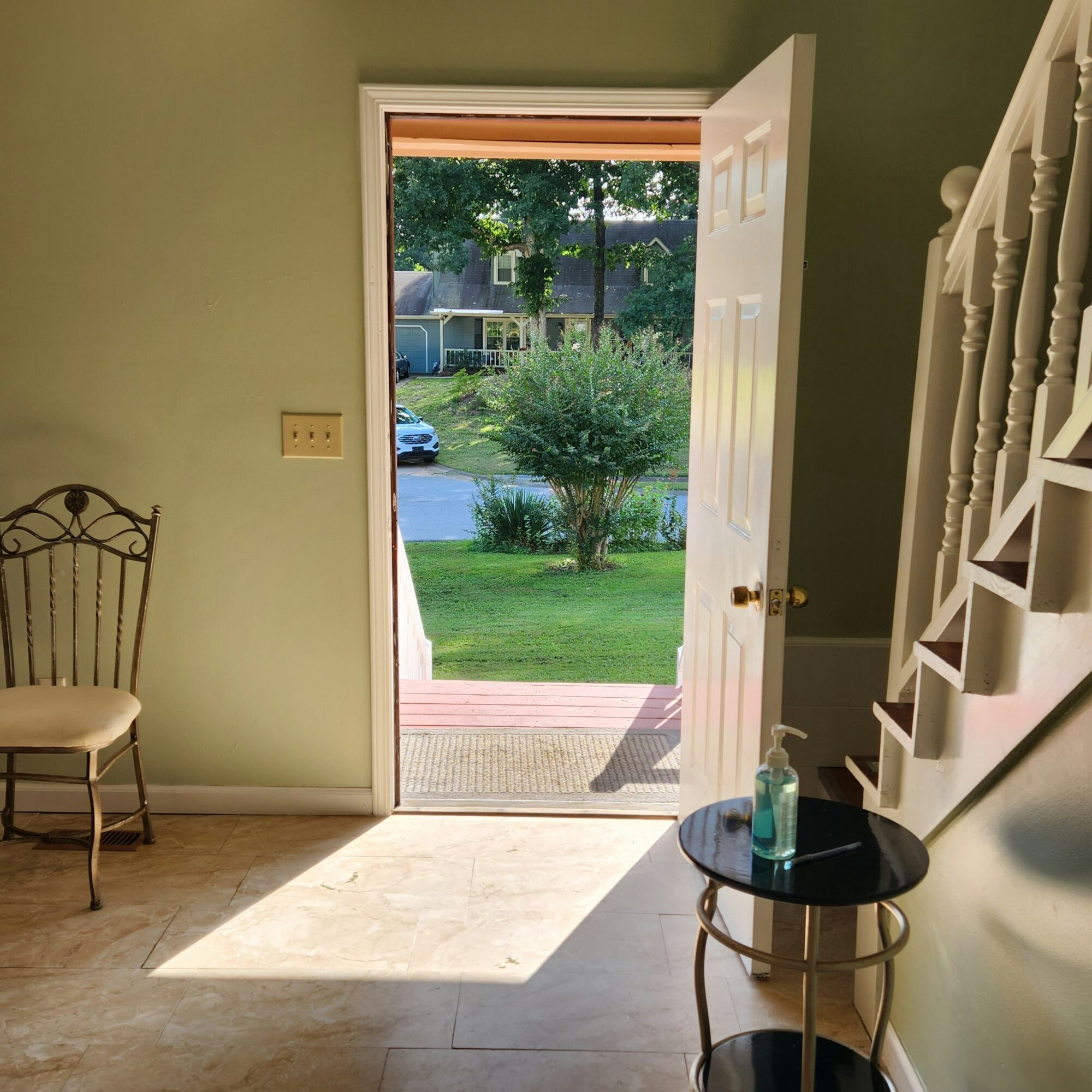
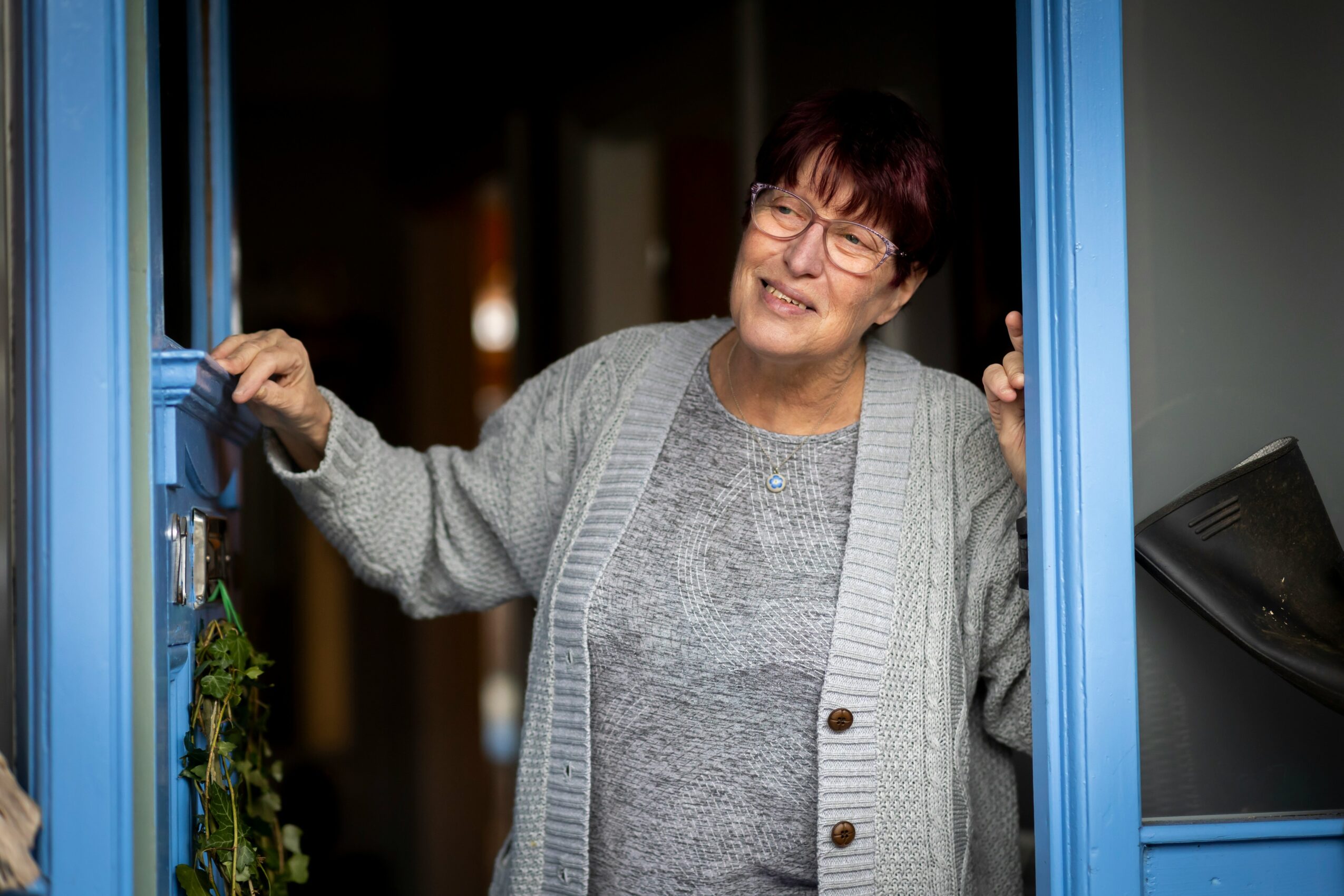
HomeShare Oregon is a nonprofit that connects home providers — people who have more home than they need — with home seekers who need a safe, stable, and affordable place to live. Often that means an older adult who wants to age in place, paired with someone who needs an affordable home and is glad to be a good neighbor. One match. Two lives genuinely improved. That is the whole model.
Since our founding, more than 17,000 people have come to our platform in search of someone to share a home with. Of those we have placed, 80% remain stably housed six months later, saving an average of $700 per month compared to Portland market rates. These numbers represent real people making rent, sleeping well, and staying in the communities they love.
What we specialize in is trust. Finding a housemate is not like finding an apartment listing. It requires compatibility, safety, and a human process that technology alone cannot replace. Our platform, HomeShare Online, provides the infrastructure. Our team provides the care. Together, they make matches that hold.
Our vision is a world where home sharing is woven into communities of every kind — from urban neighborhoods to small rural towns, from faith communities to cultural affinity groups — where anyone who wishes to find a home or stay in their home has the means to do so. And our moonshot is that home sharing becomes so normalized that when times get tight or life becomes harder to navigate alone, opening a home or stepping into one feels like the obvious choice. Before selling. Before relocating. Before isolation wins.
There are an estimated 44 million empty bedrooms in the United States right now, according to John Burns Research and Consulting. The resource already exists. We are building the trust, the technology, and the human infrastructure to unlock it.
In March 2026, the City of Portland named HomeShare Oregon a Qualified Home Sharing Provider. It is a milestone that affirms what we have believed from the beginning: home sharing is not a workaround. It is a proven solution. And Oregon is showing the rest of the country what that looks like.
What has been the most important lesson you’ve learned along your journey?
Patience. In all things, patience.
The work we are doing at HomeShare Oregon is ultimately the work of changing how people think. And that is the longest game there is.
Right now, when someone we love gets older or starts to struggle, the mental script runs fast: she can’t live alone anymore, and she can’t live with me, so she has to move into a facility. That thought happens in seconds. It feels inevitable. And it doesn’t have to.
We want to interrupt that script before it finishes. We want people to know that staying in the home they love is not a fantasy — it is an option that exists today, that works, and that can give someone the quality of life and the sense of self that a facility simply cannot replicate. Home sharing can be the answer that was already there.
But changing a default thought pattern that is wired into families, into culture, into the way we talk about aging — that does not happen overnight. It takes time. It takes showing up consistently with stories of people whose lives are genuinely better because of a match we made. It takes patience with the pace of cultural change and conviction that the direction is right even when the movement feels slow.
What I have learned is that patience is not passive. It is not waiting. It is continuing to believe in the dream outcome when the quick fix is louder, more familiar, and easier to sell. The quick fix is rarely the right fix. And the people we serve deserve the dream.
Pricing:
- $125 for 6 months includes identity verification, background check and a $50 refundable deposit.
Contact Info:
- Website: https://homeshareonline.org
- Instagram: https://www.instagram.com/homeshareoregon/
- Facebook: https://www.facebook.com/orhomeshare/
- LinkedIn: https://www.linkedin.com/company/homeshareoregon
- Other: https://homeshareoregon.org