


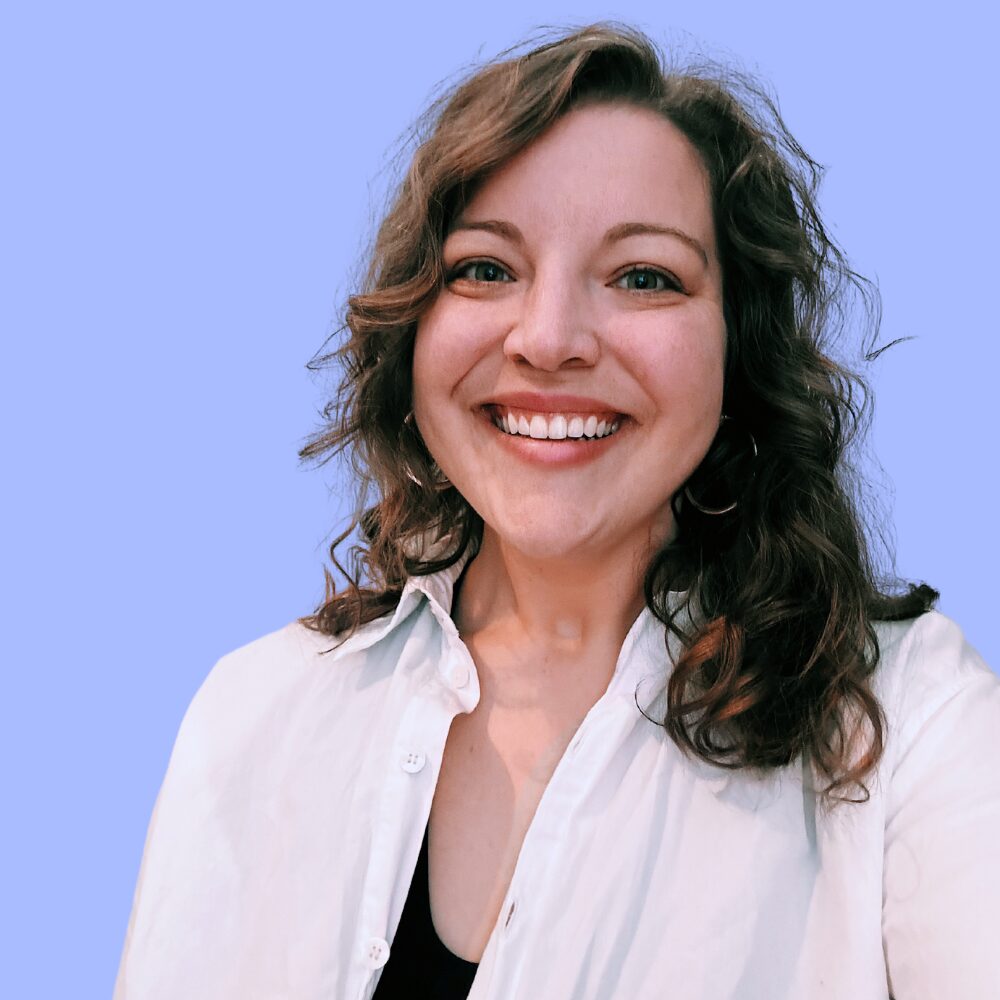
Today we’d like to introduce you to Lauren Lester.
Hi Lauren , we’d love for you to start by introducing yourself.
I started a food blog in college mostly because I couldn’t stop thinking about food and figured I should do something useful with that instead of just scrolling Tastespotting all day while skipping my nursing classes. Spoiler: I did not, in fact, become a nurse.
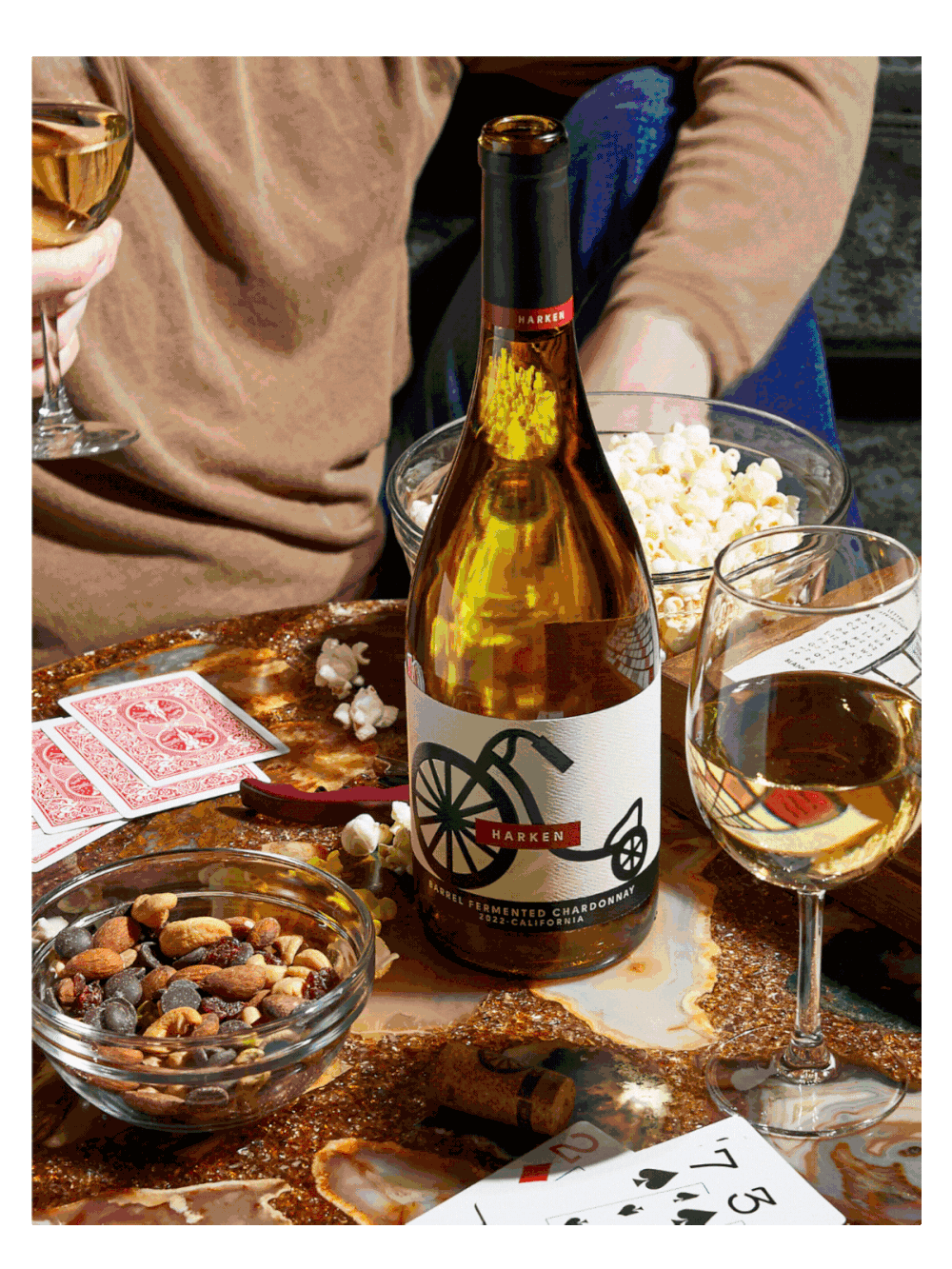
What began as one recipe site eventually turned into two, and by 2017 my partner Alex and I had built Cast Iron Keto into a platform with millions of readers, a cookbook deal, and a content agency producing recipes for global brands. On paper, it was a success. In practice, we were increasingly uncomfortable with what we were building.
We both cared about animals. We both knew what industrial agriculture was doing to the planet. We kept trying to make space for plants within a framework that wasn’t really designed for them. Alex went vegan in August 2020, five months after our cookbook published. I followed in August 2021. Then we had to figure out what to do with the businesses we’d spent years building.
We dropped our clients that relied on us producing content containing animal products and pivoted entirely to plant-based recipe development selling over 300 recipes to publications before eventually selling Cast Iron Keto in 2023 and closing the agency in 2024. Walking away from profitable businesses we’d spent years building was hard. But I couldn’t keep promoting something I didn’t believe in as was the case with Cast Iron Keto. Adam Horovitz of the Beastie Boys said it best: “I’d rather be a hypocrite than the same person forever.” And, to be honest, after a decade in food media, I needed a shift away from food entirely so it was time for the plant-based recipe development to go as well.
I’d spent over a decade learning how to build brands, digital infrastructure, and content systems from the ground up, and I then wanted to use those skills to give back through working with nonprofits, mission-driven businesses, and the small businesses that are the backbone of our communities.
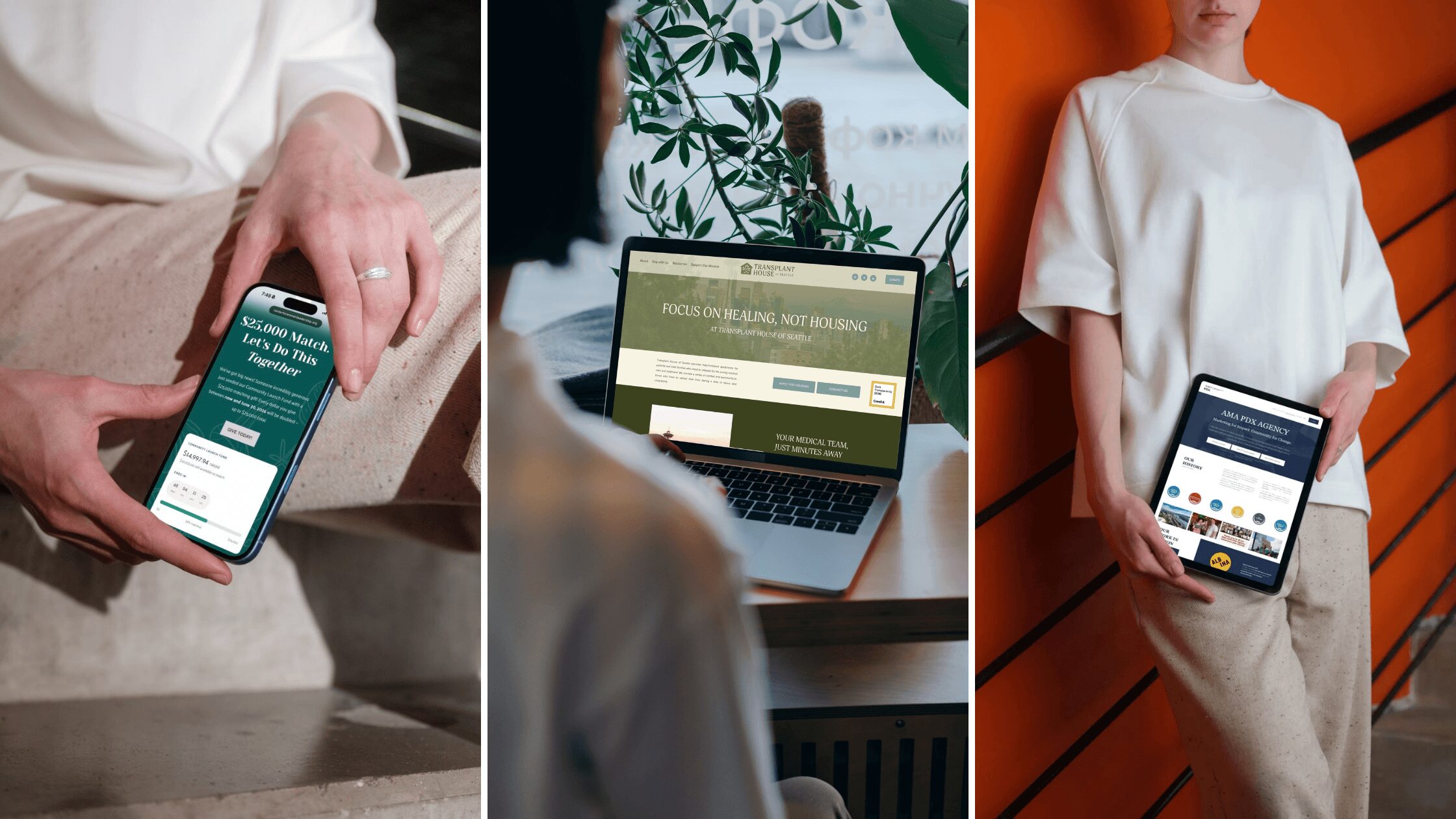
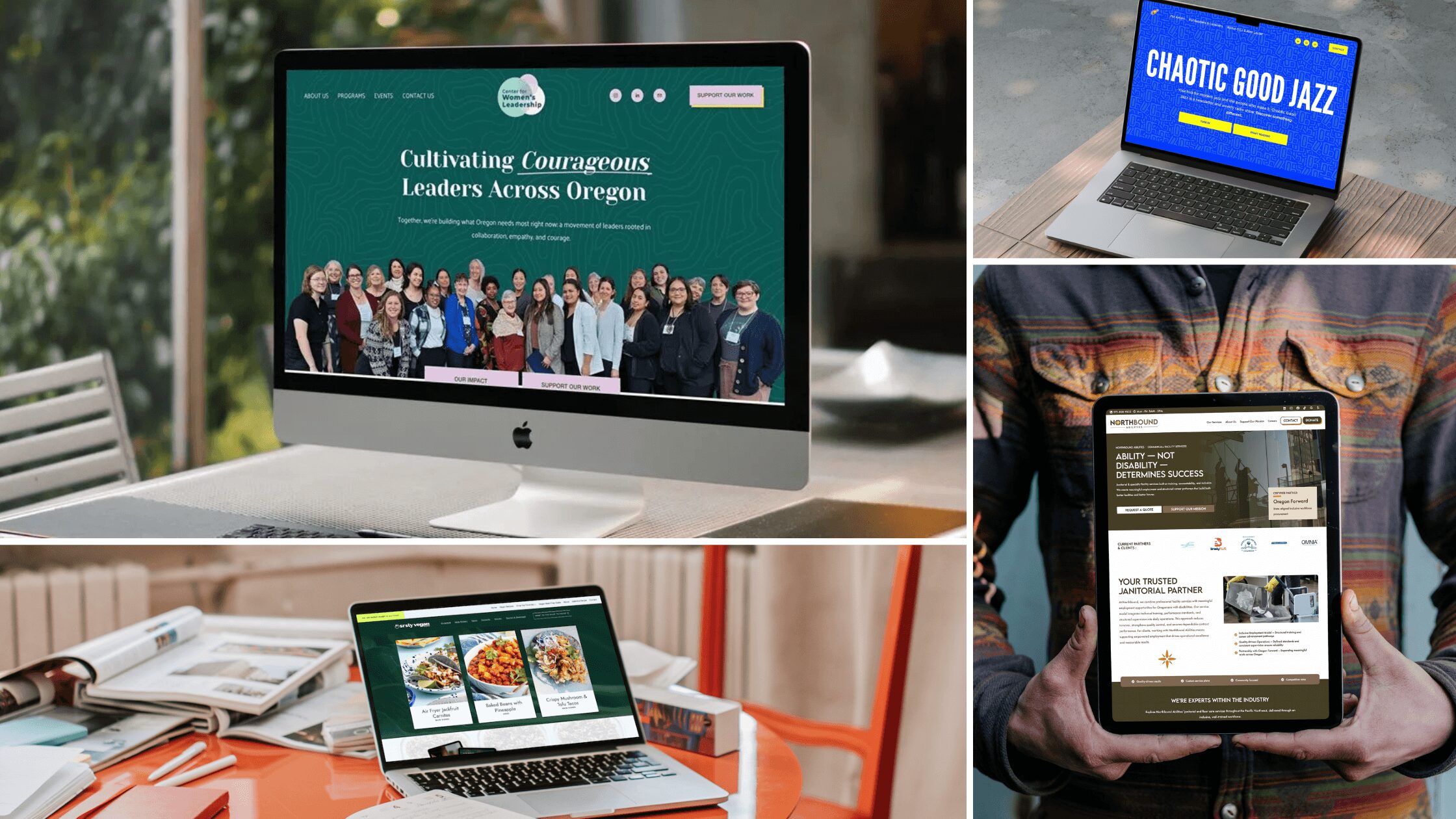
Today, I run Lauren Lester Consulting & Design, doing 360° strategy, web design, communications, and systems work across those industries. I also serve on the AMA PDX board as Director of Agency, where we connect skilled and budding marketers with local organizations delivering over $100K in pro bono marketing support annually. Portland has become home in the truest sense, and the community organizations and local businesses doing work here, filling gaps that government and the market leave behind, are exactly who I want to spend my career supporting.
Outside of client work, I have too many ideas and not enough time. Later this year I’m launching Srsly Vegan, a community cookbook of sorts where plant-based cooking in all its forms — weeknight dinners, celebratory desserts, deeply personal recipes, and guest contributions from across the vegan community — come together. Apparently I couldn’t stay out of food media forever and I have a spreadsheet hundreds of recipe ideas long that are screaming at me to be shared.
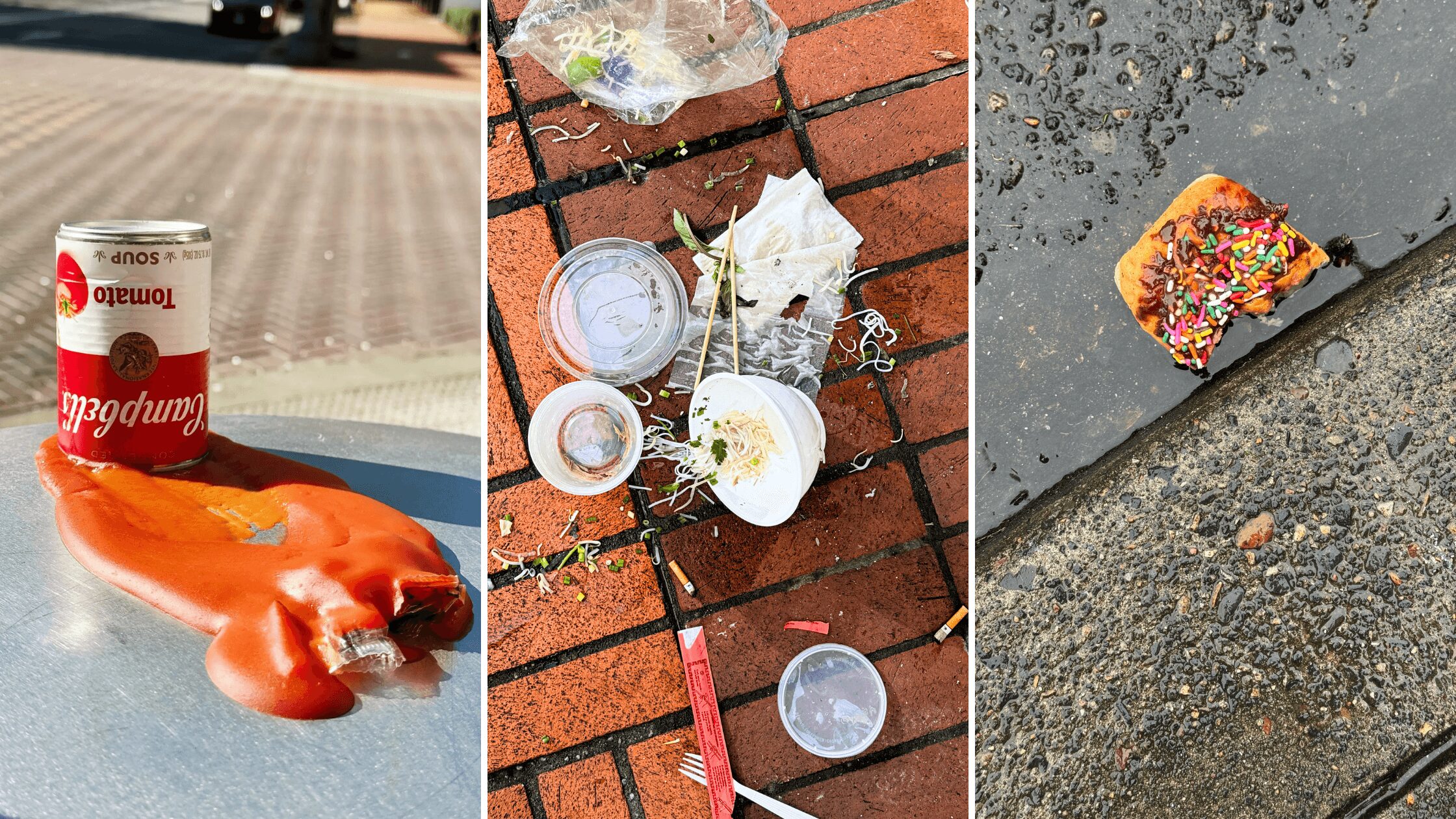
I also have an ongoing photography series called Food on the Street, which is exactly what it sounds like and also not at all what it sounds like. I document discarded food on city sidewalks and public spaces. My favorite shot is one that I dove off a slightly moving streetcar to capture. It’s a spilled pho scene that I swear deserves to be printed. It started as a weird sociological impulse and became something that brings me a lot of inspiration behind the idea that cities are shaped not just by what we build but by what we leave behind, and there’s a quiet poetry in that. It’s part documentation, part social observation, part wtf?.
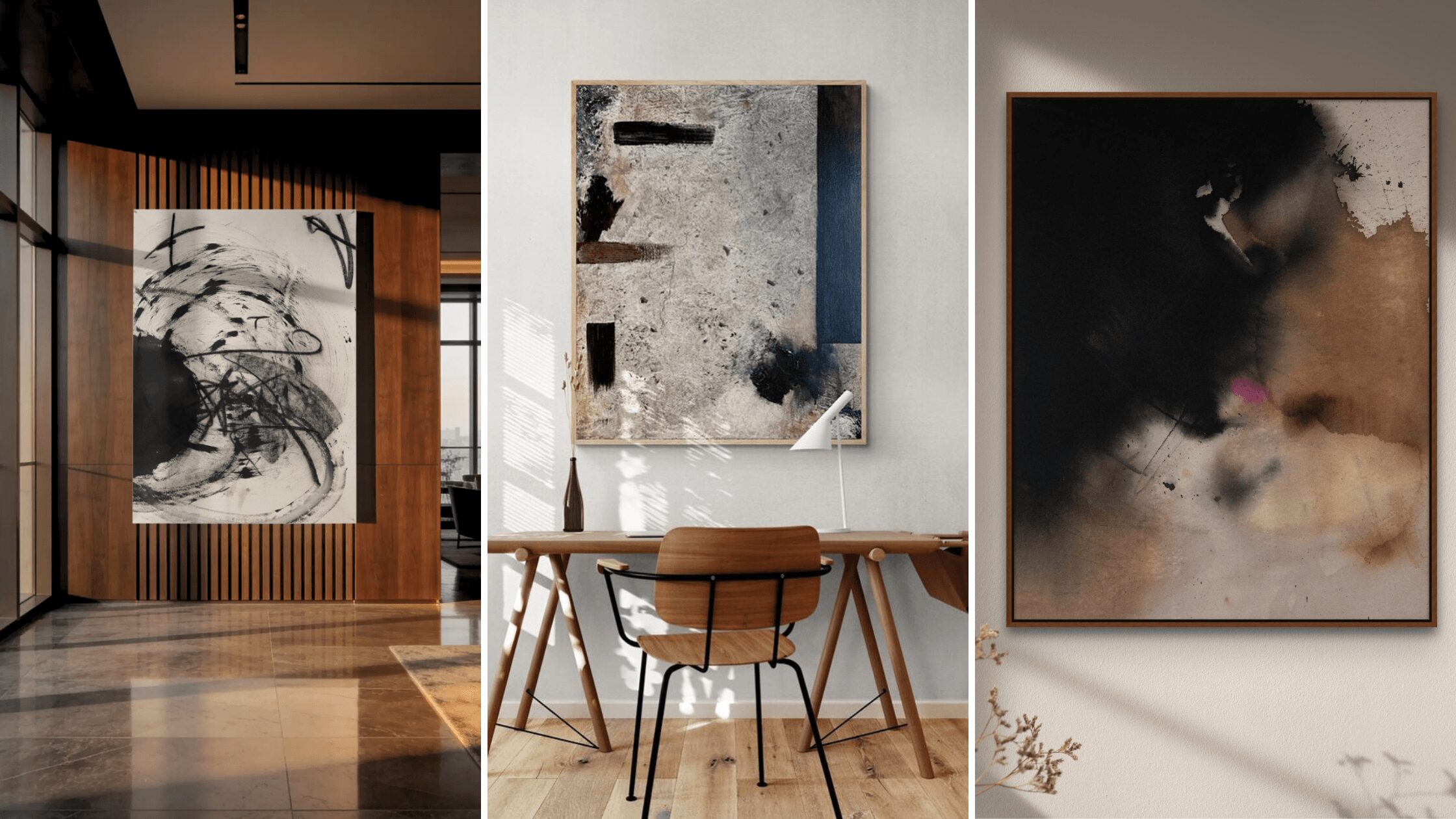
I started painting in 2021 as a new creative outlet and it became so much more. Drawing from a decade as a food photographer, my work is intuitive and constantly evolving — new media, new techniques, new feelings splattered onto the canvas in bold, unstructured marks. Painting is my meditation through the complexities of the modern world and my own. Much of it is fueled by anger and hope and finding beauty in the chaos.
My mission is to support, amplify, and equip those reshaping their industries and communities with the tools to make their vision a reality and to follow my creativity wherever it leads. I’m proud to say I’m doing just that.
We all face challenges, but looking back would you describe it as a relatively smooth road?
Smooth road? Absolutely not. Business ownership never is, and I’ve had more hurdles than I care to remember. But, I’ve come to believe that flexibility, the willingness to pivot, and a radical comfort with failure are the real prerequisites for building something sustainable. For every success I’ve had, there have been one or two failures behind it.
Selling Cast Iron Keto was one of the harder ones. We had millions of readers, a cookbook, a whole infrastructure — and then had to reckon with the fact that we couldn’t keep building it in good conscience. Walking away from that on principle was the right call. It was also genuinely painful.
The food media landscape didn’t make things easier. The market for recipe content shifted dramatically after COVID, and AI accelerated the damage to food blog traffic in ways the industry is still recovering from. Watching something you spent years building lose its footing due to forces entirely outside your control is frustrating. It also sharpened my thinking considerably. You learn very quickly how to assess what’s durable and what isn’t.
Client work has been its own ongoing education. Not every engagement goes the way you plan, and the ones that don’t have taught me more about leadership, communication, and scope-setting than any of the easy projects have.
It hasn’t been smooth, but it’s never been boring.
We’ve been impressed with Lauren Lester Consulting & Design, but for folks who might not be as familiar, what can you share with them about what you do and what sets you apart from others?
Lauren Lester Consulting & Design is a strategy, design, and systems practice built for nonprofits, small businesses, and mission-driven organizations. I support teams with brand strategy, web design, communications, and operational infrastructure — but the through line across all of it is systems thinking. I look at the whole picture, nothing in a silo, so that everything works together.
What that looks like in practice: I might come in for a website build and walk out having untangled a messy trademark conflict or flagged a donation system that was losing gifts for over a year. I flag things nobody asked me to because they matter. I don’t want to build on a shaky foundation and I have an eagle eye for cracks. The presenting problem is rarely the real or only one, and I’ve learned to look underneath it.
The feedback I hear most often is some version of “this is so much better than our last agency.” I think that’s because a lot of agencies deliver the thing that was in the brief and stop there. I don’t. I’m interested in what makes an organization work, for its mission, and it’s people.
Is there any advice you’d like to share with our readers who might just be starting out?
The most valuable thing I can tell someone starting out is that clarity comes before everything else. Before the logo, before the website, before you start taking on clients. Know what you stand for, who you’re serving, and why — because if you don’t, every decision becomes harder than it needs to be and you’ll end up rebuilding from scratch more than once. Ask me how I know.
I also wish someone had told me earlier that values misalignment has a cost, and it compounds. I spent years building something profitable that I was increasingly uncomfortable with. The work of untangling that — financially, professionally, emotionally — was significant. If something doesn’t feel right, pay attention to that feeling sooner rather than later. It doesn’t get easier to walk away the longer you wait.
On the practical side, build your systems before you need them. Document everything. Know what you’re charging and why. The invisible infrastructure of running a business — contracts, processes, workflows, how you onboard a client — matters as much as the quality of your work. Excellent work that nobody can find or navigate is a problem.
And make your work visible. This is the one I still work on. It’s easy to do good work and assume it will speak for itself. It mostly doesn’t. The people doing less interesting work with a louder presence will get there first. Document your process, share what you’re learning, credit your collaborators, and talk about what you care about. Most of us are terrible at self-promotion but sharing your skills is how community gets built.
Contact Info:
- Website: https://www.laurenlester.net
- LinkedIn: https://www.linkedin.com/in/lauren–lester/