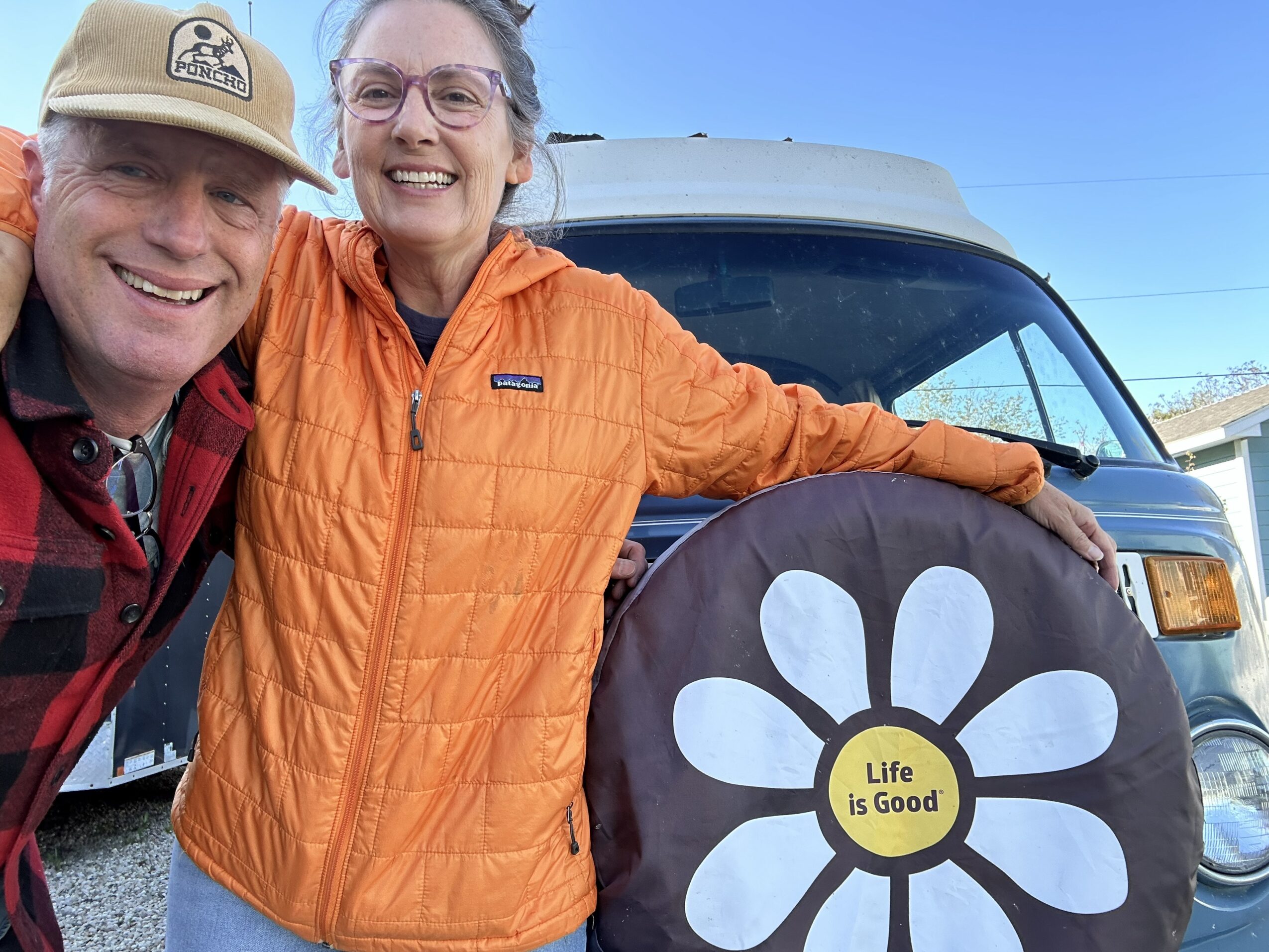



Today we’d like to introduce you to Lee Newman.
Hi Lee, we’re thrilled to have a chance to learn your story today. So, before we get into specifics, maybe you can briefly walk us through how you got to where you are today?
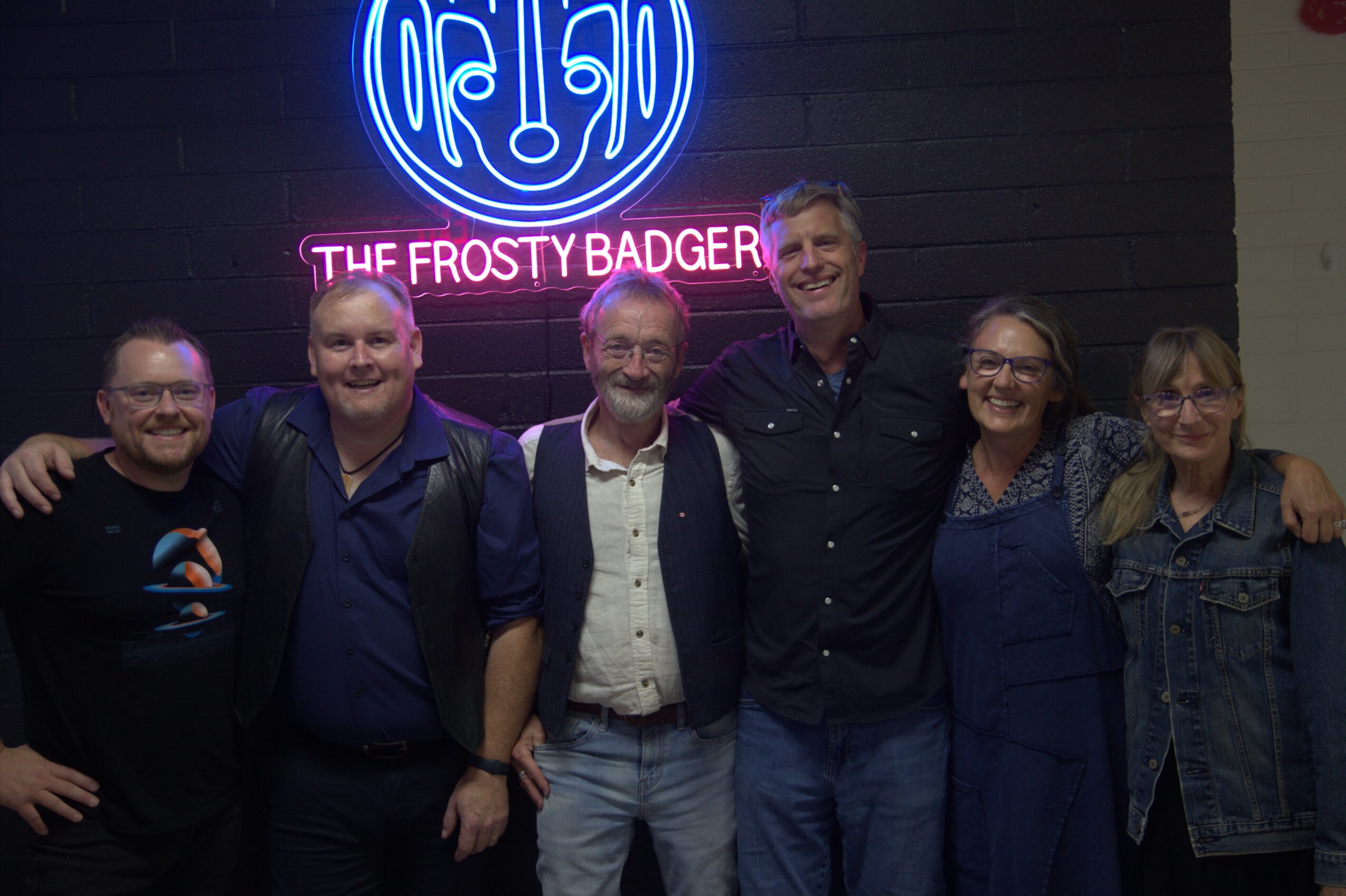
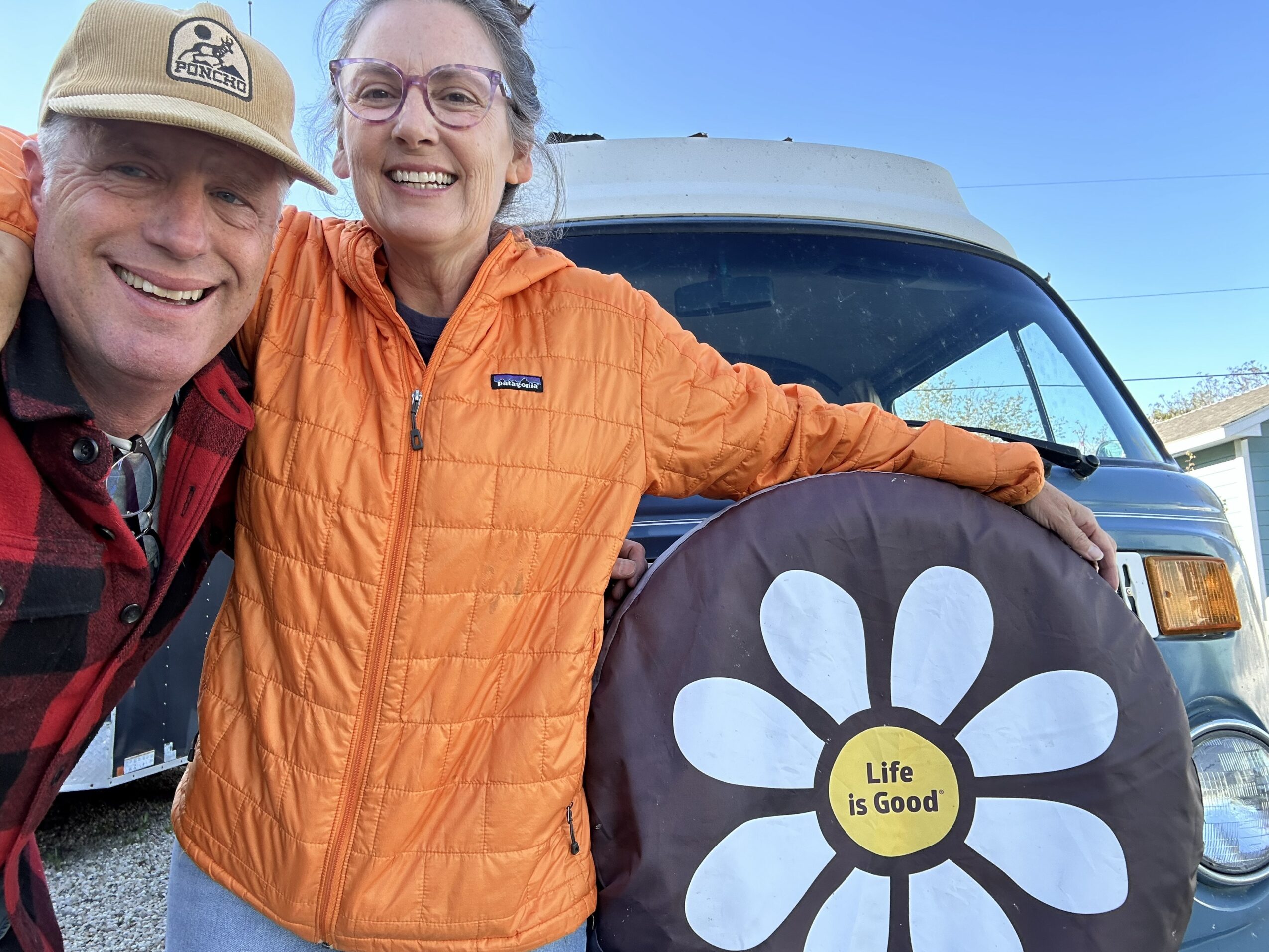
Several years ago, my wife Lisa and I bought a long-neglected old building in Ontario, Oregon — in the part of town we’ve started calling the NW Quarter. At the time, we weren’t setting out to build a music venue, start a record label, or create a nonprofit. Honestly, we just hated the idea of seeing another old building disappear.
The building had character. It had history. It had been part of the working life of Ontario for a long time, and we felt like it still had something to offer. So at first, the project was really about stewardship: taking care of something that had been overlooked and seeing if we could bring it back to life.
But as we worked on the building, the vision kept growing. We realized we weren’t just fixing up a structure. We were creating a place where people could gather — to hear music, celebrate, learn, talk, paint, raise money for good causes, and just be together.
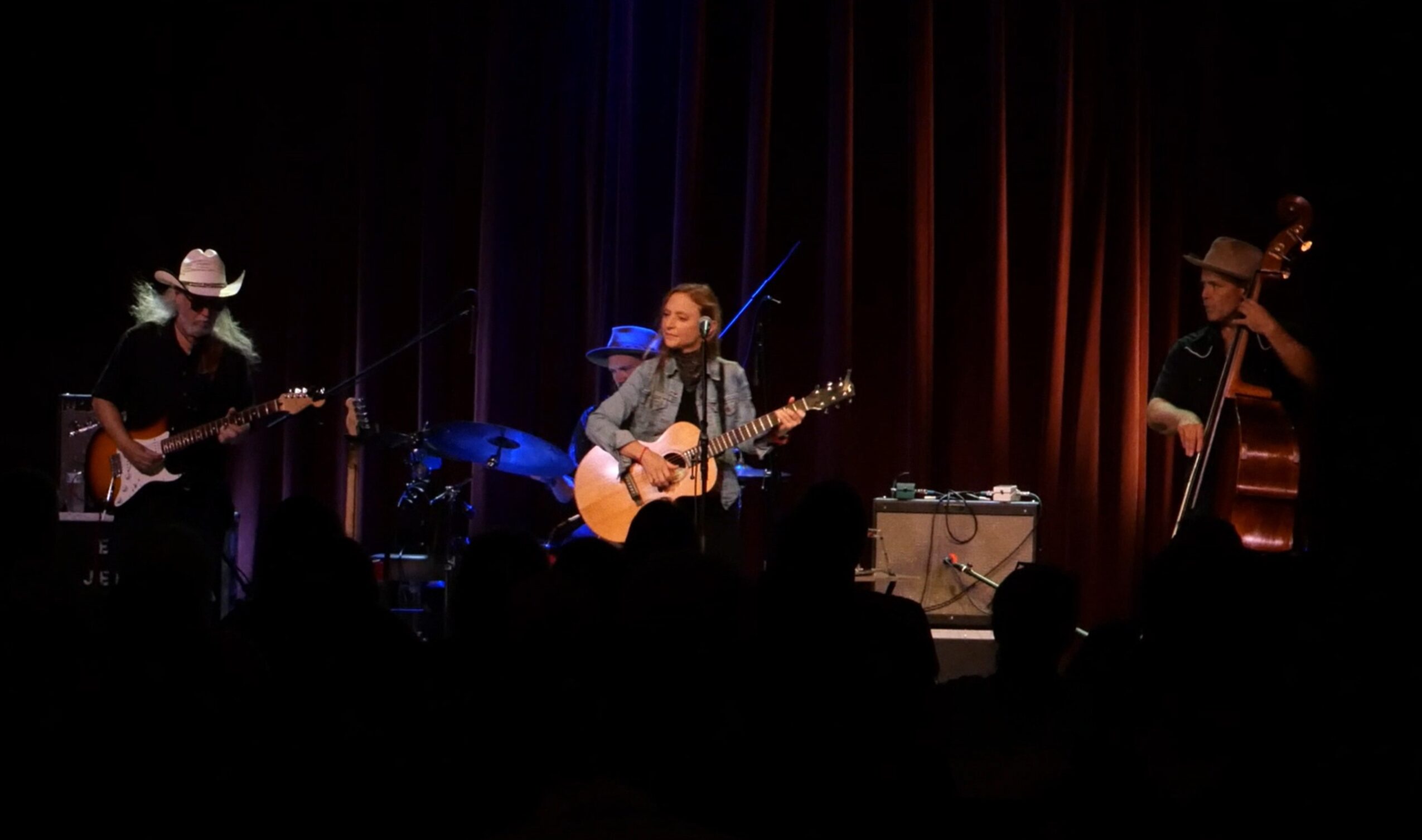
That eventually became The Frosty Badger. Music has been a big part of it. We’ve been able to host intimate concerts with nationally touring artists, regional musicians, and local audiences all in the same room. There’s something really special about hearing great songs in a small space where people are actually listening.
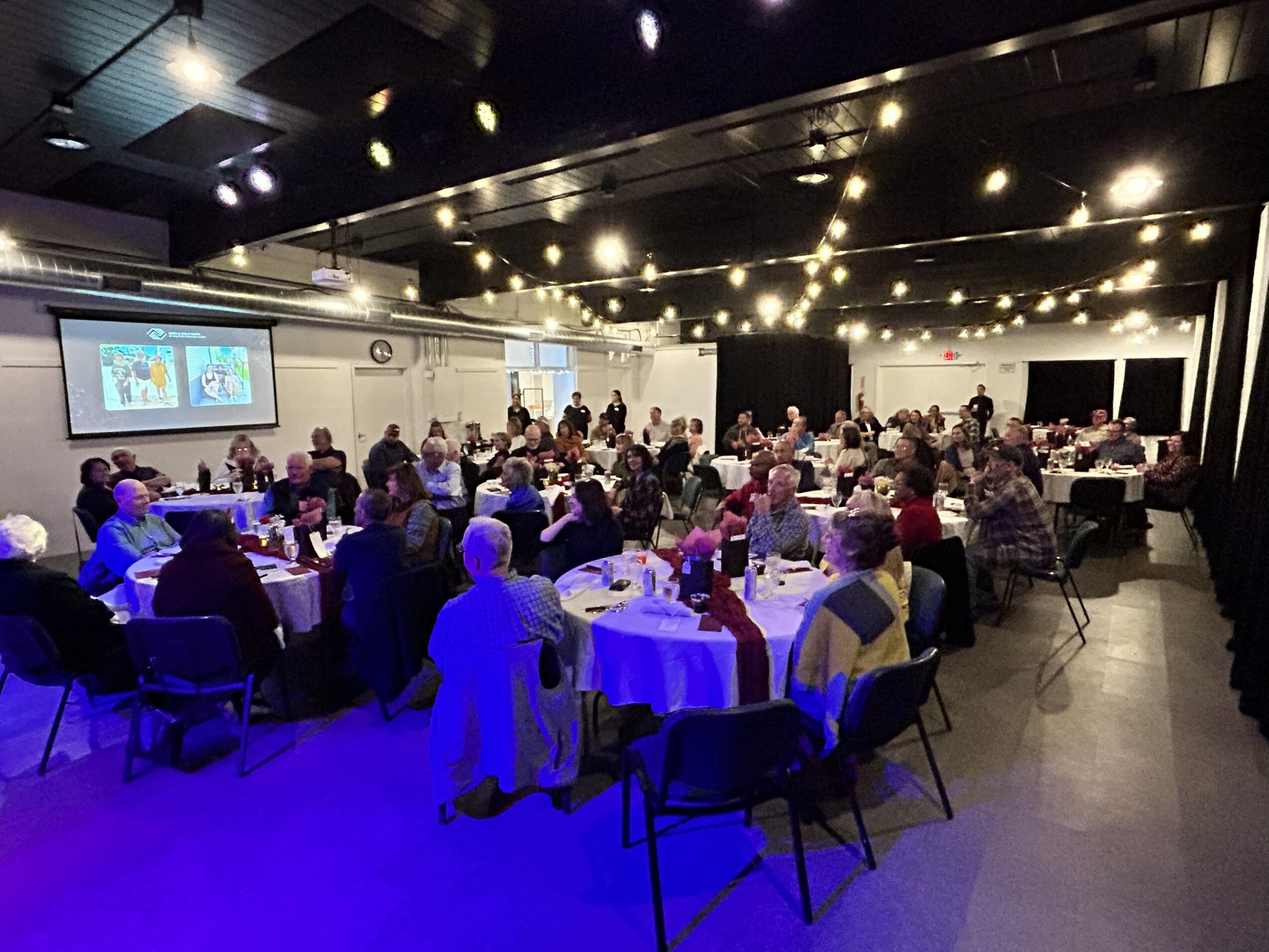
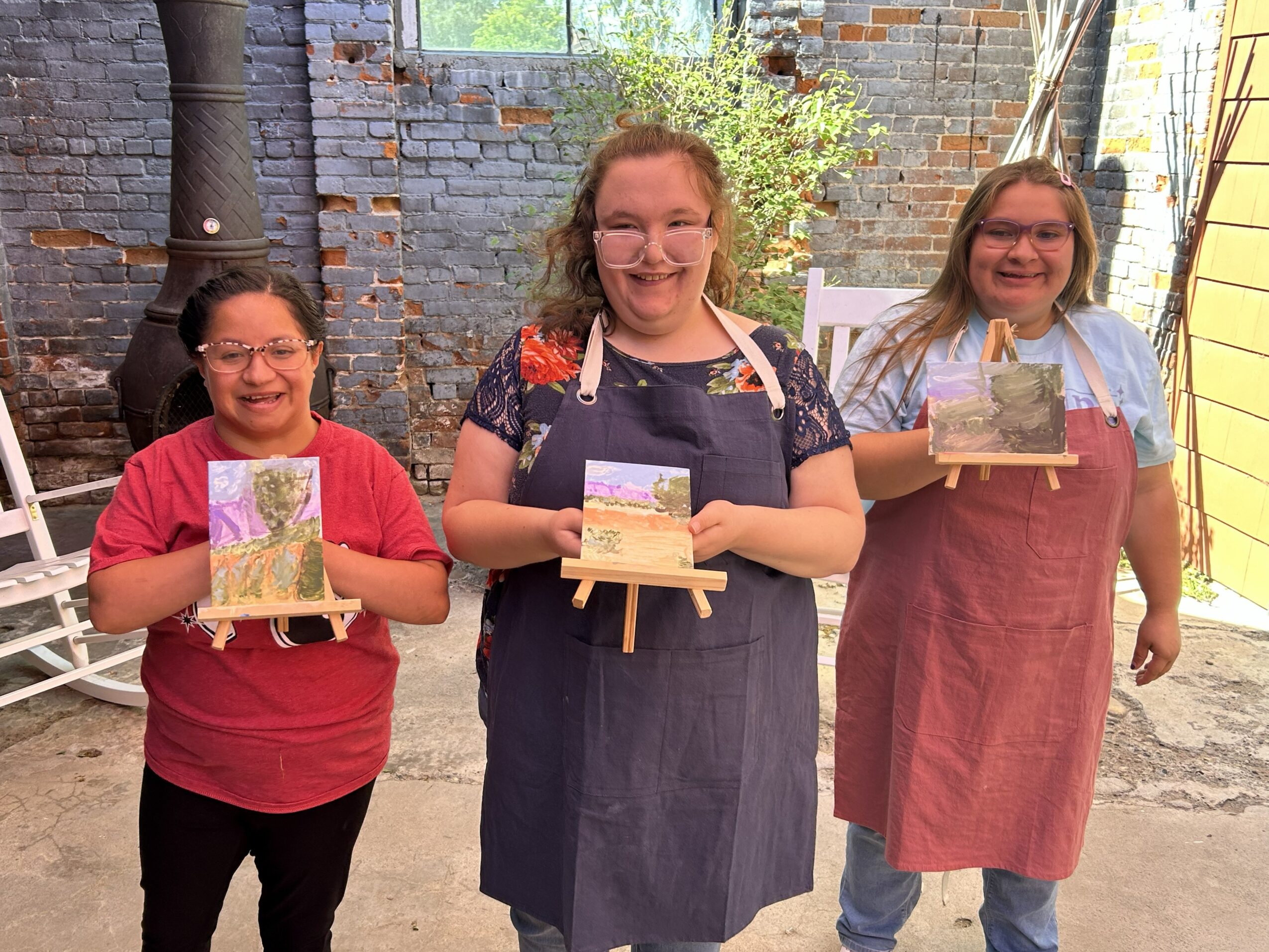
But The Frosty Badger has also become more than a music venue. It has hosted family celebrations, business meetings, nonprofit fundraisers, civic conversations, youth programs, Latino cultural celebrations, visual art, and programming for adults with developmental disabilities. One of the things we’ve learned is that rural communities need welcoming places where people from different backgrounds can show up and feel like they belong.
That same idea led to Audioso Records, which is our way of documenting and amplifying some of the music and stories that are connected to this place. More recently, it also led to the Ontario Community Development Foundation, a nonprofit focused on arts, culture, education, gathering spaces, and creative community development in Ontario and Malheur County.
We’ve been inspired by places like Muscle Shoals — not because we’re trying to copy that, but because it shows what can happen when music and place become connected in a meaningful way. Sometimes culture gives a town a new way to see itself.
What we’re building here is very much its own Eastern Oregon thing. It’s a little scrappy, a little unlikely, and still unfolding. But the heart of it is simple: take care of what’s been entrusted to us, create space for people to come together, and help remind our neighbors that small towns can be creative, generous, and full of life.
Can you talk to us a bit about the challenges and lessons you’ve learned along the way. Looking back would you say it’s been easy or smooth in retrospect?
It definitely has not been a smooth road.
Anyone who has ever renovated an old building will understand. At times it has felt like we were living our own version of *The Money Pit*. Every time we solved one problem, another one seemed to be waiting behind the wall. Old plumbing, tired electrical, accessibility needs, code requirements, unexpected repairs — everybody knows the story, it takes at least twice as long and costs twice as much.
The harder part has probably been trying to do all of this while also living regular life. Lisa and I have both have full-time careers. So The Frosty Badger has been built in the margins — evenings, weekends, vacation days, and whatever energy was left at the end of the week. We have also invested a lot of our own resources into something that, especially early on, was probably hard for people to understand.
There were definitely easier ways to spend our time and money.
But what kept us going was the sense that this was about more than fixing up a building. We were trying to create a place where people could gather, listen, celebrate, learn, create, and feel a little more connected to each other. Every concert, fundraiser, art show, youth program, community meeting, or family celebration helped remind us why the work mattered.
Progress rarely happens in a straight line. There have been setbacks, but each challenge also made us more convinced that places like this matter — especially in smaller rural communities, where welcoming gathering spaces are not always easy to find.
At this point, we see The Frosty Badger, Audioso Records, and the Ontario Community Development Foundation as a long-term investment — not just in a building, but in our community and in our own future. One of the things I’ve come to believe is that creativity doesn’t age out. We hope this work gives us a way to stay engaged, curious, useful, and creative long after our full-time careers are behind us. And hopefully it encourages other people to do the same.
The challenges have been real, but so has the joy. Looking back, it has been worth the struggle. But I’m also glad we started when we did, because the amount of energy required to pull something like this off is probably best attempted while youth is still at least somewhere in the rearview mirror.
Appreciate you sharing that. What else should we know about what you do?
Professionally, Lisa and I come from very different worlds, but I think both of our careers reveal something about who we actually are as people.
My career has been in project management in the recycling and waste-to-energy industry. I’ve spent years working on projects where the goal is to recognize value in things other people view as waste. I was drawn to that work because I have always been interested in old overlooked things — old buildings, old cars, forgotten places, and ideas that still have life in them if someone is willing to slow down, make an investment, and do the work.
That way of seeing things had a lot to do with our decision to invest in an old building in Ontario. From a purely financial standpoint, there were probably easier paths. And to be fair, Lisa saw that part pretty clearly. While I could see the character and possibility in the building, she could also see the money, time, and energy it was going to take — and all the other things we might be giving up along the way, like hiking, camping, traveling, and having a little more freedom in our lives.
Lisa’s gift is different. She sees beauty and dignity in people, including people others might overlook. The first part of her speech therapy career was spent on the medical side, working in skilled nursing facilities and hospitals with people recovering from strokes, brain injuries, Parkinson’s, and other difficult conditions. Now she works with children in the Ontario School District, including kids experiencing autism and other cognitive challenges. Whether she is working with the young or the old, she has a way of seeing the person in front of her — not just the diagnosis, the limitation, or the struggle.
These perspectives have shaped The Frosty Badger in a very real way. I may have been the one who first saw possibility in the old building, but Lisa has helped shape the heart of what it should become: a place where people feel welcomed, included, and seen.
Together, those perspectives have influenced almost everything we have created. The Frosty Badger was never meant to be just a room for rent or a stage with lights. We wanted it to be a place where neighbors could gather, nonprofits could hold events, local businesses could meet, artists could share their work, families could celebrate, and people from different backgrounds could feel comfortable walking through the door.
What I am most proud of is not really the building itself, although I do love the building. What I am most proud of are the relationships that have formed because of it. We have watched artists connect with audiences, nonprofits find new supporters, young people participate in programs they may not have otherwise experienced, and neighbors discover they have more in common than they might have thought.
If there is something that sets us apart, it is probably that we make decisions based on a broader definition of value. There are a lot of things in life that matter deeply but do not show up very well on a balance sheet: trust, belonging, creativity, hospitality, history, civic life, and the simple act of being a good neighbor.
That is really what our work has become. It is stewardship — of a building, of relationships, of local history, and of possibilities that might otherwise be overlooked. The Frosty Badger, Audioso Records, and the Ontario Community Development Foundation are all different expressions of that same idea. We believe small, steady investments in people and place can make a lasting difference in the community we call home.
Can you share something surprising about yourself?
Something that may surprise people is that I never really think of this as a business-first project.
That does not mean we ignore the business side. We can’t. There are budgets, contracts, repairs, insurance, utilities, scheduling, and all the practical realities that come with owning an old building and operating a venue. But the original plan was pretty simple: I wanted a shop, I wanted Lisa to have an art studio, and I wanted a room where I could strum three chords on the guitar, sing a little off-key, and not bug anybody.
After that, things started to grow.
I have always loved music, especially live music — real people playing real instruments in a small room for an appreciative audience. I wanted our community to have that kind of experience without having to drive to Boise and back. There is something pretty great about hearing amazing music in your own town and still being home and in bed by 10:30.
Lisa is an artist and loves art, so that side of the building was a natural fit for her. As the space developed, music, painting, gathering, conversation, and creativity all seemed to belong there. It’s just who we are.
So while The Frosty Badger, Audioso Records, and the Ontario Community Development Foundation may look like a planned set of projects from the outside, that is not really how it happened. The only part that was planned was making a place for the things we loved.
The rest evolved naturally. One concert led to another. One relationship led to another. One community use led to another, and the story is still unfolding.
The common theme is still value, but not just financial value. There are a lot of things that have value that do not have a dollar sign in front of them. When people gather in a room and hear a song, connect with a painting, have a conversation with a neighbor, and return home proud of where they live and maybe inspired to live a little more creatively, that matters too.
Contact Info:
- Website: https://thefrostybadger.com/
- Instagram: https://www.instagram.com/thefrostybadger/
- Facebook: https://www.facebook.com/TheFrostyBadger/
- Other: https://maps.app.goo.gl/uP2EHooCWoXM7t9k9