


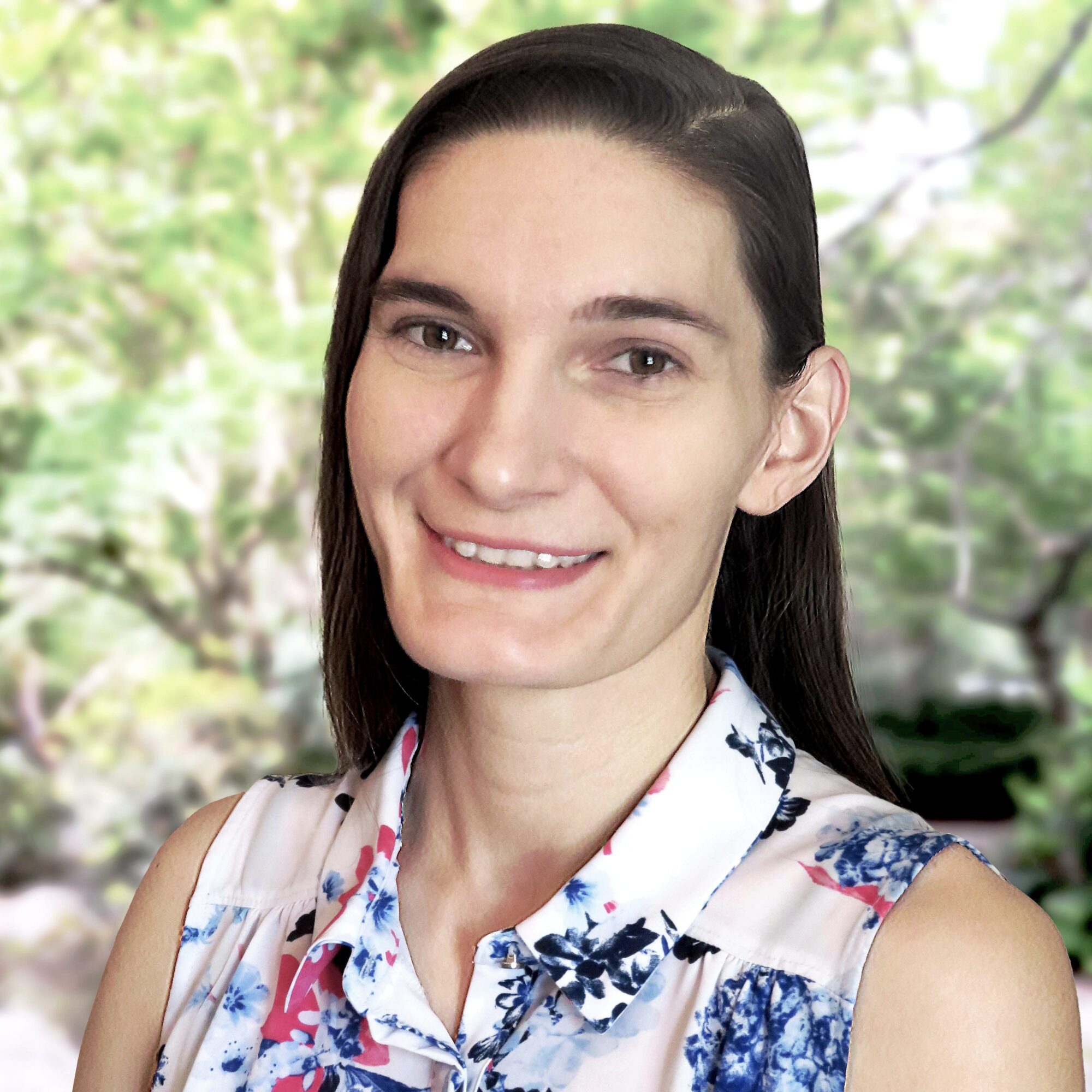
Today we’d like to introduce you to Mae Yuuki.
Hi Mae, can you start by introducing yourself? We’d love to learn more about how you got to where you are today?
When people think about architecture, many may picture beautiful homes. I also think about how those homes feel to live in. Can you breathe easily? Do you wake up feeling rested and restored? Does the space help you feel calm, energized, and connected to nature? I grew up in the Pacific Northwest surrounded by forests, mountains, rivers, and the Oregon coast. As a cross-country runner and organic gardener, I spent countless hours outdoors, developing an appreciation for the way nature restores us. I was inspired by architects like Tadao Ando and Frank Lloyd Wright, whose work demonstrates that buildings can exist in harmony with their surroundings. I loved the idea of creating spaces where thoughtful proportions, natural light, and carefully chosen materials could positively shape the way people experience everyday life.
After graduating from the University of Oregon with honors, earning a Bachelor of Architecture and a minor in Landscape Architecture, I discovered EcoNest Architecture and had the privilege of working under pioneers of healthy homes, Paula Baker-Laporte and Robert Laporte. Through this experience, I further appreciated the profound connection between our built environment and our health. For years, I worked alongside clients who weren’t simply building their dream homes, they were building places of healing. Some were navigating chemical sensitivities, mold exposure, autoimmune conditions, or other environmental illnesses. Others simply wanted to create the healthiest possible environment for their families. Every project reinforced that architecture has the power to improve lives.
I’m sure it wasn’t obstacle-free, but would you say the journey has been fairly smooth so far?
The road hasn’t always been easy. Environmental sensitivities affect many people, and in 2008 they affected me as well. I became seriously ill, seeking answers from multiple doctors and healthcare professionals, yet no one could provide a clear diagnosis. What ultimately made the greatest difference wasn’t another prescription, it was changing my environment. Recovery was a long journey. I followed a strict diet and it took more than five years before I truly felt like myself again. Looking back, I’m grateful that everything I gravitated toward during that time ultimately supported my health: cleaning up my diet, minimizing exposure to chemicals, and choosing to live in a wireless-free and very low-EMF environment.
Today, I bring a unique perspective to my work. I’ve had the privilege of working for more than a decade under healthy home pioneers Paula Baker-Laporte and Robert Laporte, while also experiencing environmental illness firsthand. My personal journey and professional path are deeply intertwined, giving me both the technical knowledge and the lived experience to better understand some of the challenges many of our clients face. I’m grateful that my career has evolved into something so closely aligned with my values. Architecture allows me to combine creativity, science, and service in meaningful ways. While many people imagine architects sketching floor plans all day, my work often involves researching technical data sheets, reviewing ventilation strategies with engineers, or asking manufacturers detailed questions about flooring adhesives and protective coatings. I genuinely enjoy that process because every answer helps us create a healthier home.
We’ve been impressed with EcoNest Architecture, but for folks who might not be as familiar, what can you share with them about what you do and what sets you apart from others?
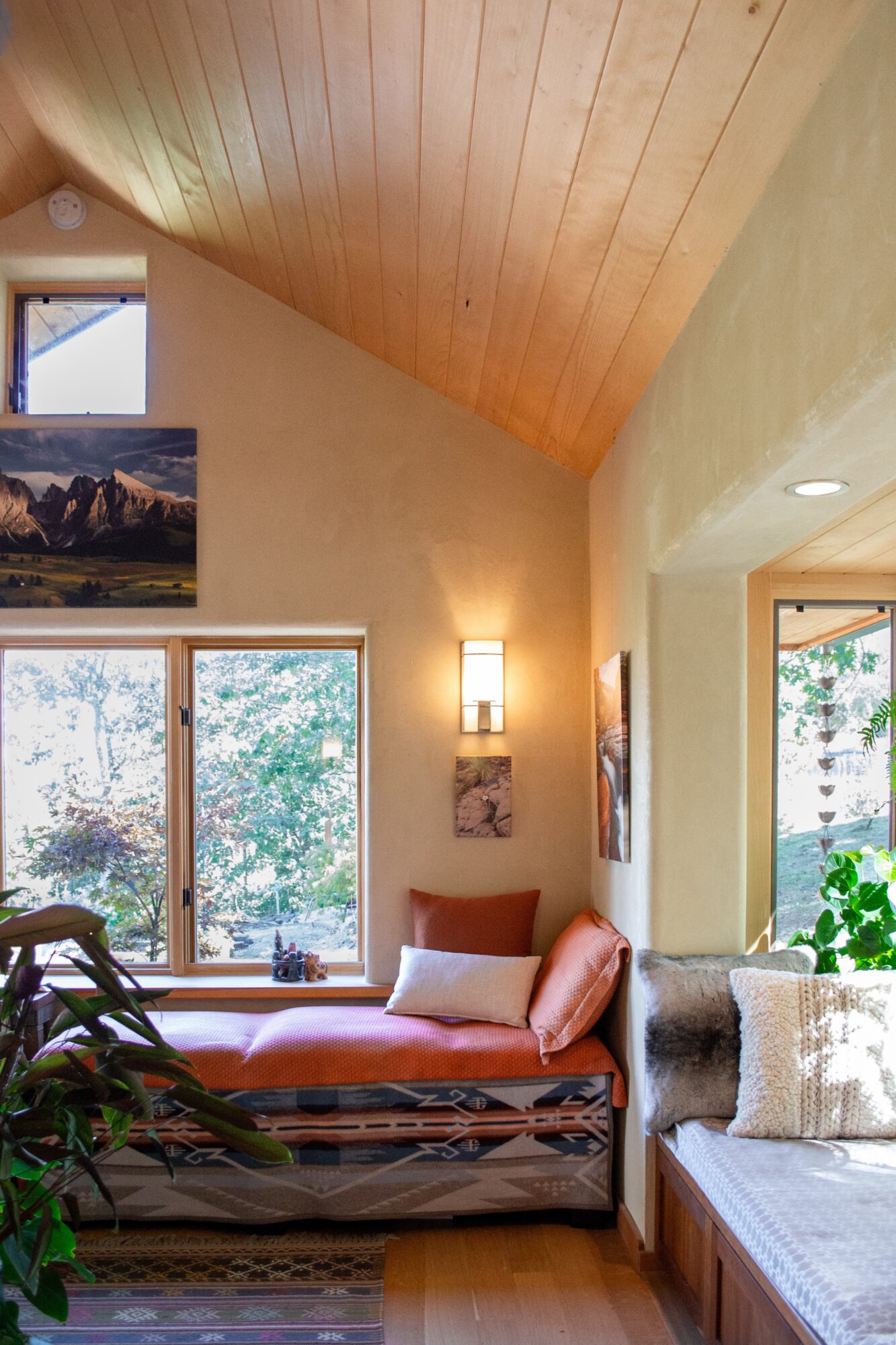
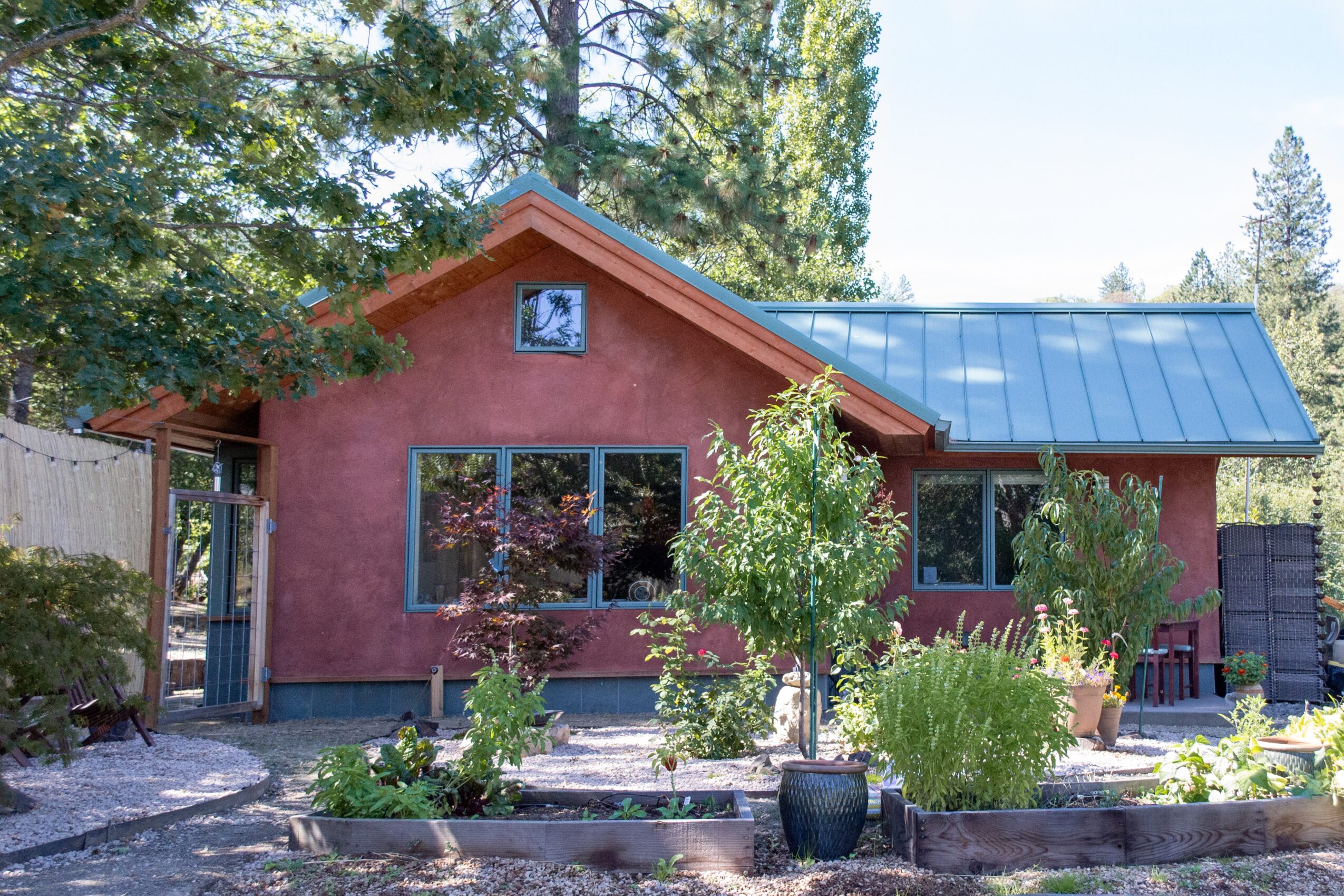
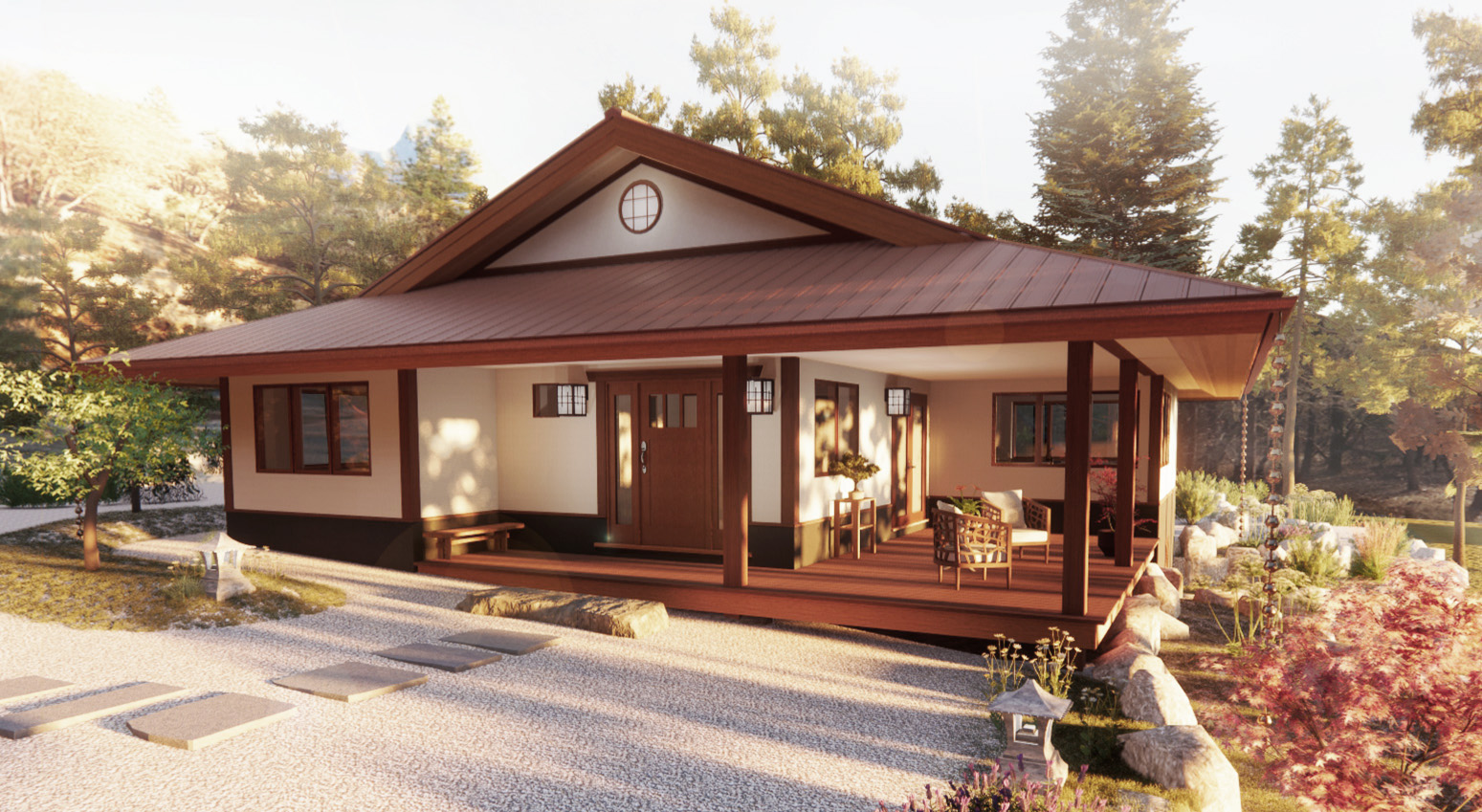
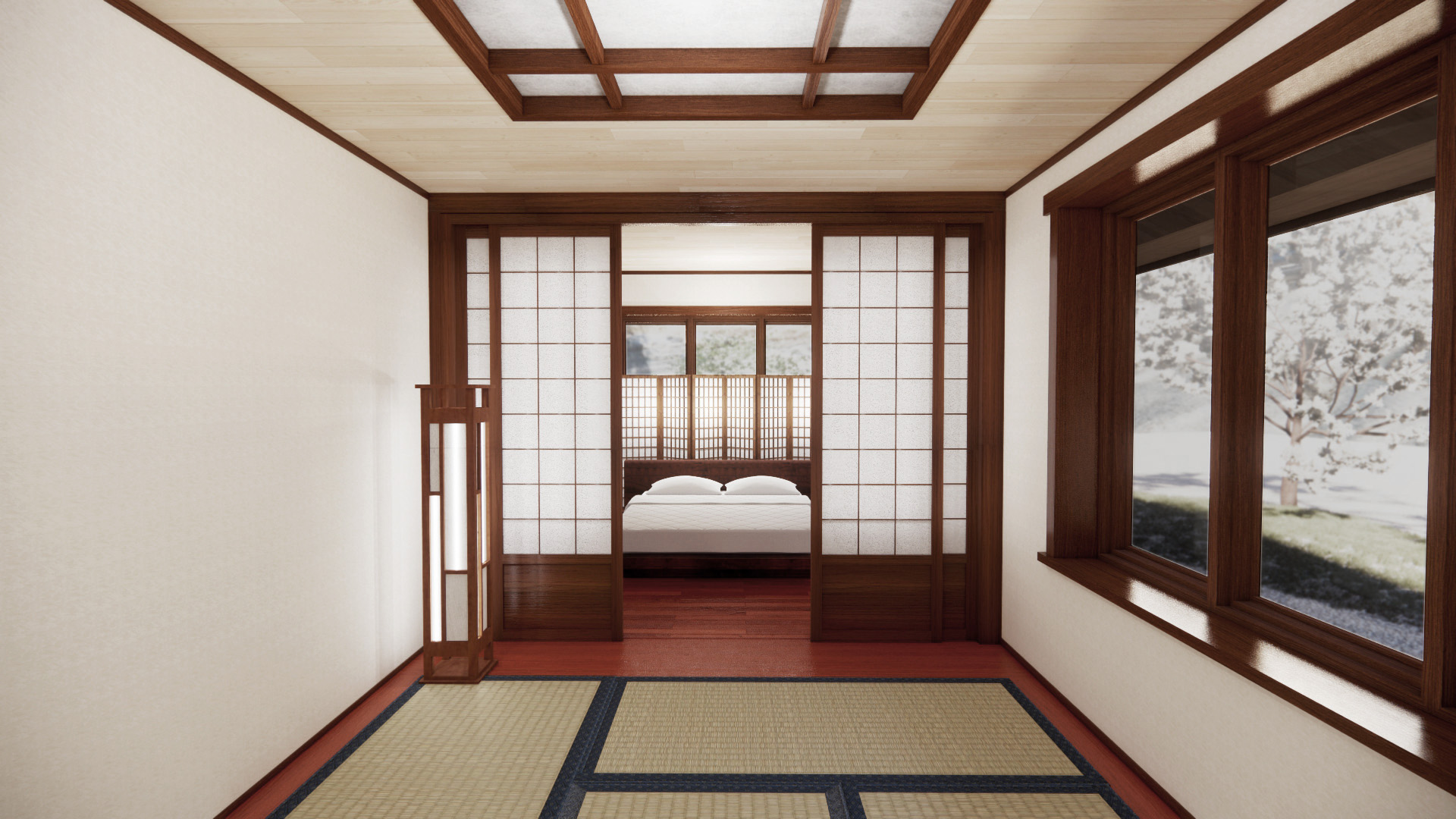
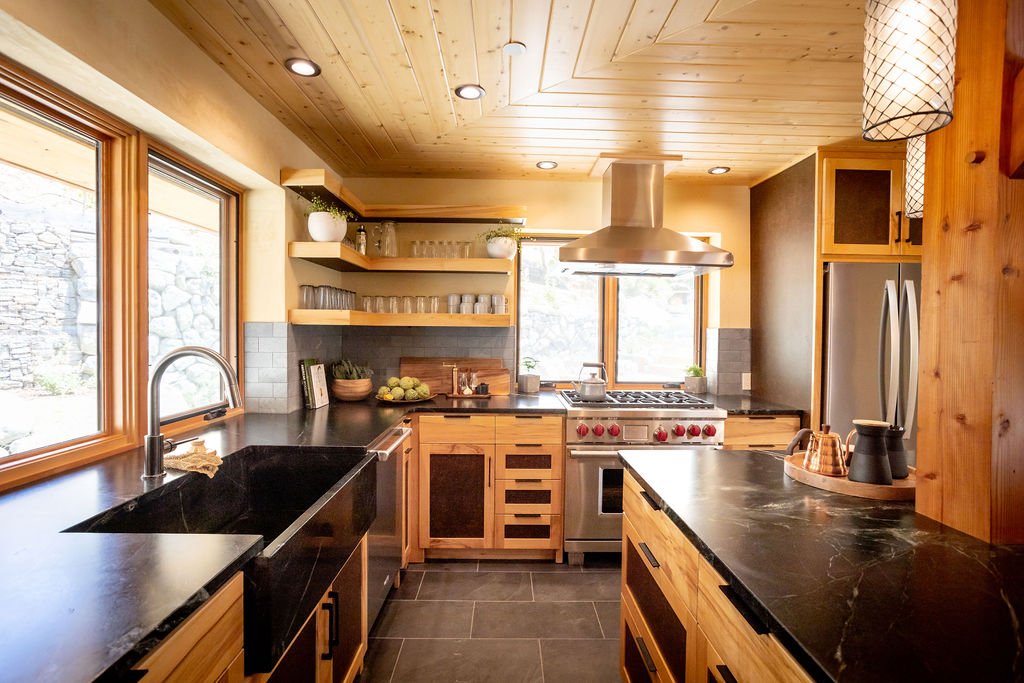
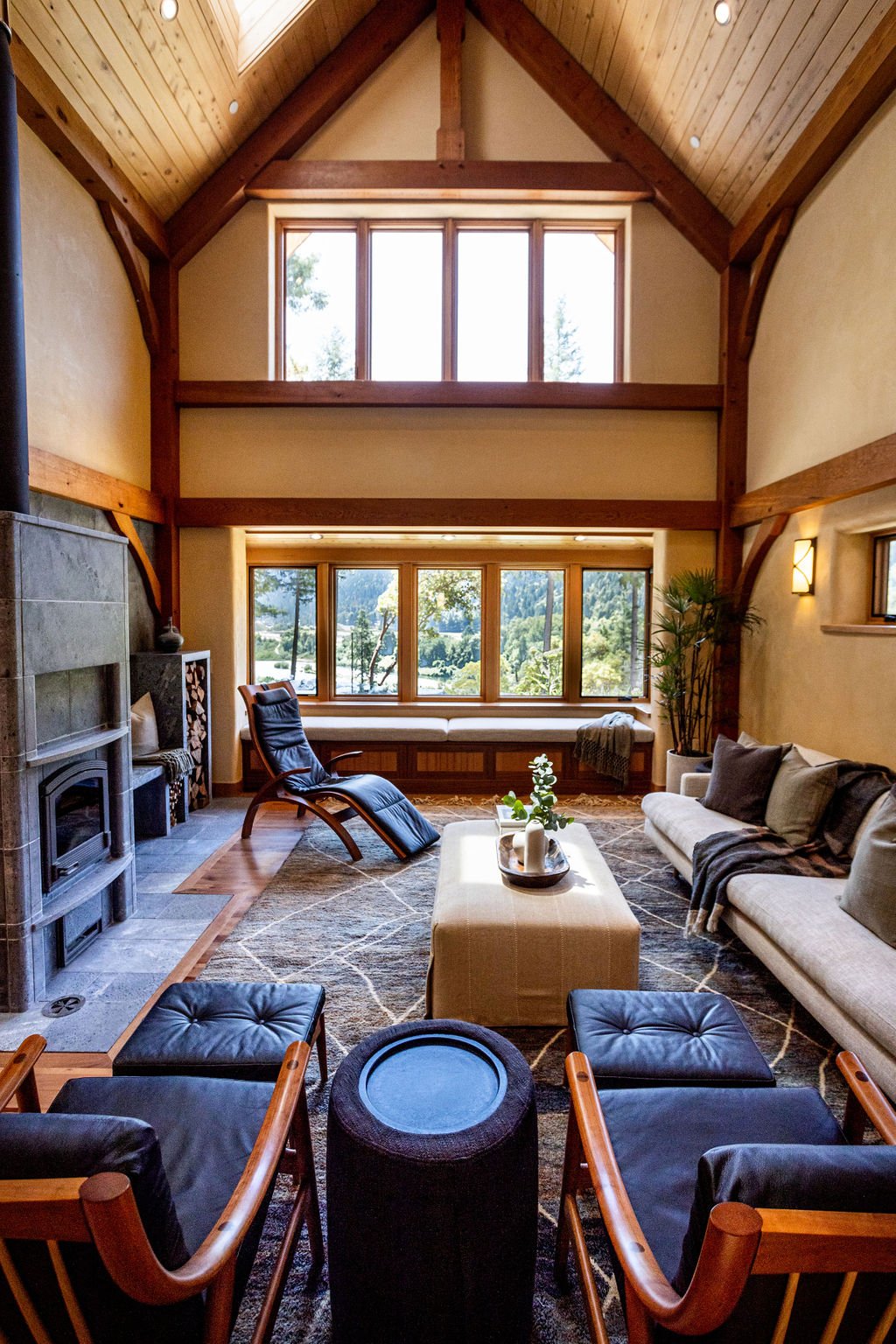
When Paula retired in 2024, my business partner, Andrea Allen Sis, and I continued EcoNest Architecture with the goal of carrying the mission forward while building upon it. Today, we design and consult on homes throughout the United States and abroad that thoughtfully integrate healthy materials, sound building science, sustainability, durability, and timeless design. Whether we’re designing a custom residence, consulting on healthy material selections, or collaborating with another architectural team, our goal remains the same: creating homes that support both long-term health and lasting beauty. Nature is the gold standard.
I’ve always been someone who asks one more question. If a product is labeled “green,” I want to understand why. If a building practice is considered standard, I want to know whether it’s also the healthiest choice. That curiosity helps lead my career, and it continues to drive the work we do every day. No two families are alike, and neither are the homes we design.
One of the most rewarding moments comes long after construction is complete. Months later, clients tell us they sleep better, breathe easier, enjoy spending more time at home, or simply feel more at peace in their surroundings. While every person’s health journey is unique and many factors influence well-being, hearing that a thoughtfully designed home has become a place of comfort and restoration is incredibly meaningful.
We shape our homes, and in return, our homes shape us.
Networking and finding a mentor can have such a positive impact on one’s life and career. Any advice?
For those interested in learning more about healthy buildings, I encourage exploring the free educational articles on our website at EcoNest Architecture and signing up for our newsletter, where we share insights on healthier building practices and materials. I also highly recommend Prescriptions for a Healthy House, 4th Edition, by Paula Baker-Laporte and John Banta, one of the most comprehensive resources available for homeowners and building professionals alike.
There is also the work of the Building Biology Institute and Building Science Corporation. The Building Biology Institute offers education on creating healthier indoor environments, covering topics such as healthier building materials, indoor air quality, water quality, mold prevention, and low-electromagnetic-field environments. Building Science Corporation has helped advance our understanding of building performance, providing research that enables architects and builders to create homes that are healthier, more durable, comfortable, and resilient.
In this profession, there is always something new to learn. Whether you’re a homeowner, architect, designer, or builder, I encourage you to stay curious, ask questions, and continue exploring the growing body of knowledge surrounding healthy homes.
Contact Info:
- Website: https://www.econestarchitecture.com