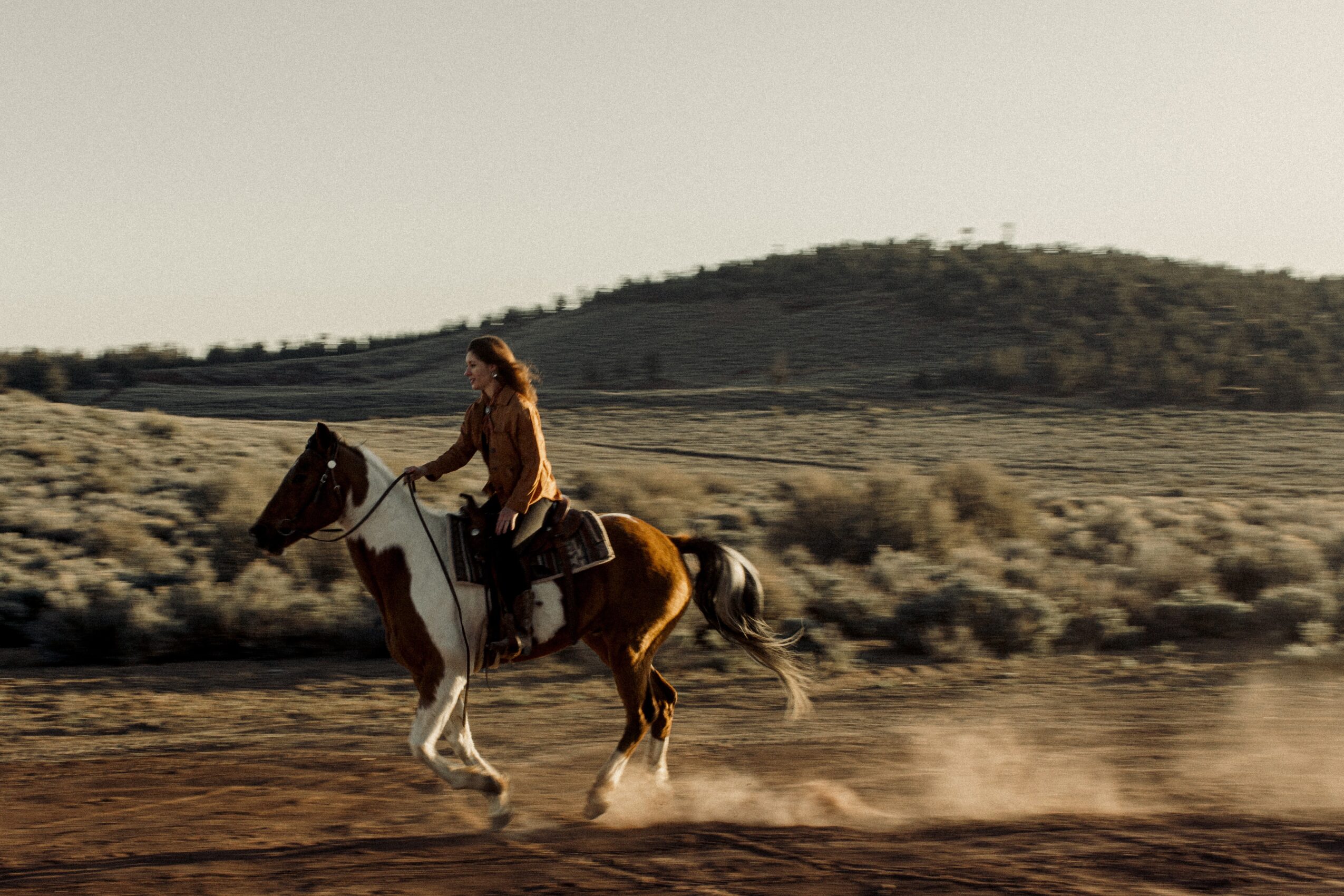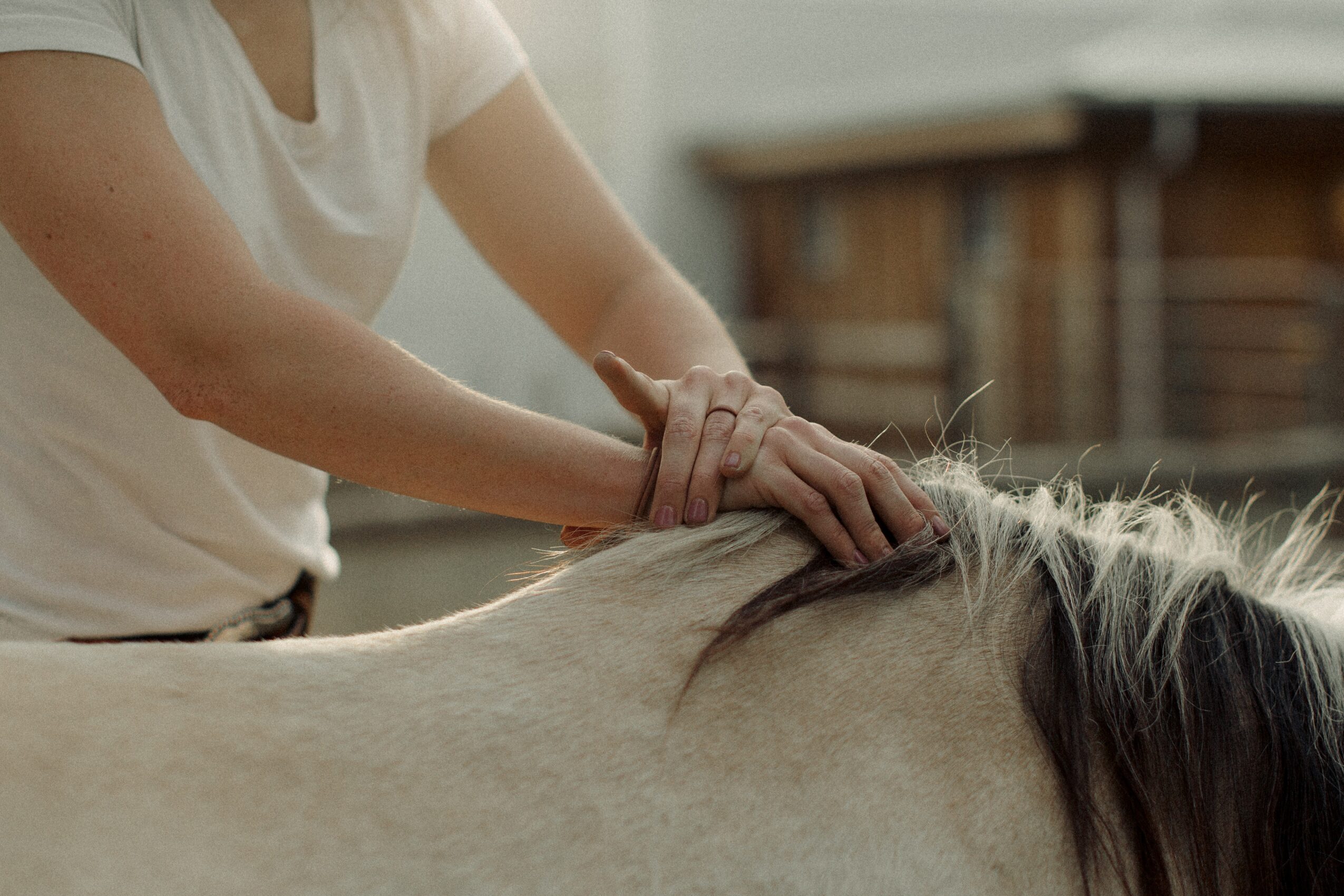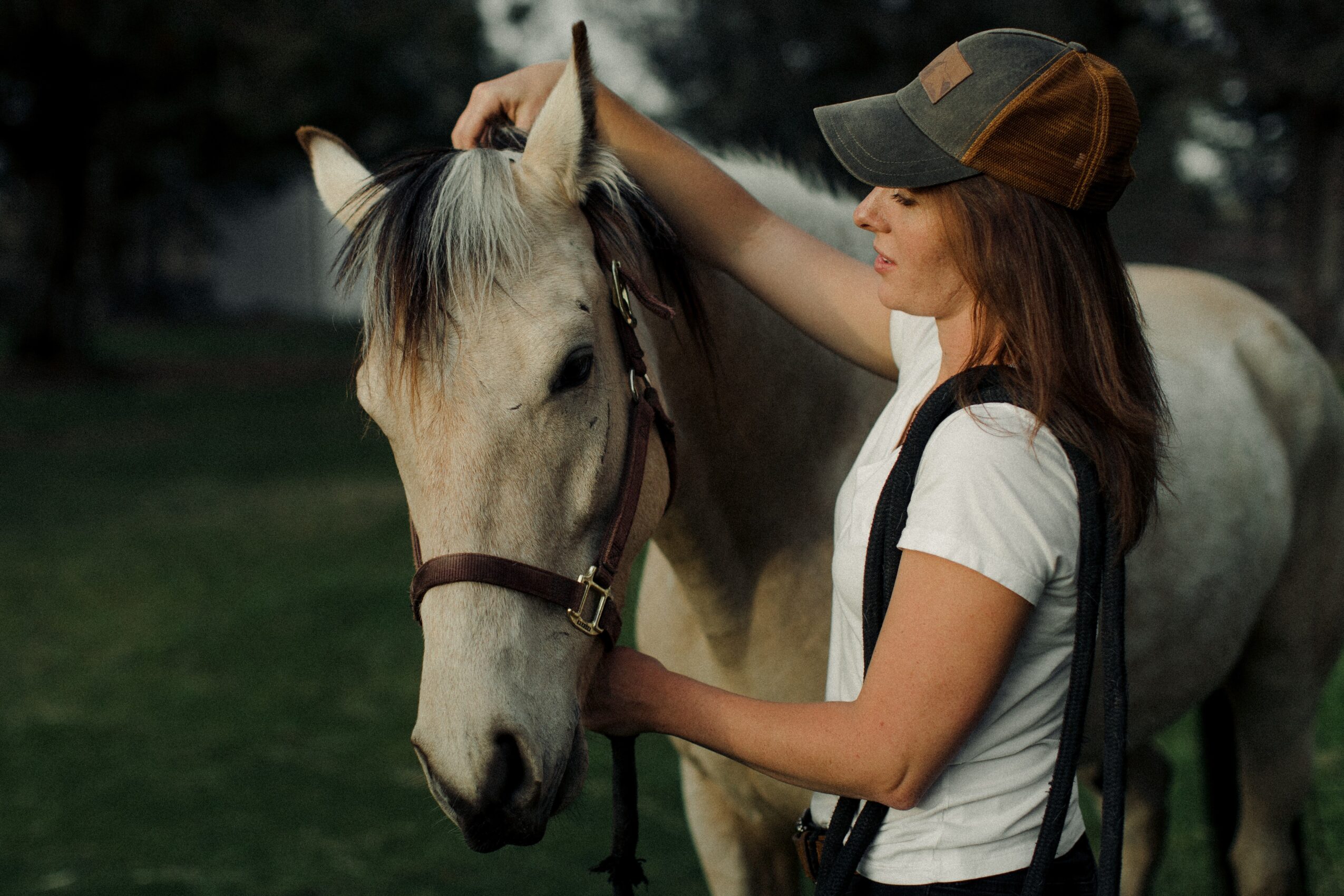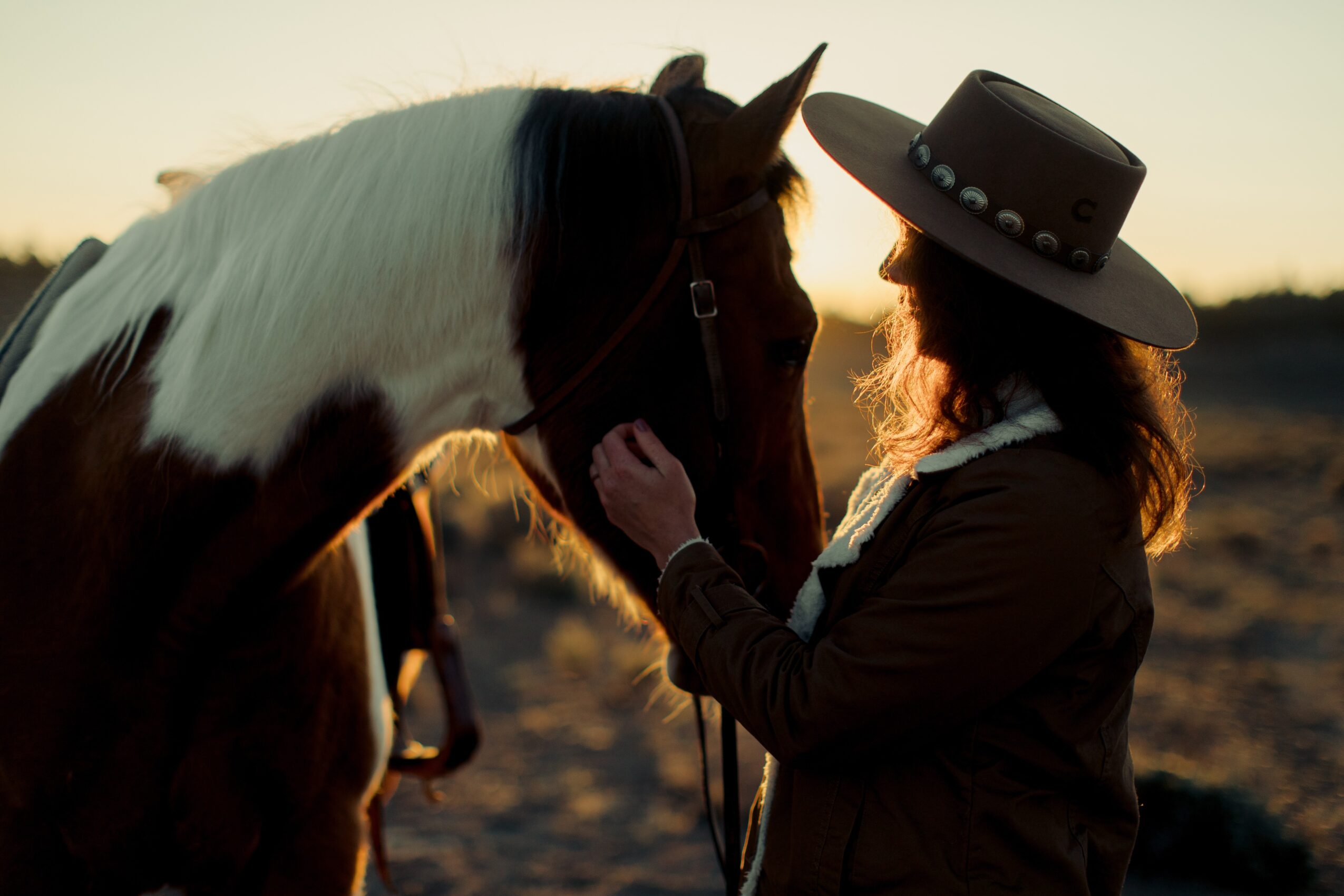



Today we’d like to introduce you to Dr. Brianna Husby.
Hi Dr. Brianna, thanks for sharing your story with us. To start, maybe you can tell our readers some of your backstory.
Charles Dickens wrote in Great Expectations, “Imagine one selected day struck out of your life, and think how different the course would have been. Think for a moment of the long chain of iron or gold, of thorns or flowers, that would never have bound you, but for the formation of that first link on that one memorable day.”
If we think hard enough, many of us can point to a moment that quietly changed everything — a decision or a chance encounter — that set us on a path we never could have predicted. Looking back, it’s hard to imagine who we’d be if that moment had never happened.
For me, that moment came 20 years ago in a barn, watching through tears as someone saved my horse’s life.
Happy was my childhood horse, and an ex-racehorse. Being born a racehorse means that, at the ripe age of 2, you get put on a diet of mostly rocket fuel and are taught how to do one thing and one thing only — run fast as hell. When I adopted Happy she was a neurotic mess, and my only goal was to help her learn or to be a horse again. Through gentle training techniques, we built a strong bond… until one day, she suffered a terrifying accident. She reared up, lost her balance, and flipped over backward onto her back, landing on the concrete floor of the barn.
The vet examined her and felt she would recover with time. We waited. A couple of weeks passed, but instead of improving, Happy seemed to be getting worse. She became irritable and aggressive, lunging out at us with teeth bared anytime we’d walk past her stall. She was eating less and less, and at times even wasn’t drinking, which is an enormous red flag for any horse owner. Despite our every effort she was wasting away, and my trainer and I were running out of answers and starting to wonder if we might lose her.
I didn’t grow up around chiropractic care. But I remember having a lightbulb-moment: “She fell on her back. I know there are chiropractors for people — are there chiropractors for horses?”
So we flipped through the yellow pages, and finally found an old cowboy chiropractor who, out of some abundance of kindness that still shocks me, agreed to make the three hour drive to see Happy. He checked her spine and and found a misalignment in the bones of her upper neck, near the base of the skull — the area that surrounds and protects the brainstem.
He made an adjustment.
Happy blinked.
And then she melted. I watched the tension she had been carrying for years drain out of her like a river finally breaking free from a dam. Her eyes softened. Her muscles relaxed. Later that day, she started eating again. Within two weeks, she was looser and happier than I’d ever seen her, even packing little kids around the arena.
I watched all of this unfold and thought, “That’s what I want to do.”
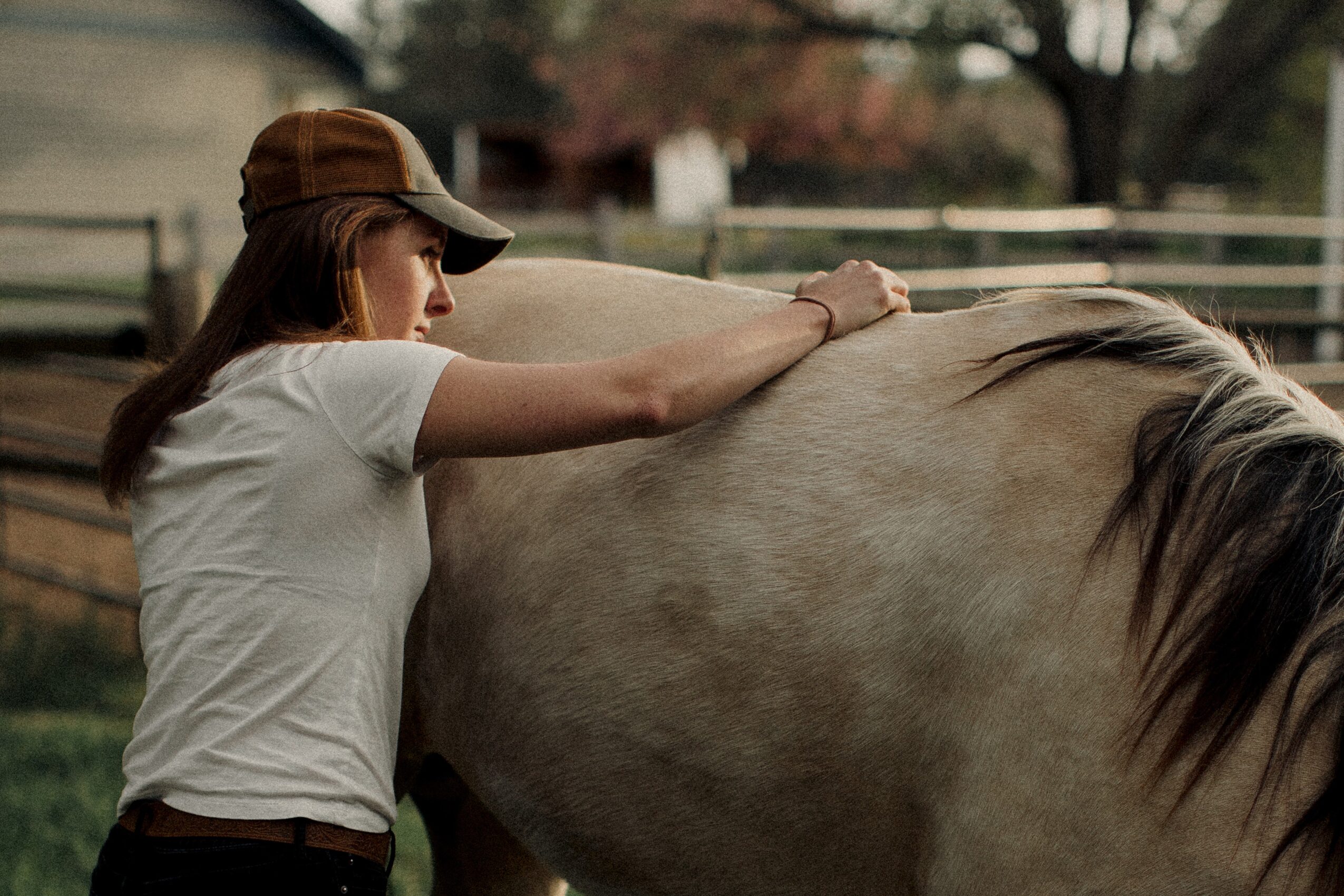
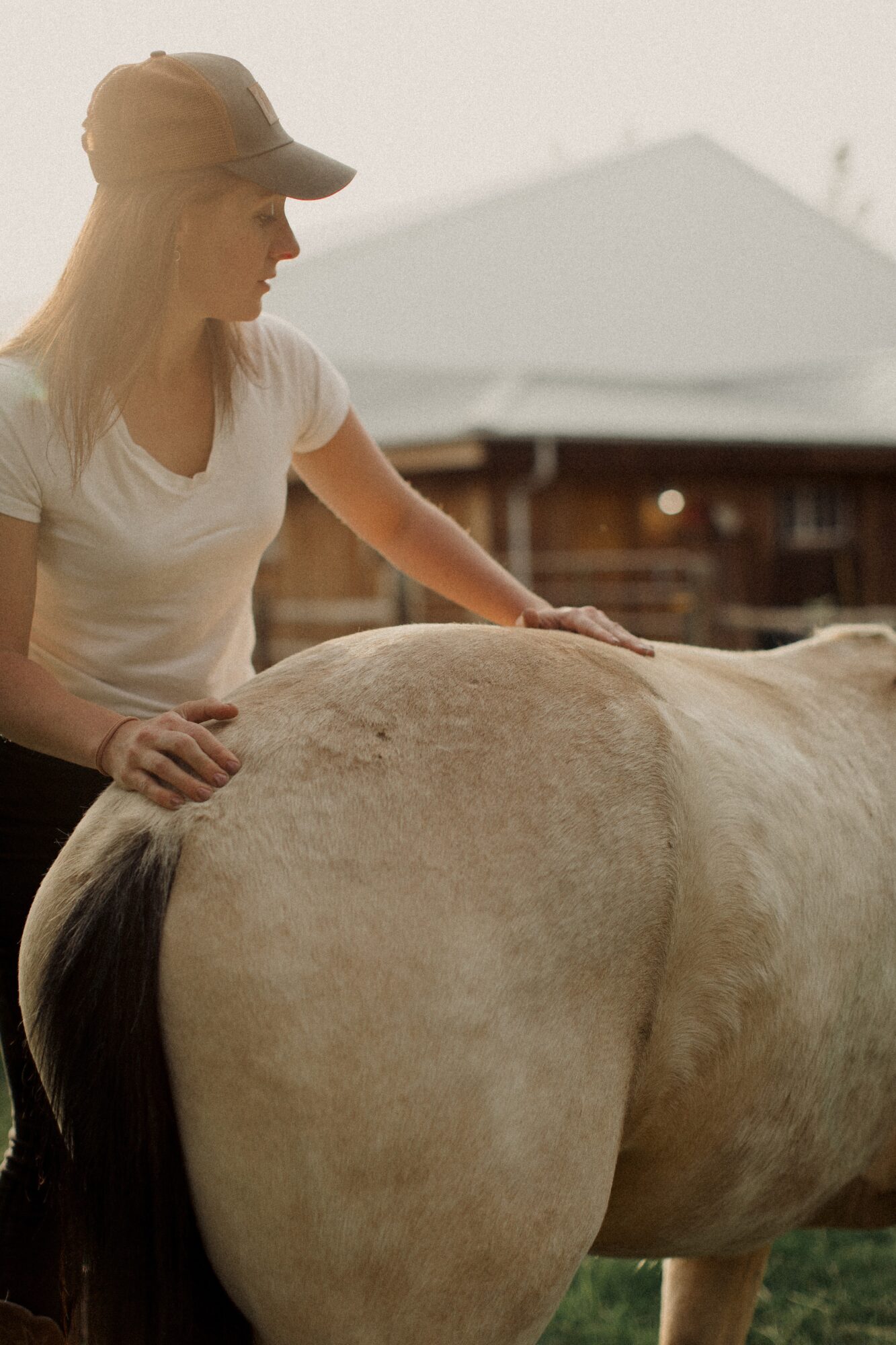
So I became a chiropractor. Today, I have the privilege of caring for both people and animals as someone who checks and clears the nervous system of subluxation (the chiropractic term for a misaligned bone). And I have seen this technique perform absolute miracles — Whether it’s a horse struggling to perform, a rider battling chronic pain, or a family trying to get back to doing what they love, I’m reminded every day of the lesson Happy taught me: sometimes the body doesn’t need more medication or more rest — it just needs the right problem identified and corrected.
Can you talk to us a bit about the challenges and lessons you’ve learned along the way. Looking back would you say it’s been easy or smooth in retrospect?
One of the biggest hurdles is the misconception of what chiropractic actually is. People often try to fit it neatly into the traditional Western medical model, but chiropractic has a different philosophy. Rather than simply managing symptoms, our focus is on corrective care — helping the nervous system function at its highest potential. That difference is also one reason chiropractic has historically had a complicated relationship with insurance. Insurance was largely designed around the treatment of acute disease and injury, while chiropractic emphasizes restoring function, preventing problems, and supporting long-term health.
Another challenge is that chiropractic is incredibly hands-on. It’s physically demanding work, and the techniques we use require strength, precision, and body awareness. As chiropractors, we have to take care of ourselves just as intentionally as we ask our patients to. That lesson became especially meaningful this past year when I became a first-time mom at 35. Pregnancy certainly challenged my body, but it also reinforced everything I believe about chiropractic care. I was adjusted throughout my pregnancy and continued caring for patients until I was eight months pregnant. I genuinely believe those adjustments helped me stay active, comfortable, and doing the work I love much longer than I otherwise could have.
Perhaps the greatest challenge, and also one of the most rewarding parts of my job, is education. Many people come in hoping for a quick fix. While an adjustment can create remarkable changes, lasting results almost always require partnership. I often tell my patients, “This is something we do with you, not for you.” Recovery and wellness happen when patients are engaged in the process, both inside and outside the office.
Working with animals presents another unique challenge. Animal chiropractic has grown tremendously over the past few decades, but the regulatory landscape is still evolving. In Oregon, chiropractors work collaboratively with veterinarians, and I view that partnership as a positive one. My goal has always been to complement the care animals are already receiving, helping them move more comfortably and perform at their best while working alongside their veterinary team.
At the end of the day, every challenge comes back to the same mission: helping people, and their animals, understand what their bodies are capable of when they function well. Seeing someone regain the ability to ride their horse without pain, watching an older dog become playful again, or helping a horse return to work comfortably makes all of the education, effort, and advocacy worthwhile.
Thanks – so what else should our readers know about Wild Life Animal Chiropractic?
I am a chiropractor who cares for both people and animals, with a special focus on horses and their riders. While human and animal chiropractic may seem like two very different professions, they share the same goal: helping the nervous system function at its best so the body can move, heal, and perform the way it was designed to.
Most people associate chiropractic with treating neck pain or back pain. While those are certainly common reasons someone seeks care, they’re not actually the primary focus of chiropractic. At its core, chiropractic is about the health and function of the nervous system.
In an ideal world, the spine moves freely and maintains healthy alignment. Over time, however, physical, chemical, and emotional stresses can cause joints in the spine to lose their normal motion and alignment. When that happens, it’s not just the joint itself that’s affected. Irritation to nearby nerves can interfere with communication between the brain and the rest of the body.
A chiropractic adjustment is designed to restore normal motion and alignment to these joints. While many patients notice less pain and improved mobility afterward, the bigger objective is to optimize the connection between the brain and body by reducing stress on the nervous system. When that communication improves, the body is better able to adapt, heal, and perform, whether it’s a person getting back to the activities they love or a horse returning to comfortable, balanced movement.
I am most proud of my business name and brand: “Wild Life” was born from a simple premise: That every living being has the innate ability to heal. Something that is “wild” is something living or growing in its most natural environment. When we are in our most wild state, we are able to access that healing ability best and live our fullest expression of life.
Offerings for Summer: My usual first visit for a human in my office includes a thorough health consultation, spinal exams, motion and neurological testing, balance and posture analysis, and full spine X-Rays. Typically this is $302, but I am offering it to new patients through the end of summer for just $119.
Is there anything else you’d like to share with our readers?
I just absolutely love what I do. I am lucky to have found what I consider to be my calling. I know this because despite the incredible amount of hard work this career required, when Simon Sinek says “Working hard for something we don’t care about is called stress; working hard for something we love is called passion”, it rings true.
Contact Info:
- Website: https://wildlifeanimalchiro.com/
- Instagram: https://www.instagram.com/wildlifechiro/
- Facebook: https://www.facebook.com/wildlifeanimalchiro