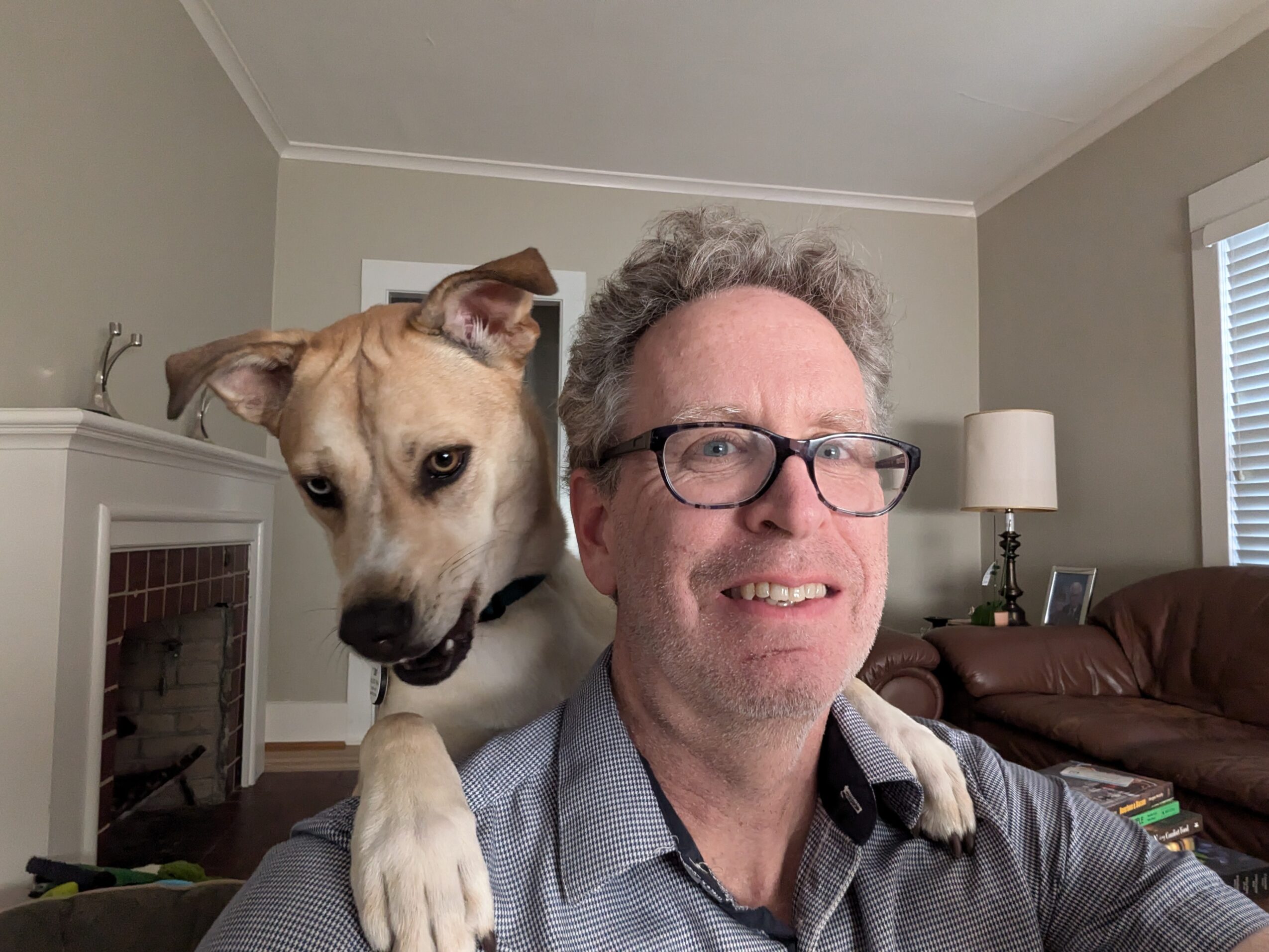



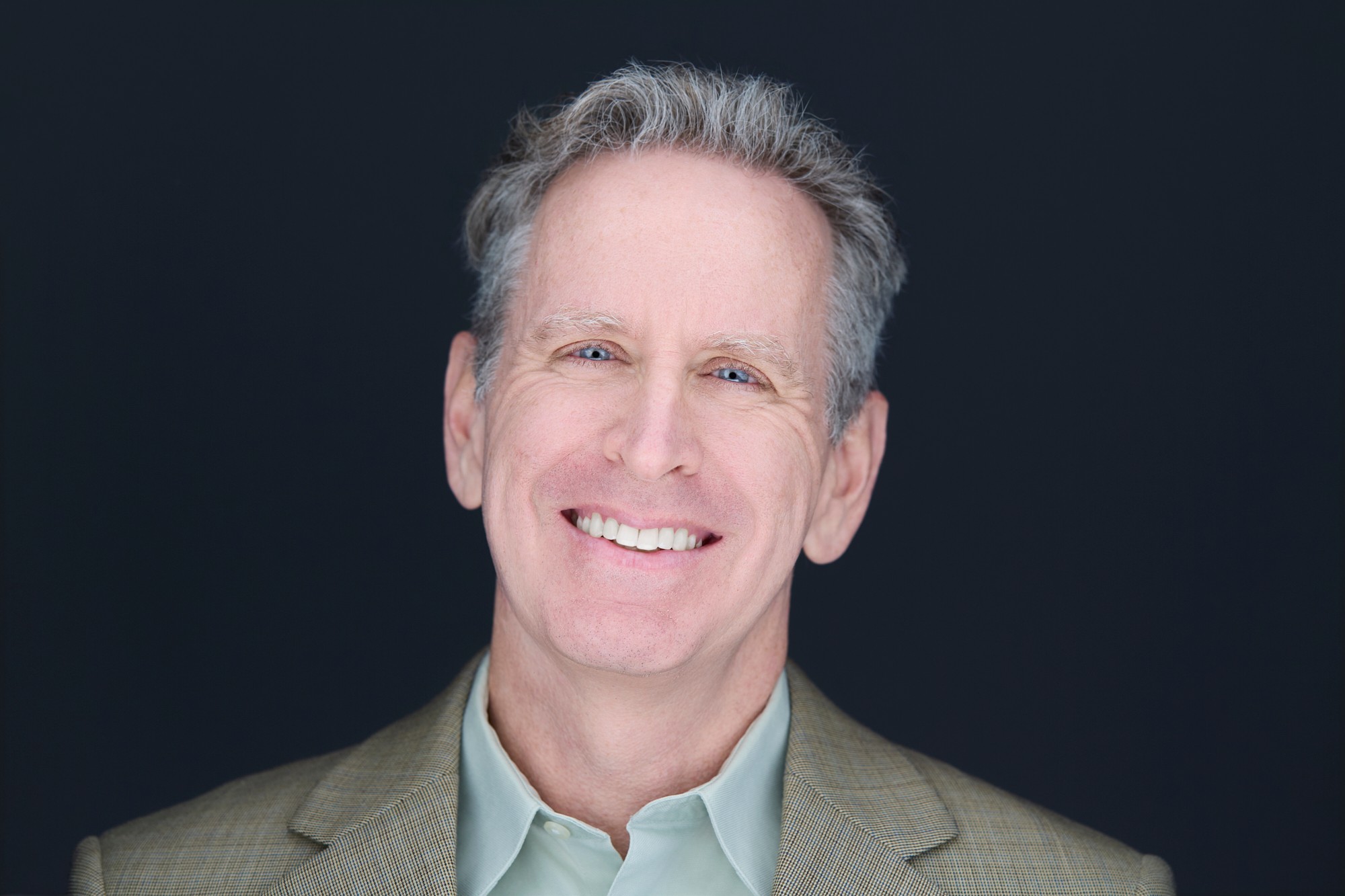
Today we’d like to introduce you to Daniel Sheil.
Alright, so thank you so much for sharing your story and insight with our readers. To kick things off, can you tell us a bit about how you got started?
My path doesn’t follow a straight line, for which I am very grateful. I grew up primarily in Virginia, and like many kids, I didn’t fully fit the world around me. I moved to Germany at 16 and graduated high school from a US Department of Defense high school. After college at James Madison University, I joined the Peace Corps and spent two years teaching math and physics in Zanzibar, Tanzania. I wasn’t seeking anything in particular, but it turned out that navigating life as an outsider helped tremendously.
From there, I went to grad school and eventually moved to Portland in 2000. I built a career in corporate finance, including a long tenure at Intel spanning M&A, large-scale revenue operations, and work at the frontier of AI and computer vision.
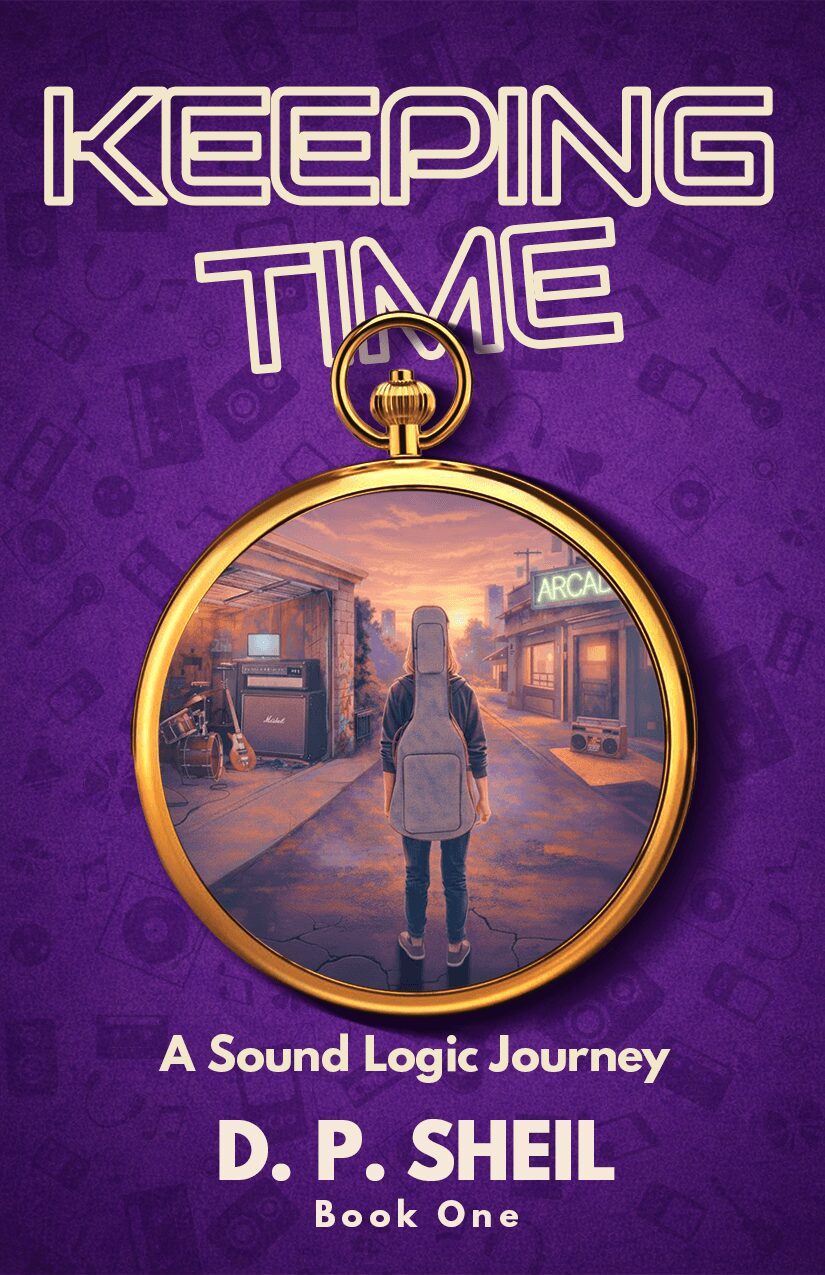
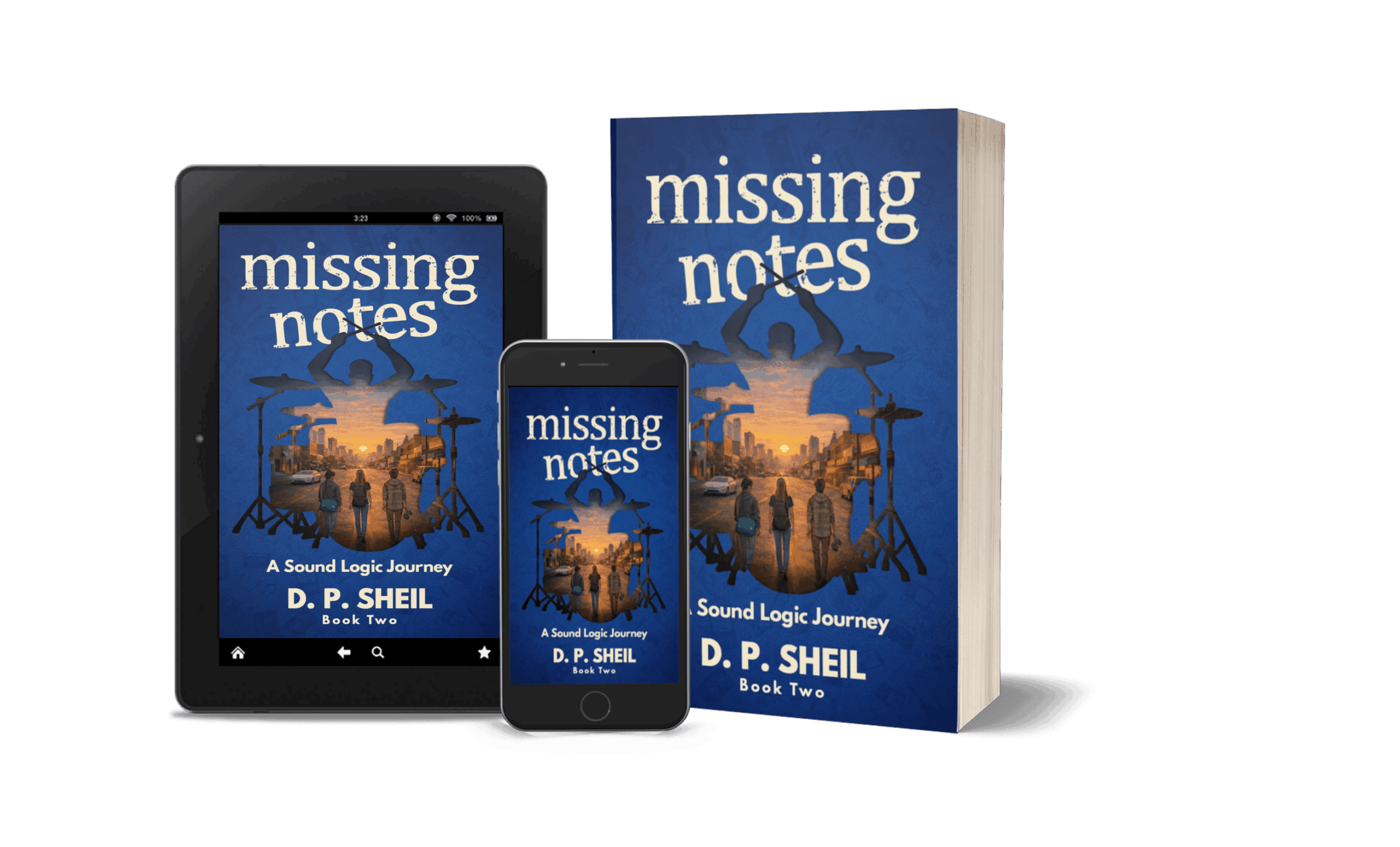
One night in 2022, I was sitting in a bar with my wife. Stone Temple Pilots’ “Creep” came on, and I had that visceral feel of being pulled back to the 90s when I was surfing all day and waiting tables at night. At that moment, I started writing in my mind what would eventually become the Sound Logic Journey series, a story about music, identity, belonging, and a touch of time travel. It took me a few years before the words stopped rattling around my brain and found their way onto the page. The first book, Keeping Time, is out now, and the second, Missing Notes, is coming this fall.
Finance taught me rigor, decisiveness, and how to operate under constraint. Writing taught me empathy, patience, and how to maintain momentum when it was only me. I didn’t expect those to reinforce each other as much as they do.
I’m sure it wasn’t obstacle-free, but would you say the journey has been fairly smooth so far?
I grew up navigating some real social challenges. Certain characters in my series, particularly Skyler and a younger version of Tara, face similar obstacles with deliberate intention. I drew on my lived experiences that don’t repeat in their stories, but carry a rhyme. I want readers who feel like outsiders, who wonder if they belong, to see themselves in those characters and understand that it is okay to be exactly who they are. The path isn’t always the easiest one. But traveling it with courage makes you stronger. I know that from my own life.
Can you tell our readers more about what you do and what you think sets you apart from others?
At the beginning of 2025, Intel offered me an opportunity to step away on my own terms, and I knew immediately what I wanted to do with it. I had been carrying the book idea around for years. I kept it quiet deliberately to keep the stakes low to give me room to experiment. I wanted failure to remain an option. That way, if I finished it, I would know I created a story I could be proud of, not one out of obligation because I had told too many people about it too early.
I completed the first draft in eight weeks. Then I learned how to navigate the long haul through beta readers, editing, cover design, distribution, and everything else that stands between a manuscript and a book on a shelf. Keeping Time was published in October 2025.
What sets me apart is that I don’t keep the finance leader and author as separate identities. The finance background made me a better writer. I understand resource constraints and know how to make hard calls. I never romanticized the business side of publishing. The writing made me a sharper finance leader. I built a cast that is predominantly women and young people, which required me to look carefully through lenses that aren’t naturally mine. That kind of deliberate perspective-taking builds compassion when working with real people.
I’m proud that the books exist. This chapter has been one of rapid learning, unexpected twists, some absolute surprises. I have never been able to hit a note with a howitzer, but this series invited me to music through the backdoor, which turned into over 30 original songs.
What sort of changes are you expecting over the next 5-10 years?
AI is going to reshape creative spaces significantly, and I think the conversation we’re having about it right now is too polarized to be useful. On one side you have AI slop, generated content that is fast, cheap, and lacks depth. On the other you have an AI-free absolutism that treats any use of these tools as anathema. Neither position serves leaves room for honest conversation.
My own line is pretty clear. I wrote every word of both novels. I paid professional editors and professional cover designers. I used AI to build macros that helped me work faster, analyzing patterns in my writing, organizing editorial feedback, accelerating the mechanical parts of the process. That freed me to spend more time on the parts that are truly human.
Ignoring these tools entirely makes an already difficult job harder. Outsourcing the human creative to the tools gives us mess no one really seems to like. The more interesting conversation is a nuanced one about where AI can strengthen voice and positioning.
The people who figure that out early will have a significant advantage.
Contact Info:
- Website: https://enaquinnbaker.com/
- Instagram: https://www.instagram.com/dpsheil/
- LinkedIn: https://www.linkedin.com/in/dansheil/