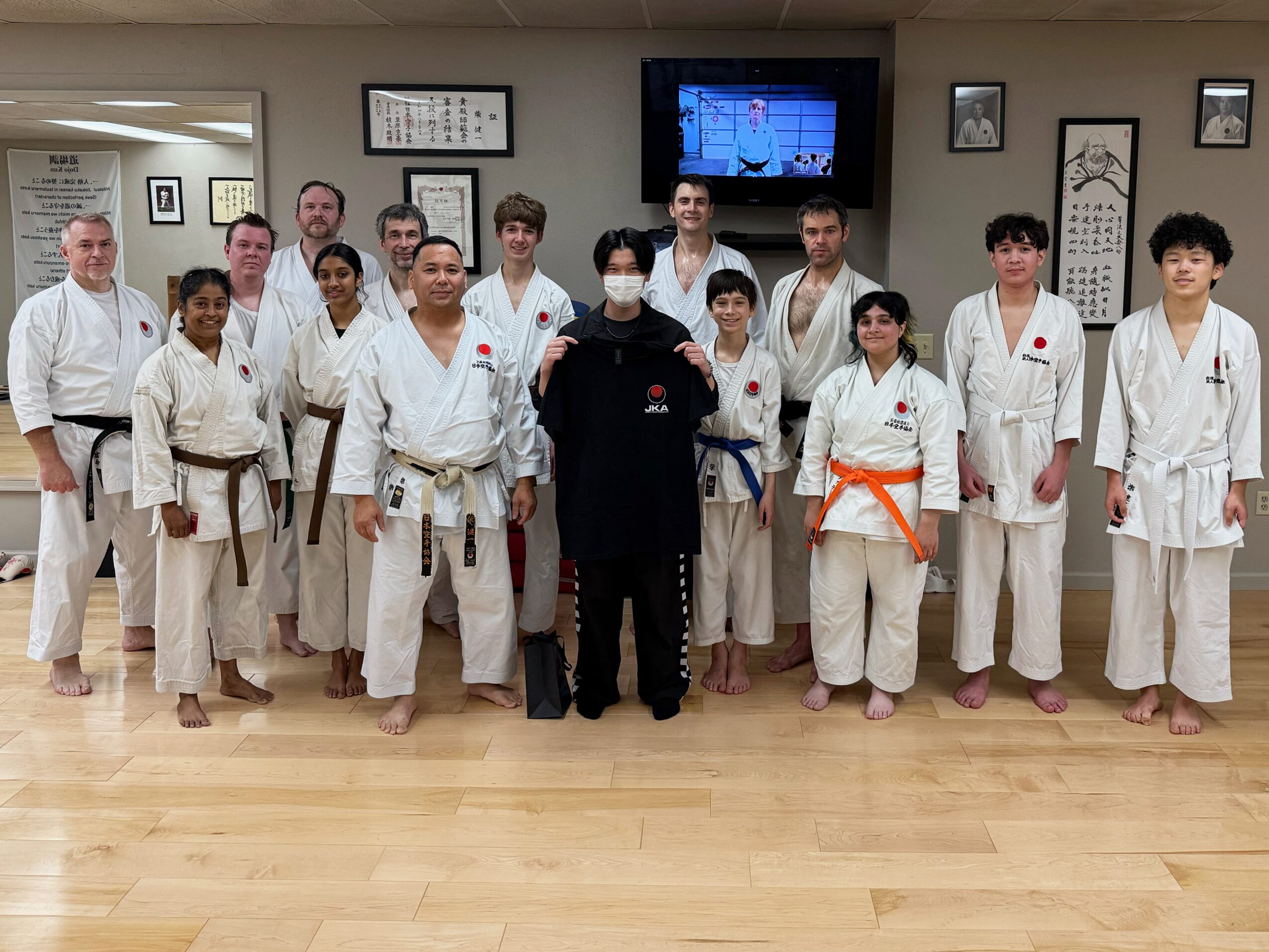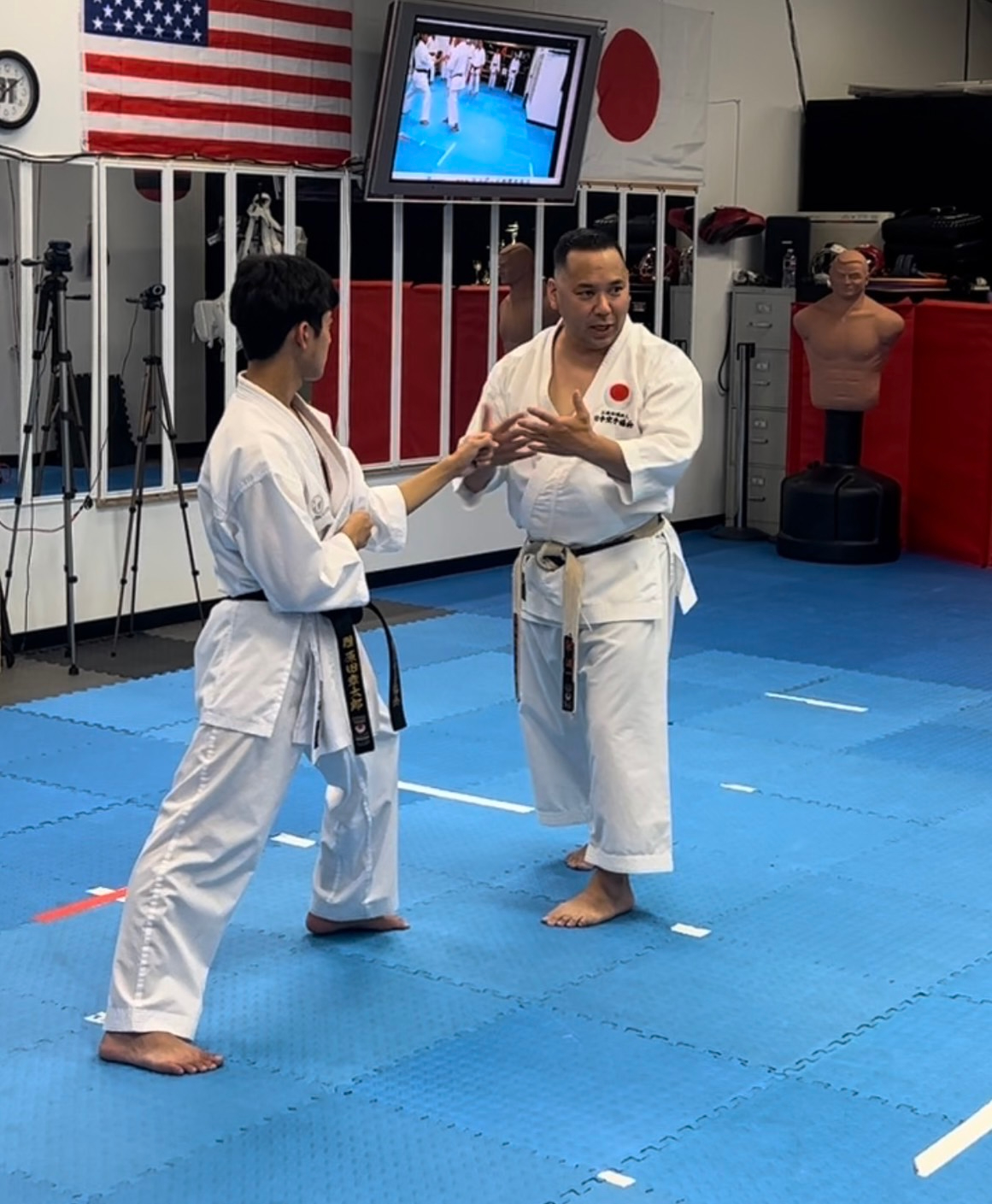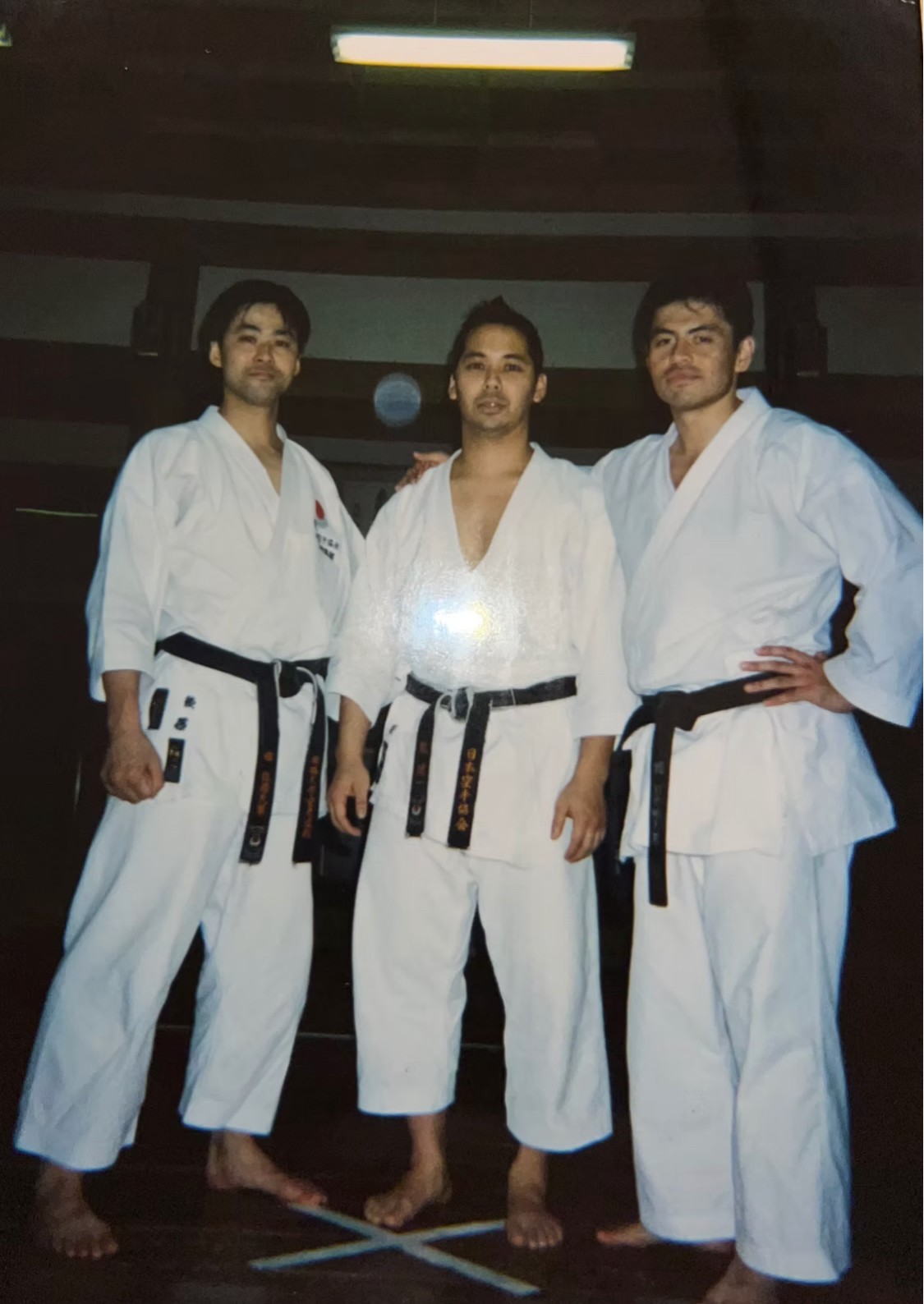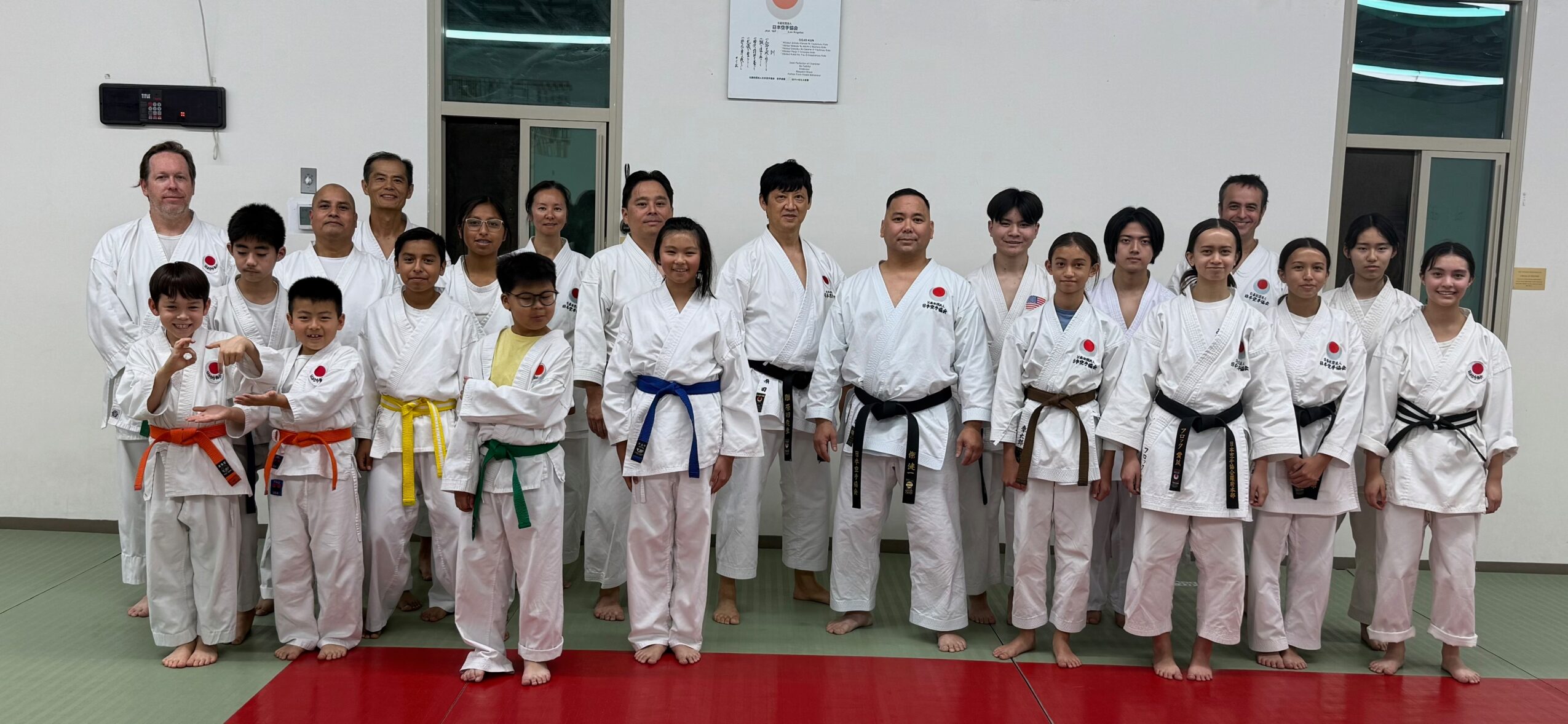



Today we’d like to introduce you to Kenichi Shiba.
Hi Kenichi, thanks for sharing your story with us. To start, maybe you can tell our readers some of your backstory.
I first stepped into a Shotokan karate dojo in 1983 at the age of nine. What began as a childhood activity became a lifelong passion and eventually my life’s work. The values I learned through karate as a child – respect, humility, and perseverance – have shaped every decision I’ve made, both in my career and in my life.
For more than four decades, I have dedicated myself to the study and practice of traditional Shotokan Karate. I spent nearly two decades living in Japan, where I had the privilege of training extensively at the Japan Karate Association (JKA) World Headquarters from 1996 to 2014 under many of the organization’s most respected instructors, including Osaka, Kawawada, Naka, Taniyama, Ogata, and Shimizu Sensei. During that time, I also taught at Takuya Taniyama Shihan’s dojo in Ikebukuro, Tokyo, before eventually relocating to Oregon.
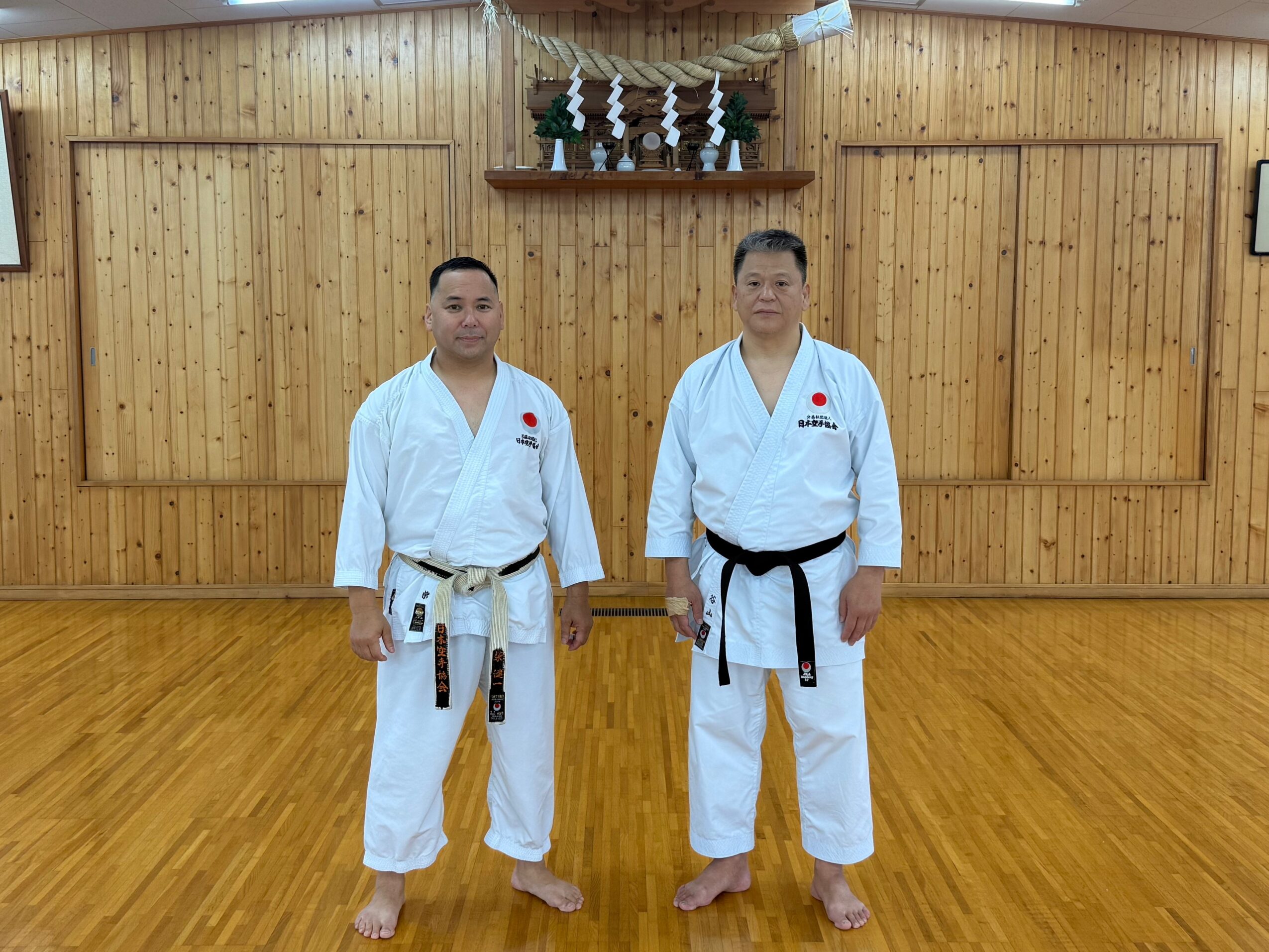
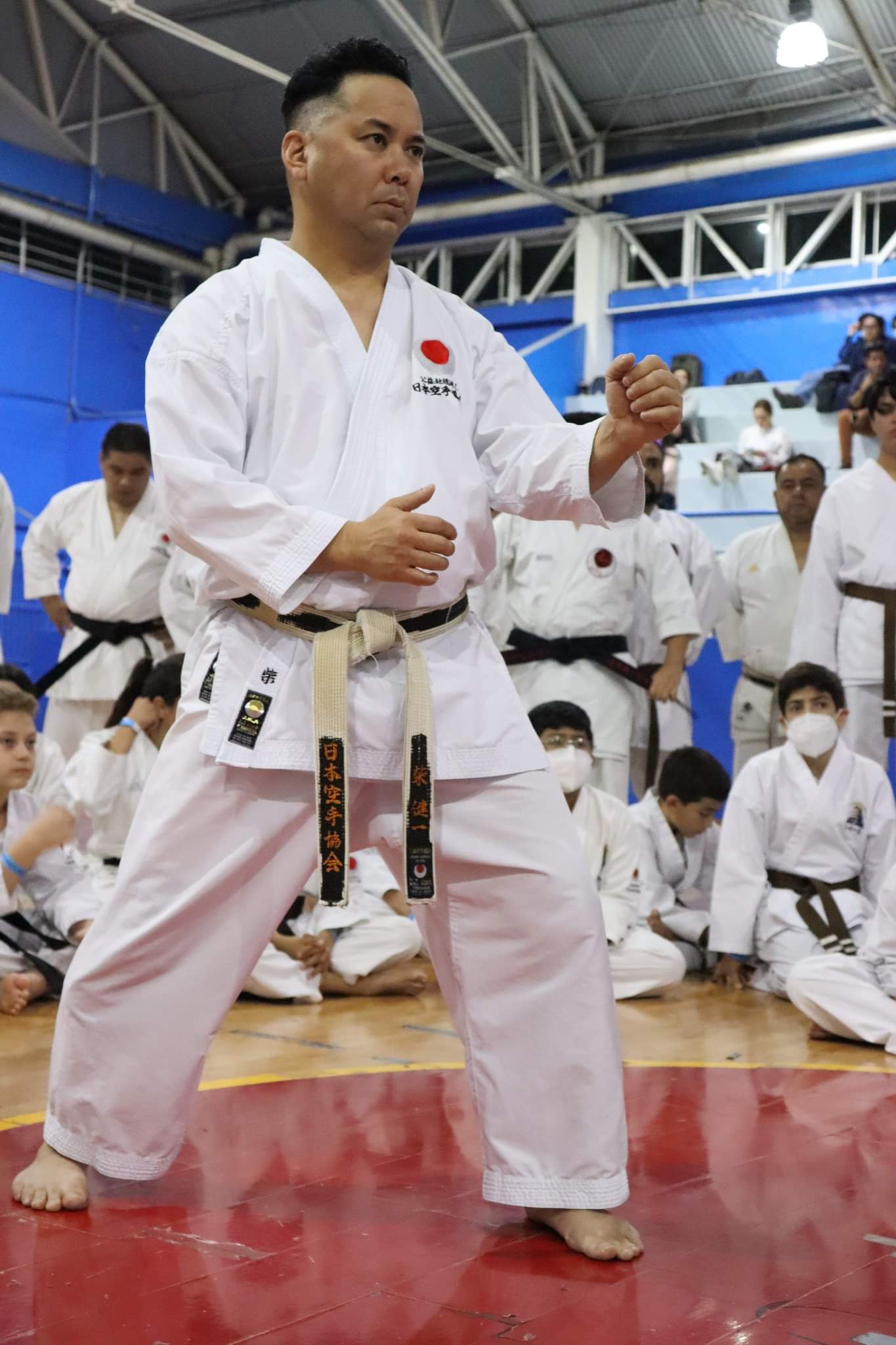
Over the years, I earned the rank of 5th Dan (5th Degree Black Belt) in the JKA, with every promotion examination conducted in Japan, and became licensed by the JKA as an Instructor (B), Examiner (C), and Judge (C). More importantly, I still consider myself a student. I continue to return to Japan to train with my teacher, Takuya Taniyama Shihan, and to strengthen my connection with JKA World Headquarters and the traditions it represents.
Alongside my karate journey, I built a career spanning more than 20 years as a product designer, including leadership roles at Converse and Nike. While design and karate may seem like very different careers, both require discipline, precision, craftsmanship, and a commitment to continuous improvement. The same mindset that guided my work in product design continues to shape the way I teach karate today.
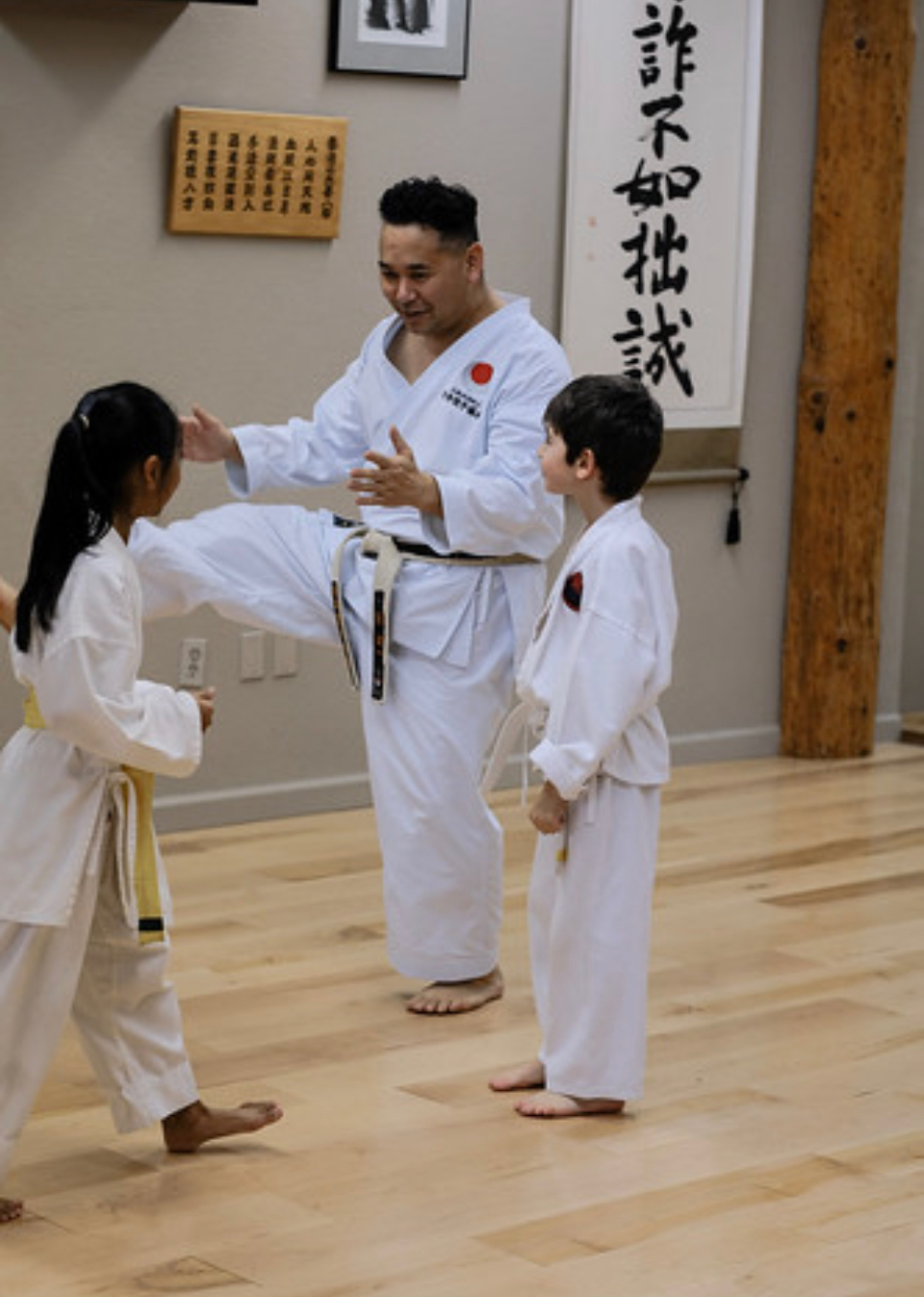
When I founded JKA Oregon Shiba Dojo, my goal was never simply to open another martial arts school. I wanted to create a place where students could experience authentic JKA Shotokan Karate exactly as it is taught in Japan. Every class reflects the principles, standards, and traditions that have been passed down through generations of JKA instructors, and I feel a deep responsibility to preserve that legacy for future generations.
I have been fortunate to compete in events such as the JKA All Japan Karate Championships and the JKA Karate Masters, but today my greatest reward is watching my students grow—not only as martial artists, but as confident, respectful, and resilient individuals. Seeing them develop both inside and outside the dojo reminds me why I first stepped into a dojo more than 40 years ago, and it continues to inspire me every day.
Would you say it’s been a smooth road, and if not what are some of the biggest challenges you’ve faced along the way?
It certainly hasn’t been a smooth road, but every challenge has reinforced why I chose this path.
For many years, one of my greatest challenges was balancing two lifelong commitments. I built a demanding career in product design while continuing to pursue traditional JKA Shotokan Karate at the highest level. Whether I was working long hours or traveling internationally, I always made time to train. There were many early mornings, late evenings, and sacrifices along the way, but karate was never something I was willing to put aside.
Another significant challenge came when I relocated from Japan to Oregon. In Japan, I had access to world-class instruction at JKA World Headquarters and a strong community of dedicated practitioners. Starting over in a new country meant rebuilding those connections from the ground up. Establishing JKA Oregon Shiba Dojo required earning trust, introducing people to authentic JKA Shotokan Karate, and creating a community that shared the same commitment to traditional training.
Perhaps the greatest challenge has been staying true to traditional values in a world that often favors convenience and quick results. Authentic karate is a lifelong practice. Progress comes through patience, consistency, and attention to the fundamentals – not shortcuts. While it can sometimes be more difficult to uphold those standards, I believe they are what make traditional karate so meaningful.
Every obstacle has reminded me that karate is about much more than physical technique. It teaches resilience, humility, perseverance, and the ability to keep moving forward even when the path is difficult. Those lessons have shaped my life just as much as they have shaped my teaching, and they continue to guide the way I lead our dojo today.
Thanks – so what else should our readers know about JKA OREGON SHIBA DOJO?
JKA Oregon Shiba Dojo is dedicated to preserving and teaching authentic JKA Shotokan Karate as it has been passed down through generations at the Japan Karate Association (JKA) World Headquarters in Tokyo, Japan. Our mission goes beyond self-defense or competition, we strive to build strong character through disciplined, traditional training.
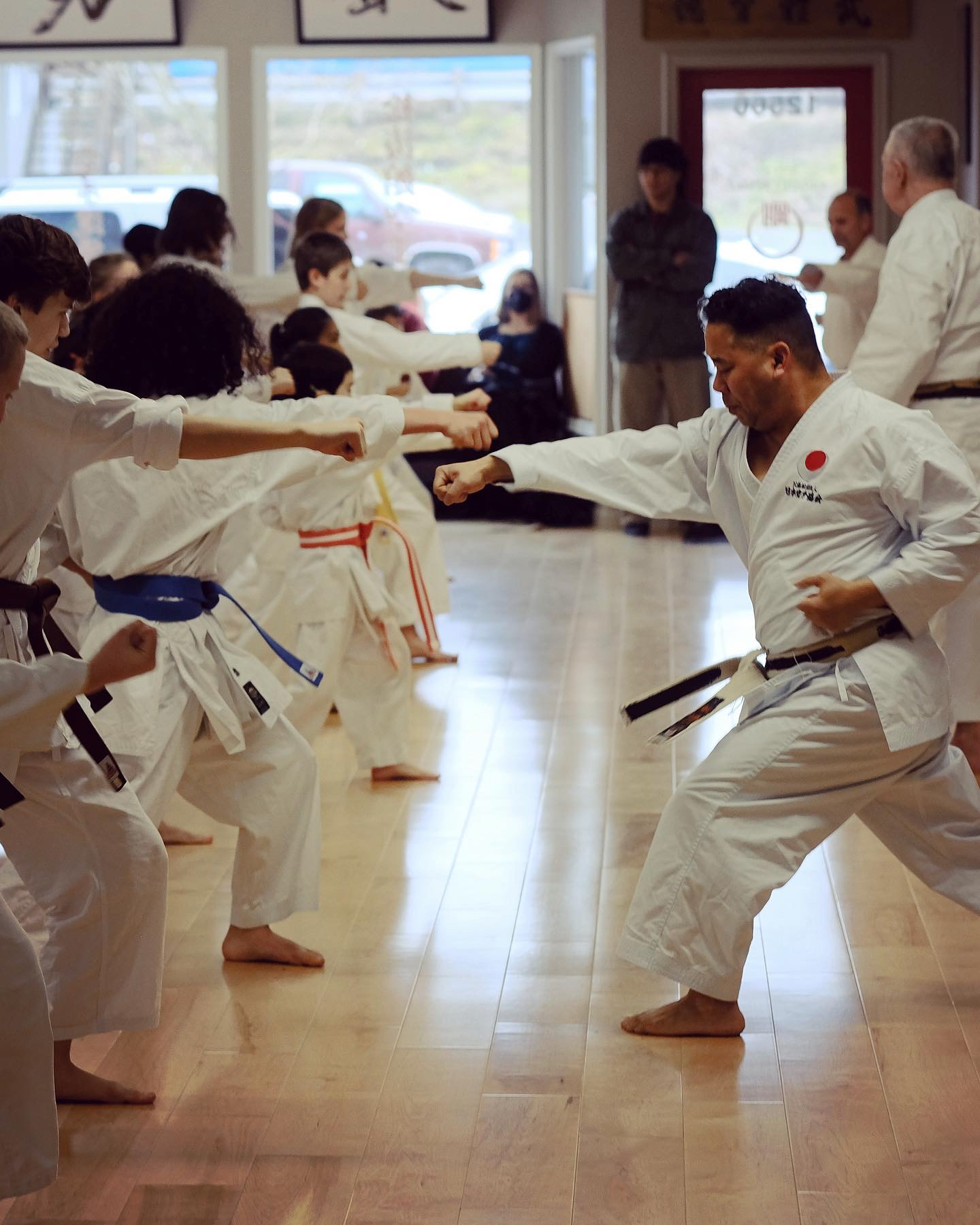
What makes us unique is our direct connection to JKA World Headquarters. I continue to train regularly in Japan under my teacher, Takuya Taniyama Shihan, ensuring that our instruction remains true to the technical standards, philosophy, and traditions of the JKA. Every class is built on the same principles of kihon (basics), kata (forms), and kumite (sparring) that have been practiced and refined by generations of JKA instructors.
While students certainly improve their physical fitness and self-defense skills, our true focus is developing respect, humility, discipline, perseverance, confidence, and integrity. Advancement is earned through consistent effort, and every student is encouraged to become a better version of themselves rather than simply trying to outperform others.
Having trained and taught in Japan for many years, I feel a deep responsibility to pass on not only the techniques of traditional Shotokan Karate, but also the values and spirit that define it. My hope is that every student who walks through our doors leaves stronger, not just physically, but as a person.
Is there any advice you’d like to share with our readers who might just be starting out?
One of the greatest lessons karate has taught me is that there are no shortcuts to mastery. Whether you’re building a career, starting a business, or learning a new skill, lasting success comes from showing up consistently, being patient with the process, and never losing sight of the fundamentals.
When I was younger, I thought progress was measured by how quickly I earned the next belt or achieved the next goal. Over time, I realized that the real reward is the person you become through the journey. Every challenge, setback, and failure is an opportunity to learn and improve if you’re willing to keep moving forward.
I would also encourage people to find a mentor. I have been fortunate to learn from exceptional instructors throughout my life, especially my teacher, Takuya Taniyama Shihan. Their guidance has shaped not only my karate, but also my character. No matter how experienced you become, there is always more to learn, and the best teachers never stop being students themselves.
Finally, don’t compare your journey to someone else’s. Focus on becoming a little better than you were yesterday. If you stay humble, work hard, and remain committed to continuous improvement, success has a way of taking care of itself.
Contact Info:
- Website: https://www.jkashibadojo.com
- Instagram: https://www.instagram.com/jka_shibadojo/
- Facebook: https://www.facebook.com/shibadojo/
- LinkedIn: https://www.linkedin.com/in/kenny-shiba-a8762932/
- Other: https://hasha.online/