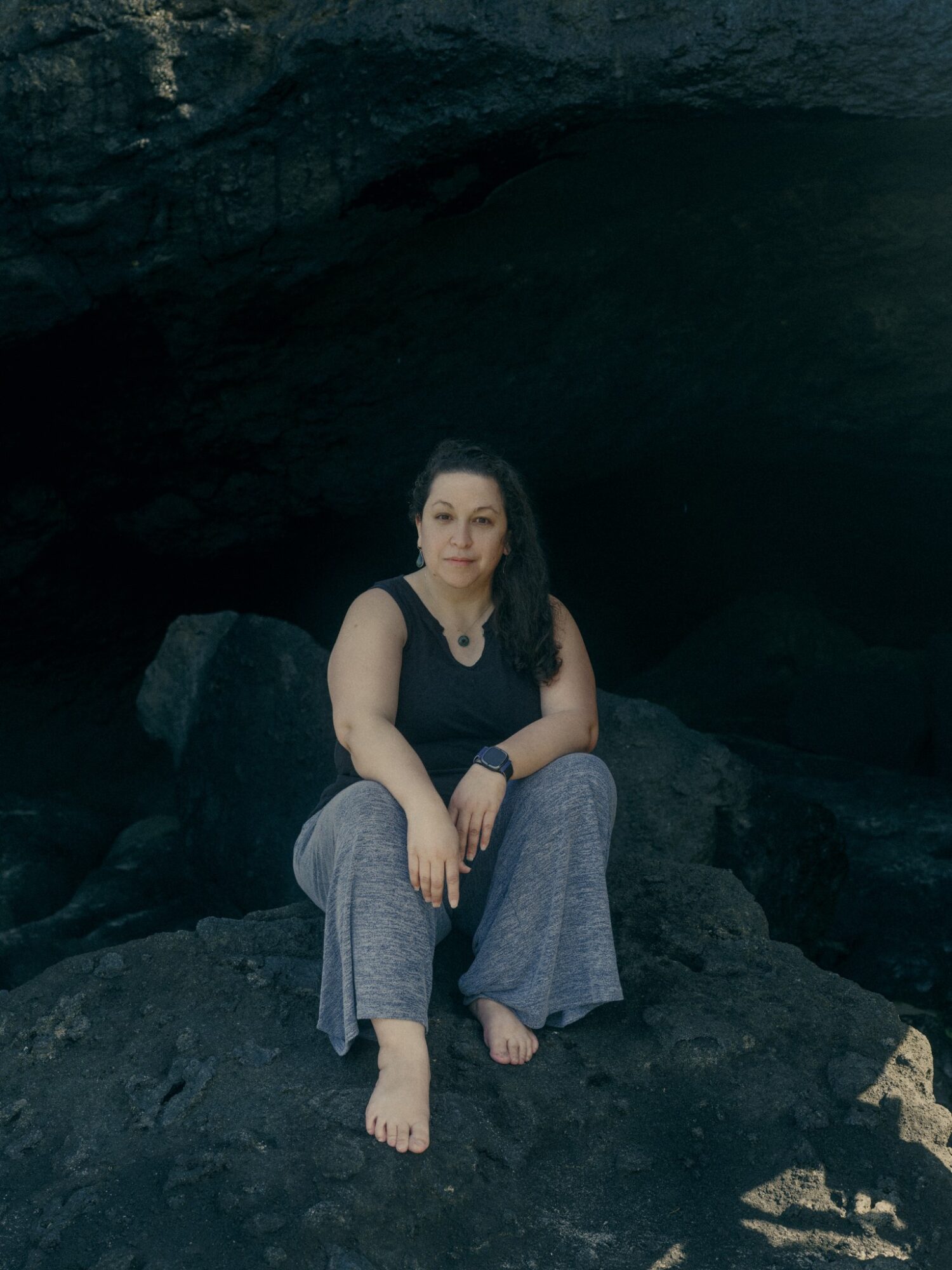


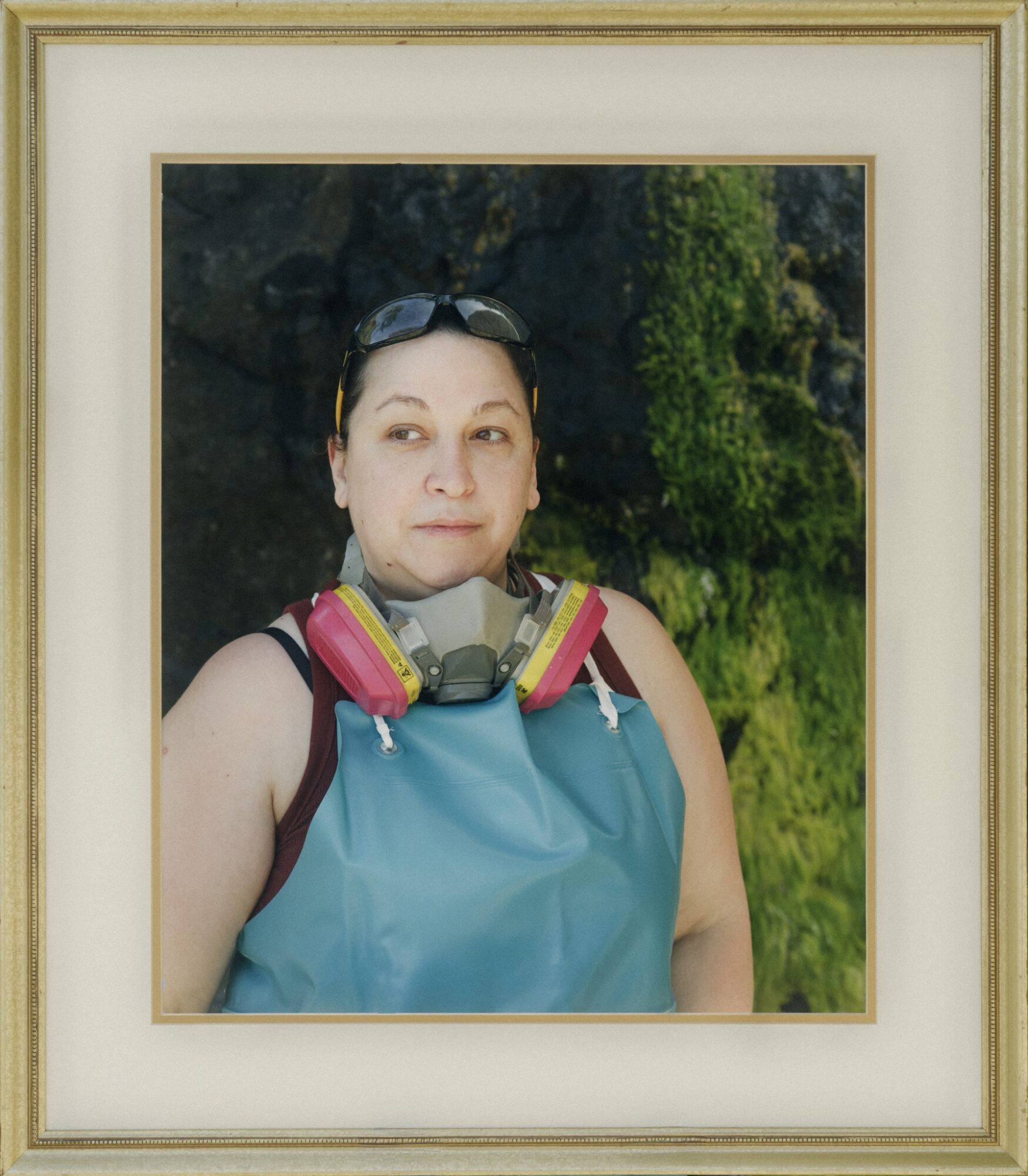
Today we’d like to introduce you to Ava Bock.
Hi Ava, we’re thrilled to have a chance to learn your story today. So, before we get into specifics, maybe you can briefly walk us through how you got to where you are today?
I have spent most of my life in motion. I grew up shifting between Brooklyn, Long Island, and the Catskill Mountains of New York. Moving between such different environments taught me early on that the world changes depending on where you stand. Long before I understood that I would become an artist, I was learning to observe those differences.
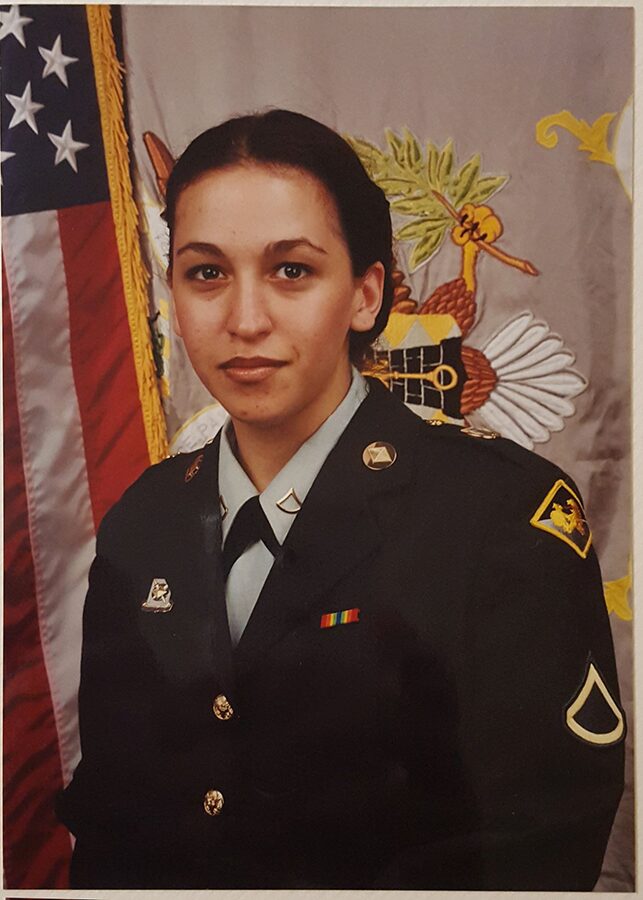
As a young adult, I joined the military and was stationed in Europe, where my understanding of culture, history, and belonging expanded alongside my growing interest in photography. After 9/11, my path changed again as I found myself building a life in North Carolina. I began formally studying art in Smithfield before moving to Wilmington, where I married, raised my family, and completed my associate degree. Photography became my first professional artistic discipline and eventually opened the door to drawing, painting, relief, and sculpture.
By 2020, I was living in the Blue Ridge Mountains of North Carolina. I was attending UNC Asheville while simultaneously navigating cancer treatment and the arrival of COVID-19. I continued my education and completed my BFA in sculpture by the end of 2022. By graduation, the photographer who had entered school years earlier had become an artist working across disciplines. I continued developing my studio practice while also substitute teaching and volunteering to help others better understand how to navigate life as a working artist.
Then, in 2024, I traveled to Oregon while caring for my father during the final part of his life. I remained here afterward, taking time to consider what I wanted my art practice to become after college. Only a month after arriving, Hurricane Helene devastated western North Carolina, taking with it the community and home deeply connected to the life I had built there. What had begun as a temporary time away for me became much more one-way. Since then, Oregon has given me a new landscape to learn from and the space to recognize that photography, drawing, painting, and sculpture are not separate paths. They are different ways I have learned to understand and translate experience.
Now I am preparing to relocate again. After a lifetime shaped by movement, I am curious to see what the next place will bring into both my life and my work within Art.
Would you say it’s been a smooth road, and if not what are some of the biggest challenges you’ve faced along the way?
Not at all, but I think the difficult parts have taught me as much about being an artist as the successful ones.
For a long time, I thought perseverance meant holding on. If I had invested enough time, energy, or hope into something, I felt responsible for making it work. That applied to my education, my career, my studio practice, and sometimes simply the life I had built around them. Experience has taught me that resilience can also mean recognizing when circumstances have changed and being willing to change with them.
Maintaining an art practice through repeated relocation has been one of the more persistent challenges. Every move affects the practical side of being an artist. You lose studio space, materials become difficult to transport, professional relationships have to be rebuilt, and work that made sense in one environment may not make sense in another. Sculpture has made those realities especially tangible. A physical practice requires space, equipment, materials, storage, and the ability to move finished work. I have had to continually reconsider what a sustainable studio practice actually looks like for a life that has rarely been stationary.
There have also been periods when simply continuing required flexibility. Cancer treatment during COVID-19 changed my relationship with uncertainty and mortality. Finishing my education afterward required me to decide that the disruption did not get to determine where my story ended. Caring for my father required something entirely different: recognizing that sometimes the most important thing I could do was put other parts of my life aside and be present. Losing the home and community I expected to return to after Hurricane Helene reinforced how quickly circumstances can make decisions for us.
My professional life has required that same adaptability. I have worked outside the studio, taught, volunteered, and continually looked for ways to support a creative life without pretending that being an artist exists separately from the practical realities of living. I think the biggest lesson has been that rebuilding does not have to mean recreating exactly what existed before. Sometimes rebuilding means deciding what is still worth carrying.
That is where I find myself now. As I prepare for another relocation, I am thinking less about how to preserve every part of the practice I have built and more about how to make it resilient enough to change with me. I have stopped measuring stability by how long I can keep everything the same. Increasingly, I measure it by how confidently I can adapt without losing the parts of myself and my work that matter.
Can you tell our readers more about what you do and what you think sets you apart from others?
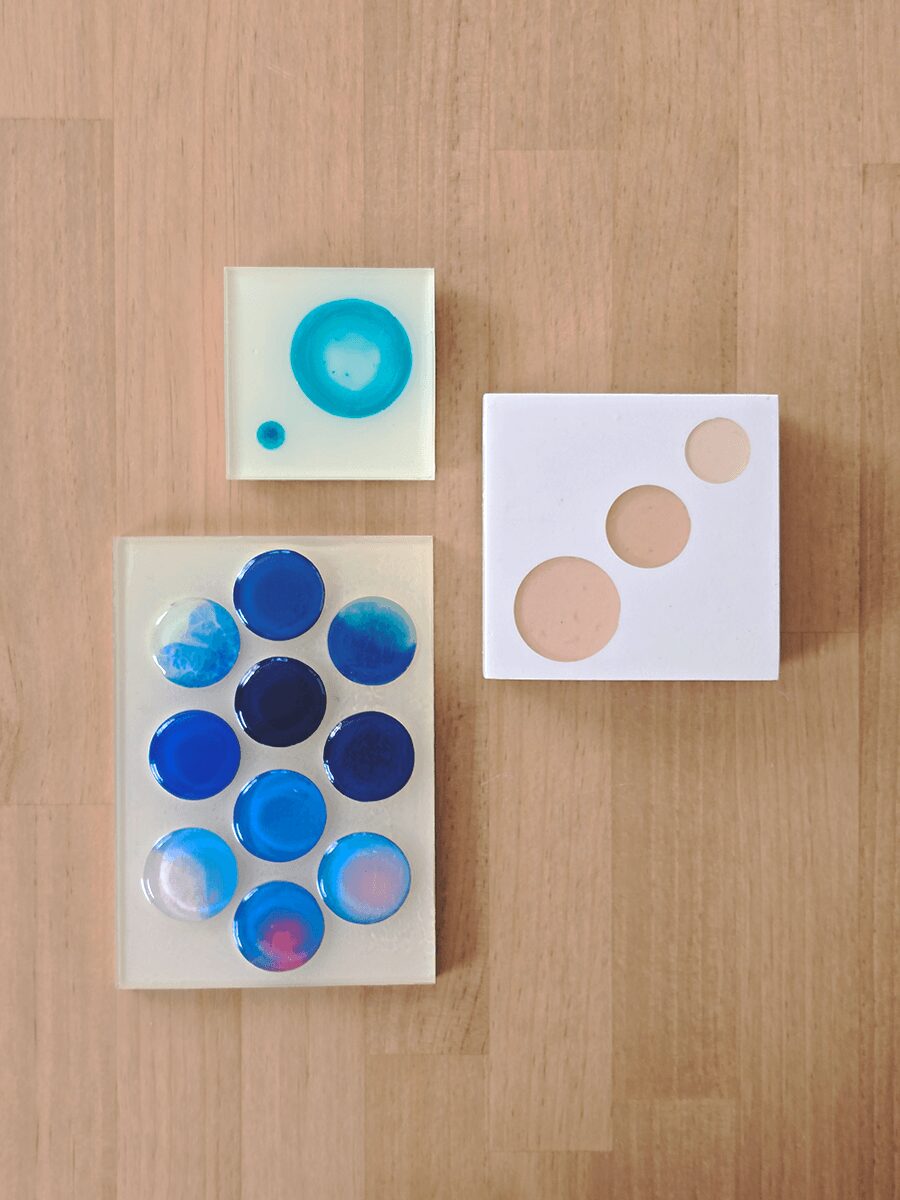
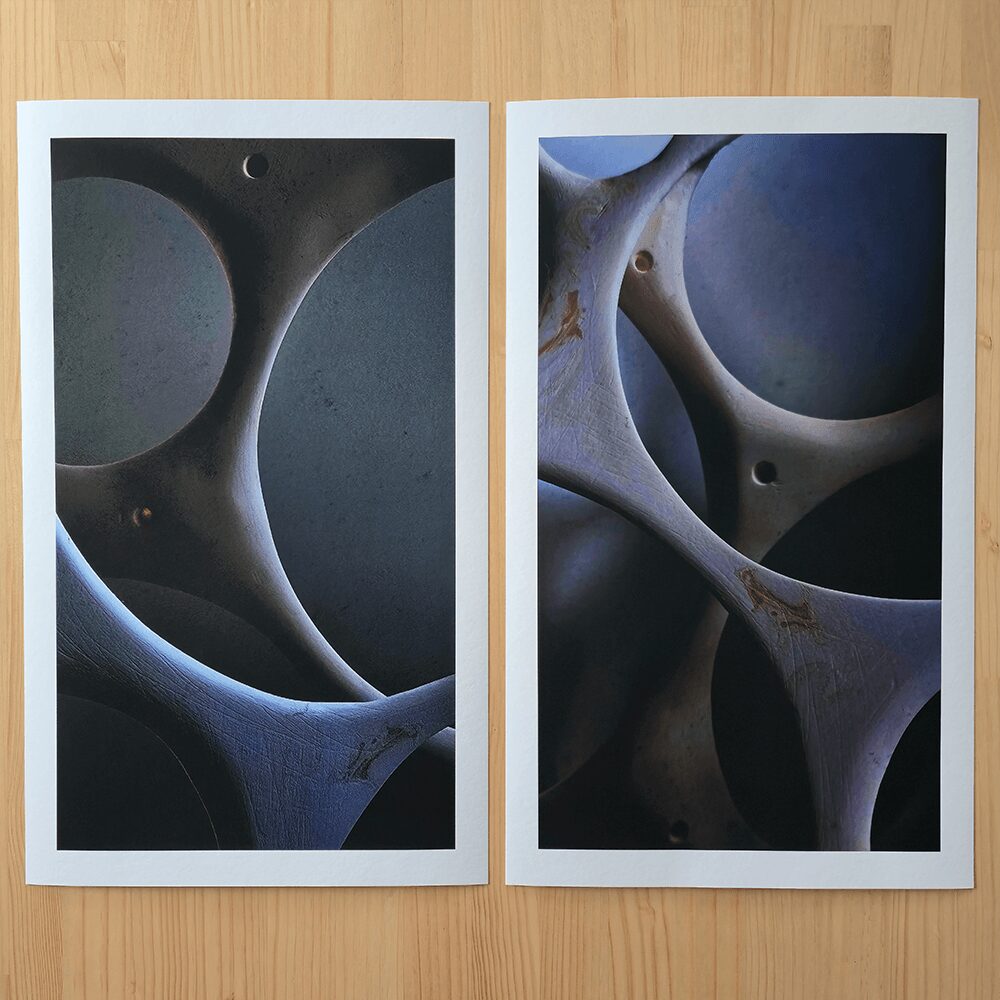
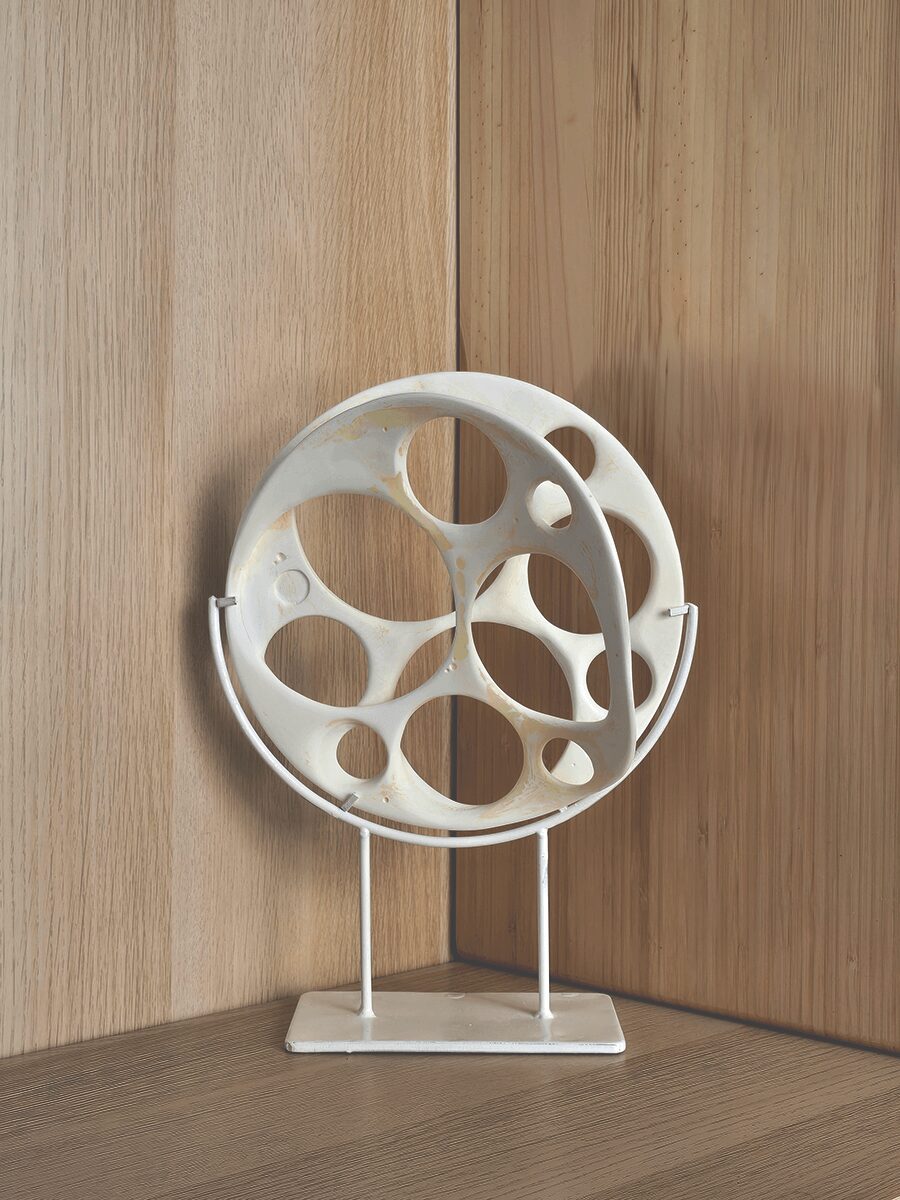
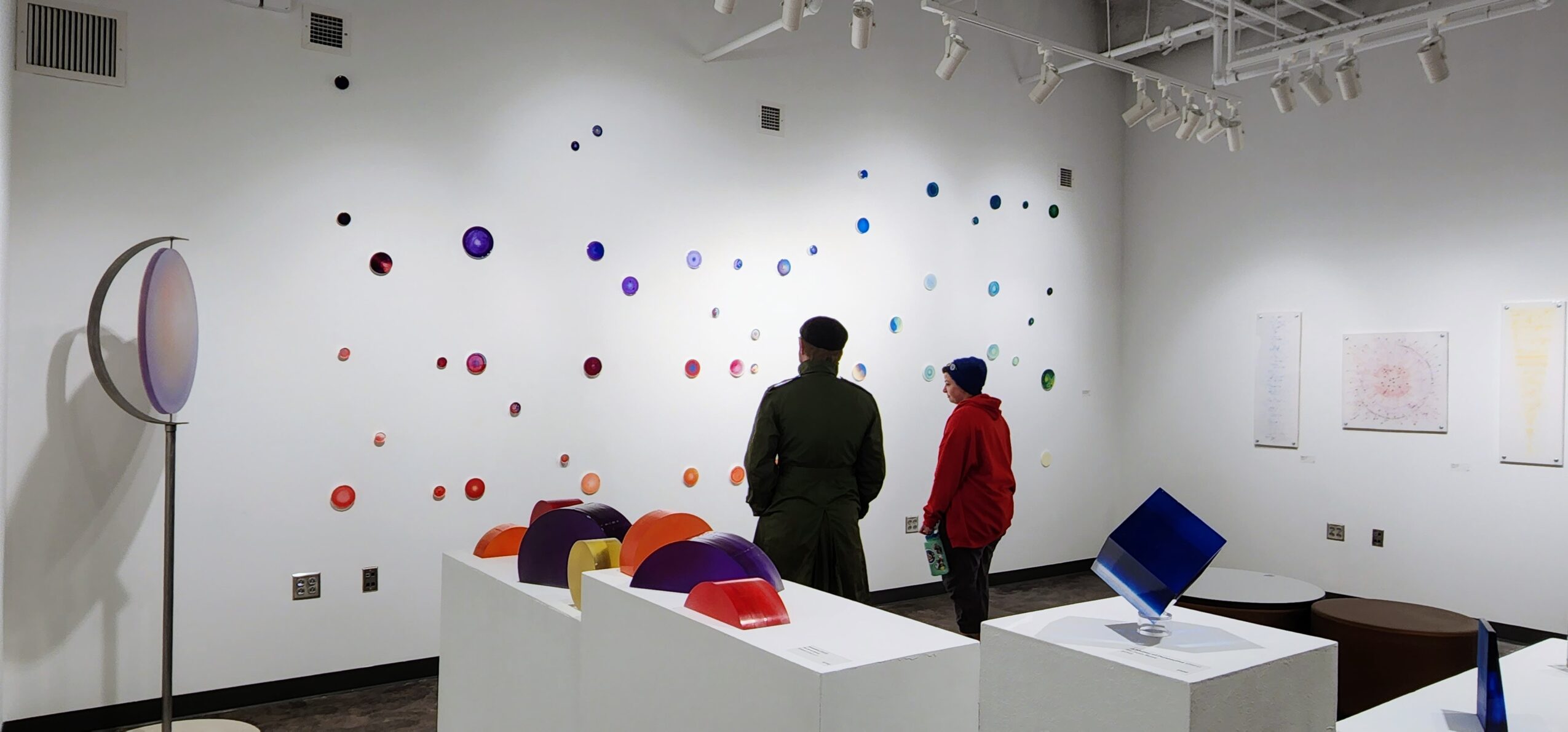
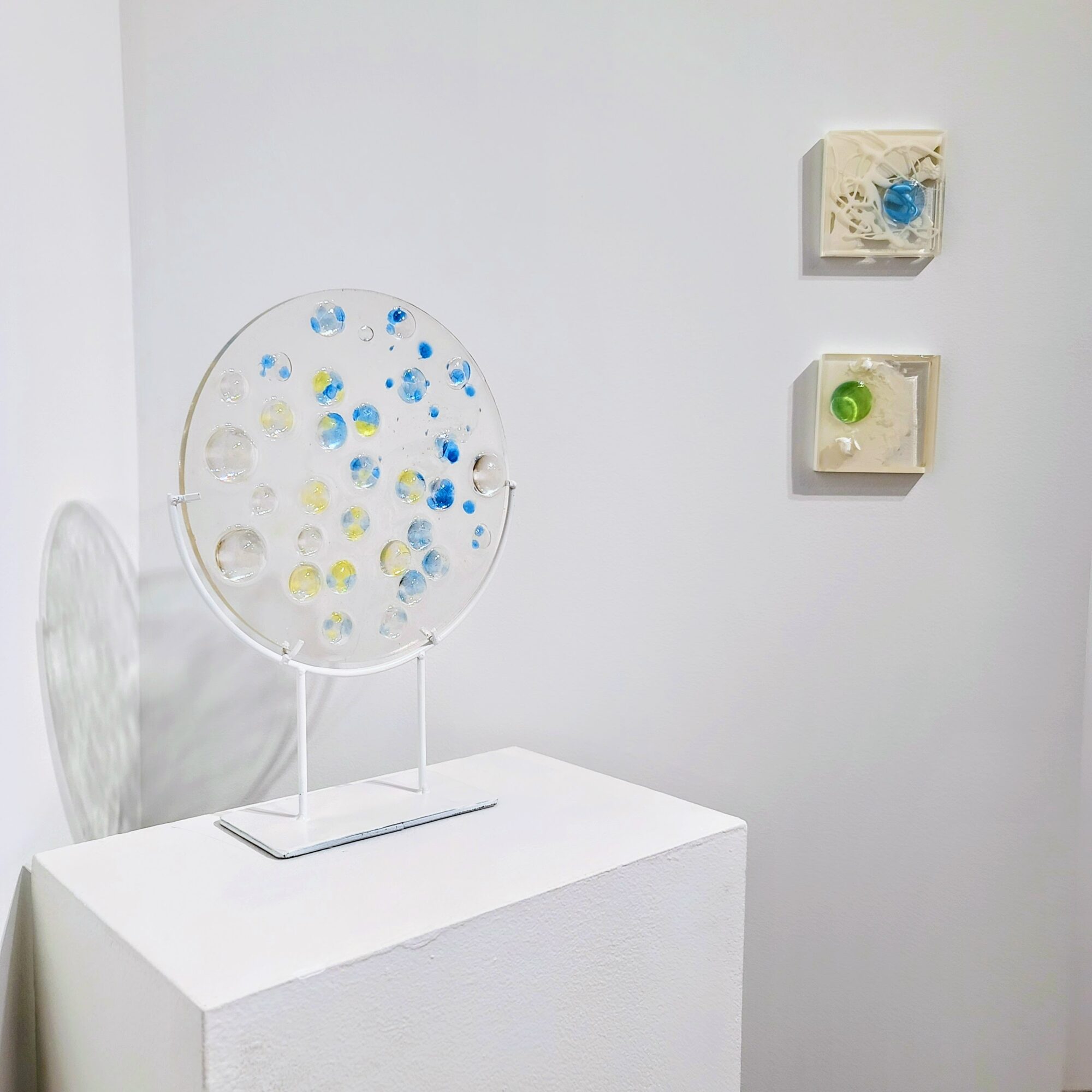
I am a multidisciplinary contemporary artist working across sculpture, drawing, painting, relief, and fine art photography. While I earned my BFA in sculpture, I do not think of myself as an artist defined by a single medium. I choose materials based on what a particular idea needs in order to exist. The thread connecting my work is autobiographical, but light and perception are fundamental to how I translate those experiences visually. I am interested in how lived experience changes perception: how memory, place, uncertainty, relationships, and the passage of time affect what we notice and how we understand it. My work is often abstract, so autobiography does not necessarily mean illustrating an event. Instead, an experience might become a line, a repeated form, an interaction between materials, a physical object, or guide the decisions I make when editing a photograph.
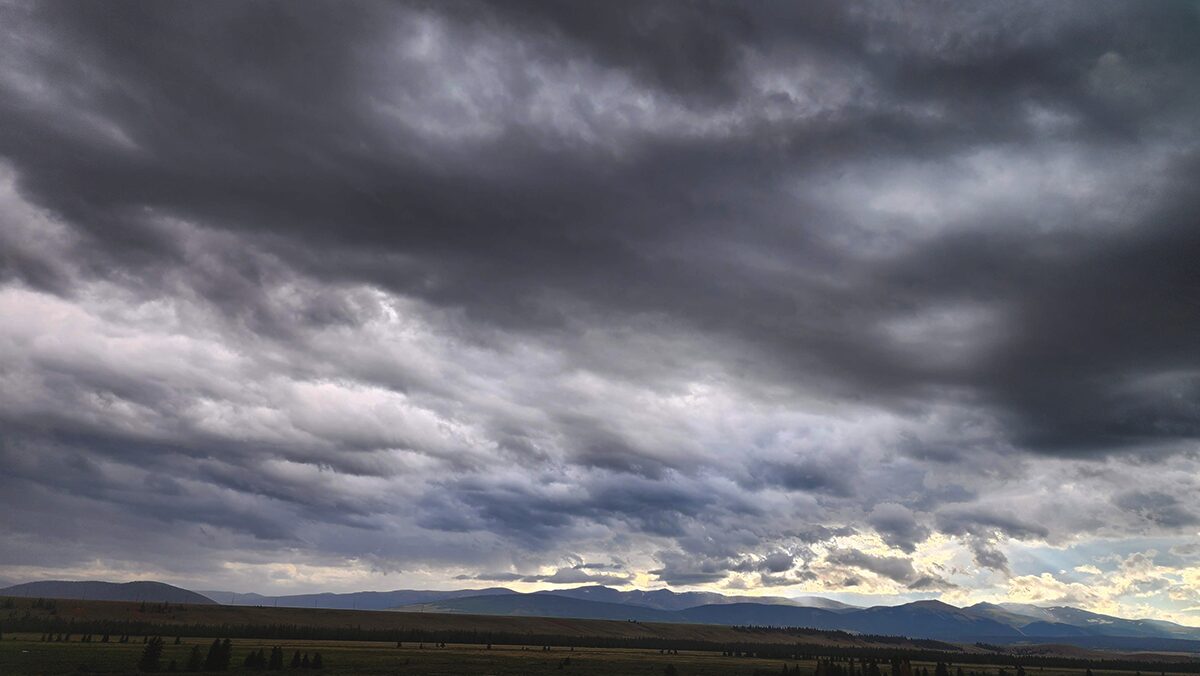
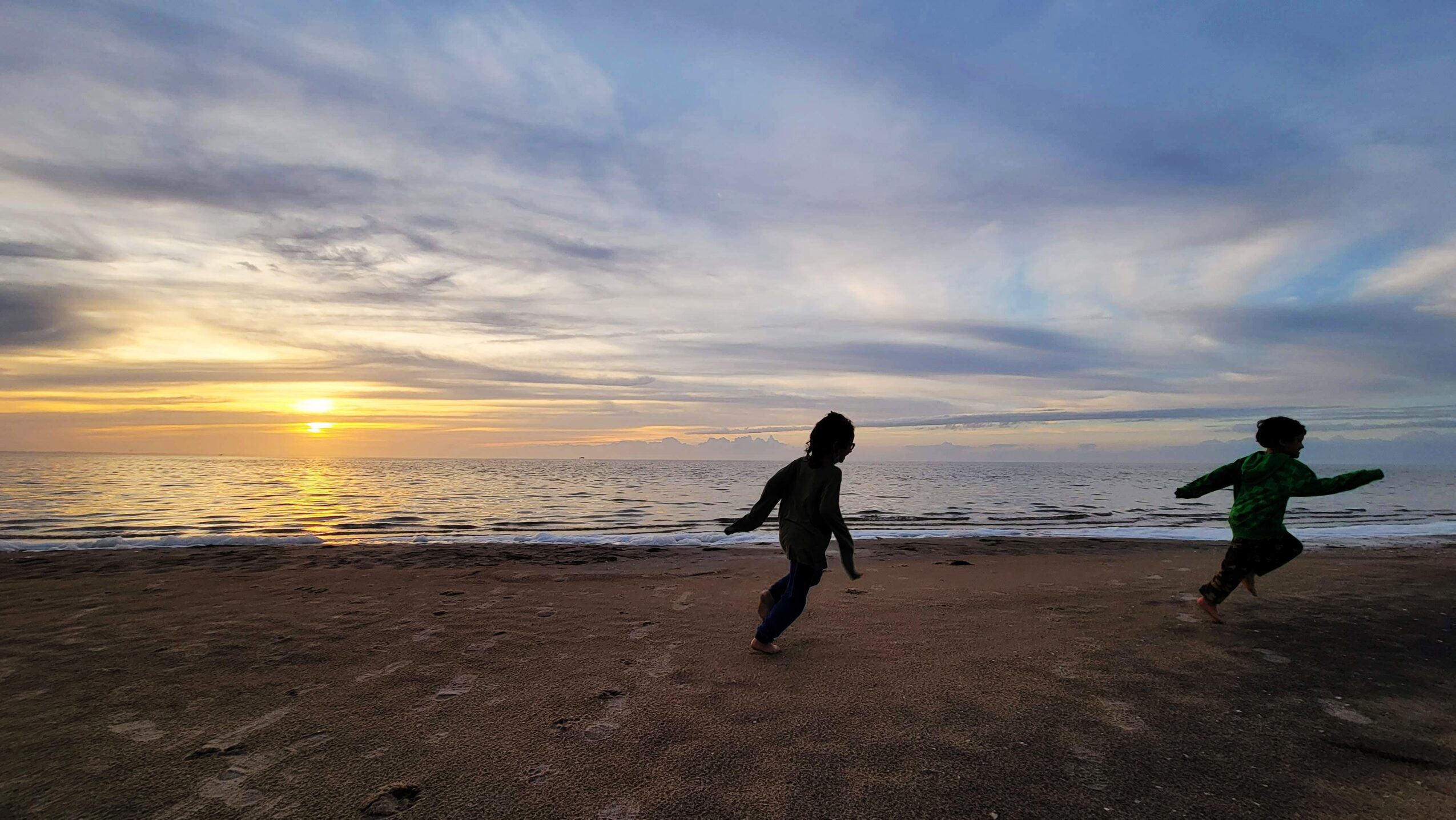
Light adds another layer to that exploration because it can fundamentally change what we perceive. It can reveal something, obscure it, flatten a surface, create depth, alter color, or make a material appear almost entirely different. In some of my sculptural and relief work, light becomes an active component of the piece rather than simply something illuminating it. In photography, light can transform an ordinary detail or landscape into something unfamiliar. Across both two- and three-dimensional work, I am interested in that space between what something physically is and what we perceive it to be. That approach has created bodies of work that can look quite different from one another while still coming from the same place. My drawings can be immediate and psychologically driven. Sculpture allows an idea to occupy physical space and asks the viewer to experience it from multiple perspectives. Photography is where I first learned to really look, and I continue using it to investigate light, scale, detail, and our relationship with place.
I think what sets my practice apart is that I allow those disciplines to remain in conversation with one another rather than forcing them into separate identities. Something I learn about transparency or light through photography may influence a sculpture. A line developed through drawing may eventually become dimensional. Material discoveries can change how I photograph a surface. Each discipline teaches me something that I can carry into another.
What I am most proud of is having developed a visual practice that can evolve without losing its center. My life has changed repeatedly, and so have the materials and circumstances available to me. Instead of treating those changes as reasons to continually start over, I have learned to let the practice expand with each new experience, becoming the next season in the timeline of my life.
Ultimately, I make work about experience, attention, light, and the instability of perception. Sometimes that becomes an object, sometimes an image, and sometimes only a few lines on paper. The medium can change because the question I am asking determines what the work needs to become.
Are there any apps, books, podcasts, blogs or other resources you think our readers should check out?
My bookshelves are probably a pretty good reflection of how I approach both art and life. I tend to read across disciplines rather than looking to one area for all the answers.
As an artist, I regularly immerse myself in books about the lives and work of other artists. Eva Hesse and Agnes Martin are artists I return to often, and Helen Pashgian is my all-time favorite artist. I have multiple books devoted to her work, including Helen Pashgian by Carol S. Eliel and Helen Pashgian: Spheres & Lenses. No shade to James Turrell, but Helen is the GOAT! Spending time with these books is different from simply looking at individual artworks online. They allow me to follow the development of an artist’s thinking and practice over time.
Beyond artist monographs, there are five books I find myself returning to for very different reasons.
True Perception: The Path of Dharma Art by Chogyam Trungpa speaks to the relationship between awareness, perception, and creative practice. It reinforces something fundamental to both my work and my life: the importance of slowing down enough to actually observe before deciding what I think I am seeing.
Minimal Conditions: Light, Space, and Subjectivity by Dawna L. Schuld and Light, Space, Surface: Art from Southern California by Carol S. Eliel give me different ways of thinking about light, material, space, perception, and the viewer’s relationship with an artwork. Those questions extend well beyond any single medium in my own practice.
American Art Deco by Carla Breeze reflects another longstanding interest of mine. I am fascinated by architecture and designed environments, and by how structure, material, ornament, landscape, and human intention influence the spaces we inhabit. Also, as a New York native, I’m drawn to the living environment within the Art Deco and Gothic architecture of Manhattan. How could I not love it?
The fifth is Company of One by Paul Jarvis. It challenges the assumption that a successful business must constantly become larger. That has been particularly valuable as I think about what sustainability actually means for an independent artist. I am interested in building a practice capable of supporting the work and the life I want to have, rather than pursuing growth simply for the sake of growth. I reread it every few years.
My library extends well beyond those five books. Architecture, landscape, mindfulness, art history, and business philosophy all live beside one another on my shelves. I also turn to resources specifically about navigating the professional art world, including The Complete Smartist Guide by artist Ekaterina Popova and curator Alicia Puig.
Outside of books, I am a regular reader of curator Gita Joshi’s writing through The Curator’s Salon on Substack. Her perspective on the art world, exhibitions, visibility, and the realities of building an artistic career gives me an ongoing resource rather than something I read and put back on the shelf. It is one of the few professional art resources I return to consistently. I think that mixture is important.
I do not experience being an artist as something separate from the rest of my life, so I do not expect all of the resources that make me a better artist to come from the visual art section.
Contact Info:
- Website: https://avabock.art
- Instagram: https://www.instagram.com/avabockart/
- Facebook: https://www.facebook.com/AvaBockArt/
- LinkedIn: https://www.linkedin.com/company/avabockart
- Other: https://www.pinterest.com/AvaBockArt/