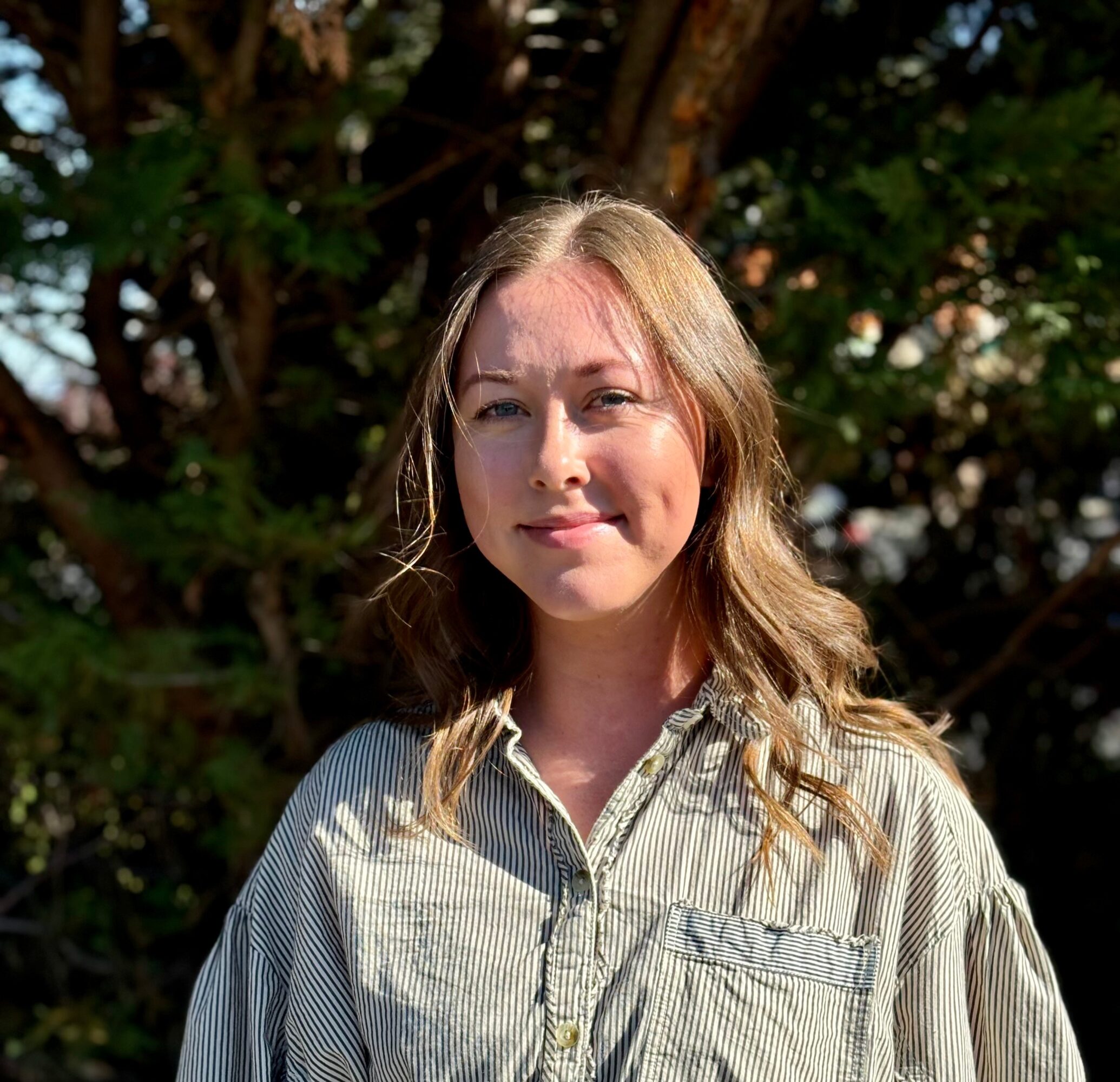



Today we’d like to introduce you to Alex Vanderheid-Nye.
Hi Alex, please kick things off for us with an introduction to yourself and your story.
After graduating from college in 2018, I started working at an ABA clinic in Eugene. I absolutely loved my supervisor and the way she supported both her clients and her team, and I knew I wanted to follow a similar path. A few years later, I moved to Bend and joined another clinic while continuing to work toward becoming a BCBA. Every experience taught me something. There were practices I admired and wanted to carry with me, and others that made me think, “One day, when I have my own practice, I would do this differently.”
After becoming a BCBA, I shifted direction and worked for a new company as a behavior professional, providing behavioral consultation and support to long-term care facilities and group homes throughout Central and Eastern Oregon. I loved the work and learned so much, but I kept receiving referrals from families looking for ABA services. It became clear that this was where the greatest need was and where I felt I could make the biggest impact.
With a lot of encouragement from my supervisor, I decided to take the leap and start my own practice. It was definitely a dive into the deep end. I had to learn everything from scratch: forming an LLC, getting contracted with insurance companies, navigating credentialing, understanding billing, and making sure every piece of the business was set up correctly. It was overwhelming at times, but each challenge taught me something new and brought me one step closer to creating the kind of practice I had always envisioned.
Would you say it’s been a smooth road, and if not what are some of the biggest challenges you’ve faced along the way?
There have been plenty of highs and lows throughout this journey. I’ve faced challenges with billing, insurance requirements, and getting paid on time, while also learning how to navigate documentation, compliance, and the countless administrative responsibilities that come with running a practice. At the same time, I remained committed to supporting families and staying true to the vision and values I had for my company.
Much of the process involved teaching myself as I went, including tracking down the right resources, finding answers from the right people, balancing administrative work with providing direct services, writing treatment plans, and onboarding new families. When I started, I didn’t have all the answers. I learned through problem-solving and a willingness to figure things out one step at a time. Looking back, I’m proud of how much I’ve built, not because it came easily, but because I kept moving forward despite the uncertainty.
Thanks – so what else should our readers know about your work and what you’re currently focused on?
I built my practice with the intention of staying true to who I am. Someone who genuinely listens to and supports disabled individuals and their families. My experience providing behavior support in group homes and long-term care settings gave me a broader understanding of the community resources available and how to help families navigate them. Receiving a diagnosis can feel overwhelming, and my goal isn’t to convince every family they need ABA. Sometimes families need help finding the right resources, connecting with another provider, or simply having someone they trust come into their home to offer guidance. I take pride in building strong relationships with other professionals so families receive the support that best fits their needs. Because there is such a shortage of services for school-aged children and families in Central Oregon, that has become a primary focus of my practice.
What sets me apart is my commitment to supporting the whole person, not just checking off treatment goals. I believe in progress over perfection, connection over compliance, and quality over quantity. I involve individuals and their families in developing meaningful goals based on what matters most to them rather than relying on a standard goal bank. My hope is that every person I work with feels heard, respected, and supported in building skills that improve their everyday life.
Are there any apps, books, podcasts, blogs or other resources you think our readers should check out?
Social media is super underrated for finding helpful resources! I follow tons of autistic and disabled creators, as well as other providers (OT, speech, mental health therapists, etc) and have learned a TON from them. Listening to autistic and disabled voices is SO important!
Here’s just a few that I love: autisminblack, play_spark, autisticblackgirl, neurodifferent, ashleyreframed, aac.and.me, abavisualized, learnplaythrive, meaningfulspeech, redwoodcenterforchildren, jrc_theslp, bipvisualized, neurodivergent_lou
Pricing:
- Insurance-based
- Private pay sliding scale
Contact Info:
- Website: https://bloomsupport.org/