


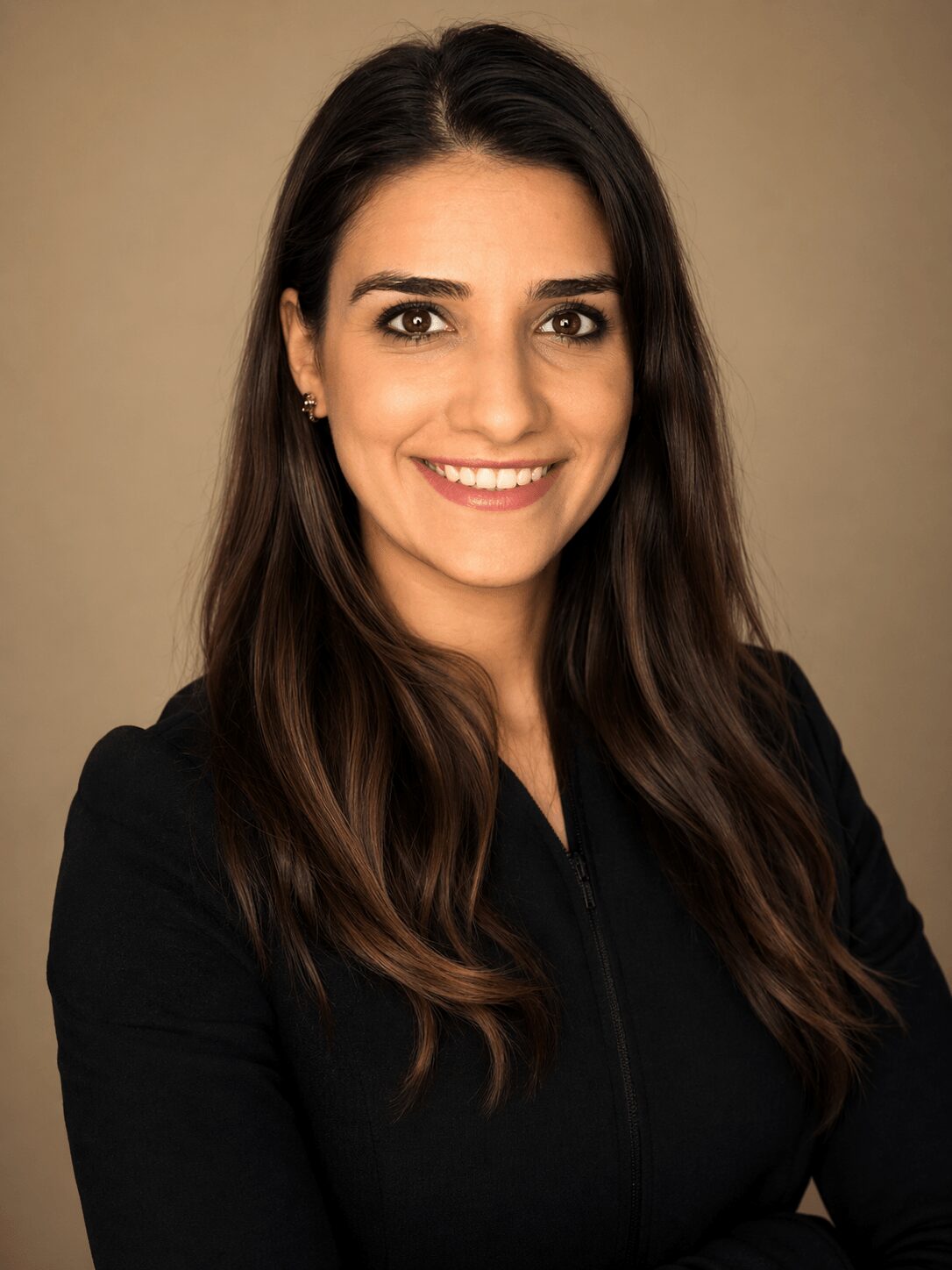
Today we’d like to introduce you to Salwa Al Bicyclechi.
Hi Salwa, thanks for sharing your story with us. To start, maybe you can tell our readers some of your backstory.
My name is Salwa Al Bicyclechi, and long before fitness became my career, movement became a way for me to cope, feel strong, and create a sense of freedom during a time when very little around me felt within my control.
I grew up in Baghdad, Iraq, and was a teenager during the 2003 war and the years of violence and instability that followed. Daily life changed dramatically. There were bombings, power outages, fear, and uncertainty, and as a young woman, the world around me also became increasingly restrictive. There were times when something as simple as going outside for a run wasn’t an option.
So I ran on the roof of our home.
That rooftop became my escape. I would run and move not because I was thinking about calories, aesthetics, or even “fitness” in the way we talk about it today. I did it because movement made me feel better. It gave me somewhere to put the fear, frustration, and stress I was carrying. Looking back, I think that was the beginning of my relationship with exercise—not simply as something we do to change our bodies, but as something that can profoundly change how we experience our lives.
In 2009, my family and I immigrated to the United States and settled in Indianapolis. Starting over in a new country brought an entirely different set of challenges, but it also gave me the opportunity to turn that relationship with movement into a career. I studied Exercise Science at IUPUI and earned my degree from Indiana University.
My professional journey eventually took me from Indianapolis to San Francisco. Along the way, working at Whole Foods Market sparked a deeper interest in nutrition and how our everyday choices influence our health. In San Francisco, I joined a high-end corporate fitness club and built my career as a personal trainer. I eventually became the highest-producing female trainer in the club’s history, taught education courses for other trainers, helped develop coaches, and spent time managing a team of approximately 35 trainers.
But achievement has never been the most important part of this career to me. Education has.
I became a StrongFirst Elite Instructor and continued studying movement, strength, nutrition, breathing, and mobility through certifications including Functional Movement Systems, Precision Nutrition, Oxygen Advantage, and others, along with continuing education such as Animal Flow.
All of those experiences eventually shaped Plants & Bells and the way I coach today.
I believe strength is about far more than how much weight you can lift. I want people to develop bodies that are capable, resilient, and prepared for life. I want my clients to move well, build confidence in what their bodies can do, maintain their independence as they age, and understand that training can support their mental well-being just as powerfully as their physical health.
In many ways, the philosophy behind Plants & Bells goes all the way back to that rooftop in Baghdad. Movement gave me strength during one of the most difficult periods of my life. Today, I have the privilege of teaching other people how to discover their own strength—and helping them build bodies that allow them to live fuller, healthier, and more joyful lives.
We all face challenges, but looking back would you describe it as a relatively smooth road?
It definitely hasn’t been a smooth road. I think one of the biggest lessons of my life has been learning how to adapt when life changes in ways you didn’t choose or expect.
Growing up in Baghdad during the war shaped me tremendously. There was a period of my life when uncertainty was simply part of everyday existence. We experienced bombings, violence, power outages, and constant concerns about safety. As the environment became more unstable, life also became increasingly restrictive for women. I learned very young that circumstances can change overnight and that sometimes the only thing you can control is how you respond to them.
Then, in 2009, my family and I immigrated to the United States. Leaving Iraq gave us opportunities that I’m incredibly grateful for, but starting over in a new country comes with its own challenges. I had to adapt to a different culture, build a new community, navigate college, and essentially figure out who I was in an entirely new environment. There is a vulnerability that comes with starting over, but there is also tremendous growth in it.
My professional journey required a similar kind of resilience. I worked extremely hard to establish myself in the fitness industry. When I moved to San Francisco, I had to rebuild my clientele and reputation again from the ground up. Eventually, I became one of the top trainers at my club and the highest-producing female trainer in its history, but that success was built through years of showing up, continuing my education, learning from mistakes, and refusing to become complacent.
Then COVID changed everything again. Like so many people in the fitness industry, I had to rethink what my career could look like. Eventually, another major life transition brought me to Portland, where I once again had to rebuild a clientele and establish myself in a new city—this time while building my own business, Plants & Bells.
Entrepreneurship has probably been one of my greatest teachers. When you work for yourself, being excellent at your craft is only part of the job. You suddenly have to understand marketing, finances, sales, technology, content creation, and business development while still being fully present for the people you coach. There have been periods of uncertainty and plenty of moments when I’ve had to figure things out as I went.
But when I look at the different chapters of my life, there is a pattern I recognize now: I’ve had to start over many times.
From Baghdad to Indianapolis, from Indianapolis to San Francisco, and eventually to Portland, each transition required me to rebuild something. At the time, those moments often felt like setbacks or uncertainty. Looking back, they taught me that starting over doesn’t mean starting from nothing. You carry your experience, your knowledge, your resilience, and everything you’ve learned with you.
That perspective influences the way I coach as well. Progress is rarely a straight line. People experience injuries, setbacks, stressful periods, aging, career changes, and major life transitions. Strength isn’t about never struggling. To me, strength is developing the capacity to adapt, rebuild, and keep moving forward when life inevitably changes.
Appreciate you sharing that. What should we know about Plants and Bells?
Plants & Bells is a strength and movement coaching business built around a simple idea: training should help you become more capable in your life, not just more exhausted in the gym.
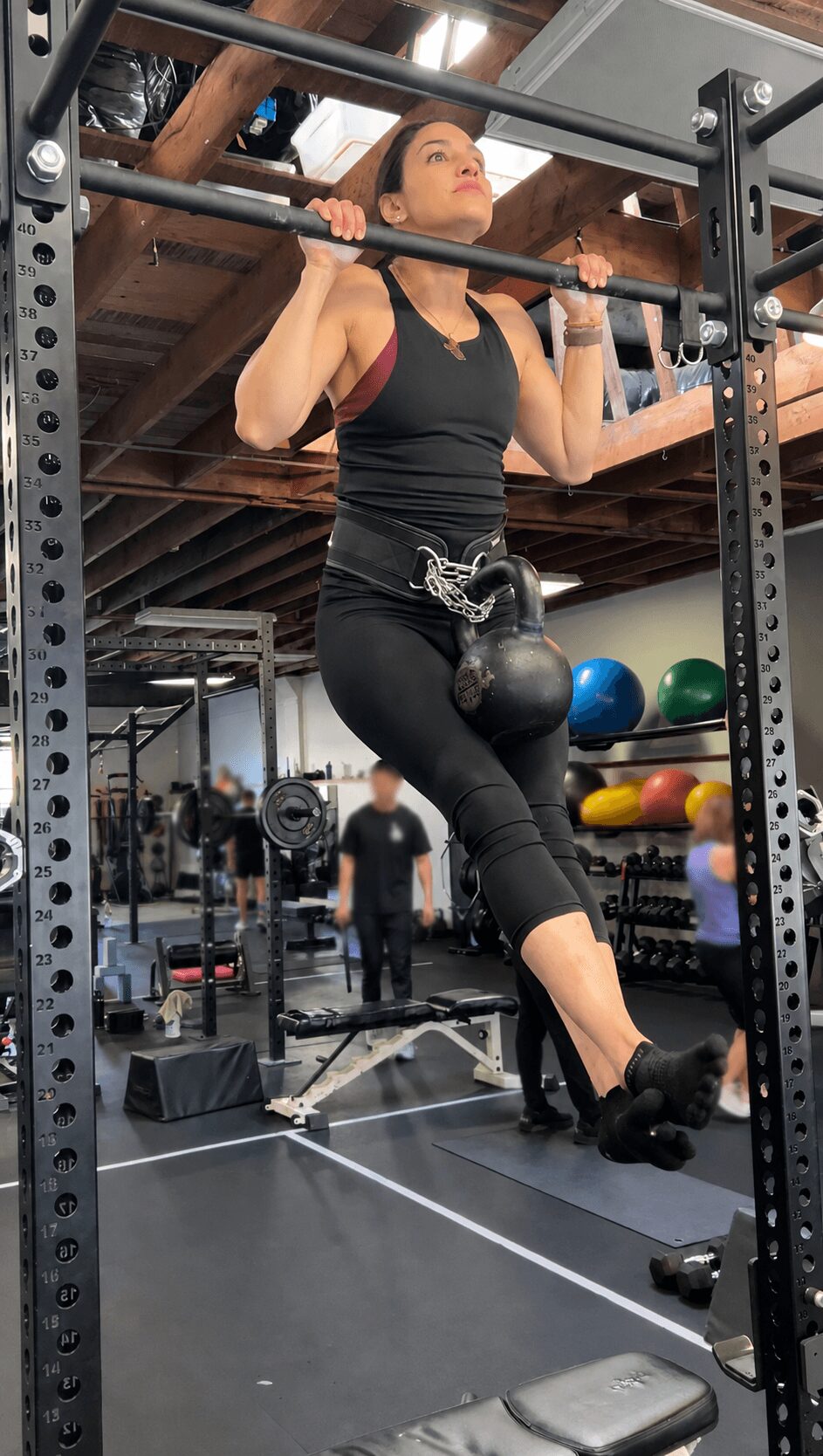
I specialize in strength training, particularly hardstyle kettlebell training, powerlifting, and Olympic weightlifting, along with mobility, movement quality, injury prevention, functional breathing, and helping people build resilient bodies for the long term. I work with clients one-on-one, in small groups, and virtually, and I coach people across a wide range of ages and abilities—from someone picking up a weight for the first time to experienced lifters looking to improve their technique, strength, and performance.
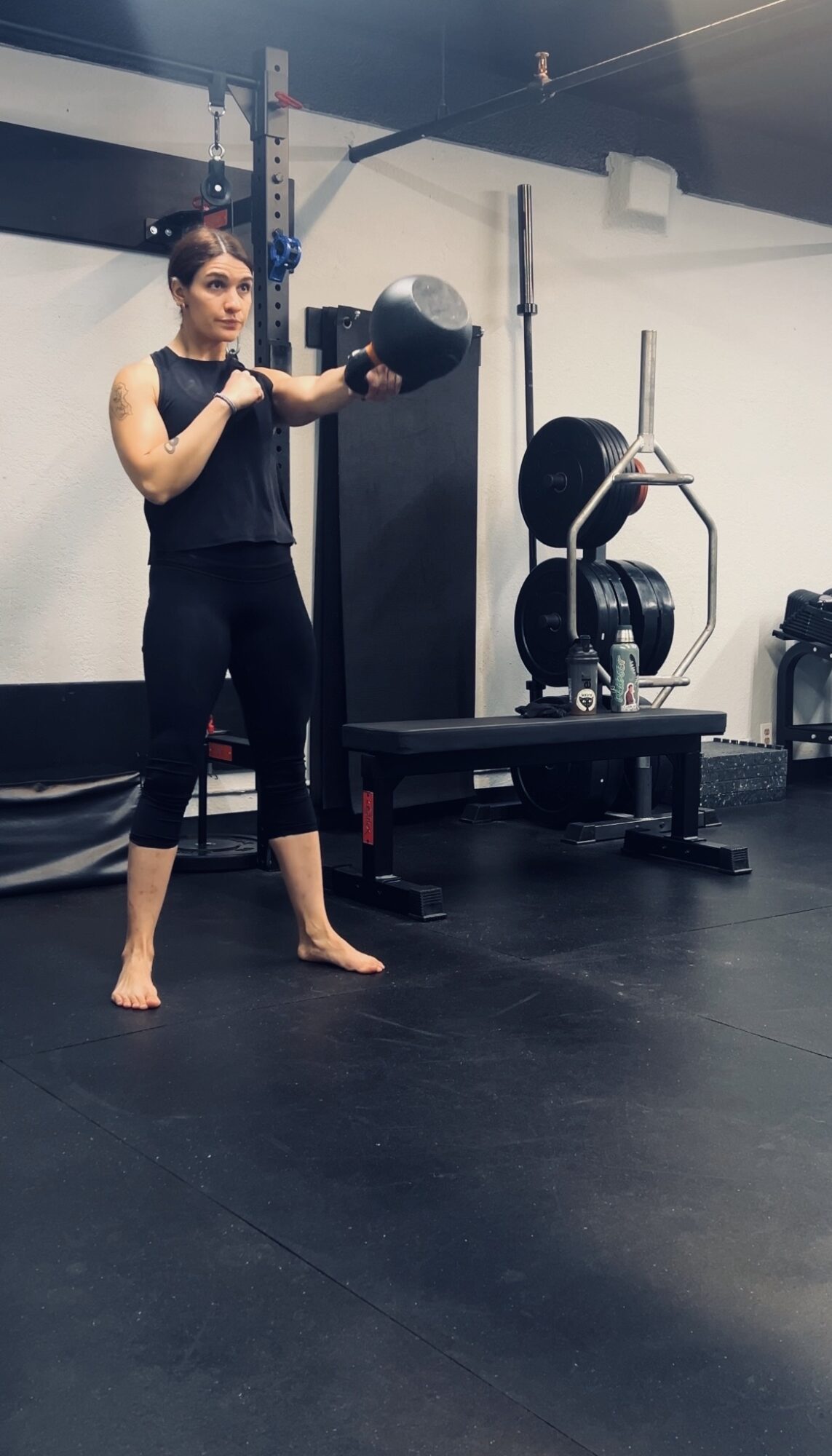
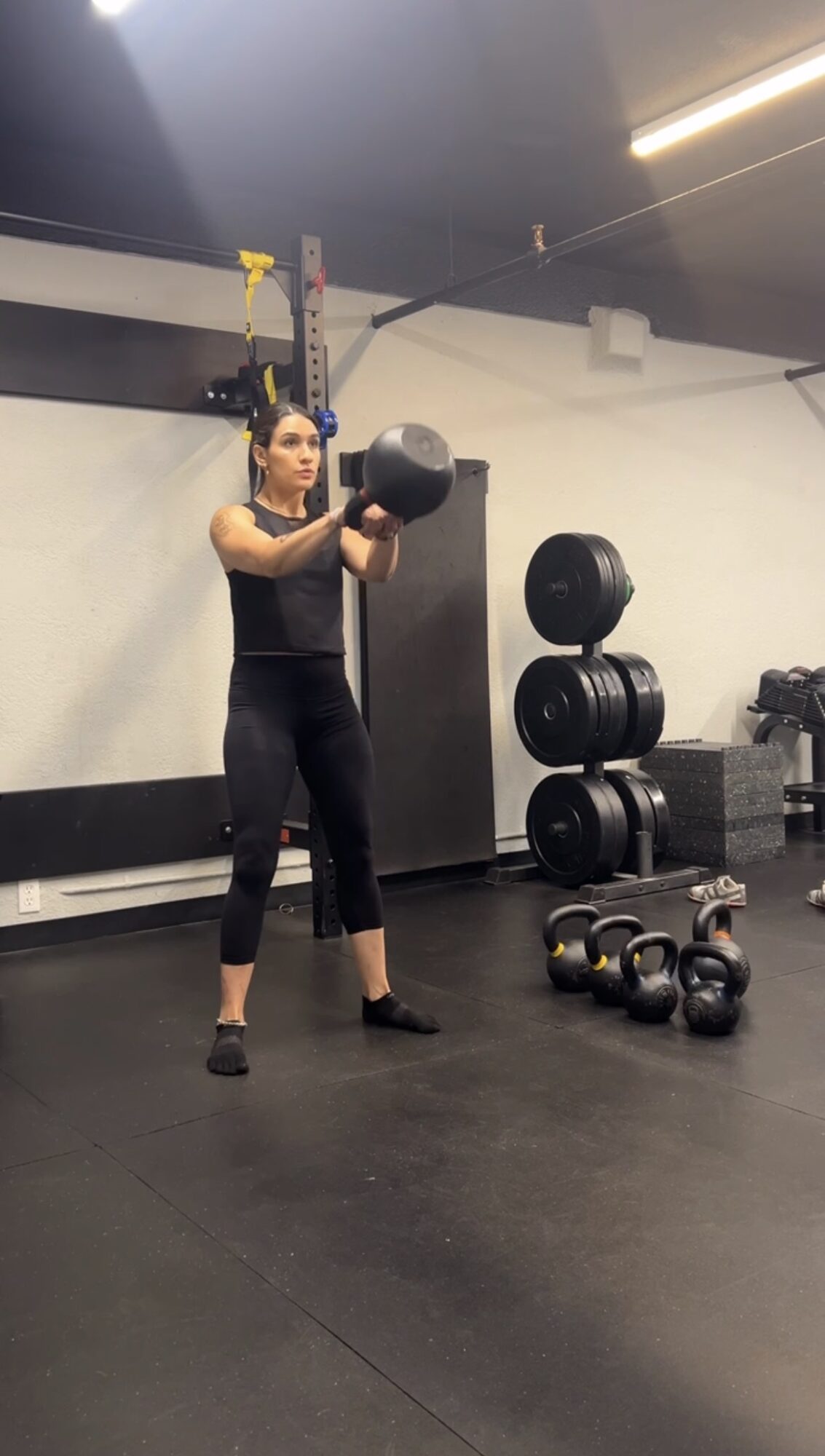
Kettlebells are a major part of what Plants & Bells is known for. As a StrongFirst Elite Instructor, I approach kettlebell training as a skill rather than simply another way to make someone tired. Movements like the swing, Turkish get-up, clean, press, squat, and snatch require technique, body awareness, tension, breathing, and practice. I teach those skills progressively so clients understand not only what they’re doing, but why they’re doing it and how to do it well.
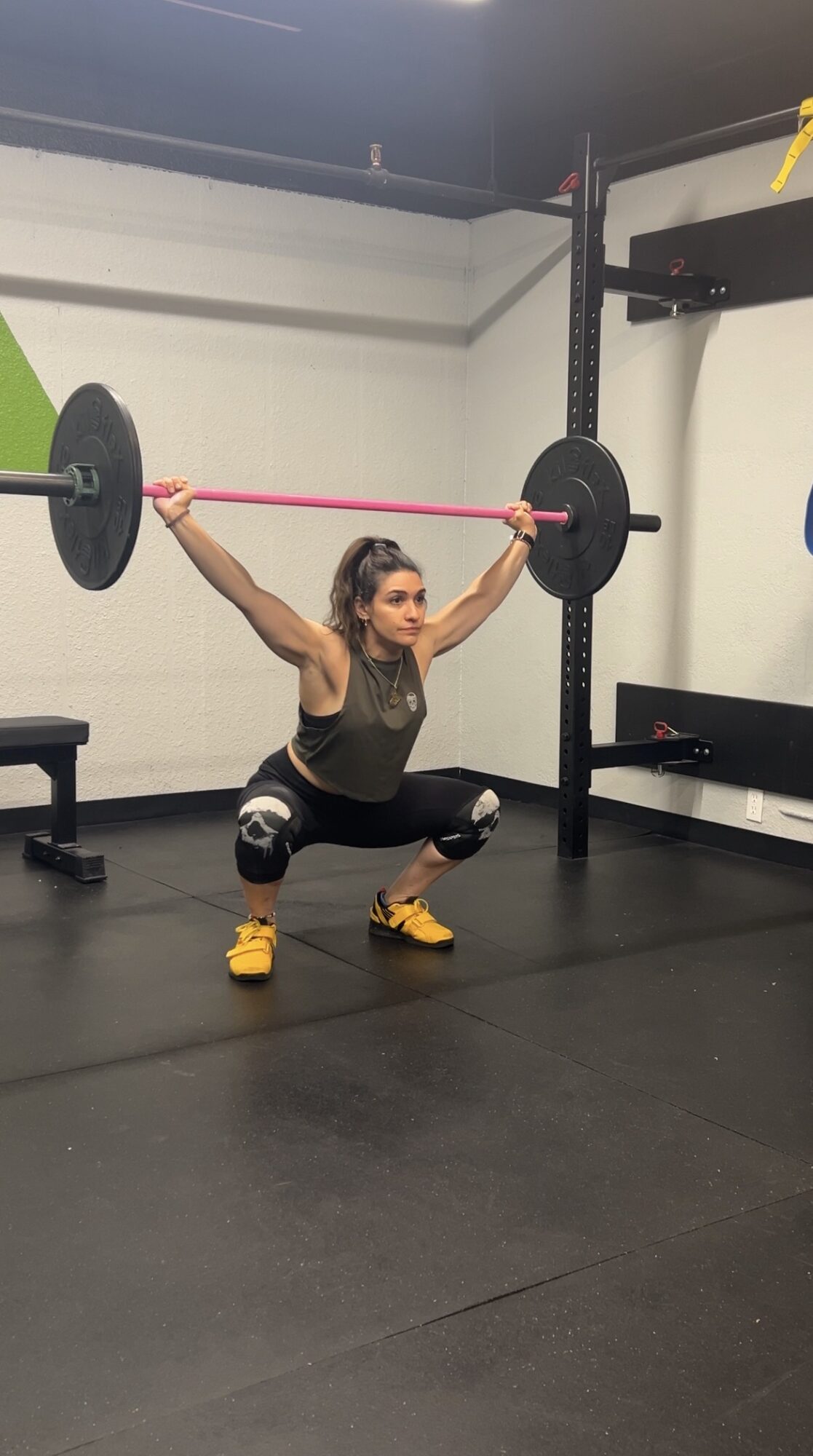
My strength coaching also extends to barbell training, including the squat, bench press, and deadlift, as well as the Olympic lifts—the snatch and clean & jerk. Whether I’m teaching someone their first deadlift or helping a more experienced lifter refine a technical lift, the philosophy is the same: master the fundamentals, respect technique, progress intelligently, and build strength that serves you rather than breaks you down.
That reflects a larger philosophy behind my coaching: I don’t believe exercise needs to destroy you to be effective.
Fitness culture often celebrates soreness, exhaustion, and pushing through discomfort. My approach is different. I frequently use the word practice instead of workout because I want people to think about training as the practice of becoming stronger and more skillful. We can train hard while still respecting the body. Good training should build you rather than continually break you down.
Movement quality is therefore a major component of Plants & Bells. I use movement assessment and mobility work to understand how each individual moves rather than putting everyone through the same generic program. Strength, mobility, stability, breathing, and recovery all interact, and I want clients to understand their bodies rather than feel intimidated by them.
Injury prevention and longevity are especially important to me. I want someone to be strong today, but I’m equally interested in what their body will allow them to do 10, 20, or 30 years from now. Being able to get off the floor, carry something heavy, maintain balance, move through a full range of motion, travel, hike, play with your children or grandchildren, and continue doing the activities you love—those are meaningful measures of fitness.
Nutrition is another part of my background. I hold a Precision Nutrition certification as well as education in plant-based nutrition, and my own lifestyle is plant-based. When nutrition coaching is appropriate, I focus on sustainable habits rather than restrictive diets or quick fixes.
What I’m probably most proud of about Plants & Bells is that there isn’t one type of person who has to belong here. You don’t have to already be fit. You don’t need to look a certain way. You don’t have to know how to use a kettlebell or barbell. My job is to meet you where you are, teach you, and progressively help you discover what your body is capable of.
I’m also working on expanding Plants & Bells beyond one-on-one coaching. I’m currently developing a digital training platform focused on teaching hardstyle kettlebells, strength training, mobility, movement quality, and injury-prevention exercises in a progressive and approachable way. My goal is to make the same education and coaching principles I use with my clients accessible to people who may never be able to train with me in person.
Ultimately, I don’t want Plants & Bells to be a brand that simply sells workouts. I want it to teach people how to move, how to train, and how to build strength they can carry with them throughout their lives.
Risk taking is a topic that people have widely differing views on – we’d love to hear your thoughts.
I think my relationship with risk has changed tremendously throughout my life. I don’t necessarily think of myself as someone who takes risks simply for the sake of taking them. I’m actually very thoughtful about major decisions. But I’ve learned that some of the most meaningful opportunities in life require you to move forward before you have any guarantee that things will work out.
In many ways, my life has been defined by starting over.
One of the biggest transitions was immigrating from Iraq to the United States with my family in 2009. We left behind the country, culture, language, family connections, and familiarity that had shaped our entire lives. There was tremendous opportunity in coming to the United States, but there was also uncertainty. I had to learn how to navigate a completely different culture and eventually build an identity and career for myself here.
Later, I took another significant risk when I left Indianapolis and moved to San Francisco. I didn’t have an established career waiting for me there. I had to build my reputation and clientele from the ground up in one of the most competitive and expensive cities in the country. That decision ultimately became one of the most important professional chapters of my life. I grew tremendously as a coach, became one of the top trainers at my club, moved into leadership and education, and learned what I was capable of professionally.
Then life asked me to start over again. After COVID and eventually moving to Portland, I had to rebuild my professional community and clientele in another new city. This time, however, I was also building something that belonged to me: Plants & Bells.
Entrepreneurship has probably been the most intentional risk I’ve taken. When you work for yourself, there isn’t always a predictable paycheck or a clear roadmap. You’re responsible not only for being excellent at your craft, but also for finding clients, making financial decisions, marketing yourself, creating opportunities, and continuing to evolve when something isn’t working. There is a level of uncertainty that you have to learn to become comfortable with.
I’m experiencing that again now as I work toward expanding Plants & Bells beyond traditional personal training and developing a digital training platform. Building something new requires an investment of time, energy, money, and creativity without knowing exactly how people will respond to it. But I would rather take a calculated risk on something I believe in than remain comfortable simply because the outcome is predictable.
I think that’s ultimately how I view risk: there is a difference between being reckless and being willing to bet on yourself.
I don’t believe courage means being completely unafraid. Sometimes courage is looking at all the reasons something might not work, preparing as intelligently as you can, and deciding that the possibility of growth is worth the uncertainty.
I’ve also learned that security can sometimes be an illusion. Life can change whether we’re ready for it or not. My experiences growing up in Iraq taught me that very early. Because of that, I’ve become less interested in trying to create a life where nothing ever changes and more interested in becoming someone who trusts herself to adapt when it does.
Some risks work out beautifully. Others teach you something and redirect you. Either way, I’ve found that many of the most important chapters of my life began with a decision that required me to step into something I couldn’t completely predict.
Contact Info:
- Website: https://www.plantsandbells.net
- Instagram: @plants_and_bells
- Youtube: @plantsandbells1
- Other: https://maps.app.goo.gl/A2EwrT4cUS3CSZLUA