

Today we’d like to introduce you to Cliff Barackman.
Hi Cliff, we’re thrilled to have a chance to learn your story today. So, before we get into specifics, maybe you can briefly walk us through how you got to where you are today?
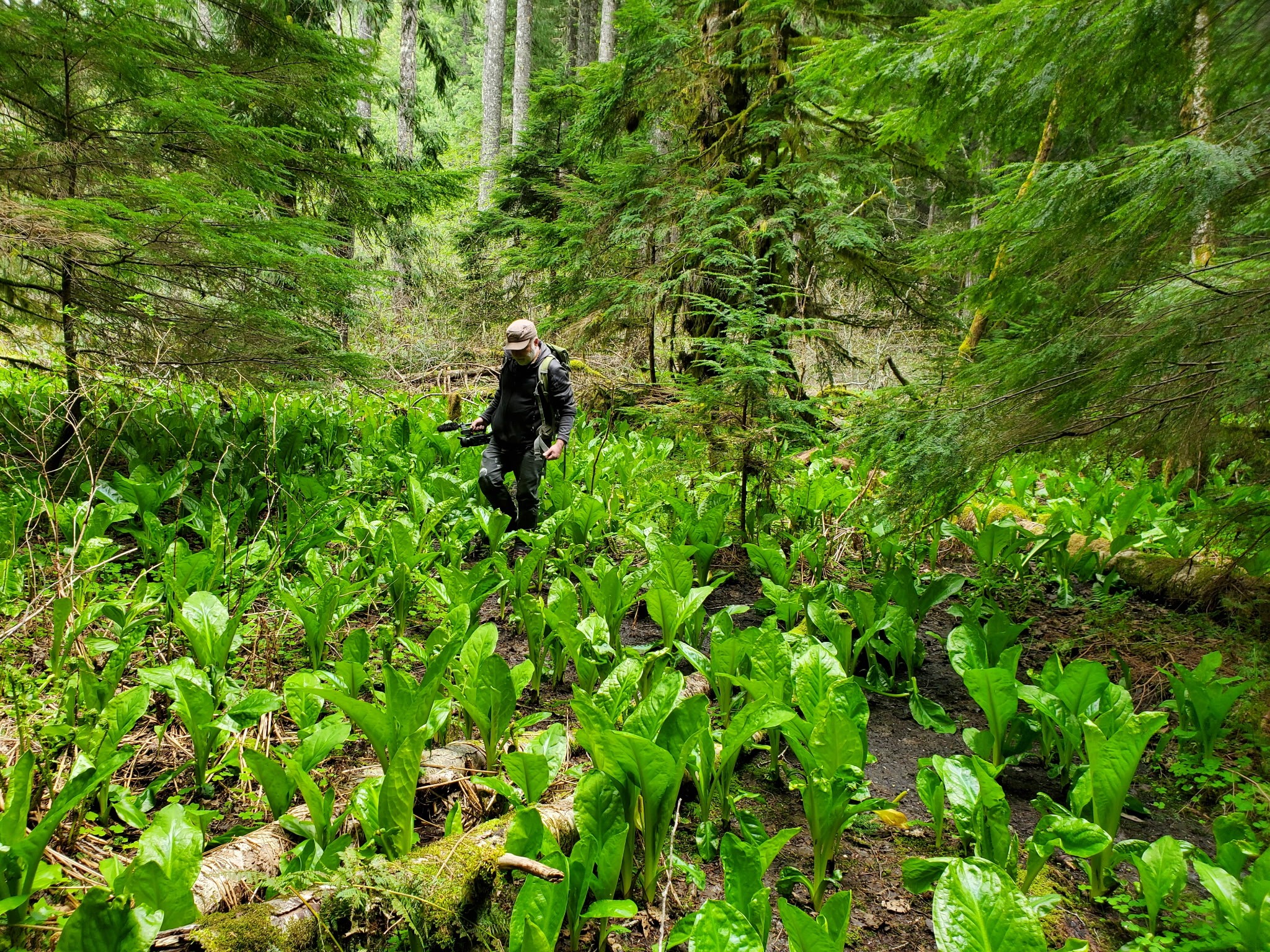
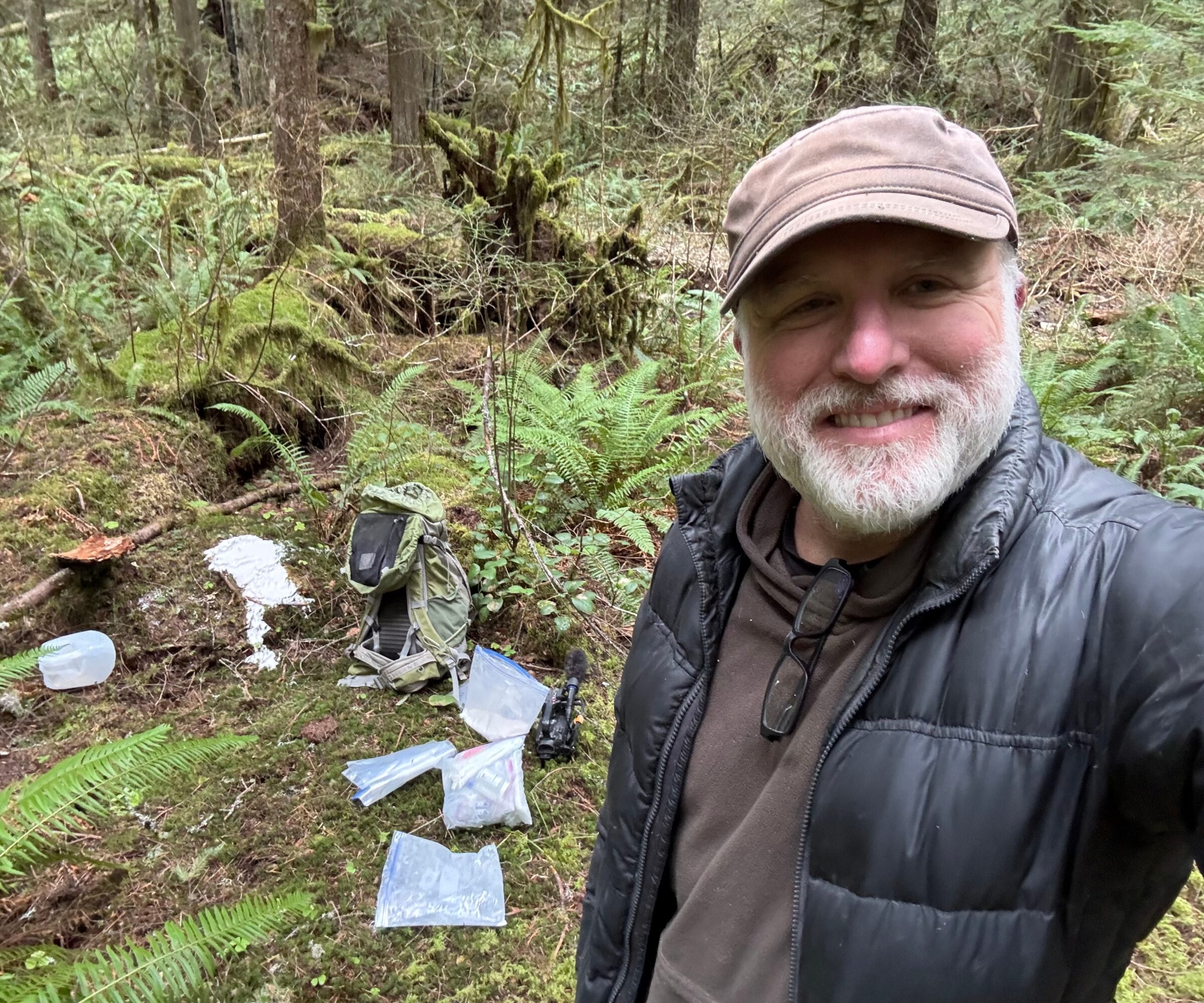
My interest in Bigfoot research began in 1994, while I was studying music at California State University, Long Beach. What started as curiosity quickly developed into a serious pursuit. I began reading the available scientific literature, examining reports of alleged Sasquatch encounters, and eventually conducting my own field investigations, particularly in Northern California and the Sierra Nevada Mountains.
For about 14 years, I worked as an elementary-school teacher while continuing my research on the side. I maintained a Bigfoot research blog, spent time in the field, and developed a particular interest in footprint evidence and track casts. Over the years, I built a collection of casts, reports, photographs, and other materials connected to the subject.
That work eventually led me to a position of a host of Animal Planet’s Finding Bigfoot. As one of the investigators on the series, I had the opportunity to travel throughout the United States and around the world investigating reports and meeting witnesses. The show also gave me the opportunity to devote myself more fully to a subject I had already been studying for many years.
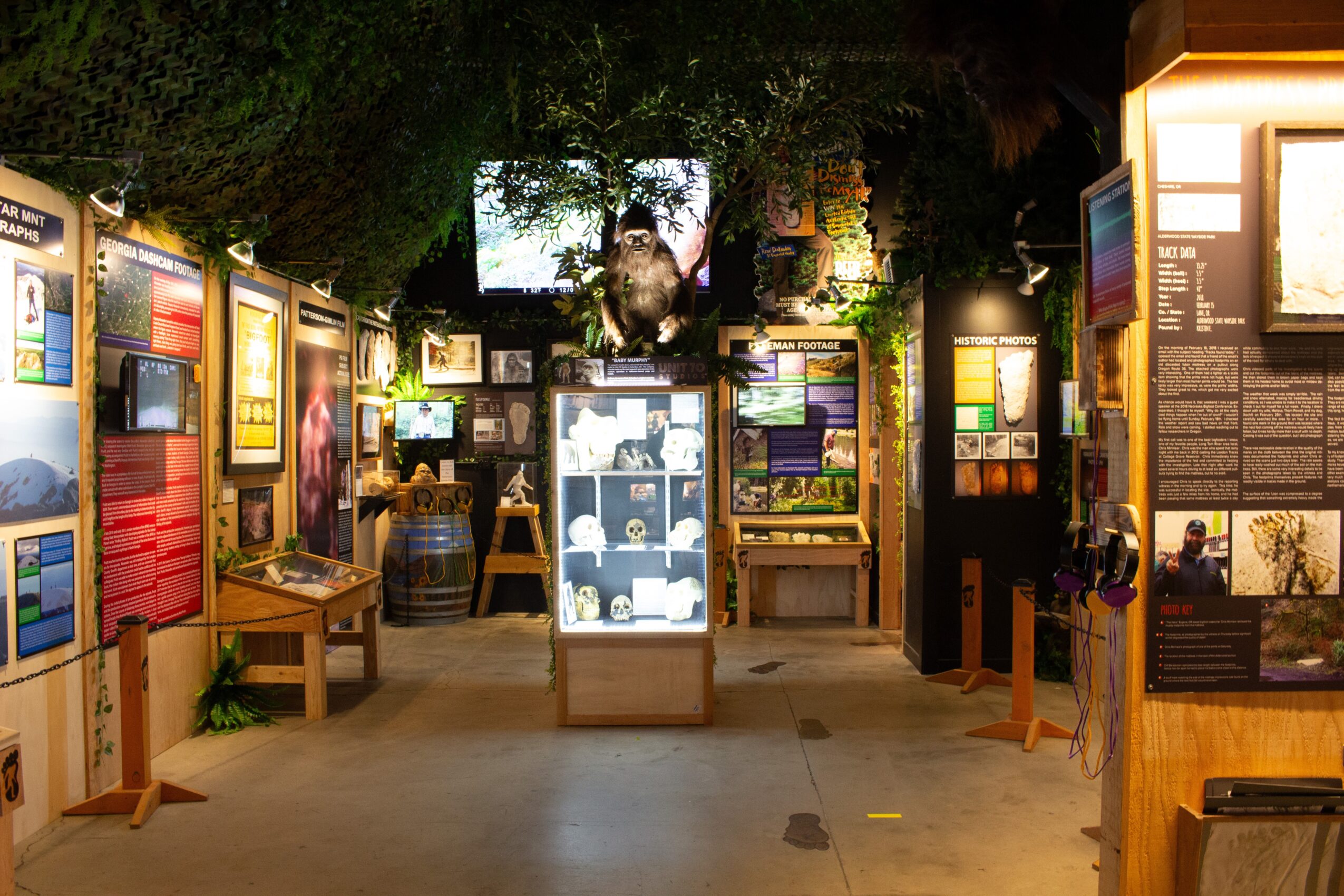
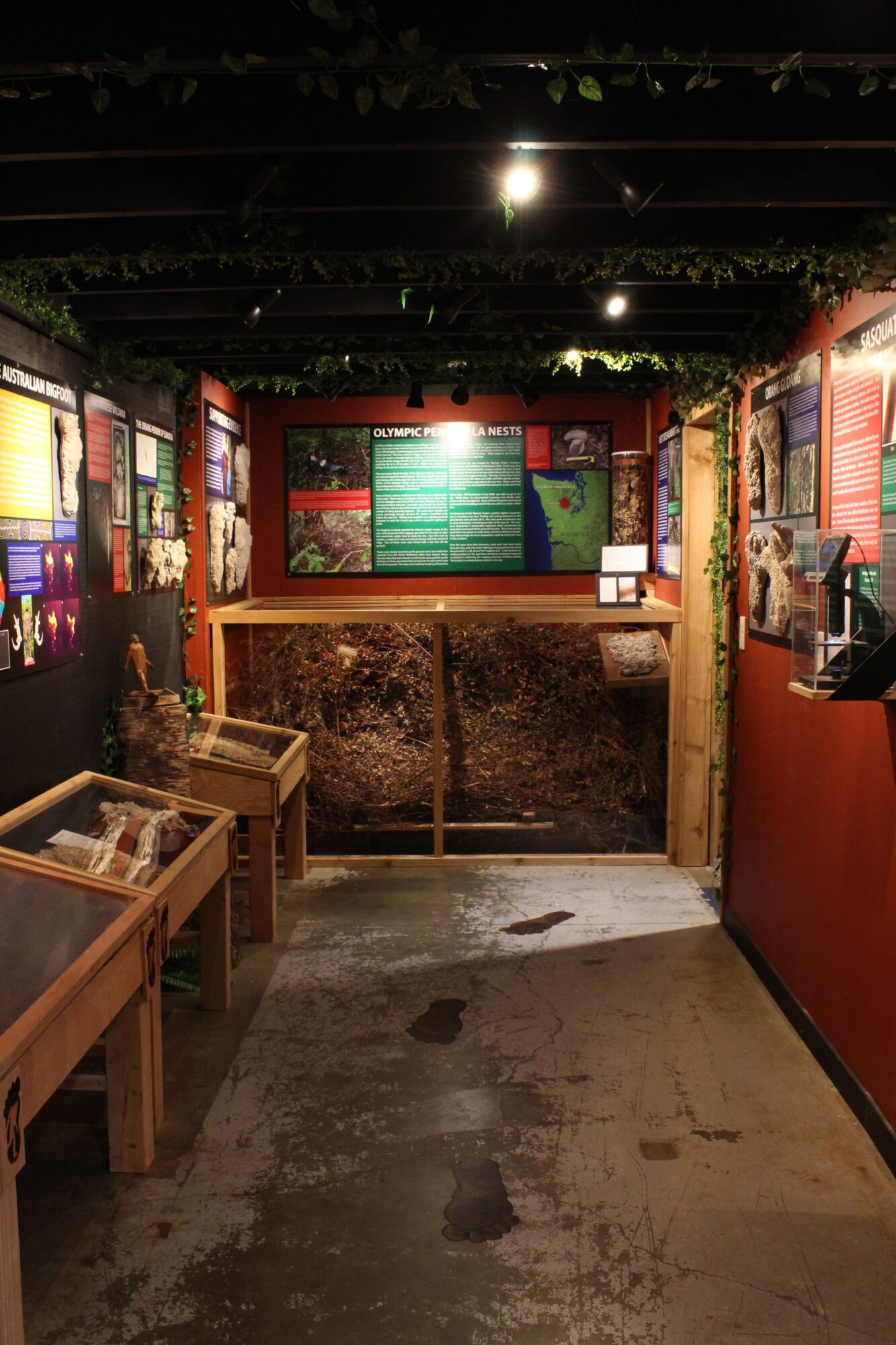
When the original run of Finding Bigfoot came to an end, I began thinking about what should happen to the collection and knowledge I had accumulated. I wanted to create a permanent place where people could see the evidence for themselves, learn about the history of Bigfoot research, and approach the subject with curiosity and critical thinking.
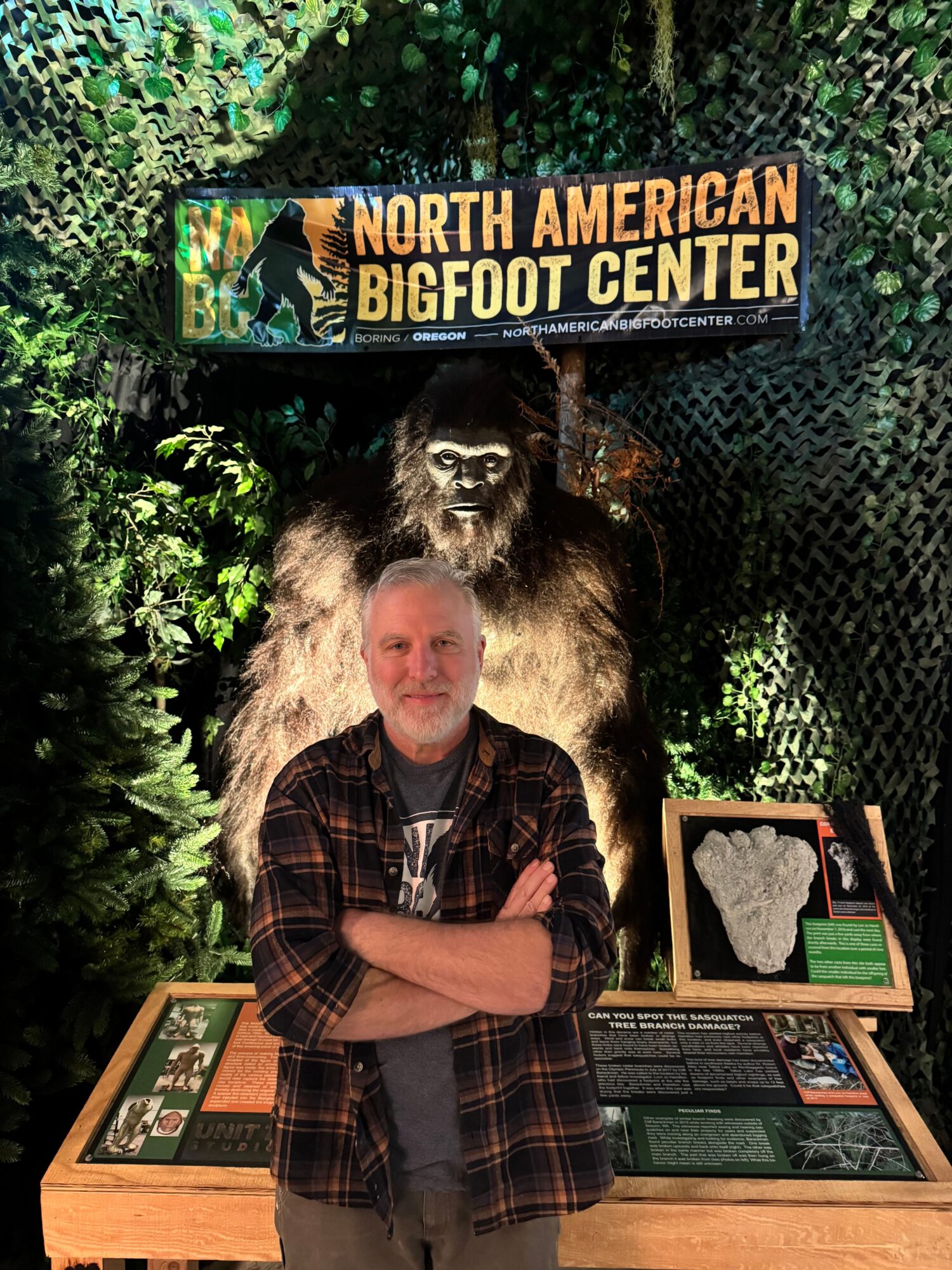
In 2019, I used money I had saved during my years working on the television series to establish the North American Bigfoot Center in Boring, Oregon. My wife, Melissa, and I own and curate the center, which has become a home for many of the footprint casts, historical artifacts, photographs, films, and other materials I have collected over the decades.
In many ways, the North American Bigfoot Center represents the natural progression of my life’s work—from an interested college student, to a field researcher and collector, to a television investigator, and ultimately to a full-time curator and educator. It gives me a place to preserve what I have learned and collected while sharing the ongoing search for answers with anyone curious enough to walk through the door.
Can you talk to us a bit about the challenges and lessons you’ve learned along the way. Looking back would you say it’s been easy or smooth in retrospect?
Opening the North American Bigfoot Center was a gamble from the beginning. I had spent decades researching Bigfoot, collecting evidence, working in the field, and eventually traveling the world with Finding Bigfoot. What I hadn’t spent decades doing was running a business.
When I opened the NABC in Boring, Oregon, in 2019, I was stepping into completely unfamiliar territory. I had no real previous business experience. I knew Bigfoot. I knew footprint casts, field research, witness interviews, and how to look for something that most people don’t believe exists. But leases, payroll, inventory, marketing, insurance, bookkeeping, and all the other realities of keeping a business alive? Those were lessons I was going to have to learn as I went.
Then COVID hit.
The timing could hardly have been worse. I had invested my savings and years of work into creating a physical museum that depended on people actually walking through the front door. Just as we were beginning to establish ourselves, the world shut down. Suddenly, the financial realities of running the NABC became very real. There were still bills to pay and expenses that didn’t disappear simply because visitors couldn’t come in.
It was a difficult and uncertain time, and there wasn’t a business handbook sitting on my shelf telling me exactly what to do. I had to learn quickly, adapt, make mistakes, and keep moving forward. In many ways, the learning curve of becoming a business owner has been rougher than I ever expected. Researching Bigfoot and operating a museum about Bigfoot are two very different things.
But I’ve always been a bold individual. When I believe something is worth pursuing, I tend to push ahead regardless of the odds. I’m a Bigfoot researcher, after all. That sort of comes with the territory.
You don’t dedicate decades of your life to searching for an undocumented primate because you’re particularly intimidated by long odds. Bigfoot research requires persistence. You follow leads that might go nowhere. You spend nights in the woods knowing you may come home with nothing. You endure skepticism, disappointment, and plenty of people telling you that what you’re looking for doesn’t exist. Then you get up and do it again.
Running the NABC has required much of that same mentality. There have been financial pressures, unexpected challenges, and more than a few lessons learned the hard way. I’ve had to become a businessman while continuing to be a researcher, curator, educator, and public face of the subject. I’m still learning.
Looking back, opening a Bigfoot museum just before a global pandemic probably wasn’t the most fortunate timing imaginable. But waiting for perfect conditions has never really been my style. Sometimes you believe in something strongly enough that you take the risk, accept that you’re going to make mistakes, and figure things out along the way.
In Bigfoot research, you rarely know what’s waiting beyond the next bend in the trail. You just keep moving forward. As it turns out, running the North American Bigfoot Center isn’t all that different.
Can you tell our readers more about what you do and what you think sets you apart from others?
I’ve been investigating Bigfoot since 1994, with a particular focus on footprint evidence, anatomy, and the physical traces these animals allegedly leave behind. While I’m probably best known for Animal Planet’s Finding Bigfoot, my real interest is the evidence—and in getting that evidence in front of people who have the expertise to properly evaluate it.
Throughout my career, I’ve made a deliberate effort to work with academics and scientists whenever possible. Bigfoot research exists largely outside mainstream science, but I don’t think it has to stay there. I’ve consulted and collaborated with experts in fields such as anthropology, primatology, anatomy, and biomechanics, and I try to approach the subject using the same principles we would apply to any other biological question: document what you find, remain skeptical, seek expert opinions, and follow the evidence wherever it leads.
That’s also the philosophy behind the North American Bigfoot Center. I don’t want to tell people what to believe. I want to preserve the best evidence, make it accessible, and encourage serious examination of it. One of the things I’m most proud of is helping build bridges between the Bigfoot research community and academics who are willing to take an objective look at the evidence—even when doing so might be professionally uncomfortable.
I think what sets me apart is that I’m comfortable occupying that space between an unconventional subject and conventional science. I’m willing to spend the night in the woods chasing a report, but I’m equally interested in putting a footprint cast in front of a qualified scientist and asking, “What do you see?”
After more than 30 years, I’m still asking questions. That’s what science is supposed to be about.
How do you think about luck?
Luck has played a big role in both my business and my research. Opening the North American Bigfoot Center in 2019, just before COVID shut everything down, was a pretty spectacular piece of bad luck. But making it through that period taught me how to adapt, solve problems, and keep moving when the odds aren’t in my favor.
Bigfoot research works much the same way. You can prepare carefully, choose a promising area, and still come home with nothing. Will there be a Bigfoot there? Will it leave a footprint? Will a fresh report come in when I actually have time to investigate it? Skill and preparation matter, but sometimes you simply have to be in the right place at the right time.
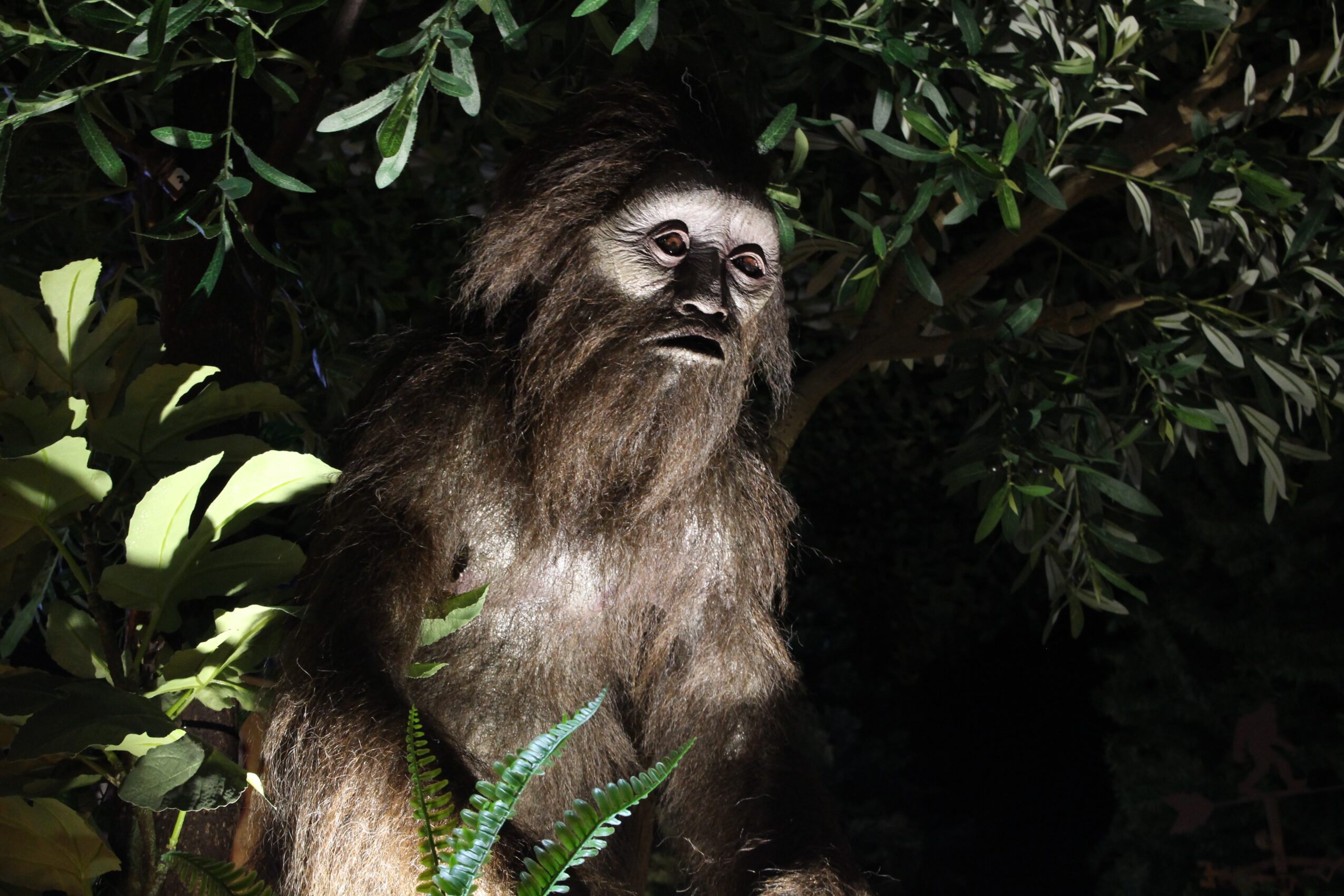
As I like to say, “I’d rather be lucky than good, any day.” Of course, I’m also very familiar with the other side of luck. We named the life-size Bigfoot model at the North American Bigfoot Center “Murphy” after Murphy’s Law: anything that can go wrong, will go wrong. That seems particularly appropriate for both Bigfoot research and running a business.
The best you can do is prepare for Murphy—and put yourself in a position where good luck has a chance to find you.
Pricing:
- Admission: $8, $6 for kids, seniors, and military
Contact Info:
- Website: https://www.NorthAmericanBigfootCenter.com
- Instagram: @northamericanbigfootcenter
- Facebook: northamericanbigfootcenter
- Twitter: @NABigfootCenter
- Youtube: @northamericanbigfootcenter
- Yelp: https://www.yelp.com/biz/north-american-bigfoot-center-boring?dd_referrer=