


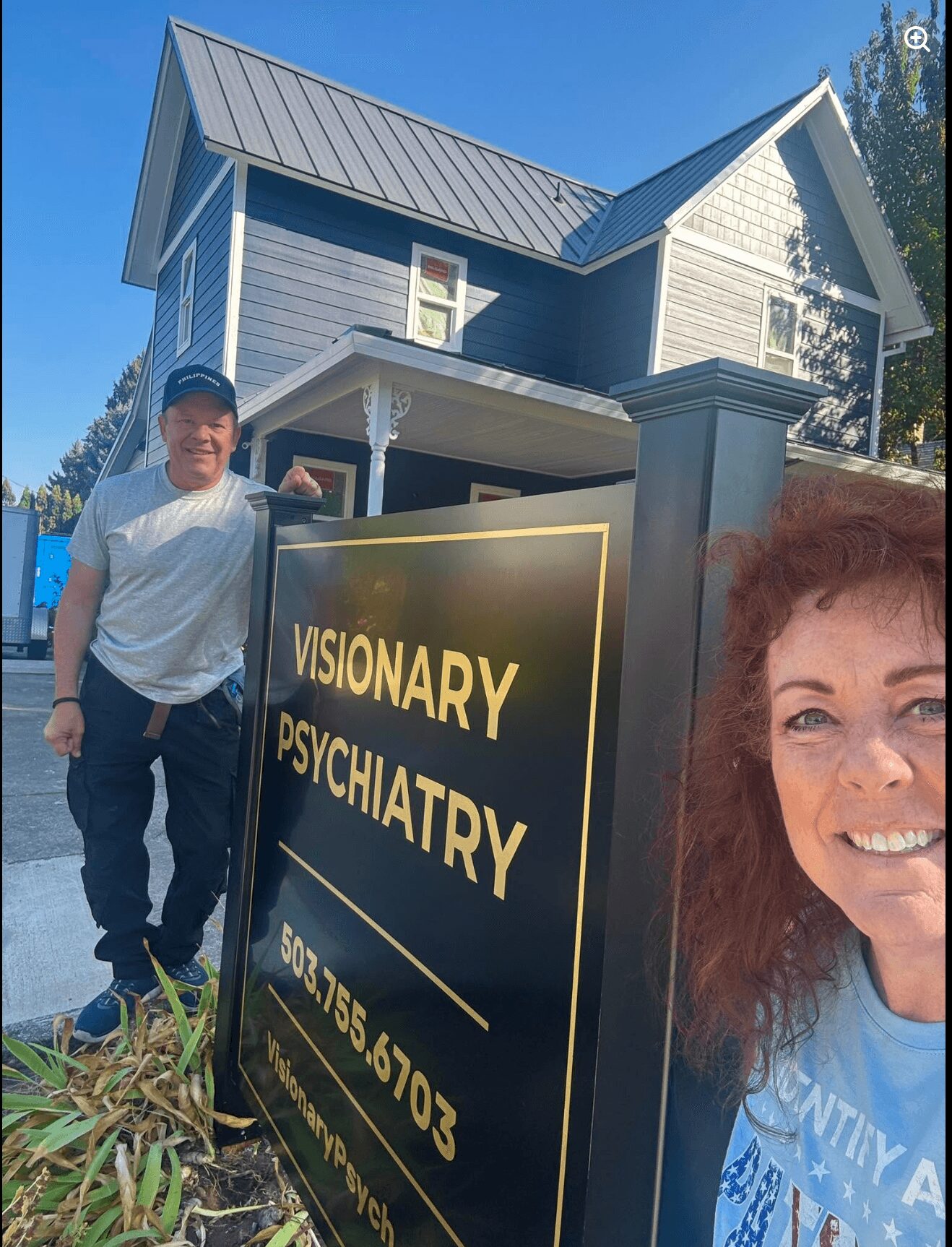
Today we’d like to introduce you to Carmen Kosicek.
Hi Carmen, so excited to have you on the platform. So before we get into questions about your work-life, maybe you can bring our readers up to speed on your story and how you got to where you are today?
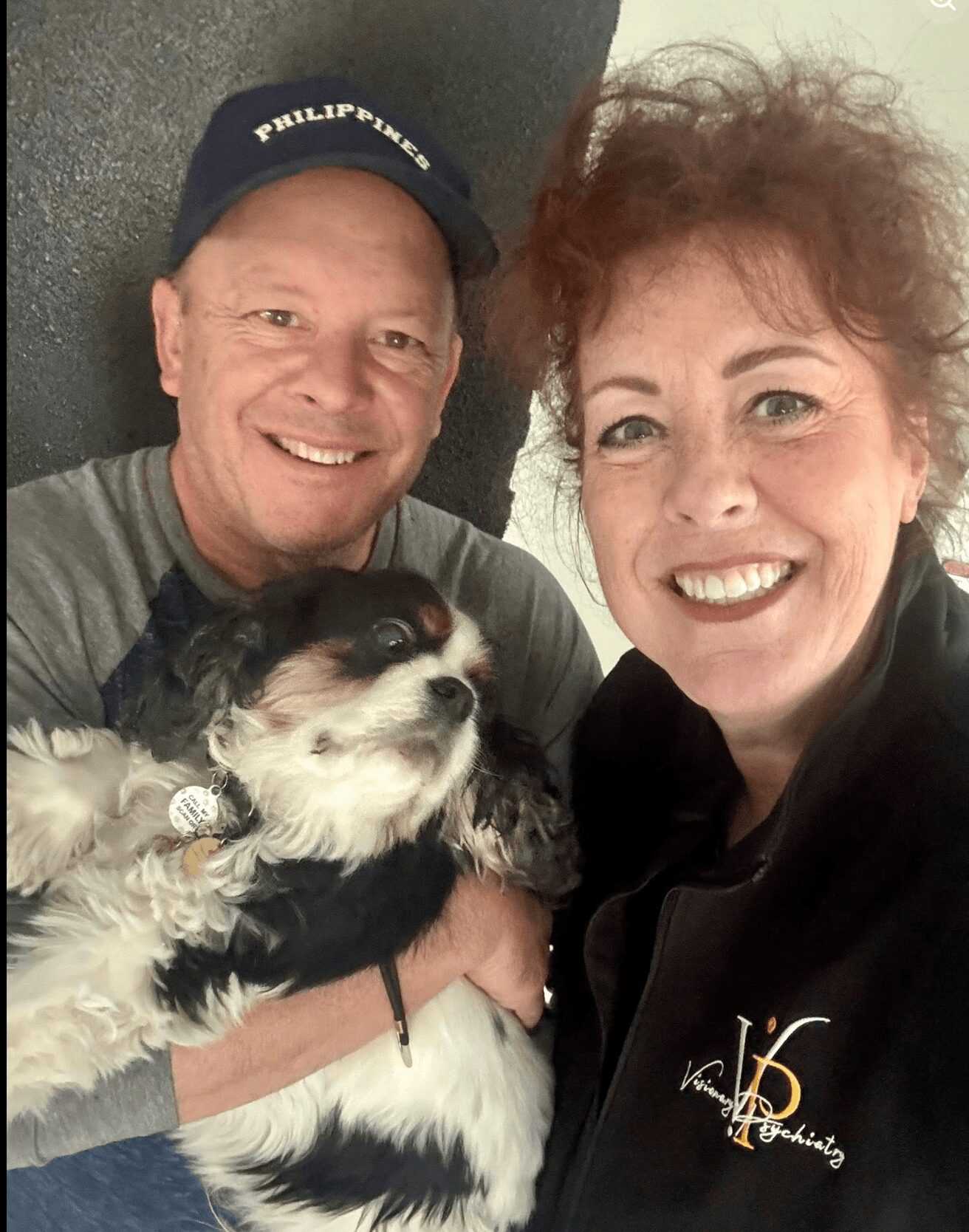
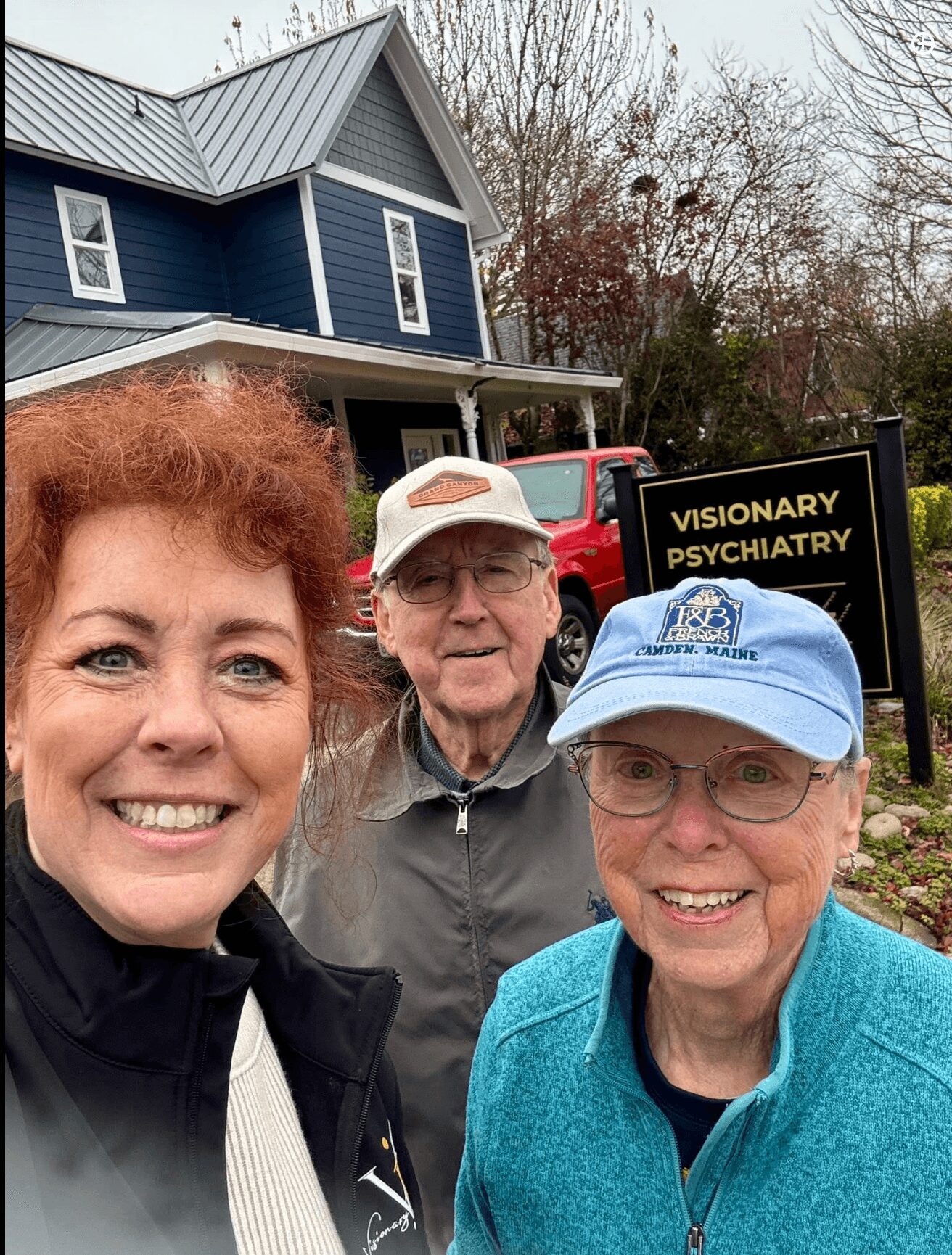
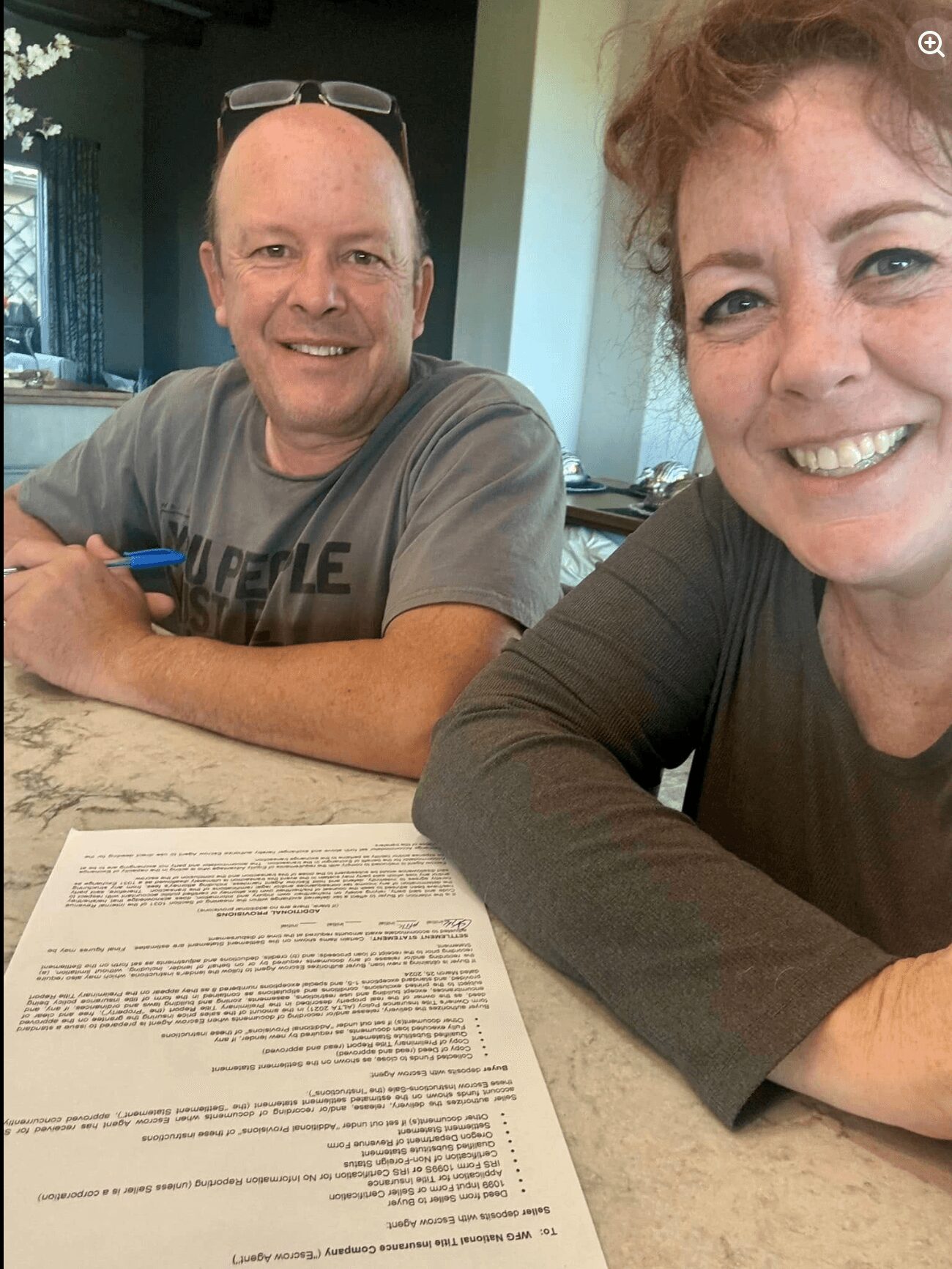
Visionary Psychiatry began very simply — with just my husband, Mike, and me, with a shared vision, and a belief that mental health care could be delivered differently. What started as the two of us building the practice from the ground up has grown into an organization serving patients and families throughout the entire state of Oregon. We self funded this all as we emptied out our entire retirement savings, our 401K and we knew that we HAD to make it work… and we have!
From the beginning, our goal has been to remove barriers that make it difficult for people to receive current evidenced based quality psychiatric care utilizing medications that decrease side effects and limit polypharmacy. Today, Visionary Psychiatry serves children, adolescents, and adults combining evidence-based psychiatric treatment with innovative technology and an accessible model of care.
Self-referrals are welcome. Patients do not have to wait for another healthcare provider to refer them to us. Individuals and families anywhere in Oregon can reach out directly when they need psychiatric care.
Through telehealth combined with in-person services, we are able to reach people in urban, rural, and underserved communities across the state. Our services include comprehensive psychiatric evaluations, medication management, therapy-integrated care, and additional evidence-based and technology-supported services.
Although Visionary Psychiatry has grown tremendously since those early days with just Mike and me, the purpose behind it has remained the same: meet people where they are, remove unnecessary barriers, and make exceptional psychiatric mental health care accessible to Oregonians who need it.
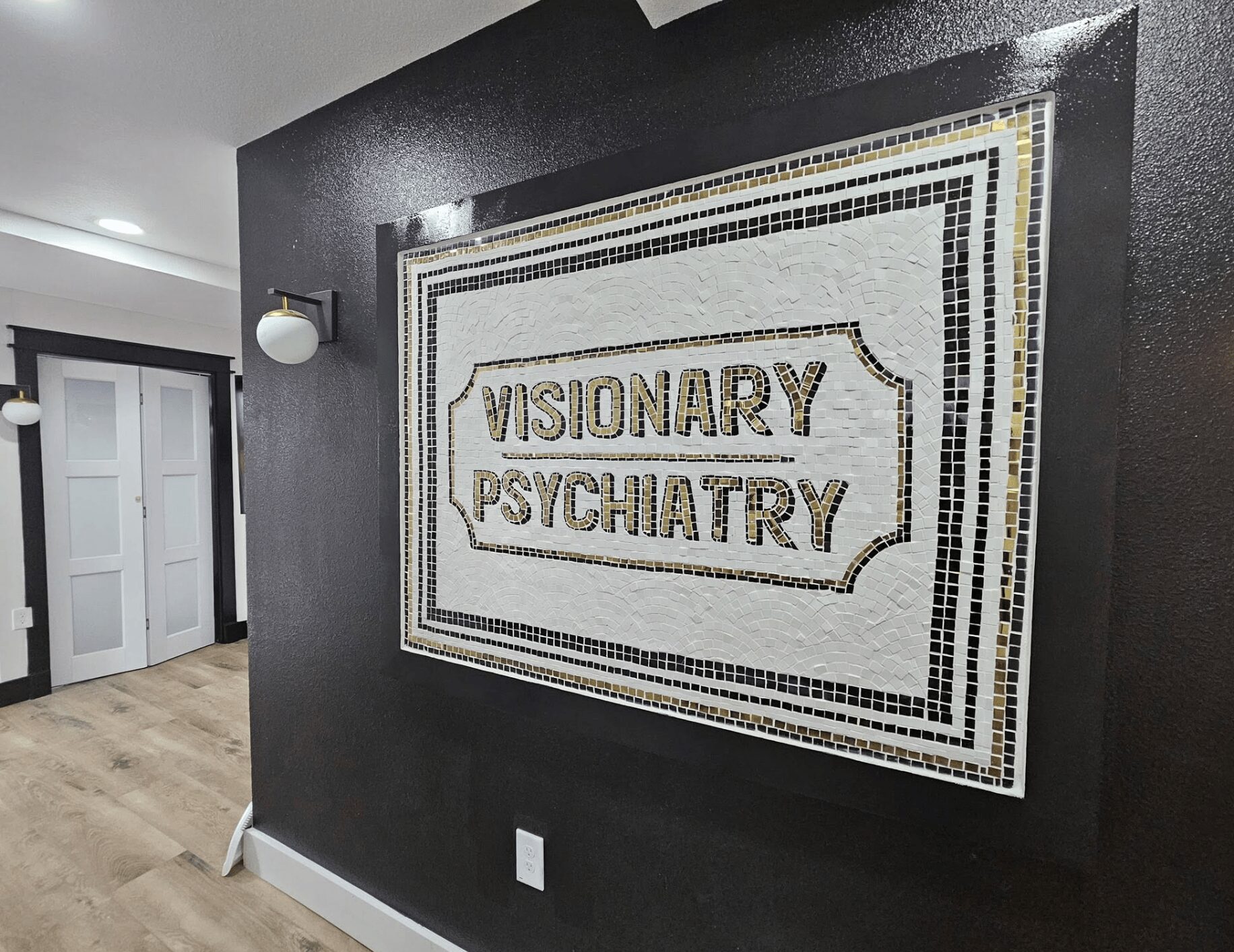
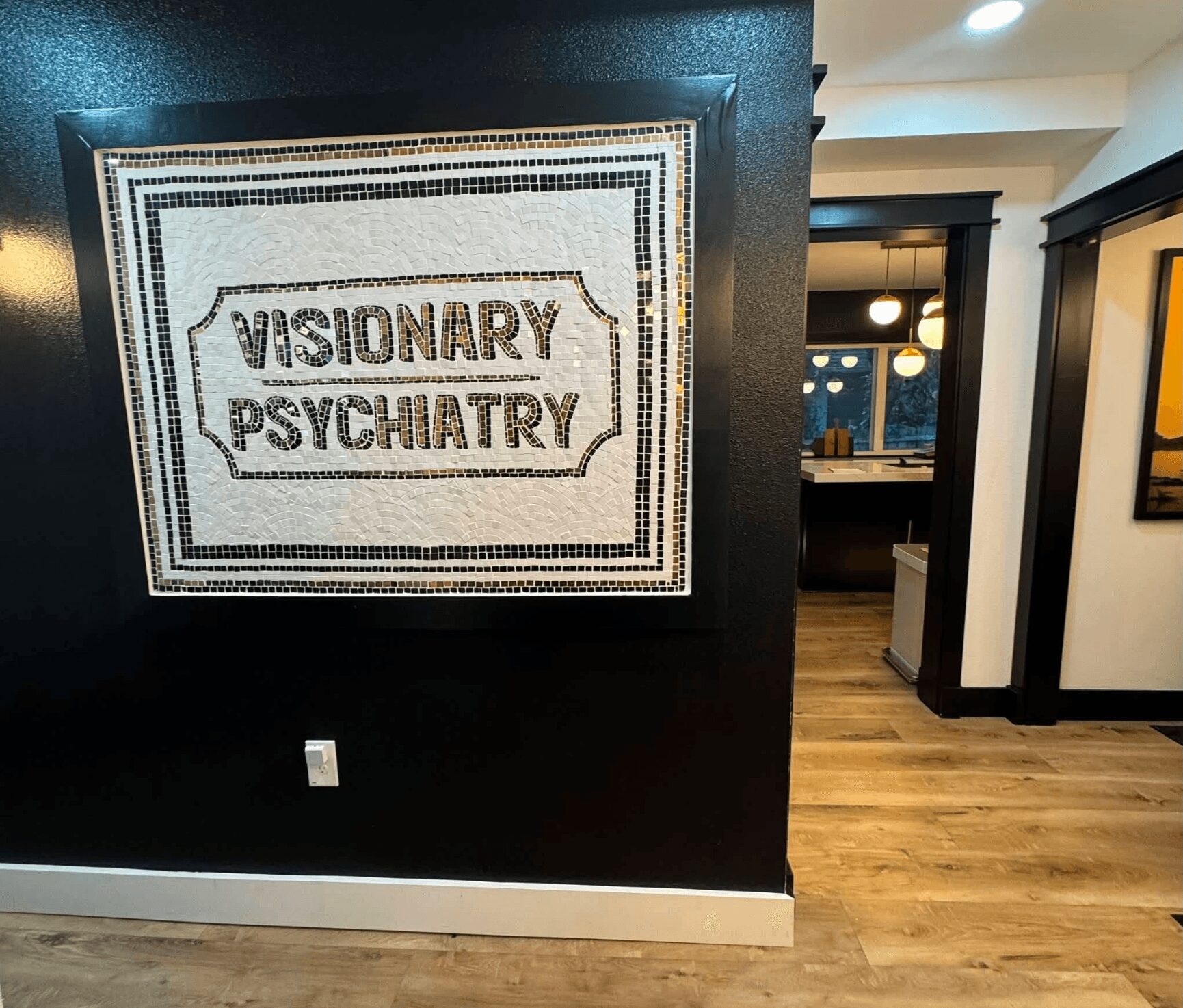
Visionary is truly a family business in every sense of the word. Mike and I have not only built the practice together, but we have also taken an active role in redesigning and reimagining the properties we use, creating spaces that reflect who we are and how we want people to feel when they walk through our doors. We have never believed that healthcare has to feel institutional or impersonal.
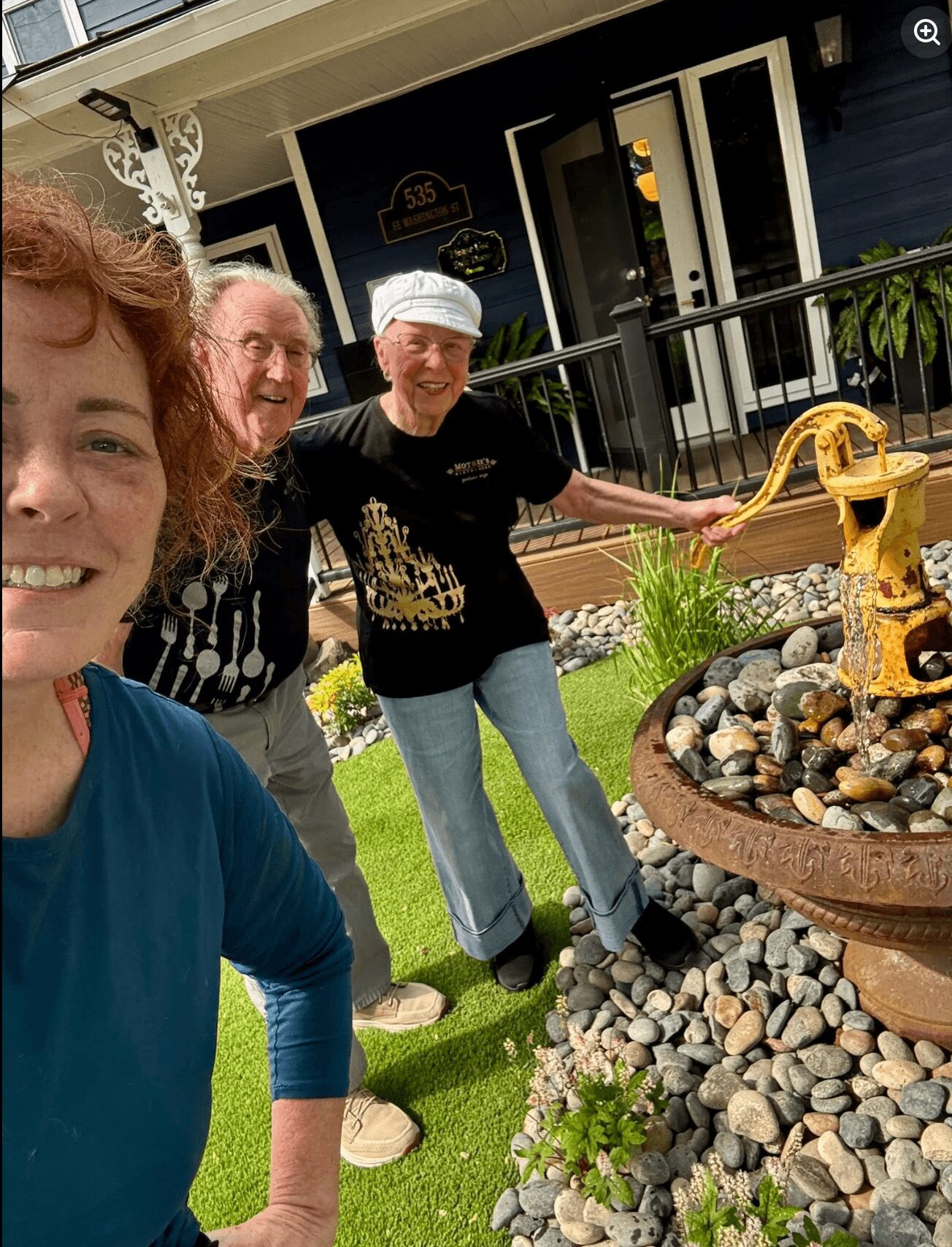
That connection to family and where we came from is especially meaningful to me. I am the first person in my family to finish college, and my parents came from extreme poverty. Their story, their work ethic, and the sacrifices that allowed the next generation to have opportunities they did not have are woven throughout Visionary. We intentionally highlight pieces of that history throughout our office—even beginning with the old pump outside—because I never want to forget where our family started or the people who helped make what we have today possible.
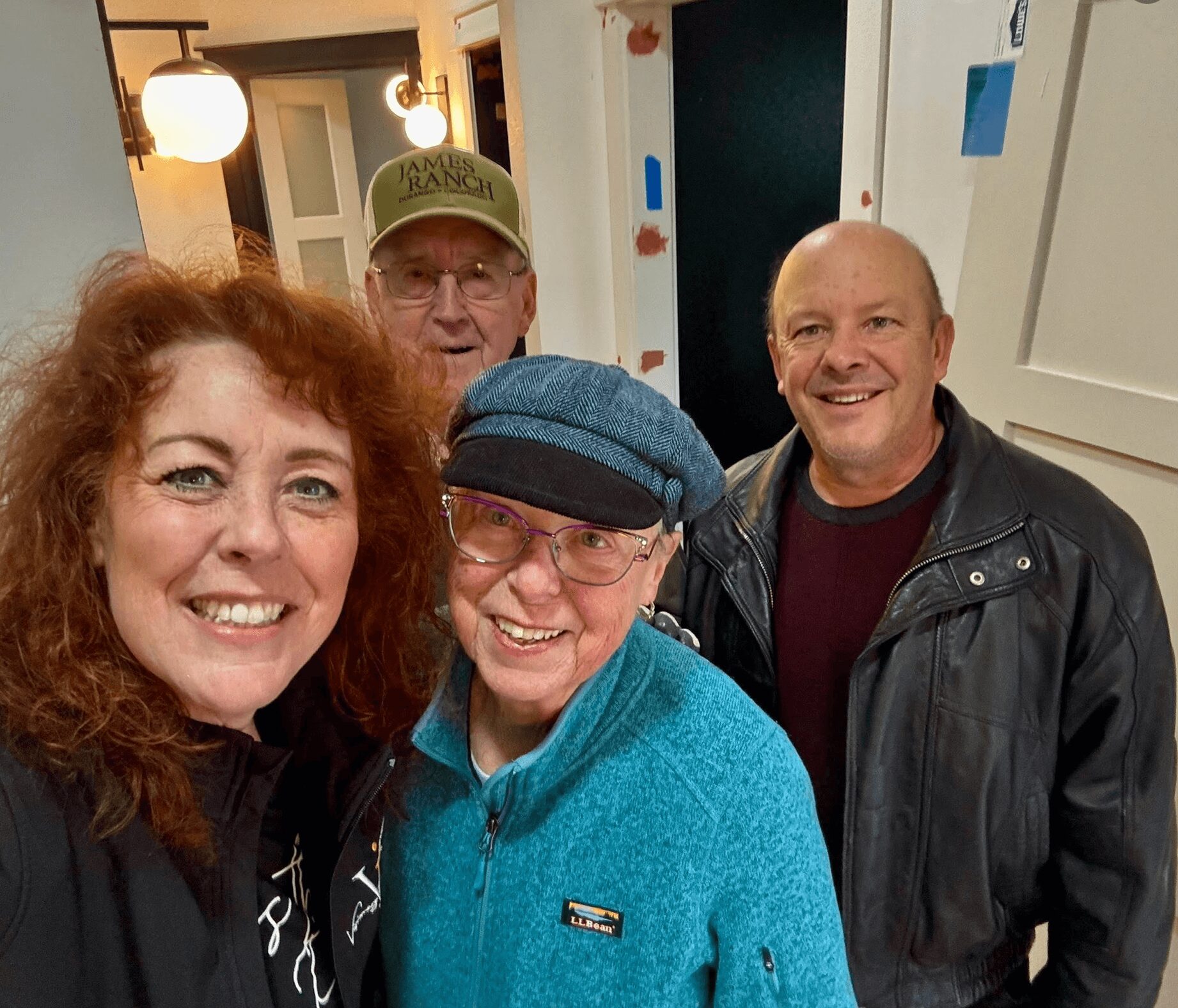
In many ways, Visionary has become a reflection of different generations and different aspects of our family. From Mike and me building the business together, to the properties we have restored and redesigned, to the personal pieces of our family history incorporated into the environment, there is a story and a purpose behind much of what people see. Visionary wasn’t built by a corporation or designed from a corporate template. It was built by a family.
That history also influences how we care for people. We understand that someone’s circumstances, finances, upbringing, or access to resources should never determine whether they are treated with dignity or have access to excellent psychiatric care. As Visionary has grown, we have worked very hard to hold onto those roots while using that growth to serve more people throughout Oregon.
We are incredibly proud of how far Visionary has come — but even more excited about how many more people we can help as we continue to grow.
I’m sure it wasn’t obstacle-free, but would you say the journey has been fairly smooth so far?
It has definitely not always been a smooth road. Visionary Psychiatry started with just my husband, Mike, and me, and like many small businesses, we had to learn, adapt, and grow one step at a time. One of our greatest challenges has been the painful learning curve of billing and how challenging insurance companies are from medications to payments.
Psychiatric mental health care also comes with unique challenges—insurance barriers, changing regulations, workforce shortages, and the difficulty many patients face simply finding a provider who will listen and see them in a timely manner. As we expanded from serving our local community to helping patients throughout Oregon, we have had to continually build better systems, embrace new technology, recruit and develop a strong team, and find creative ways to remove barriers to care. We continue to focus on keeping waiting times for new patients seeking access to care in under one week and tailoring care of follow up visits to our patients needs.
There have certainly been difficult moments along the way, but those challenges have shaped who we are. We have never wanted to grow simply for the sake of becoming bigger. We have grown because the need is bigger. What began with Mike and me has become an incredible team committed to making high-quality mental health care more accessible across Oregon, and we are still building.
Great, so let’s talk business. Can you tell our readers more about what you do and what you think sets you apart from others?
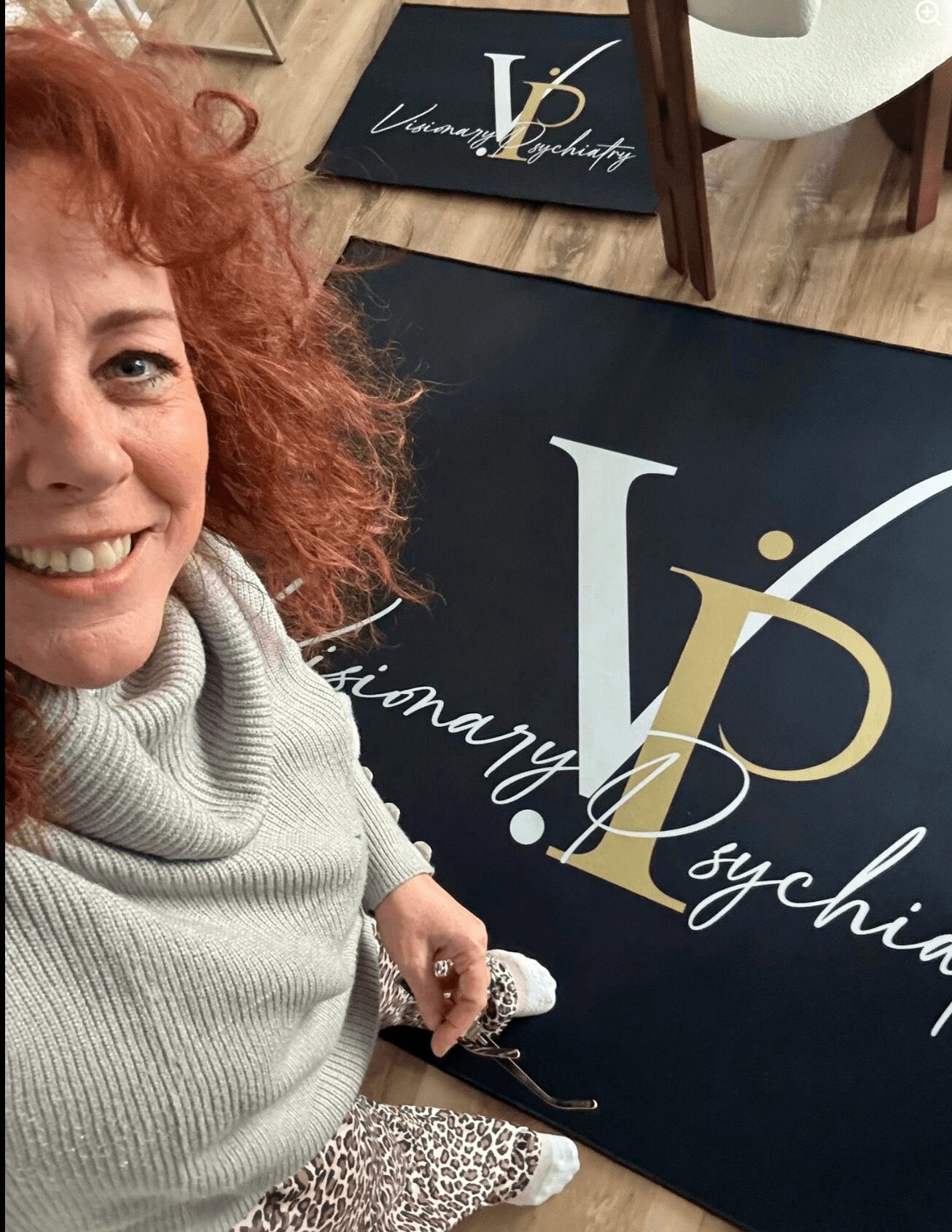
Visionary Psychiatry is an Oregon-based family owned and run, psychiatric mental health practice providing comprehensive psychiatric care to patients across the state. What began with just my husband, Mike, and me has grown into a multidisciplinary organization serving individuals and families throughout Oregon. We are incredibly proud of that growth and of the fact that our original mission—making high-quality psychiatric mental healthcare accessible while keeping the individual patient at the center of every decision—has remained at the heart of everything we do.
A Family-Based Practice With Statewide Reach
Visionary Psychiatry is intentionally not a “big-box” healthcare system. We are a family-founded and family-based business, and we believe that independence gives us something increasingly valuable in healthcare: flexibility without losing accountability to the individual patient.
We are large enough to collaborate and interface effectively with major healthcare systems, insurers, pharmacies, community organizations and other providers, yet remain nimble enough to make decisions based first on what is best for each patients need.
That distinction is important to us. In very large healthcare organizations, clinical care can sometimes be influenced by layers of policies, productivity requirements and organizational demands. At Visionary, our priority remains patient-centered care. We retain the flexibility to look at the individual sitting in front of us and ask, “What does this patient need, and what is the best way for us to help them?”
We provide objective neurocognitive testing, psychiatric evaluations, medication management and innovative, evidence-based treatment options for children, adolescents and adults. We accept self-referrals and work to remove many of the traditional barriers that make accessing psychiatric care challenging and time consuming. Through a combination of telepsychiatry and in-person services, we are able to reach patients in urban, rural and underserved communities throughout Oregon with waiting times for new patients in under ONE WEEK.
Bringing the Pharmacy Into Psychiatric Care
Another innovation we are especially proud of is our partnership with a full on-site pharmacy—one of the first of its kind within an independent psychiatric practice in the United States. Visionary Psychiatry became the second psychiatric practice in the United States to incorporate a full pharmacy directly on-site, pharmacist/pharmacy techs/pharmacy interns on site interacting with our psychiatric providers and patients, creating a more integrated model of psychiatric care.
The pharmacy affords the opportunity for medications to be coordinated directly through our practice and shipped to patients’ homes, further reducing barriers to obtaining and remaining on treatment.
Just as importantly, our pharmacist is physically on-site and available to collaborate directly with our psychiatric providers. This provides another layer of medication expertise when reviewing a patient’s complete medication regimen, identifying potential drug-to-drug interactions, evaluating medications prescribed by other specialists, comparing therapeutic alternatives and helping providers address medication-related questions.
We believe the “right” medication must make sense clinically and financially. When newer medications are clinically appropriate, our team looks for manufacturer programs, copay assistance and other available resources that can substantially reduce a patient’s out-of-pocket responsibility. Depending upon an individual’s insurance benefit design, some of these programs may also help patients satisfy portions of their deductible. We bust the myth that the new medications are expensive as truly, they often cost less and they systemically focus on limited side effects systemically for improved physical health while treating mental health!
At the same time, we consider formulary coverage, long-term affordability and cost-effective therapeutic alternatives. Our goal is not simply to prescribe the newest medication. Our goal is to identify the most clinically appropriate and fiscally responsible treatment that the patient can realistically obtain and continue.
This means looking at the entire medication journey—clinical effectiveness, safety, potential interactions, accessibility, affordability and adherence—rather than simply handing someone a prescription and leaving the patient to navigate everything that follows on their own.
Moving Psychiatry Toward Objective, Measurable Care
Another important component of our model is the utilization of Creyos neurocognitive testing, which provides standardized, objective measurements across areas of cognitive functioning.
Psychiatry has historically relied heavily upon subjective information: asking patients how they feel, listening to reported symptoms and making treatment decisions based largely upon what the patient reports and what the clinician observes. Listening to the patient is absolutely essential, but we do not believe it should always be the only information available to the provider when meaningful objective measurements are available.
In most other areas of healthcare, we would never consider treating an important health condition without measuring what can reasonably be measured. We would not simply ask someone whether they think their blood pressure is high and then prescribe an antihypertensive medication without actually taking their blood pressure. Similarly, when laboratory testing or other objective clinical information is appropriate in medicine, we use it to supplement the patient’s symptoms and the clinician’s assessment.
We believe mental healthcare deserves that same level of rigor.
Creyos testing gives our providers a research based source of objective information that can complement the patient’s history, clinical interview and provider assessment. It can help us better understand aspects of cognitive performance and follow changes over time rather than relying exclusively upon subjective impressions.
Our philosophy is straightforward: the patient’s voice comes first, but whenever meaningful objective information is available, we want that information at the table too. Combining what the patient tells us, what the clinician observes and what we can objectively measure gives our providers a more comprehensive picture from which to make individualized treatment decisions.
Innovation Without Losing the Patient
What sets Visionary Psychiatry apart is not simply the individual technologies or services we offer. It is how we bring them together around the patient.
Our pharmacy, on-site pharmacist, neurocognitive testing, telepsychiatry, objective assessment tools and evolving treatment options are all part of an integrated approach designed to improve access, safety, affordability, continuity and outcomes.
Our independence as a family-based organization gives us the ability to evaluate new technologies and treatment approaches and implement those that we believe can meaningfully improve patient care. At the same time, we can work alongside much larger healthcare organizations without becoming one ourselves.
I am most proud that Visionary Psychiatry has grown from two people with an idea into an organization capable of making an impact across the entire state of Oregon, without sacrificing the qualities that made us different in the first place.
We have retained our family-business roots, hard work ethic, our independence and, most importantly, our commitment to putting the patient first.
We want to be big enough to make a meaningful difference across Oregon, but never so big that an individual patient becomes just another number.
What matters most to you? Why?
Family comes first. That means our family as the owners of this company, the family we have built within Visionary Psychiatry, and the families of every patient who entrusts us with their care. Before any of us is a patient, provider, employee, or business owner, we are part of a family and a community. Mental illness can disrupt those relationships and can cause people to feel disconnected from who they are, who they once were, or who they hoped to become. What matters to us is helping people regain enough stability and control over their mental health that they can return to their lives, their relationships, their families, and ultimately themselves.
That philosophy also guides how we practice psychiatry for mental health. It does not mean using something simply because it is new. New does not automatically mean better. It means understanding what is available, understanding the evidence, weighing efficacy, safety, cost, and patient-specific factors, and then making an informed clinical decision rather than defaulting to the same treatments simply because they are familiar.
We believe psychiatric care should never become a one-size-fits-all process. We continually look for ways to objectively evaluate patients, expand appropriate treatment options, improve outcomes, maintain accessibility, and reduce unnecessary barriers and costs.
Ultimately, people come first. Growth, technology, education, and innovation matter only when they allow us to provide better, more accessible, more individualized care to the people and families who trust us with their health. At Visionary Psychiatry, our goal is not simply to treat a diagnosis—it is to help a person get back to being the person they are, or the person they have always wanted to be.
What matters most to me is making high-quality psychiatric care genuinely accessible to everyone who needs it. That means keeping wait times down so patients can receive care when they need it—not months later—and welcoming patients whether they have commercial insurance or OHP/Medicaid.
I believe every patient deserves to be treated with dignity, respect, and compassion, without judgment. We care for people from all backgrounds and are particularly committed to creating an environment where neurodivergent patients feel understood, respected, and appropriately supported.
Just as important is the quality and consistency of the care we provide. Our providers are expected to remain at the top of their game, continually learning and incorporating current evidence-based practices. We work closely as a clinical team so that our prescribing philosophy and standards of care remain consistent throughout Visionary. Patients should not receive dramatically different standards of psychiatric care depending upon which Visionary provider they happen to see.
One thing that matters deeply to me is remaining open to advances in psychiatry. Large healthcare systems can sometimes be slow to incorporate newer therapies, medication classes, and evolving evidence into everyday practice. I cannot imagine accepting that approach in cardiology, oncology, or orthopedics, where clinicians are expected to understand advances in their fields and continually update how they practice. Psychiatry should be held to that same standard.
Psychiatry has evolved tremendously. New medications, new mechanisms of action, new treatment modalities, and entirely new classes of medications have become available, yet awareness and adoption can vary considerably among clinicians and healthcare systems. At Visionary, being open to education is part of our culture. We actively seek opportunities to learn about emerging therapies, critically evaluate the evidence behind them, and determine when they may provide a better option for an individual patient.
We also believe psychiatric care should never become a one-size-fits-all process. We continually look for ways to objectively evaluate patients, expand appropriate treatment options, improve outcomes, and reduce unnecessary barriers and costs.
Ultimately, the patient comes first. Growth, technology, education, and innovation only matter if they allow us to provide better, more accessible, more individualized care to the people who trust us with their health.
Pricing:
- Commercial Insurance
- Medicaid
- Medicare
- TriWest
Contact Info:
- Website: https://visionarypsych.com/
- Facebook: https://www.facebook.com/visionarypsychiatry