


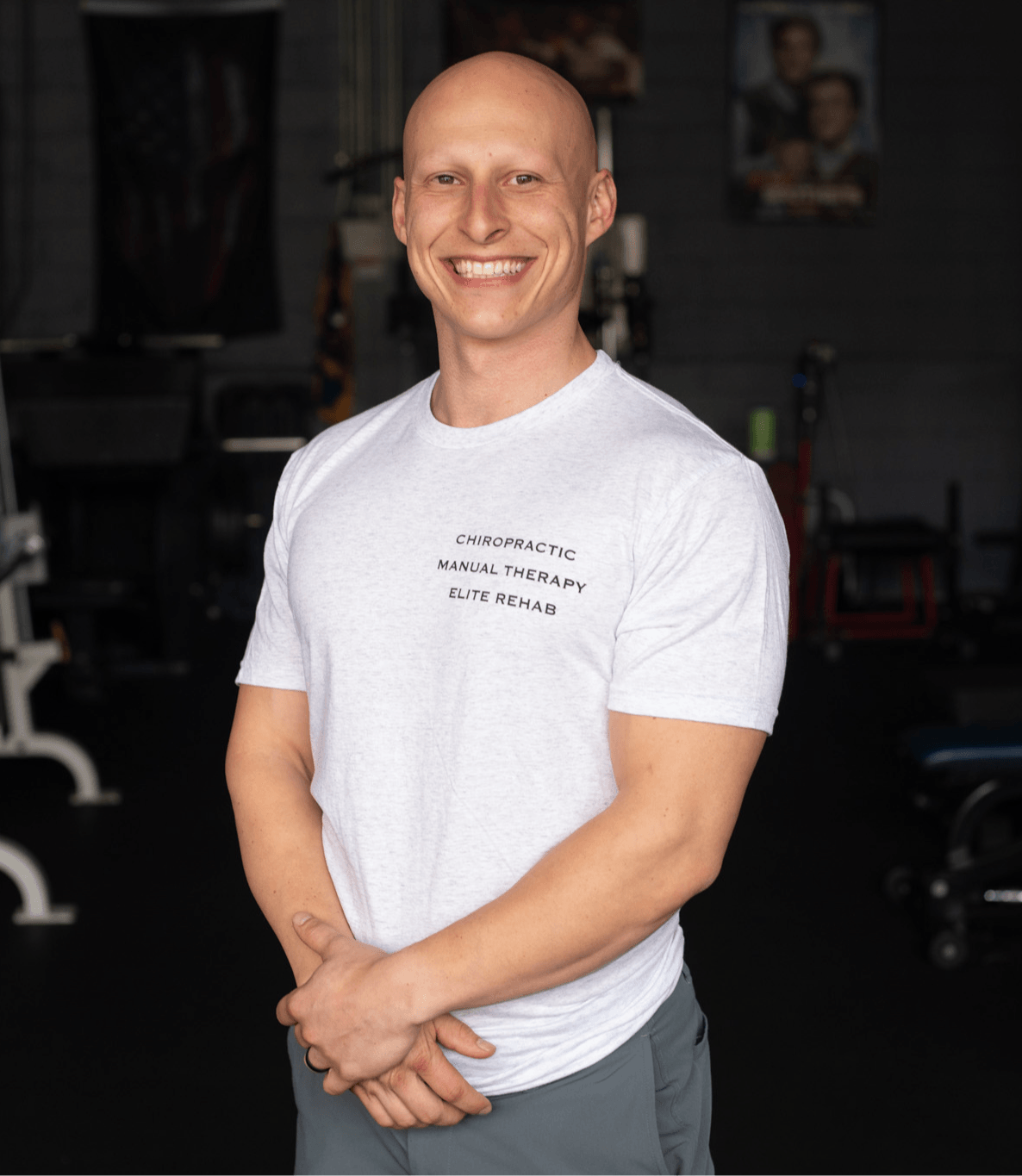
Today we’d like to introduce you to Dann Charlat.
Hi Dann, can you start by introducing yourself? We’d love to learn more about how you got to where you are today?
I was thirteen years old when I lost all my hair.
It was an uncommon condition, and it arrived at the worst possible moment — the summer before seventh grade, at the exact age when the only thing you want in the world is to blend in. I couldn’t. Every mirror, every hallway, every school photo reminded me that I was different from everyone around me.
My parents did what they could. They couldn’t give me my hair back, but they could give me something else: they set me up with a personal trainer. Someone whose job was to help me feel strong in a body I wasn’t sure I wanted to be in.
I don’t think any of us understood, at the time, how much that decision would change my life.
The gym became the one place where being different didn’t cost me anything. Effort counted. Consistency counted. The bar didn’t care what I looked like — it only cared what I could do. Slowly, something shifted. I stopped trying to hide the thing that made me different and started building an identity around it. If I was going to stand out anyway, I decided I’d stand out for what I was willing to do that most people weren’t.
That became the through-line of the next two decades. Do the hard thing. Do the uncommon thing. That mindset is the reason I have the career I have today.
This is why the second turning point hit as hard as it did.
Years into a life built around training, I hurt my low back. It’s one of the most common injuries there is — statistically unremarkable, the kind of thing that happens to millions of people every year. But I remember lying on the gym floor, and it didn’t feel unremarkable at all. It felt like watching the door close on everything that made me me: hiking, playing, lifting, being the person who could always be counted on to show up and work.
I made myself a promise in the weeks that followed. I was going to stop at nothing to live a pain-free, fulfilling life. Not a managed life. Not a careful one.
The problem was that my goal was as uncommon as everything else about me. I didn’t want to just hurt less. I wanted to get back under a barbell. And almost no one thought that was realistic. More than one provider told me the smart move was to give up weightlifting altogether — to protect what I had left rather than risk making it worse.
I saw provider after provider. Tried treatment after treatment. My pain came down, and I was grateful for that. But nobody could get me back to the thing I actually wanted. Every plan ended at “manage it.” Nobody could tell me what was actually missing.
So I decided to figure it out myself.
I went back to school and became a chiropractor — not because I had a tidy career plan, but because I had a problem I refused to leave unsolved. If I could solve it for myself, I knew I could solve it for the countless people walking around with the same story and the same resignation.
Years of schooling. Years of treating myself, testing, being wrong, adjusting, trying again. And eventually — I got back to strength training, ninety-nine percent pain free.
What I got back wasn’t just the ability to lift. It was working out with my friends again. Saying yes to a hike without doing math about it first. Trusting my own body. I got myself back.
Today I run a chiropractic and sports rehabilitation clinic that does exactly what I once needed somebody to do for me.
Our patients are usually not new to this. They’ve done the physical therapy. They’ve had the adjustments, the massage, the imaging, the rest. They’ve been handed a sheet of exercises and a suggestion to stop doing the thing they love most. They come in frustrated, a little skeptical, and quietly afraid that this is just how it’s going to be from now on.
I understand that fear personally, from the floor of a gym.
So we don’t treat the loudest symptom and call it a win. We go find what’s actually been missed, we build a real plan, and we do the unglamorous work of rebuilding capacity — not just so the pain quiets down, but so it holds up when someone goes back to the life they’ve been missing.
Because that’s what people are really asking for. Not a lower number on a pain scale. Their identity back.
Two moments made me who I am: a thirteen-year-old learning that being different could be a strength, and a grown man on a gym floor deciding he wasn’t done. Everything I do now comes from those two moments — and from the belief that most people are capable of far more than they’ve been told.
Would you say it’s been a smooth road, and if not what are some of the biggest challenges you’ve faced along the way?
Of course not. I don’t believe there is such a thing as success without failure.
There have been three real struggles, and each one demanded something different from me.
The first was middle school. I was the only bald kid in the building. I’ll let people imagine what that’s like at thirteen — the part that matters is that it wasn’t optional. It was an emotional challenge I was going to overcome, or be overcome by. There was no third option.
What came out of it is the thing I still run my life on: control what you can control, and let go of the rest. I stopped organizing my days around what other people thought of me. I learned to find something usable inside a circumstance I never chose. By the time I came out the other side, I believed I could handle whatever came next.
The second was my low back injury. I did believe I could overcome it — but only with the right tools and the right support, and that turned out to be the part I couldn’t find. I went looking in the traditional healthcare system and came up short. Not because nobody cared, but because nobody was equipped to take me where I actually wanted to go. My goals were bigger than “hurt less,” and the system I was in wasn’t built for that.
That one took a toll on my confidence, and on how I saw my future. What was at stake in both of these chapters was the same thing: my identity, and whether I’d get to live a life that felt like mine.
So I went and got the education myself. I earned the knowledge I needed to reach my own goals — and after I surpassed them, I pointed the whole thing at other people.
The third was building the practice. Graduate school was its own grind. But the harder part came after: opening a clinic that intentionally doesn’t operate like the ones around it.
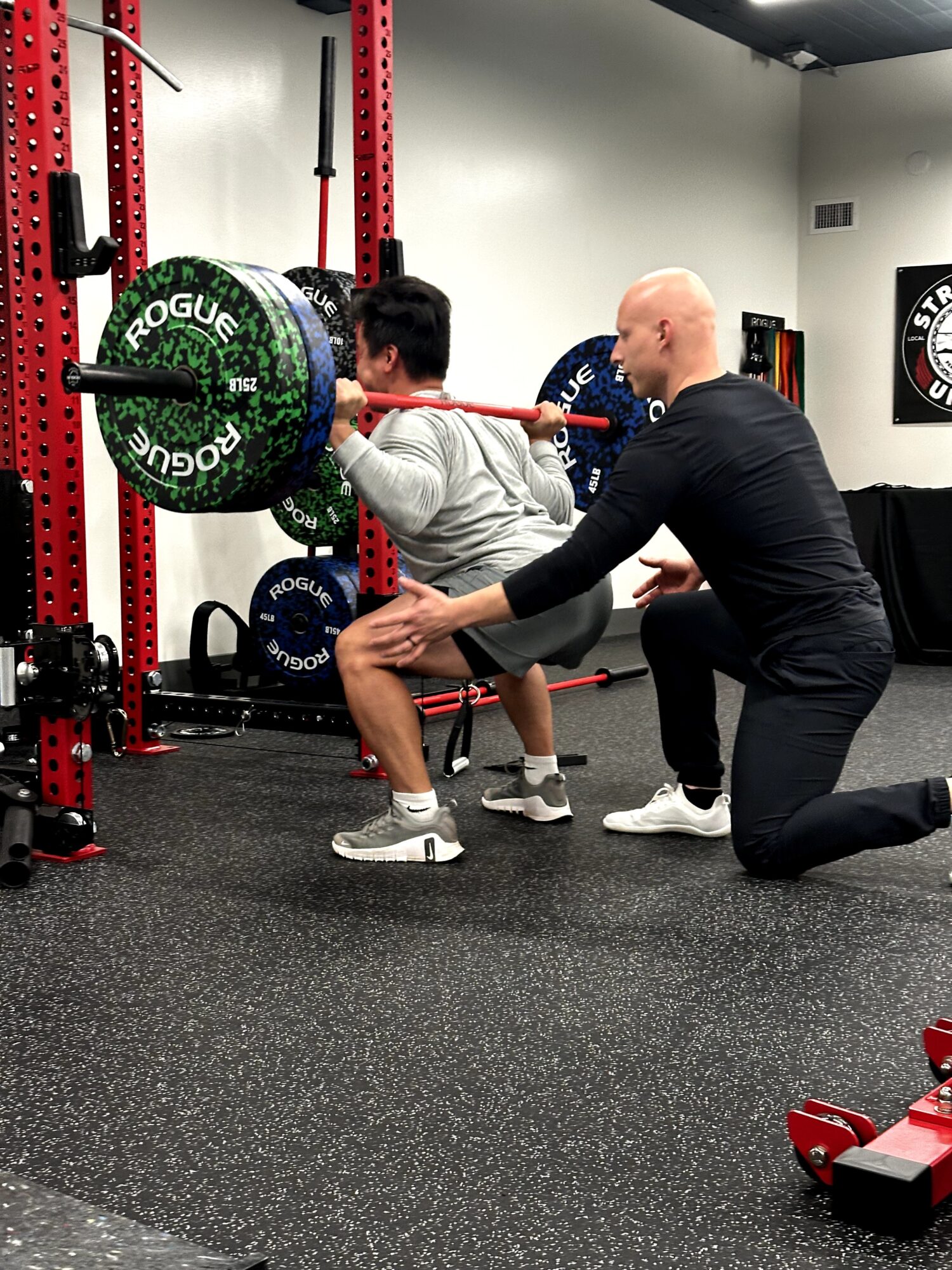
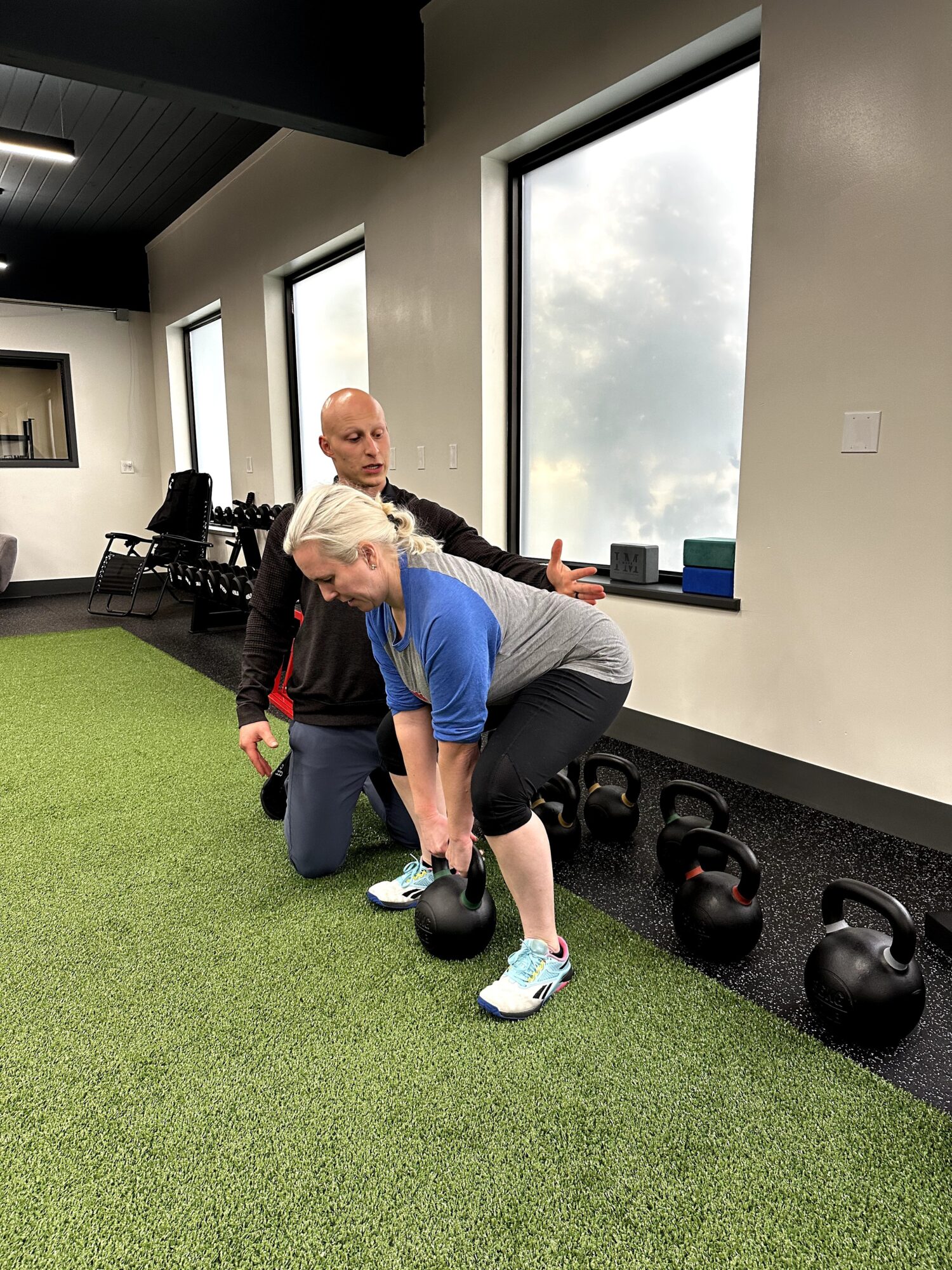
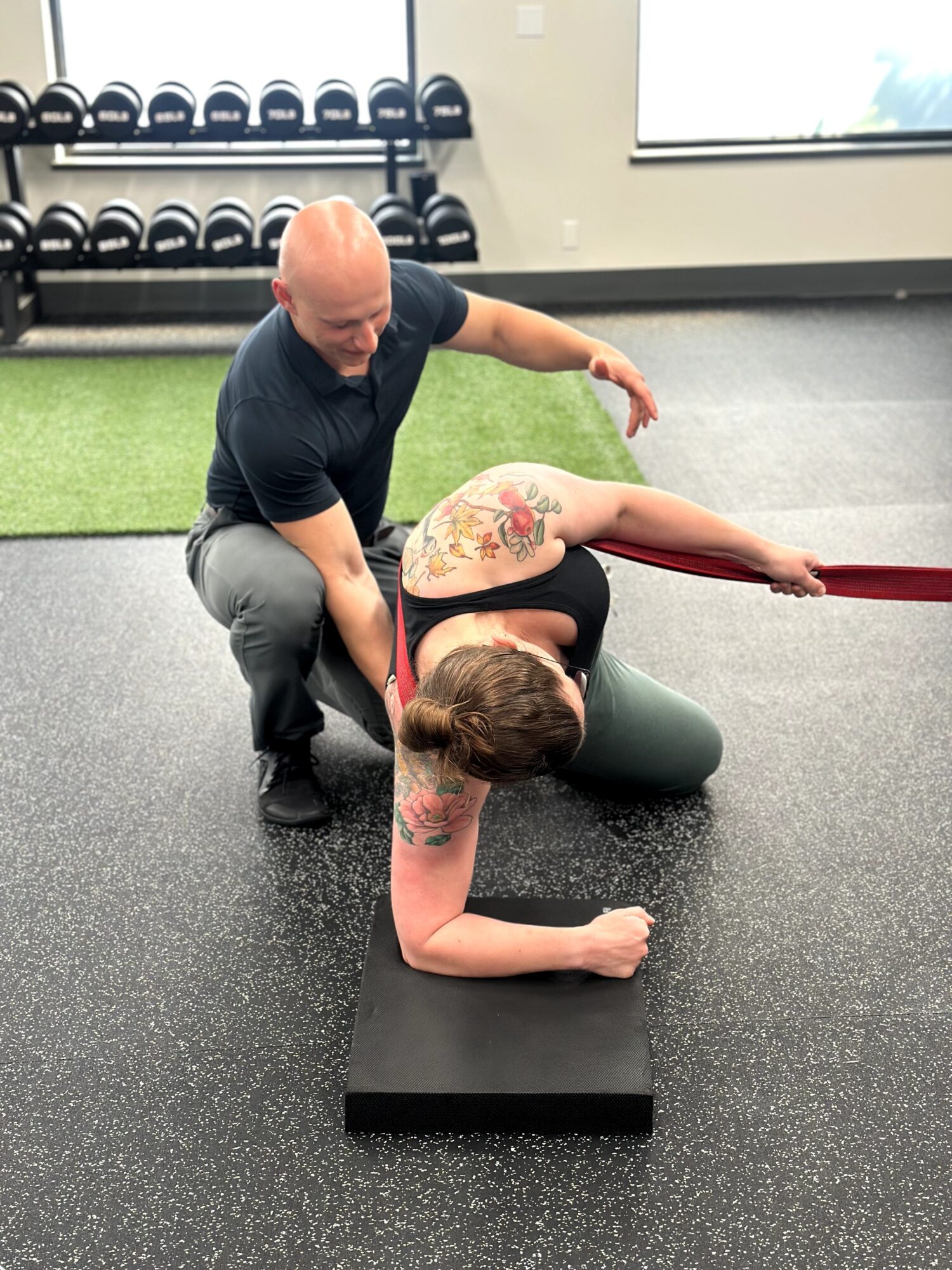
The standard model rewards volume and short visits. We built something else — longer, individualized appointments, real assessment, active rehab, and a plan that runs all the way to the finish line rather than stopping when the pain quiets down. That’s harder to build, harder to staff, and harder to explain to someone who’s only ever experienced the other version. There were plenty of moments where the easier move would have been to compromise on it.
I didn’t, and I won’t. Holding to that is the whole reason the thing works.
Most of our patients arrive having been given up on. They’ve been told they should probably stop lifting. They’ve been told they have something that will just always hurt. They’ve cycled through providers and left every one of them with a little less hope than they walked in with.
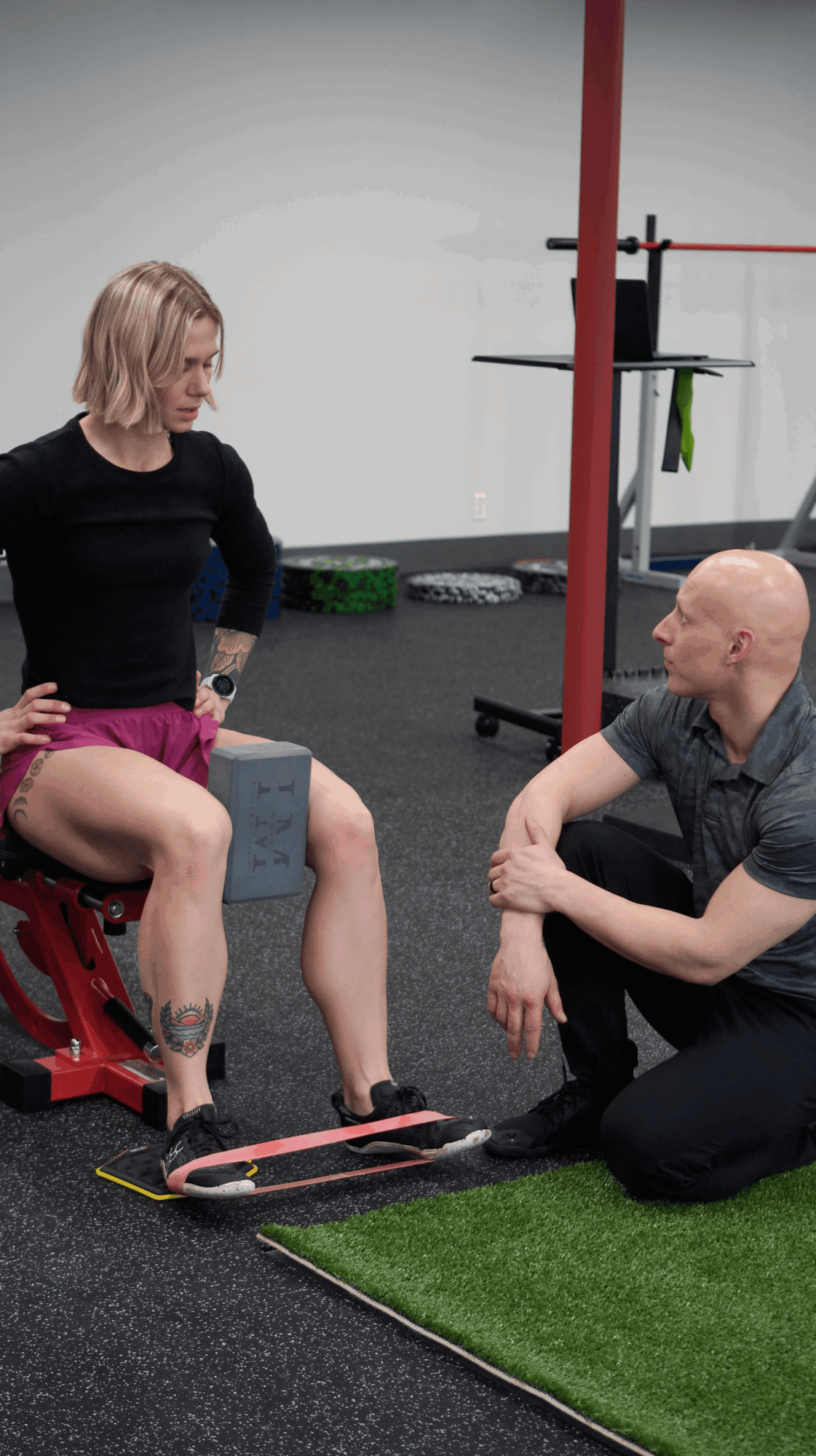
I know that feeling from the inside. So what we’ve built is the thing I needed and couldn’t find: someone who listens, tells you the truth, gives you a real plan, and stays with you every step until you cross the finish line.
None of it came easy. But every hard chapter handed me something I use now. Being different taught me resilience. Getting hurt taught me what was missing in care. Building this taught me what I’m willing to hold the line on.
Give up, or die trying. That’s never really been a choice for me.
Thanks – so what else should our readers know about I.MOVE. Health and Performance?
I.MOVE. Health and Performance is a chiropractic, manual therapy, and sports rehab clinic in the Portland metro, built for active adults dealing with pain or injury that’s taken something away from them.
Most of our patients aren’t new to this. They’ve done the physical therapy, the adjustments, the massage, the imaging, the rest. Some have been told to stop lifting weights. Some have been told they’ll just hurt forever. That’s who we’re built for — the person who’s been given up on and isn’t ready to accept it.
Three things make us different. Every visit is a full hour with one clinician, because you can’t find what’s been missed in fifteen minutes. We work in comprehensive plans of care — typically fifteen to twenty-seven visits — and we say that number out loud up front, because rebuilding a body that’s been compensating for years takes real time. And we aim at the finish line rather than the pain scale: not a lower number, but the barbell, the trail, the race.
We’re probably best known for getting people back to lifting. That’s personal for me — I was told to give up weightlifting after my own back injury, and I went and got the education to solve it myself instead.
What I’m proudest of is that we built something that doesn’t run like the standard model and we’ve held that line while growing. And that patients leave capable rather than dependent on us. That’s the point.
If you’ve tried the obvious things and you’re still stuck, the problem may not be your effort — it may be that nobody’s found what’s actually been missed. We offer a free movement assessment to find out.
Alright so before we go can you talk to us a bit about how people can work with you, collaborate with you or support you?
We are very active on instragram and would love a follow @imovehp
If you’re the one in pain: give yourself a chance – start with a free movement assessment at imovehp.com. We’ll look at how you move, tell you honestly what we think the reason for your pain or flare ups is, and tell you if we can help you reach your goals or not.
If you coach or run a gym: I’d love to hear from you. We love collaborating with gyms in the areas to help your members address their pain and stay in the gym. Not be told to rest and stop lifting.
If you’re a chiro or PT who wants to practice this way: reach out. We are always hiring strong clinicians! Hour-long visits, real autonomy, patients seen all the way through to their goals.
And if you just want to support us: send this to the person you know who needs it. The friend who stopped going to the gym. The one who’s been told to live with it. They’ve usually stopped asking for help — word of mouth is how they find us.
Contact Info:
- Website: https://imovehp.com
- Instagram: https://instagram.com/imovehp
- Facebook: https://facebook.com/imovehp