


Today we’d like to introduce you to Dayna Pinkham.
Hi Dayna, thanks for joining us today. We’d love for you to start by introducing yourself.
I’ve had alopecia my whole life, but at 24, during my third year of premed at the University of Washington, the stress of the program combined with a breakup triggered it to spread from patches to losing everything- eyebrows and eyelashes included- in just eight days. I dropped out of school. It was a really crazy period of time for me. My sister tried to get me to wear a wig, but I hated the wig. So I went shopping at Nordstrom, and while I was trying on hats there, a lady told me, “You’re not going to find what you need here. There’s a man in town who makes hats. Maybe he can help you” and she handed me a slip of paper with his number on it. So I went across the street to a payphone, which is something I never would have done that quickly. Never! But there was something about this. Just a connection.
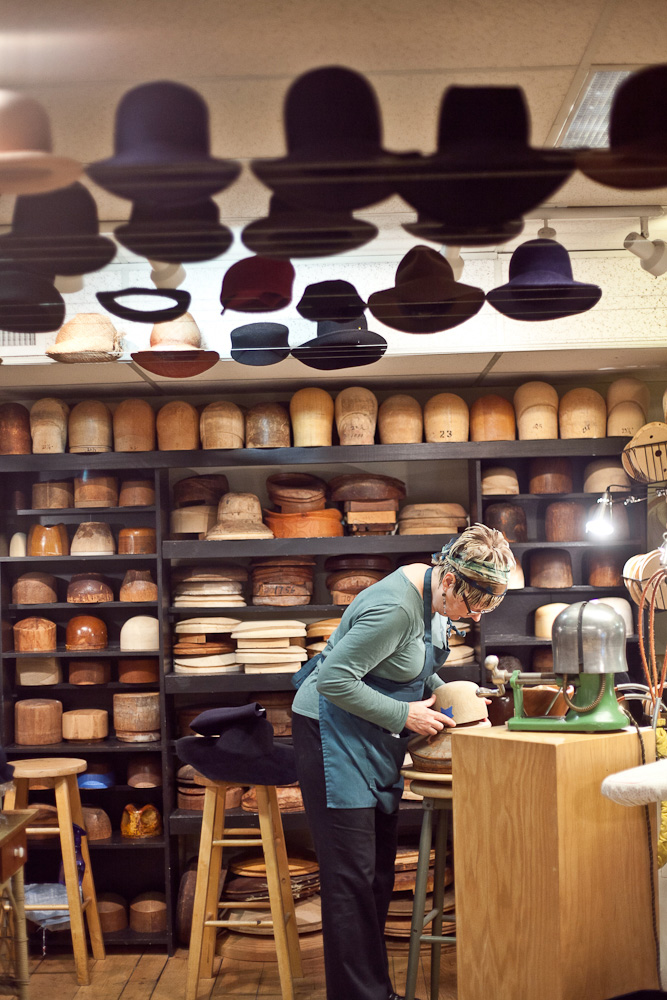
That milliner was John Eden. He was working out of his basement when I met him. He had been a milliner in the 40s in New York, and this was ‘82, and he was 68 by this point. I told him my story, and I kind of whipped off my hat, like I wanted to shock him a little bit (because I was in my 20s), and he just said, “Sounds like you have time on your hands. Take one of my classes and make it yourself”, and then he totally turned his back on me. I was shocked! No one had done that to me before, and it was like a switch flipped in me. I thought, “Where do I sign up?” So I signed up for his six-week course. Three weeks in, he and I were just blowing up with ideas and sparks were flying and we just connected so quickly that he asked me to apprentice under him. I found out later he hadn’t taken an apprentice for years. Taking on an apprentice is hard work, something I now realize, but it was a real privilege to be taken on by him at that time. I apprenticed with him for four years. He’s the one who later wrote my introduction letters to the New York suppliers – a world that was closed off to anyone who didn’t have a personal connection to let them in. He helped me to get my first blocks; I started with just nine blocks. Those first nine blocks were something called a run. I didn’t even know what a run was yet at the time. That meant that the blocks were all the same design in three different sizes, and that’s the “aha” moment. It was because of those blocks that I thought “I could make hats for others, not just me” and that started the whole thing.
I made my business official in 1991, working out of a converted bedroom in my house in Manzanita. John passed away right around then, which was a loss that hit me hard. I kept teaching myself, using some of his old hats as reference, and it took about eight years before I felt my work was good enough to even sell. My moniker for success in those days was whether or not something I made was good enough that I could sell it in a fine department store like Nordstrom. So that’s what I kept striving for.
From there, the journey continued. I worked out of an apartment/studio in ’96, sold the house in ’99, and my 500 sq foot atelier becoming my shop for the next 4 years and then moving into a 119-square-foot shop space inside Morgan’s Alley for 1 year before moving across the hall to a much larger spot for a total of 12 more years.. In 2012 I moved to my first brick-and-mortar storefront. The next 12 years in this space were challenging through the pandemic, the riots, and the 4-year construction of the Ritz Hotel. In 2025 I moved to my current, much larger space, which has allowed me to offer classes.
Can you talk to us a bit about the challenges and lessons you’ve learned along the way. Looking back would you say it’s been easy or smooth in retrospect?
Not smooth at all, especially in the early years. There was no other millinery business around to learn from, so it was pure trial and error. I had to figure out how to run the shop, price things, and solve problems entirely on my own, with no mentor or backup to bounce ideas off of. I made plenty of poor business decisions along with the good ones.
Then there’s the fact that I’ve spent over 40 years fighting the perception that hats are a “dying art.” I can’t count how many times people have told me, “Oh, it’s too bad hats don’t come back,” as if I should just give up. But the hardest stretch by far was the last five years. The pandemic nearly took the business down. To get through it, I offered regular clients a 20% discount if they prepaid for a hat, which brought in income when I needed it most.
More recently, the struggle has shifted to the city itself – rising parking rates and construction disruptions (like when 80 of 120 nearby parking spots were cordoned off during the building of the Ritz) have made it harder to get customers downtown, even as I’ve experienced some of the greatest growth in my new space.
Alright, so let’s switch gears a bit and talk business. What should we know about your work?
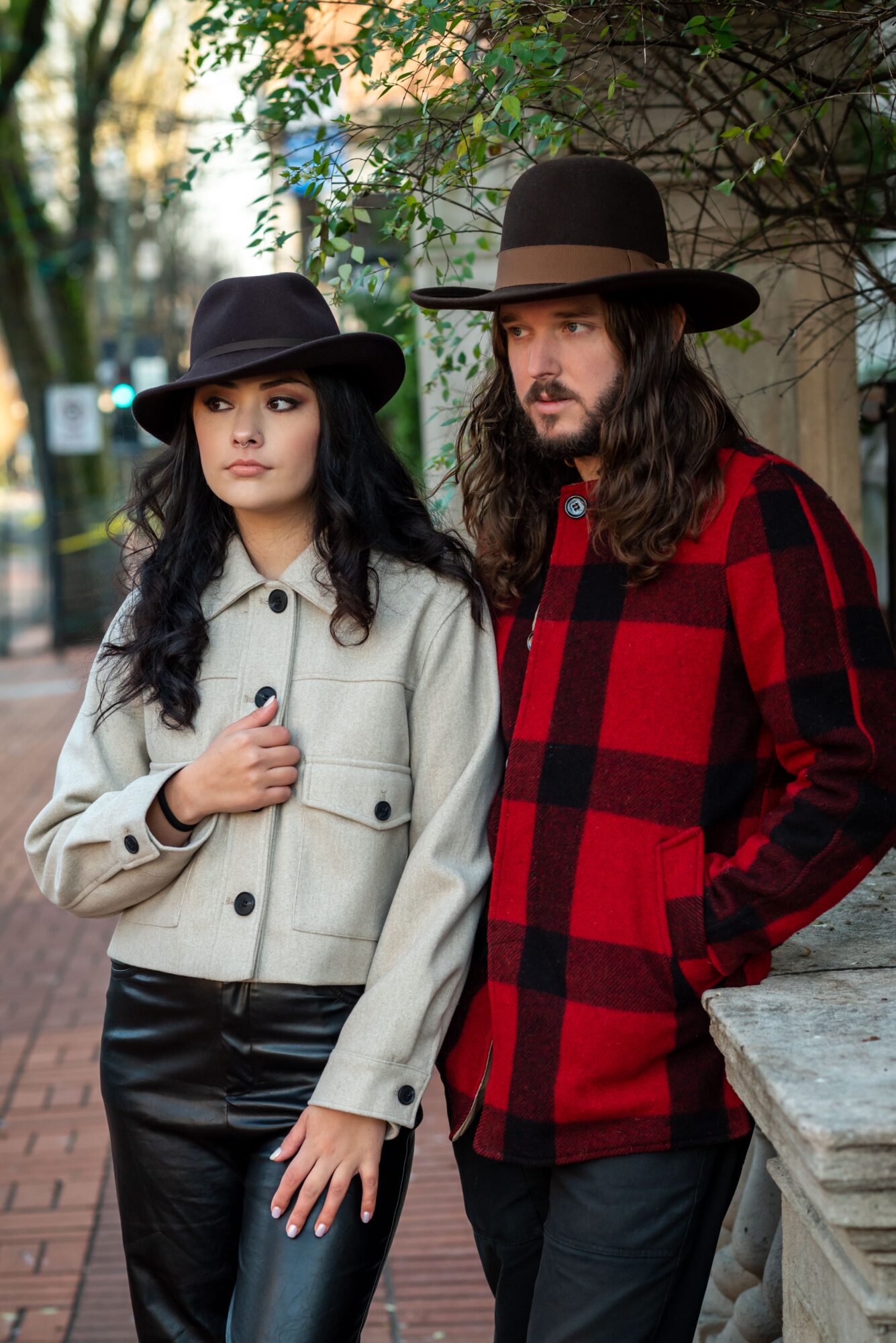
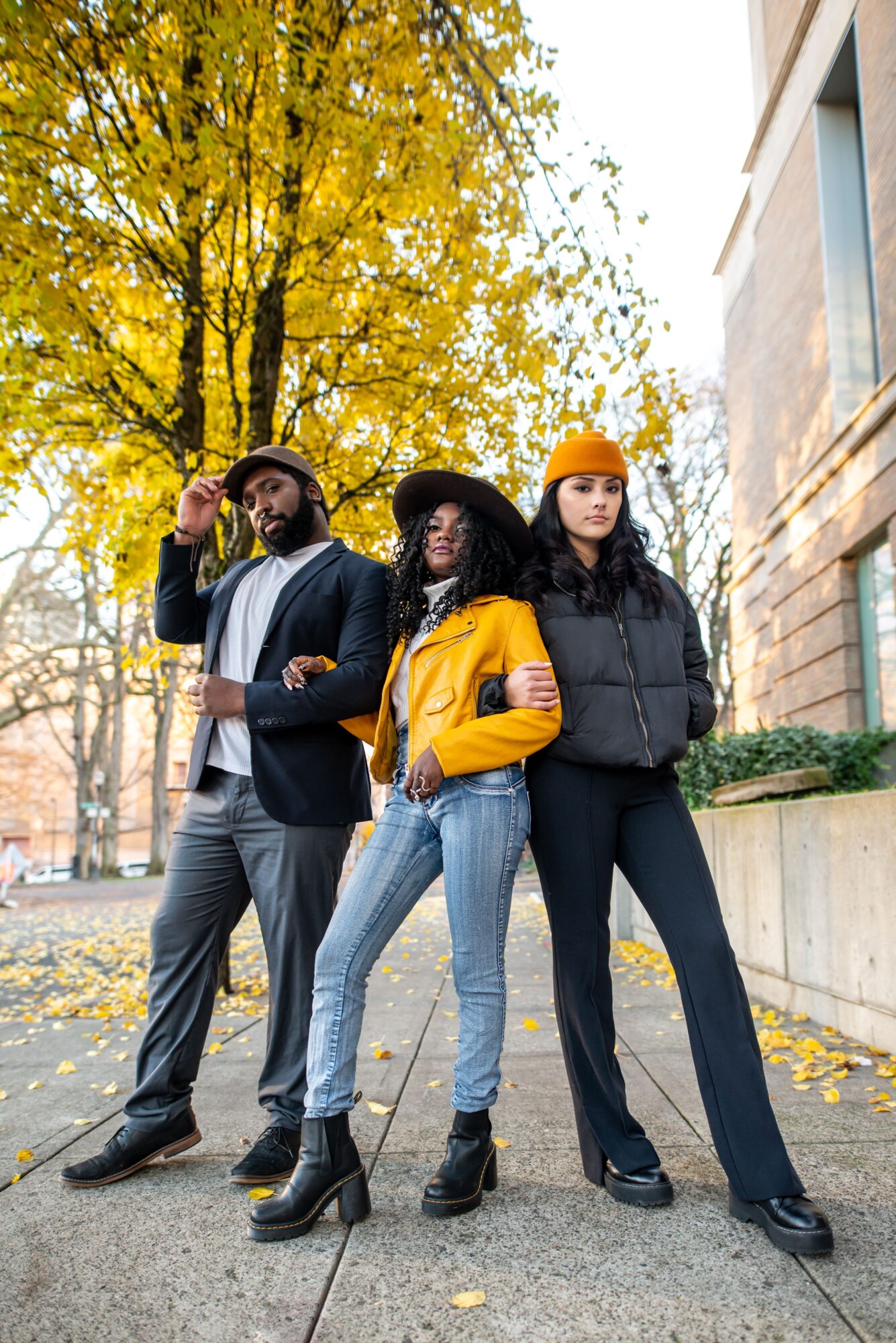
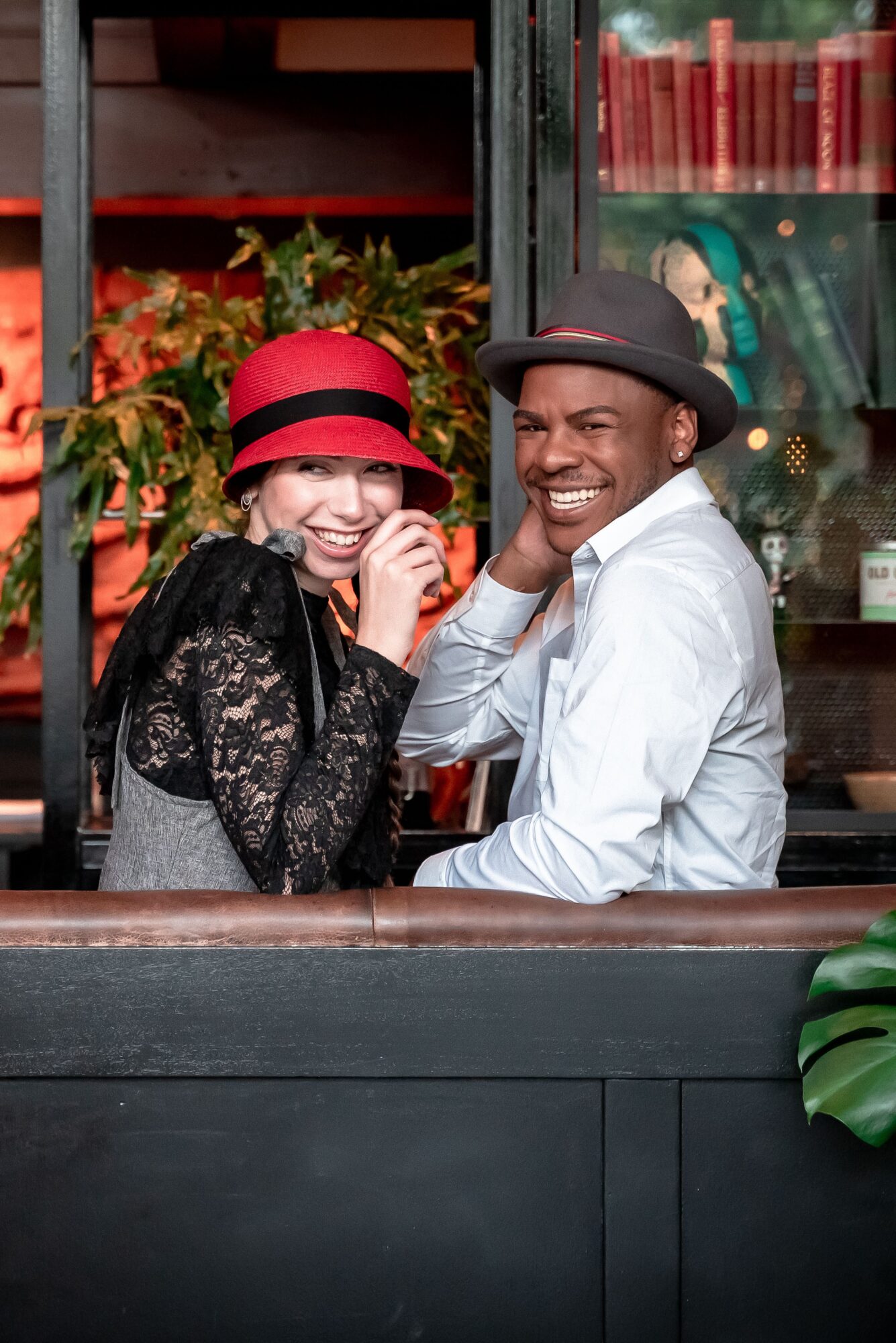
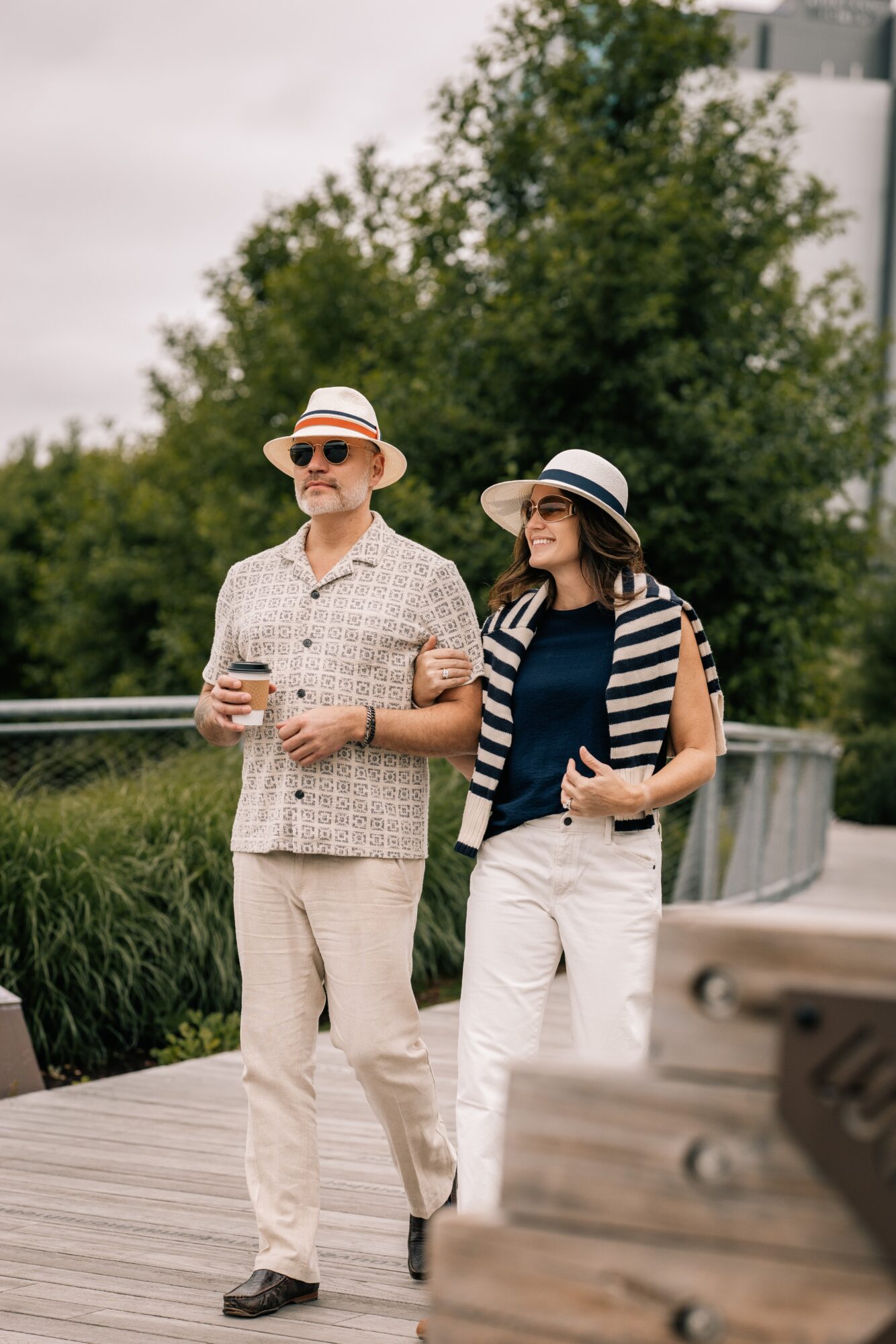
What I bring to this is a very strong sense of style – clean, classic elegance. I favor simple, classic lines, and I do them well. I’m not big on fussy or overly fancy work; I’m drawn to silhouette. I really care about how a hat looks on someone, and to me that’s all about proportion. That’s been my game.
What I’m known for is fit. People recognize me as a tailor first. That precision with fit is really my signature.
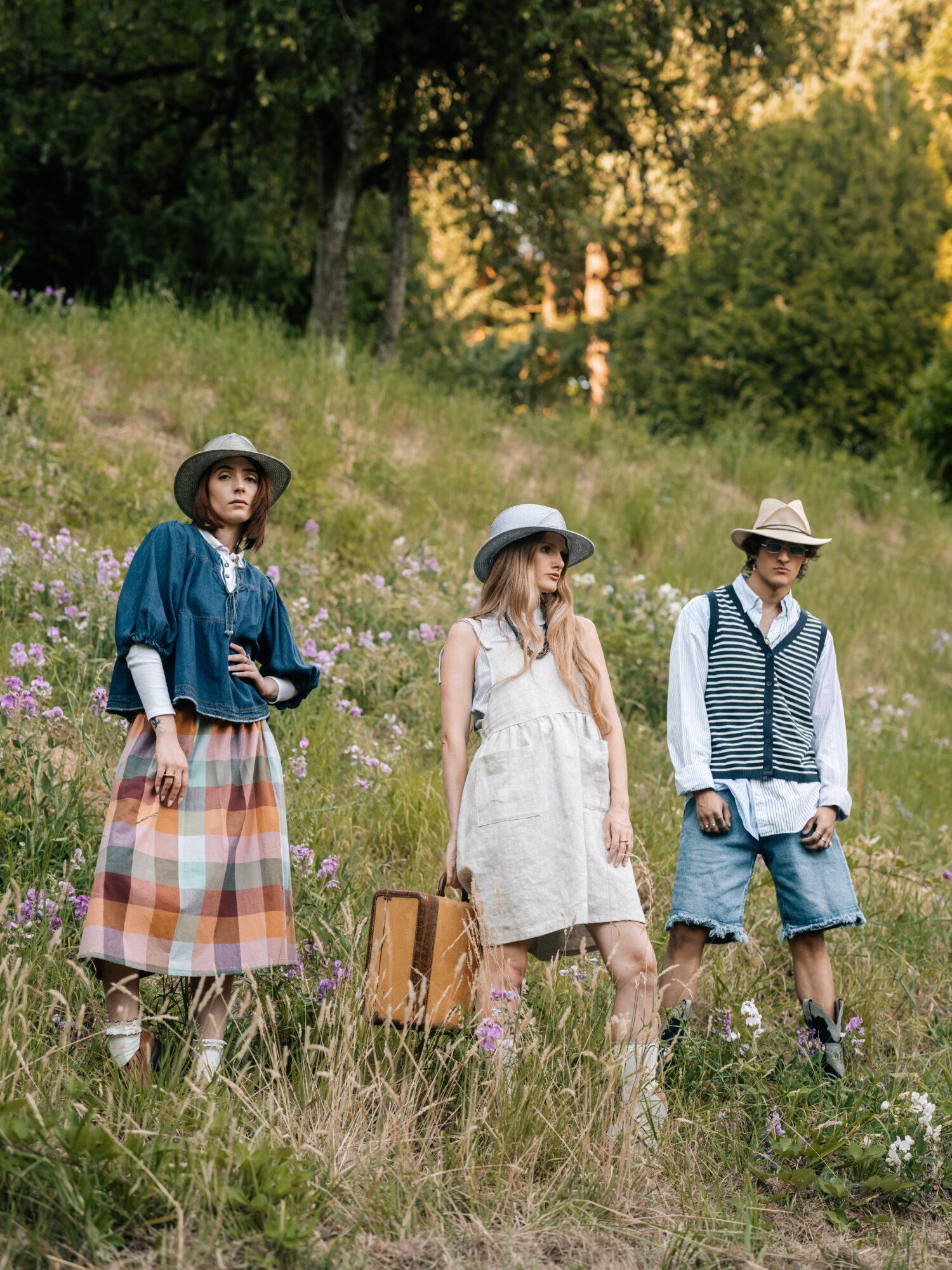
What I’m most proud of is the Pinkham Traveler, a packable hat I designed after realizing that every “packable” hat on the market came back from a trip looking crushed and awful. I set out to make one that didn’t. Going into that process, I had no idea a hat could earn an international design award, but it won the Red Dot Award. Which is, essentially, a lifetime recognition that I was the original designer. I named it Pinkham Traveler after my dad, who had four girls and no one to carry his name forward. Now the Pinkham name is part of international design history. That accomplishment and its legacy is deeply personal to me.
What sets me apart is that I’m not trying to reach the masses. I’m making hats for people with individual style who want to set themselves apart even further. I’m also holding onto decades of rare, irreplaceable knowledge and materials. I have ribbons, feathers, and flowers I’ve collected over 44 years, and I work with classic techniques and materials.
Let’s talk about our city – what do you love? What do you not love?
Best: Portland is truly the perfect hat town. The climate has four distinct seasons, with enough rain for felt hats and enough sun for straw. I tried California for a while, but the climate there doesn’t work for felt at all, and I found people were too casual for what I do. New York was interesting, but the cost of doing business there is enormous. Portland lets me keep my prices more accessible. Beyond business, it’s calm, beautiful, has great food and interesting shopping. It’s home. I love the rain, I love the city, I can’t imagine living anywhere else. The people who wear hats here are wonderful, welcoming people, and I love that Portland has held onto a spirit of acceptance for everybody.
Least: I wish the city were more supportive of small business owners. Right now, raised parking meter rates are hurting foot traffic just as things were starting to feel hopeful again post-pandemic. During the Ritz construction, the city cordoned off the majority of nearby parking without any real accommodation for local businesses; even shuttle service for workers was refused when I asked. Organizations like Travel Portland that used to support businesses like mine are facing cutbacks too. It sends a mixed message when the city says it wants people to come back downtown but keeps making it harder.
Pricing:
- Pinkham Traveler $295
Contact Info:
- Website: https://pinkhammillinery.com/
- Instagram: https://www.instagram.com/pinkhammillinery
- Facebook: https://www.facebook.com/PinkhamMillinery/