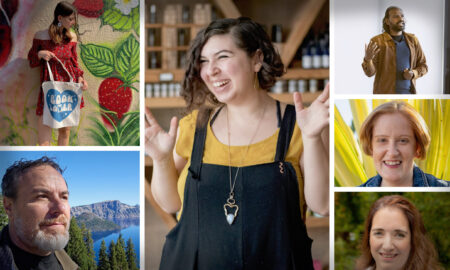



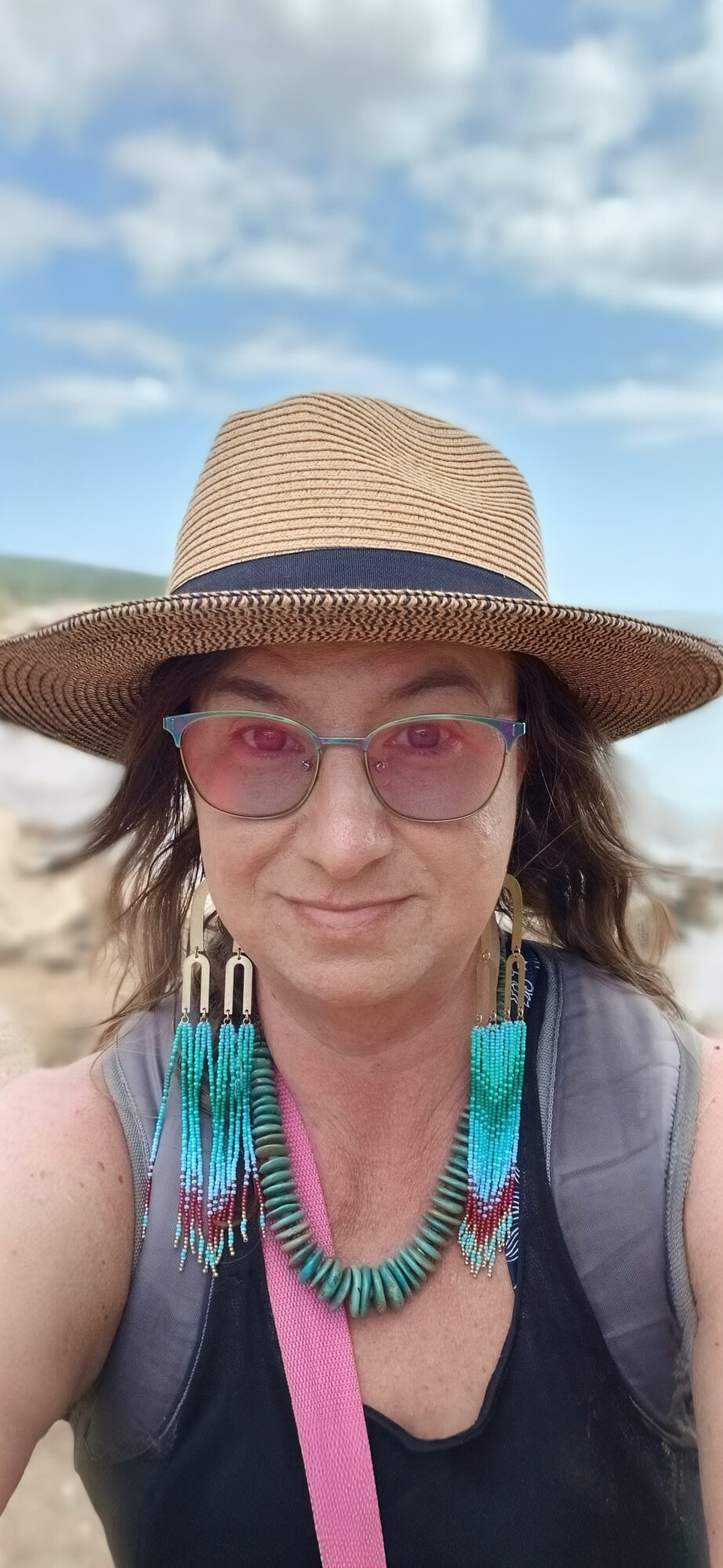
Today we’d like to introduce you to Shelah Wind-Smith.
Hi Shelah, thanks for sharing your story with us. To start, maybe you can tell our readers some of your backstory.
My story has never followed a particularly straight line.
I was raised as a Jehovah’s Witness in a world where there were very strict rules around what you were supposed to believe and who you were supposed to be. When I was fourteen, I left the religion and much of the community I had grown up with disappeared almost overnight. Losing that world so young was painful, but it also made me deeply curious. If everything I had been taught could be questioned, I wanted to understand for myself what I believed about life, God, people, and what it meant to belong.
Psychedelics became part of that exploration when I was still very young. Some of my earliest experiences profoundly changed the way I understood spirituality. I had been very angry with God after leaving the religion I grew up in, and psychedelics gave me an experience of something completely different: unconditional divine love, interconnectedness, and the sense that I was part of something much larger than myself. That curiosity about psychedelics, consciousness, indigenous traditions, spirituality, and the ways human beings make meaning has stayed with me ever since.
After high school, I drove across the country to Arizona for a Rainbow Gathering. I was eighteen, surrounded by hitchhikers, travelers, artists, musicians, and people living completely outside the world I had known growing up. It opened another door for me. I eventually found my way to Humboldt County in 2000 to learn glassblowing while I was working in healthcare.. By 2002, I left nursing and became a full-time glass artist. I spent a year traveling with a mobile glass studio before eventually settling near Corning, New York, and later moved to Oregon in 2012.
For more than twenty years, art and entrepreneurship were a huge part of my identity. My life has included nursing and hospice work, glassblowing, farming, cannabis, psychedelics, motherhood, and more reinventions than I probably could have imagined when I was younger.
Cannabis became especially important after disability dramatically changed what my body could do and eventually made glassblowing impossible for me. I grew medical cannabis and made RSO for people with cancer, including my own mother. That experience taught me a great deal about the difference between simply providing something to someone and actually caring for the human being who is using it.
When Oregon created the first regulated psilocybin services program in the country, I felt an immediate pull toward it. Psychedelics had been woven through my own life for decades, and people had been coming to me informally for years to talk about their experiences. Becoming a licensed facilitator gave me a way to bring together so many parts of my life that had previously seemed unrelated: my nursing background, years of sitting with people through difficult moments, my personal relationship with psychedelics, entrepreneurship, art, spirituality, and my fascination with what helps people change.
I completed my facilitator training in 2023 and became licensed in Oregon in 2024. I spent about a year and a half working independently at Satya Therapuetics, learning not only how Oregon’s program worked, but dreaming of what it would be like to have my own center.
That eventually became Ripple Journeywork.
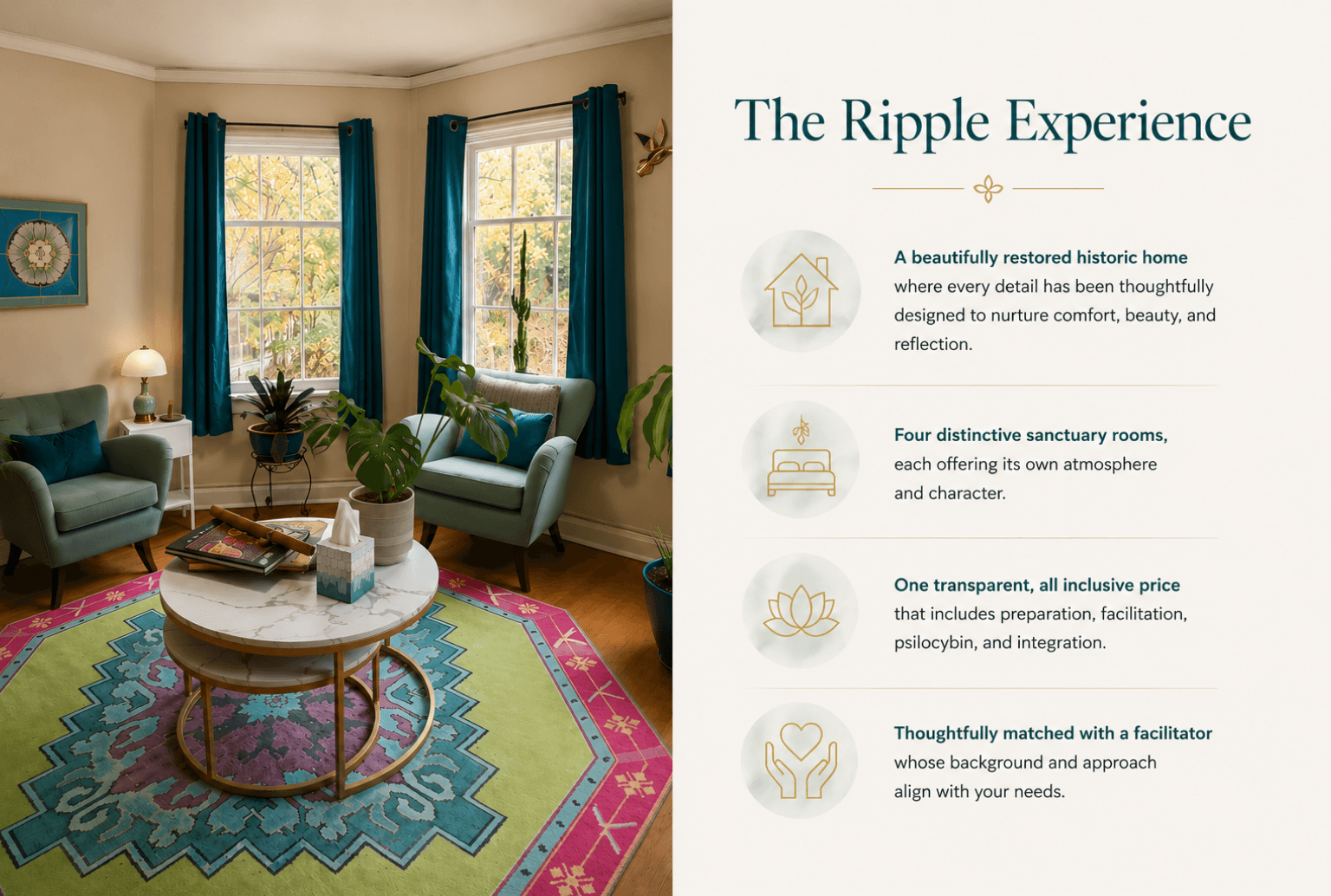
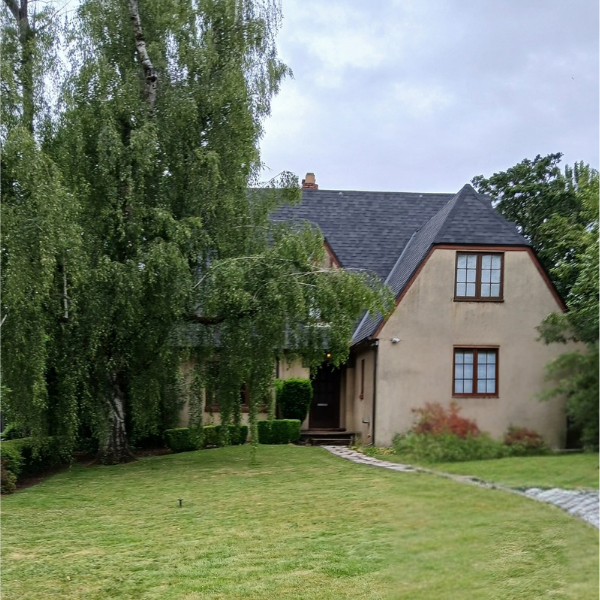
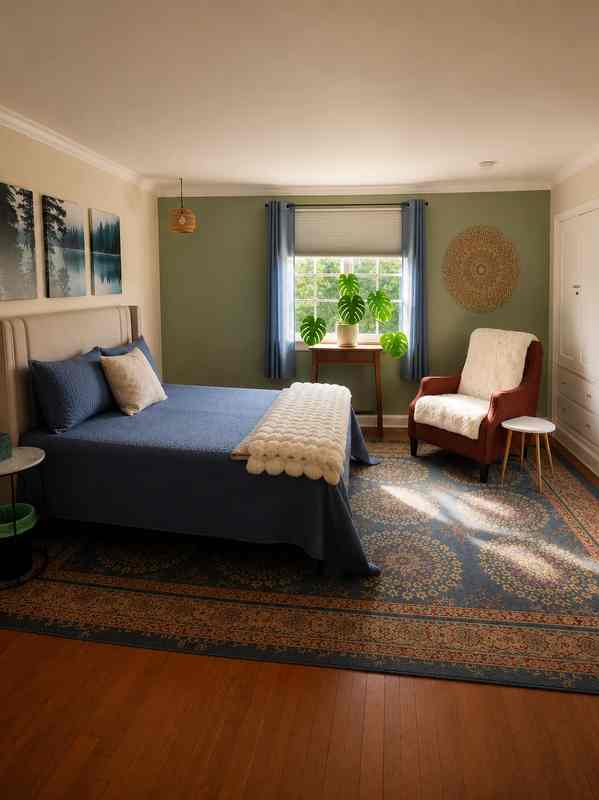
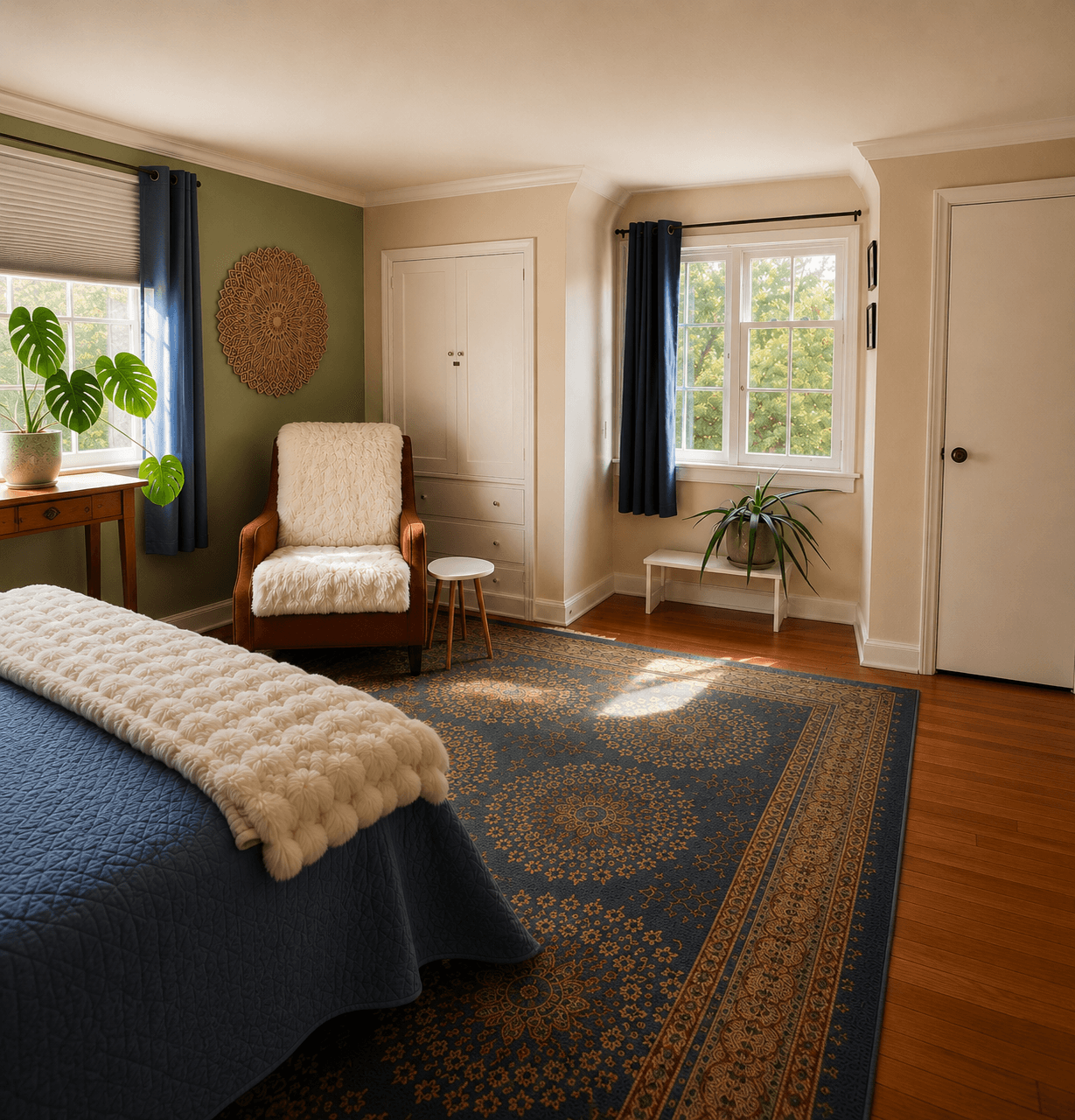
Ripple is a licensed psilocybin service center in Eugene housed in a restored historic home. I wanted to create something that felt very different from a clinic: beautiful, warm, personal, and unhurried. A place where people aren’t treated like appointments moving through a schedule and where there is room for the experience to unfold at its own pace.
Building Ripple has probably been one of the hardest things I have ever done. I opened a business in a brand-new and heavily regulated industry while living with a disability, navigating enormous financial uncertainty, and going through major changes in my personal life and business partnership. There have been plenty of moments when the sensible thing probably would have been to quit.
But one thing that has been remarkably consistent throughout my life is that I am willing to walk toward things that scare me when they also make me feel alive.
Looking back, I don’t really see all of these chapters as separate anymore. The fourteen-year-old questioning everything she had been taught, the eighteen-year-old driving across the country to a Rainbow Gathering, the nurse, the glassblower, the cannabis grower, the disabled woman trying to figure out who she was when she could no longer do the work that had defined her, and the person who eventually opened Ripple are all part of the same story.
I’ve spent most of my life exploring what happens when the identity or worldview you thought was permanent falls apart. Ripple is, in many ways, what grew out of that.
We all face challenges, but looking back would you describe it as a relatively smooth road?
Definitely not. I think I have rebuilt my life more times than I ever expected to.
One of the biggest turning points was becoming disabled. I had spent more than twenty years building a career as a glass artist, and so much of my identity was tied to working with my hands, being physically capable, and supporting myself through something I loved. When my health began to decline, it took years to understand what was happening to my body. Eventually, I had to accept that glassblowing was no longer something I could physically sustain. Losing a career you love is one thing. Losing the version of yourself you thought you would be for the rest of your life is another.
There have been other difficult chapters too. I have experienced extreme poverty, single motherhood, addiction and recovery, chronic illness, and the unraveling of relationships and communities I thought would always be part of my life. Some of those experiences were devastating at the time, but they also taught me how temporary our ideas about who we are can be.
.Building Ripple brought a different kind of challenge. I was fortunate to have Andreas Met at Satya to turn to for advice as I learned the service center side of Oregon’s program, but there is still a lot you can only learn by doing it. I had been carrying much of the day-to-day responsibility for getting Ripple open and keeping it running when, during our first year, my business partnership dissolved completely. At nearly the same time, my sixteen-year marriage was changing dramatically. I was suddenly navigating the loss of two important partnerships while trying to keep a young business moving forward and working within the limits of my disability.
There were absolutely moments when I wondered whether I had anything left to give it.
What I have learned, though, is that rebuilding doesn’t always mean recreating what existed before. Sometimes you have to let the old version fall apart long enough to discover what actually belongs in the next one.
I don’t think I would have chosen many of the hardest experiences in my life, but they have given me a deep understanding of how complicated change can be and an enormous amount of empathy for the depths of human suffering. I know what it is to have life look completely different from what you thought it would, and to have to find your way forward from there. That understanding is a big part of what I bring to my work now. I don’t expect healing or transformation to be neat, linear, or comfortable. My own life certainly hasn’t been.
Alright, so let’s switch gears a bit and talk business. What should we know?
What sets Ripple apart is that we build the experience around the individual, rather than expecting the individual to fit into a predetermined experience.
We welcome people truly as they are, regardless of their beliefs, background, identity, or what brought them to us. We take time to understand each person, what they need to feel prepared, and what would make the experience feel personal and meaningful to them. We want to create a container where someone has the freedom to meet their journey in their own way.
Relationship matters tremendously in this work. Finding the right facilitator is about more than credentials or availability. Our collective includes facilitators with very different life experiences, personalities, perspectives, and approaches, which allows us to help each client find someone they genuinely connect with.
We also care about what happens after journey day. Beginning in January, we are launching a virtual monthly integration circle for former clients. It will be a place to reconnect, meet others walking a similar path, reflect, and share what they are discovering. What opens during a psychedelic journey can continue unfolding for months or even years, and I love the idea of giving those conversations somewhere to continue.
Another priority for us is developing relationships with therapists and other professionals. Oregon’s program is still unfamiliar to many clinicians, and we want to make it easier for them to understand what their clients are choosing and how the process works. I would love to see less separation between psilocybin services and the therapists and other providers who may already know and care for the person coming through our doors.
I care just as much about the facilitators at Ripple. Independent facilitation can be isolating, so we meet regularly, share what we’re learning, help each other, and participate together in outreach and events. I am incredibly proud of the group of humans who have gathered here and the depth of care and integrity they bring with them.
Access and reciprocity are important to us too. Oregon’s program is expensive, and there is no getting around that. We have offered scholarships, sliding scale services, work trade, free events, and education, and I want those efforts to grow as Ripple does. I believe that if this work sustains us, something should flow back outward.
Brand wise, I am most proud of the whole thing. The beautiful setting, the team around me, the feeling when you walk through the door, and all the little details that make Ripple what it is. I spent more than twenty years as an artist, but I learned a long time ago that art is much bigger than the things we make. Art is life. Ripple is simply another medium. We put tremendous care into the canvas and then pass the paintbrush. What happens from there belongs to the person who came to have the experience.
Ultimately, I hope Ripple is a place where people can be fully who they are, feel genuinely cared for, and carry something meaningful forward with them. Even a subtle shift within one person can ripple outward through their relationships, families, and communities in ways we may never fully see.
What does success mean to you?
At this point in my life, success feels a lot less like achievement and a lot more like longevity.
I want Ripple to still be here decades from now. I want us to make it through the rising costs of Oregon’s psilocybin program, keep our doors open, and eventually earn back what I’ve invested. I don’t have dreams of turning Ripple into an empire. I just want it to be financially healthy enough to last while staying true to why I started it.
That means being able to offer scholarships and give back without putting the business in jeopardy, seeing the facilitators around me thrive alongside Ripple, and having the freedom to make decisions based on what feels right rather than constantly operating from financial pressure.
Personally, success means having a life outside of what I do for work. I want enough security to breathe and enough time and energy for the people I love.
I’ve already had to reinvent my life more than once, so I don’t measure success by how big something becomes anymore. There is something beautiful about tending something well enough that it can endure without giving your whole self away to keep it alive.
I don’t need to know exactly what my life will look like years from now. I hope Ripple is thriving, the people I love are close, and I’m still curious about what comes next.
Pricing:
- $2,200 all inclusive
Contact Info:
- Website: https://www.ripplejourneywork.com
- Instagram: @ripplejourneywork
- Facebook: https://www.facebook.com/RippleJourneywork
- Youtube: https://www.youtube.com/@RippleJourneywork
- Other: https://www.ripple.care