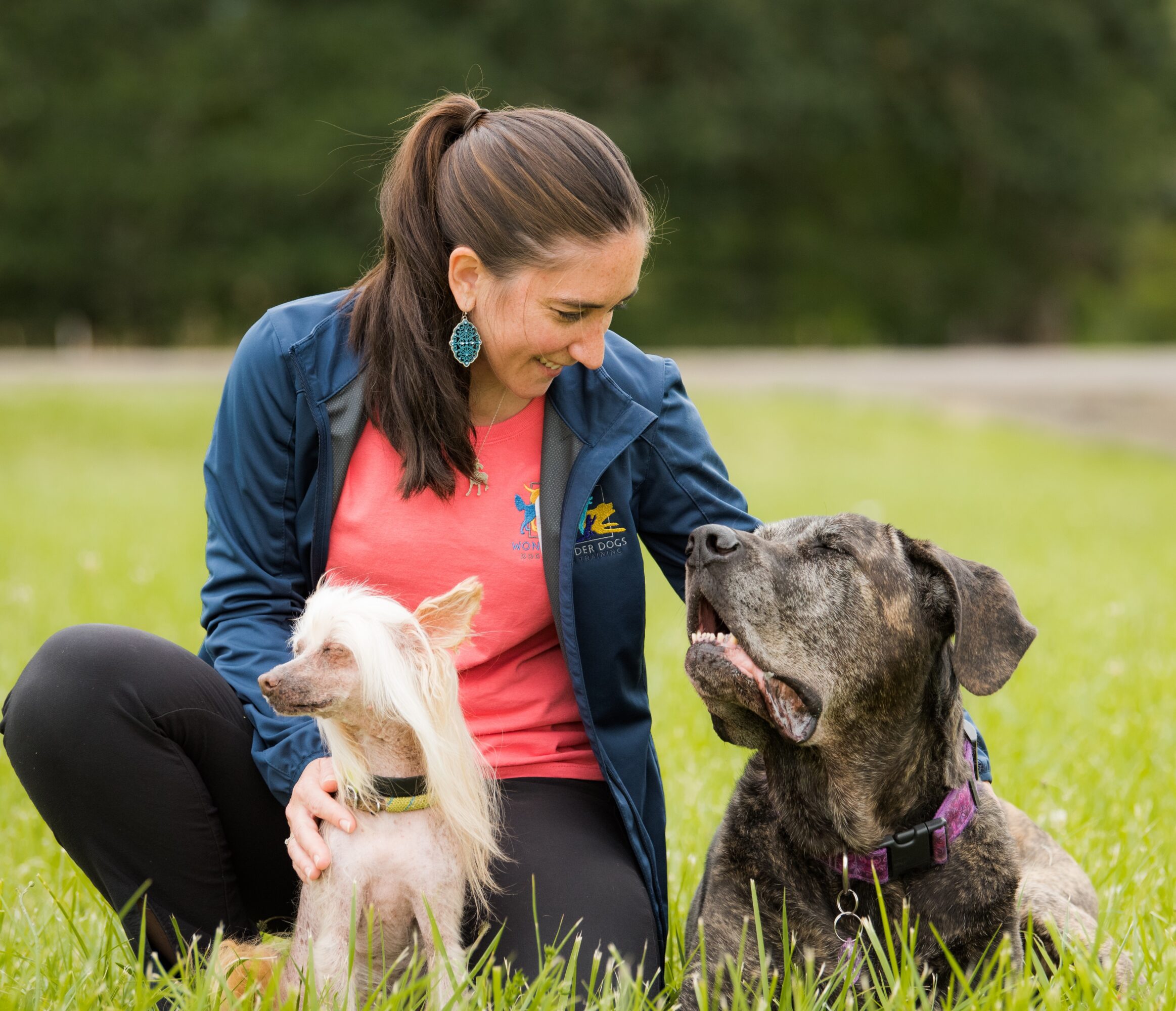



Today we’d like to introduce you to Jennifer Michaelis.
Hi Jennifer, please kick things off for us with an introduction to yourself and your story.
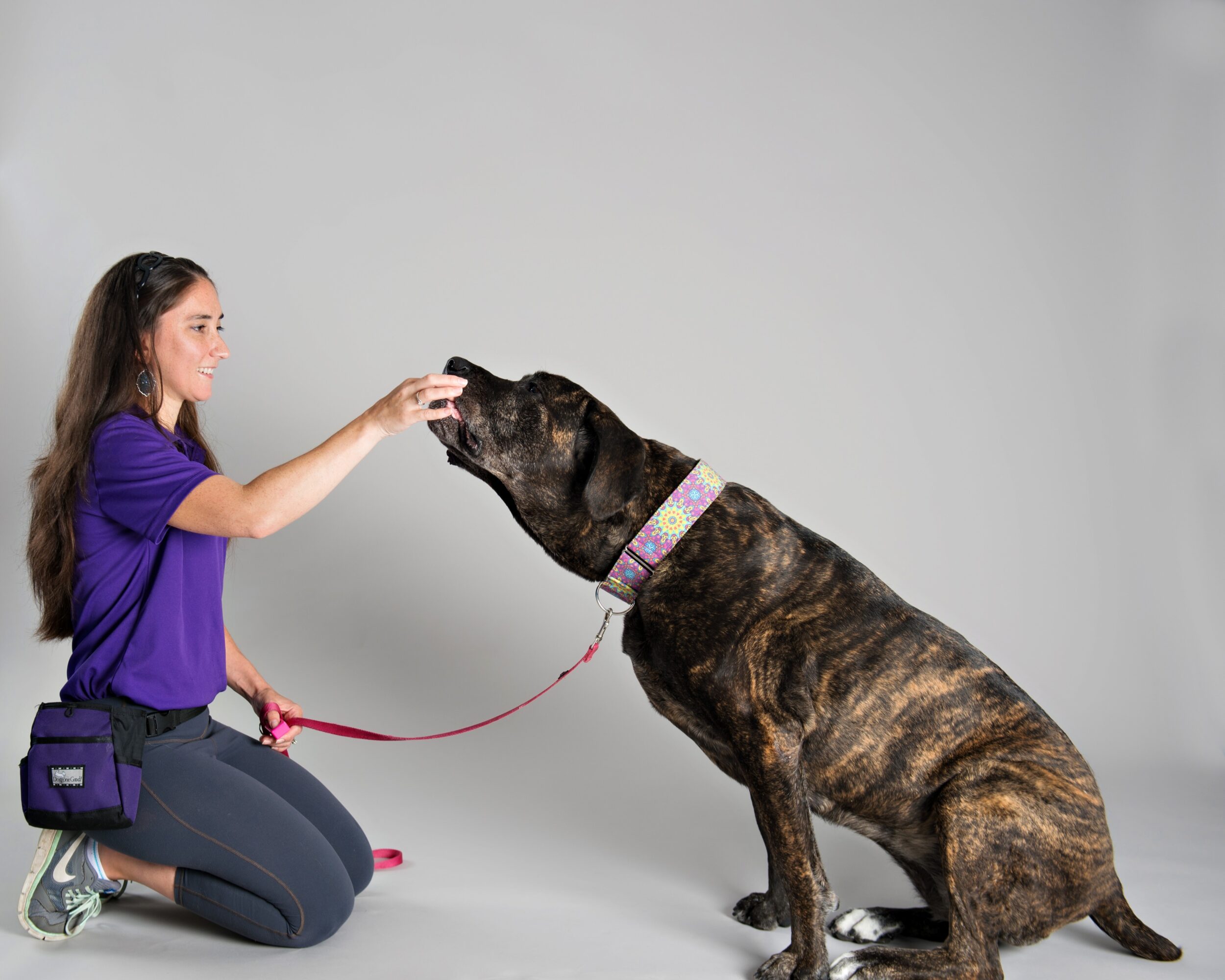
I’ve been training dogs professionally for more than 25 years, although I definitely didn’t start out with a master plan to own a dog training business in Oregon.
I started working with dogs while I was in college in Missoula, Montana, and eventually spent more than a decade with PetSmart, where I was introduced to clicker training and positive reinforcement from the very beginning. I worked my way from training dogs to teaching and mentoring other trainers across the region.
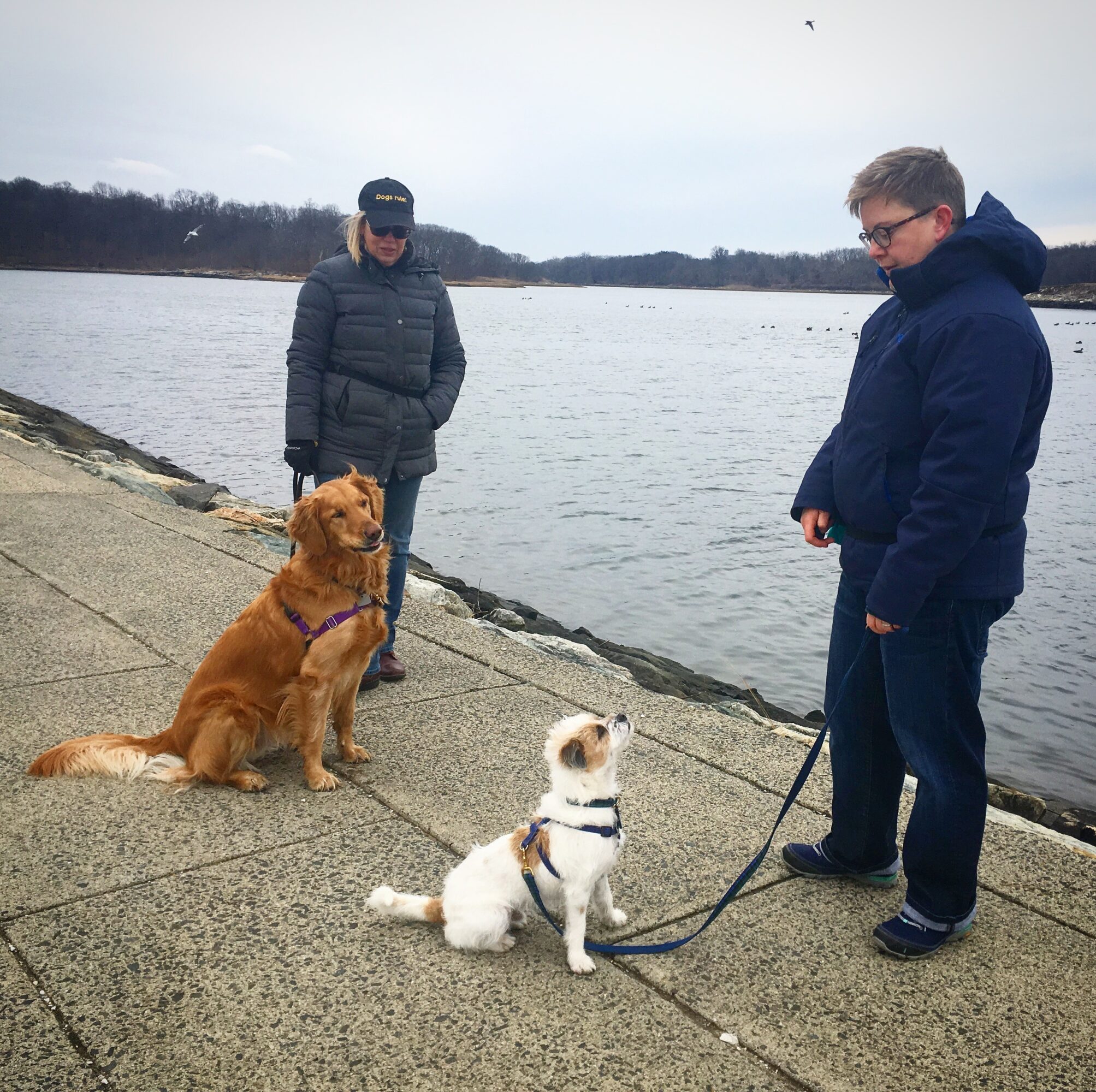
I eventually transferred to New York, where I continued training dogs and mentoring trainers before starting my own business, SassyT Canine Academy. I also became the Family Manners Training Director at Port Chester Obedience Training Club, the oldest AKC obedience club in the country. During those years, I taught everything from basic manners to canine freestyle, tricks, fitness and other dog sports, and traveled around the country teaching workshops and seminars.
In 2018, I moved across the country to Corvallis to be closer to family. I began teaching at Wonder Dogs and had the opportunity to purchase the business at the end of 2019. So, naturally, I became a brand-new business owner immediately before a global pandemic! That was a rollercoaster!
The years since then have been an enormous education in both dog training and entrepreneurship. Wonder Dogs has grown and changed a lot. We now offer group classes, private coaching, behavior consultations, day training, dog sports, enrichment, fitness and social opportunities, and I have an incredible team helping me do it.
The biggest evolution, though, has probably been in how I think about training. After all these years, I’m much less interested in simply teaching dogs to “obey” and much more interested in understanding the whole dog in front of me. Behavior is affected by emotion, health, environment, reinforcement history, relationships and whether a dog actually has the skills to cope with what we’re asking of them. Helping people understand why their dog is struggling—and giving both the dog and the human practical tools to make life easier—is really at the heart of what Wonder Dogs has become.
I’m also very proud that we’ve built a community around that philosophy. Wonder Dogs has been voted Best of the Valley for five consecutive years, which means a tremendous amount to me because this business has been shaped not just by me, but by the dogs, clients, staff and community who have grown alongside us.
And I still feel like we’re evolving. I’ve been doing this long enough to know that being experienced doesn’t mean being finished learning. That’s actually one of my favorite things about this work: every dog has something new to teach you. Those lessons stay with you, and over a career, they become part of the legacy you carry forward.
Can you talk to us a bit about the challenges and lessons you’ve learned along the way. Looking back would you say it’s been easy or smooth in retrospect?
Definitely not! I think one of the hardest parts of this work is that you have to care so much to do it well—and caring that much can also be exhausting. Burnout and compassion fatigue are very real challenges in the animal care and training world. You’re working with people who may be overwhelmed, frustrated or scared, and with animals who are sometimes struggling too. It can be incredibly rewarding work, but you carry a lot of it with you.
Over the years, I’ve had to learn a lot about boundaries, self-care and letting go of my very Type-A desire to control absolutely everything. I always joke that I could never have a Border Collie because they would drive me crazy, but the truth is probably that I’m WAY too Border Collie-like myself. LOL. I need animals in my life who balance me out!
Another challenge is working in an industry that is largely unregulated. Anyone can call themselves a dog trainer, regardless of their education or experience, so it can sometimes be difficult for the public to know who to trust—and difficult for experienced professionals to have their expertise recognized.
Dog training is a little bit like parenting in that everyone seems to have advice for you, and that advice ranges from wonderful to questionable to downright harmful. Having dogs your entire life certainly teaches you a lot about dogs, but it doesn’t automatically make you an expert in behavior or training. I always say: I’ve had teeth my entire life, but that certainly doesn’t make me a dentist!
That’s one of the reasons continuing education has always been so important to me. After more than 25 years, I still believe good trainers should keep learning, questioning what we know and being willing to change as our understanding of dogs grows.
Alright, so let’s switch gears a bit and talk business. What should we know?
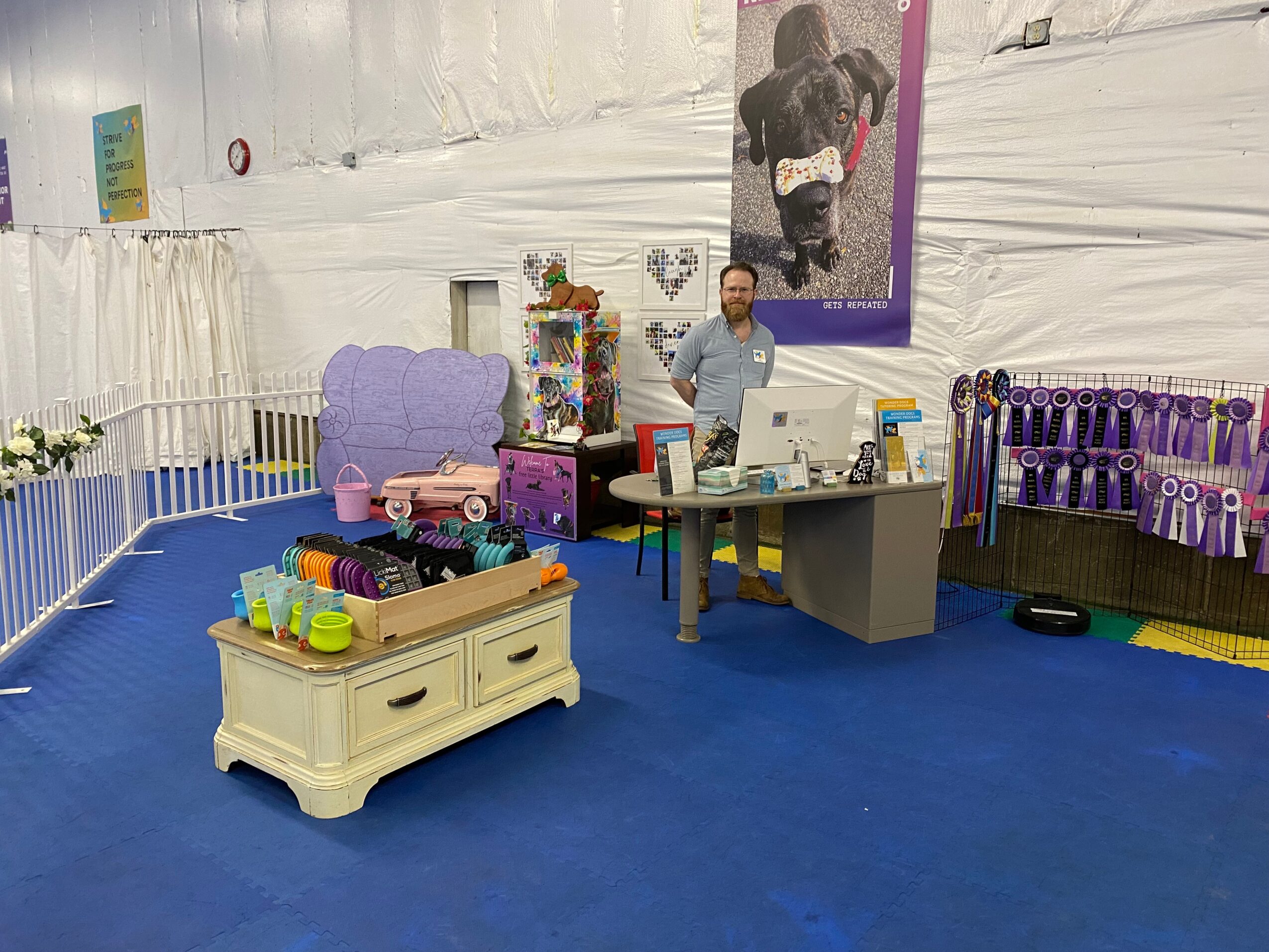
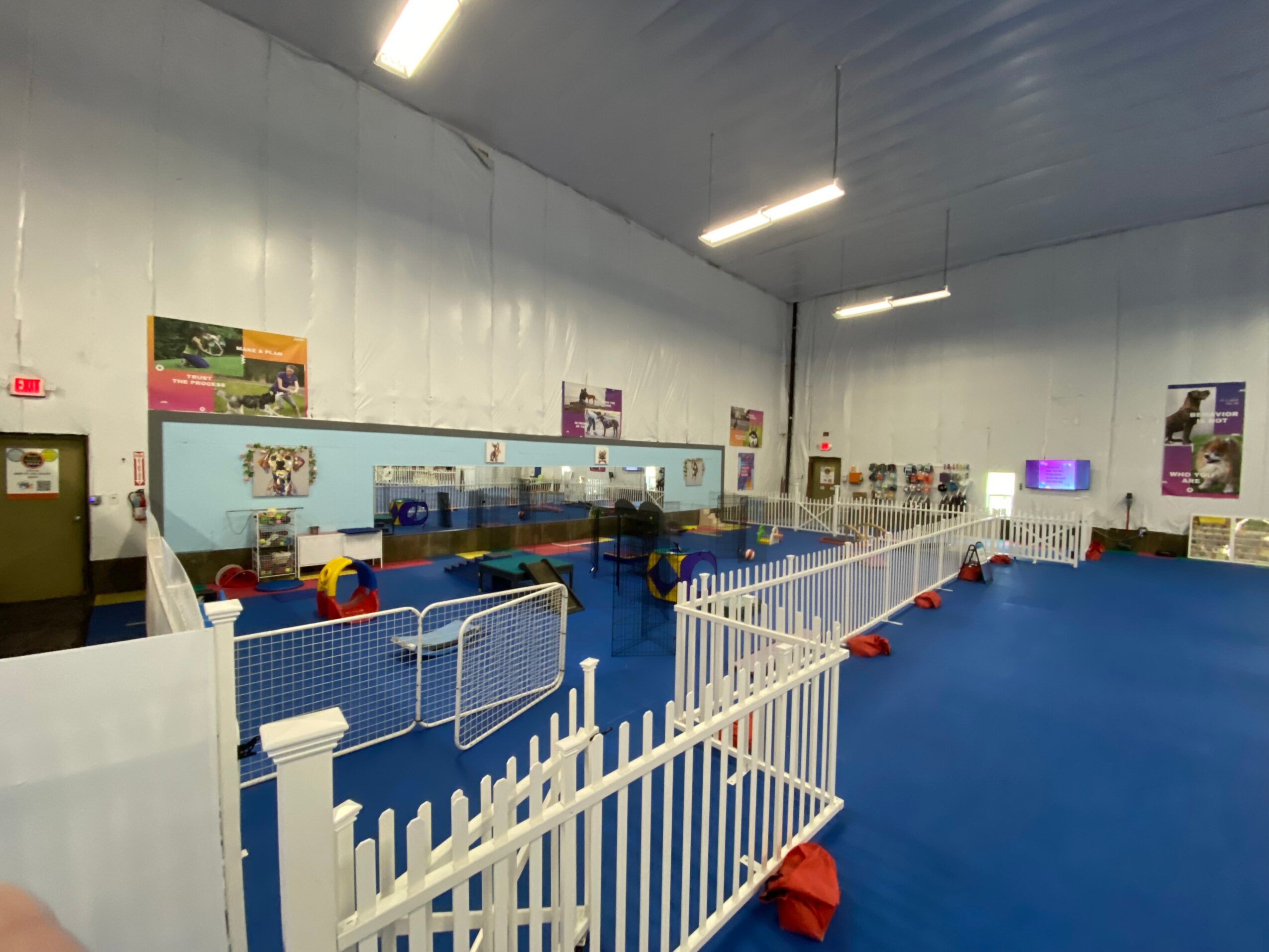
Wonder Dogs is a positive reinforcement dog training and wellness center in Corvallis. We help people build better lives with their dogs—not just by teaching obedience skills, but by looking at the whole dog and the whole relationship.
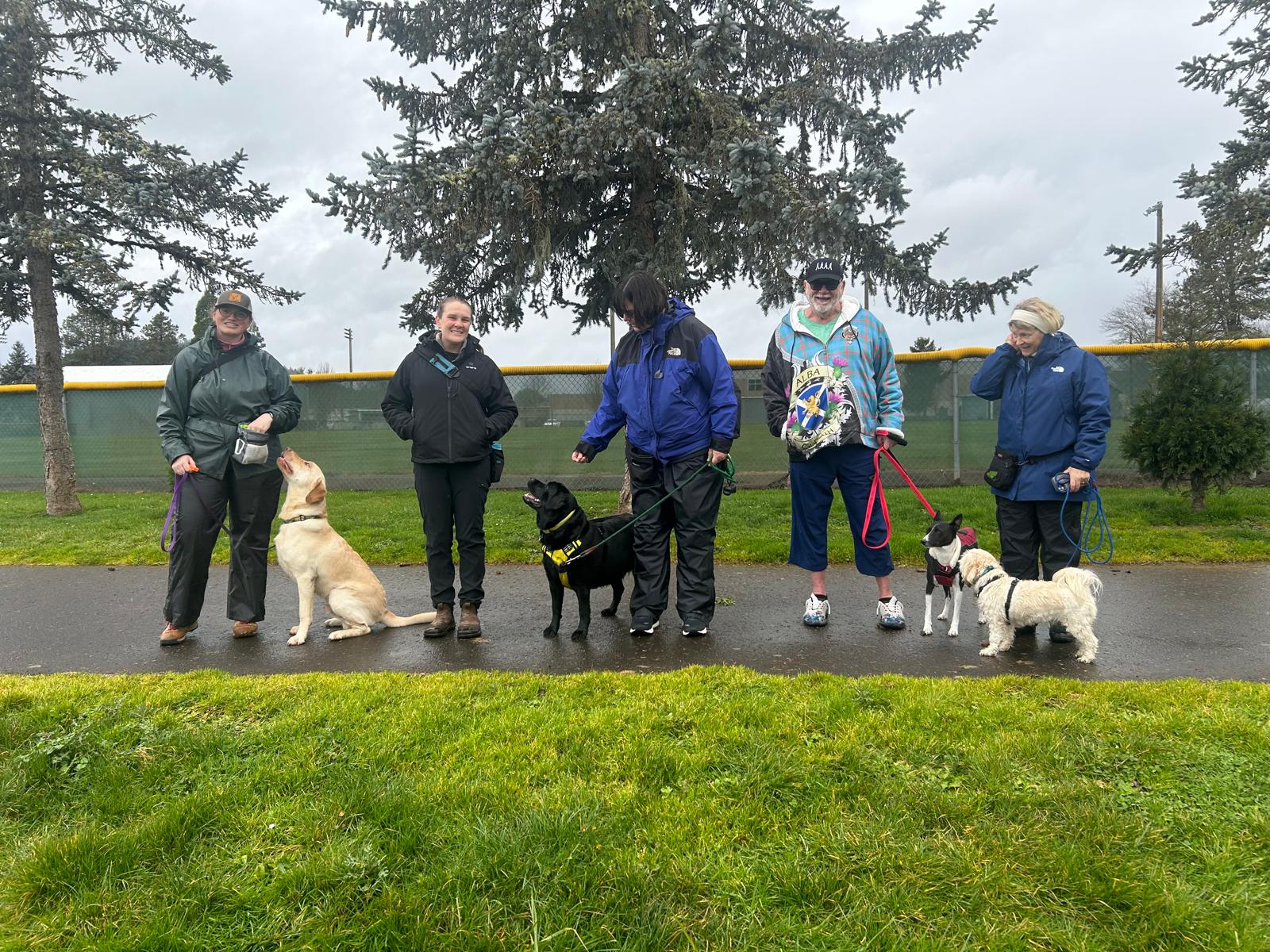
We work with everything from brand-new puppies and adolescent dogs who need some manners to dogs struggling with fear, anxiety, reactivity or over-arousal. We also offer private coaching, behavior consultations, day training, group classes, fitness, enrichment, social opportunities and dog sports like agility and nosework. One of my favorite things about Wonder Dogs is that there are so many different ways for dogs and their people to learn together.
What probably sets us apart most is the way we approach behavior. We’re always asking, “Why is this happening?” rather than simply, “How do we make it stop?” Behavior can be influenced by emotion, health, environment, reinforcement history, unmet needs and a dog’s ability to regulate themselves. Sometimes a dog who looks “stubborn” is confused. Sometimes a dog who looks “out of control” is overwhelmed. Sometimes better training is the answer, and sometimes the dog needs more support before learning can even happen.
That means our goal isn’t to create dogs who simply obey. We want dogs who have useful skills, can think through real-life situations, recover from excitement or stress, and feel safe and successful in the world. And we want their humans to understand what they’re seeing and feel confident about what to do next.
I think we’re also known for meeting people where they are. Dog training can sometimes feel intimidating or judgmental, especially when someone is already struggling. I want Wonder Dogs to be a place where people can say, “This is hard and I don’t know what to do,” and know that we’re going to help them figure it out rather than make them feel bad about it.
Brand-wise, I’m probably most proud that Wonder Dogs has become much more than a place people come for a six-week dog training class. We’ve built a community around curiosity, kindness, practical training and continuing to learn. We’ve been voted Best of the Valley for five consecutive years, and that means a lot to me because it reflects the trust our local community has placed in us.
If there’s one thing I’d want readers to know, it’s that good dog training should make life better for both ends of the leash. It should help you understand your dog more deeply, give you tools that actually work in everyday life, and hopefully make living together a lot more fun.
What makes you happy?
I’m happiest in little moments of connection—when a dog suddenly understands something we’ve been working on, when an owner can laugh at a mistake and realize, “Oh! I know what to do now,” or when an animal feels safe enough to express an opinion, play or try something new. Those moments never really get old for me.
Animals make me incredibly happy. Not just because I love them, but because they keep me curious, present and laughing. There is something endlessly fascinating to me about figuring out what another species is communicating, what motivates them, what makes them feel safe and what helps them thrive.
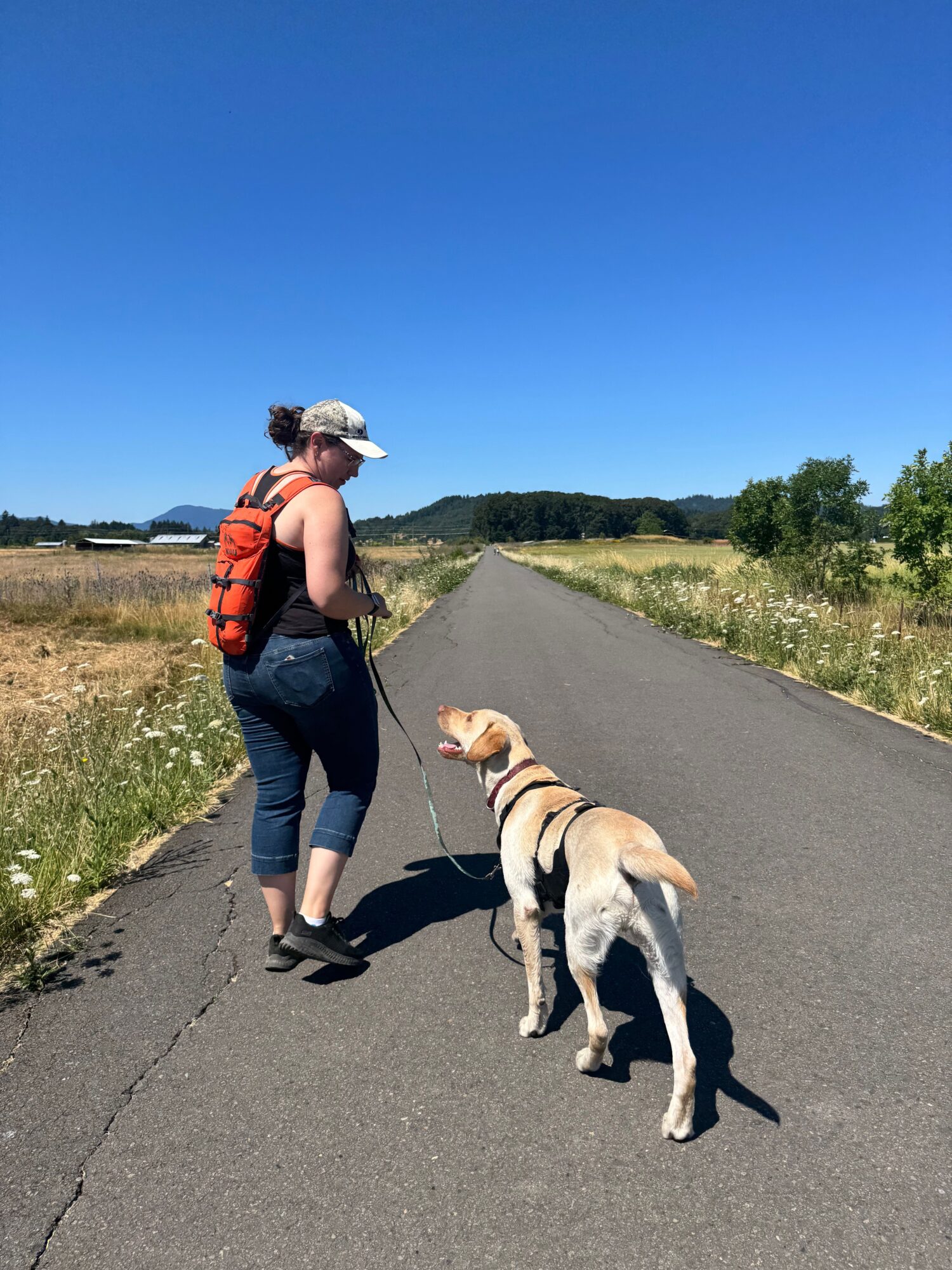
Outside of work, I’m happiest when life gets simple: being outside, spending time with my animals, hiking, riding my horse, dancing, drinking coffee somewhere quiet, laughing with people I love. I think I’ve learned that happiness for me has much less to do with big accomplishments than it does with feeling connected—to animals, to people, to nature and to whatever is happening right in front of me.
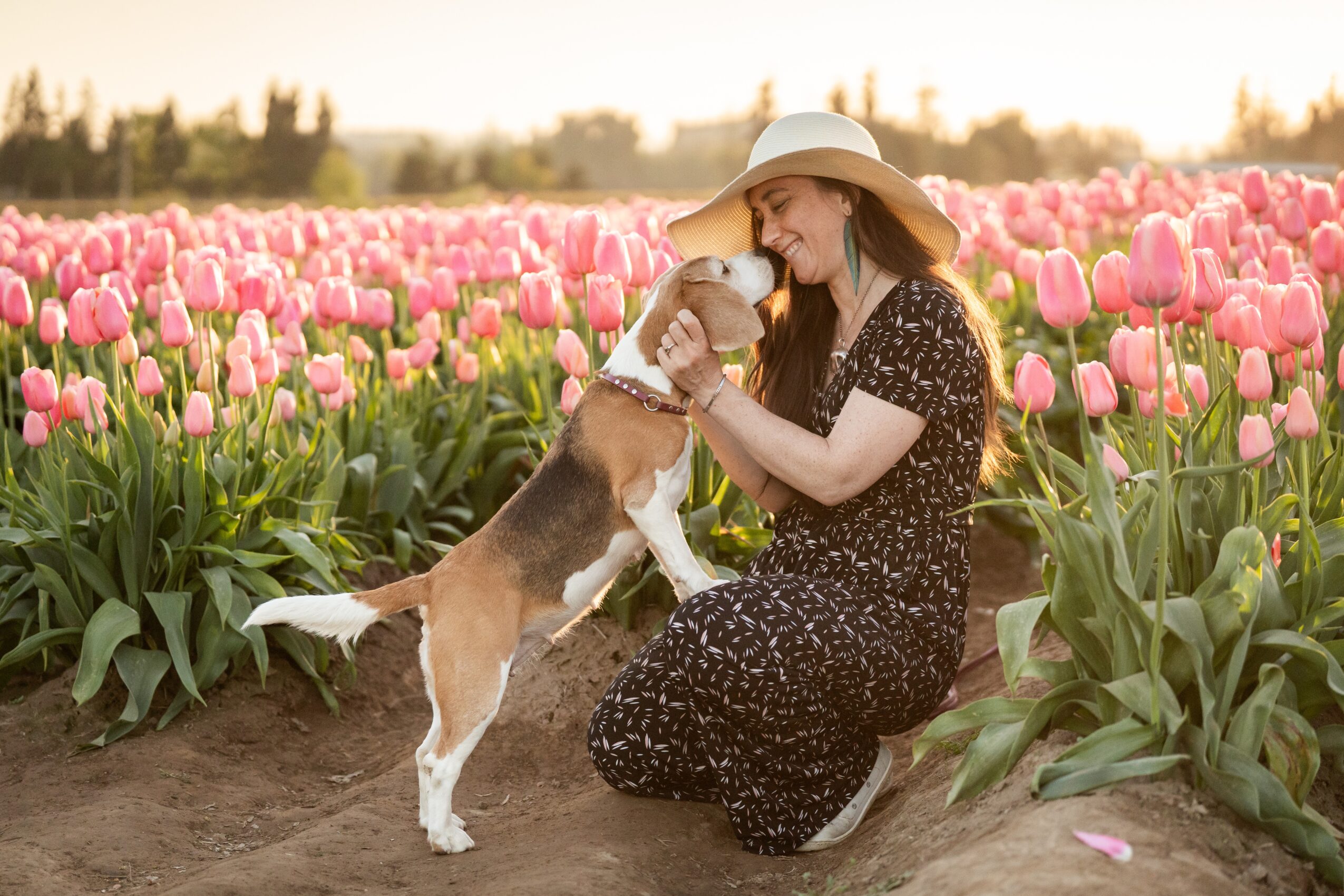
And, honestly, animals are also really good at reminding me not to take myself quite so seriously. That helps a lot. I swear my beagle Freddy has made it her personal mission to find a new way to make me laugh every day. She certainly makes me happy—and she doesn’t take life seriously at all!
Contact Info:
- Website: https://www.wonderdogstraining.com
- Instagram: https://www.instagram.com/wonderdogstrainingoregon/
- Facebook: https://www.facebook.com/wonderdogsonline/
- Other: https://www.sassytacademy.com