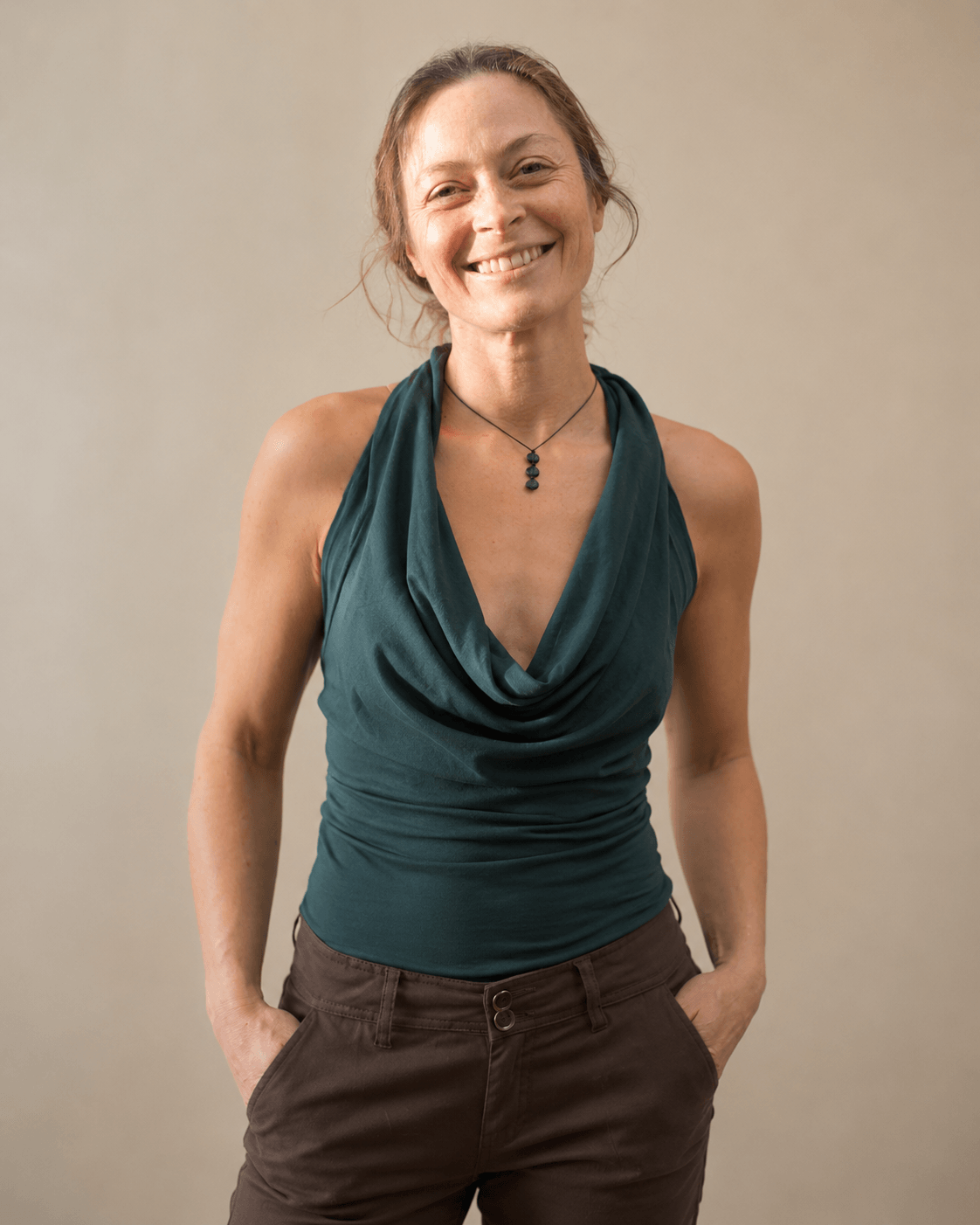



Today we’d like to introduce you to Hannah Marciniak.
Hi Hannah, can you start by introducing yourself? We’d love to learn more about how you got to where you are today?
As a yoga therapist, holistic wellbeing specialist, and dedicated practitioner and teacher of yoga, I help people shift out of pain and dysfunction to balance, vitality, and connection.
Rooted in the understanding that body and mind are not separate, the systematic, whole-person lens I bring guides the physiological and psychological interventions I introduce to address root causes of imbalance. My tools in this work are movement, breath, and awareness practices intertwined with personalized lifestyle counseling, cognitive inquiry, and empowering education as catalysts for change.
My relationship with this whole-person approach of yoga stems from my own experience with its transformative effects on physical and mental health. I got up the courage to go to my first yoga class over 25 years ago only after being prescribed anti-depressants for stress-induced hemiparesis, or one-sided full-body weakness and sensory disruption that couldn’t be attributed to any other cause. To my knowledge, I didn’t feel anxious; but I was so disconnected from my body that I couldn’t interpret its distress signals before it reached such a pronounced state. From that initial step into inhabiting my body in a new and connected way, the breathing, movement, and work with the mind I have cultivated through yoga have been pivotal in supporting me through healing injuries, chronic inflammation and digestive dysregulation, anxiety and depression, and more. It has opened up ease and connection in my body, steadiness in my mind, and a deep sense of purpose and wellbeing that has sustained me through major transitions along with the ordinary ups and downs of daily life. Experiencing these changes firsthand made me want to understand why these practices were so effective and, eventually, to share them with others.
My studies have taken me around the world to learn from the most authentic, knowledgeable sources available. In addition to over two decades of deep personal practice in the wide-ranging traditional aspects of yoga, I have also pursed a modern understanding of what underpins their efficacy. With rigorous training in anatomy, physiology, pathophysiology, kinesiology, and neurobiology, as well as formal studies of yoga as an applied therapy, my approach with students and clients is solidly grounded in practice, tradition, and modern biological science.
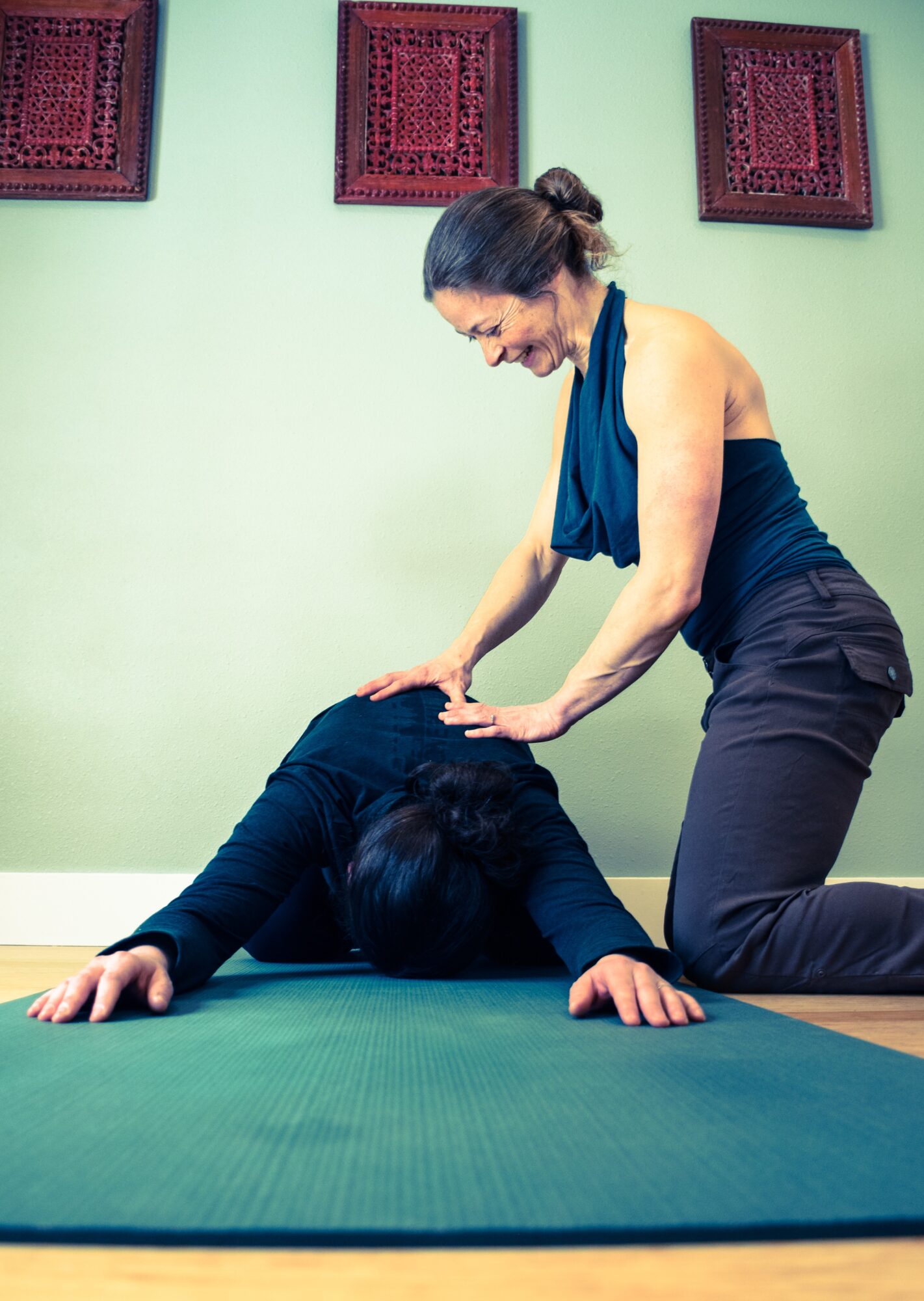
For more than 15 years, I have worked individually with people to help them find greater ease in their bodies, breath, minds, and lives. When I began teaching in Bend, I wanted to offer small classes where students could receive personal, in-depth instruction rather than disappear into a crowded room. That intention became Mountain Light Ashtanga, where I support ongoing practice through individual instruction within community. I teach daily, Sunday – Friday, limiting classes to 5-6 people at a time so I can work deeply with each one and support ongoing integration of practice into life. As more people came to me with injuries, chronic illness, pain, stress, and complex health needs, the therapeutic dimension of my work continued to grow. Bend Yoga Therapy developed from a desire to offer that work in a dedicated one-on-one setting, supported by careful assessment, education, and truly individualized practices.
Today, I bring well-rooted experience, embodied insight, an open mind, and an insatiable curiosity to every person I work with. Whether I am journeying to the source of these ancient practices or continuing to deepen my knowledge of the science of wellbeing and change, I am always seeking knowledge that can be translated into useful, sustainable action. Empowering others in their own healing journeys is a source of deep joy for me.
We all face challenges, but looking back would you describe it as a relatively smooth road?
One of the greatest challenges I’ve faced is that yoga as a holistic path to wellbeing and its therapeutic application on an individual basis is still not widely understood in the United States. I spend a great deal of time explaining how what I offer differs from a general yoga class, when it may be helpful, and what its scope is.
Yoga’s popularity has made it more accessible, but it can also reduce the practice to exercise or a trend. Many people come to me after attending large classes where their specific needs could not be addressed. General classes are not designed to evaluate an individual’s injury history, disease process, nervous-system state, or mental-health concerns, and many instructors do not have extensive training in physiology, kinesiology, psychology, trauma, or therapeutic application.
It is equally important to communicate scope responsibly. Yoga therapy is a powerful complement to medical care, rehabilitation, and mental-health treatment, but it should be provided in concert with other care for serious conditions.
Helping people understand both its potential and its boundaries is an ongoing part of building trust in the field. I want clients to feel hopeful about what is possible while also being clear and honest about how I can and cannot help. Earning that trust requires careful listening, collaboration, and a commitment to working within my scope.
At the same time, these challenges have strengthened my purpose. Every conversation that helps someone see healing in a new way moves the field forward.
Alright, so let’s switch gears a bit and talk business. What should we know?
I have two related businesses. Mountain Light Ashtanga offers small-group instruction grounded in tradition, continuity, and personal guidance. Bend Yoga Therapy is my one-on-one therapeutic practice. Both are based on a simple belief: yoga should meet the individual rather than asking the individual to fit a predetermined practice.
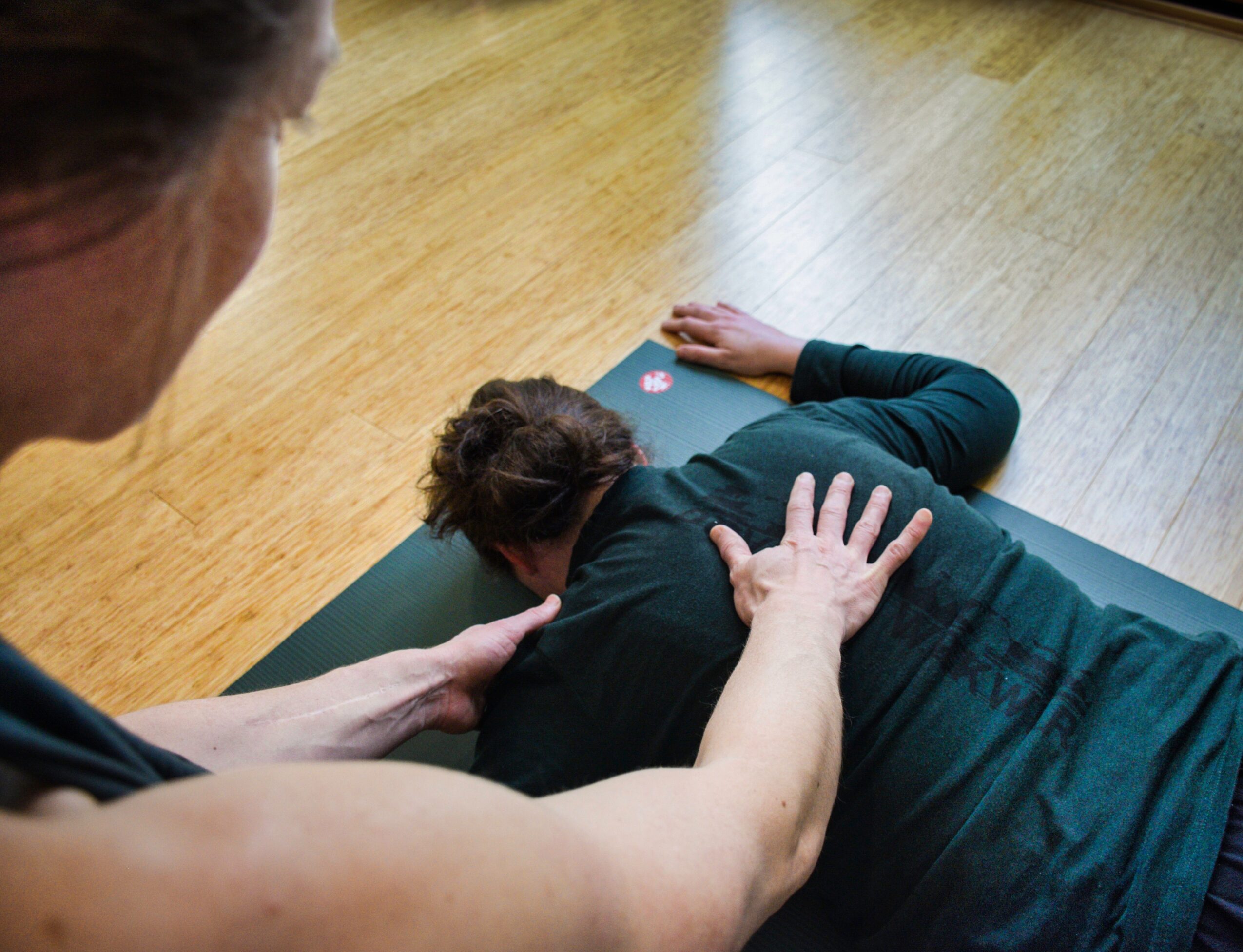
Yoga therapy uses the comprehensive tools of yoga to support recovery from injury and illness and to build overall wellbeing. Movement, breath, and awareness may be part of the process, but we can also explore thought patterns, emotions, nutrition, relationships, life purpose, and the habits that support meaningful change.
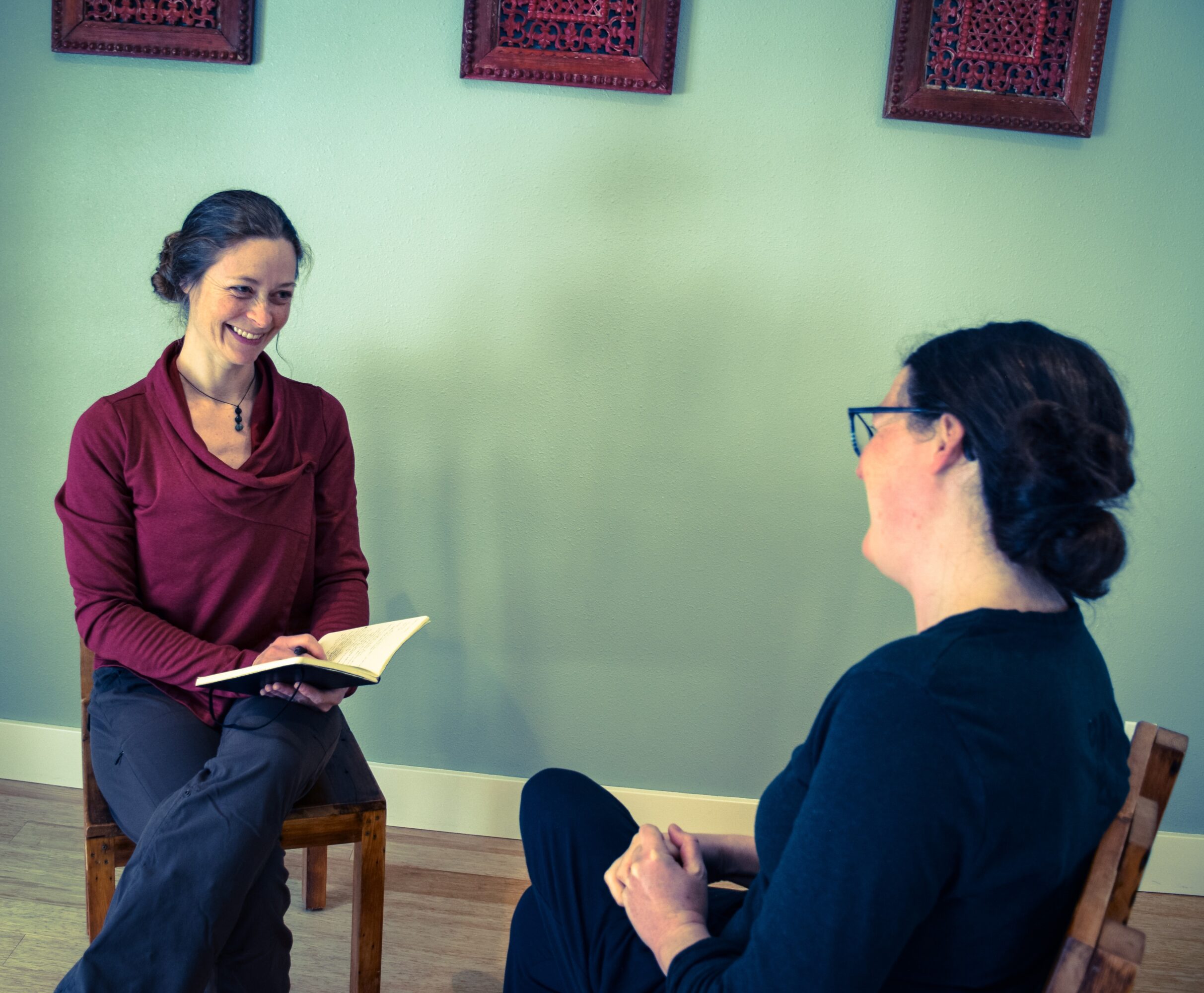
The process begins with a comprehensive 90-minute consultation covering health history, present concerns, patterns, and goals. I consider the relevant disease or injury process and how the person’s physical, physiological, and psychological systems interact. Together, we develop an accessible practice and refine it over time.
I work with people experiencing chronic and autoimmune conditions, sleep and hormonal disruptions, brain injuries, post-surgical rehabilitation, chronic pain, physical injuries, stress, anxiety, trauma and other mental-health concerns. My approach combines traditional knowledge and extensive personal practice with rigorous study of anatomy, physiology, kinesiology, psychology, and behavior change.
The most meaningful part of my work is restoring hope. People often arrive feeling trapped in their pain or patterns. Healing rarely depends on one radical fix; small, purposeful actions practiced consistently can create lasting change. Helping someone rediscover trust in themselves and a sense of possibility is what makes this work so rewarding.
In terms of your work and the industry, what are some of the changes you are expecting to see over the next five to ten years?
I believe yoga therapy will become more widely recognized as a complementary, integrative discipline. There is growing awareness that physical and mental health are inseparable, and that chronic stress, trauma, pain, sleep disruption, and disconnection all influence wellbeing. Yoga therapy offers practical, individualized tools that work across these dimensions.
I also expect greater collaboration among yoga therapists, physicians, physical therapists, mental-health professionals, and other providers. As the field grows, strong training standards, ethical practice, appropriate scope, and evidence-informed care will be essential. My hope is that greater visibility will preserve the depth of the tradition, setting yoga therapy apart from being another wellness trend.
While individualized work will continue to be at the heart of Bend Yoga Therapy, I am planning to expand access through small group-therapeutic yoga and focused series addressing common concerns, including trauma resilience, stress and anxiety support, and women’s health. I also look forward to continuing to grow my workshops and retreats on mental wellbeing, moving and breathing well, and understanding the keys of yoga that enable transformation and change. Bend is where my family and I chose to put down roots 13 years ago. We are raising our adventurous 10-year-old son here, and my husband is a nurse, so health and service are woven into our family life. I love to travel and learn, but bringing that knowledge home to support this community gives my work its meaning.
Contact Info:
- Website: www.bendyogatherapy.health; www.mountainlightashtanga.com
- Instagram: www.instagram.com/bend_yoga_therapy; www.instagram.com/mountainlightashtanga