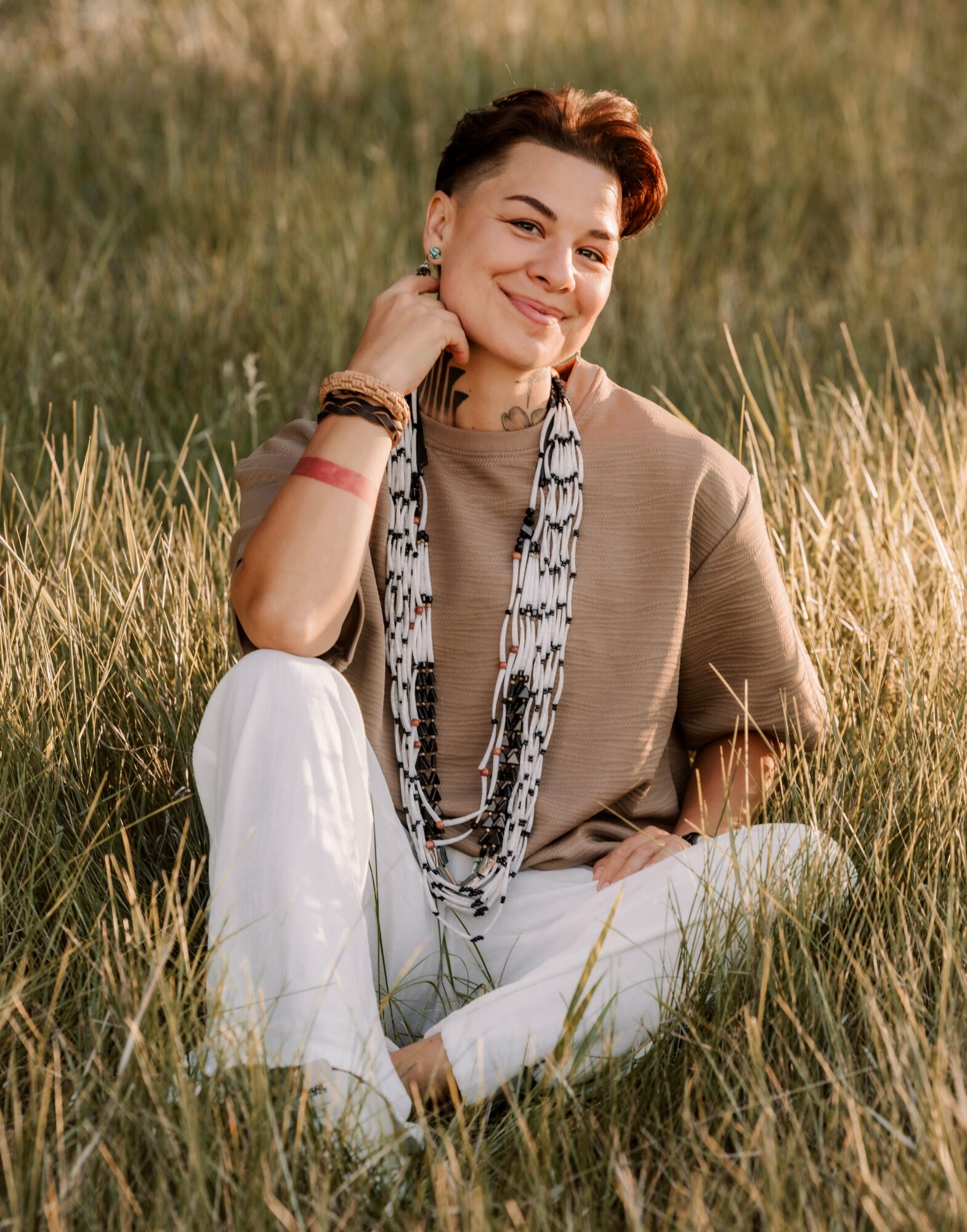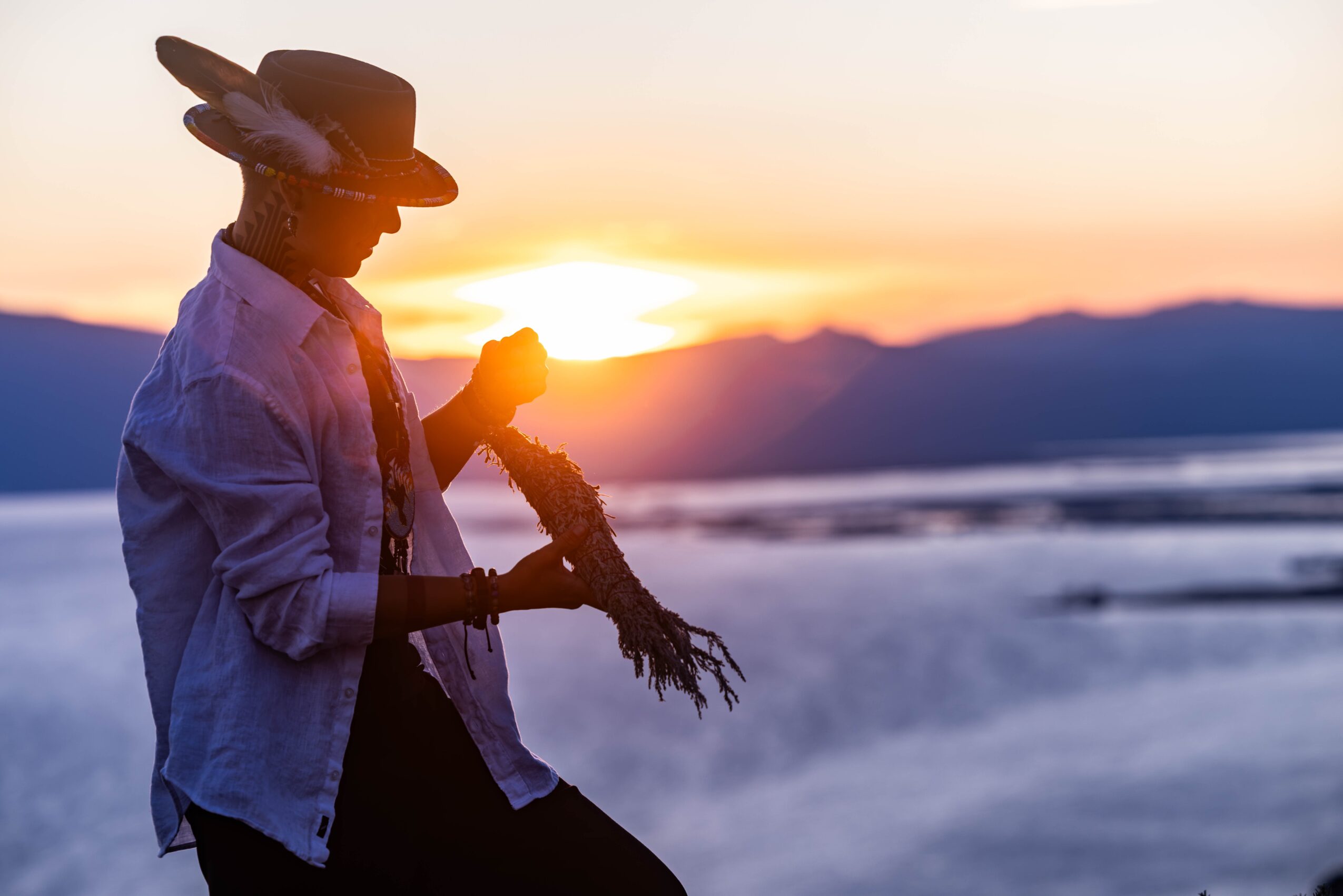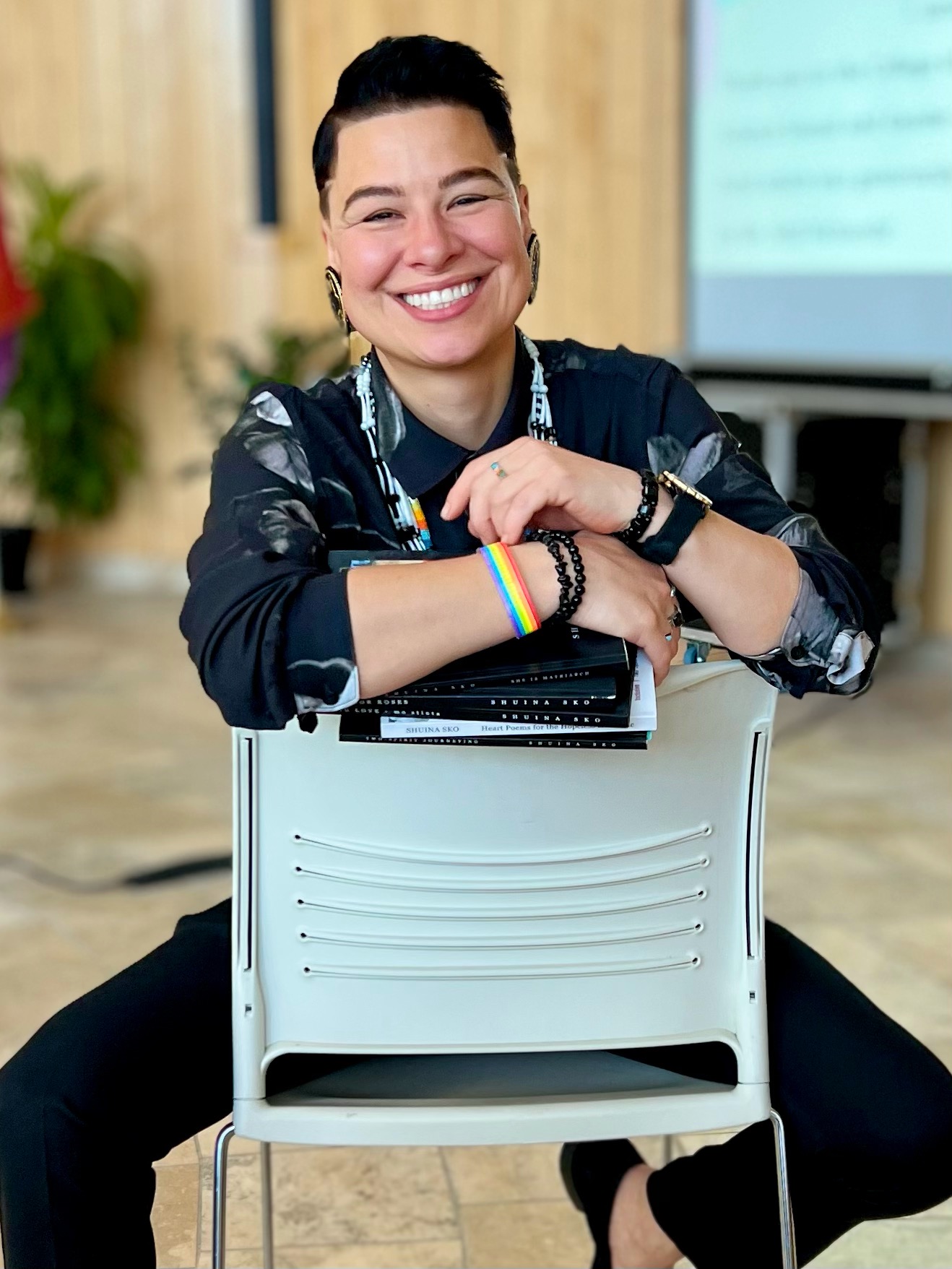



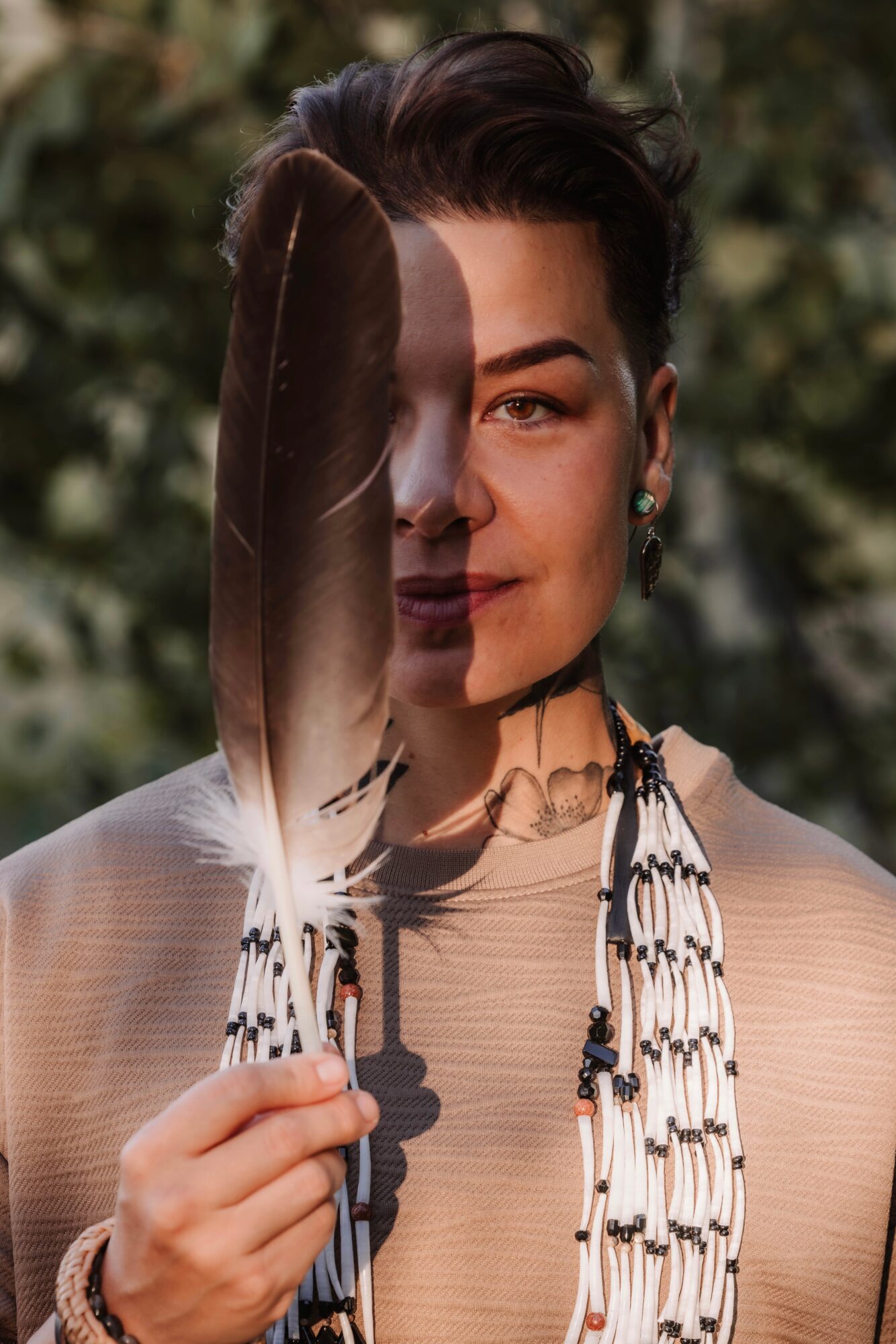
Today we’d like to introduce you to Shuína Skó.
Hi Shuína, please kick things off for us with an introduction to yourself and your story.
My story as a Two-Spirit spoken word poet, Indigenous rights activist, and cultural educator really began in third grade when I wrote my first poem. As a citizen of the Klamath (ewksiknii) Nation, storytelling itself is deeply rooted in my culture and has been part of my life since I can remember. My mother would write songs and sing them to me as a small child. Relatives would tell stories around a fire during camping outings and other members of my community would share stories at ceremony. Stories are not simply entertainment; they are how we keep values, connection, and identity alive.
For a long time, I kept my ewksiknii culture, Two-Spirit identity, and poetry private. This all changed after the last fluent elder, whose first language was ewksiknii, passed away. Before her passing, my mother and I would visit and listen to her stories. This elder told me that she learned our language from her mother, who was forced into an Indian Boarding School as a child and would hide by a tree each day to speak our language to herself so she would not forget our traditional ways.
When our fluent elders were no longer present to share story, song, and ceremony, it became devastatingly clear that if I kept what I had been taught to myself, my cultural knowings would go to sleep when I left this physical existence too. I realized that my voice belonged to the collective and had the power to impact future generations. So, I began to share. I began to teach. And, I began allowing myself to be seen in a way I had never been seen before.
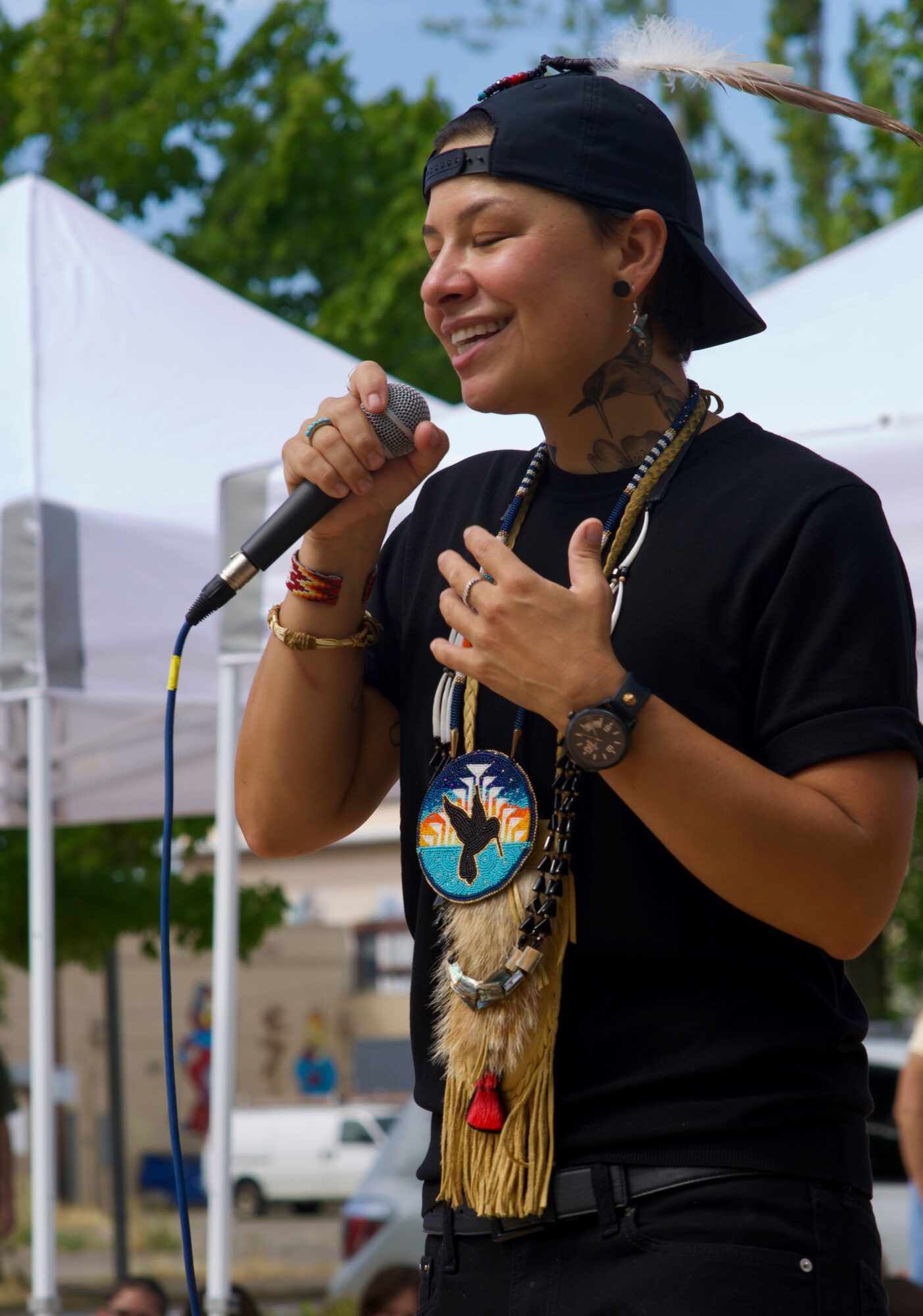
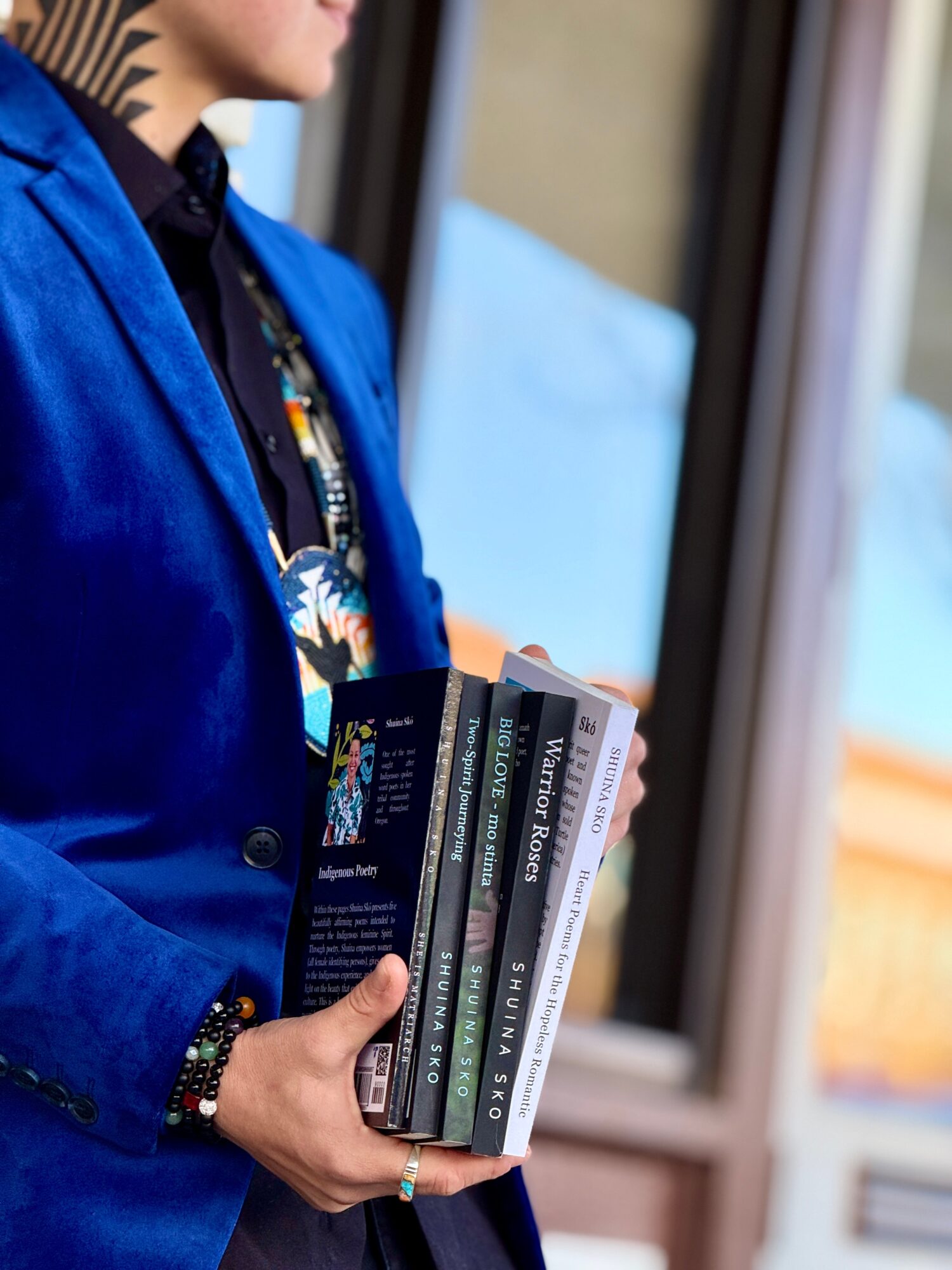
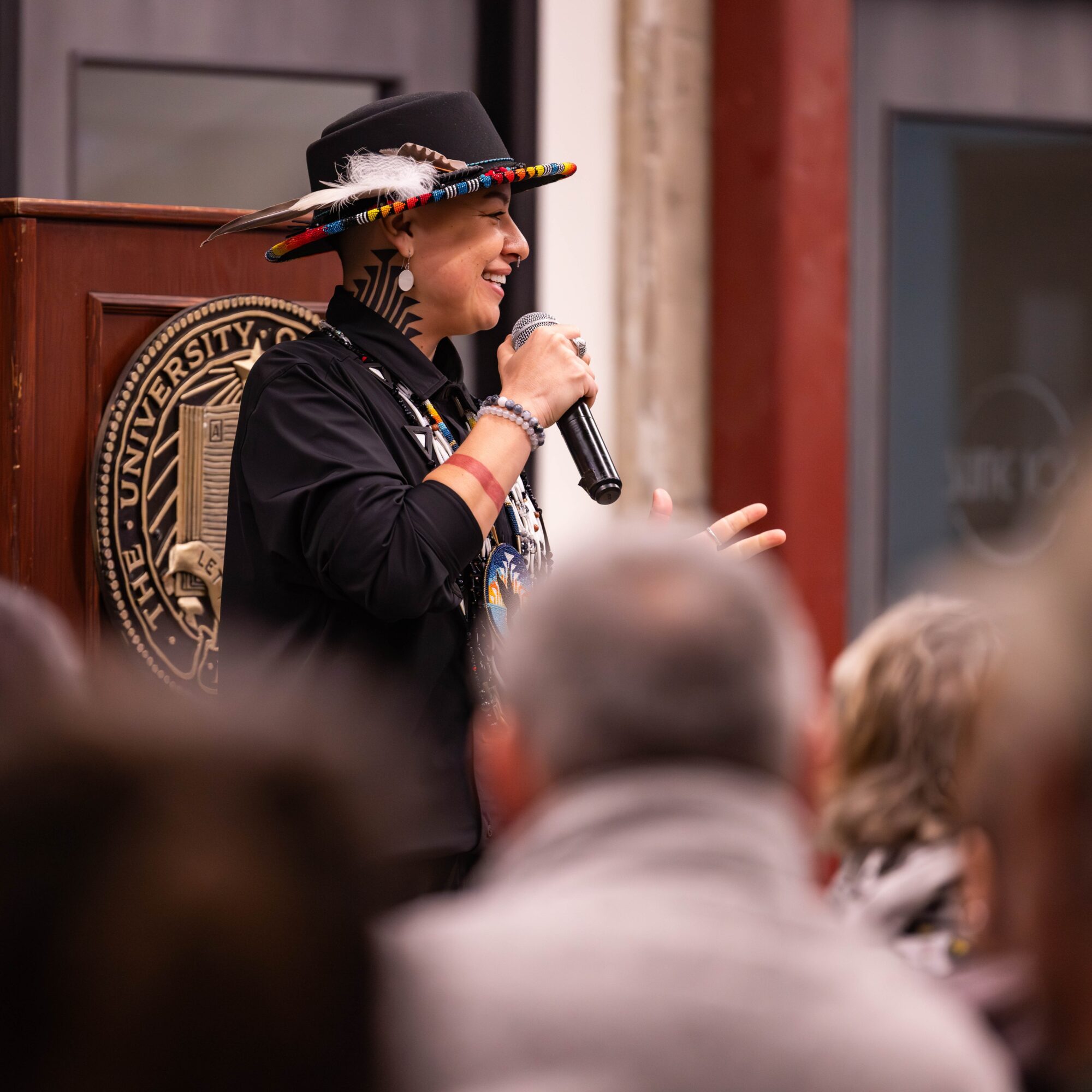
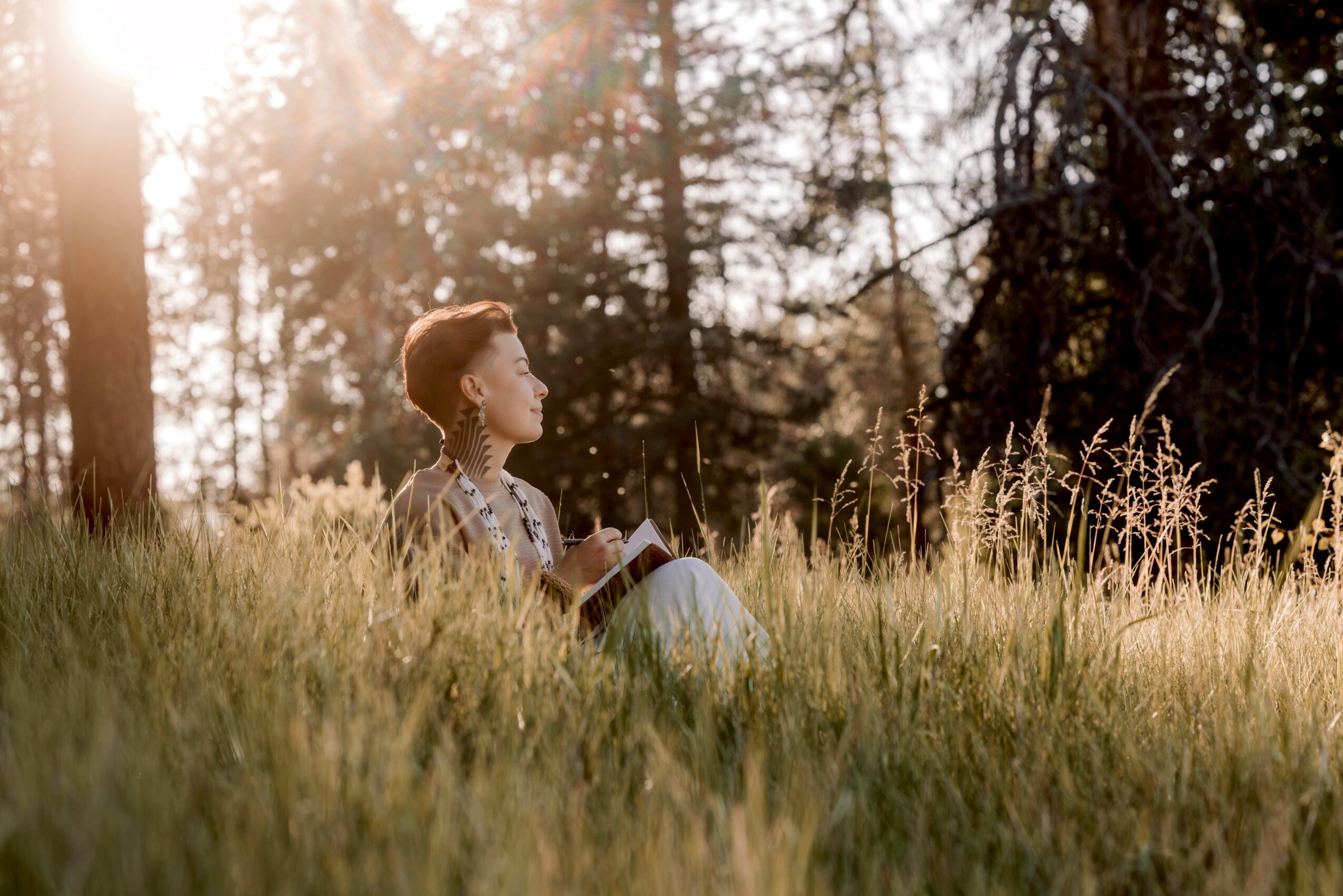
Private ink on paper soon blossomed into several published writings, spoken word poetry performances, keynote addresses, and community workshops around Turtle Island (North America). Poetry has become my medicine, a sanctuary where art and Spirit meet. Today, I bridge art, advocacy, and cultural revitalization to help empower marginalized communities and ground our youth in their own power.
Can you talk to us a bit about the challenges and lessons you’ve learned along the way. Looking back would you say it’s been easy or smooth in retrospect?
I have moved through various struggles, each offering an opportunity to recognize my inherent strength, become adaptable, and grow into a more compassionate and purpose-driven person. Stepping into the public eye as an openly queer Indigenous artist requires immense vulnerability. Stepping into a teaching role as someone who moved around often, attended public school on and off the rez, and who almost flunked their first college writing class is a whole other level of vulnerability.
Although I have a Bachelor of Science in Applied Psychology, over a decade of professional experience in the mental health field, and have sold my books from America to places like Europe and Australia, I am still the Native kid raised in a small rural town in Southern Oregon. My childhood memories are of summers spent camping on my homelands along the Williamson River, fishing, making arrowheads, chopping wood, and building and participating in sweat lodge ceremonies instead of vacationing to other cities, states, and countries.
Being Indigenous, I wasn’t like the majority of other kids growing up, or students in my college classes, or my peers in the workplace. I was different. Despite this, I carried a secure knowing that, just like those I differed from, I held a powerful story that could make waves of impact. I reminded myself of this truth each time I felt self-doubt, and doing so helped me get through those challenging moments.
Some of the barriers I overcame include: completing my undergraduate degree; seeking out opportunities to develop my public speaking skills by volunteering to facilitate trainings during my military service and by speaking on behalf of the programs I worked for during conferences; learning the art of spoken word poetry; cultivating the confidence to write about very vulnerable experiences and then to share my writings on a stage; teaching myself the basics of book formation, editing, and the publishing process; and so many more.
As you know, we’re big fans of you and your work. For our readers who might not be as familiar what can you tell them about what you do?
I am a Two-Spirit Indigenous spoken word poet, author, and cultural educator. I specialize in storytelling that bridges emotional depth, Native heritage, and social change. I’m known for my raw, vulnerable, and inspiring poetry performances that embody themes of connectedness, holistic wellness, resilience, impacts of colonization, Indigenous futurism, and Indigiqueer identity.
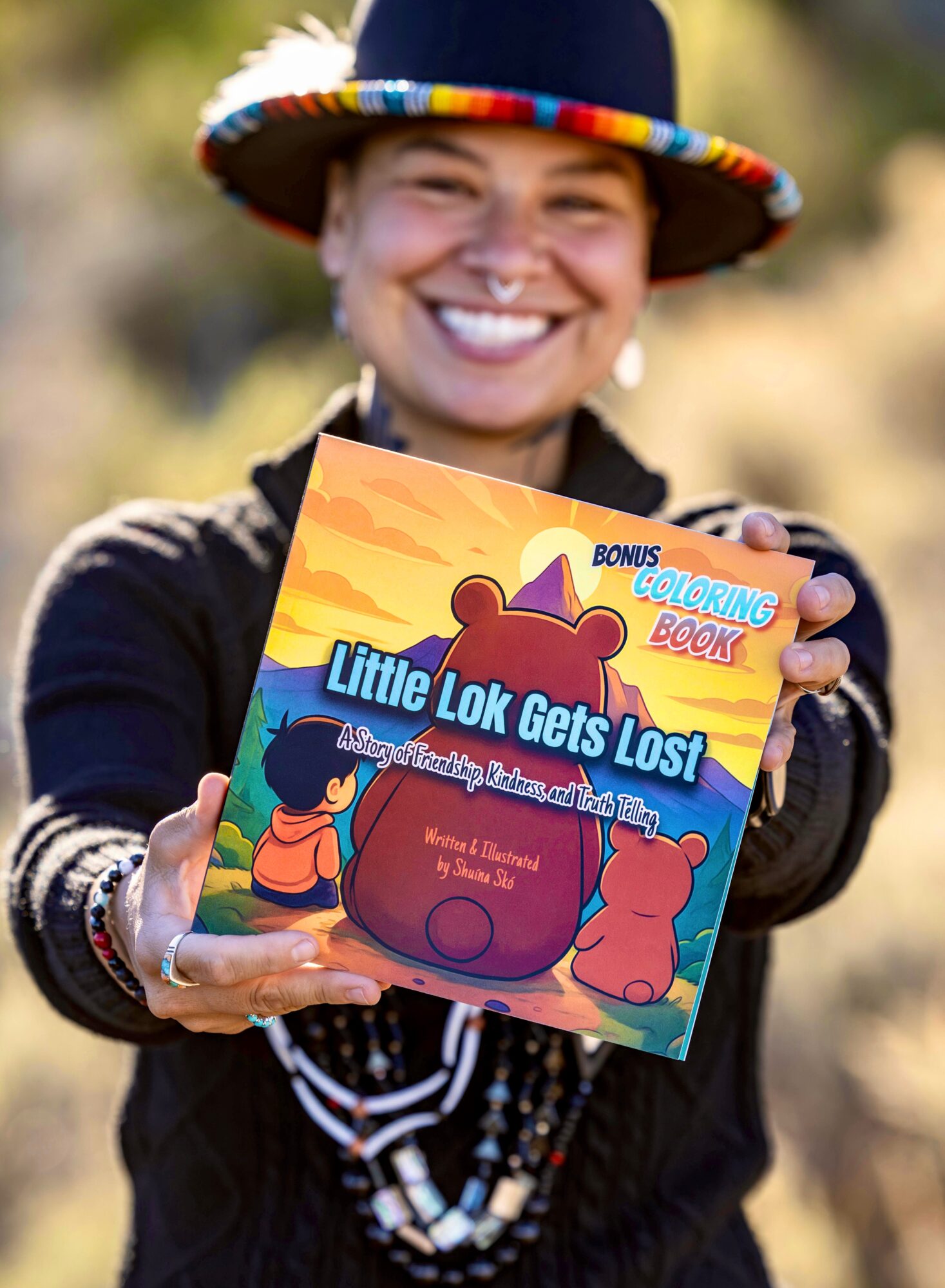
What sets my work apart is the intentional blending of art (in the form of poetry) as medicine with practical community work, whether that’s creating children’s books that honor traditional ewksiknii stories, developing culturally rooted training curricula for professionals, or leading workshops on cultural revitalization. I use art as a bridge to connection because I truly believe that connection is foundational to real and sustainable transformation.
I am most proud of creating spaces where people feel seen. When a participant at a workshop or an audience member tells me that a poem empowered them to step into their own truth or when Native youth see themselves reflected in my literature, that is the ultimate measure of success for me.
What matters most to you?
What matters most to me is authentic connection (to self, Spirit, nature, and community). Being a light for others and ensuring future generations know the power of their roots is deeply important to me and is seen in how I direct my energy and show up in community. What I know to be true is that my light shines the brightest through creating art. Poetry and storytelling are the art forms I use, as they encourage me to be rawly authentic and are a beautiful way of inviting greater connection into our lives.
I care about building a future where our stories outlive our struggles, where next generations inherit power rather than pain, and where art serves as an instrument for genuine freedom. What matters is leaving the path wider and brighter than I found it, ensuring that every person who encounters my work remembers that they, too, are a vital piece woven into the basket of creation.
Contact Info:
- Website: https://www.shuinasko.com/
- Instagram: https://www.instagram.com/shuina_sko/
- Facebook: https://www.facebook.com/shuinasko/
- LinkedIn: https://www.linkedin.com/in/shuina-sko-986b5228a/
- Youtube: https://www.youtube.com/@shuinasko
- Other: https://www.tiktok.com/@shuinasko?lang=en