


Today we’d like to introduce you to Carnation Contemporary.
Hi Carnation Contemporary, can you start by introducing yourself? We’d love to learn more about how you got to where you are today?
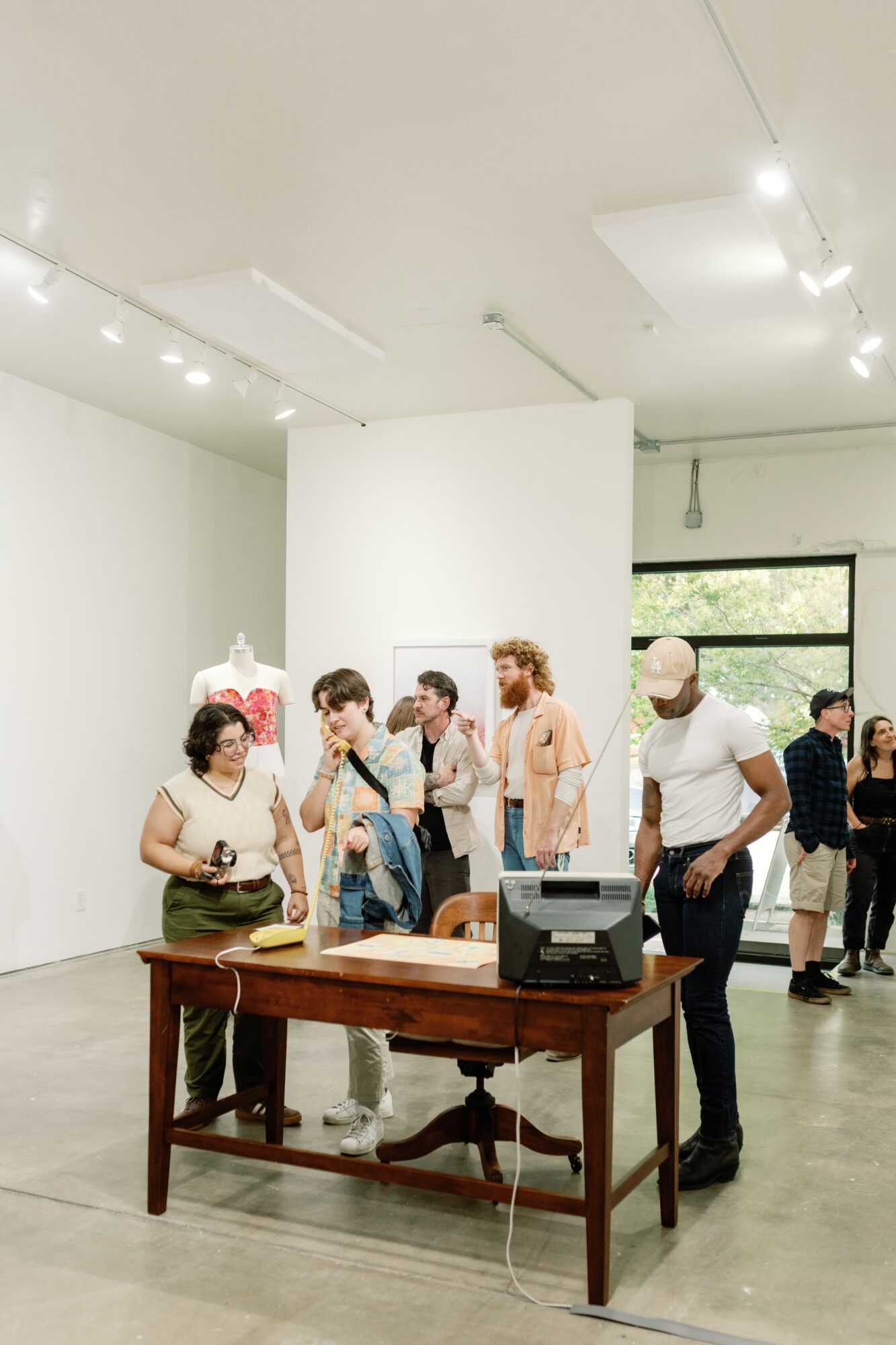
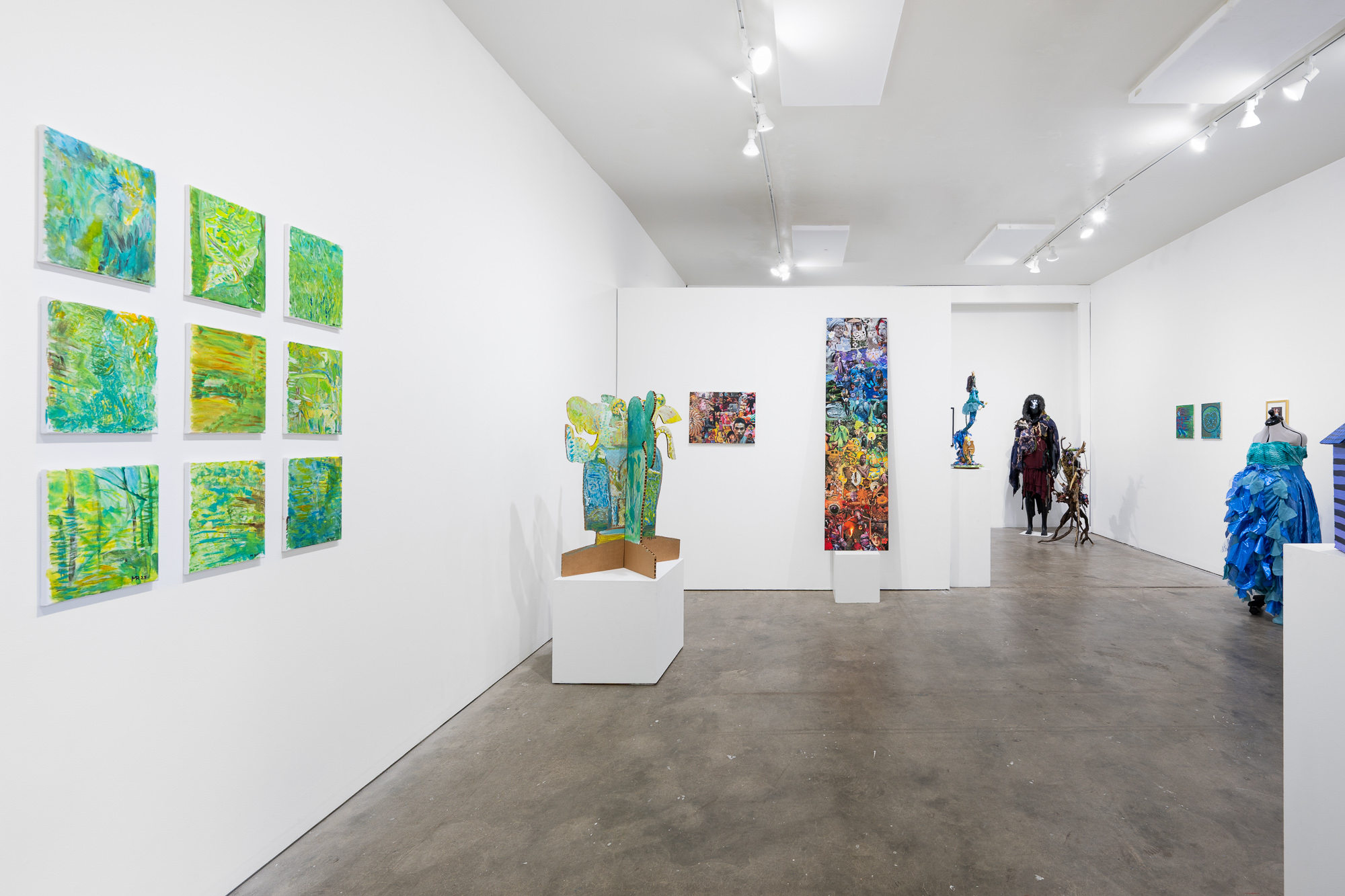
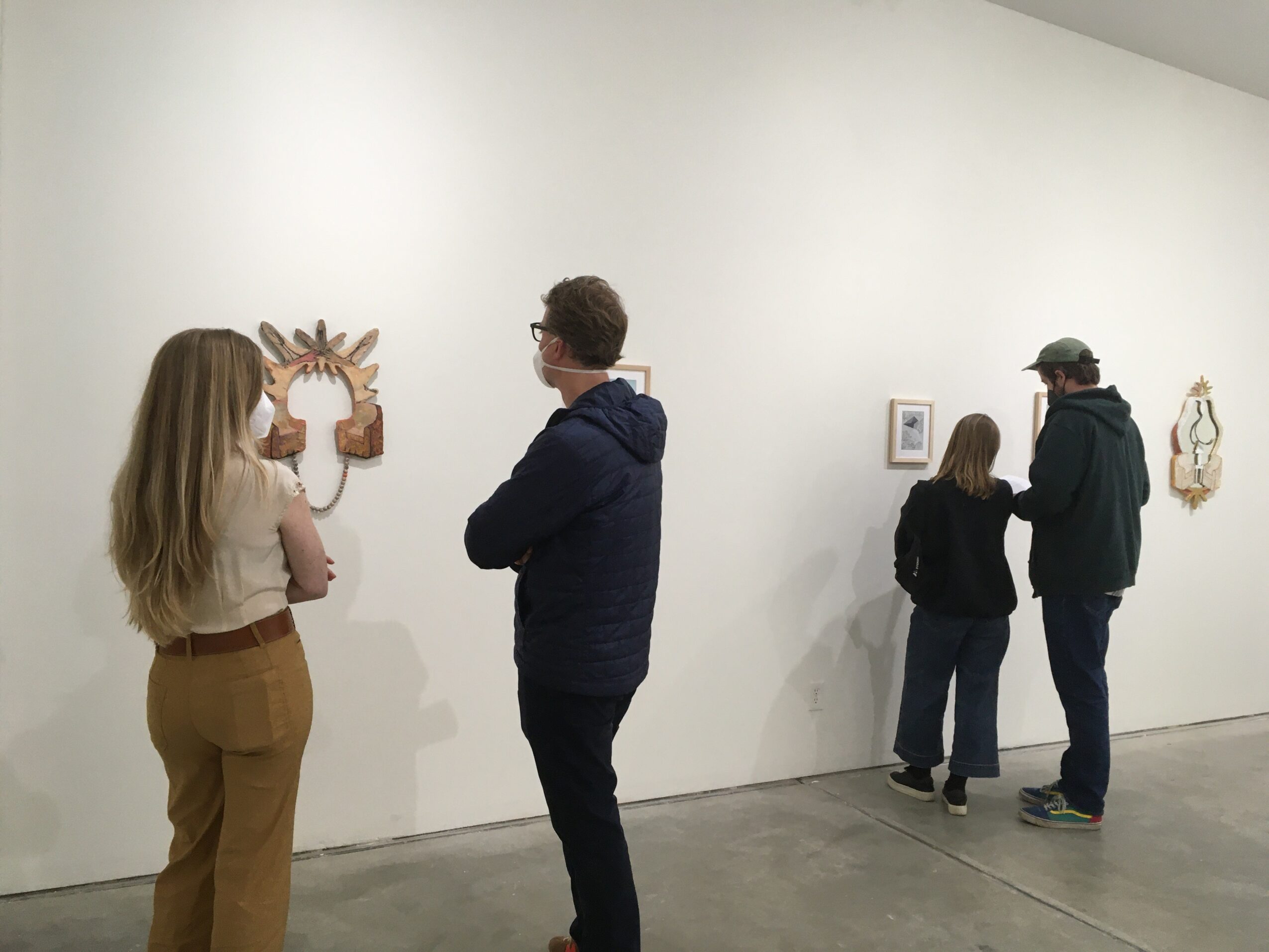
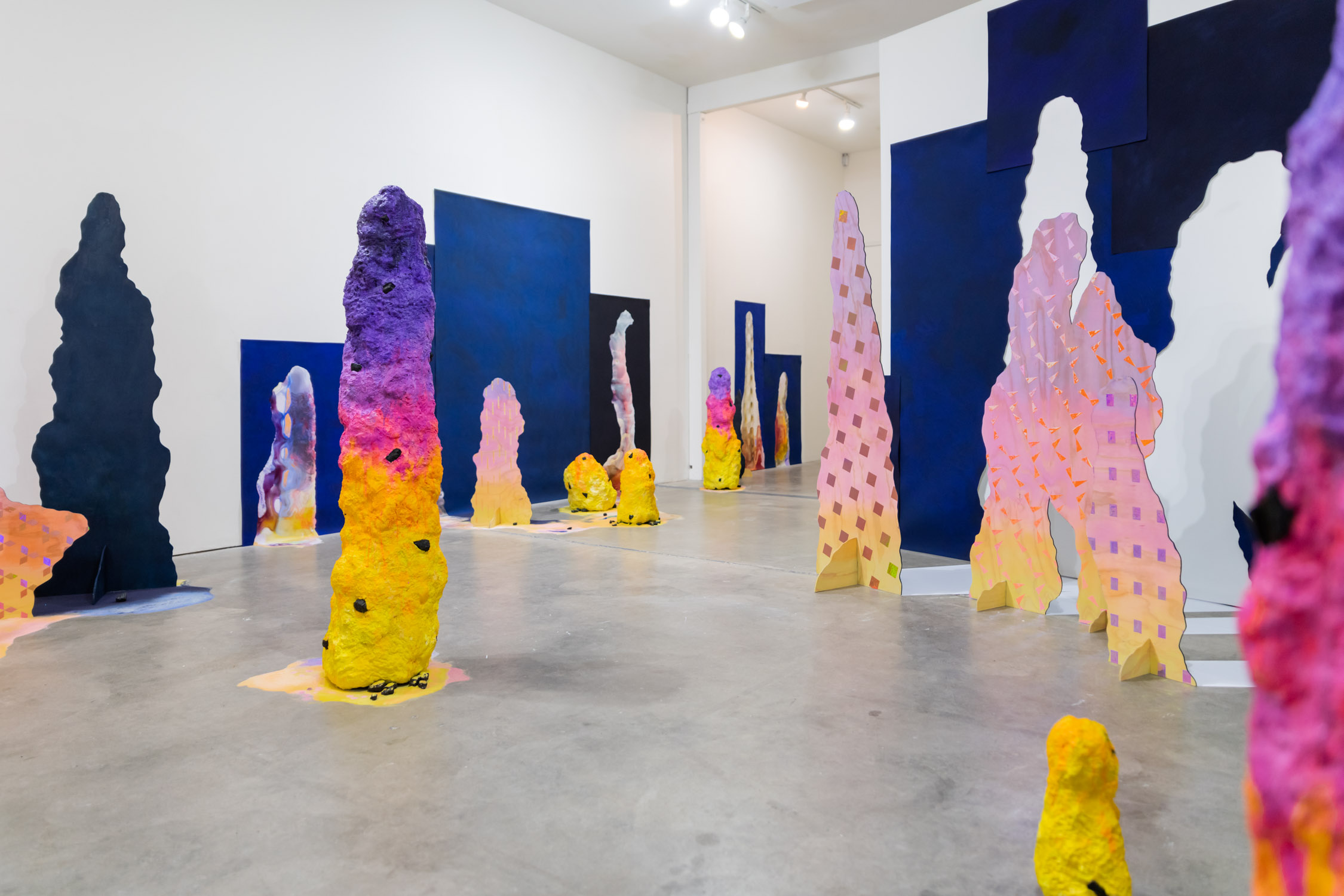
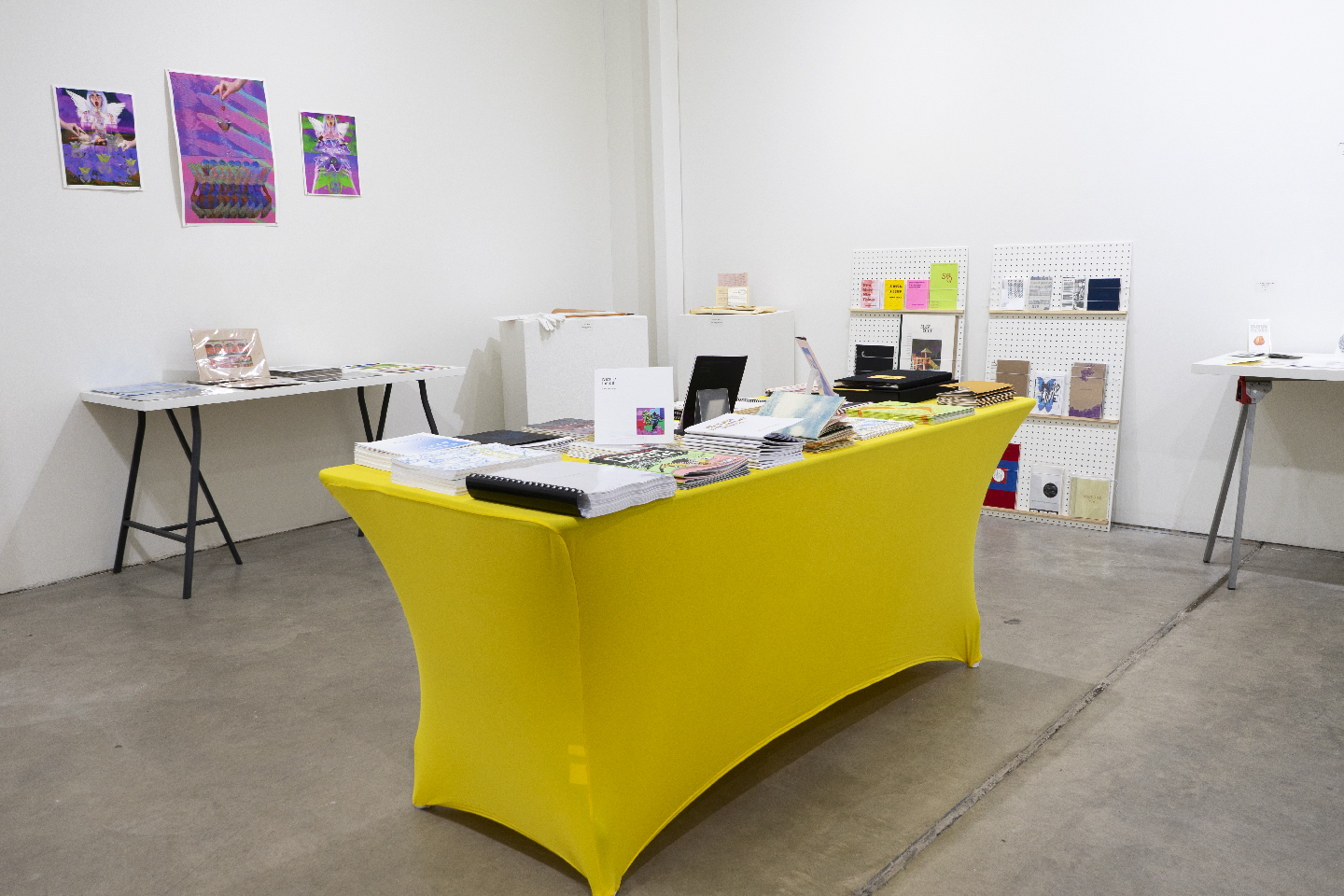
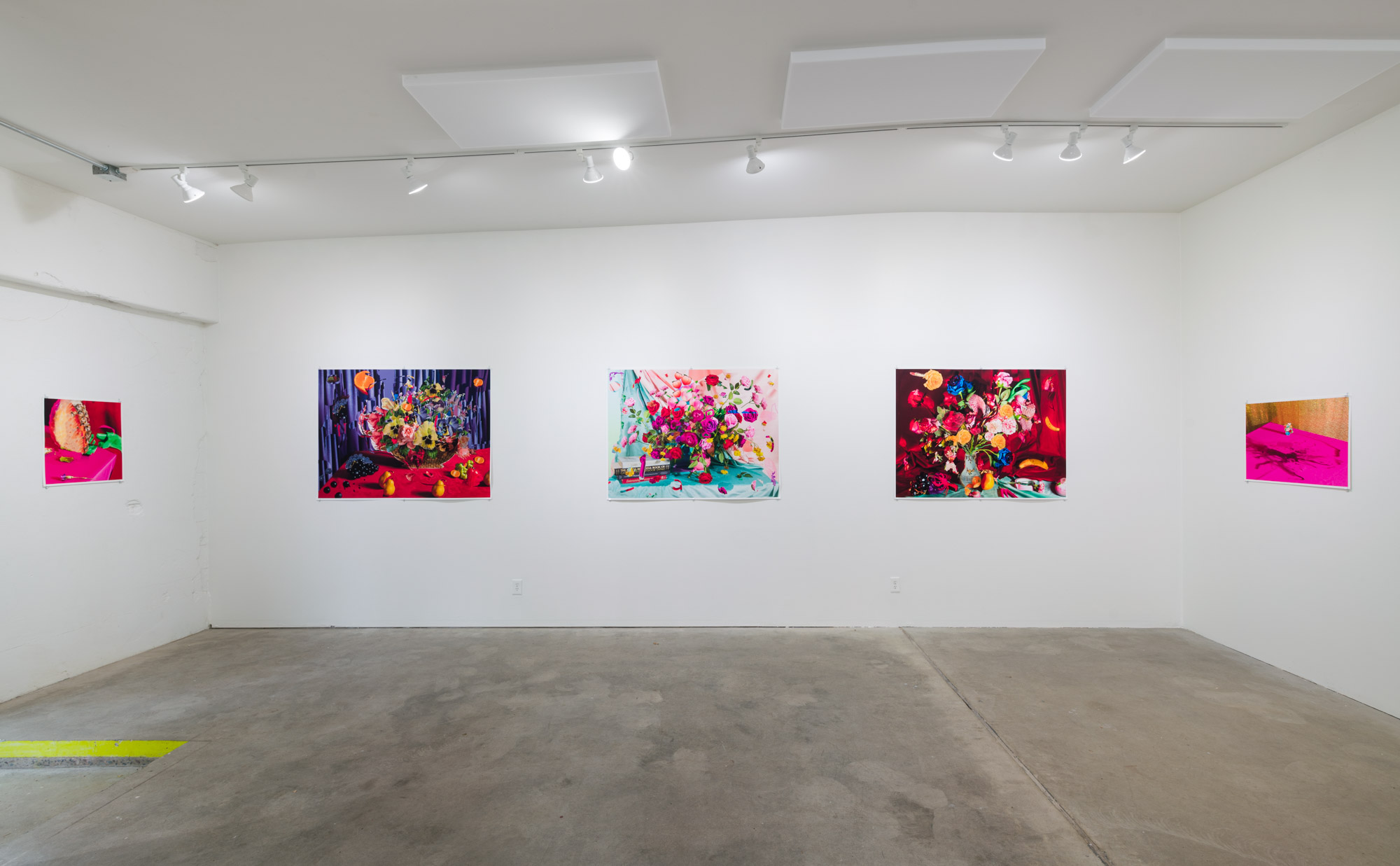
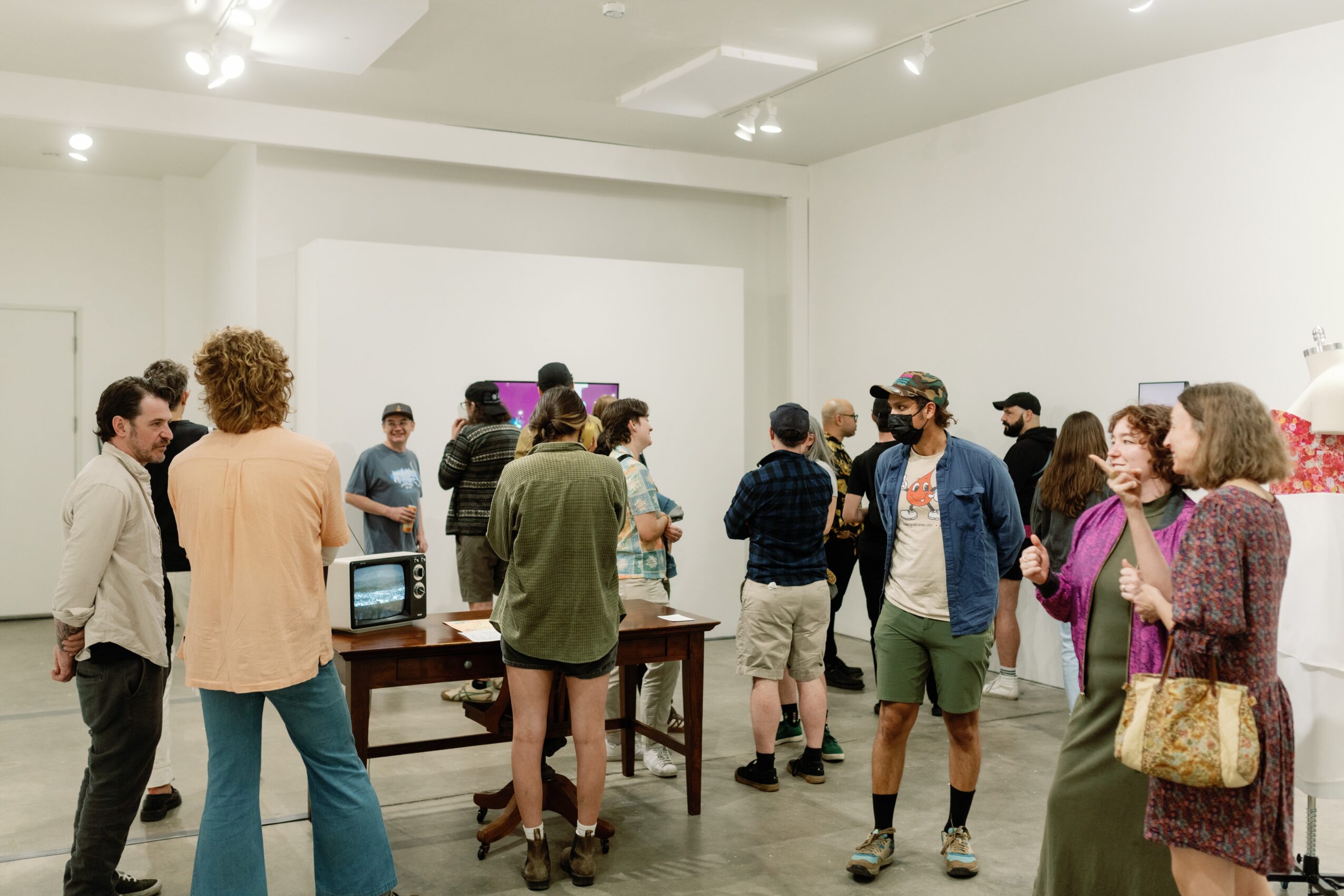
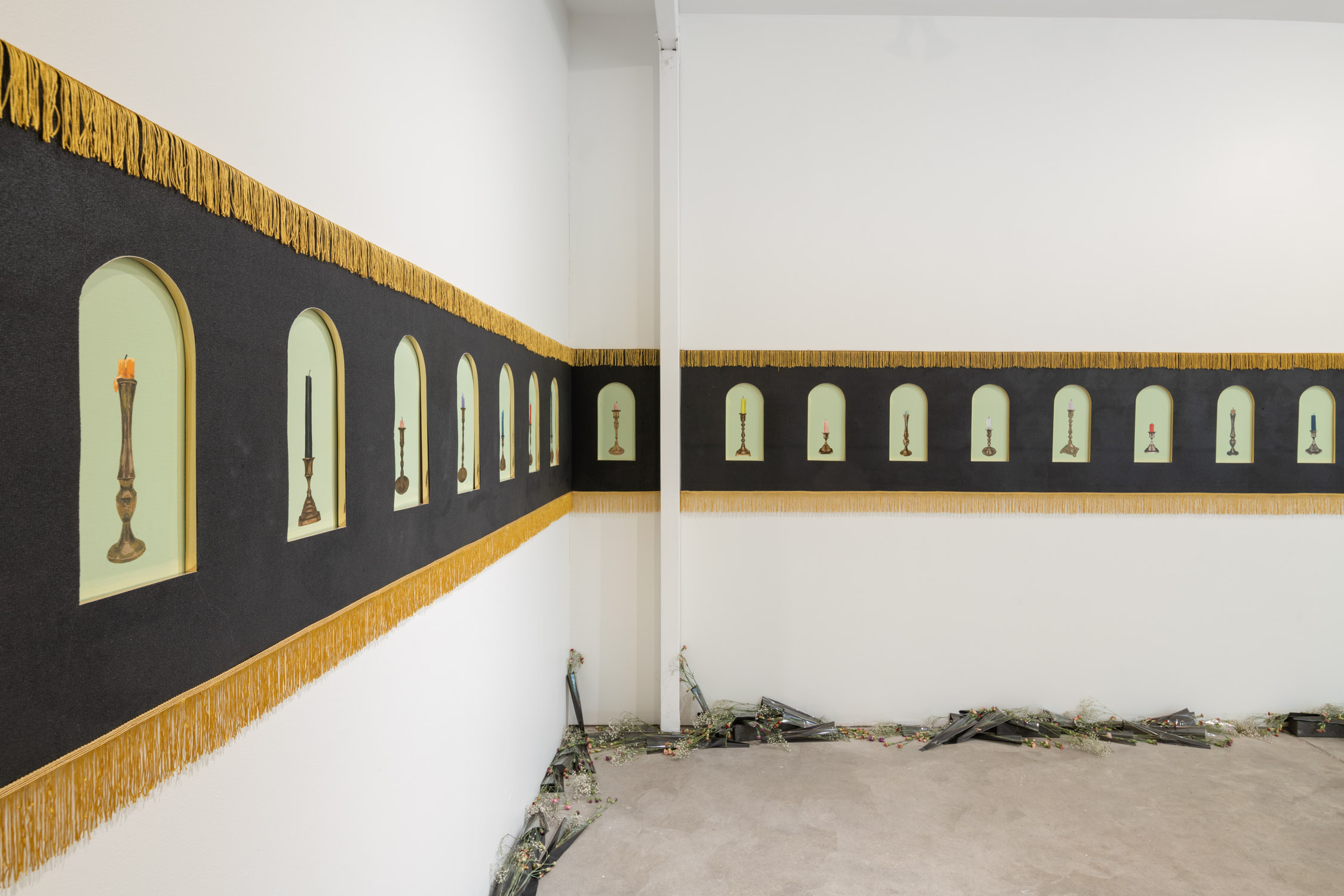
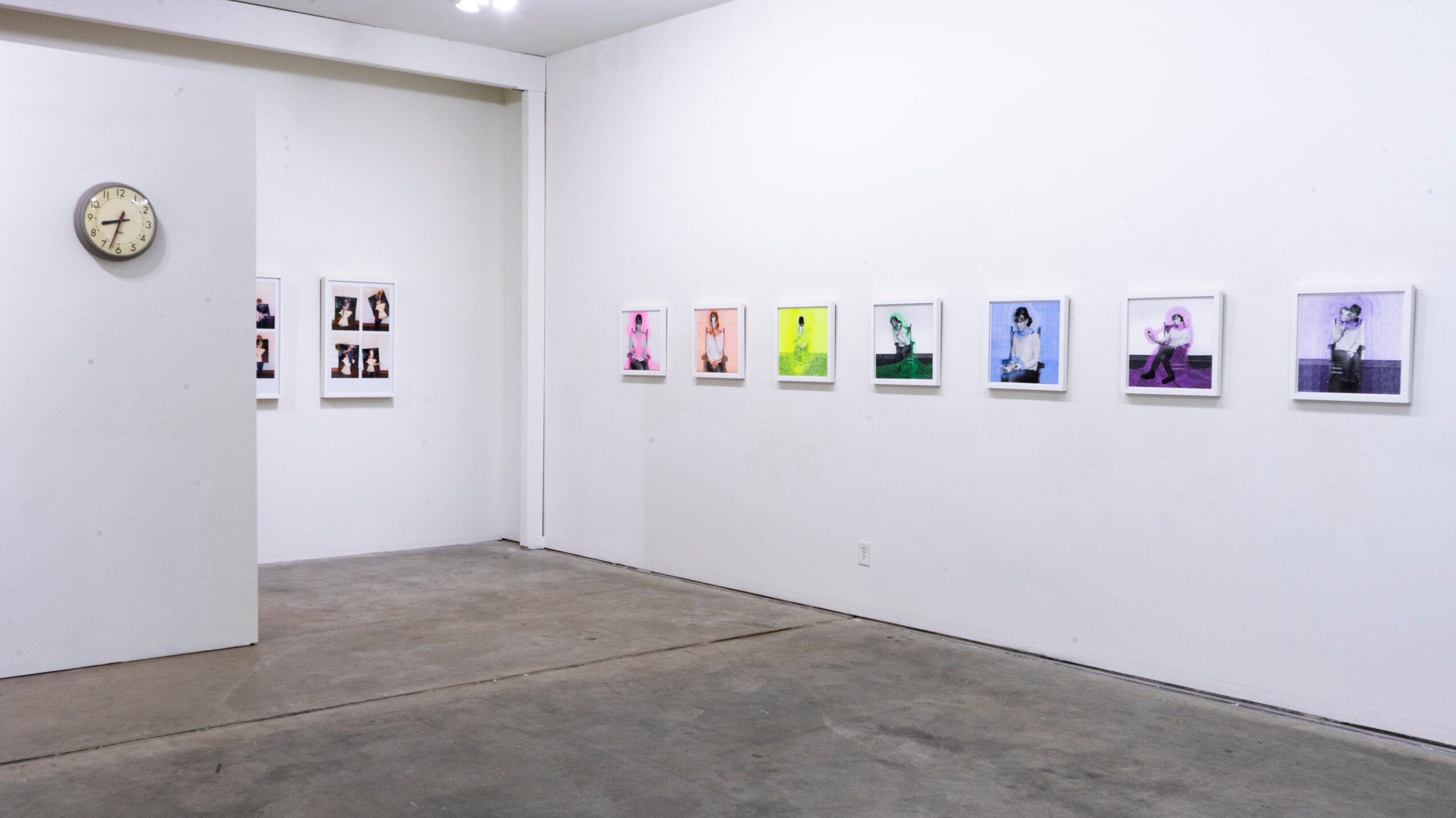
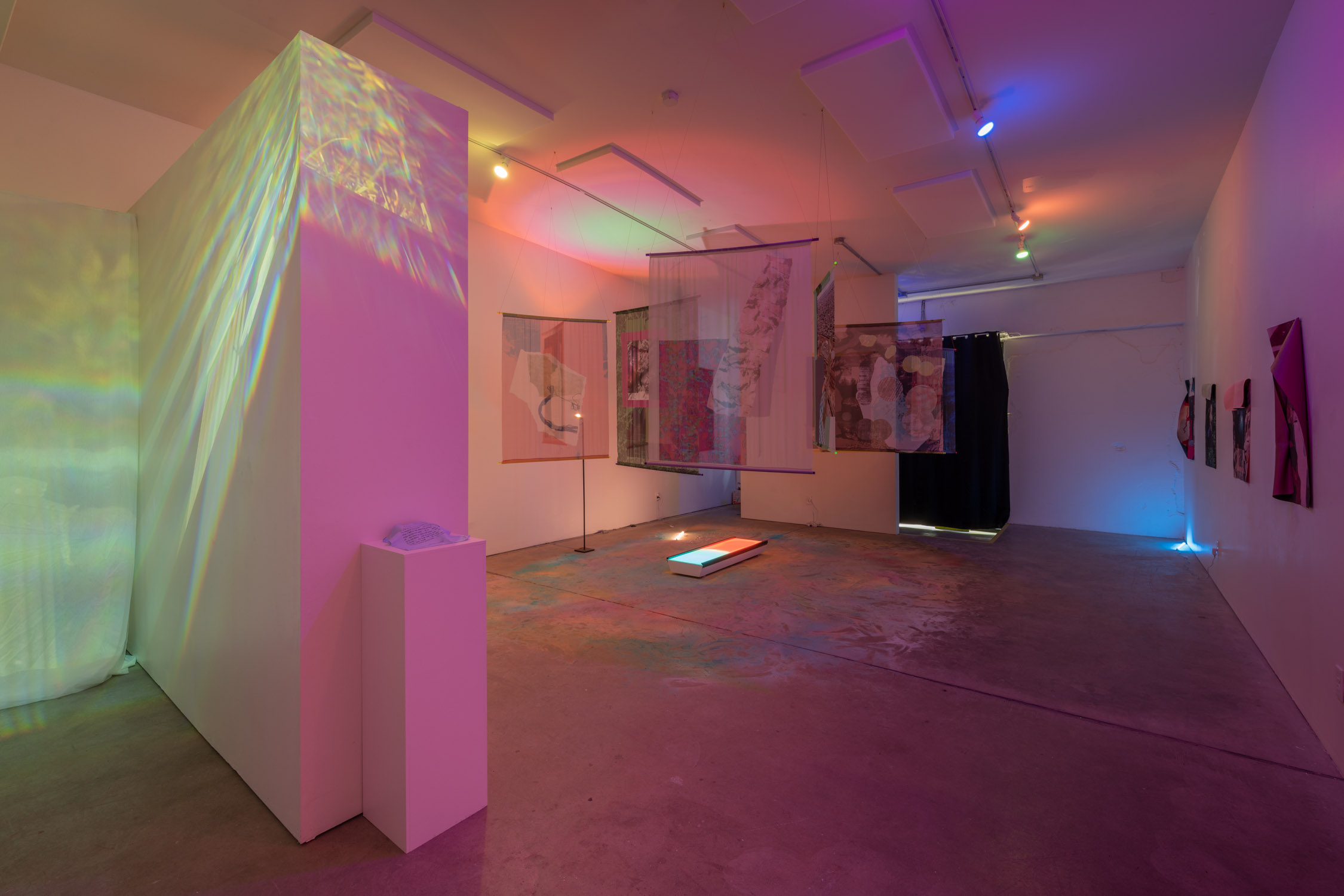
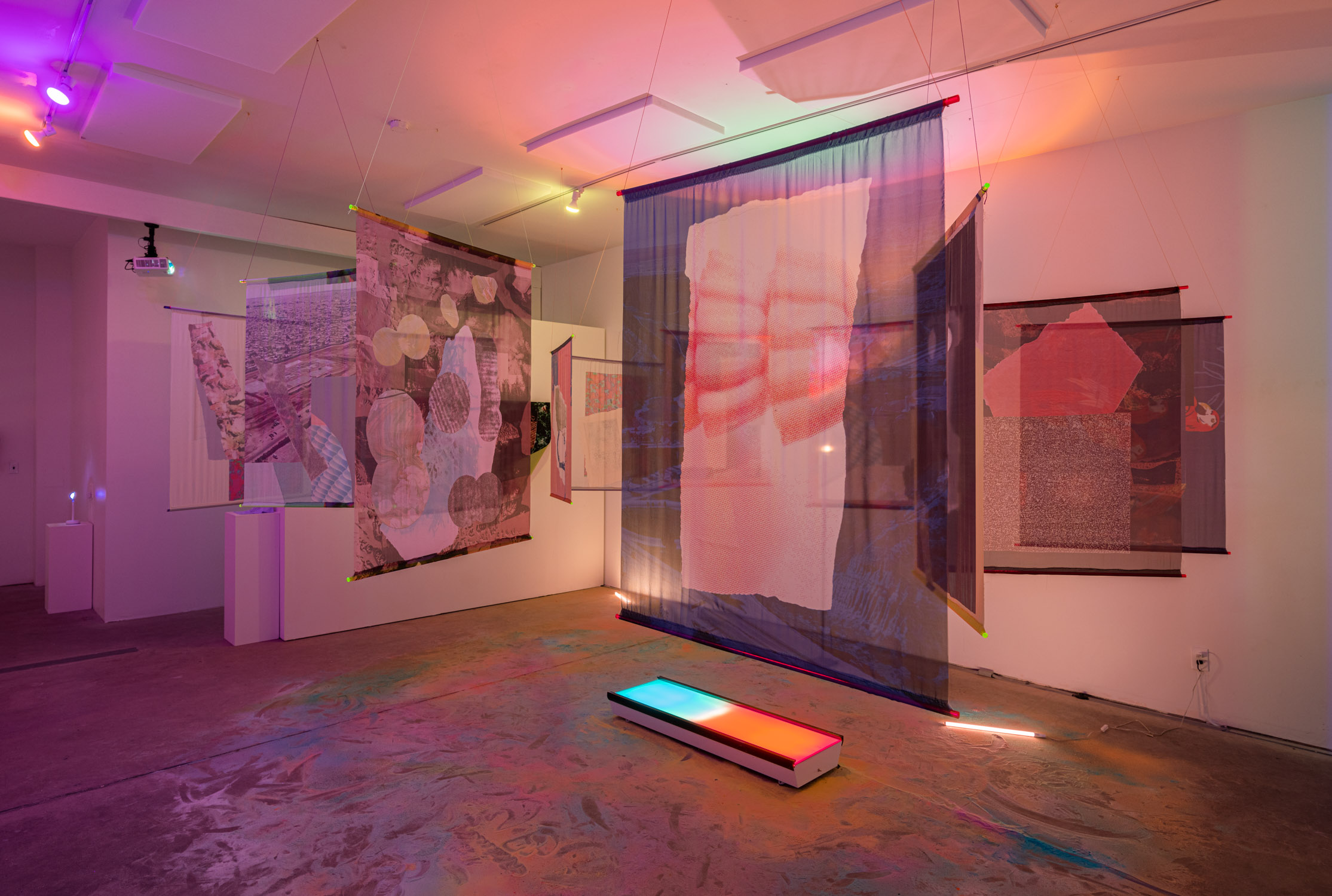
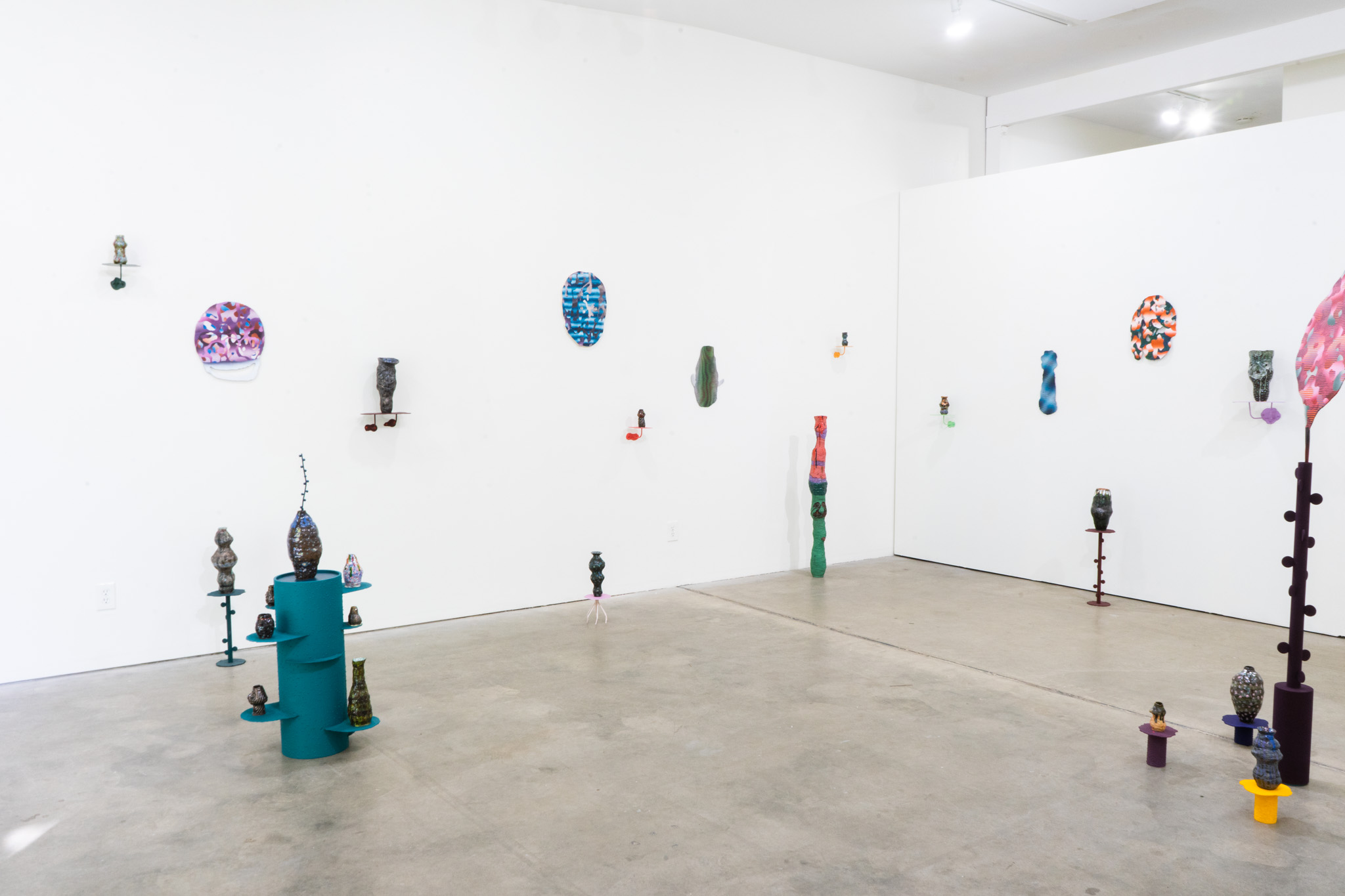
Carnation was founded in 2018 by a group of 6 artists living in Portland, but they quickly expanded the membership and we’ve been around 18-20 members ever since. I am a recent member of Carnation who joined in July 2026 . We’ve stuck mostly to the original vision — that each member artist has a month to do whatever they want with the space, and we trust one another to do something great.
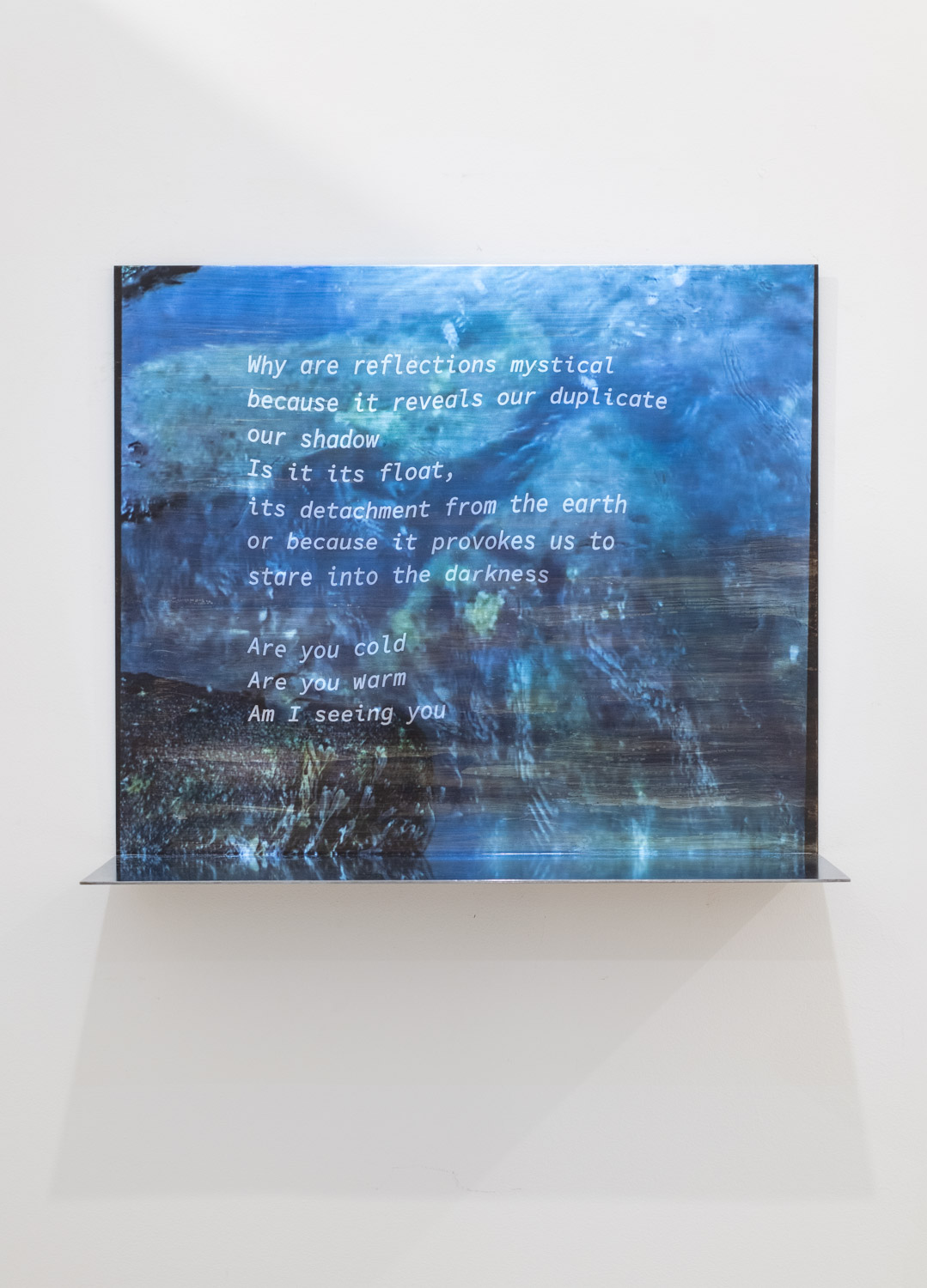
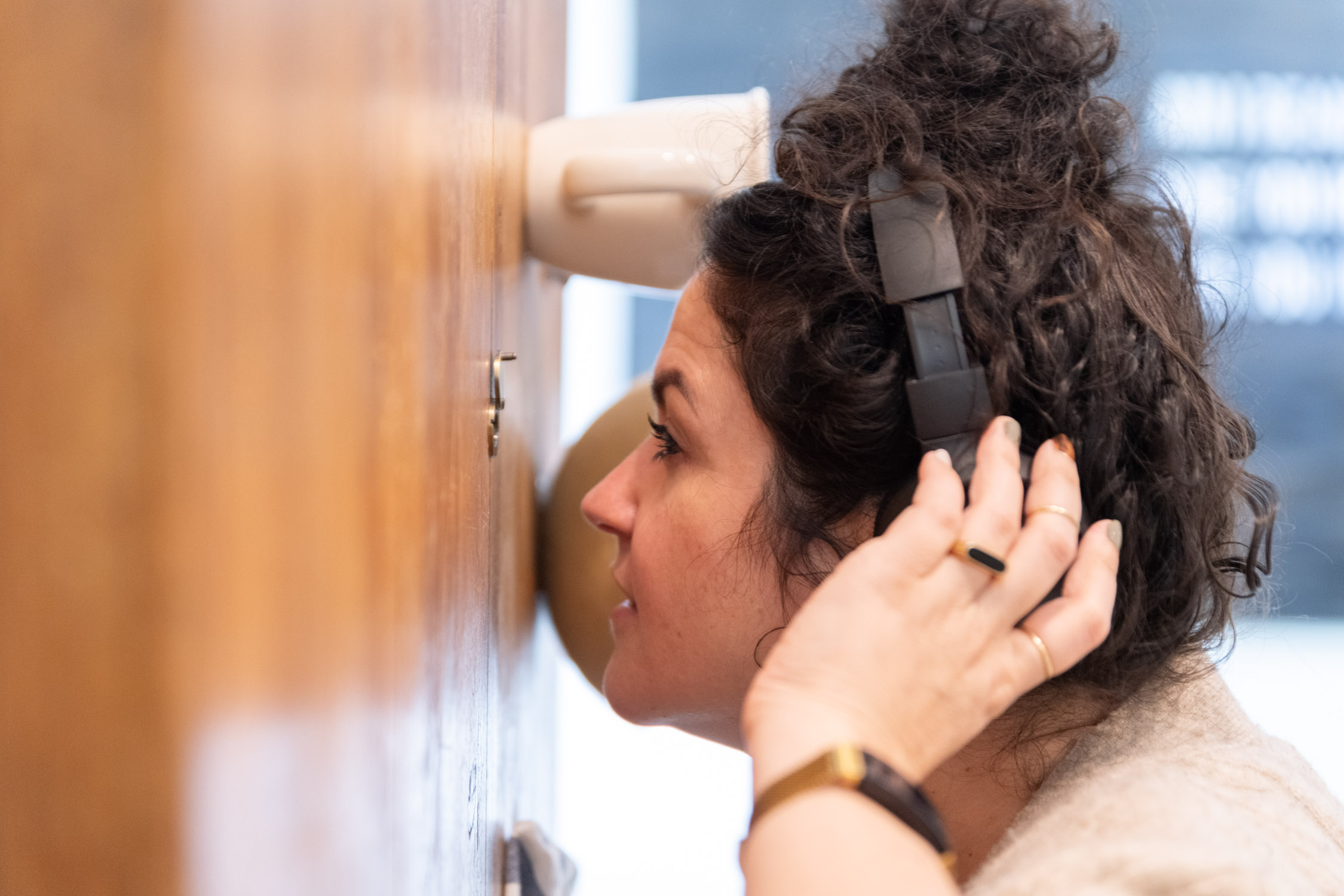
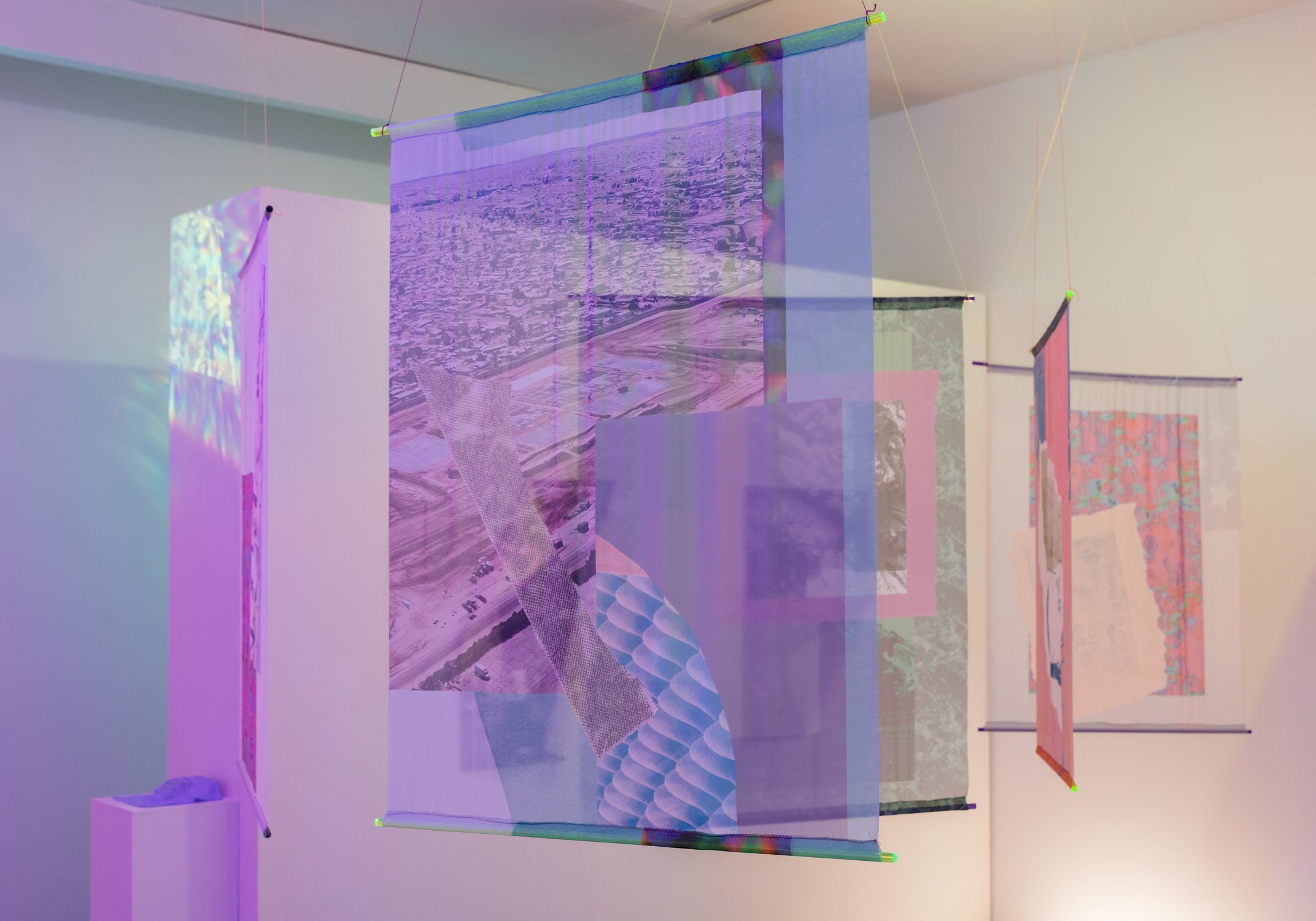
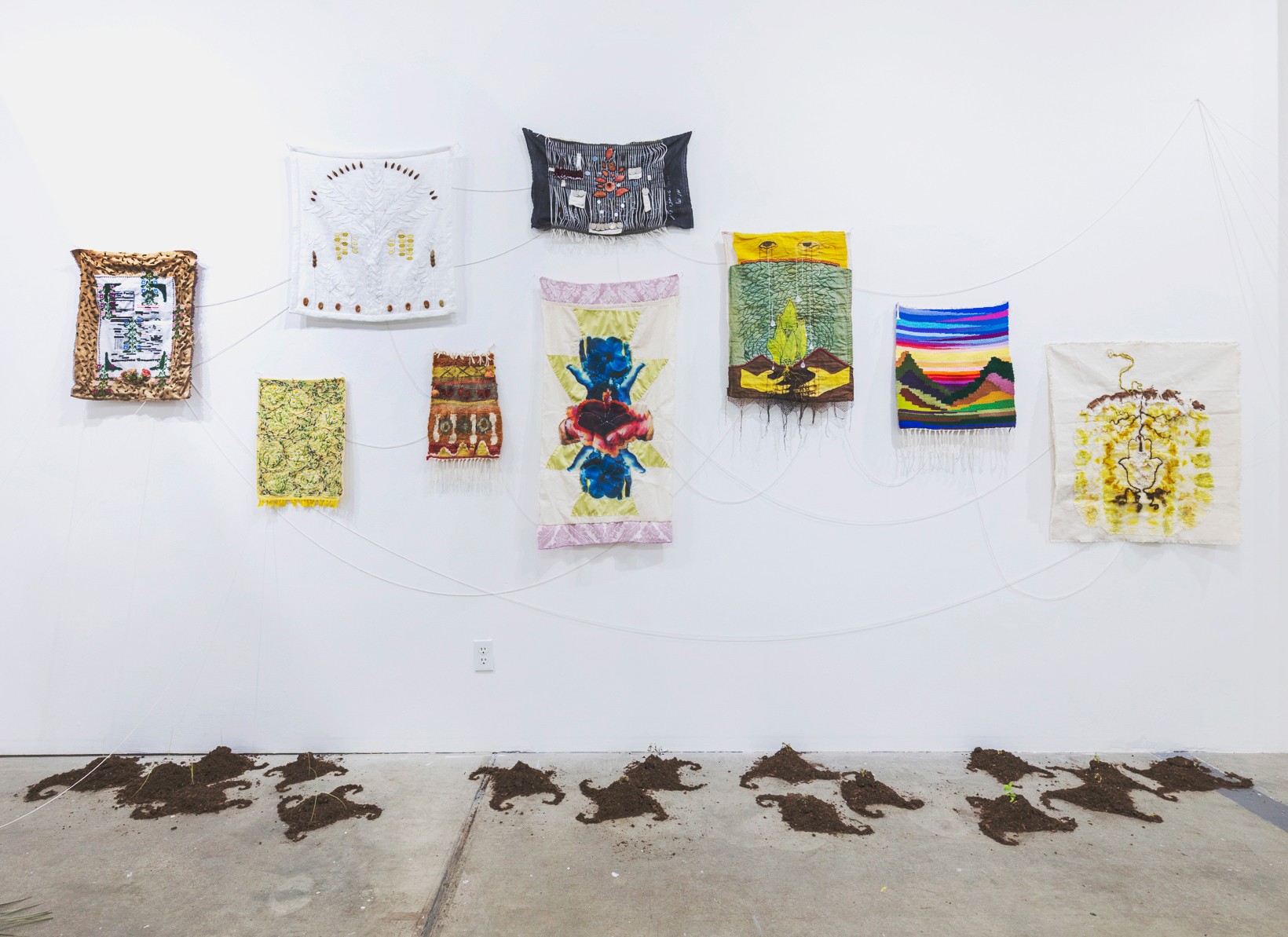
Some artists do a solo show, while others take the opportunity to curate something or invite others to share in the space. This August, I invited Sarah Farahat and Alexandria Saleem to exhibit their curated exhibition, Sewing Seeds, which centered around 9 SWANA (Southwest Asia and North African) artists residing in Portland, each using textiles to discuss their homelands and the diaspora through indigenous seeds and plants within their respective countries of origins.
We did one cycle that was all 2-person shows to generate a different kind of relationship between members. From that experience, we moved to a model that has the option of splitting your month with another member, or having a solo month, which has given even more flexibility. In other words, we’ve kept the same basic foundation that was envisioned by our founding members, but there has always been opportunities to adapt and change.
I’m sure it wasn’t obstacle-free, but would you say the journey has been fairly smooth so far?
Many artist-run spaces are short-lived (understandably, because it takes so much time, energy, and resources to keep a gallery going!). One way that we’ve been able to maintain our energy and forward momentum is that members will decide to move on, and open up space for new colleagues to join. We always have a mix of members with more experience, and members who are fresh and bring other ideas. Like any group, things aren’t always smooth, but everyone’s genuine desire to see this project continue means we will put in the effort to resolve conflicts, raise funds, support members when they are struggling (personally, financially, artistically), and keep putting in the time. Everyone in Carnation is so busy — with an amazing array of jobs, travel for residencies, curatorial projects, solo and group shows, etc. and many of them are really active across different artistic communities, doing social justice or organizing work, parenting their kids, taking care of family, and of course just dealing with all the ordinary things that life throws at you, so one the biggest challenges is always making sure we can shift responsibilities around so people can prioritize.
As you know, we’re big fans of you and your work. For our readers who might not be as familiar what can you tell them about what you do?
Myself personally, I am a multi-disciplinary artist working in painting, drawing, and textiles. My focus lately has been in tapestry, whether it be actual tapestry weaving or creating paintings and drawings inspired by tapestry weaving and the pixel. Outside of making art, I am an art instructor at Portland Community College in Portland. I guess you could say that I am known for being good friends with rulers and grids and color, especially neon.
What am I most proud of? That’s a heavy question. I guess I would say I’m proud of something that is not even remotely art-related, which is participating in a strike the college I teach at had back in March. We were the first community college in the state of Oregon to strike, and we did so for three weeks. I am so proud of my colleagues, my union, and the students for participating and supporting us during the strike. It was rough in many ways, but was exceedingly more rewarding. I am proud to have been a part of that history and to have been a mirror to the future workers that they do not have to accept conditions they do not deserve. I am proud of all of us for not capitulating, even when it felt like there were days where morale wasn’t so high or when it became too exhausting. We worked holistically and it reminded me that there is no face to a collective, everyone’s role is vital for our survival.
Being a part of something so intense with so many people allowed me to question what exactly it is I want out of art, In that it made me realize that more than anything I need a community. I can’t sustain this practice without a collective that.cares for one another, holds one another accountable, and is there to be of support in whichever way needed, which is why I am so grateful to a part of Carnation Contemporary. Although it’s only been a few months, I appreciate how much long-standing members have been reaching out to me during installation period of Sewing Seeds. I heard so many times from several members how much it matters to them that new members are supported, and don’t feel like they have to do this alone. I appreciate the time some have taken in just having life conversations in the free time between gallery sitting and install. What matters to them personally, what they are prioritizing, what capitalist behaviors they are trying to break away from in order find meaning and value in their artistic practice outside of that toxic system, and so much more.
I don’t know for certain what sets me apart from others, but if I were to guess it would be the level of obsessiveness and tedium within my practice.
What would you say have been one of the most important lessons you’ve learned?
There are so many ways to be an artist collective — different organizational structures, funding plans, social relationships, etc. While Carnation members have often connected with other artist-run spaces as models and inspiration, probably the biggest lesson we’ve all learned is how to be Carnation. It’s tempting to think the plan was all in order and everything made sense from the get-go, but in reality Carnation evolved with each new group of members and found its own identity over time. That has entailed learning a lot about what works for us, the community we’re situated in, and what we as a group want for the future. Learning how to manage the group and its space has been an ongoing lesson that we all get to do together.
Contact Info:
- Website: https://carnationcontemporary.com; https://zeinabsaab.com
- Instagram: @carnationcontemporary; @zeinab.saab
- Facebook: https://www.facebook.com/carnationcontemporary