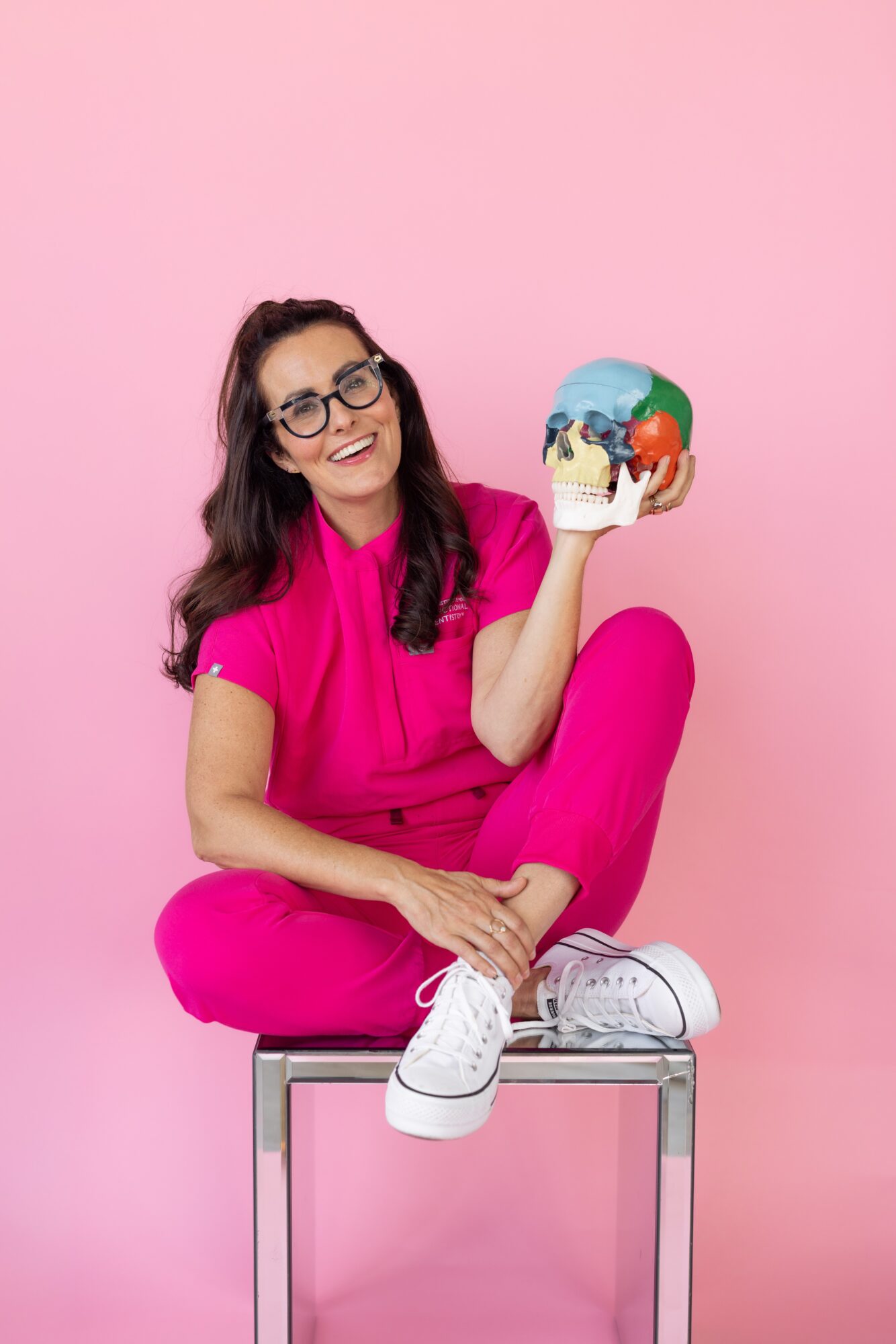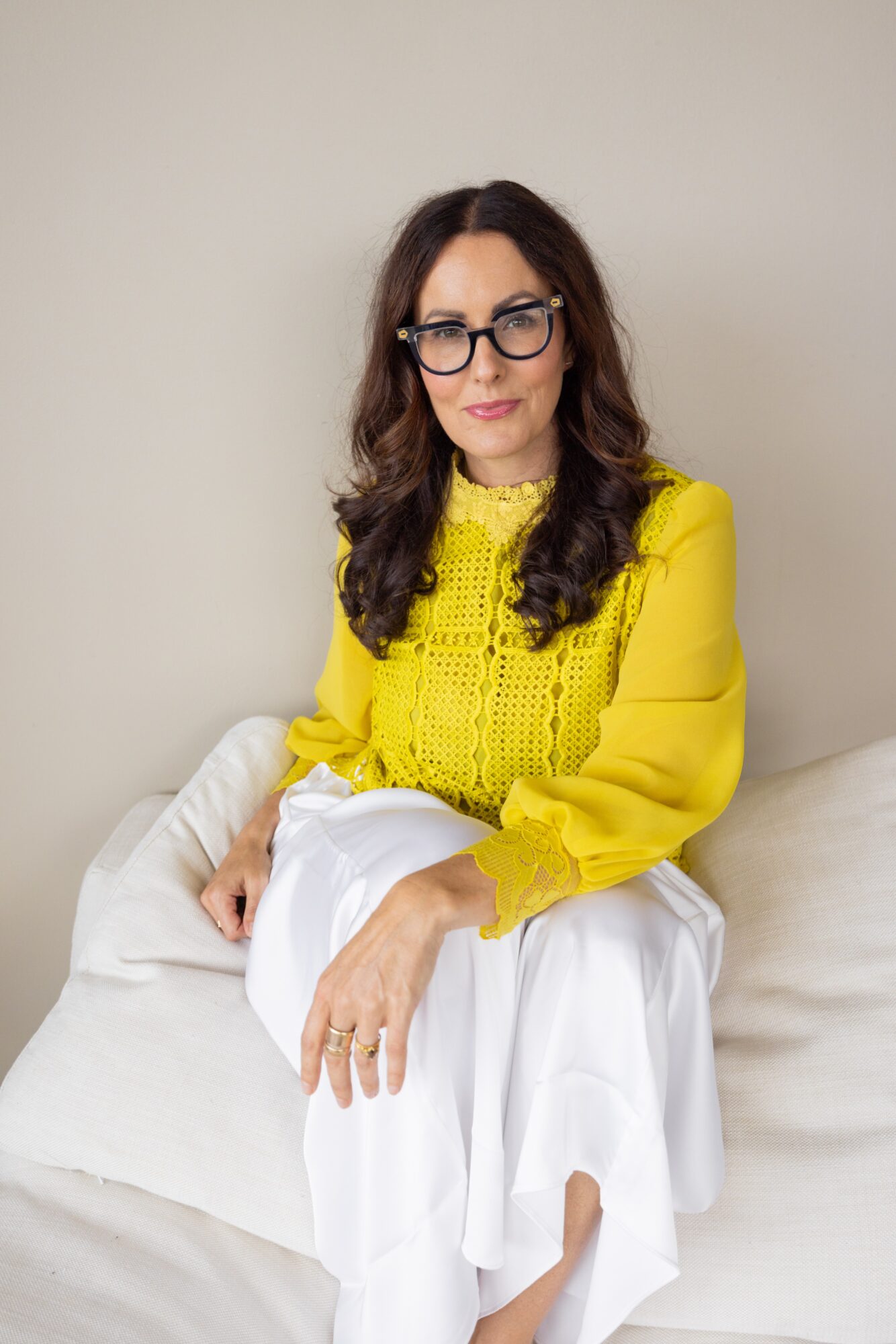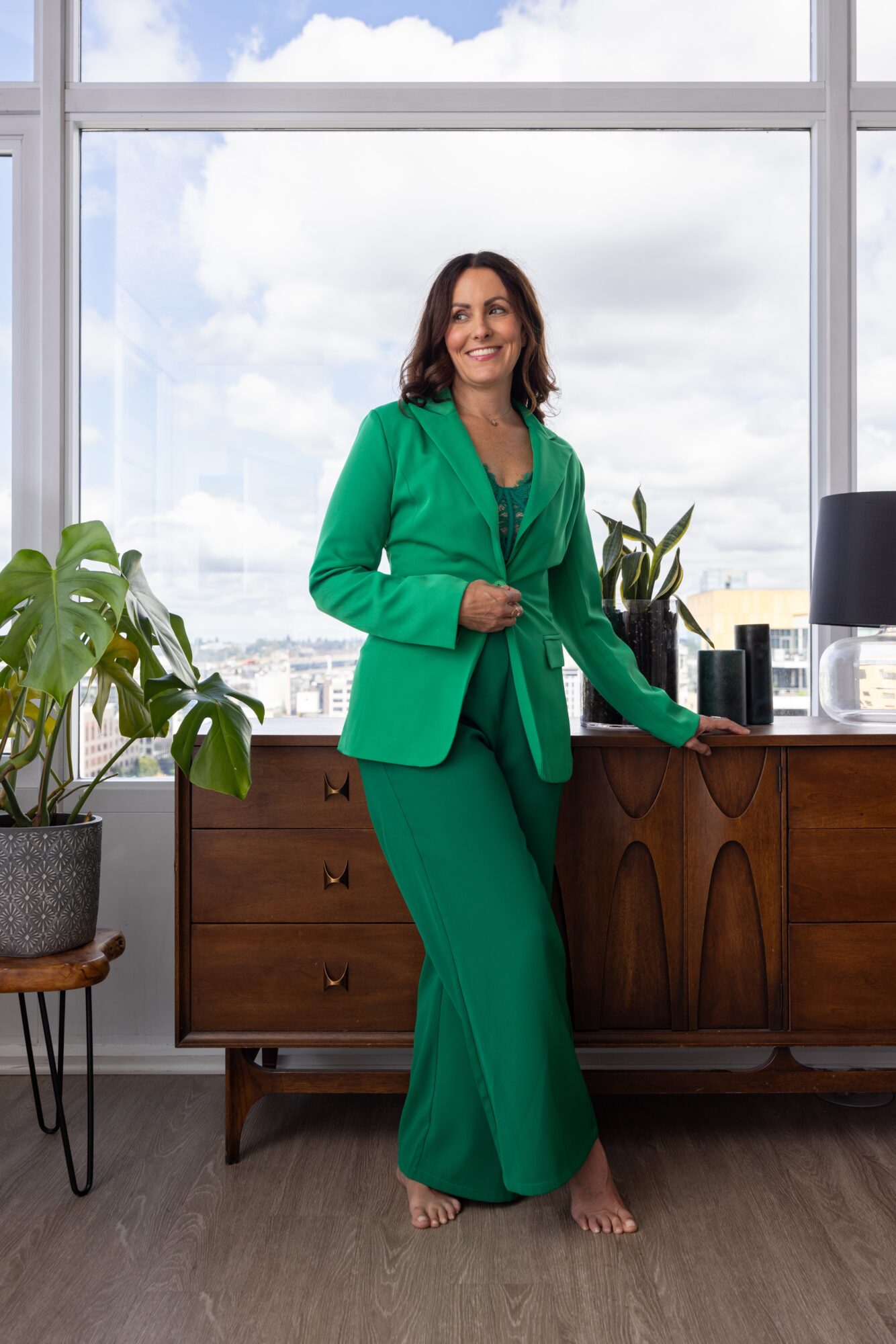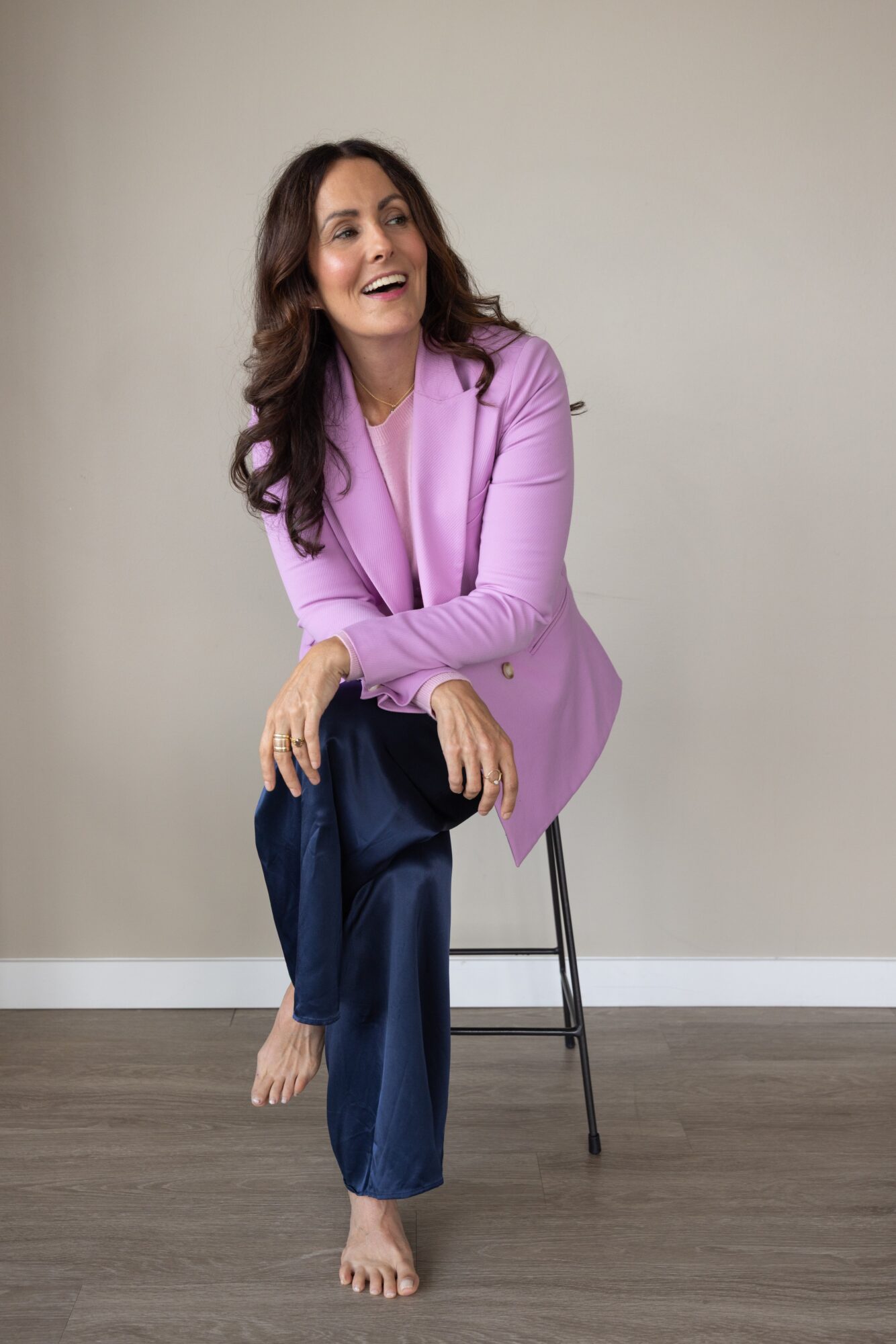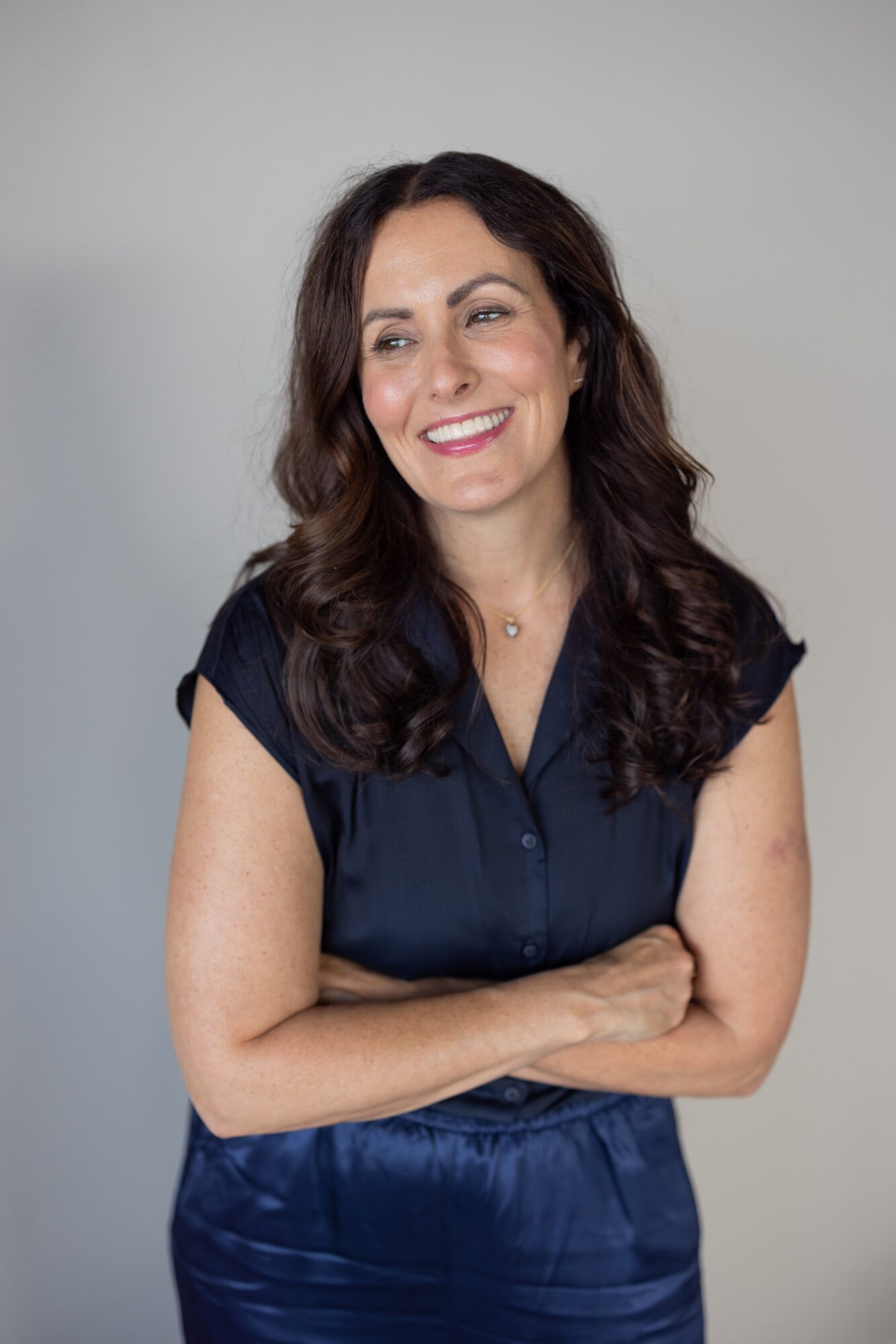



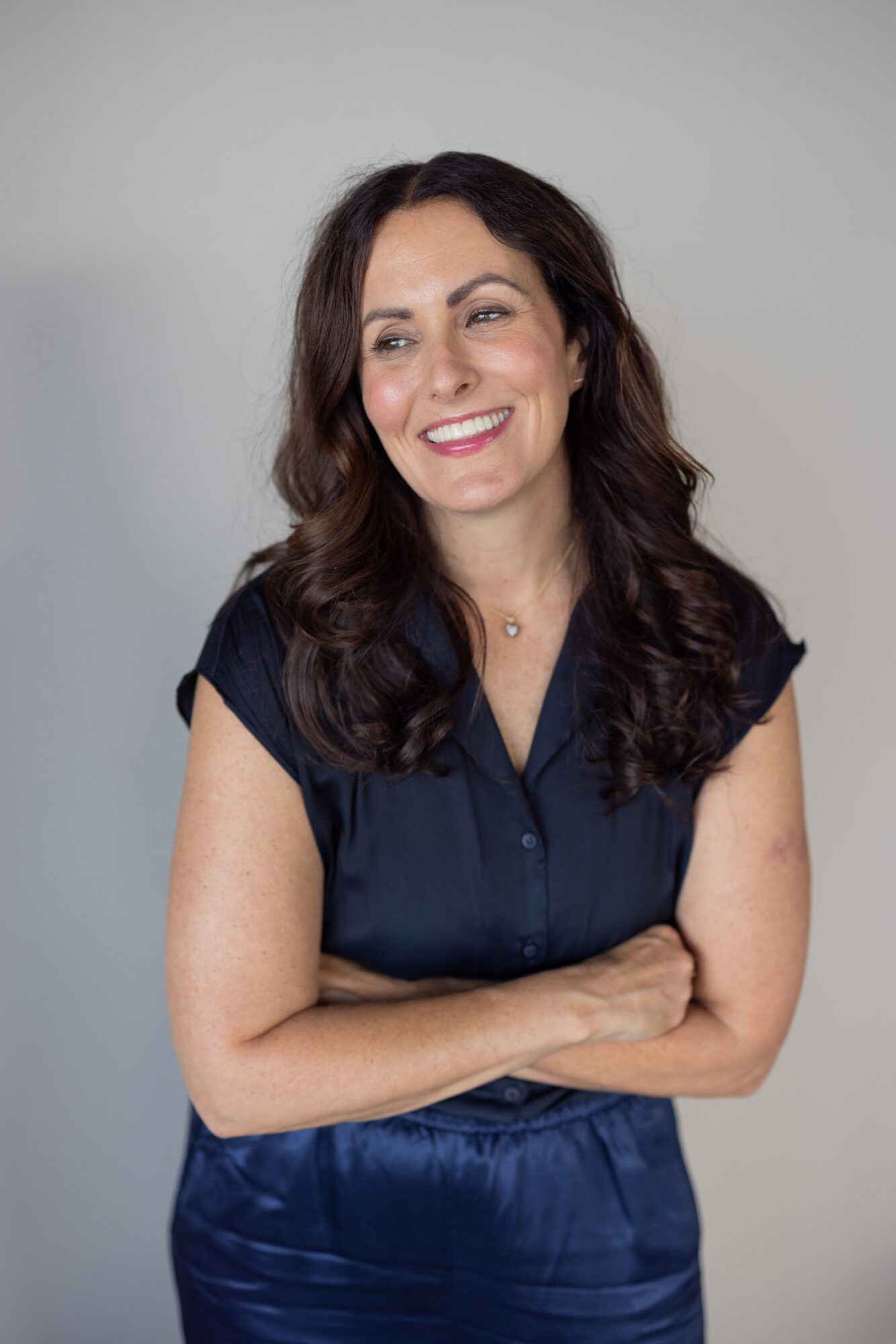
Today we’d like to introduce you to Dr. Staci Whitman.
Hi Dr. Staci , it’s an honor to have you on the platform. Thanks for taking the time to share your story with us – to start maybe you can share some of your backstory with our readers?
I grew up in Holden, Maine, which is a small town in a state where dental care was something you got only when a tooth already hurt. That is most of America, by the way. It is not just a Maine problem.
I came to Portland to start fresh after the sudden loss of my mother, and shortly thereafter began my pediatric dentistry residency at OHSU and never left. Twenty-some years later I have a hard time explaining to people from away that I did not move here for a job so much as I moved here for a change and to clear my mind, and then the whole rest of my life happened.
The part of my story that matters professionally is the part where I started questioning believing my own profession. I was a board-certified pediatric dentist doing everything correctly, and I kept watching the same three-year-olds come back with new cavities over and over again, even after the old ones had been fixed. Drill, fill, bill, repeat. That is the whole business model, and I was very good at it, and it was not making a single child healthier, and I started to hate my career.
So I went and got trained in functional medicine and systems biology, which almost nobody in my field does, and I started asking different questions in the operatory. What is this kid eating and drinking, and how often? How was their nutritional status? Any labs to review? What about their microbiome? Did they have underlying inflammation and allergies? Any environmental toxin exposure? What is their gut health like? Any autoimmune diseases or gene SNPs? How are they breathing and sleeping? Are they breathing through their nose or mouth? The cavities were never the actual disease; they were the symptom of a system that had become unbalanced.
Everything I have built since then- the practice, the nonprofit, the book, the brands – has all come out of that one uncomfortable but enlightening realization.
We all face challenges, but looking back would you describe it as a relatively smooth road?
No. Not at all.
I’ve never been someone who really fits in a ton. Not in my small town in Maine, not in dental school, not at the state dental meetings where I’d sit in the back thinking I don’t belong here. I’ve always been kind of an outside-the-box human. Which is great when you’re building something nobody’s built yet, and pretty terrible when what you actually need is one person to tell you you’re on the right track.
COVID almost took me out. We shut down, payroll didn’t shut down, PPE went through the roof the same month money stopped coming in, my kids were doing school at my kitchen table, and I remember sitting there at night doing the math on whether I was about to lose the thing I’d spent years building. Lots of people have that story, but truthfully it doesn’t make mine feel any smaller.
Then there’s the part of running a dental practice nobody outside of dentistry knows about. Everything costs more every year. Staff, supplies, rent, lab bills, equipment. And insurance reimbursement hasn’t really moved in decades. DECADES. Your annual max is still $1,000 to $1,500, which is roughly where it was in the 1970s. You’re running a business where somebody else decides what you get paid and nobody decides what it costs you. That’s the pressure that makes dentists go faster instead of better, and I think patients feel it without knowing what they’re feeling.
Motherhood was in the middle of all of it. I opened my office 2 weeks after I had my second daughter…not by choice; construction was delayed almost 7 months. I had no maternity leave, and I regret it still to this day. I was building a practice and raising young children, and there were years where I was just running on fumes.
And the whole time I was clenching my teeth at night and struggling with sleep and gut health issues. I’d get up, do a full day in the clinic, come home, do bedtime, do it again. My stress level was out of control, and I masked it and ignored it, because that’s what you do on the hamster wheel. There is no time to think, let alone look in the mirror to realize you are not thriving.
That’s when I started paying attention and when I found functional medicine and systems biology. Not because I had some big epiphany, but honestly because my body made me, and I wasn’t getting answers anywhere else.
We’ve been impressed with Doctor Staci, LLC, but for folks who might not be as familiar, what can you share with them about what you do and what sets you apart from others?
The whole thing started in 2020, when we were mandated to close.
I was at a loss and feeling super worried about the future of my career and business. So I jumped on Instagram mostly to feel like I was doing something helpful and to distract myself a bit. I figured I’d answer a few questions and educate people while I waited to find out if I still had a business.
It took off almost immediately, which shocked me. What I learned that spring is that people have an enormous number of smart questions about their mouths and nowhere to go to get answers. Their dentist talks to them for only a few minutes. Their doctor knows nothing about oral health. So they’d been sitting on these questions for years and were at a loss. And it all was created from there.
Doctor Staci, LLC is now the umbrella over everything I do that isn’t clinical dentistry. Writing, teaching, speaking, products, advisory work. It all points to one idea: the mouth is the gateway to our health
Your mouth is part of your body, which sounds like something nobody should need to be told, until you find out that dentistry was founded in 1840 as a separate profession from medicine and the two have been separated since. We split the human head up into compartments, with teeth in one group and everything else to another. And then we acted surprised when oral bacteria started turning up in arterial plaque, in inflamed joints, in placental tissue, and in the brains of people who died with Alzheimer’s.
I’m a board-certified dentist, and I’m also functional medicine trained, which almost nobody in my field is. That combination is most of what sets me apart. I’m looking at the airway, the sleep, the food, the microbiome, the way a kid’s face is being built, while many others focus just on brushing, flossing, and reducing sugar. By the time you’re looking at a cavity, you’re looking at a receipt for something that started upstream months ago.
What I’m known for is talking about things my profession tends to ignore. Insurance. Corporate dentistry. Overtreatment. Products that don’t do what the box says or have side effects not discussed with patients.
Along the way, I built what I believe was the first functional pediatric dental practice anywhere, right here in Portland. Oral microbiome workups on kids, requesting functional labs from PCPs, airway and craniofacial assessment, nutrition treated as a clinical tool and prioritized.
I’ve also done scientific advisory and consulting work, launched my own oral health care line, and hold patents on products including the world’s first truly compostable floss pick, which is what took me to Shark Tank.
And I’m a co-founder of the Institute for Functional Dentistry, which is the first training program in functional dentistry, a residency-level program that we’re working to get accredited. We train practicing dentists in everything dental school ran out of time to cover.
The newest build is a practice model that applies systems biology to oral health with a real workup. Oral microbiome, gut microbiome, genetics, selective nutritional labs, environmental toxin screening. Looking at the whole body instead of just the teeth.
Here’s why that matters. Conventional physicians don’t have expertise in oral health. Neither do naturopaths or functional medicine doctors. They know nothing about the mouth, because nobody ever taught them, and meanwhile cavities and gum disease sit at the top of the list of chronic diseases worldwide. If two of the most common chronic diseases on earth live in a place nobody takes a history on, we are clearly missing something in the workup.
Conventional dentistry is extremely important and I’m not here to knock it. But it approaches the mouth as microsurgery. Find the hole, fix the hole, book the next one. There’s no true prevention in that model and no root cause understanding of why the hole showed up in the first place. It’s so much more than brushing and flossing and avoiding sugar. We can’t keep meeting people at end-stage disease and calling it care. The good news is the whole industry is shifting toward root cause instead of reactive, which I am thrilled about!
My book, SPIT, comes out from Crown, and it is my case that the mouth is the most overlooked organ in medicine, and it’s the thing I’ve wanted to write my whole career.
My proudest thing and daily goal? Nobody leaves my office or education feeling ashamed. Dentistry has run on guilt for a hundred years. You didn’t floss, you let her have the juice, look what happened! The blame and shame is a terrible way to change anything in another human. No fear, no shame, ever. If a parent finishes something I wrote feeling smarter and more capable instead of smaller, I feel my sense of purpose is fulfilled.
What matters most to you?
Changing the industry.
I want dentistry to stop meeting people at end-stage disease and start truly preventing it. We need physicians of the mouth, not just technicians. I want humans healthier, and the mouth is a faster lever than almost anything else we’ve got.
And I want it done without guilt. No fear, no shame, ever. Guilt tends to be the default language of my profession and it has never once made a person healthier. It just makes them avoid us.
The piece nobody talks about is mental health. We’re in a crisis, and the dental office is one of the most anxiety-producing places most people ever walk into. Kids can sometimes get held down or pushed too far and over-treated, and adults white-knuckle it for decades. Then there’s my own profession, with some of the highest burnout and suicide rates in any career, but we never talk about it
Emotional health considerations need to be part of dentistry, our recommendations, and work-up. That’s the change I want to be part of.
Contact Info:
- Website: https://doctorstaci.com
- Instagram: @doctor_staci