


Today we’d like to introduce you to Bob Ulbrich.
Hi Bob, so excited to have you with us today. What can you tell us about your story?
When I was a student in veterinary school, I thought alternative medicine was a bunch of voodoo, and that modern Western Medicine had all the answers. After practicing a few years, it became obvious that Western Medicine, while great at treating things like acute injuries, fell short in addressing chronic disease and cancer. True, it could control the symptoms of diabetes or arthritis with insulin injections or pain killers, but these chronic issues were never cured by these symptomatic treatments. One day I was attending to a cat that I diagnosed as having Feline Leukemia, for which there was little hoped for a cure, and I actually had the euthanasia solution drawn up in the syringe when the cat’s owner asked if perhaps there might be some alternative treatment that could be tried. I was very skeptical, but I said I could ask my neighbor, who happened to be a naturopathic physician. She seemed like a quite intelligent person, despite her not being an RD (i.e., a Real Doctor), and I thought it wouldn’t hurt to ask. She gave me some ideas of some things to try, which I put to use on my feline patient, and low and behold, the cat got better. Realizing that my education wasn’t as complete as I had thought, I started taking continuing education classes in things like Chinese Medicine and herbal medicine (geared to treating humans rather than animals), and trying out what I learned on my patients, thinking that I was blazing new territory. I eventually learned that there were veterinary classes available in these subjects; in fact, there was an entire organization called the American Holistic Veterinary Medical Association (or the AHVMA) that held annual conferences for the few but growing number of veterinarians who were interested in alternative treatments for their patients. Eventually I decided to really delve more deeply into all of this, and asked my neighbor for advice. She thought that the best thing for me to study was homeopathy, and so I took an intensive certification course in Veterinary Homeopathy, provided by the Academy of Veterinary Homeopathy (or the AVH). Following this, I then became certified in veterinary chiropractic manipulation, and continued to attend annual conferences provided by both the AHVMA and the AVH, as well as my own research, to expand my toolkit to help my patients. Over the years I have since developed methods of treating cancer successfully that don’t include poisoning my patients with chemotherapy or radiation. I daily see miraculous cures that I never could have achieved with conventional Western Medicine alone.
Can you talk to us a bit about the challenges and lessons you’ve learned along the way. Looking back would you say it’s been easy or smooth in retrospect?
My biggest struggle relates to the corporate takeover of veterinary medicine. The last decade has seen a massive expansion of corporations purchasing and managing veterinary practices, particularly high-revenue general companion animal practices and emergency/specialty referral hospitals. Once a corporation takes over, the focus shifts from patient-driven to profit-driven medicine, where medical decisions are dictated by corporate managers and heavily influenced by profitability.
This push for profit has caused veterinary care costs to surge by over 60% in the past ten years, increasing at more than double the rate of general consumer inflation. While these higher profits allow corporate practices to increase wages, it has made it difficult for small, independent practices to compete. Consequently, it has become increasingly challenging to attract competent doctors and support staff without utilizing these same techniques of over-selling unnecessary procedures and increasing daily patient volume. Ultimately, it is difficult to maintain a fully staffed clinic while practicing with integrity.
Furthermore, while there is a great demand for the services I offer—far more than I can handle alone—finding and hiring veterinarians to train in and provide these alternative medical approaches to help meet this demand has been extremely challenging.
Great, so let’s talk business. Can you tell our readers more about what you do and what you think sets you apart from others?
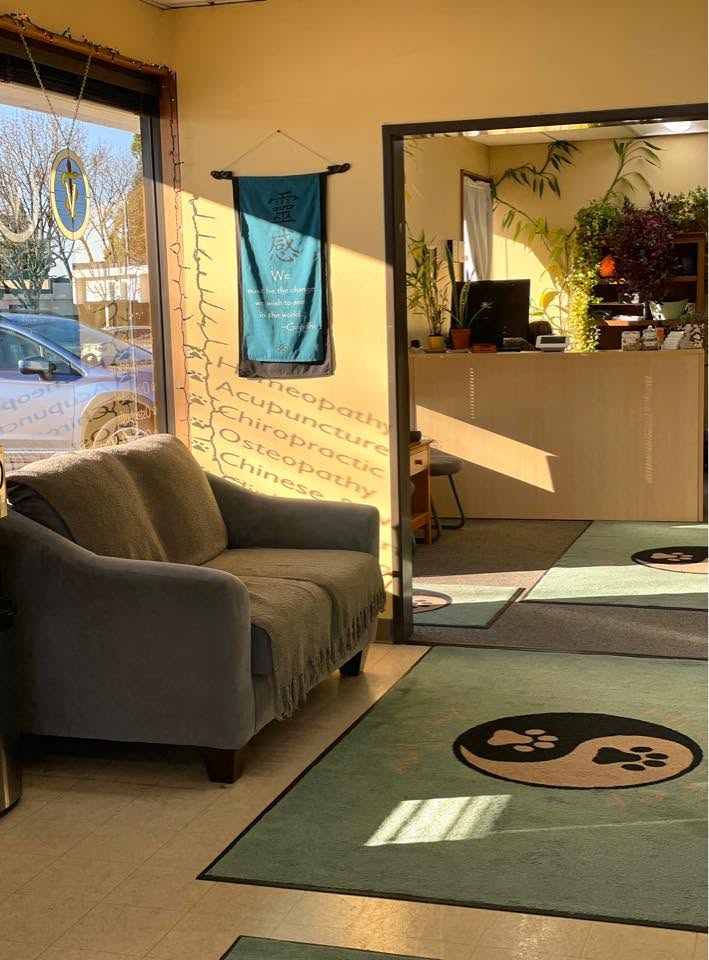
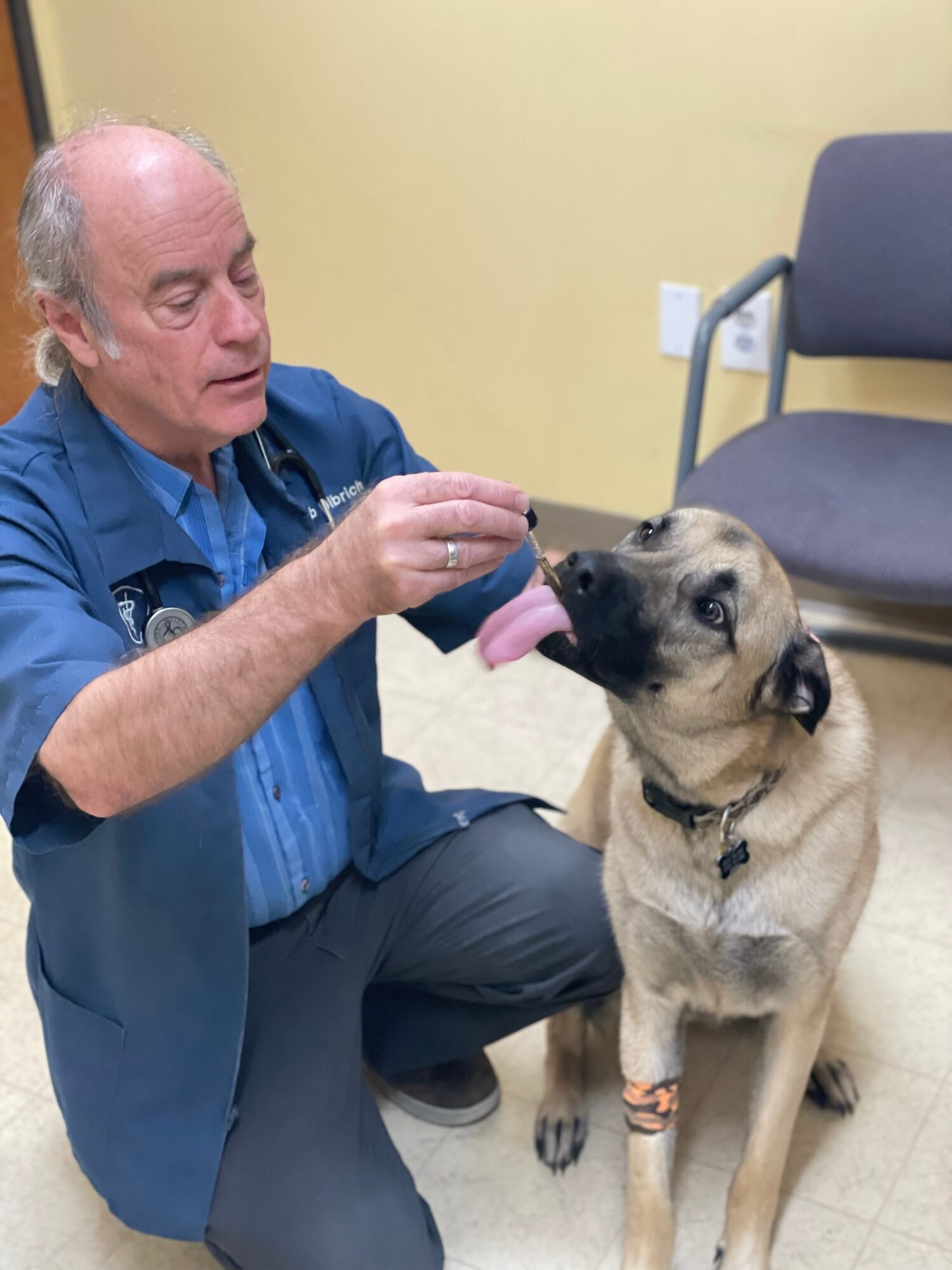
I opened Holistic Pet Veterinary Clinic 26 years ago. We are an integrative veterinary clinic offering complementary and alternative medical options for pets, including homeopathy, chiropractic manipulations, acupuncture, nutritional counseling, nutraceuticals, herbal medicine (both Western and Chinese), natural flea control, and conventional Western medicine where appropriate. We are a small independent practice that values patients over profits, and we are particularly known for our alternative and highly successful approach to cancer treatment.
If you had to, what characteristic of yours would you give the most credit to?
I believe my key strengths lie in my ability to think outside the conventional box, my openness to new ideas and trying new approaches, and my willingness to challenge conventional norms in order to forge a better path.
Contact Info:
- Website: https://www.holisticpetvetclinic.com