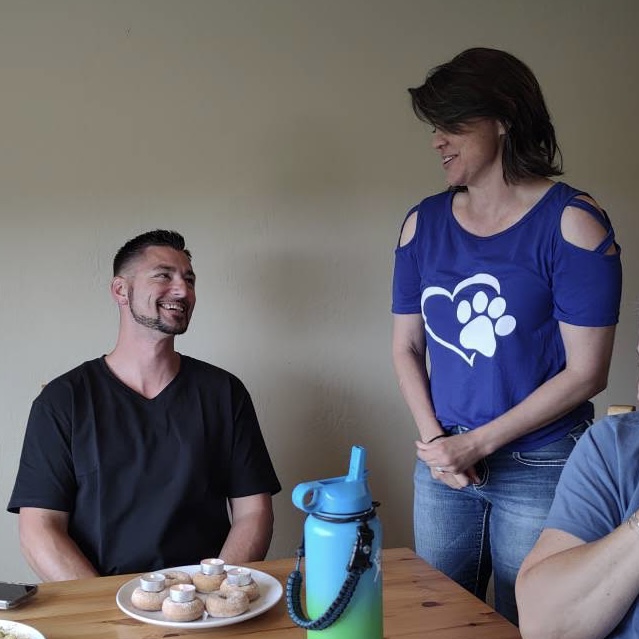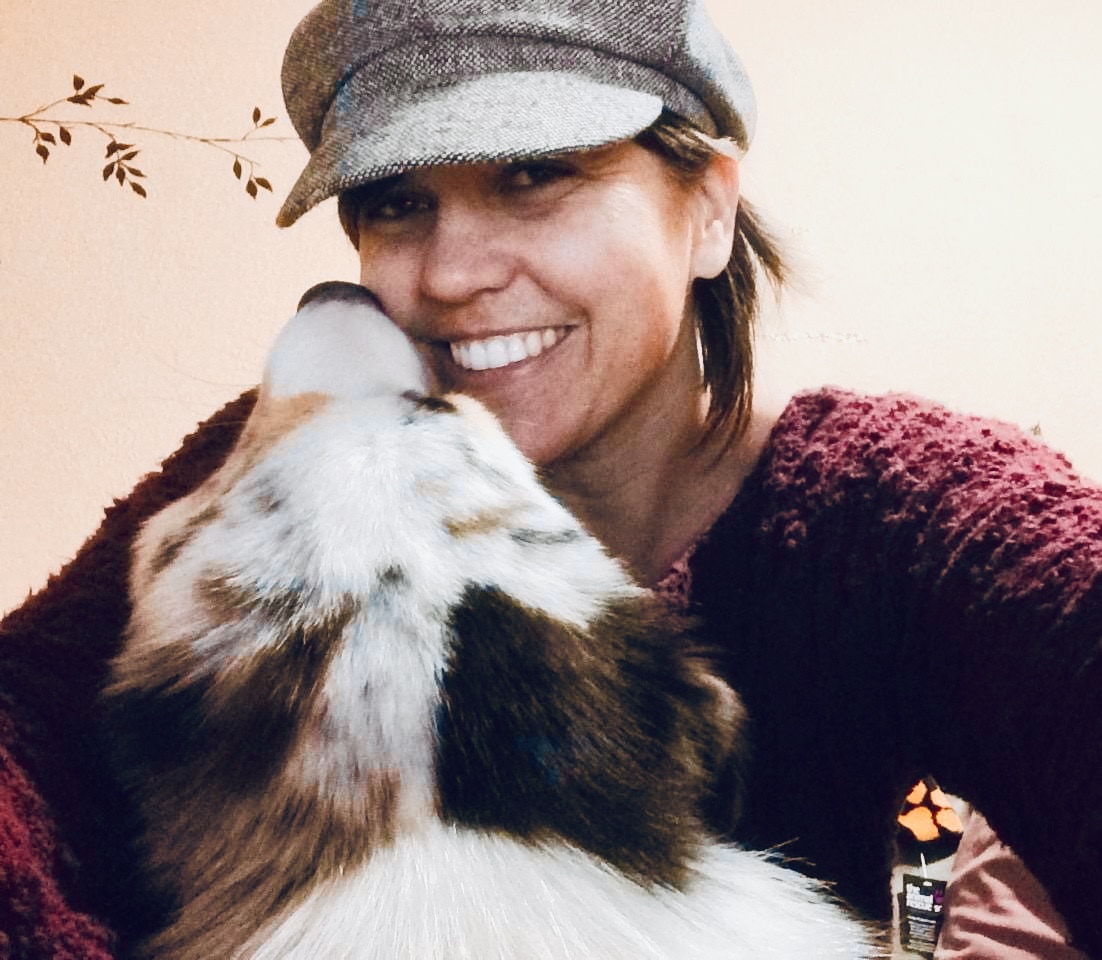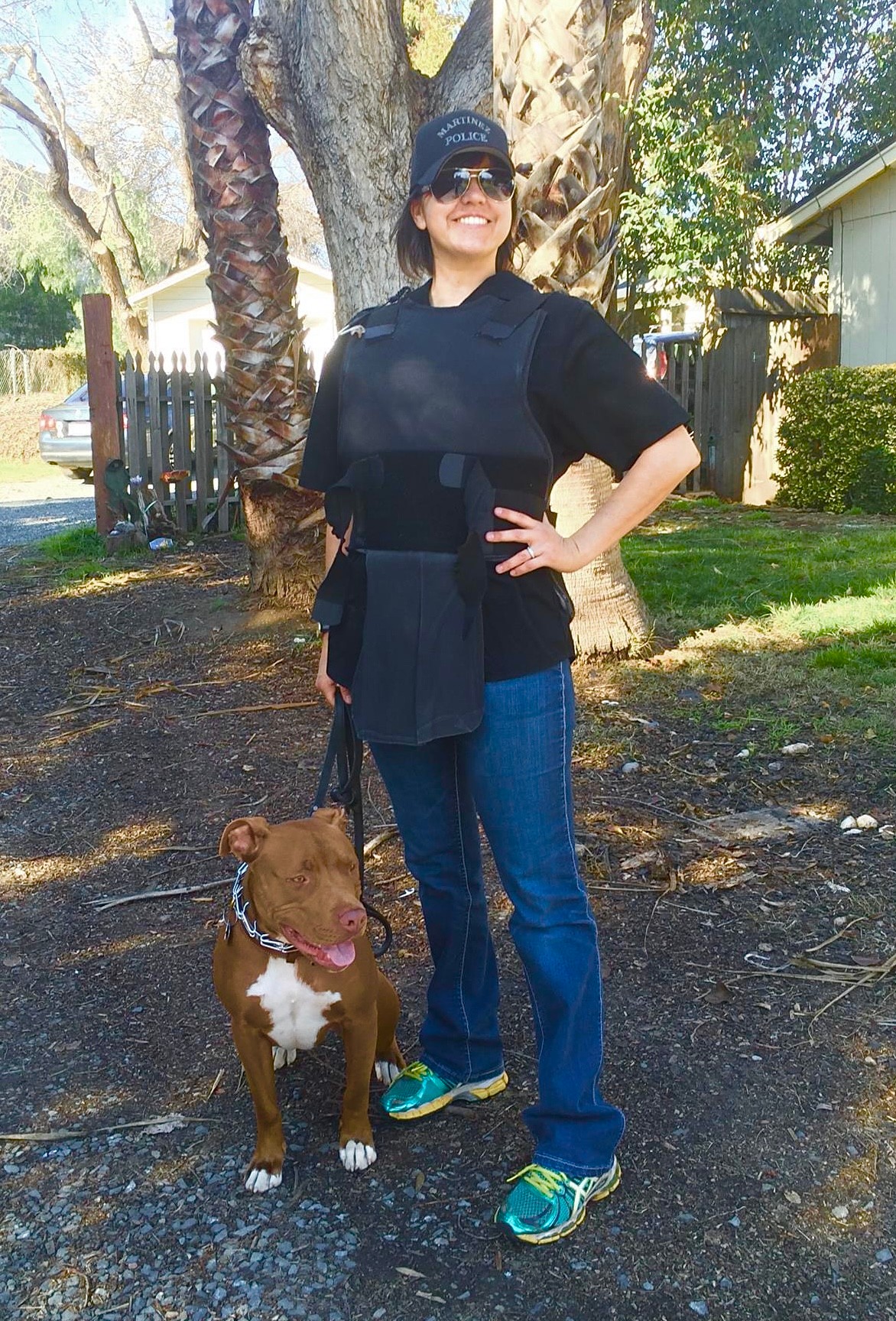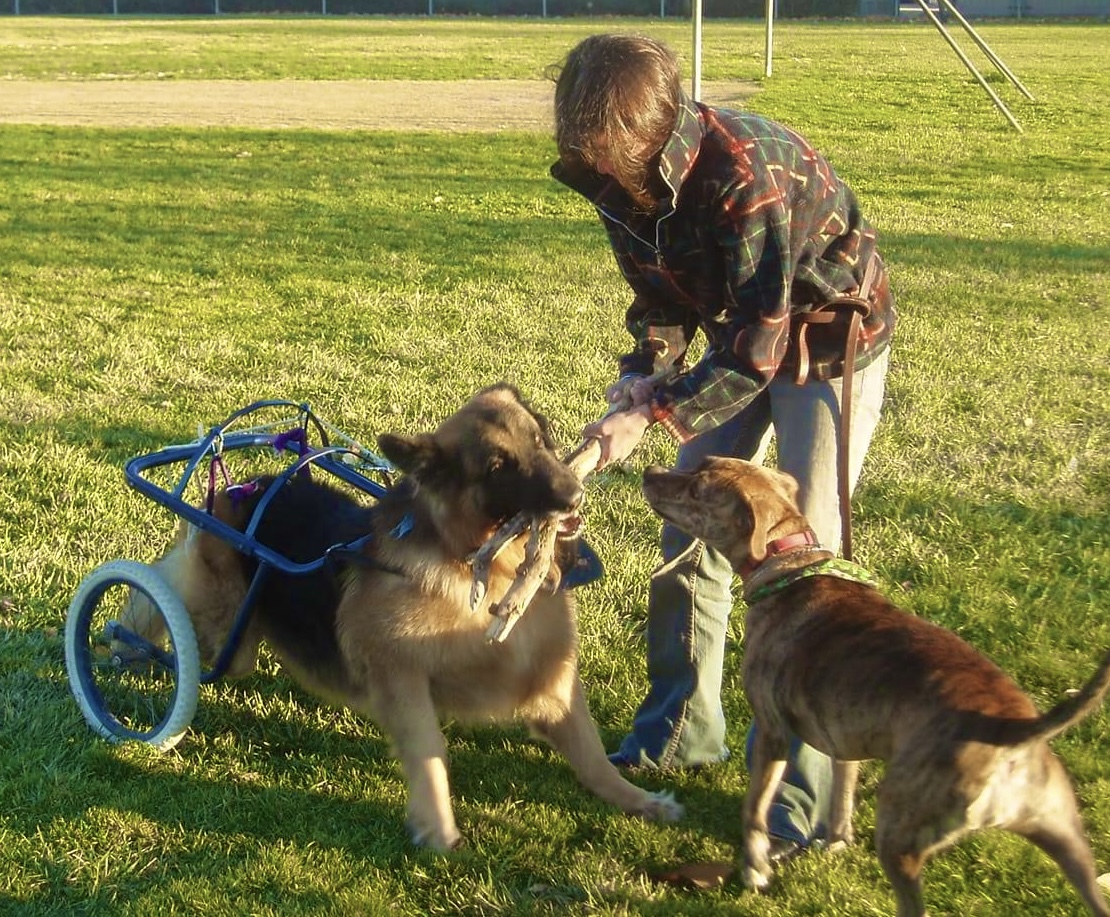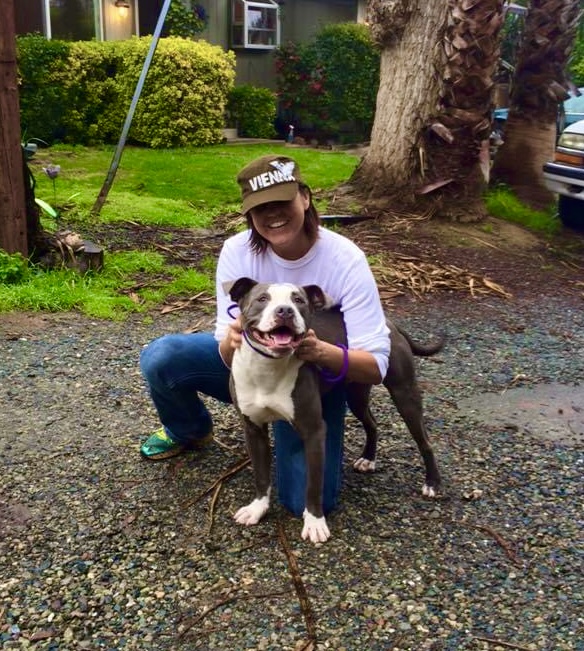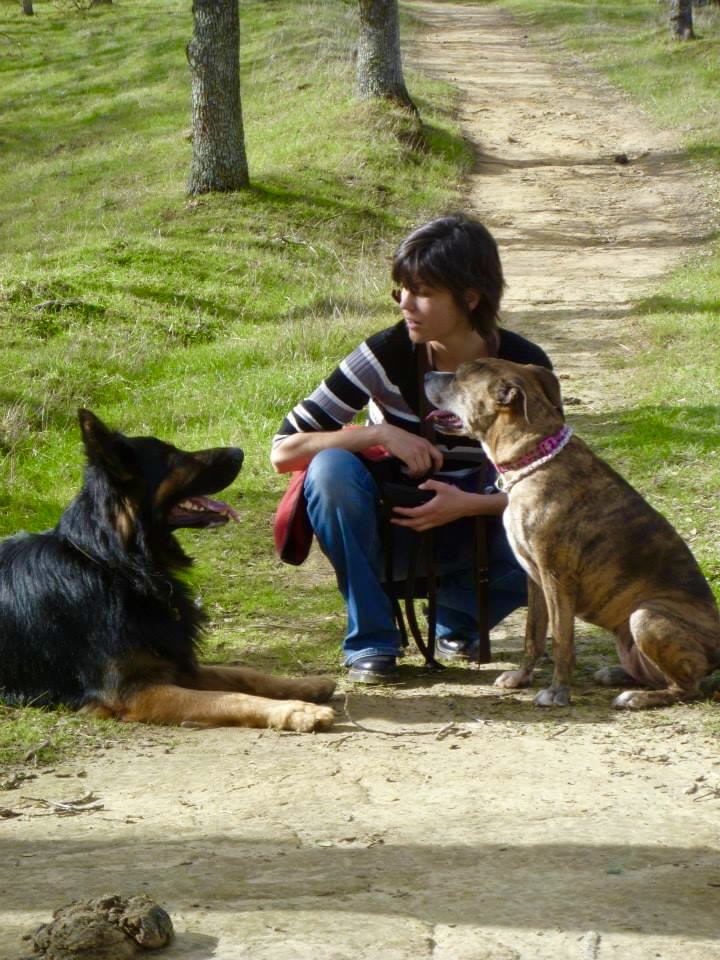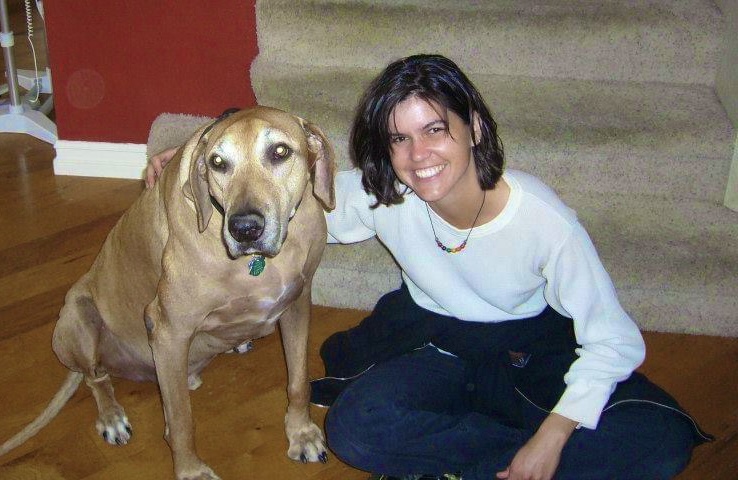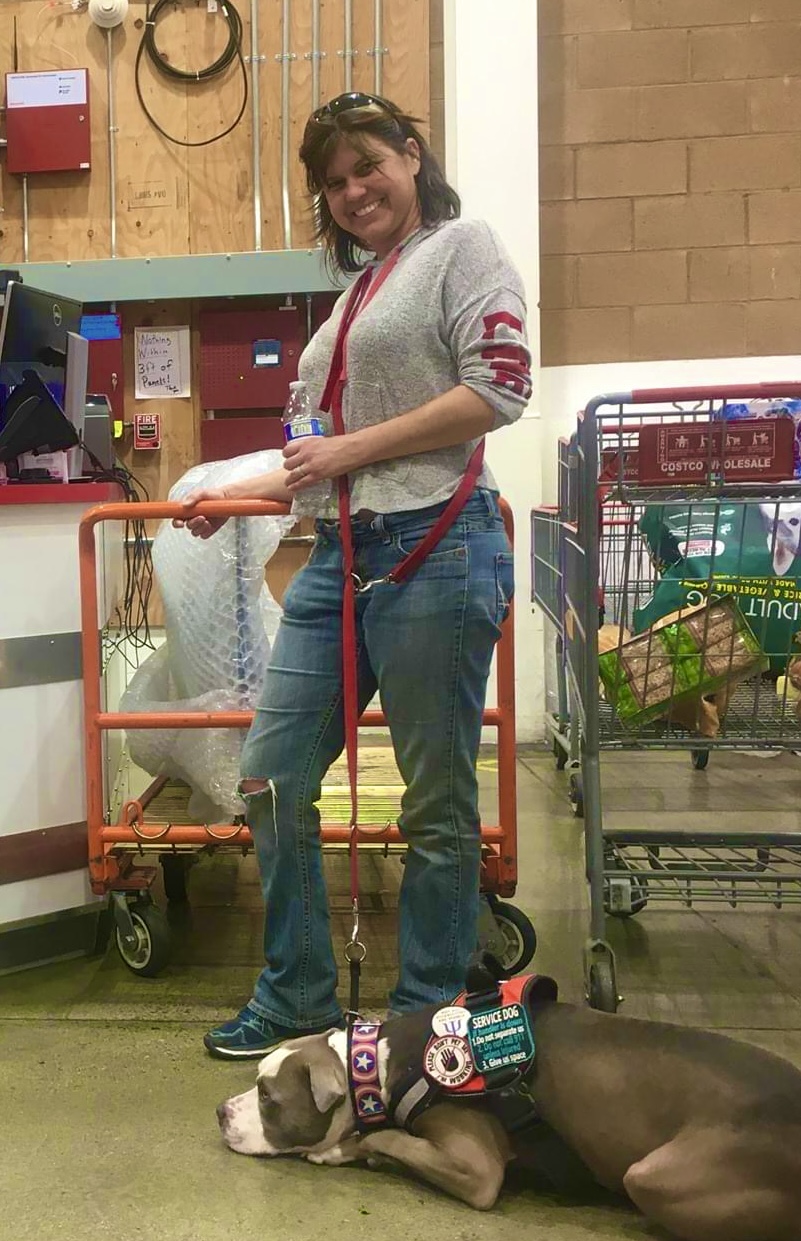



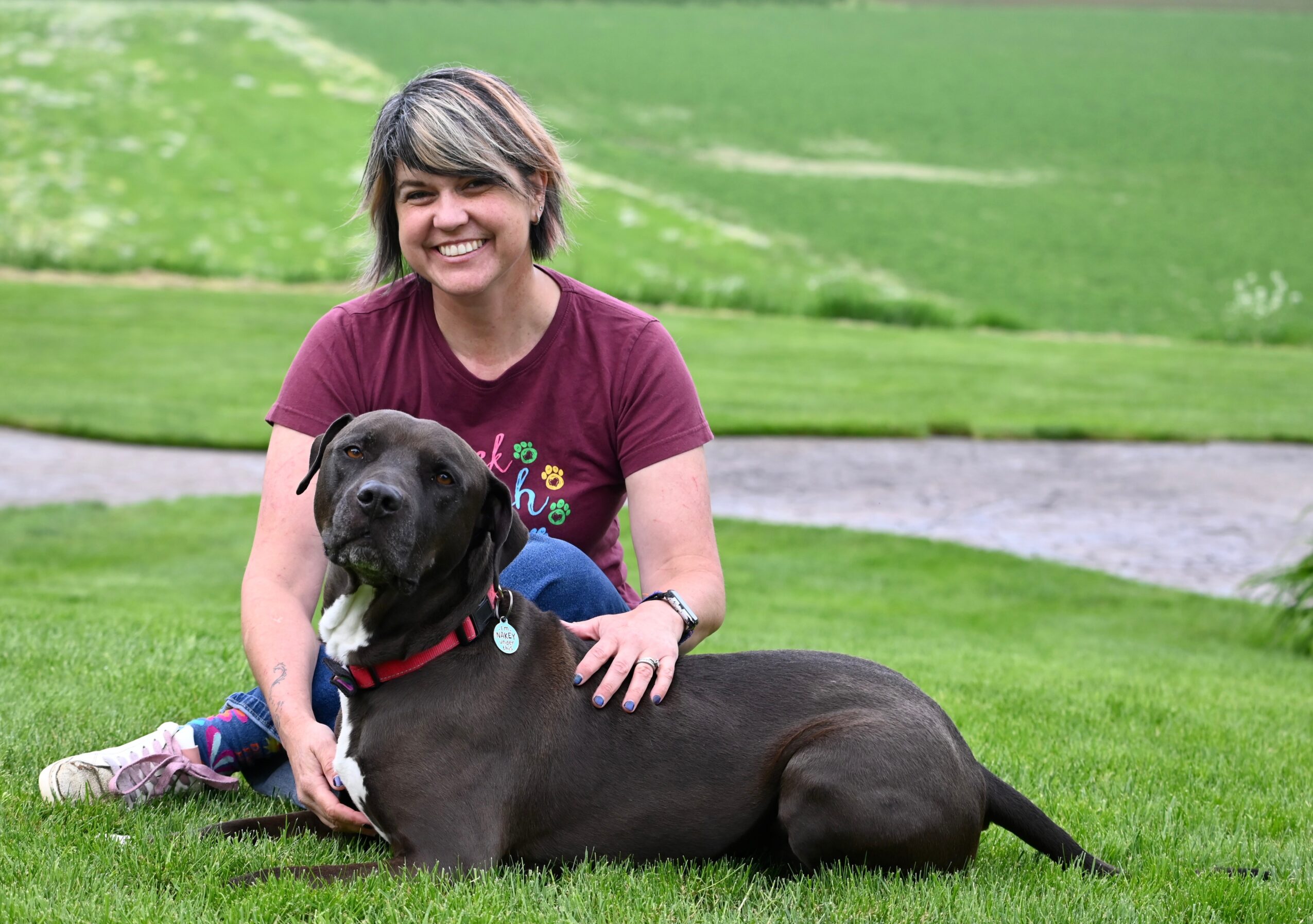
Today we’d like to introduce you to Jenna.
Hi Jenna, we’d love for you to start by introducing yourself.
I started working with dogs with behavioral problems in college, when I was approached by a man who had a 125-lbs human aggressive king shepherd. He needed a babysitter for it while he and his family were in Italy for 6 weeks. I ended up re-training the dog, and learned that most dog trainers wouldn’t touch a human aggressive dog because of the liability. I’d been training horses and figured, hey, a horse can kill you on accident, a dog at least has to work at it! And so I began learning about dog training and working with aggression cases.
After college I started training dogs with behavioral problems full time. One thing I noticed was that no one seemed to understand what their dogs were saying. A good relationship takes good communication, whether it’s between people or people and animals. I started teaching people how to understand their dogs, and began studying dog language in earnest.
Most dog trainers don’t teach–and sometimes don’t know–dog body language. I found it to be key, though; if people knew what their dog was saying, they could prevent problems long before they started, and solve problems that had been resistant to most training methods.
Today I still work with dogs with behavioral problems, and I run retreats and workshops for people who want to learn about their dog’s language.
Would you say it’s been a smooth road, and if not what are some of the biggest challenges you’ve faced along the way?
There are struggles with every career, but my tendency to focus on the positive means I mostly remember the good things. The hardest times were always the cases I couldn’t solve, which were thankfully few and far between. But overall, I’d say that once I find my footing somewhere, things go pretty well.
Thanks – so what else should our readers know about your work and what you’re currently focused on?
I’m a dog trainer, specializing in frustrated owners and dogs with behavioral problems. I’m known for being able to turn supposedly impossible cases around with a minimum of fuss, of explaining things to owners in a way they understand, and for teaching dog body language. I’ve been training dogs for almost 30 years, and I’ve seen and experienced a lot, but I’m always learning more.
My proudest moments are those ones where a dog is saved from being euthanized, or an owner tells me I’ve rescued their relationship with their dog. I once worked with a large doberman who was human aggressive. I remember leaning back against the counter while he barked in my face, so close I could feel his breath, and thinking to myself, “Don’t move, don’t make eye contact. Don’t move, don’t make eye contact,” over and over, while verbally reassuring the owner that everything was fine. (Mostly I was worried that if the owner came closer, it would be the push the dog needed to actually bite.) The dog had bitten their grandmother, who lived with them, several times. By the end of the appointment the dog and the grandmother were getting along beautifully, and in subsequent visits and check ins the dog continued to learn that aggression wasn’t acceptable, and people were pretty cool. (And the grandmother decided she liked him after all!) Cases like that do my heart good.
The biggest thing that sets me apart is that I teach people how to understand dog language. Dogs have a nuanced and detailed language, and the more we understand, the better we can help our dogs. The way a dog tips an ear combined with a certain set of the tail means one thing; the same expression with a different tail movement means something completely different. There is so much to learn, and we’ve only scratched the surface.
Is there a quality that you most attribute to your success?
My optimism, my impatience, and my out of the box thinking. I know, impatience is not something you normally hear!
I look at the good side of things, always. I praise the dogs for what they do right, and I acknowledge and give credit to my clients for when *they* do things well. I focus on the improvement we’re seeing, and point it out to my clients, and we build on what both my clients and their dogs succeed at. My training isn’t always positive (if a dog is barking out of boredom, we’ll find ways to entertain them, *and also* I’ll probably suggest a squirt bottle to stop the barking), but my attitude always is. It’s important to see the success, especially when things are hard. A lot of my clients are in hard situations.
My impatience has made me a much better dog trainer. If something is going to help, you’re going to see that improvement within a few minutes. I’ll try a technique, and if we don’t get results, I’ll switch it. The usual training advice is to stick with something for months, and once you find an effective thing, that’s good advice. But first you have to find an effective thing! If something isn’t working, you don’t have to keep trying. It’s okay to change tactics, and I’m excellent at that.
On top of the rest, I’m a very creative thinker, and that’s helped immensely in my dog training. I’ve heard a number of trainers say something is impossible, and I can usually come up with several ways we can make it happen. I’ll suggest the ideas, and they’ll admit those ideas might work, while looking at me like I’ve grown two heads.
Maybe I should just say my ADHD makes me an excellent trainer, since those last two things stem almost directly from that! It also lets me understand dogs in a way most people can’t. The executive function center of my brain doesn’t work like other people, which effects my working memory (and a lot of other things). My focus and struggle with working memory means that I think a lot more like a dog than most people do. It’s an unusual characteristic, but it’s helped me a lot.
Pricing:
- It’s $150-$195 an hour for training, depending on location.
- Retreats run for around $700-$900 for a weekend, meals included.
- Dog safety for kids groups is cost, around $20-$40 for materials and gas.
- Housesitting and training starts at $200/day.
Contact Info:
- Website: https://translatingdog.com
- Instagram: https://www.instagram.com/translatingdog
- Facebook: https://Facebook.com/translatingdog
- Youtube: https://www.youtube.com/@translatingdog
- Yelp: https://www.yelp.com/biz/translating-dog-keizer
- Other: https://www.tiktok.com/@translatingdog