


Today we’d like to introduce you to Shoka Stonelake.
Shoka, we appreciate you taking the time to share your story with us today. Where does your story begin?
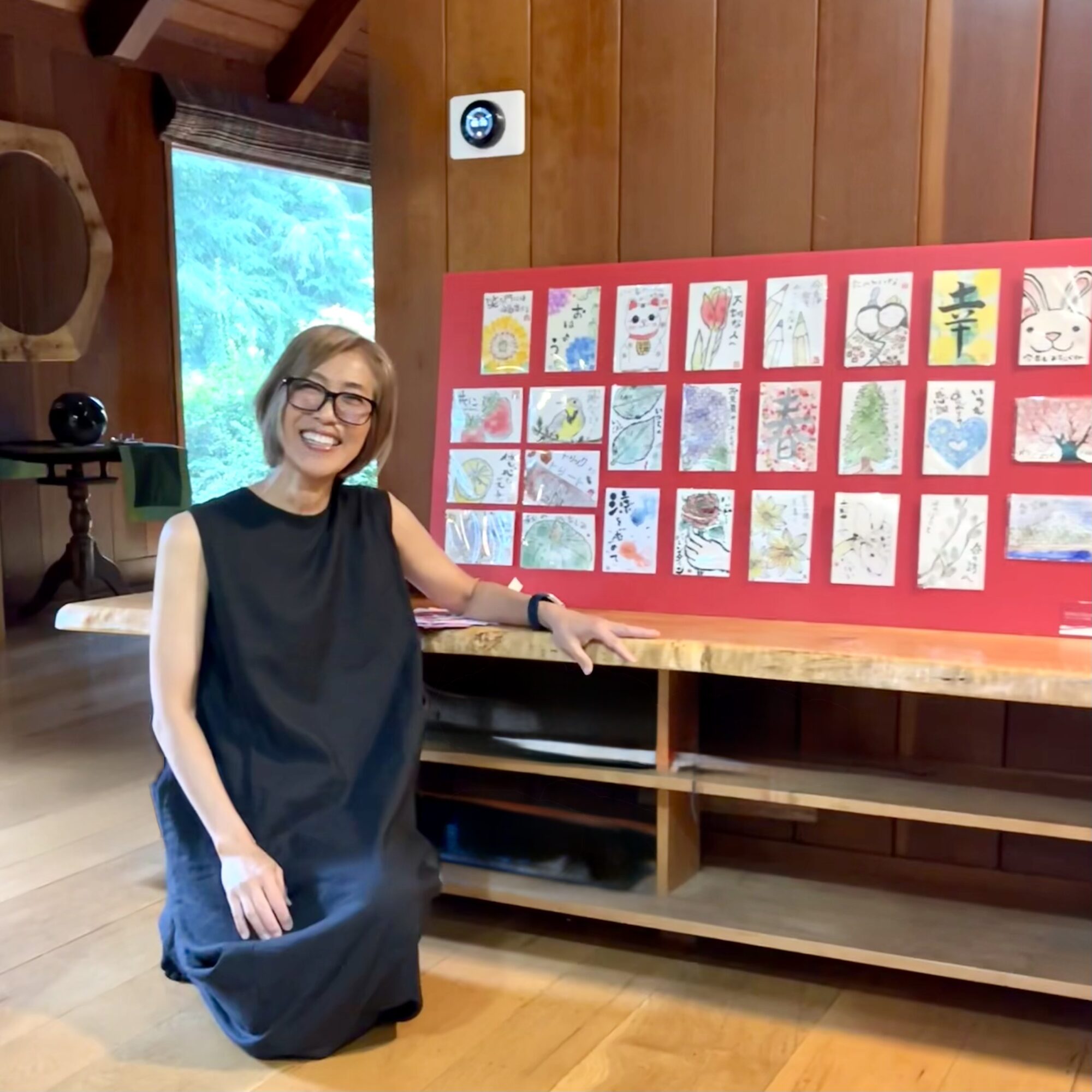
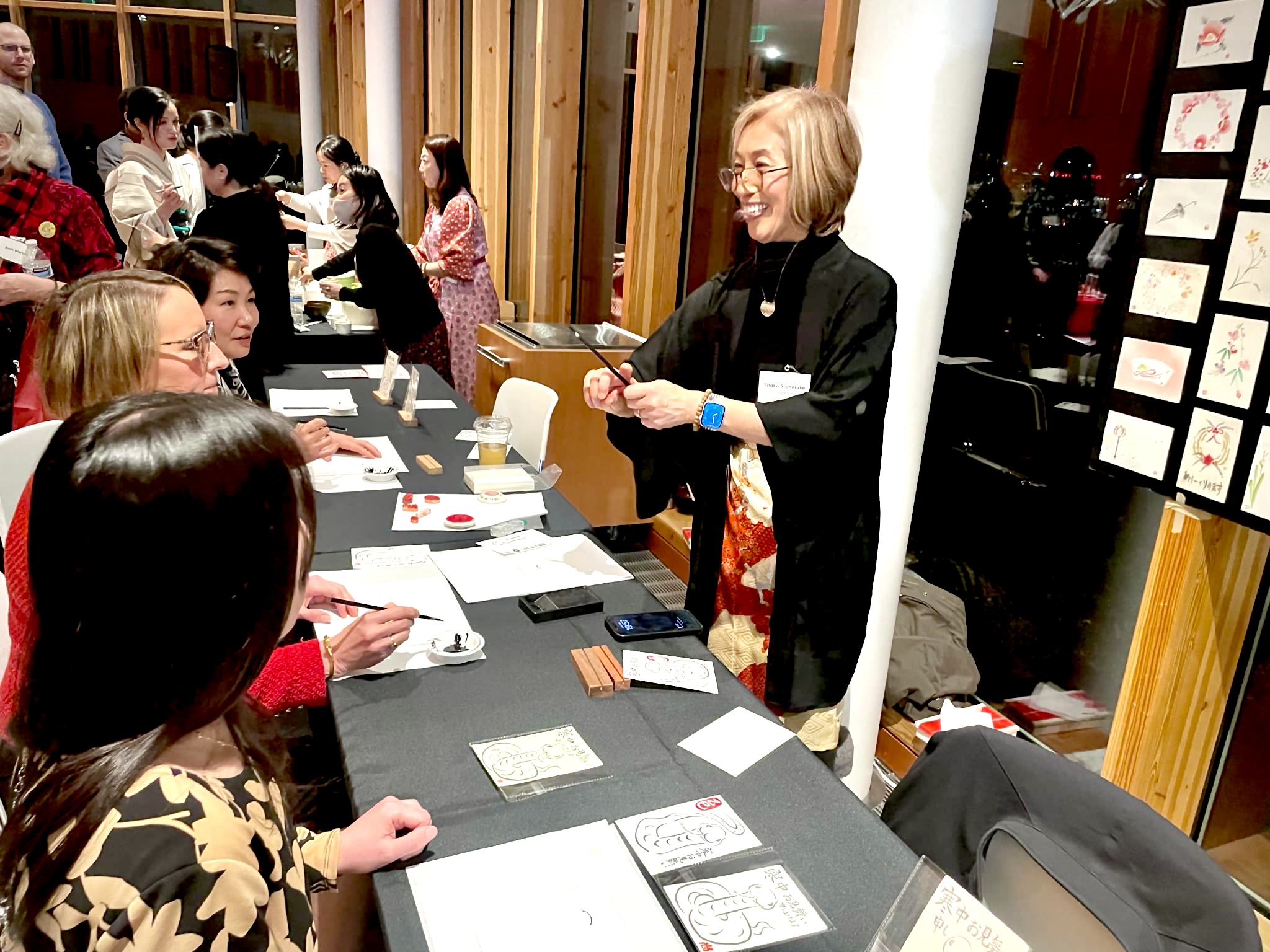
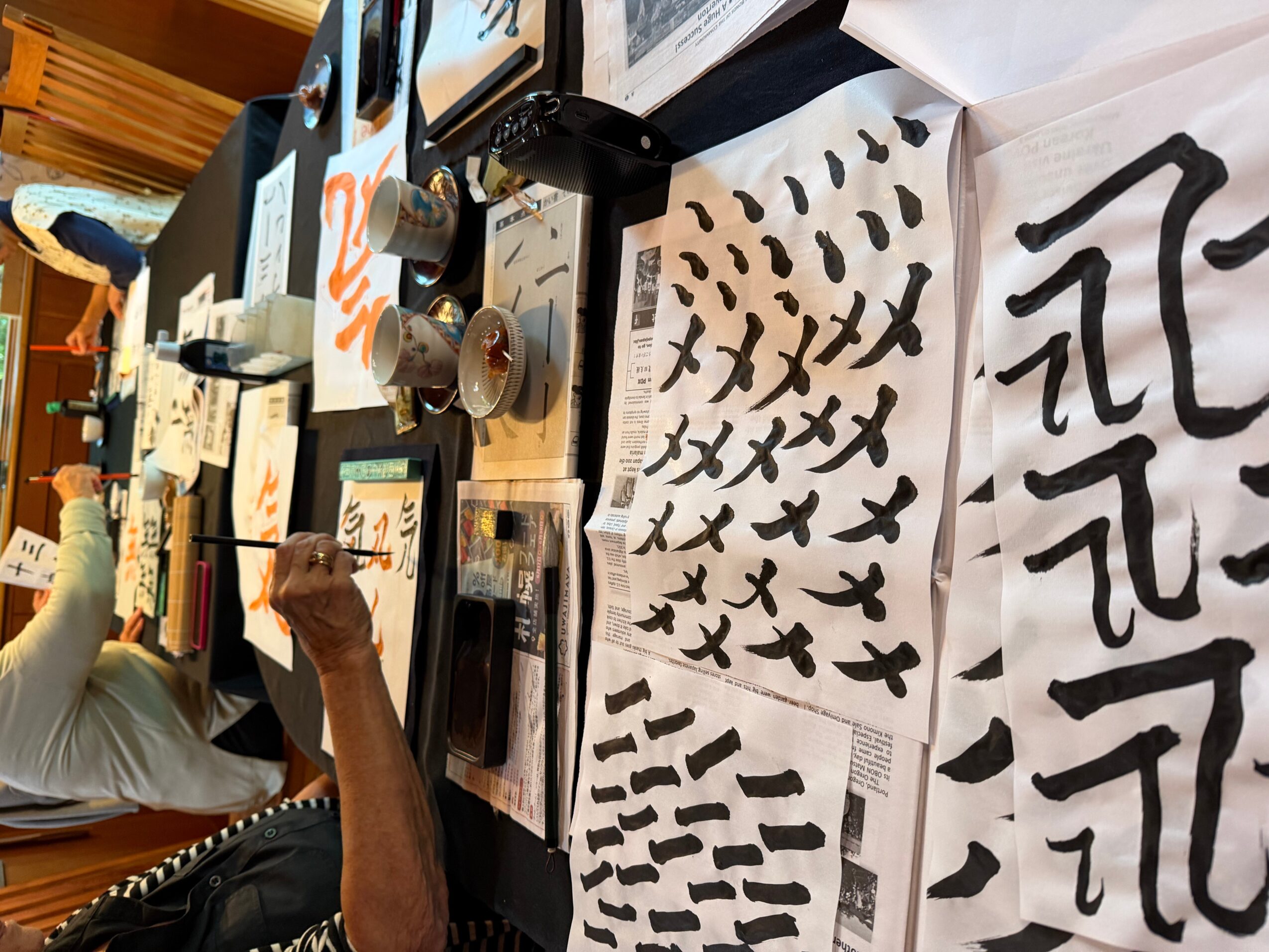
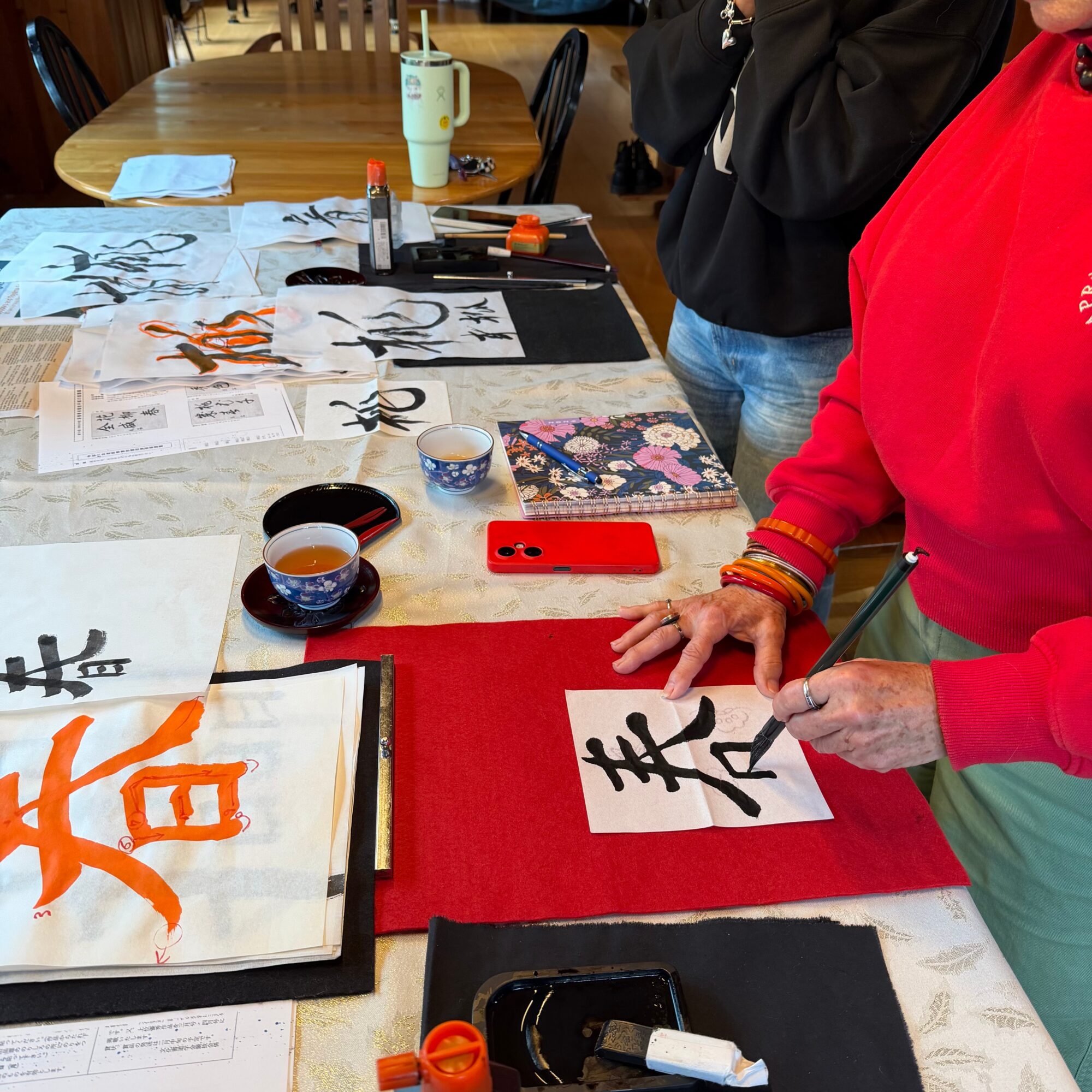
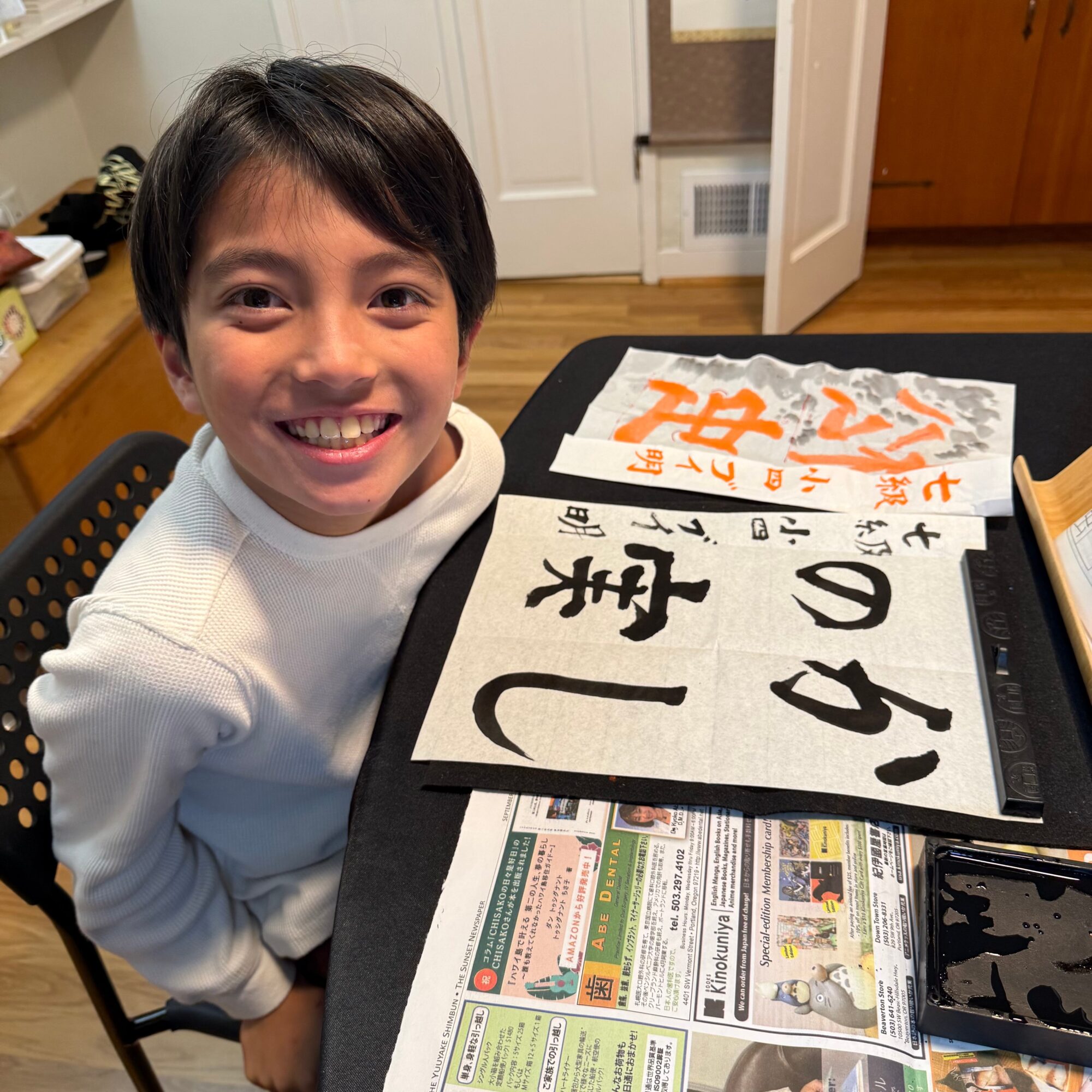
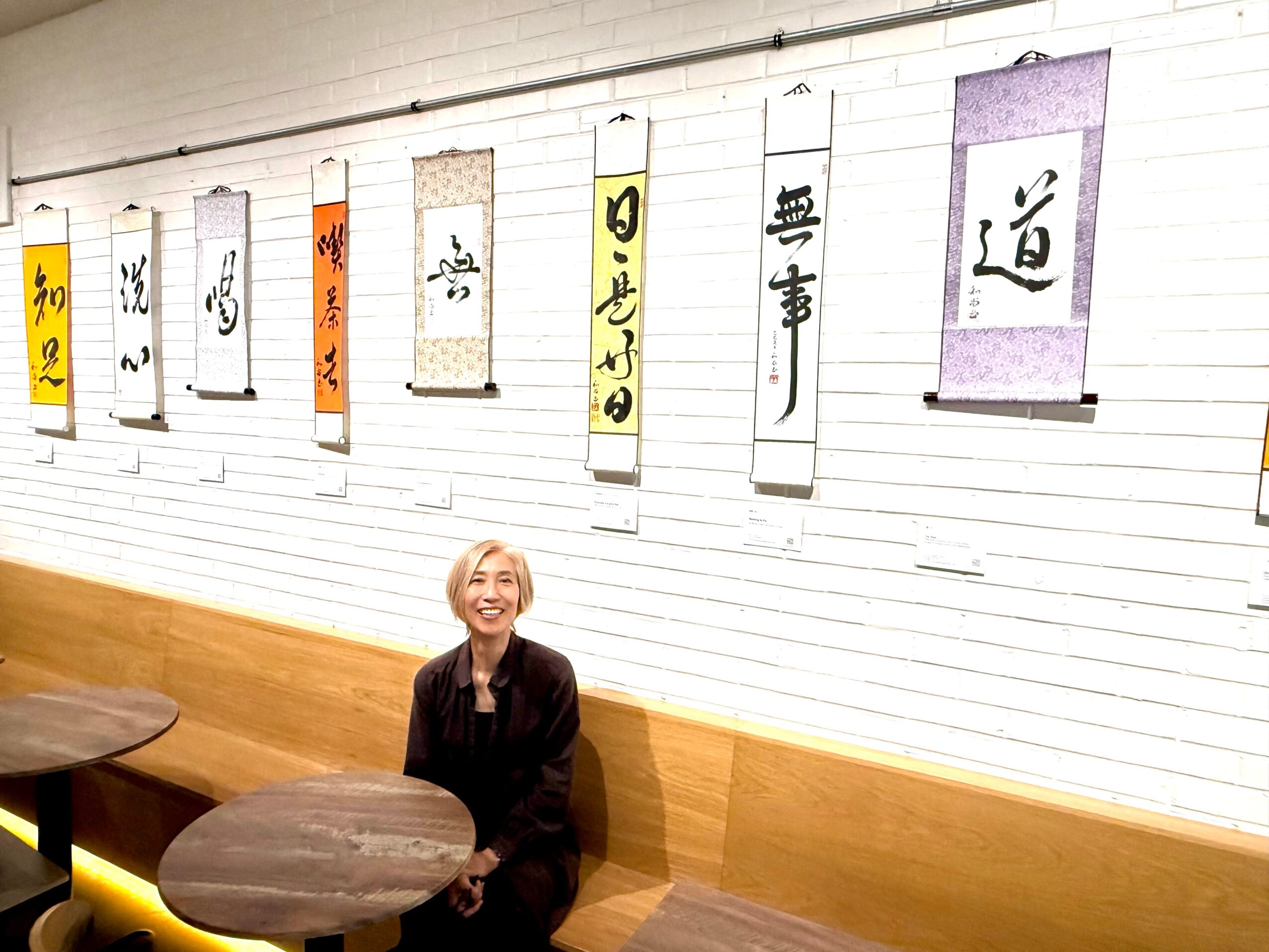
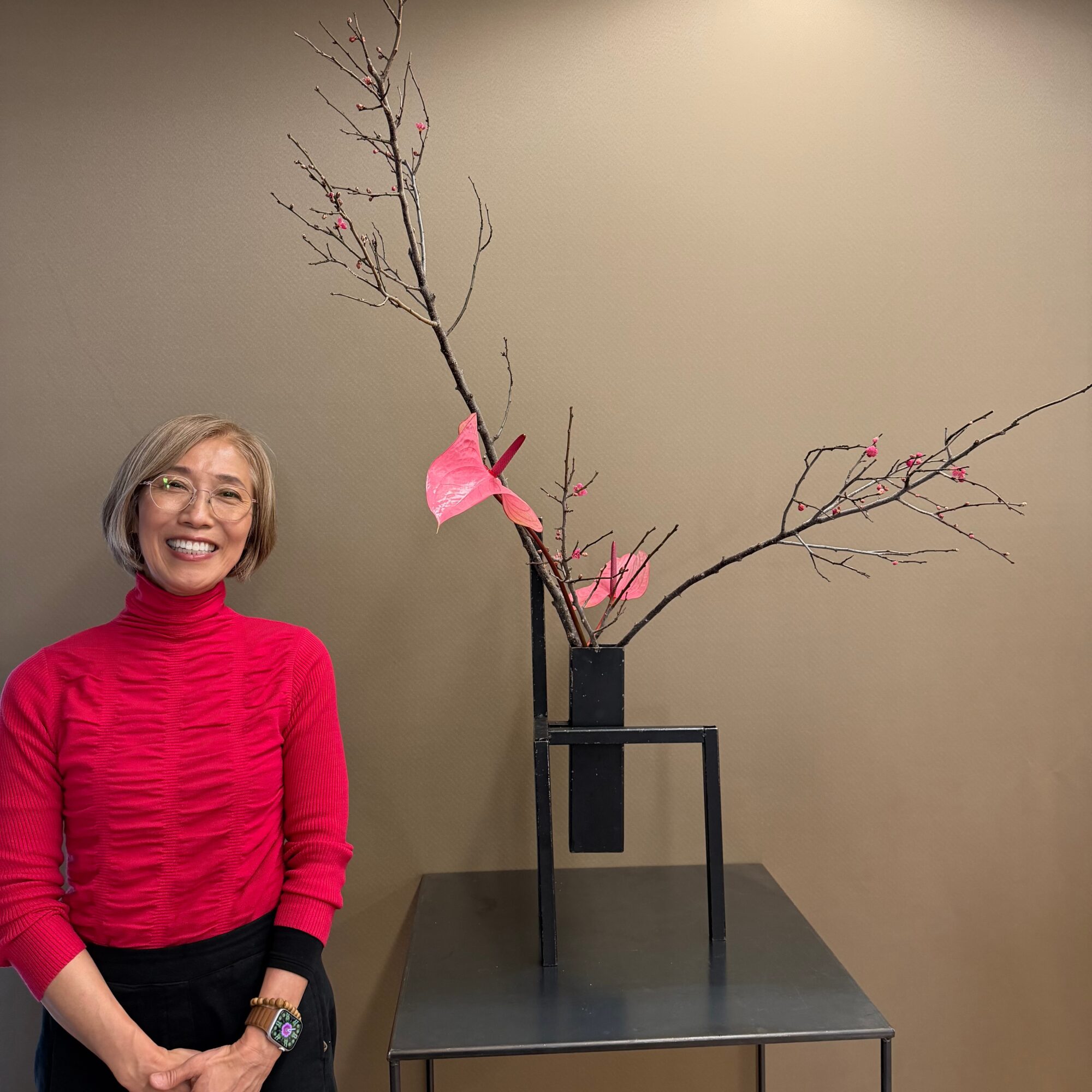
For the past ten years, I have had the privilege of sharing Japanese traditional arts with my community, including Japanese calligraphy (Shodo), Etegami—Japanese picture postcards—and Ikebana, the art of Japanese flower arrangement.
My mission today is to continue mastering these arts as deeply as I can, and to pass what I learn on to the next generation and to people in the global community.
My journey as a teacher actually began in a very unexpected way.
When my daughter started kindergarten, I began a small preschool program in my home for young children whose parents needed a little time for themselves. I called it a Japanese preschool program. We sang Japanese songs, made origami, read Japanese picture books, and explored different Japanese cultural activities.
One day, I introduced the children to calligraphy.
I remember watching their little hands hold these large brushes and move across a big white sheet of paper. They were fascinated by the black ink and the movement of the brush. I was amazed by how much they enjoyed it.
And something clicked for me.
I had grown up in Japan, where calligraphy was part of the school curriculum through high school. I enjoyed it so much that I also took private lessons outside of school. But at the time, I never thought of it as something particularly special. Everyone around me was doing it.
It wasn’t until I saw those children’s eyes and their excitement that I realized how special it really was.
I began thinking, “I want to learn how to teach this properly. I want to understand it more deeply so I can share it with others.”
Soon afterward, my husband had an opportunity to work in Japan from 2014 to 2016. I decided to close my preschool program and use that time in Japan not to work, but to study. I trained to become a certified calligraphy instructor.
That experience changed my path.
For me, calligraphy is much more than creating beautiful characters. It teaches me how to be present.
When I am doing other things—even other forms of art—my family might call me from the kitchen or something else might catch my attention, and I can easily become distracted. But when I sit down to practice calligraphy, I have to be completely there.
I prepare the ink. I hold the brush. I breathe. I make each stroke. And I have to follow the movement all the way to the end.
For those moments, I am completely in the present.
There is something almost meditative about it.
And that is what I hope to share with others.
We live in such a busy world. We are constantly moving from one thing to the next, surrounded by phones, messages, schedules, and responsibilities. I believe it is important to have a place where we can slow down—even for an hour—and simply be in the moment.
Calligraphy gives me that space.
But each Japanese art form offers something different.
Etegami encourages us to slow down, observe something in front of us, and express our feelings through a simple handwritten message. Ikebana teaches us to look closely at nature, space, balance, and the unique character of each branch and flower. Sumi-e invites us to appreciate simplicity, movement, and the beauty of leaving something unfinished.
They are different art forms, but for me, they share something very important: they bring us into the present moment.
Today, I teach Japanese traditional arts in elementary school after-school programs, at my studio, and in the community. I especially enjoy introducing these arts to people who may have never experienced them before, as well as people who learned them in Japan but now live overseas and no longer have a place to practice.
I want to make these traditions accessible—not only as techniques to learn, but as experiences to enjoy.
My hope is that through practicing these arts, people can discover their own quiet moment, their own connection to Japanese culture, and perhaps a little more space to simply be.
It is both a pleasure and an honor for me to share these traditions here in Oregon.
Alright, so let’s dig a little deeper into the story – has it been an easy path overall and if not, what were the challenges you’ve had to overcome?
One of the biggest challenges I faced was the COVID-19 pandemic. Because I teach hands-on traditional Japanese arts, being able to gather with people and practice together is a very important part of what I do. During the pandemic, I decided to close my classes for a while because I wanted to be very careful and protect my students and community.
At first, it was difficult to suddenly be separated from my community and from the people I loved teaching. But I also decided that I did not want that time to simply pass by. I wanted to use the time I had alone to keep moving forward.
I started creating YouTube videos and began using Instagram more actively to share my art and Japanese culture. It gave me a new way to connect with people when I could not be with them in person. In a strange way, that difficult period pushed me to explore ways of sharing my work that I might not have tried otherwise.
Another challenge is something that comes with learning traditional Japanese arts themselves. There is no shortcut.
Whether it is Shodo, Ikebana, Etegami, or another traditional art, there is always another level to learn. Progress often comes in very small steps. Sometimes I practice for a long time and feel frustrated because I cannot see much improvement in myself.
That can be difficult, especially when I want to do better and I know there is still so much to learn.
But I have learned that this is part of the journey. The path is long, and I have to trust the process, trust my teachers, and continue practicing one step at a time.
I think that is also one of the most valuable lessons these traditional arts have taught me: improvement does not always happen quickly or visibly. Sometimes the most important thing is simply to keep going.
Can you tell our readers more about what you do and what you think sets you apart from others?
What I do is introduce people to traditional Japanese arts and culture through hands-on experiences, teaching, demonstrations, and online content. I specialize in sharing the beauty and meaning of arts such as Shodo, Japanese calligraphy, Ikebana, and Etegami, while also helping people understand the cultural values behind them.
I am a certified instructor in Tokyo Bunka Shodo and Sogetsu Ikebana, as well as a certified Etegami Ambassador. These certifications reflect my formal training and commitment to preserving and sharing these traditional Japanese arts with care and authenticity.
My work is not only about teaching techniques. I want people to experience the spirit of Japanese traditional arts: patience, mindfulness, simplicity, and appreciation for the present moment. Through each art form, I encourage students to slow down, observe carefully, and express themselves in their own way.
I am especially known for making traditional Japanese arts approachable and meaningful for people who may be experiencing them for the first time. I explain the history and cultural background, but I also create a welcoming environment where people can try the arts without feeling intimidated. My goal is to make these traditions feel accessible while still respecting their depth and authenticity.
In addition to teaching in person, I share Japanese art and culture through YouTube and Instagram. These platforms allow me to connect with people around the world and introduce them to traditions they may not otherwise have the opportunity to experience.
I believe my specialty is creating a bridge between traditional Japanese culture and modern audiences. I preserve the spirit of these arts while finding new ways to share them with people today.
Is there a quality that you most attribute to your success?
The quality I feel is most important to my success is patience.
Traditional Japanese arts cannot be mastered quickly. Whether I am practicing Shodo, Ikebana, or Etegami, progress comes through careful observation, repetition, and a willingness to continue learning. Patience helps me respect the process instead of focusing only on the final result.
Patience is also important when I teach. Many people are experiencing these arts for the first time, so they may feel nervous or unsure of themselves. I want to create a welcoming environment where they feel comfortable asking questions, making mistakes, and expressing themselves in their own way. By being patient and encouraging, I can help them connect with the art and enjoy the experience.
I also believe patience allows me to preserve the authenticity of these traditions while making them accessible to modern audiences. I take time to explain the history, cultural values, and meaning behind each art form rather than teaching only the techniques.
Through my work, I have learned that success is not only about skill or recognition. It is also about continuing to learn, sharing knowledge with care, and helping others discover the beauty of Japanese culture. Patience gives me the foundation to do all of these things.
Contact Info:
- Website: Stonelake school.com
- Instagram: https://www.instagram.com/stonelakeschool/
- Youtube: https://www.youtube.com/@stonelakeschool