


Today we’d like to introduce you to John Herman.
Hi John, thanks for joining us today. We’d love for you to start by introducing yourself.
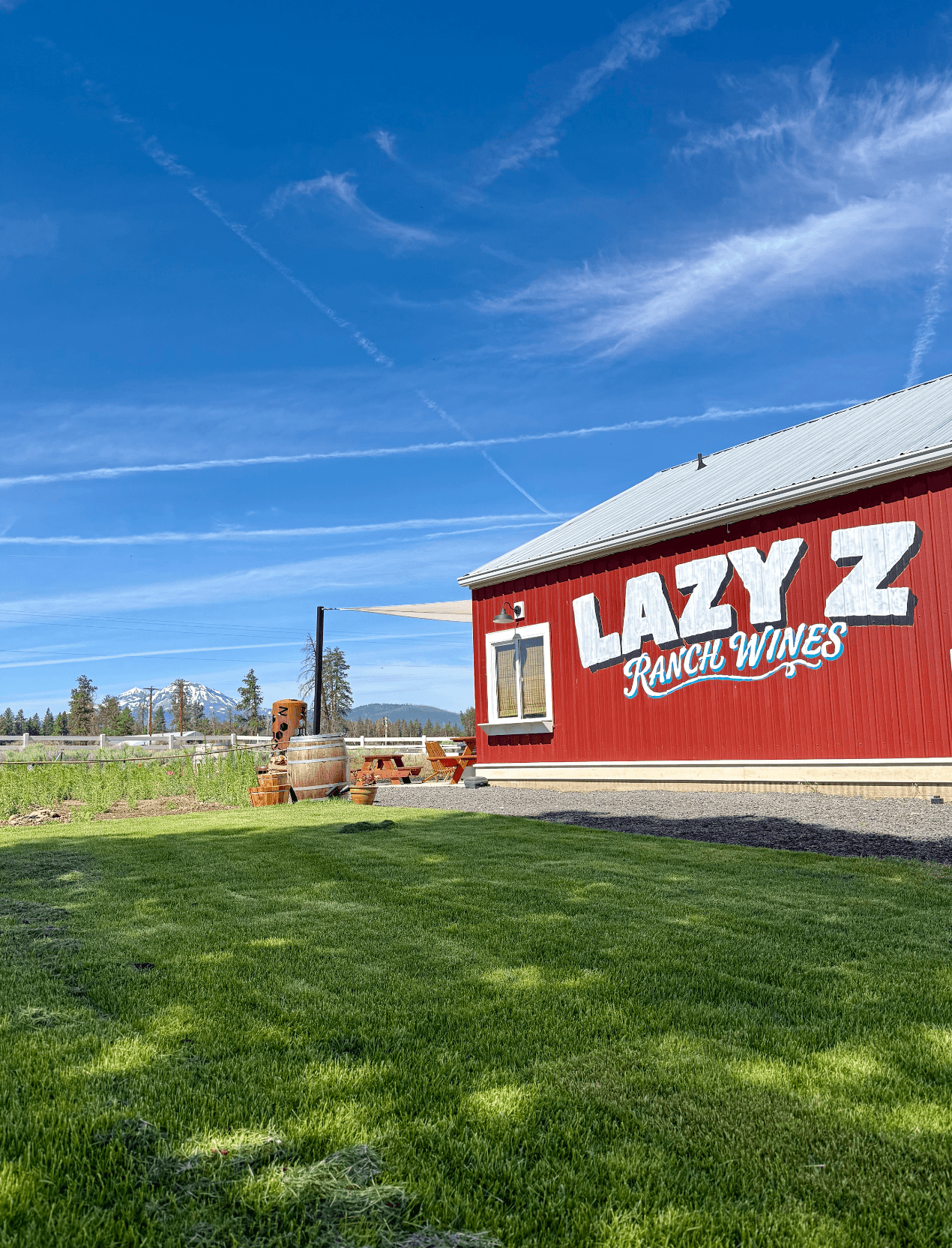
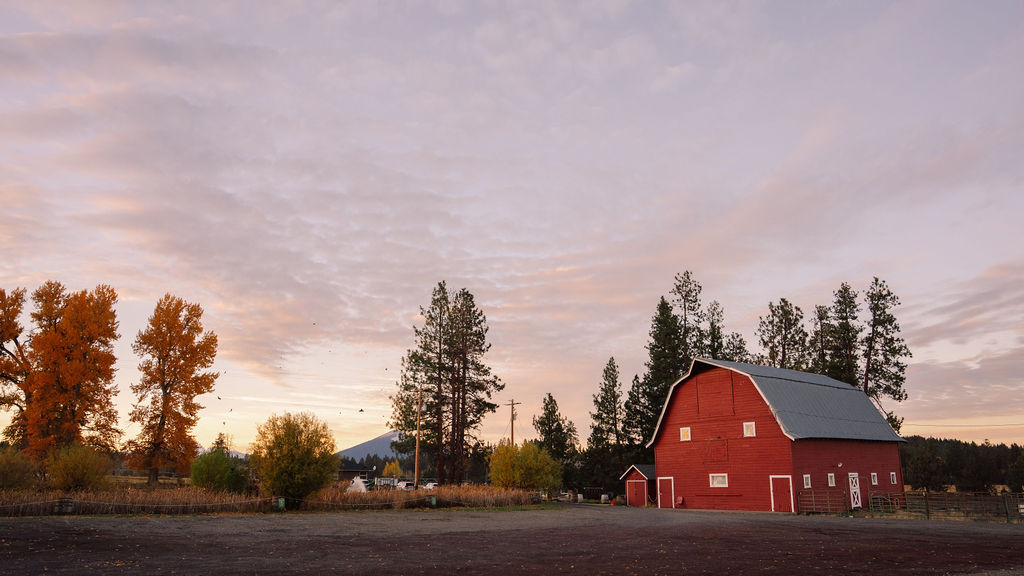
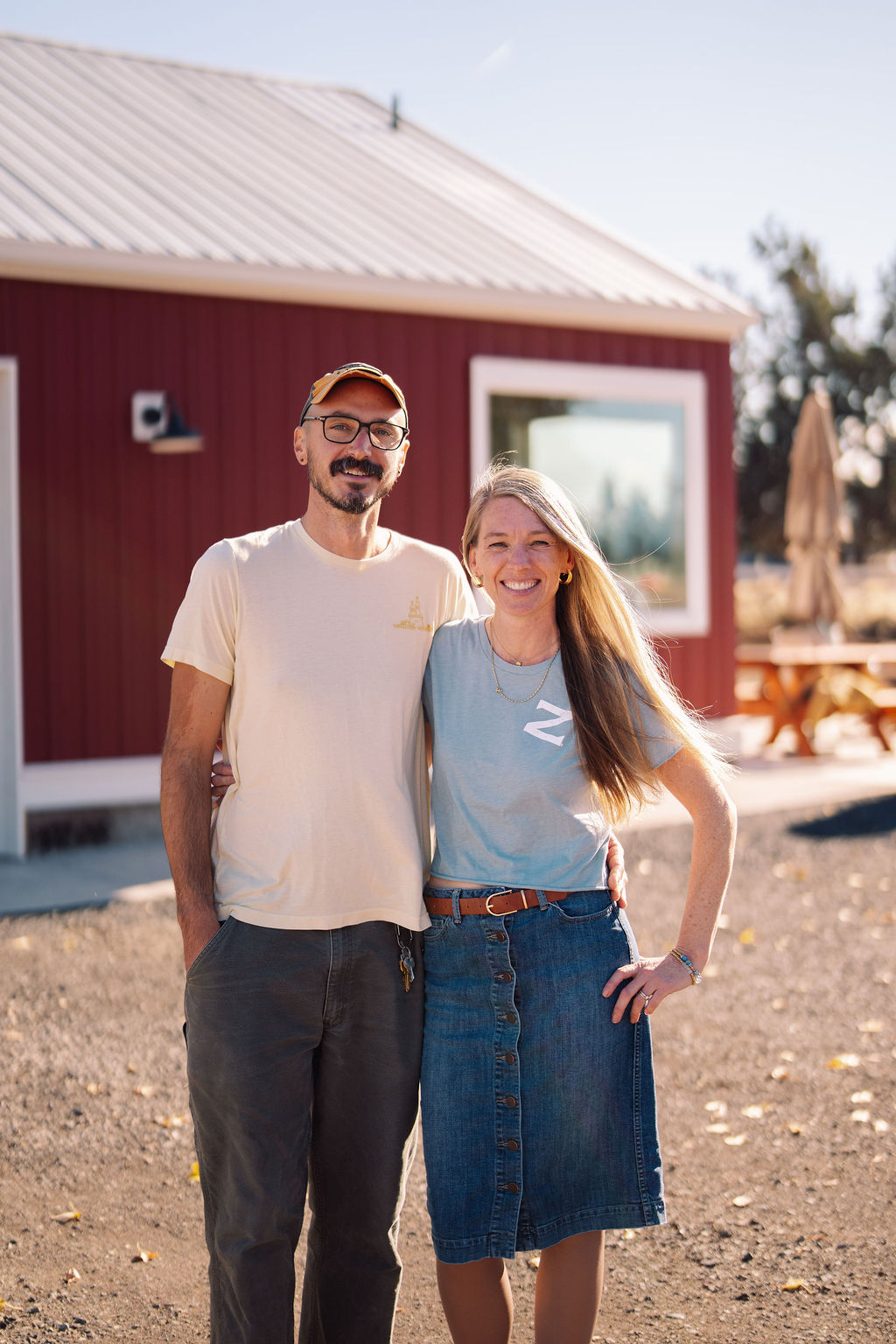
I spent my formative childhood years on a 1,200 acre ranch in Modoc County, California, so agriculture has always been part of my life. Today, my wife Renee and I run Lazy Z Ranch in Sisters, Oregon, where we are raising our kids and building a business around caring for the land.
We began reimagining the ranch as a regenerative bee ranch in 2020. A lot of our work starts with the soil. We plant diverse pastures, use livestock to help manage them, and grow flowers that feed bees and other pollinators. Everything is connected, and we try to farm with those connections in mind.
Honey wine became a way to bring that work into a glass and help pay for the farming behind it. We released our first wines in 2023, using our own honey and honey sourced directly from other Oregon beekeepers, along with fruit and other ingredients grown here in Oregon.
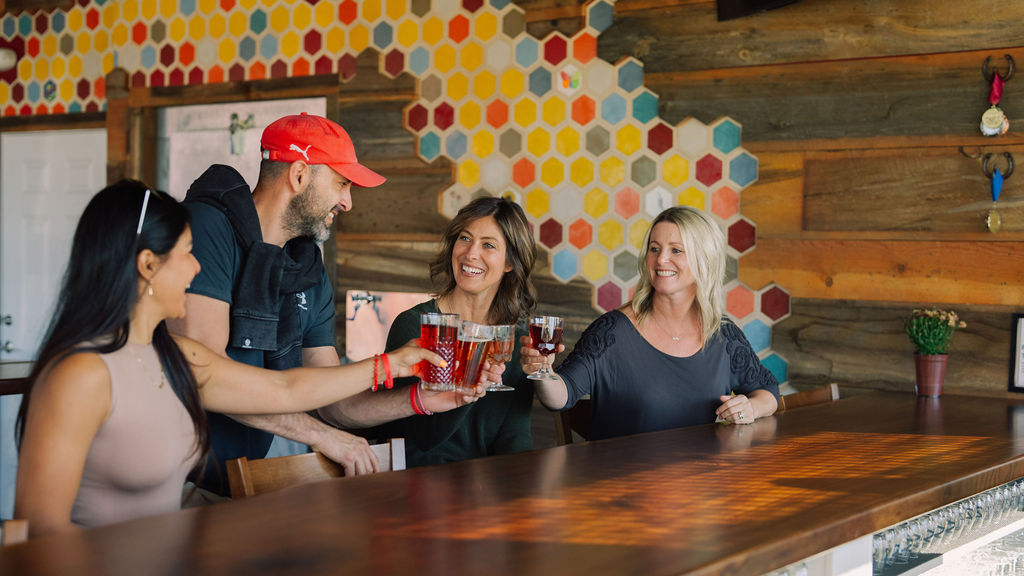
Since then, we have grown the wine business and opened a tasting room where people can spend time on the ranch and experience what we are doing. Renee and I do a lot of the work ourselves, and we are still figuring things out as we go. Farming is hard. Building a small business is hard. Getting the two to support each other takes a lot of creativity and persistence.
What keeps us going is seeing people connect with this place and with each other. Someone comes out for a glass of wine, and we get to talk about bees, soil, or where their food comes from. Those conversations matter to us. We want to make something people enjoy while caring for a place that has a lot to give.
Alright, so let’s dig a little deeper into the story – has it been an easy path overall and if not, what were the challenges you’ve had to overcome?
No, it has been a pretty bumpy road. We are trying to build a farm that takes care of the land and a business that can financially support that work. Getting those two things to line up is difficult. The bills come every month, but the benefits of healthier soil and a more diverse landscape take years to develop.
There is also a lot of education involved in selling mead. Many people have never tried it, or they assume it will all be very sweet. Getting someone to taste it is often the easy part once they are here. Getting them to come out in the first place takes a lot more work.
Renee and I have had to wear a lot of hats. Farming, making wine, serving customers, planning events, cleaning bathrooms, figuring out marketing. All while raising two kids. There are days when everything needs attention at once, and there just aren’t enough hours or enough of us.
Probably the hardest part is putting so much of yourself into something without knowing whether it will work. We have had events with very few people, slow days in the tasting room, and plenty of moments when we have had to question what we can afford to keep doing. You can believe deeply in the value of something and still struggle to pay for it.
We are still in the middle of that. We have people who love this place and keep showing up for us, and that means a lot. But I wouldn’t want to tell the story as though we have figured it all out. We are learning, making adjustments, and trying to build something that can support our family and the farming we believe in.
Can you tell our readers more about what you do and what you think sets you apart from others?
I’m a rancher and a meadmaker. My wife Renee and I run Lazy Z Ranch Wines in Sisters, Oregon, where we make honey wine and care for an 84 acre regenerative bee ranch.
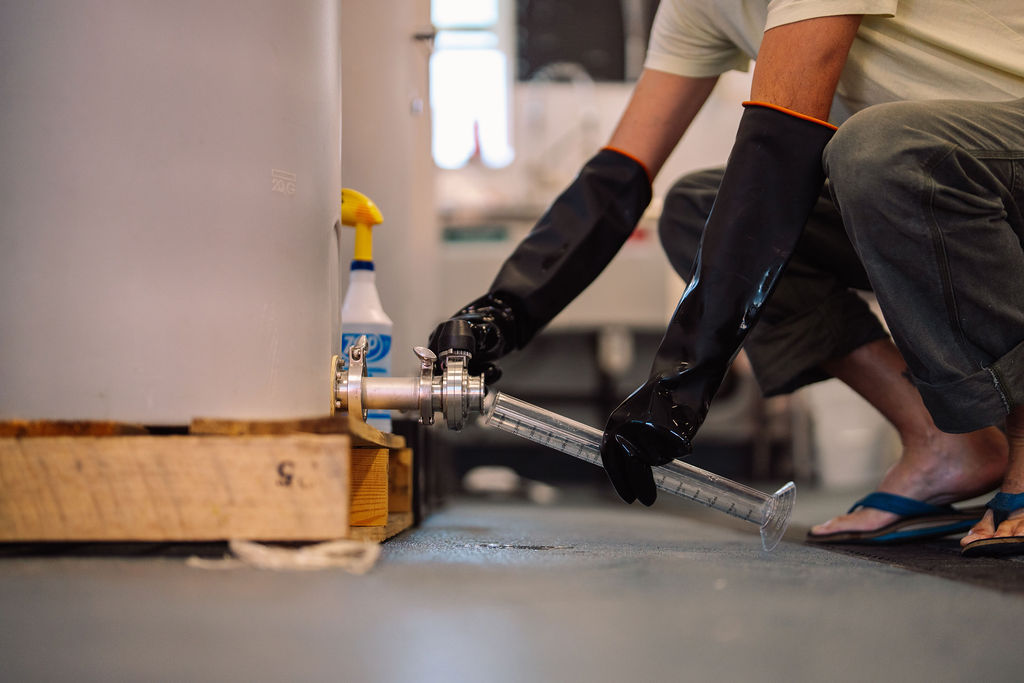
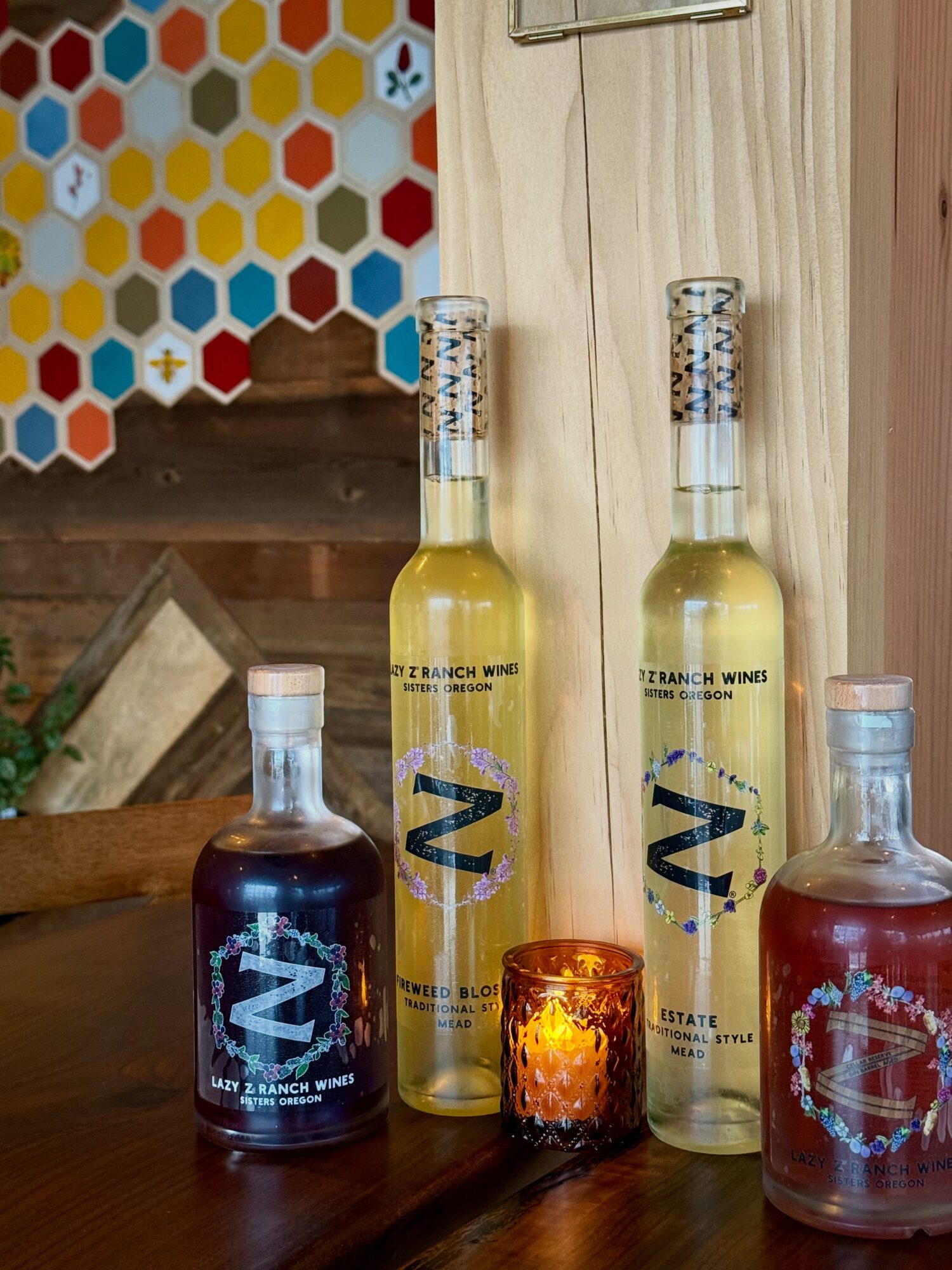
We specialize in mead made with our own estate honey and honey sourced directly from other Oregon beekeepers. Honey has an incredible range of flavors depending on what flowers the bees visit. Meadowfoam, raspberry blossom, and fireweed honey each bring something different to a wine. We work with those differences, along with Oregon fruit, botanicals, and barrel aging, to make wines that range from dry to sweet.
Our Estate traditional style meads are made entirely from our ranch bees honey; an extremely rare product! Our Gin Barrel Aged Grape and Plum has become one of our most awarded wines, but I also love pouring a traditional mead for someone and letting them experience how much flavor can come from honey alone. There is a whole agricultural story in that glass.
What sets us apart is how closely the wine is connected to the farming. We manage pastures, plant diverse flowering crops, graze livestock, and keep bees. We also buy from other Oregon beekeepers, so the business supports agricultural work beyond our own fences. When someone buys a bottle, they are helping pay for that work.
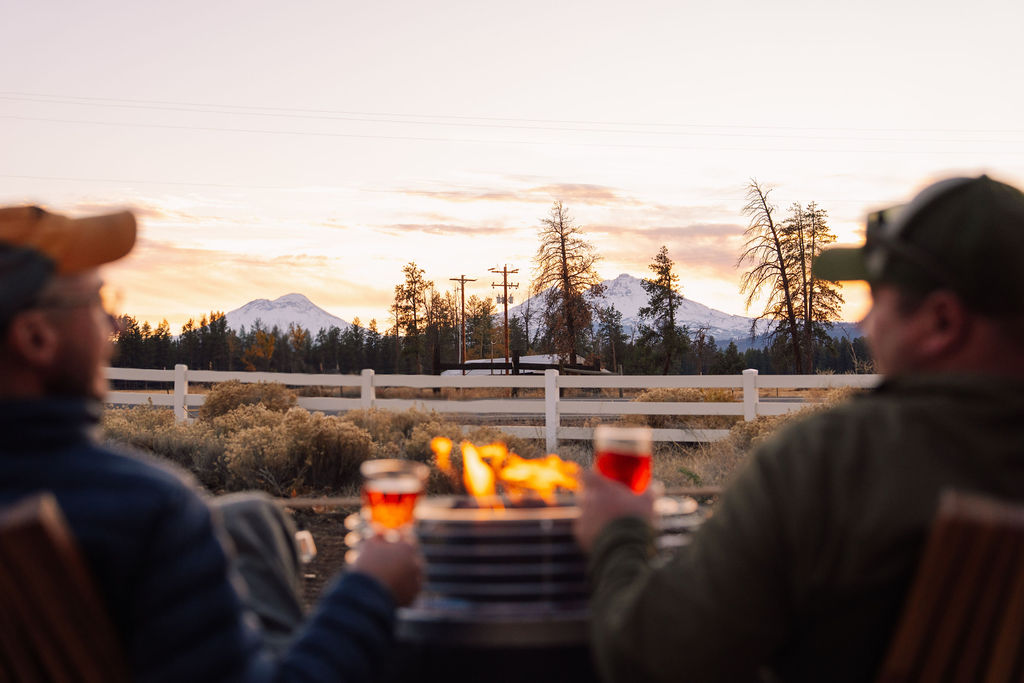
I’m most proud that we have made this place something people can participate in. You can sit at the ranch, look out over the fields and mountains, and drink something that comes from the landscape around you. You can ask us questions, bring your family, or spend an afternoon with friends.
We want to make excellent wine and build a place people love coming to. If we can do that while improving the soil, feeding pollinators, and supporting other farmers, then we are building something I’m proud to put my life into.
Are there any apps, books, podcasts, blogs or other resources you think our readers should check out?
I tend to gravitate toward resources that help me think more regeneratively. Regenerative farming is inspired by regenerative thinkers, and I’m more interested in that way of thinking than in following a particular set of farming practices.
For me, that means paying attention to relationships. How does a decision affect the soil, the bees, our family, our employees, our neighbors? What does this place need? What can we contribute that helps it become healthier and more alive over time?
That thinking reaches into everything we do. It shapes how we farm, but also how we make wine, welcome people, and define success. The financial side has to work, and we also have to ask whether the way we earn that money is improving the place and the lives connected to it.
Books and conversations that challenge my assumptions are helpful. So is spending time outside and watching what happens after we make a change. The land gives us feedback, whether it agrees with our ideas or not.
I’m drawn to people who help me ask better questions. The longer I do this, the more I realize how much depends on being willing to observe, reconsider, and keep learning.
Pricing:
- Bottles range from $29 to $56+
- Onsite pours are $10-20
Contact Info:
- Website: https://www.lazyzranch.com
- Instagram: https://www.instagram.com/lazyzranch/
- Facebook: https://www.facebook.com/lazyzranch/
- Yelp: https://www.yelp.com/biz/lazy-z-ranch-wines-sisters?osq=Lazy+Z+Ranch+Wines