


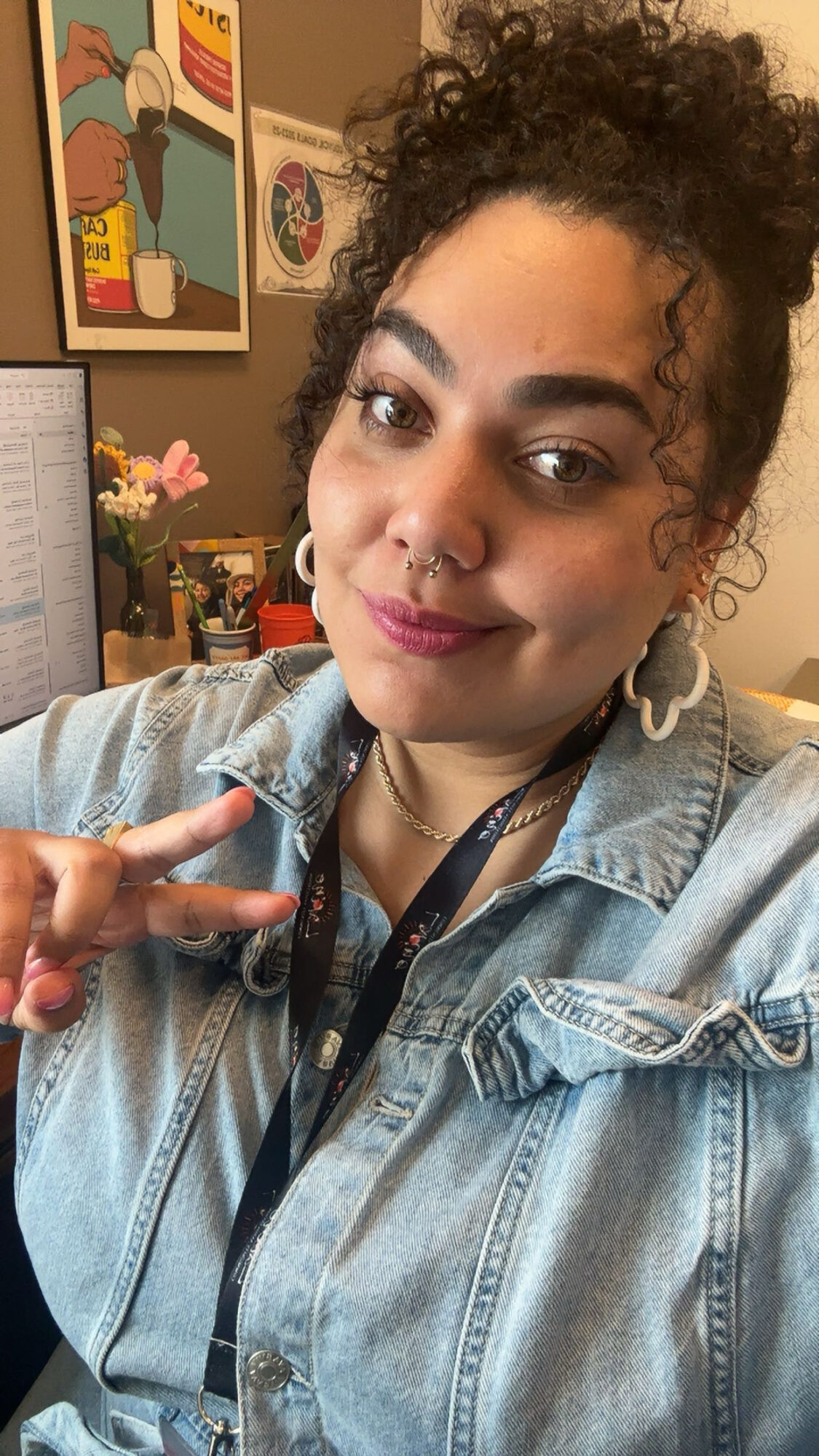
Today we’d like to introduce you to Kathi Barguil.
Hi Kathi, we’re thrilled to have a chance to learn your story today. So, before we get into specifics, maybe you can briefly walk us through how you got to where you are today?
I grew up feeling like I was “ni de aquí ni de allá.” I was born in Cartagena, Colombia, part of the Spanish-speaking Caribbean, and grew up in the most diverse place in the world, Queens, NY. I spoke Spanish at home and English in school, and was embraced by a city that is loud, warm, and full of people who show up for each other. Living between these two places also gave me a fierce loyalty to underdogs.
I studied civil engineering at Columbia University, and during school worked first as a student librarian, and then as a lab assistant at the Robert A. W. Carleton Strength of Materials Laboratory. During school I traveled to Ecuador, Colombia, and West Virginia, combining engineering and, what I understood at the time to be community justice, to practice. Afterwards, I went to work on rural water access and sanitation projects alongside Indigenous communities in Panama as a Peace Corps volunteer. I learned more in those years than any classroom could have taught me, particularly the value of public service and the importance of participatory processes and community engagement in design and construction.
I landed in Bend in 2018, excited to learn from the former director of the City of Bend’s engineering & infrastructure planning department, who was exploring designing and building with community. After supporting project delivery of a few sanitation projects, co-managing the City’s 2021 integrated water master plan, and leading Spanish-language communication and outreach during the Covid-19 pandemic for the City, I felt drawn to less rigid technical spaces and started spending my time on advocacy instead, working to get BIPOC and 2SLGBTQIA+ voices more genuinely included in local government processes here in Central Oregon.
After a couple of years working as a client manager at Isle Utilities in the water innovation space, I transitioned into recovering engineer status. Still, the instinct never really leaves you. I still think in systems, I still want to know how the pieces connect, but these days I’m building relationships and narratives instead of infrastructure.
That path eventually led me to Mixte, where I now work as Communications Director for the Warm Springs Power & Water Enterprises. It’s work that still lets me use everything I learned in those early years about infrastructure and community, just from a completely different angle, and in support of Tribal sovereignty.
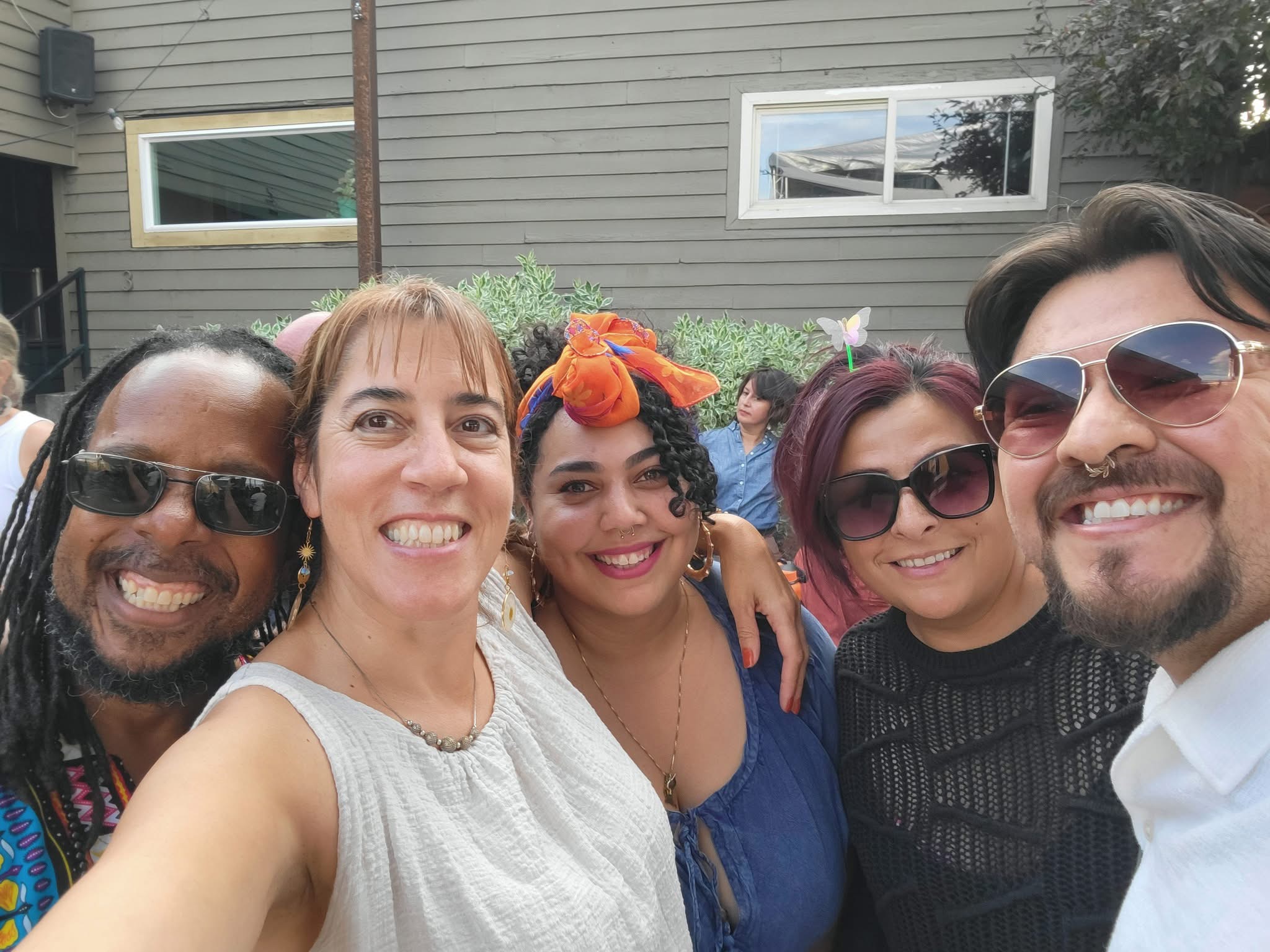
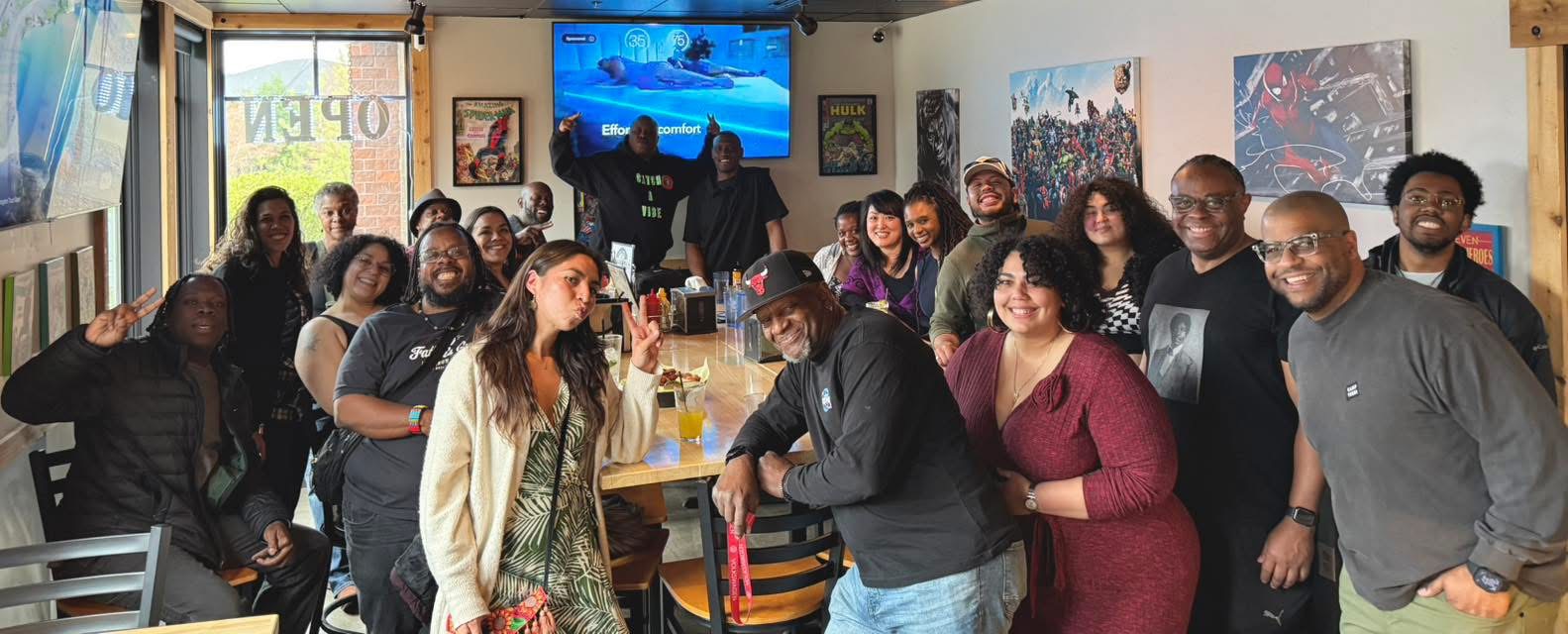
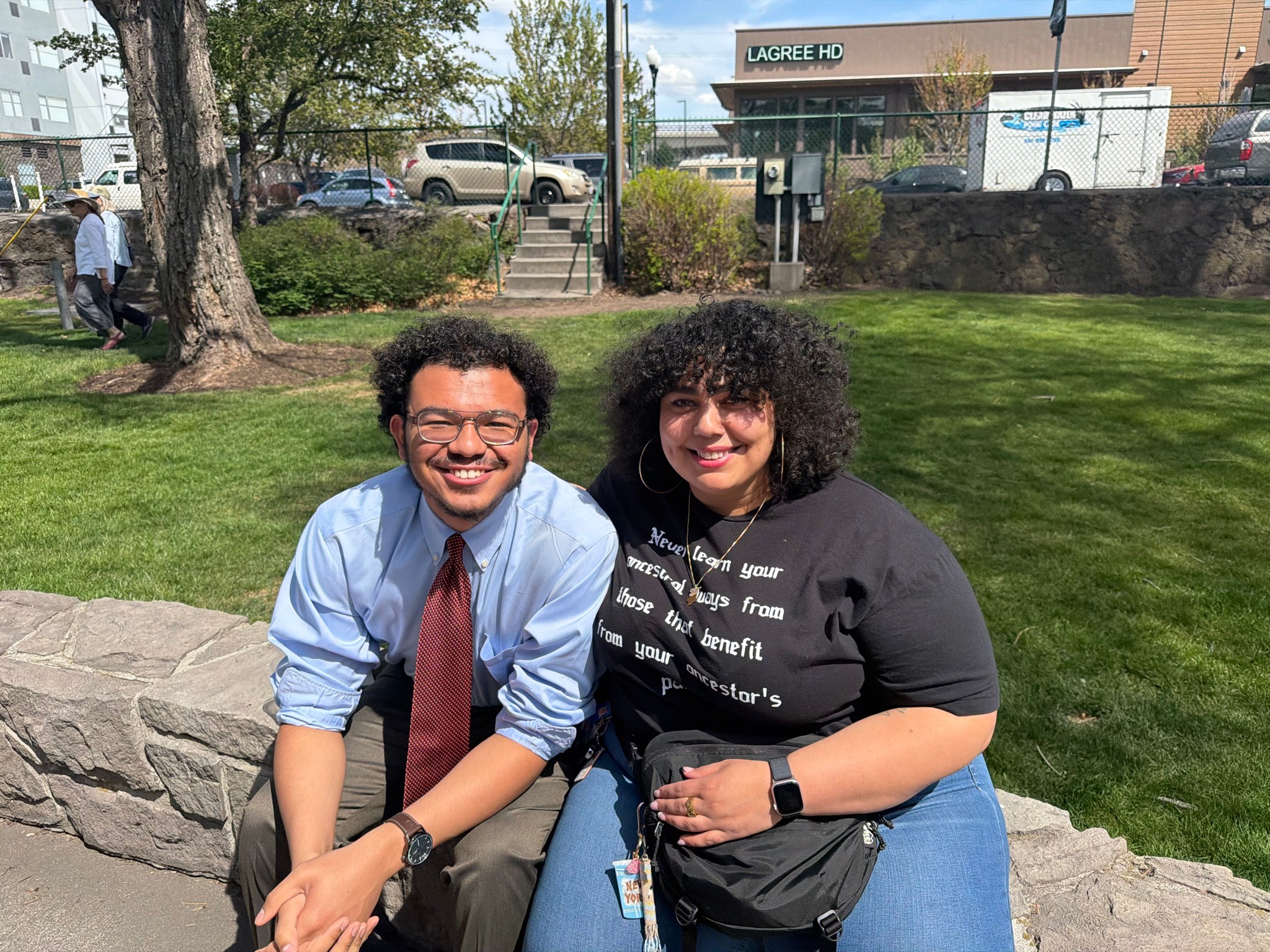
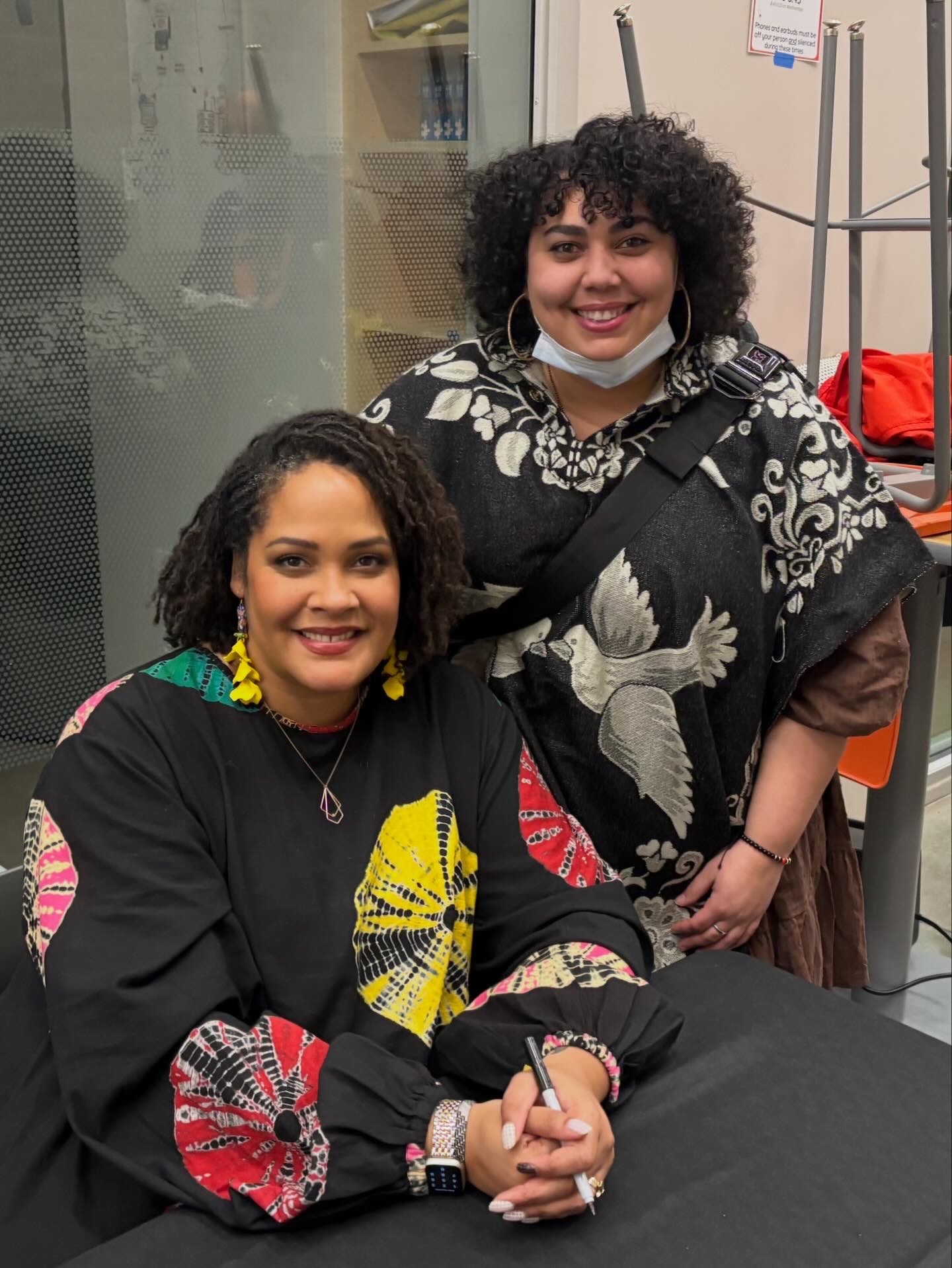
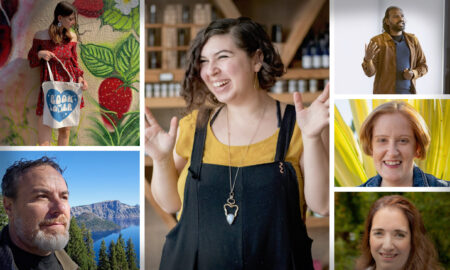
A few years ago, a new-at-the-time friend asked me a simple question: why do you stay in Central Oregon? It inspired me to start asking other people the same thing, and out of those conversations came Why We Stay, a project documenting the stories of Black, Indigenous, Latine, Asian, Pacific Islander, and other people of color who’ve made their lives here in Central Oregon. It’s personal work and it’s transparently biased work, because these are my people and my chosen home. But I think that’s exactly why it matters.
I also support organizing of other passion work, including Central Oregon’s Juneteenth celebrations (with various hosts over the years) and Dia de Muertos, which we’re bringing back to Bend this year in collaboration with The Open Arts Center.
I’m sure it wasn’t obstacle-free, but would you say the journey has been fairly smooth so far?
Nobody really tells you how heavy it is to carry two homes inside you until you’re standing in a room that only makes space for one. I moved through the world as an immigrant long before I had language for what that meant, translating not just words but entire ways of being, depending on who was in front of me. Cartagena and Queens taught me two different rhythms, two different ways to be loud, to grieve, to celebrate, and I spent years learning how to fold myself into whichever one the room could handle.
Engineering was supposed to be the thing that made all of that easier. A degree from a school that would facilitate access and comfort. But being a woman of color in that field meant I was constantly proving I belonged in rooms I’d already earned a seat in. I learned to expect being the only one, or one of very few, and I learned how exhausting it is to do good work while feeling exposed and alone.
Working alongside Indigenous communities in Panama complicated things further, in the best and hardest ways. I was an outsider there too, walking into communities with their own deep knowledge and their own complex histories with people from both countries I claimed. I had to learn how to hold my expertise with humility, how to listen before I offered anything, and how to sit with the discomfort of realizing that showing up with good intentions isn’t the same as showing up right.
Coming to Bend brought its own version of that same lesson. Central Oregon is not a place with a long visible history of people like me, and there were years where I felt like I was searching for community and coming up empty, piecing together relationships and resources without much infrastructure or support. I also got tired in ways that are hard to explain to people who’ve never had to be the one translating their community’s needs to systems that weren’t built with them in mind. There were moments I questioned whether I should stay, whether the work was actually moving anywhere, whether I was pouring myself into a place that would ever pour back.
What kept me here, and what eventually became Why We Stay, was realizing I wasn’t the only one asking that question quietly. So many people around me were carrying the same weight, doing the same invisible labor of building belonging in a place that hadn’t learned to see them yet. Many of the people who will be featured in Why We Stay are those I’ve connected with over the years, and who have yearned for and created spaces that celebrate their whole selves.
My definition of success is different nowadays. It looks like still being here. Still choosing this place and my people, even on the days it would be easier not to.
Can you tell our readers more about what you do and what you think sets you apart from others?
I am multi-skilled and multi-faceted. While I work in communications now, I like to say I’m fluent in systems first and words second. Engineering taught me how to see an answer to a problem, piece it apart, test the pressure points, and understand the critical pieces necessary to a structure’s survival. I carry that instinct into every piece of storytelling and strategy I build now.
At Mixte, I get to sit at the intersection of infrastructure and narrative, translating complex, high stakes work into something a community can understand and learn to trust. It’s not so different from what I was doing in the water sector years ago, I’m just using different tools. I care about who gets informed and how to close the gaps for those who can’t or aren’t accessing that information.
I hope that I’m known for bringing my full self into every space. I don’t leave my engineering brain at the door when I’m doing community work. I also practice being a good listener everyday, which means not just making space for someone’s story, but reciprocating vulnerability to achieve deeper levels of understanding.
The Why We Stay project brings me a lot of joy. Not because it’s polished or finished since it’s neither, but because it can hopefully provide celebration of the invisible labor that so many do.
I also recognize that I am a biased, values-oriented human and cannot separate my own story from my work. I care about improving systems because I am personally invested in the result.
Is there a quality that you most attribute to your success?
I am persistently stubborn in a loving way. I learned early that success asks you to stay in the room when it would be easier to leave. I’m not always the most polished or knowledgeable person in the room (and how boring would it be if I were), but I’ve almost always been the one still there at the end of it, still asking the next question, and not letting up. That persistence, paired with genuinely caring about the people on the other end of the work, is my guide.
Contact Info:
- Website: https://www.whywestaycentraloregon.com/
- Instagram: https://www.instagram.com/katitastrophe/
- LinkedIn: https://www.linkedin.com/in/katherinabarguil/
- Other: https://www.instagram.com/whywestay_centraloregon/