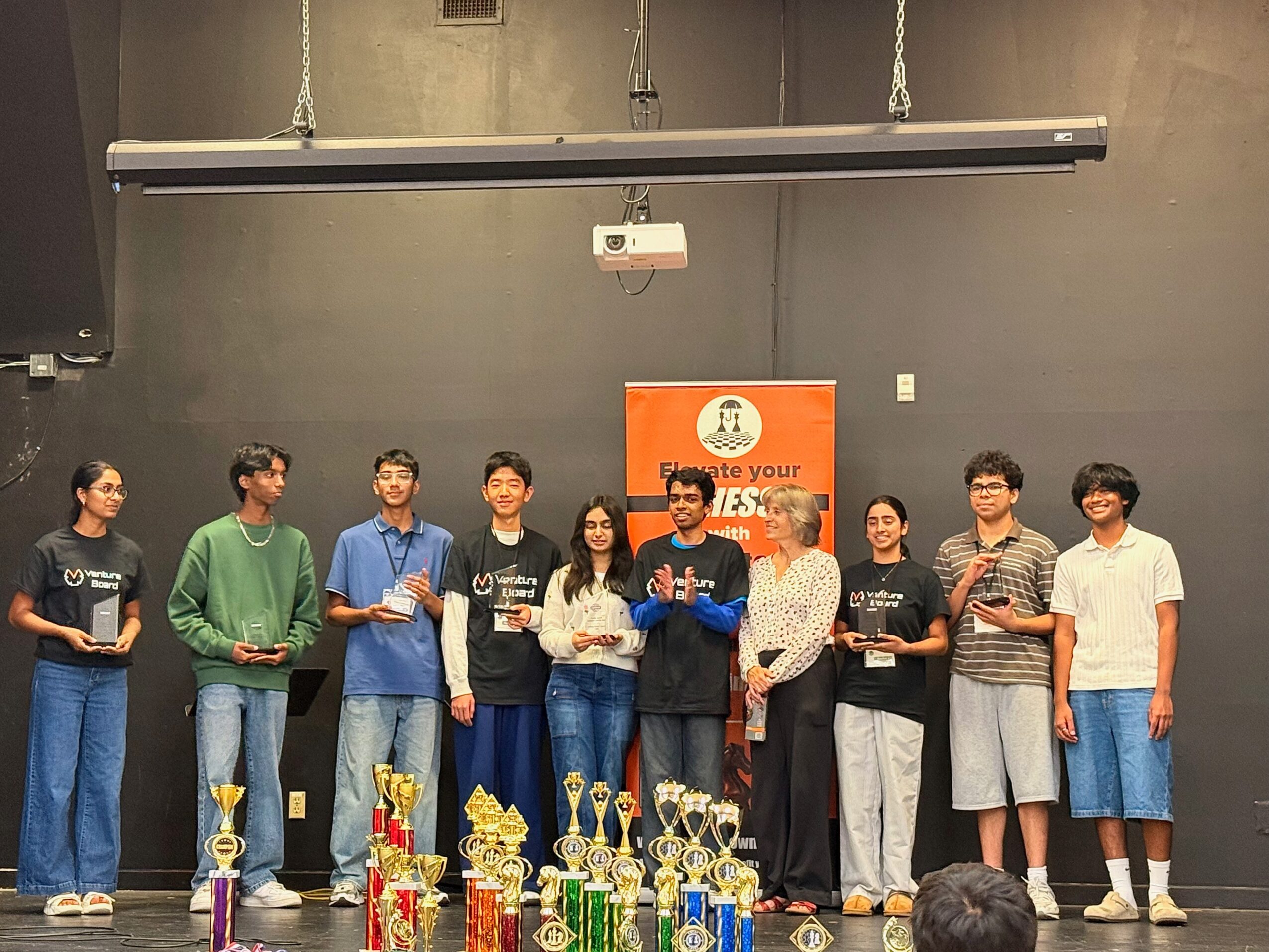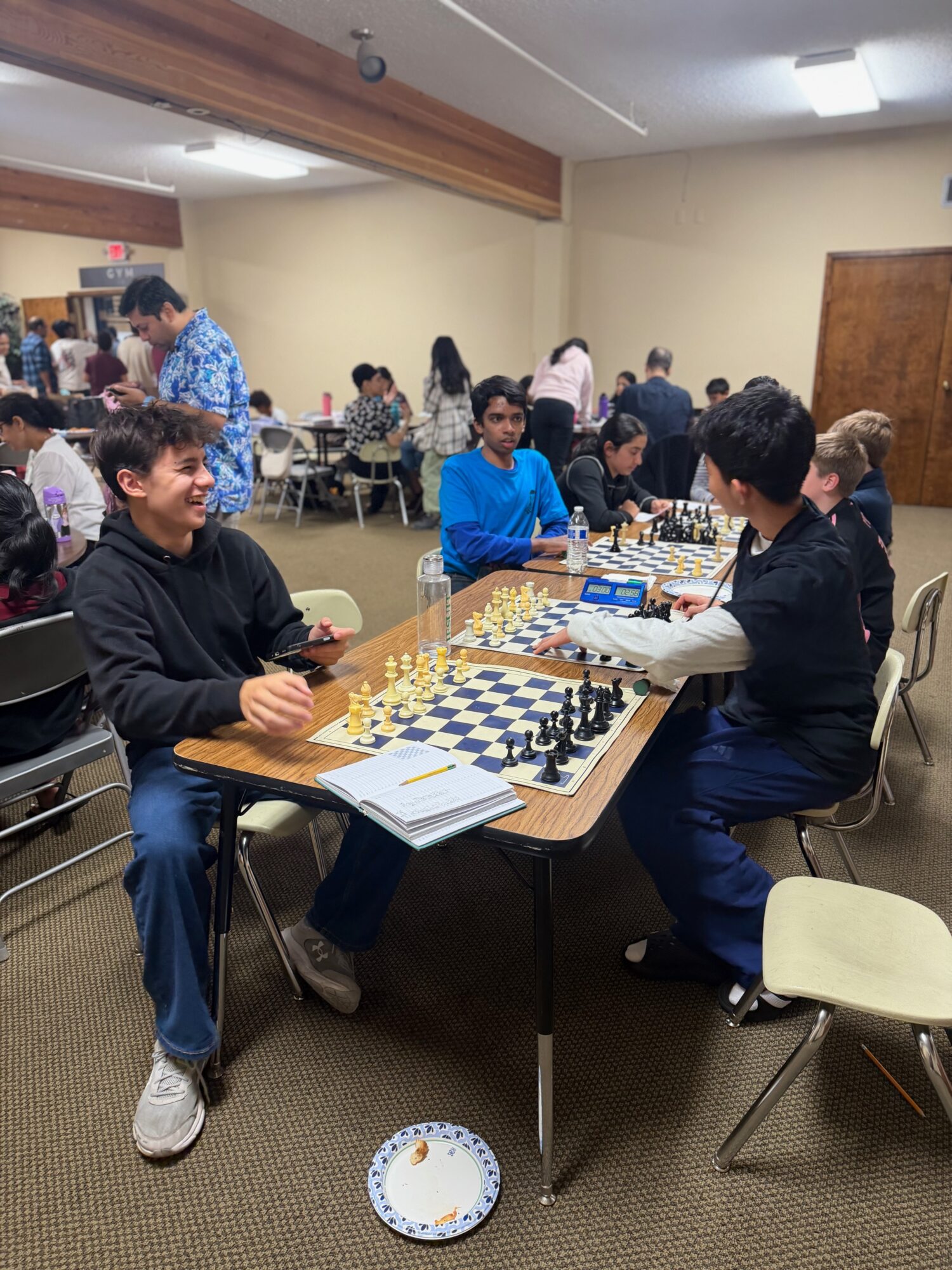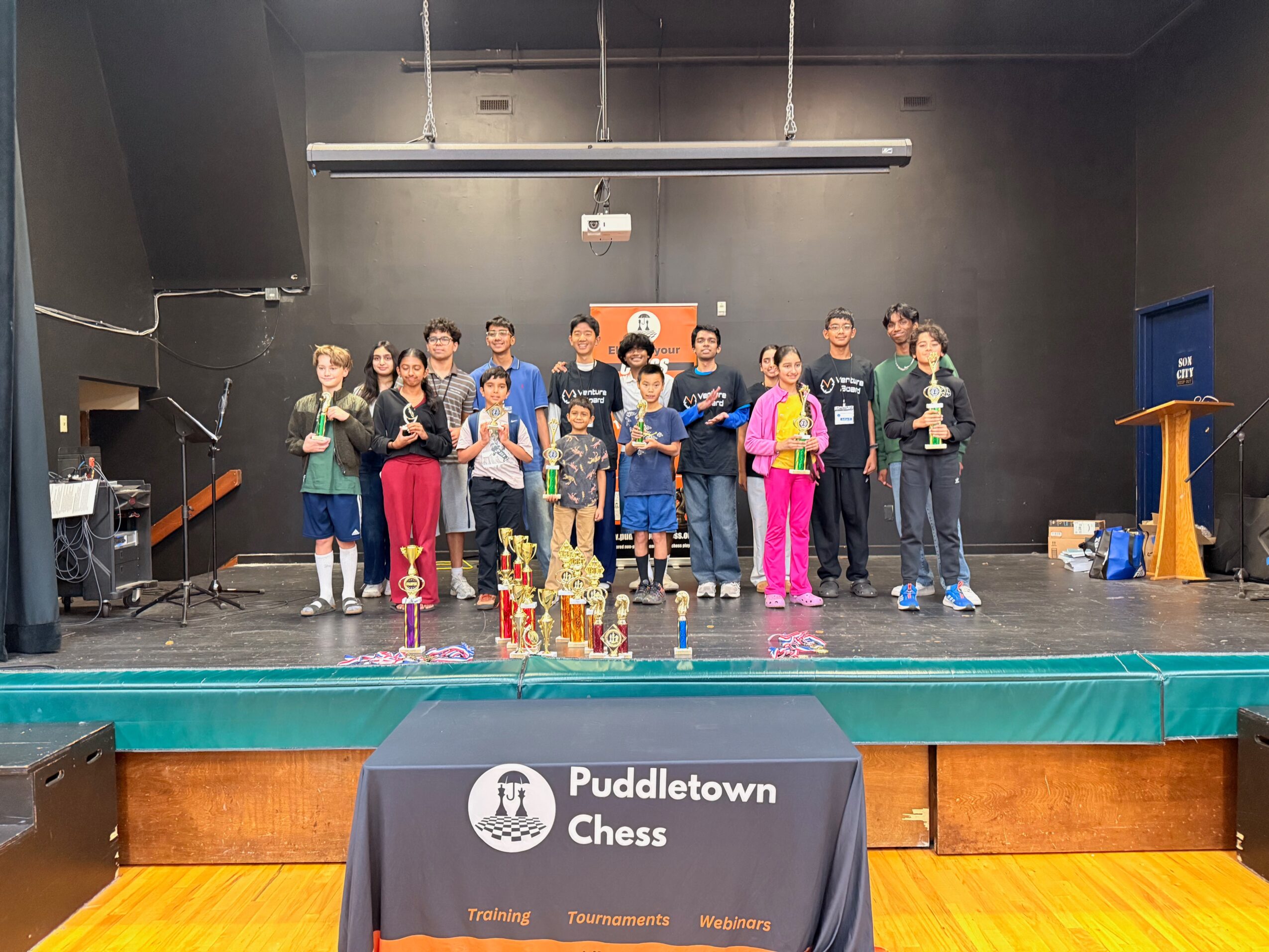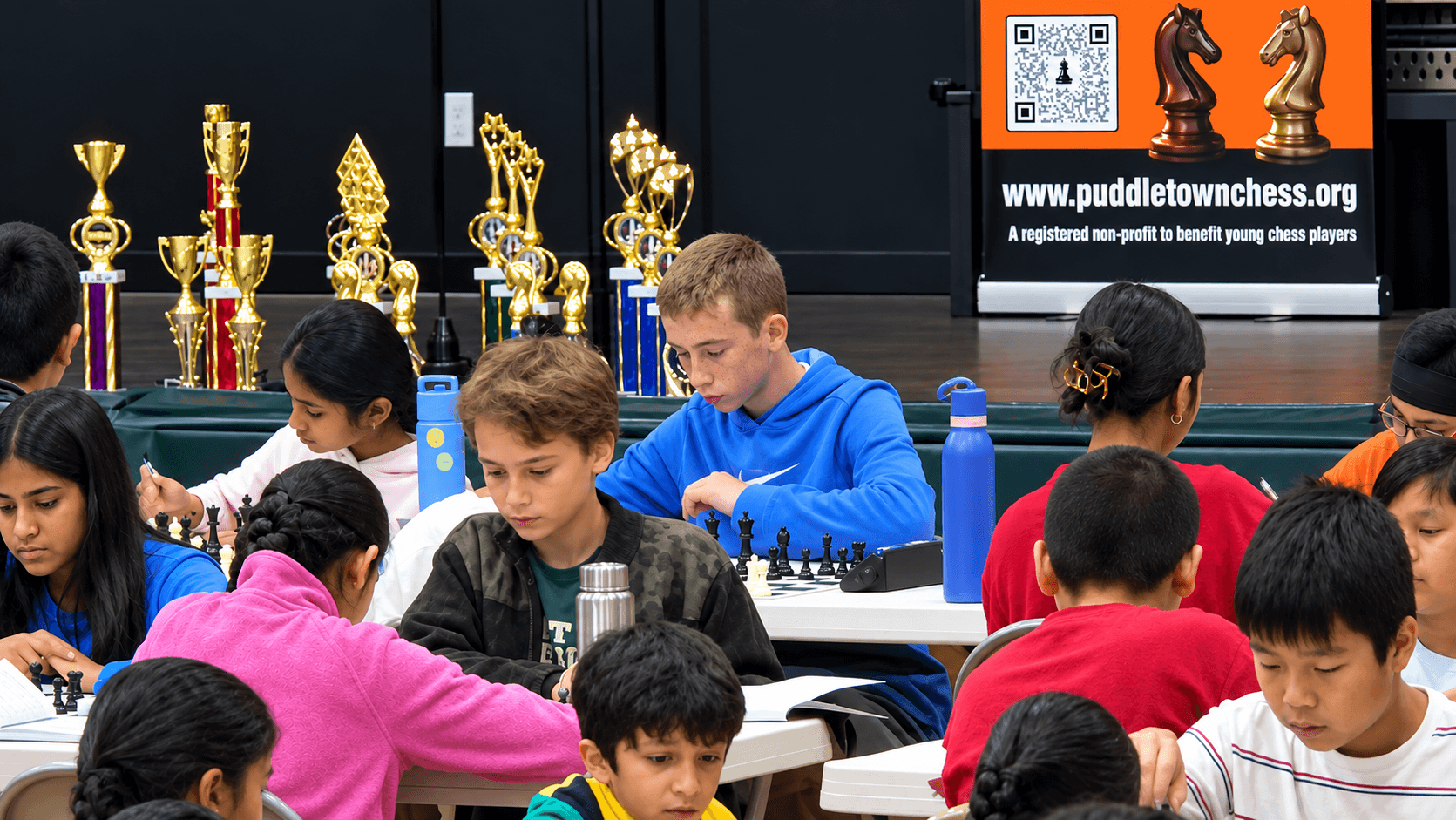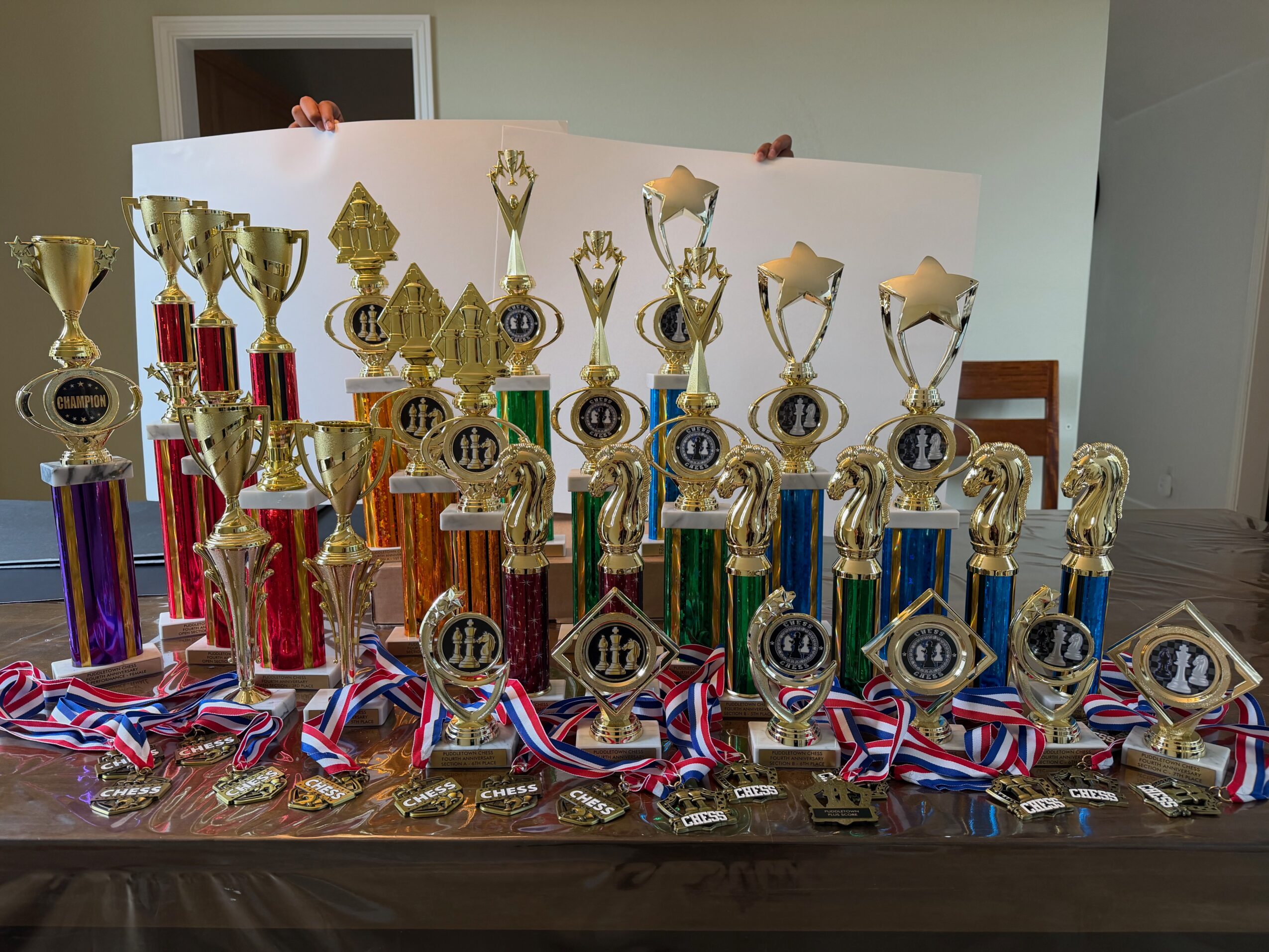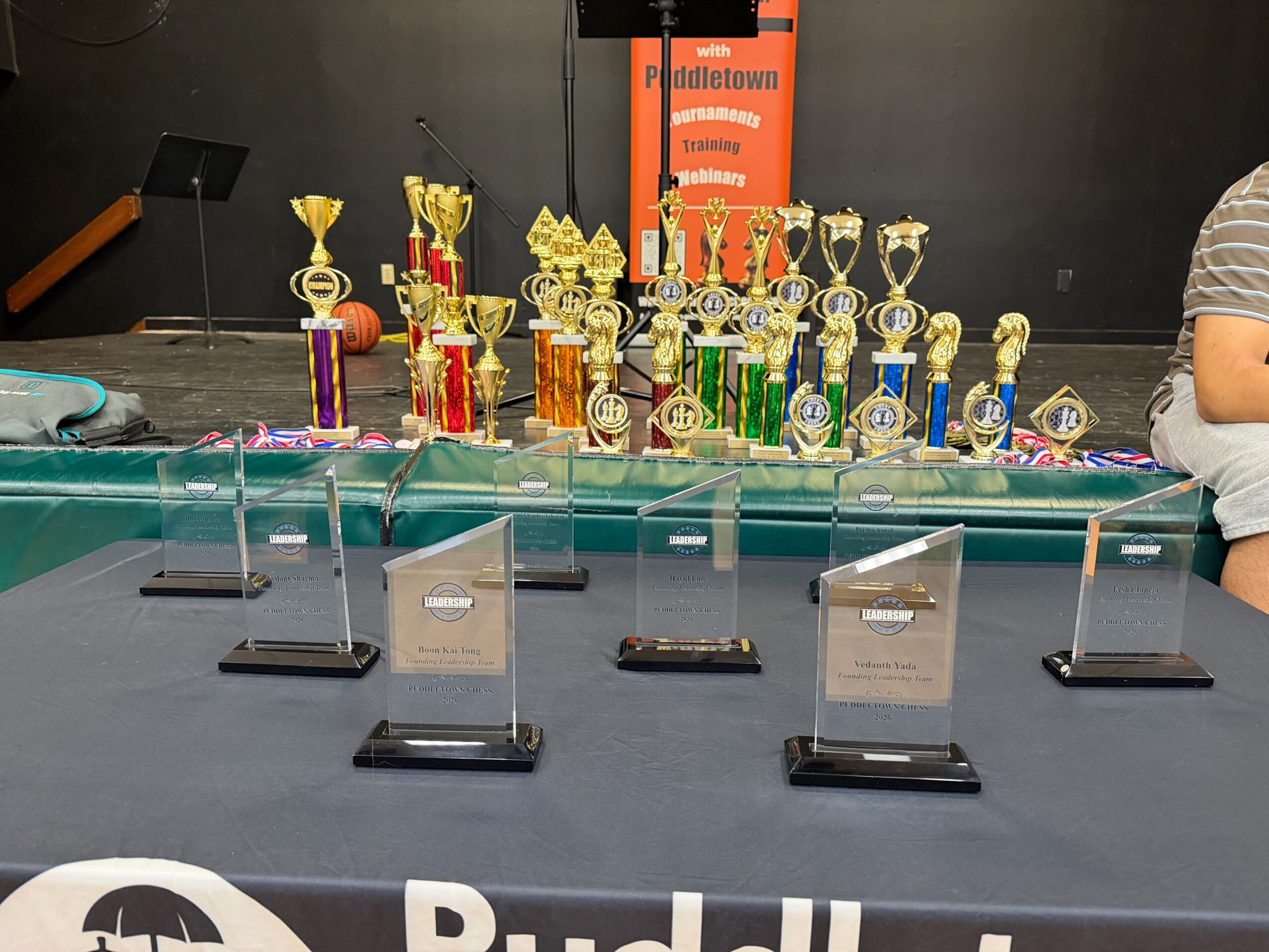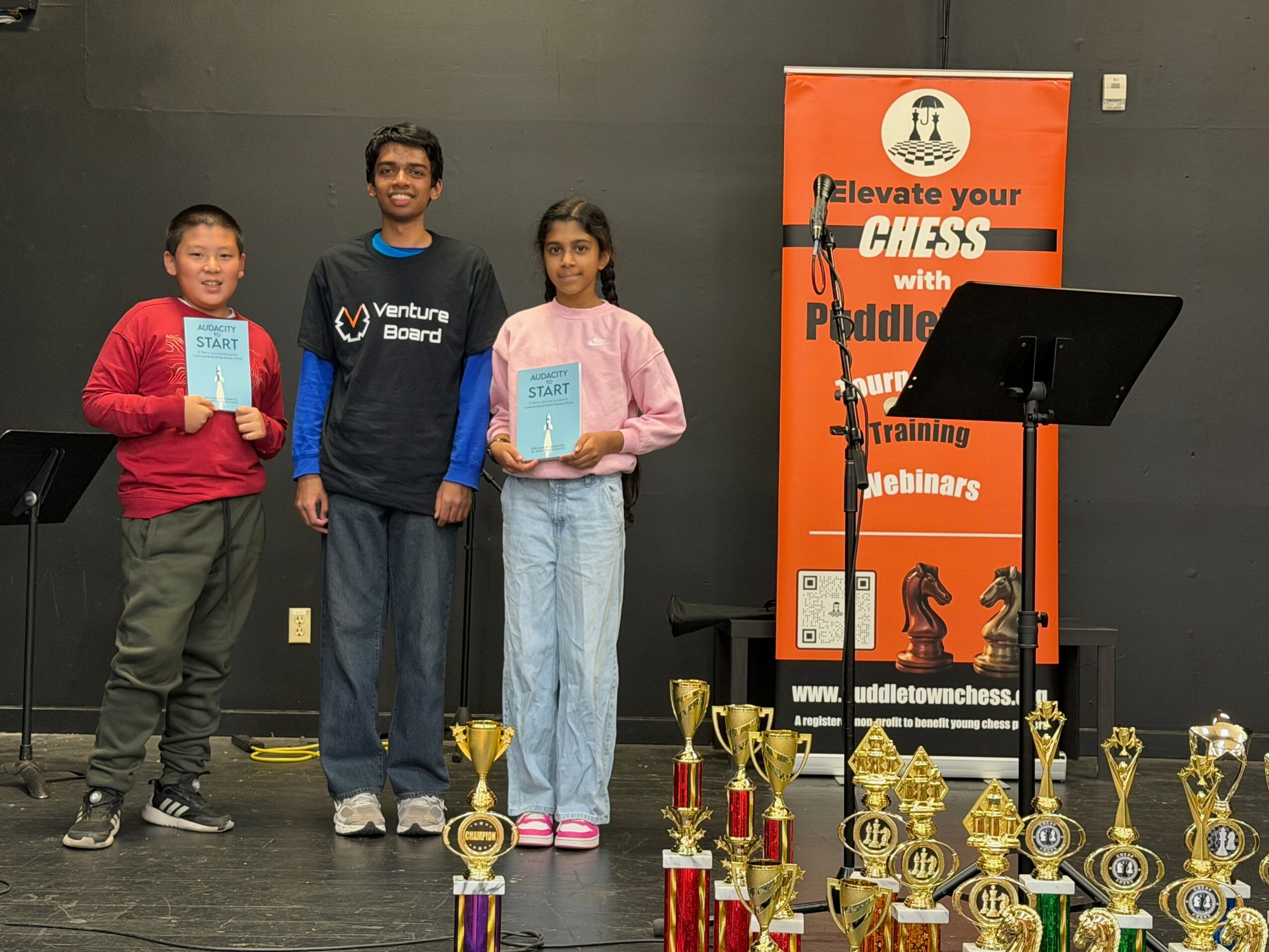



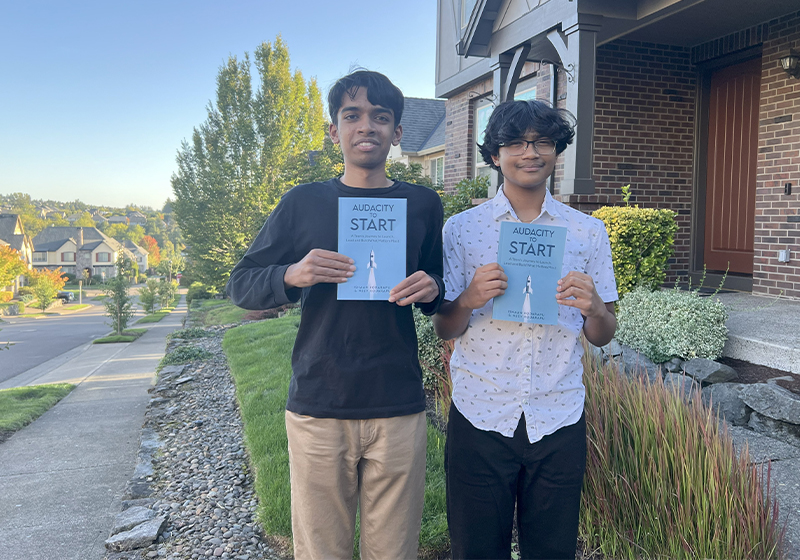
Today we’d like to introduce you to Ishaan & Neev Kodarapu.
Hi Ishaan & Neev, please kick things off for us with an introduction to yourself and your story.
Chess has been a big part of our lives for as long as we can remember. We grew up playing tournaments, working with coaches, traveling to competitions, and experiencing our fair share of wins and losses.
Then COVID happened, and almost everything in the chess community shut down.
During that time, Ishaan was playing a lot of online chess tournaments and won about $2,000 in prize money. At first, he had plenty of ideas for what to spend it on. But our local chess community was struggling, so he decided to donate all of it instead.
That decision ended up changing a lot for both of us.
Not long after that donation, we started Puddletown Chess – a registered nonprofit in Oregon. At the beginning, we honestly had no idea how big it would become. We just wanted to create more opportunities for kids to play chess, learn, and have fun.
Since then, we’ve learned pretty much everything by “trying”. We’ve organized tournaments, coached students, built training programs, recruited volunteers, raised money, worked with sponsors, and made plenty of mistakes along the way.
Outside of chess, we’ve also had very different experiences that shaped how we lead. Ishaan got involved in entrepreneurship, public speaking, cybersecurity, and starting clubs at his high school. Neev spent years in LEGO robotics, where his team was constantly building things, testing them, breaking them, and trying again.
A lot of those lessons ended up coming back into Puddletown.
Today, Puddletown has grown into a much bigger youth-led community with tournaments, training programs, scholarships, coaches, volunteers, and student leaders. We recently crossed $100,000 in scholarships and other support given back to the community, which is still kind of crazy for us to think about.
The biggest thing we’ve learned is that we definitely weren’t “ready” when we started. We just started anyway and figured things out along the way.
That idea eventually became the inspiration for our book, Audacity to Start. And honestly, it’s probably the best way to describe our story so far.
I’m sure it wasn’t obstacle-free, but would you say the journey has been fairly smooth so far?
Most definitely not. A lot of the time, we were figuring things out about 2 hours before we needed to know them.
One of the first struggles was simply being taken seriously. We were kids (13 & 11 when we first started in 2022) trying to run tournaments, teach classes, raise money, talk to sponsors, and lead a real nonprofit. Sometimes people were supportive right away, but most often we had to prove that we actually knew what we were doing.
Then there were the normal growing pains. Events got bigger, volunteers didn’t always show up, technology broke, our website was hacked, and classes sometimes had to be reorganized.
One example was learning how to deal with volunteer coaches (teens themselves) who weren’t taking their responsibilities as seriously as we expected them to. We had cases where a coach was starting classes late or showing up unprepared. At first, that was really awkward for us because we were younger than the person we had to give feedback to. But we learned to be direct, respectful, and clear about expectations. And when things still didn’t improve, we learned that sometimes leadership also means making the hard decision to move on and find someone who is a better fit.
We also had to balance all of this with school, homework, chess tournaments, robotics, clubs, and just being teenagers.
Some of the hardest moments were also the most useful. We learned that a good idea isn’t enough. You need systems, people you trust, backup plans, and the willingness to admit when something isn’t working.
Looking back, we probably learned more from the messy parts than from the perfect ones. Every problem forced us to get a little better at leading, communicating, and staying calm when the plans fell apart.
Alright, so let’s switch gears a bit and talk business. What should we know?
Puddletown Chess is a youth-led nonprofit that helps kids learn chess, compete, and grow into leaders themselves.
We started with chess training and tournaments, but over time it became much more than that. Today we run structured training programs for different skill levels, rated tournaments, community events, scholarships, mentoring, and other programs designed to make chess more accessible to kids across Oregon.
One thing we’re probably best known for is taking youth leadership very seriously. Our students don’t just come to play chess. As they grow, they can become coaches, volunteers, tournament leaders, and eventually take on bigger leadership roles in the organization. Some of the people helping run Puddletown today started with us simply as beginner chess students.
We also try to make training very active instead of having a coach talk for an hour while everyone listens. Students solve problems together, play games, get homework and feedback, and have clear levels and milestones so they know what they’re working toward. A lot of our training is online, which has also helped us reach students who might not have strong chess programs near them.
Another big part of our identity is accessibility. We’ve offered scholarships, supported girls and other underrepresented players, helped low-income families, and tried to make sure money or geography were not barriers to playing chess.
We recently crossed $100,000 in scholarships, donations, and other support back to the community. That’s probably the number we’re proudest of, but honestly, some of the individual stories mean even more to us. Seeing a kid come in as a beginner, grow into a tournament player, and then eventually turn around and coach someone younger is really inspiring and very fulfilling.
If there’s one thing we want people to know about Puddletown, it’s that we’re not just trying to create better chess players. We’re trying to create a place where young people can learn, take responsibility, experiment, mess up, improve, and eventually lead.
How do you think about luck?
Luck has definitely played a role in our story, both good and bad. COVID was obviously terrible in so many ways, but it also created the exact problem that eventually pushed us to start Puddletown Chess when in-person chess disappeared. Around that same time, Ishaan happened to win about $2,000 playing online tournaments, and deciding to donate that money became another huge turning point for us.
We are also really lucky to meet co-founders, volunteers, parents, coaches, and mentors who believed in two kids trying to build something much bigger than themselves. On the bad-luck side, we’ve dealt with things like our website getting hacked, programs not going as planned, and plenty of last-minute surprises at tournaments. But we’ve learned that luck usually just gives you the situation; what you do next matters a lot more. Looking back, some of our biggest opportunities actually started with something going wrong.
Pricing:
- Casual Tournaments: FREE for everyone
- Official, rated Tournaments: FREE for girls, nonbinary, low-income, rural, ADHD, and autistic players, $30 for everyone else
- Training: $100 to $180, depending on level; FREE for low-income, ADHD, and Autistic students
Contact Info:
- Website: https://www.puddletownchess.org
- Instagram: https://www.instagram.com/puddletownchess/
- LinkedIn: https://www.linkedin.com/company/puddletown-chess
- Youtube: https://www.youtube.com/@puddletownchess