


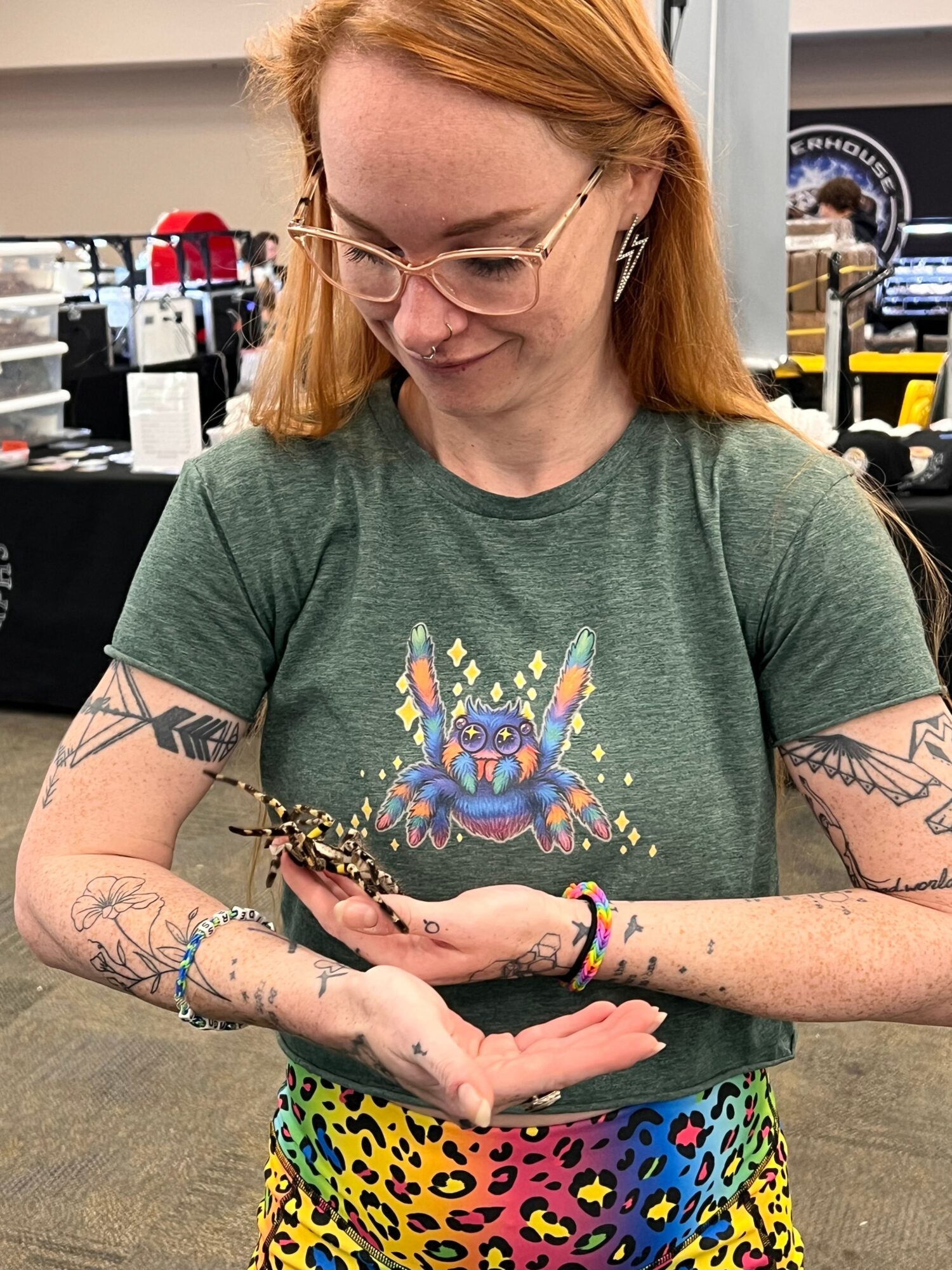
Today we’d like to introduce you to Olivia Ontkean.
Hi Olivia, we’d love for you to start by introducing yourself.
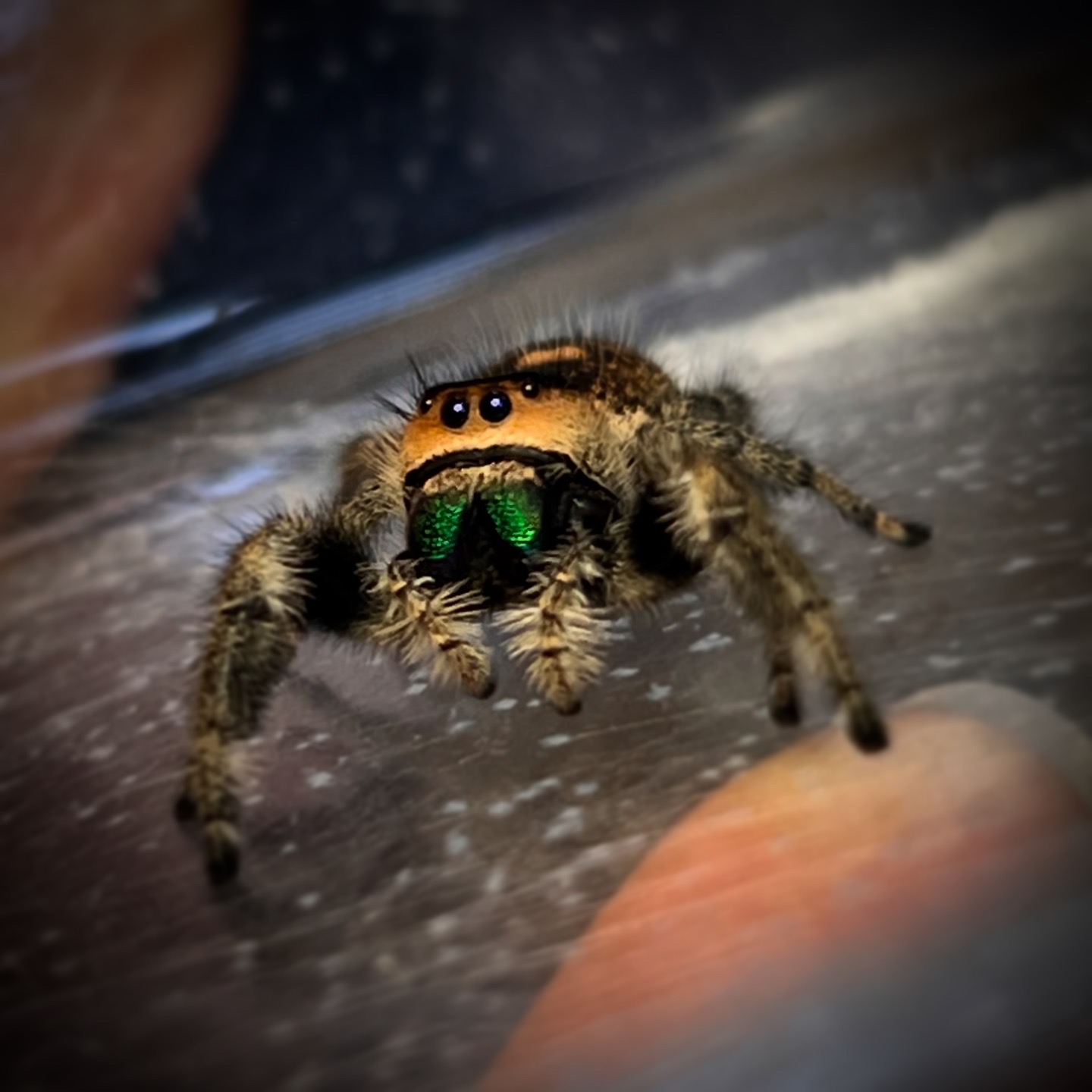
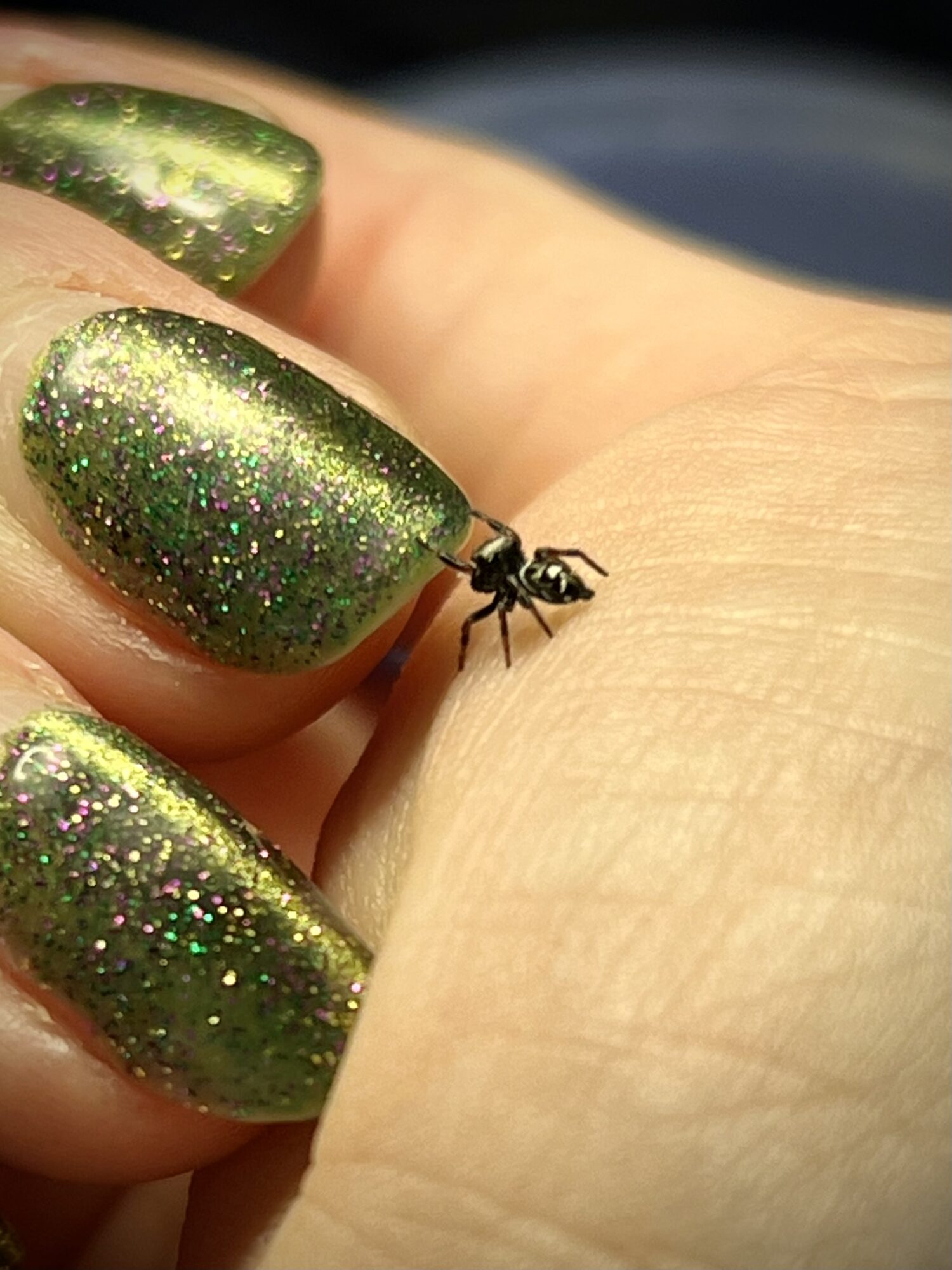
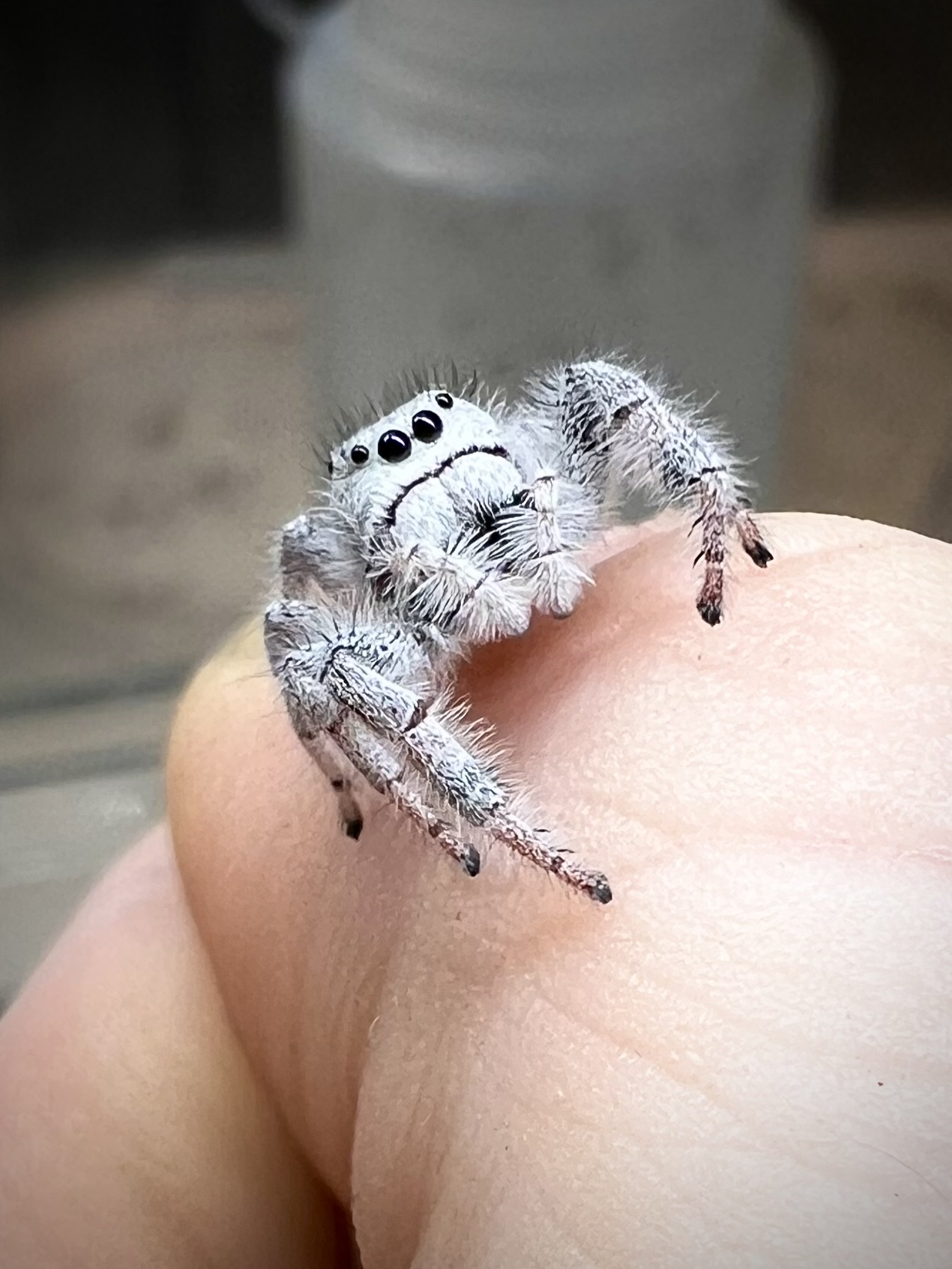
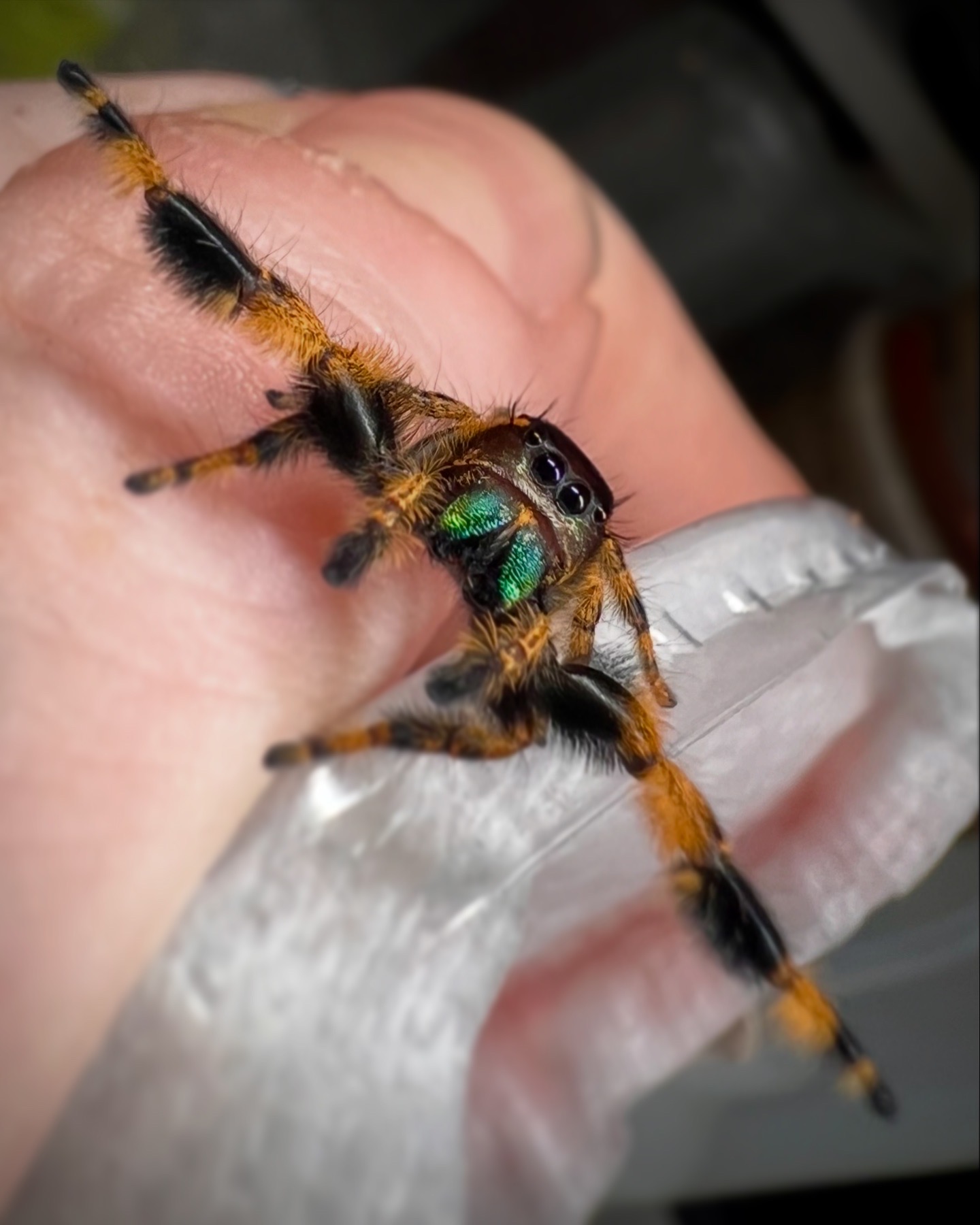
Before this, I was merely a competitive dance coach with a love for almost all animals. I found myself in the business of breeding jumping spiders after making a personal choice to tackle my lifelong arachnophobia through education and exposure therapy. I was tired of having such a petrifying reaction to these animals that I logically knew had far more reason to fear me, but you know how irrational fears are. Those reactions aren’t a choice, but anyone can make the choice to try and retrain their instincts.
I spent a lot of time buying books about spiders, studying their behavior in nature, and learning what there actually was and wasn’t to fear. Here in the PNW, there’s virtually no spiders that pose a threat. We have the Western Black Widow, which is classified as a medically significant species, but they are a very docile and non-aggressive species that is reluctant to bite unless their feel their life is threatened, and most defensive bites are dry or low envenomation, as they don’t want to waste venom on what they aren’t trying to eat. Venom is costly to produce. And while their venom is medically significant, it is far from deadly unless you are an infant or elderly immunocompromised individual with no access to modern medicine. No one has died from a widow bite in decades. I owned a beautiful and sweet female for a while, sadly she passed after sustaining an injury to her abdomen.
Anyways, by the time I had done enough learning and exposure therapy to decide I might want to take the plunge into owning a pet jumping spider, a little one fell into my lap by pure chance, right before we were about to get the first big cold wave of fall. She settled in wonderfully right away and the following spring she had babies, to my surprise, which became my introduction to learning how to raise them in captivity. Not long after I took on their care, I met my now-business partner, Sunday Costell of Sunday’s Spiders (another local breeder who would make for a great story too), and learned how to breed them safely— because they are territorial and cannibalistic by nature.
From there I fell completely down the rabbit hole of obsession, and decided I wanted to focus on rarer species that weren’t prevalent in the hobby yet, as the popularity of owning them was and continues to grow exponentially, and along with that the demand for species variety has grown too. The downside to that is that it encourages mass poachers and unethical sellers to collect large amounts of already small populations with no regard for the impact it can have on those local ecosystems. By breeding them in captivity, I have been able to offer a wider variety of rarer species to clients, and reducing the demand for wild caught specimens in the trade. Captive bred ones also have better health in general due to not having the exposure to outdoor threats like pesticides, parasites, and stressors that shorten their lifespan, much like indoor vs outdoor cats.
As I’ve expanded my collection for these purposes, I have also been in communication with some industry experts and arachnologists, to help offer specimens for research on genetics and to keep my practices aligned with the scientific community. Captive breeding anything is ethically controversial, and I completely understand why, but many well-meaning people also do not understand the conservation aspect of what we do, and how our work actually benefits the ecosystem rather than work against it.
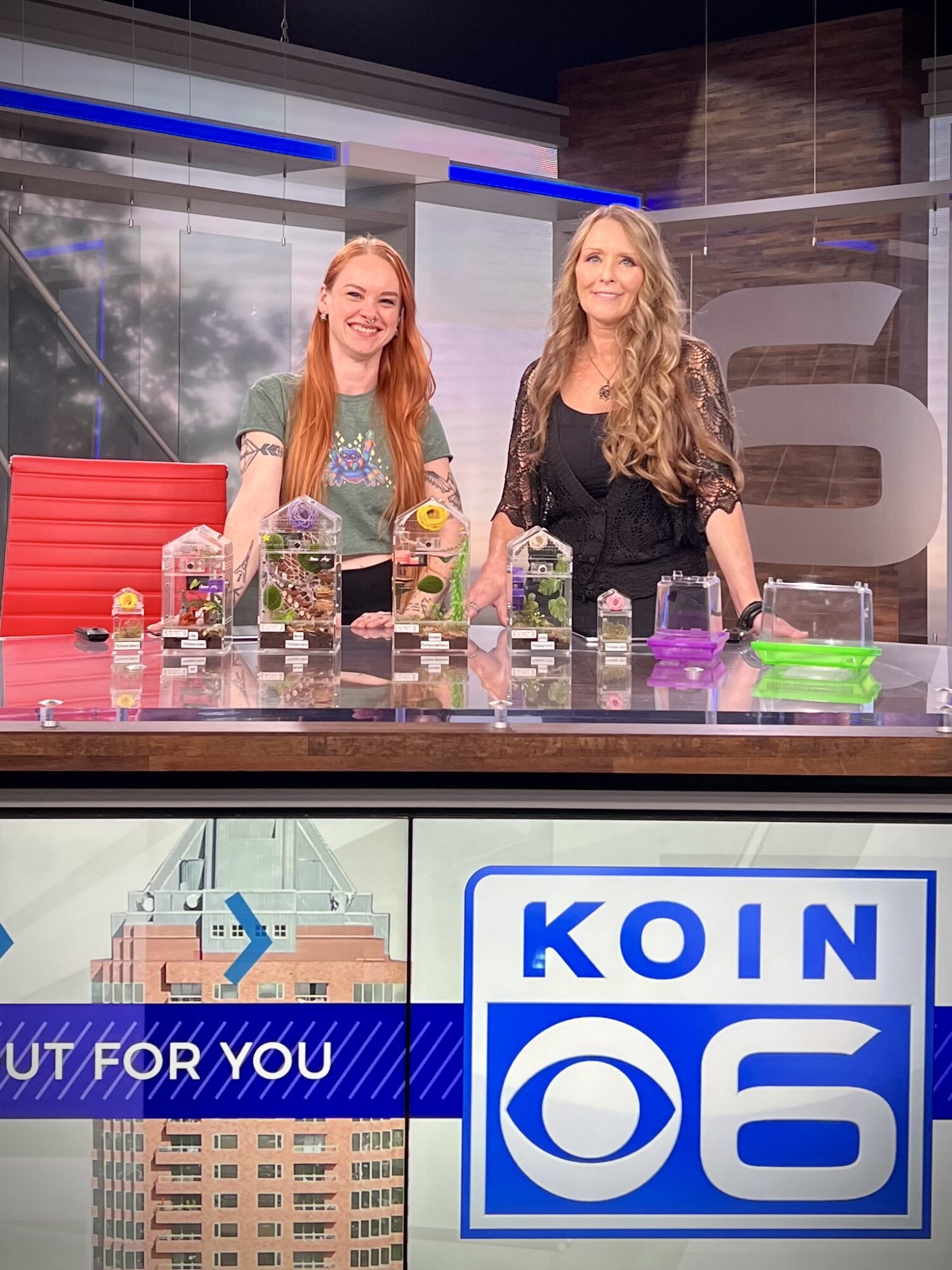
Today, with the help of my husband, I am running a business supplying captive bred and born spiders to clients all over the nation weekly, vending at expos all up and down Oregon and Washington, and promoting ethical practices in the industry. I own around 70 different arachnid species. I take the opportunity as a dance teacher to educate my kids on the benefits of spiders and why we shouldn’t fear or harm them intentionally. It brings me so much joy to watch their fear turn to fascination in real time, and they get so invested in my work and ask about my spiders all the time. I also work for Spider Shoppe Vancouver, which just opened July 1st, and get to work with an even broader range of spiders, mainly tarantulas. In the near future, we will likely be doing some educational work with OMSI’s bug lab— no details or plans underway yet but we’ve been offered the opportunity and are greatly looking forward to working with them.
We all face challenges, but looking back would you describe it as a relatively smooth road?
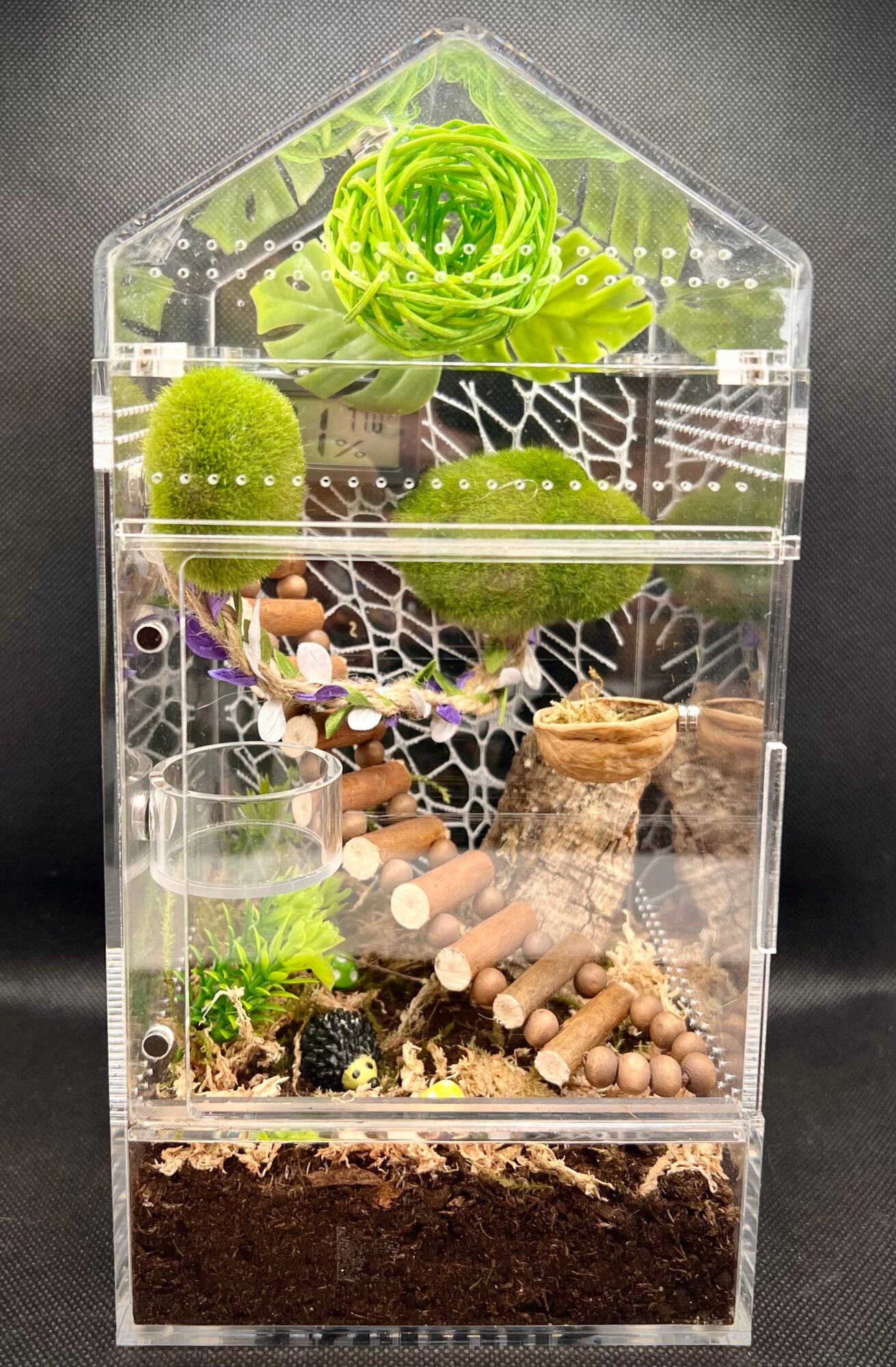
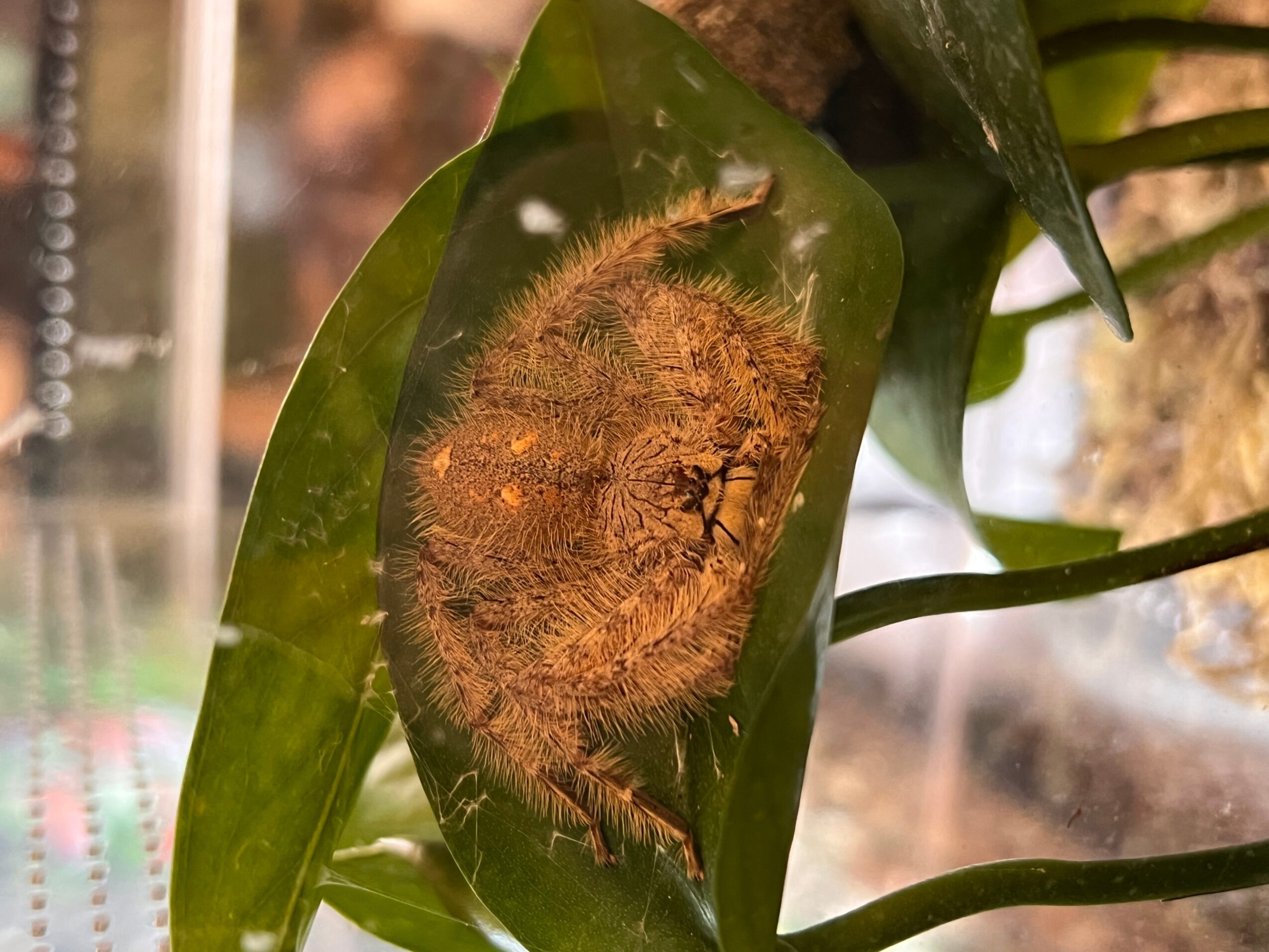
The biggest hurdles we’ve faced with the business so far have been struggles with producing some more challenging species and troubleshooting the husbandry for species that are rare or non existent in the hobby so far, because a lot of that work is determining their natural climates and habitats and figuring out how to best replicate it in captivity, both for our own success as well as to be able to write proper care guides for other hobbyists to succeed with keeping them. We’ve invested a lot of time and money into sourcing our bloodlines and we have definitely had some pretty devastating losses along the way. Rearing them is not for the faint of heart, a lot of the time things are fine until they aren’t, and by then it’s usually irreversible and fatal problems or simply death with no warnings. The more we can troubleshoot, the more heartache we can save others down the road.
Great, so let’s talk business. Can you tell our readers more about what you do and what you think sets you apart from others?
I think the most important thing I want people to know is we really are not in this business for the profits. It’s not a very lucrative industry for most, once you factor in all the constant care, supply costs, etc. We see a lot of people look at a gravid (pregnant) jumping spider and dollar signs flashing in their eyes. A spider who will produce several hundred offspring that people want to adopt sounds like easy and fast money, right? It’s not. One clutch costs months and months of upkeep to raise them up to be old enough to adopt out— they are far too fragile and have a much high mortality rate the younger they are, and they require a lot of care to keep thriving during that time. Multiply that by how ever many additional clutches come along and you’ve already got a full-time commitment. Unfortunately, these also wind up being the same people who come to us to surrender their gravid spiders and clutches of babies when they realize this work isn’t for them or is too much to keep up with. I am always happy to take in spiders from other people, but I do wish more people would research what they are thinking about getting into with much more thoroughness.
It’s hard to say what I think sets us apart from others. That’s something I’d want to hear answered by our clients and colleagues. But I think the education aspect is probably part of it— not every breeder is an educator and not every breeder is all that educated themselves, I hate to say. At the same time, there is so much misinformation out there and it can be hard to know what sources are reputable and which ones aren’t. I work with a group called Tarantula Addicts, who are a collective of seasoned breeders, keepers, entomologists, and veterinarians who moderate many of the online forums, in an effort to provide verified and qualified information and advice to those seeking it. There is so much more that TA brings to the community, but I could write an entirely separate thread solely about that.
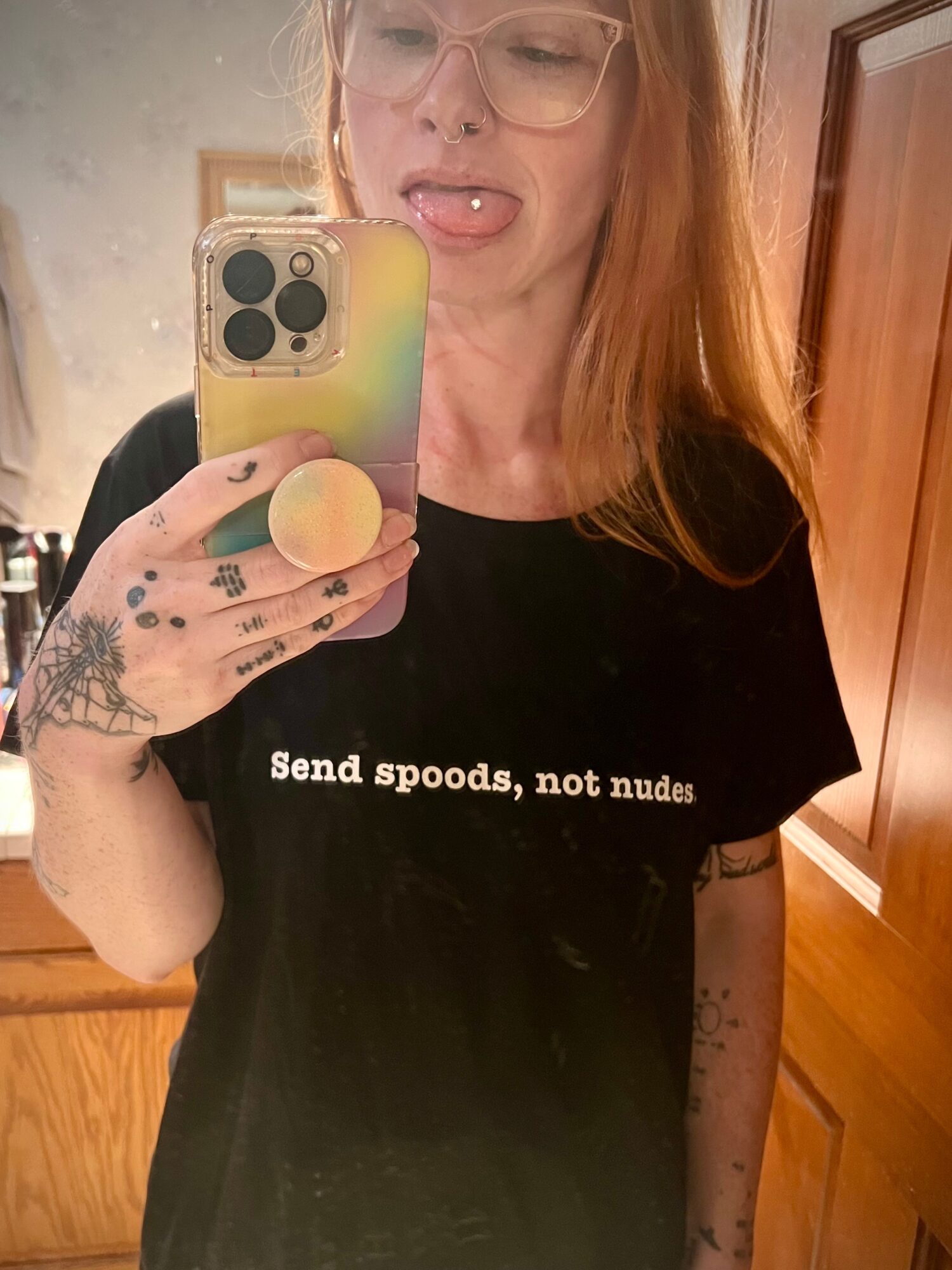
I take the most pride in seeing my clients have positive and successful experiences with their pet spiders, and being able to provide them with what I know is sound advice. The care guides I have written have been peer reviewed and I am confident in the information I’ve included in them. On a less serious note, I am also proud of our upcoming merch line launch, Spoodcult™️, with funny slogan shirts such as « bug deals, not drug deals » and « send spoods, not nudes ». I love to put a smile on faces!
We are currently launching a fundraiser campaign for Dolly Parton’s Imagination Library, in collaboration with several other breeders, keepers, artists, and content creators and hope to raise a lot.
In terms of your work and the industry, what are some of the changes you are expecting to see over the next five to ten years?
That is a great question. I honestly don’t know what the future has in store for DWS, but if our first 2 years in business are anything to go by, we could have exponential growth to the point of needing to hire some other employees! Technically I could really use more hands already, but still lack the budget to hire anyone.
Pricing:
- $40
- $200
Contact Info:
- Website: https://Www.danceswithspoods.com
- Instagram: https://www.instagram.com/danceswithspoods?igsi=MWh5cTE3M3h6NGpsdA%3D%3D&utm_source=qr
- Facebook: https://www.facebook.com/share/1HCMKjHffV/?mibextid=wwXIfr
- Other: https://linktr.ee/danceswithspoods