


Today we’d like to introduce you to Tara.
Alright, so thank you so much for sharing your story and insight with our readers. To kick things off, can you tell us a bit about how you got started?
My background is in medicine as a family physician. I picked up a camera about 10 years ago as a creative outlet: a reason to get outside and quiet the noise of a stressful job and a noisy world in general.
Like most people, I learned by mimicking what I saw. I started in the age of Instagram, so I emulated a lot of the top photographers at the time. I was lucky enough to be living in the Portland area, with waterfalls, mountains, rivers and the coast as my playground. So I learned through landscape photography and grand scenes.
Over time, I became uninspired seeing the same things over and over again on social media. It was a little disheartening to live in one of the most beautiful places in the world and realize the novelty had worn off.
So I started studying some of the best photographers in the world. Their work was all individually different, but they had one thing in common: their images were uniquely theirs. That made me question two things. First, whether I was actually creative. Second, how I could find my own voice.
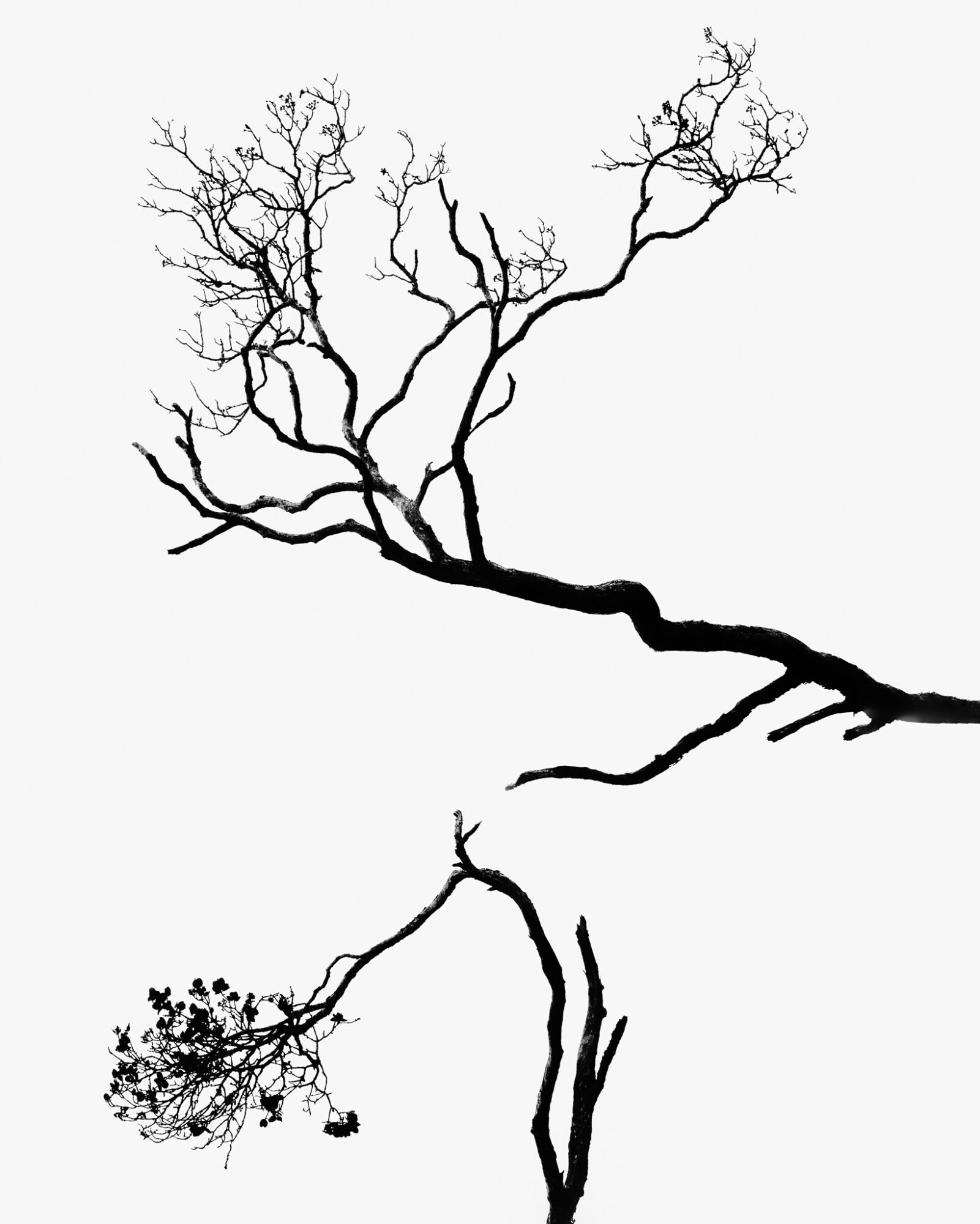
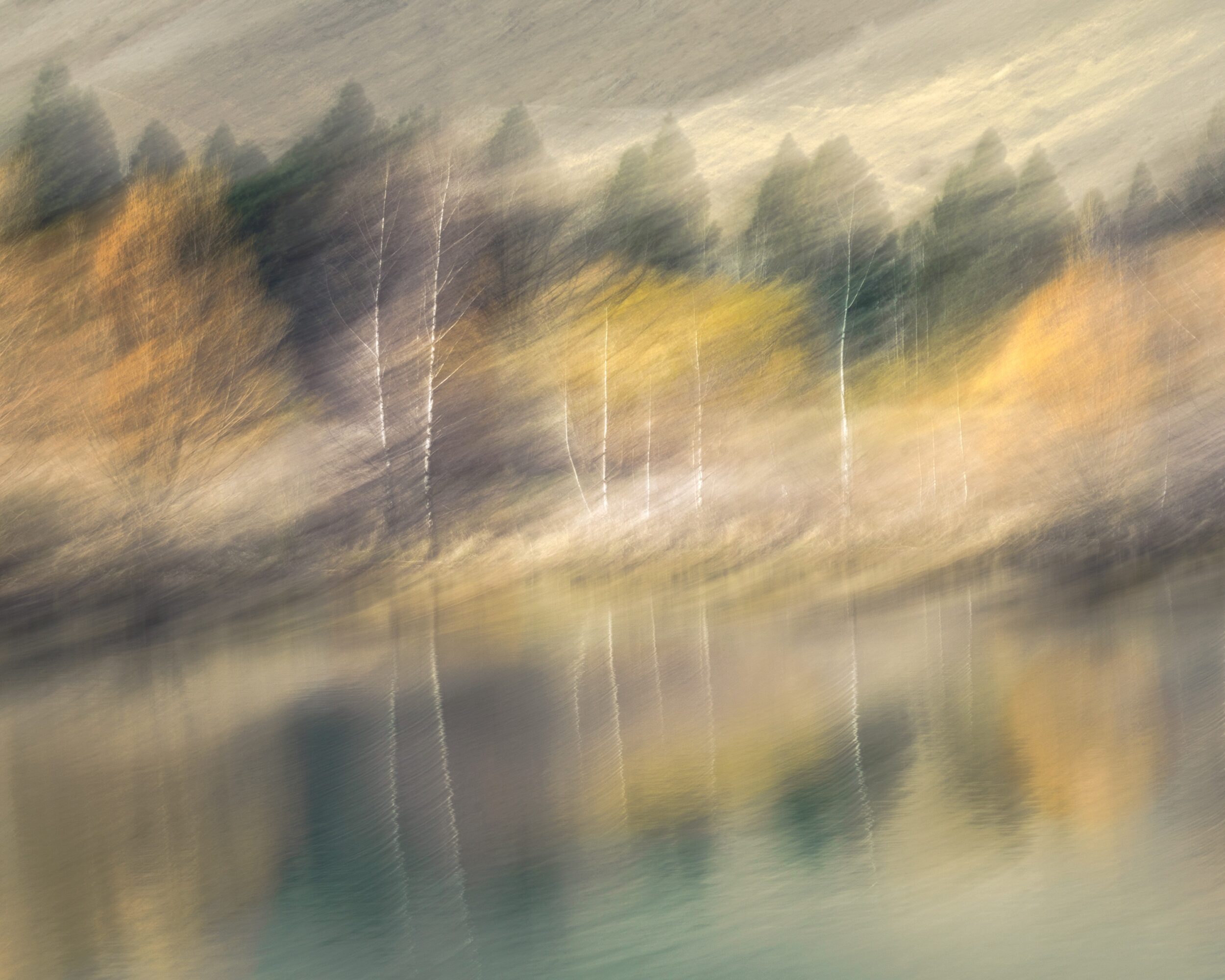
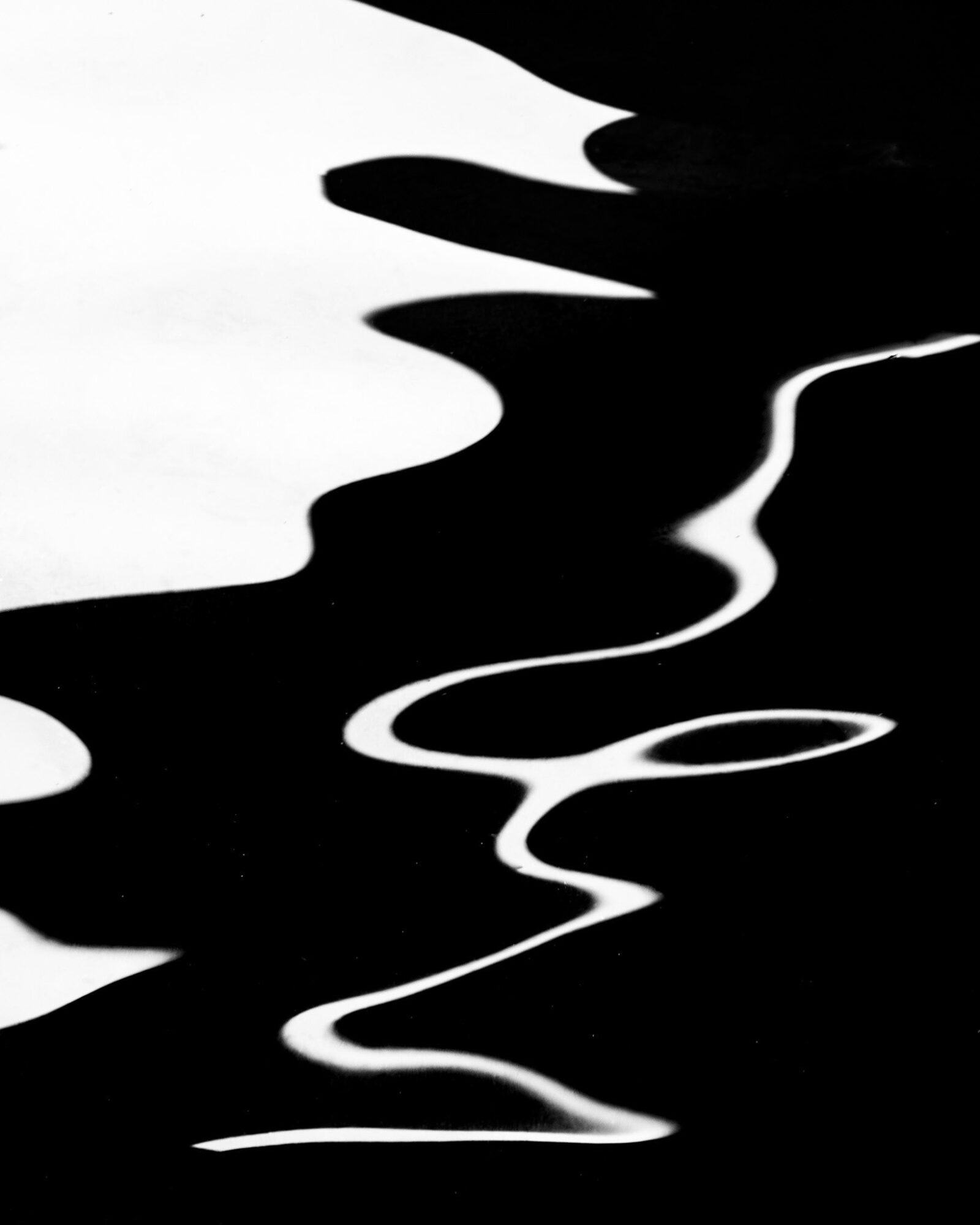
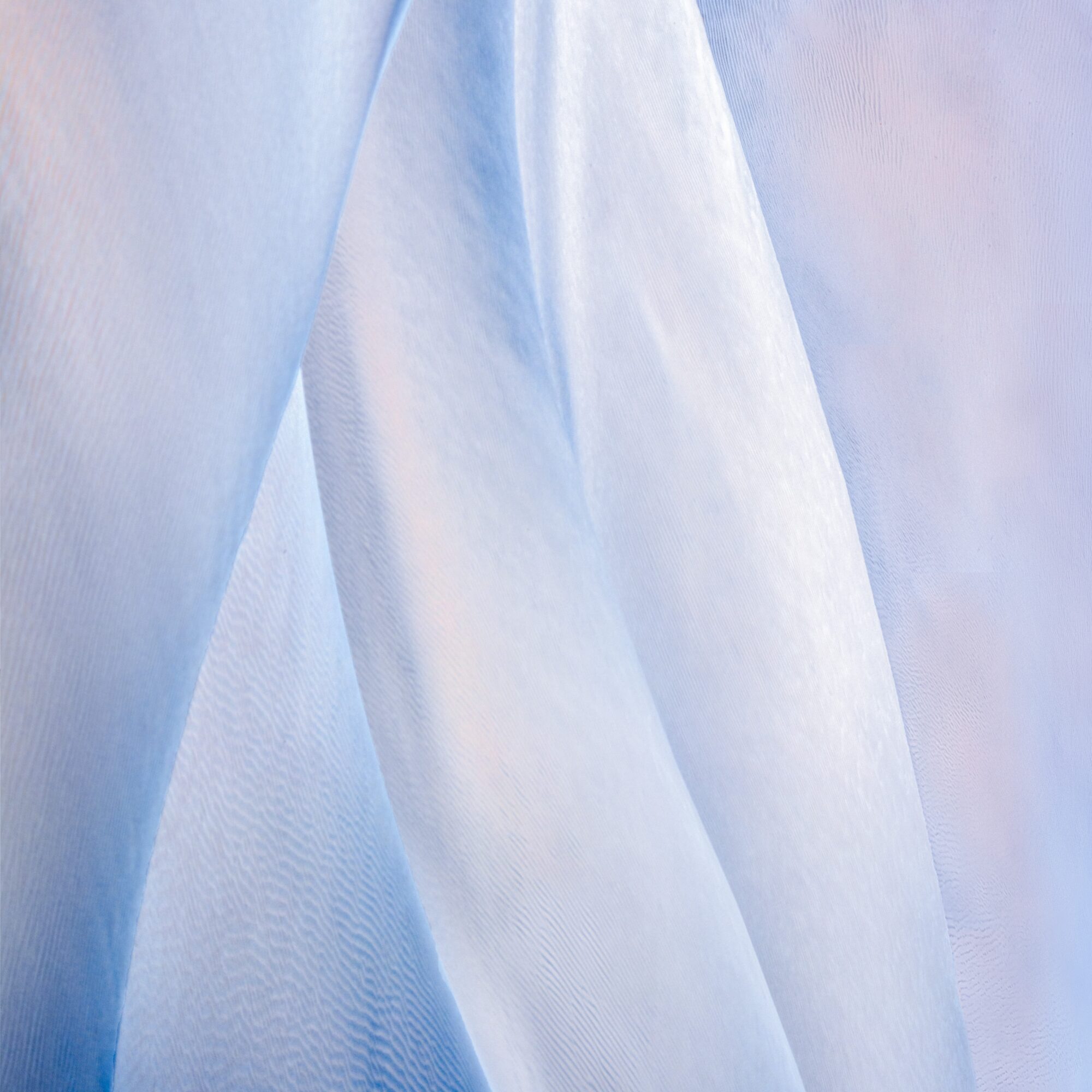
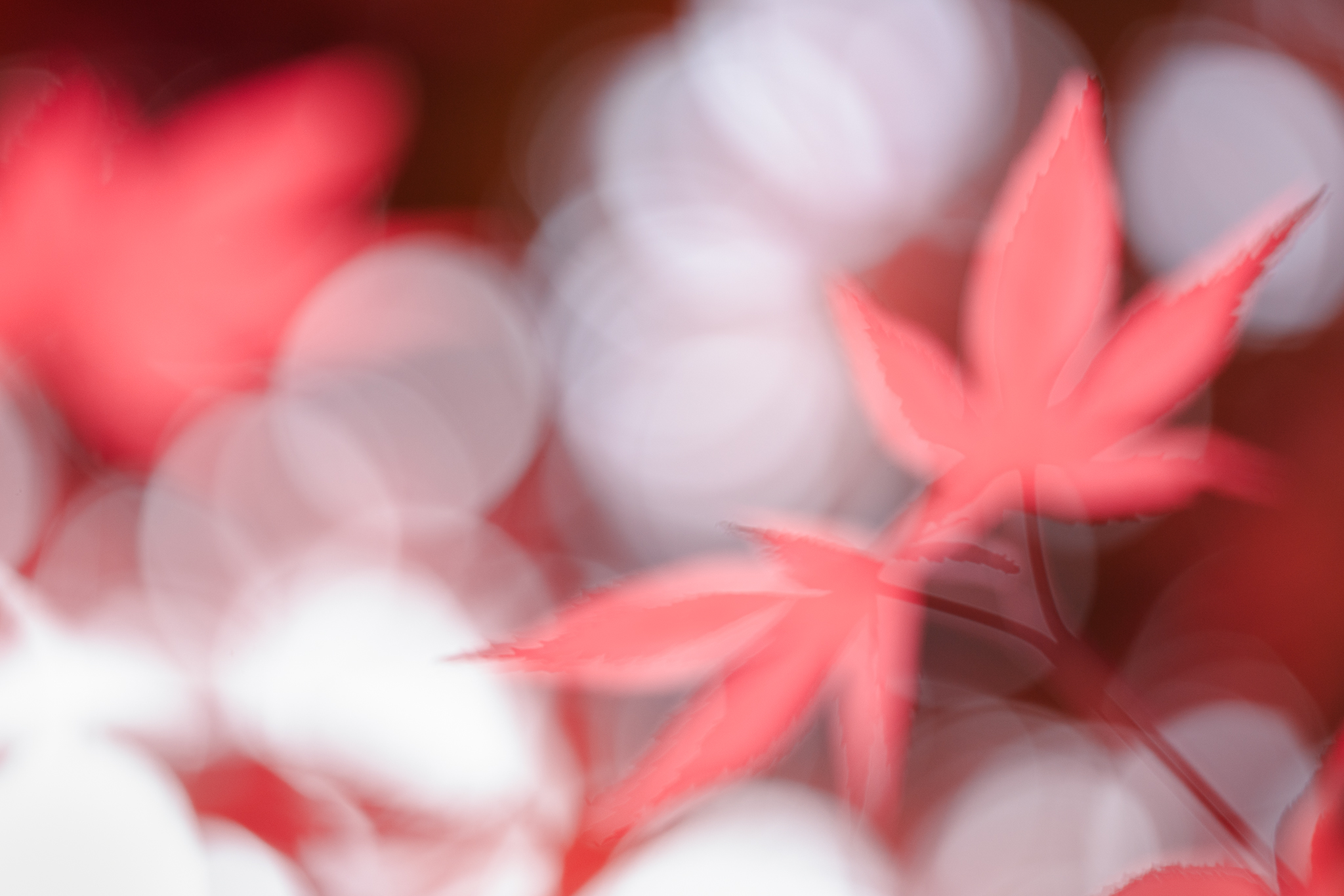
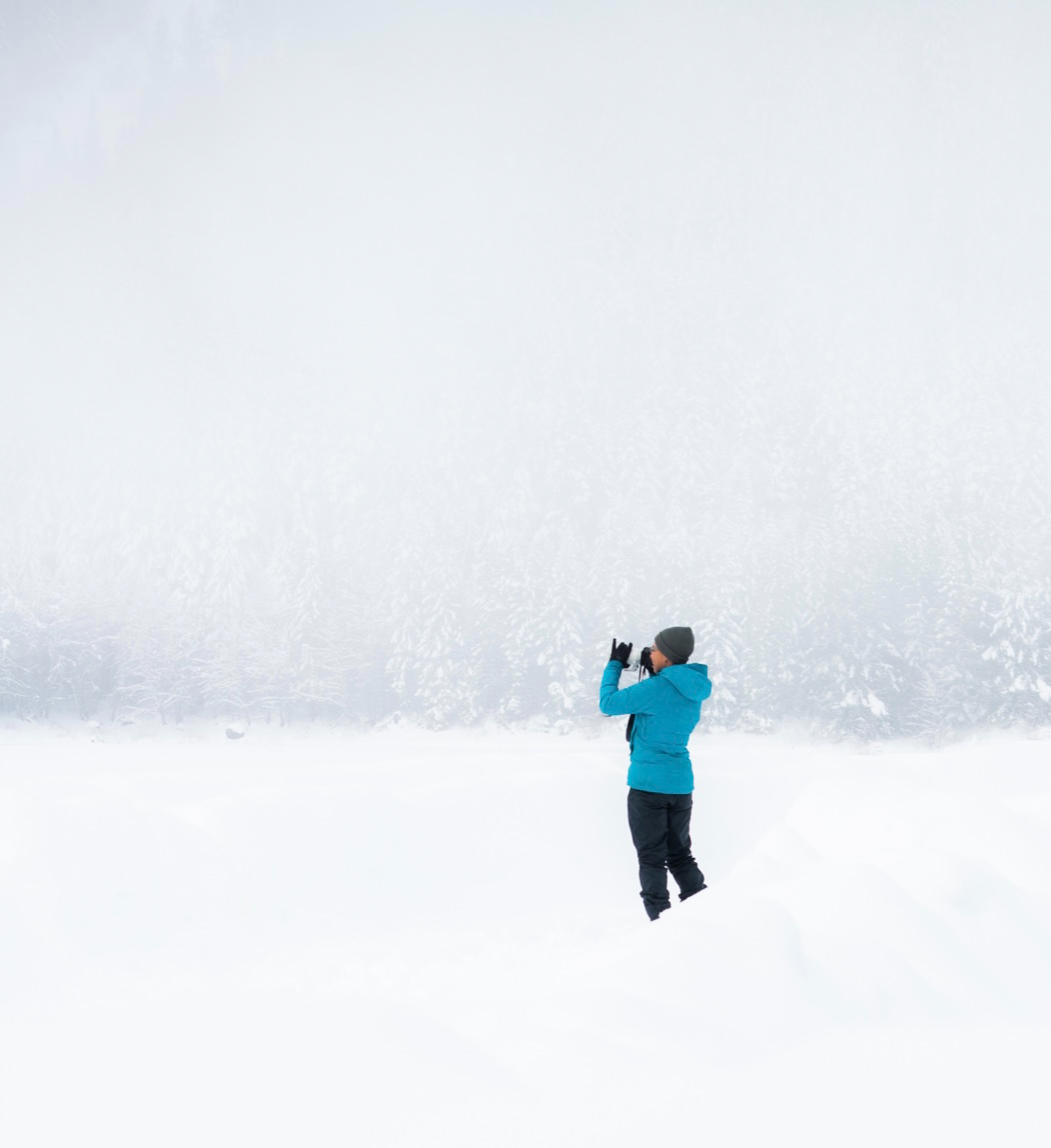
From there, I started to play more, and to focus on smaller scenes. Over several years, I fell in love with minimalism and abstracts in particular. Abstracts have a sense of play. They remove context, leave room for wonder, and let viewers see different things in the same image. That turning point is the thread I’ve kept pulling on ever since.
I wouldn’t say I’ve gotten better at it, but I’ve been able to distill it down to the kinds of photography that interest me most. What matters most to me is staying open to what’s around me, wherever I am. I plan very little. I love the serendipity of being in the right place at the right time. That’s been the common thread in my work for the last 5 to 7 years.
I’m sure it wasn’t obstacle-free, but would you say the journey has been fairly smooth so far?
It’s definitely had its challenges.
In the beginning, it’s all about play and learning. You soak up as much information as you can. You have no expectations of being good at it; you’re just trying to get better.
But as you improve and start getting recognition, not just from a general audience but from people you respect in the field, your perspective shifts. At least mine did. The dopamine rush other people got from likes and follows, I was getting from the recognition of my peers. And once people take note of your work, you want to keep that level up.
I went through about two years of imposter syndrome and creative block. Looking back, I was simply trying too hard and caring too much. Figuring out how to be creatively free again was the toughest part.
We all know hindsight is 20/20, but what I discovered is that my best work came from no expectations and a sense of play, not from worrying about what I’d come away with. I had to work at thinking less, and at finding joy in the practice itself and in just being outside. I also use social media and scroll a lot less now.
I think I’ve finally found a balance. I know what I like, but I’m still curious about the things I don’t yet know I like. For me, the beauty of photography, creativity and art is that there’s always something new to discover. I’m sure there will be roadblocks again in the future, but my plan is to stay open and remind myself to take it all a lot less seriously. The rest usually falls into place.
Can you tell our readers more about what you do and what you think sets you apart from others?
**What do you do, what do you specialize in, and what are you known for?**
I’ve primarily been a nature photographer, but I choose not to limit myself to that. I’m open to any kind of photography that piques my interest, and the longer I do this, the more I’ve been craving branching out.
I have a special love for abstracts, whether that’s nature, architecture or anything else. I also love minimalism. I’ve noticed that it takes a unique skill to distill a scene down to the bare minimum and still create an impactful image.
I’ve thought a lot about the why behind both. As a physician, there’s not much room to break rules or try new things. The consequences are very different. Photography is the one area of my life where I don’t need to be in control, and breaking the rules actually leads to more fulfilling, unique work.
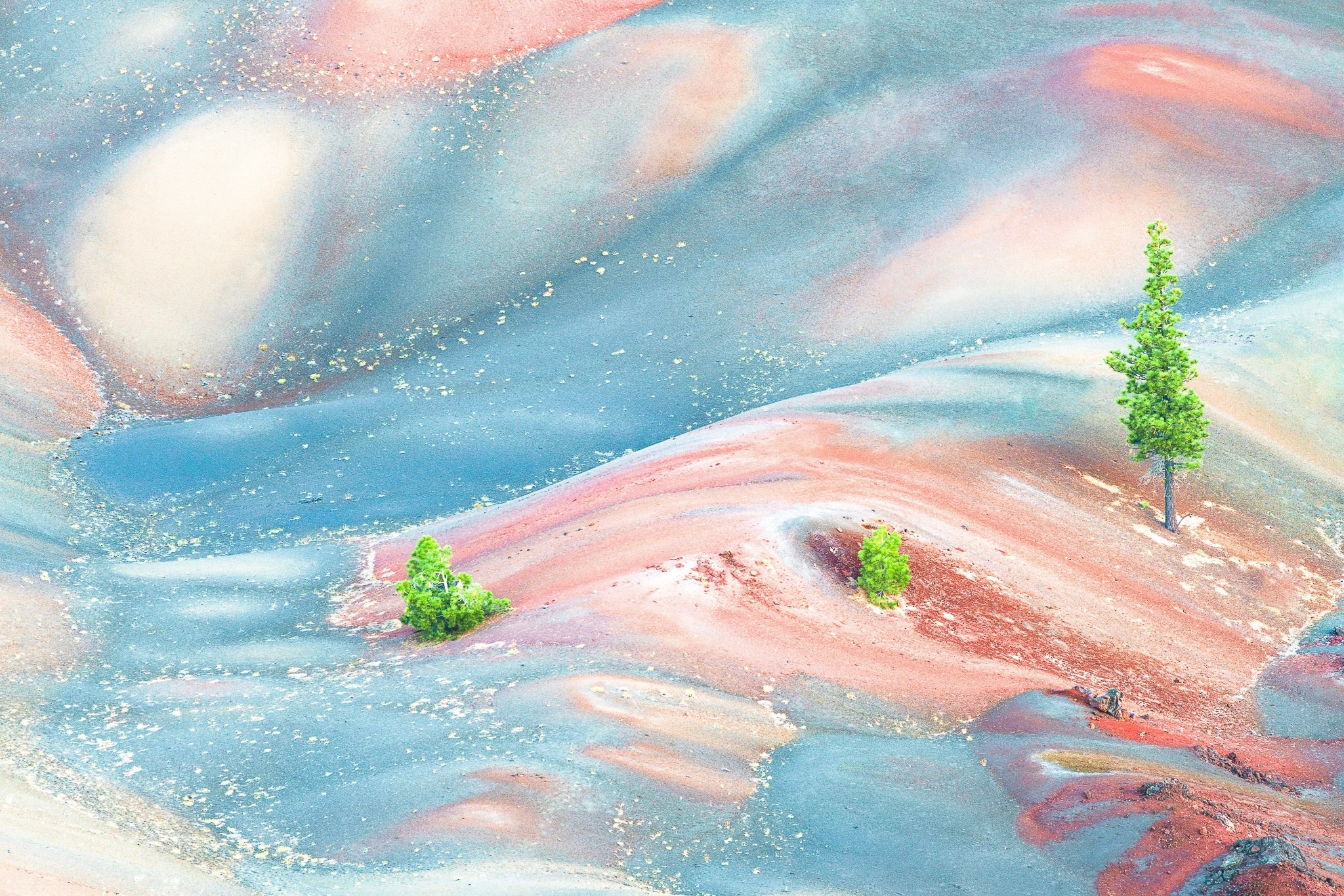
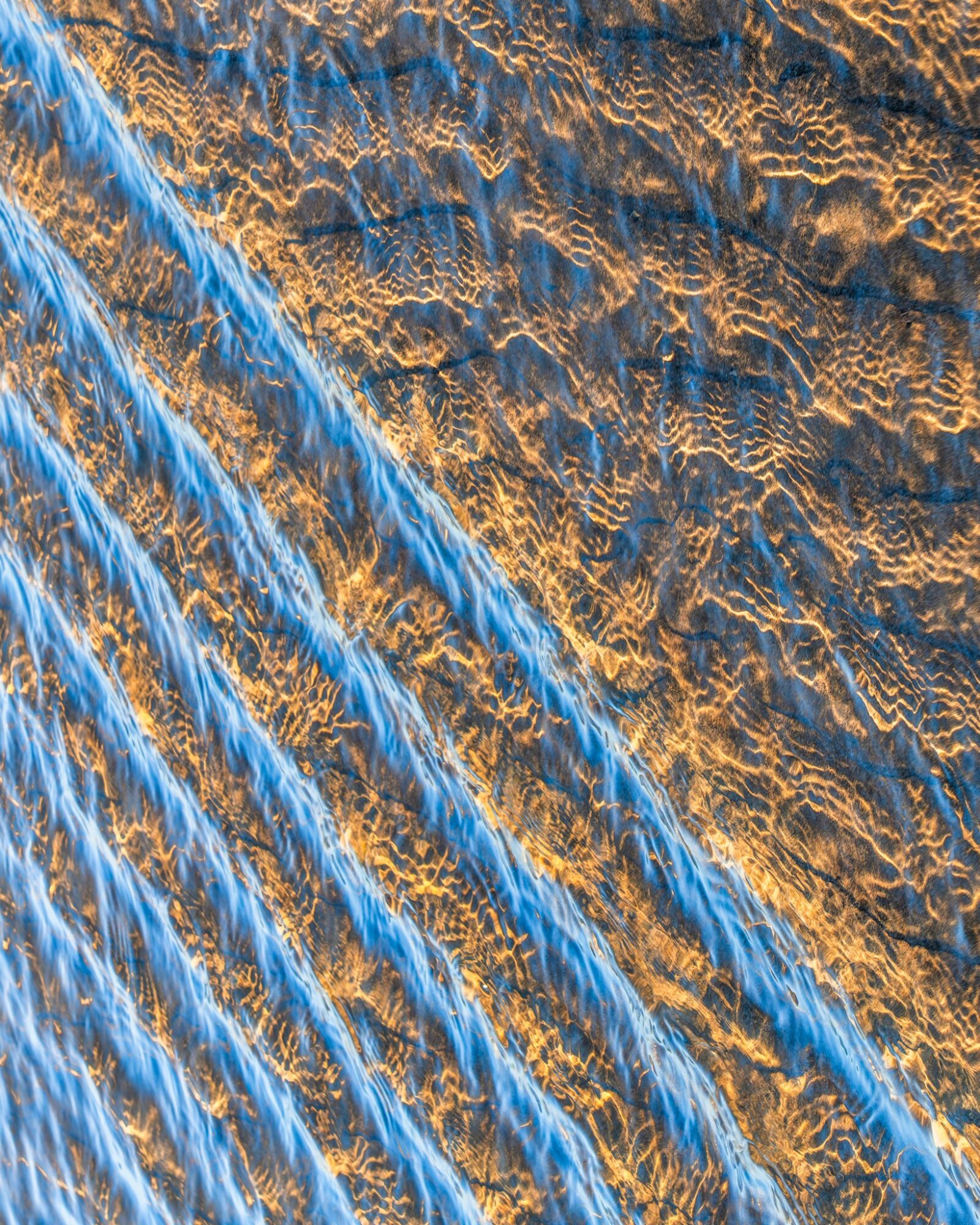
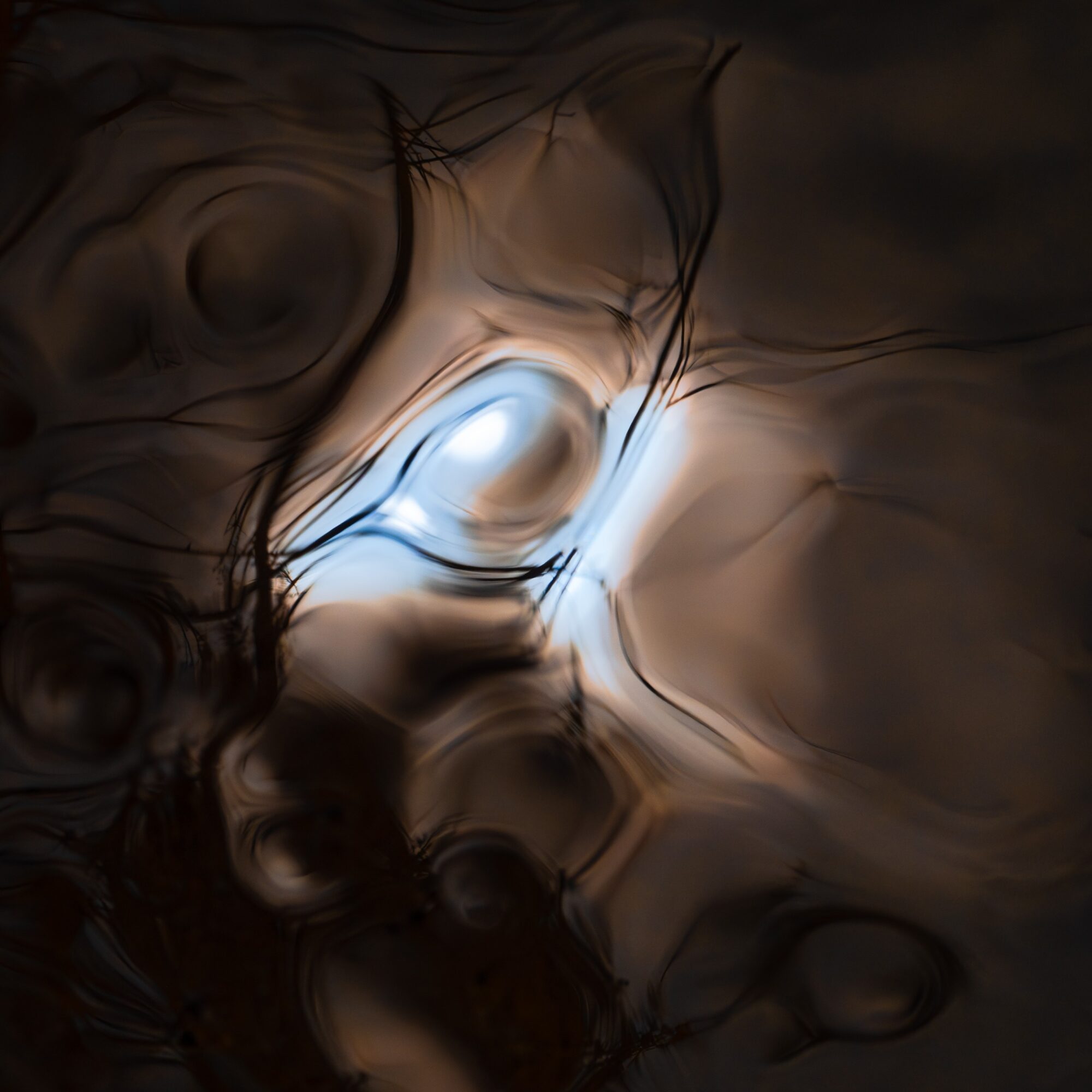
Over the years, I’ve been known for my color work, especially sand textures, sand dunes and water abstracts. Recently I’ve been exploring black and white and branching out from nature a bit more. My hope is to be known for abstract photography as a whole, rather than one color palette or subject.
**What sets you apart?**
That’s a hard one. There’s no subject that hasn’t been explored. My hope is that what sets me apart is a unique vision.
We all have our own way of seeing the world. The more I allow myself to play and follow my own curiosity, the more my work reflects who I am as an artist. I feel like I’m still at the beginning, and I hope that becomes more true over time.
I’m also stubborn about it. If an image reminds me too much of someone else’s work, I won’t show it. I’m good friends with TJ Thorne. I’ve admired his photography for years and learned a lot from him. But if one of my water abstracts looks too much like his, it stays in the archive. With that as a guiding principle, it’s easier to set yourself apart.
**What are you most proud of?**
When you tell people you’re a doctor, they often say, “Wow, that’s amazing.” And I’m proud of being a physician. It’s incredibly rewarding work. But it’s also the safer path.
I’m very introverted. I don’t like to stand out or ruffle feathers. An artistic practice requires a lot of vulnerability. Art is subjective. Not everyone will resonate with what you do, and not everyone will take it seriously.
Recently, I’ve been putting myself out there in a more vulnerable way: storytelling through my work and putting more of myself at the center of it. That’s what I’m most proud of. In medicine, the discomfort comes from not wanting to make a mistake. In art, it comes from knowing not everyone will see the value in what you do. Pursuing this goes against every natural instinct I have, but I’m doing it anyway.
How do you think about luck?
**What role has luck (good or bad) played in your life and business?**
I don’t know if I’d call it luck. I see it more as serendipity.
The only reason this path exists is because of one challenge. I wanted to buy a new camera, and my partner at the time, now my husband, asked why I was buying a new camera when I didn’t even know how to use the one I had. Being stubborn, I bought it anyway. Then, to prove a point, I signed up for a beginner’s photography course. I became obsessed, and everything since has stemmed from that one moment.
The friends I’ve made through photography. The kind of work I do, shaped by my background in medicine. I see all of it as a ripple effect from that one decision.
I also think everything along the way, the stumbles, the rough patches and the good times, are all lessons. So I don’t think of it as good luck or bad. It’s just the path that unfolds from the decisions we make.
I’d like to think I would have found a creative path anyway, but honestly, I’m not sure. It wasn’t on my radar at all. I could say I was lucky he challenged me, or go back even further and say I was lucky to meet him in the first place. I don’t know the why, and I don’t think it matters. I’m just eternally grateful.
Contact Info:
- Website: https://www.tarainabstract.com/
- Instagram: https://www.instagram.com/tarainabstract/
- Twitter: https://x.com/TarainAbstract