


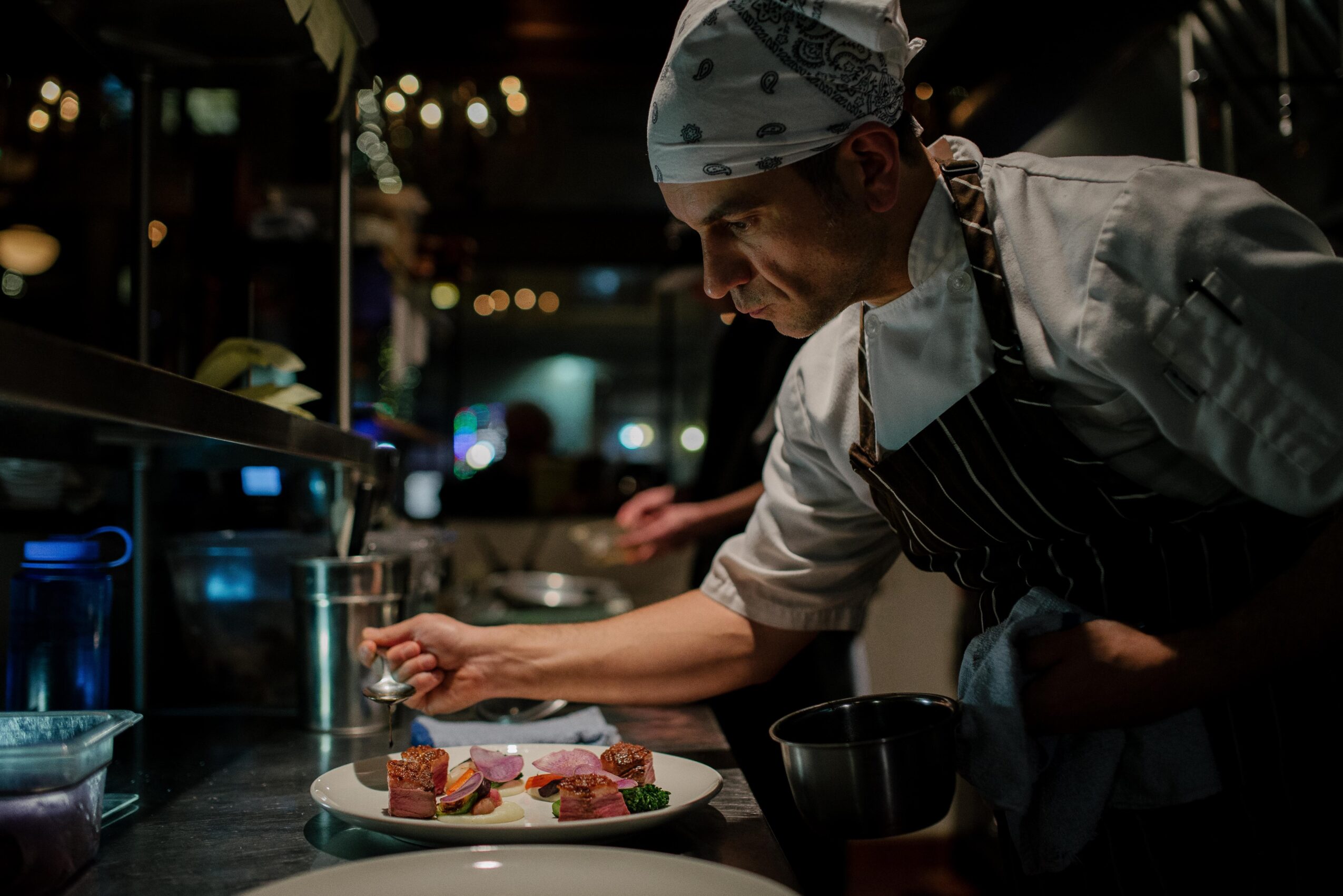
Today we’d like to introduce you to Simone Savaiano.
Hi simone, thanks for sharing your story with us. To start, maybe you can tell our readers some of your backstory.
I was born in Rome, Italy, but grew up in the countryside outside the city, in a small village called Gallicano nel Lazio. I later moved to Grottaferrata, a town in the beautiful hills of the Castelli Romani, where my journey in hospitality began in 1996.
I started working in the dining room, but I was always fascinated by what happened in the kitchen. Whenever I had the opportunity, I would sneak into the back to watch the chefs work.
I never attended culinary school. Everything I learned came from experience, curiosity, and the willingness to start from the bottom.
In the late 1990s, I moved to Tuscany, where my family was involved in the food business. By my early twenties, I was already managing restaurants and a small pizzeria. Those years taught me the importance of hard work, responsibility, and the human side of hospitality.
In 2004, I decided to move to the United States. I barely spoke English, but I was determined to experience something different.
After spending some time in Florida, I moved to Los Angeles, where I eventually became the General Manager and Wine Director of Via Veneto, an Italian restaurant in Santa Monica.
It was an extraordinary learning experience that helped shape my understanding of hospitality, leadership, and the restaurant business.
In 2009, my wife Kathy and I decided to take a break and travel. We spent time in Italy and explored much of Asia, including India, Nepal, Japan, and Southeast Asia. Those travels profoundly influenced my relationship with food, culture, and life itself.
During that journey, the idea of opening my own restaurant began to take shape.
In late 2010, we visited Portland and immediately felt a connection with the city. We moved in January 2011, and on August 11 of that year, we opened Mucca Osteria.
We had limited financial resources, purchased used equipment, and did much of the work ourselves. The beginning was incredibly difficult, but we believed in what we were creating.
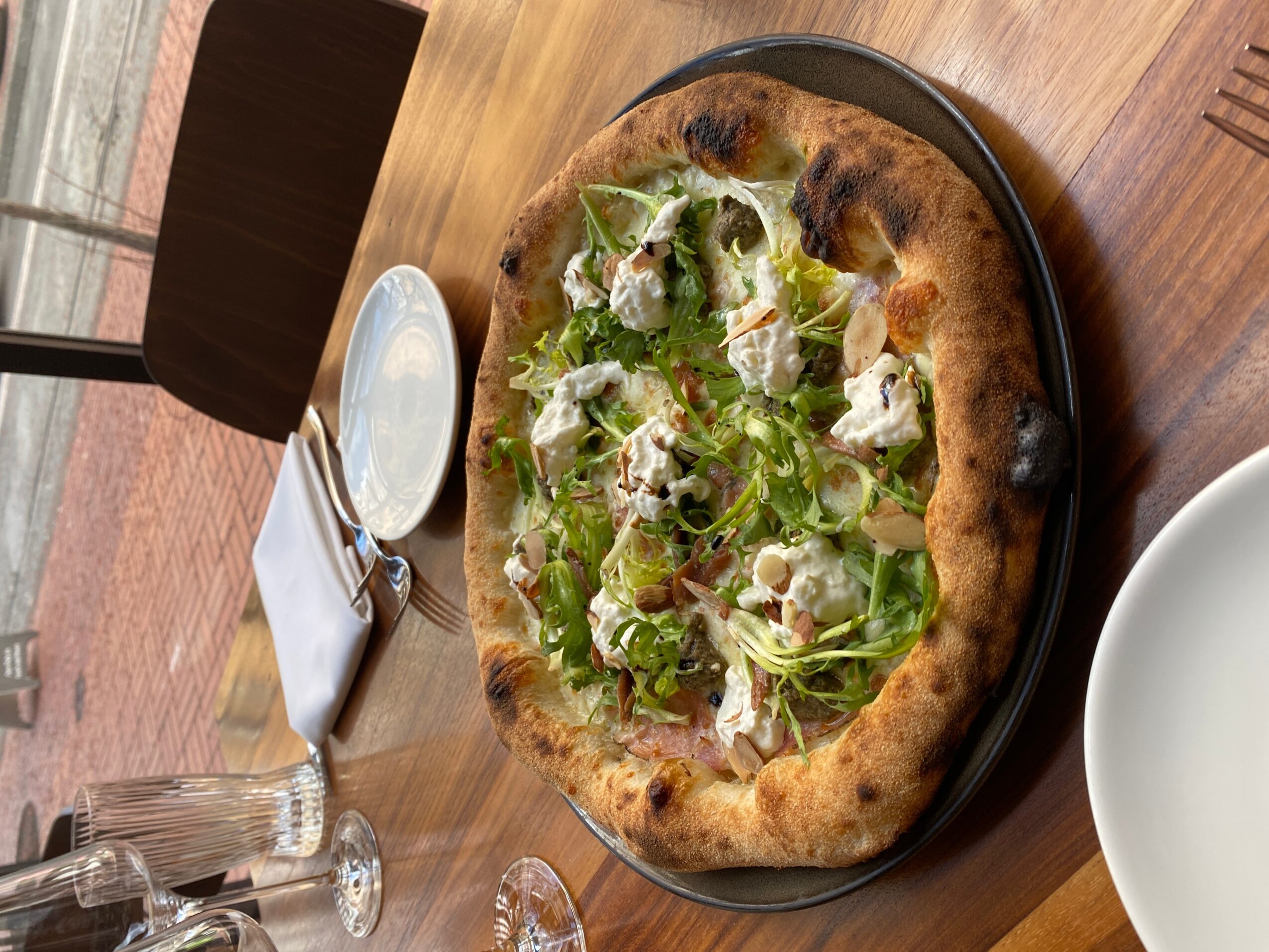
Over the years, Mucca Osteria became an important part of Portland’s Italian dining scene. Eventually, we expanded with Mucca Pizzeria, where we focus on contemporary Neapolitan-style pizza and artisan bread.
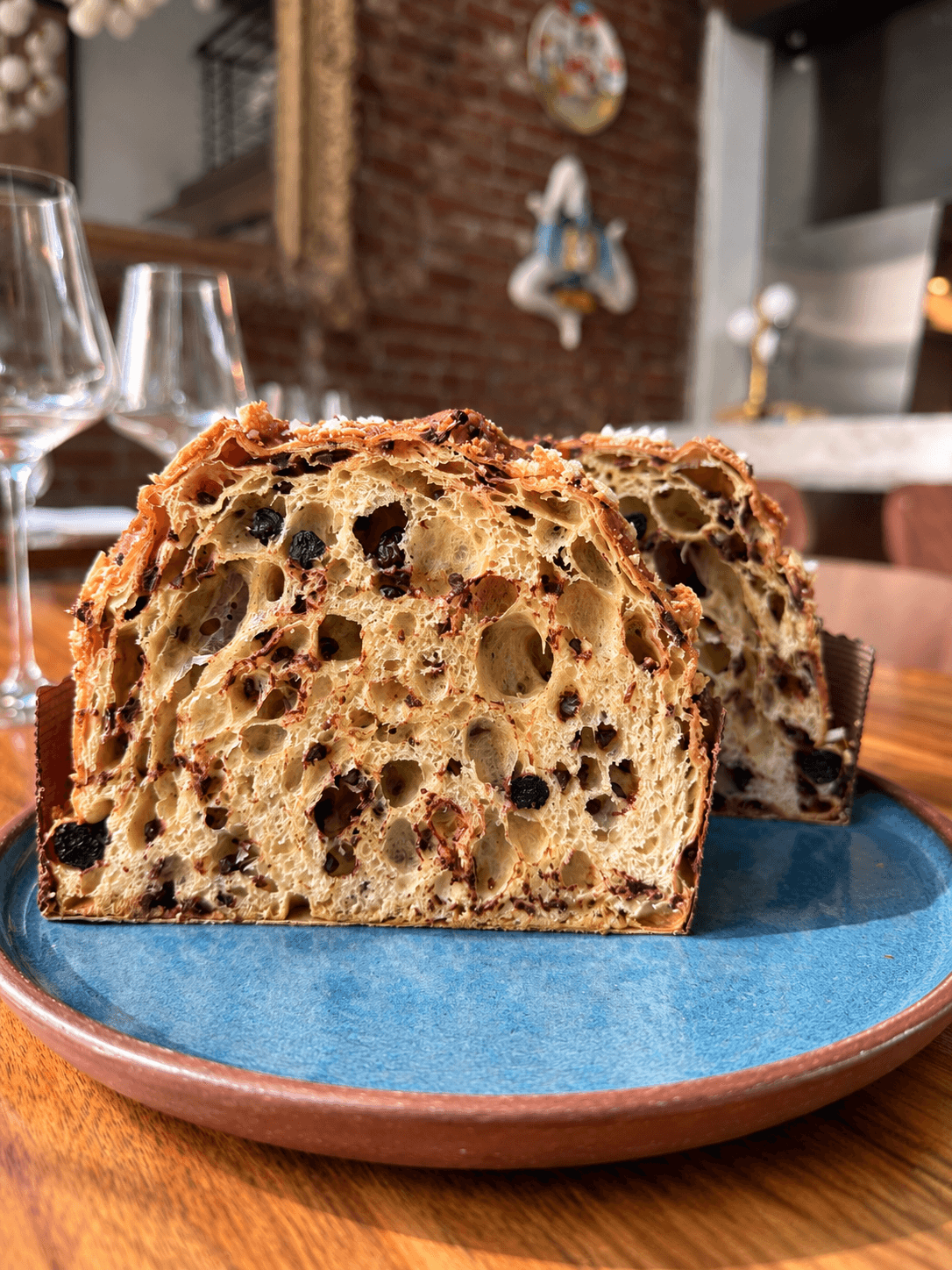
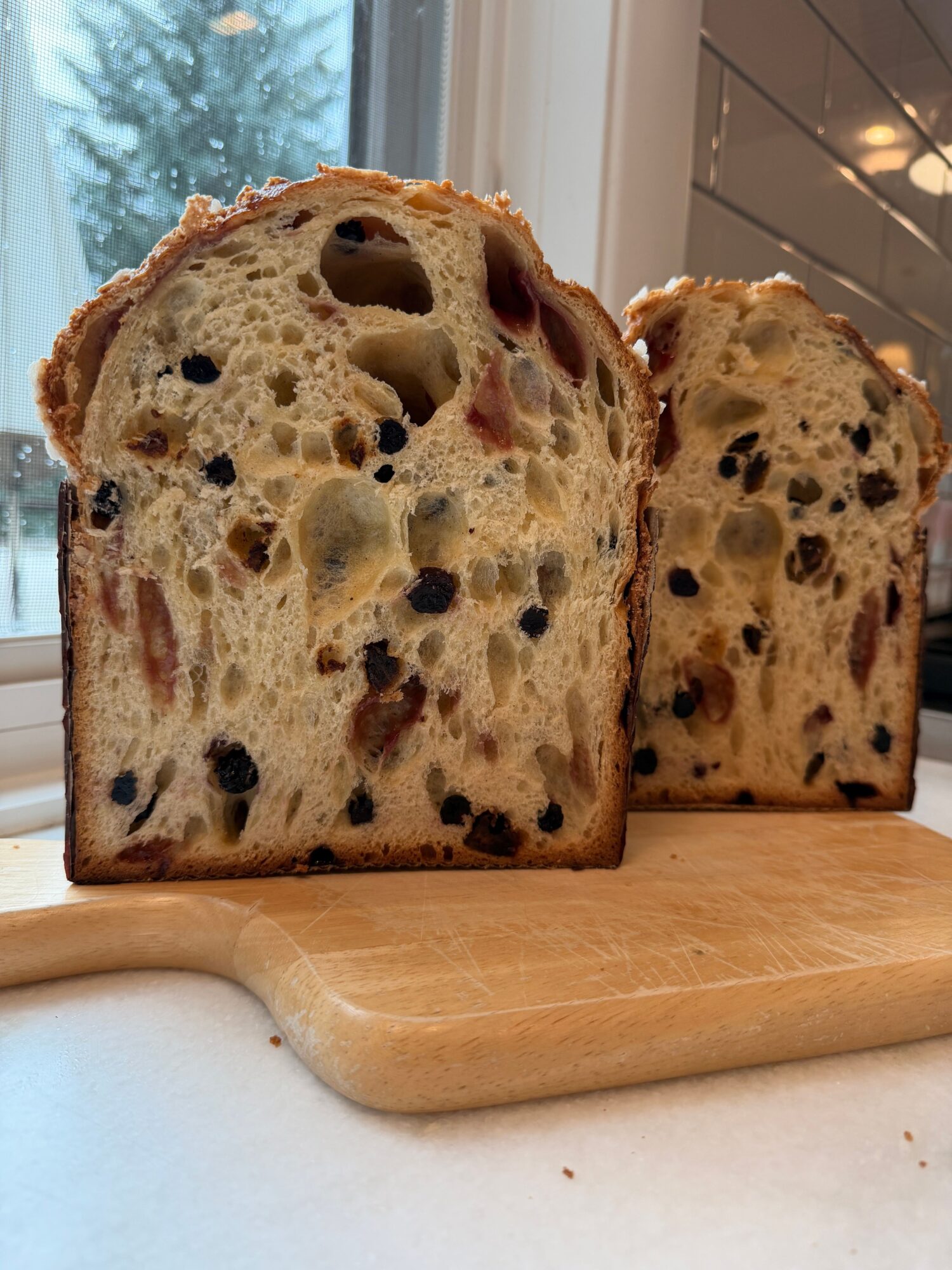
Bread and fermentation have fascinated me for almost two decades. In October 2025, I decided to take on an entirely new challenge: mastering traditional Italian panettone.
Despite my years of experience working with dough, I quickly discovered how little I actually knew about this extraordinary product.
That journey led to the creation of Mucca Keeper of Time, a project dedicated to natural fermentation, traditional Italian panettone, and the belief that time is one of the most important ingredients in everything we create.
Most recently, I was invited to join the effort to assemble Team USA for the 2027 Panettone World Championship in Italy. It’s an opportunity I’m incredibly excited about, and another reminder that there is always something new to learn.
Looking back, my journey has never been a straight line. It’s been a collection of experiences, challenges, mistakes, and opportunities that eventually brought me to where I am today.
And I hope the most interesting chapters are still ahead.
Would you say it’s been a smooth road, and if not what are some of the biggest challenges you’ve faced along the way?
Not even close!
When Kathy and I opened Mucca Osteria in 2011, we had very little money and absolutely no guarantee that the restaurant would survive.
We financed part of the project with credit cards, bought used equipment, and did much of the construction and preparation ourselves.
For the first couple of years, I regularly worked 80 to 90 hours a week. There were moments when I genuinely wondered whether we had made the right decision.
Opening a restaurant is one thing. Keeping it alive is an entirely different challenge.
Over the years, we’ve navigated economic uncertainty, staffing difficulties, rising operating costs, and the enormous disruption caused by the pandemic.
But I think the greatest challenge has always been learning how to evolve without losing our identity.
When you’ve invested so much of yourself in something, it can be difficult to accept that certain things need to change.
I’ve had to learn to become a better leader, to trust other people, and to understand that a successful restaurant cannot depend entirely on one person’s energy.
More recently, my work with panettone has brought an entirely different kind of challenge.
After nearly thirty years in hospitality, I found myself feeling like a beginner again.
Panettone is incredibly unforgiving. You can spend days preparing a product, only to discover that one small mistake has compromised the entire process.
But I find something beautiful in that.
For many years, mountaineering was an important part of my life. In 2017, I led my climbing team to the summit of Denali in Alaska.
At high altitude, you quickly learn that experience and preparation are essential, but they don’t guarantee success. You must remain humble, patient, and willing to adapt.
I see a remarkable similarity between climbing mountains and working with naturally leavened dough.
Both require discipline, perseverance, and respect for things you cannot completely control.
I don’t think challenges ever disappear. You simply become better at facing them.
As you know, we’re big fans of Mucca Osteria | Mucca Pizzeria | Mucca Keeper of Time. For our readers who might not be as familiar what can you tell them about the brand?
Mucca began with a simple idea, but also with a much more personal ambition.
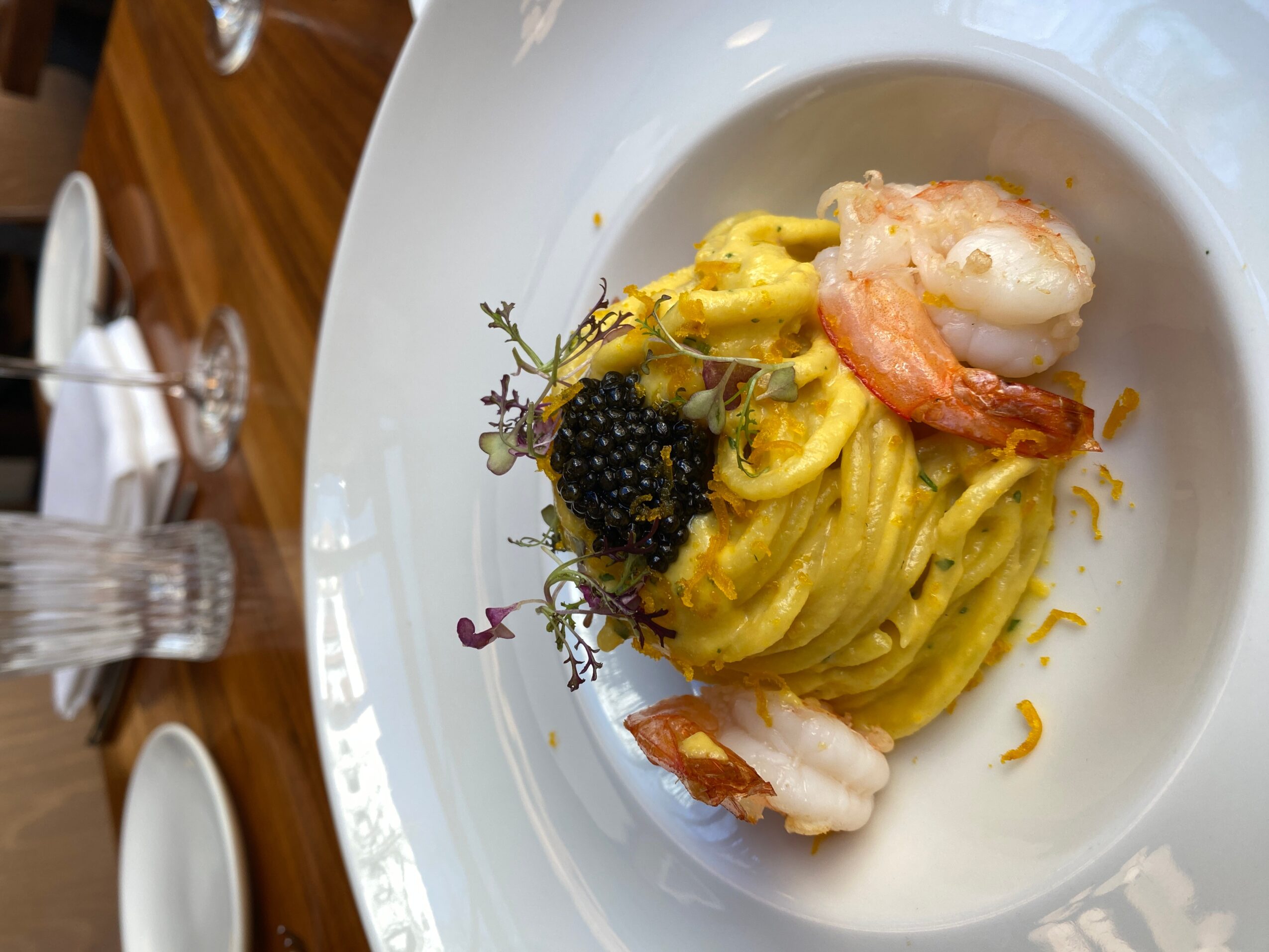
When my wife Kathy and I opened Mucca Osteria in downtown Portland in 2011, we wanted to create a place where people could experience the warmth, generosity, and authenticity of Italian hospitality. But I also wanted something else: a place where I could express myself freely.
In many ways, I imagined Mucca as a stage, and the dining room as an audience. Not because I wanted to be the center of attention, but because I believed that food, wine, service, and atmosphere could come together to create something much greater than a meal.
At the time, I felt that much of the Pacific Northwest, like many other parts of the United States, had yet to experience the full depth and diversity of Italian fine dining.
Italian cuisine was often associated with familiar dishes, generous portions, and comforting traditions. There is absolutely nothing wrong with that. I love those traditions, and they are an essential part of our culture.
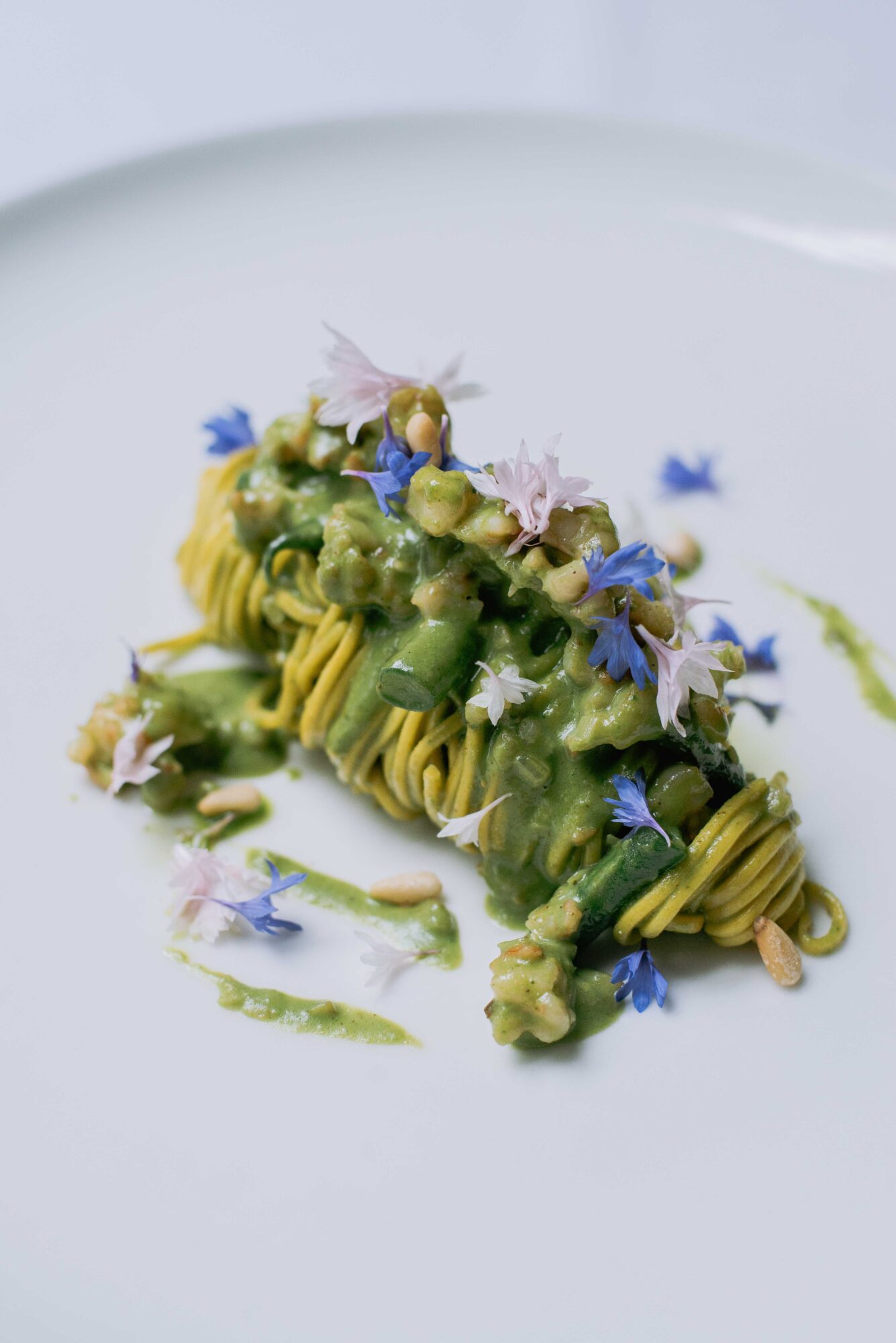
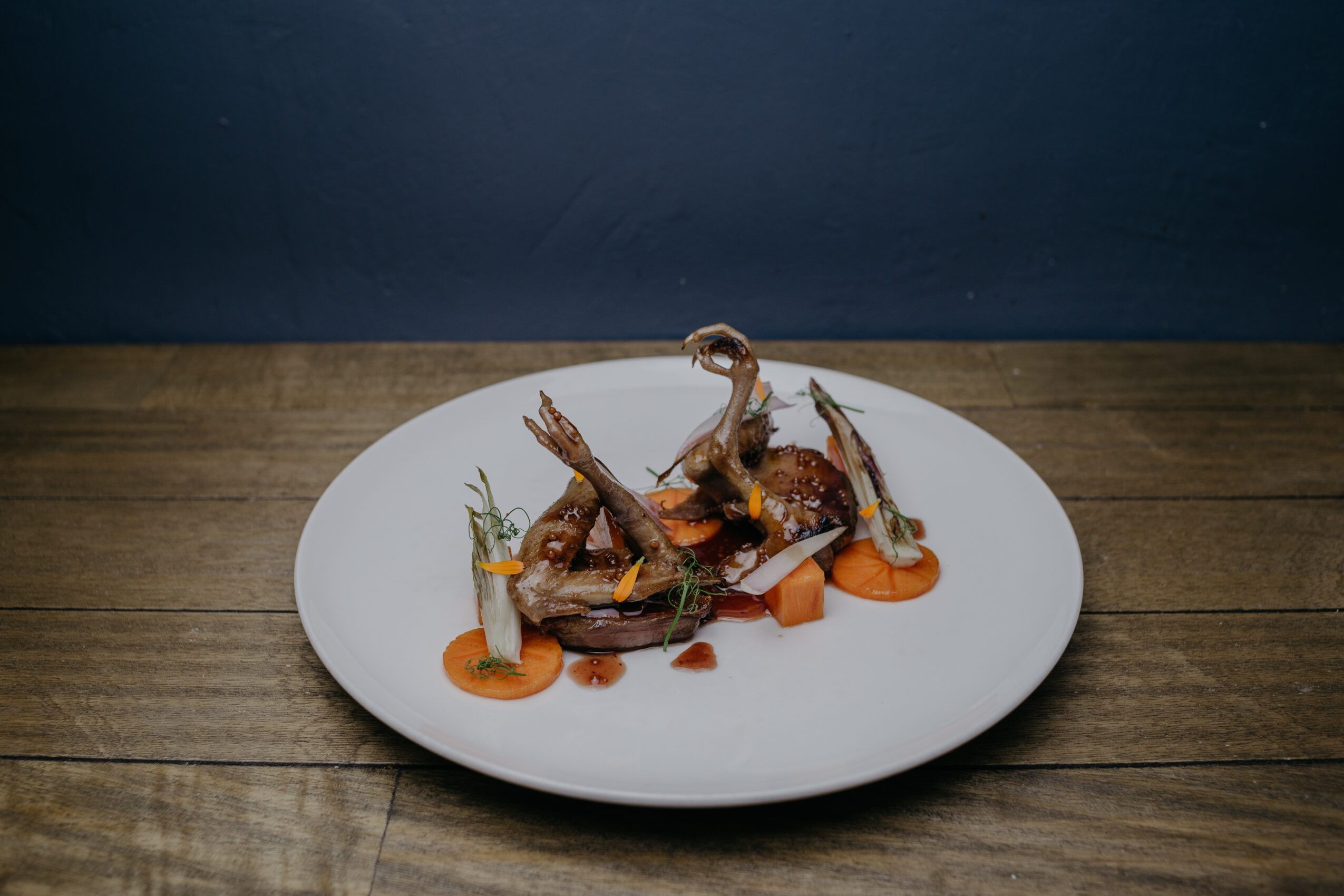
But Italian cuisine is also an extraordinary form of creative expression. It can be sophisticated, thoughtful, surprising, and deeply personal without losing its roots.
In the beginning, that vision wasn’t always easy to communicate.
We were complete newcomers to Portland, and more than once I was told that if I wanted to succeed, I needed to offer the kind of Italian food people already knew and expected.
Simple, familiar dishes. The same flavors and preparations they had grown up with.
I understood the advice, but I couldn’t bring myself to follow it.
I hadn’t taken the risk of opening my own restaurant just to recreate something that already existed. I wanted to share the Italian dining experience as I understood it, while leaving room for creativity and personal interpretation.
Looking back, I’m grateful that I stayed true to that vision.
Over the years, Portland’s dining culture has evolved tremendously. Many talented chefs and restaurateurs have worked hard to introduce new ideas, challenge expectations, and build an audience that is increasingly curious and open-minded.
Today, our guests come to Mucca with a willingness to explore. They don’t necessarily expect to recognize every dish on the menu, and that’s something I find incredibly rewarding.
But perhaps the most important evolution happened within Mucca itself.
As the restaurant grew, I began to understand that the creative space I had originally built for myself could become something much more meaningful.
It could become a stage for other talented chefs.
I realized that many of the people working alongside me shared the same desire I had when I started: to express themselves through their craft, to create something personal, and to be proud of what they put in front of a guest.
As I continued improving and refining Mucca, I wasn’t simply building the restaurant of my dreams anymore. I was also creating an environment where other people could pursue theirs.
And ultimately, our guests are the ones who benefit from that freedom.
I believe food and hospitality can be forms of art. Like any art, they require technique, discipline, and respect for tradition, but they also need imagination and the freedom to express something personal.
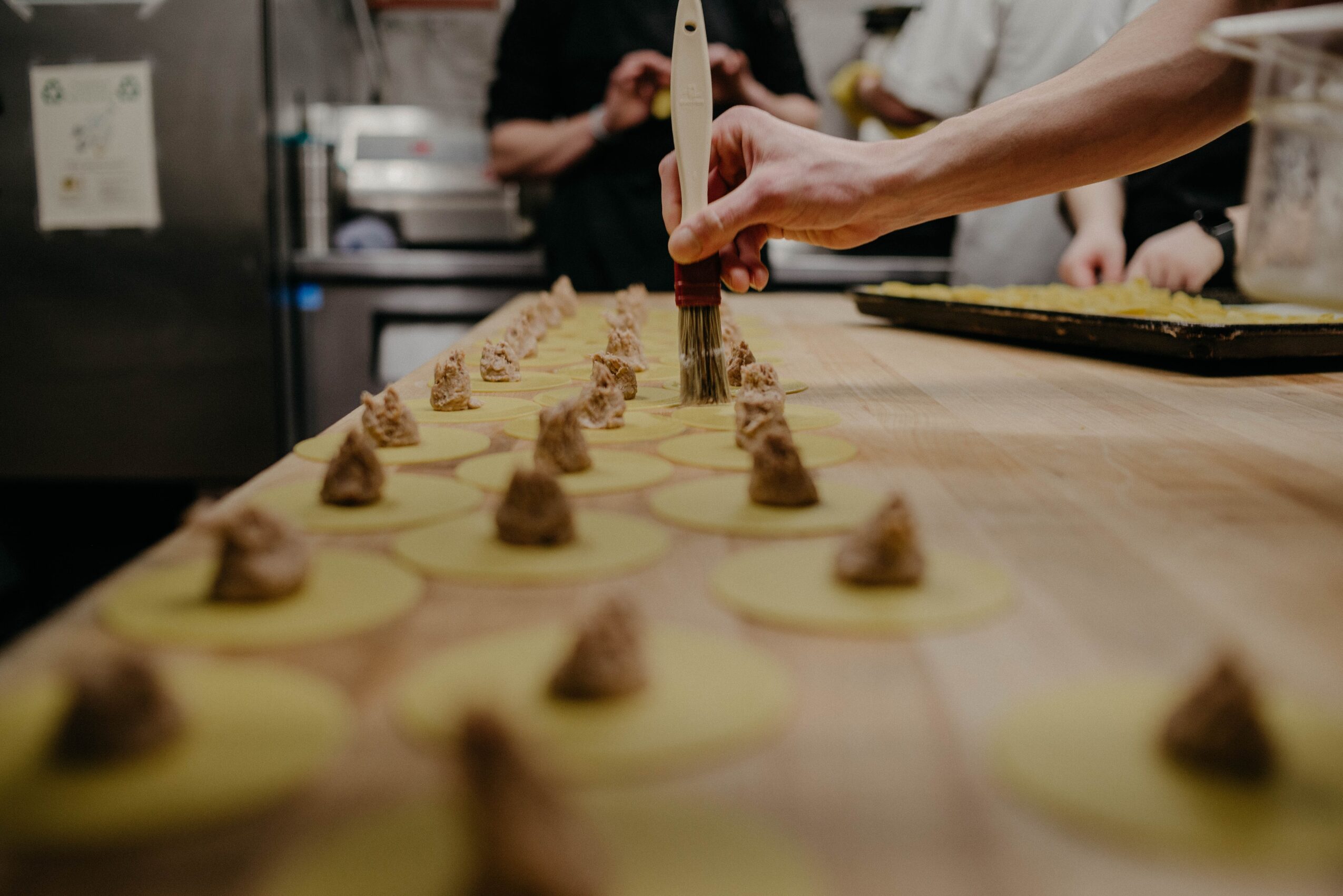
That philosophy has continued to evolve through Mucca Pizzeria, where we explore contemporary Neapolitan-style pizza, artisan bread, and natural fermentation, and more recently through Mucca Keeper of Time, our project dedicated to Italian panettone and grandi lievitati.
Keeper of Time represents another side of the same philosophy: the pursuit of craftsmanship, patience, and continuous learning. Its guiding principle is simple: **Time is an Ingredient.**
When I look back at everything Kathy and I have built, I’m incredibly grateful for how far we’ve come. None of it would have been possible without the dedication, talent, and hard work of our team.
But one of the things that brings me the greatest joy happens outside the restaurant, sometimes years after someone has moved on.
Every once in a while, a former team member reaches out to thank me for being a mentor and helping them become the professionals they are today.
There is no award or professional recognition that could ever mean more to me than that.
Those moments have also made me a better leader. They’ve helped me understand that the decisions we make every day don’t just affect the immediate success of a business. They can influence someone’s confidence, opportunities, and future.
Understanding that responsibility has changed the way I look at leadership. It helps me see the bigger picture and make better decisions, even when those decisions aren’t necessarily the easiest ones.
I’ve come to believe that **our legacy isn’t simply what we leave behind. It’s also what we help others build ahead of us.**
What we do today doesn’t just leave a mark on the past. It helps shape the future.
And to me, that means everything.
Do you have recommendations for books, apps, blogs, etc?
Some of the books that have influenced me the most have absolutely nothing to do with cooking.
For many years, mountaineering was one of the greatest passions of my life, and I was fascinated by the stories of legendary climbers, their extraordinary achievements, their failures, and sometimes their tragedies.
One of my favorite books is *My Vertical World* by Jerzy Kukuczka. I’ve also spent countless hours reading the works of Reinhold Messner and Walter Bonatti. Their stories fueled my imagination and inspired many of my own adventures in the mountains.
I grew up in a different era, listening to my father tell stories about the world as he had experienced it. He belonged to a generation profoundly shaped by war, and his perspective on life was very different from the world I would eventually discover for myself. I think growing up with those stories made me curious about people, history, and everything that lies beyond our immediate experience.
And speaking of curiosity, I have a confession: I’m fascinated by the unexplained, especially paranormal stories and UFO phenomena.
Payne Lindsey is one of my favorite storytellers, and I absolutely love his podcast *High Strange*. I’m also a big fan of *Radio Rental*. There’s something about a genuinely mysterious story that I find impossible to resist.
Maybe after spending years climbing mountains, traveling the world, and trying to understand the mysteries of natural fermentation, I’ve simply developed a taste for things that don’t always have an easy explanation.
Or maybe I just enjoy a good ghost story! 😁
Contact Info:
- Website: muccaosteria.com muccapizzeria.com muccakot.com
- Instagram: https://www.instagram.com/savaianosimone/?utm_source=chatgpt.com