


Today we’d like to introduce you to Lale And Andrew.
Hi Lale and Andrew, can you start by introducing yourself? We’d love to learn more about how you got to where you are today?
Our story began with a shared curiosity about where our food comes from and a desire to grow more of our own. We’ve both traveled extensively around the world and continue to travel, fascinated by different cultural cuisines, traditional foodways, and the foods that thrive in particular climates. These experiences have deepened our appreciation for the diversity of food and the environments that sustain it. We’ve always cared deeply about the quality of the food we eat, the health of the soil it grows in, and the relationship between agriculture and the wider ecosystem.
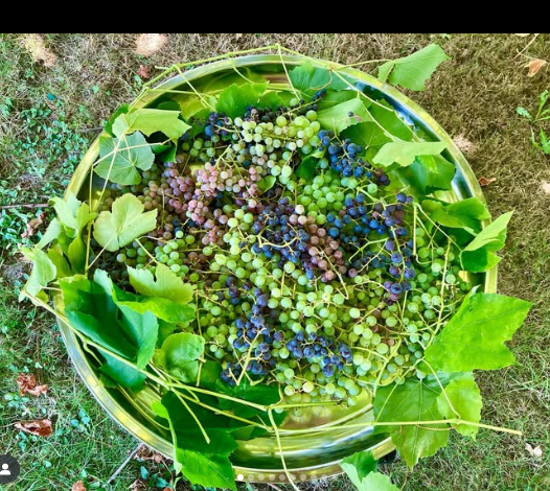
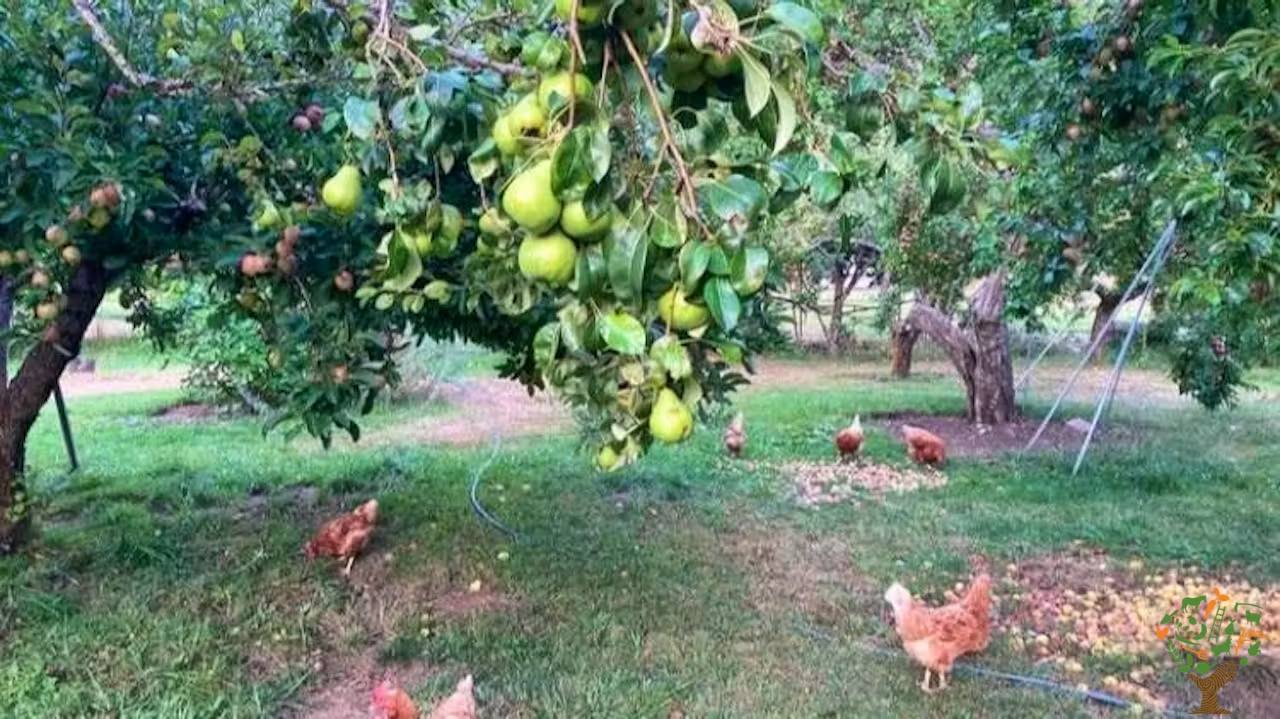
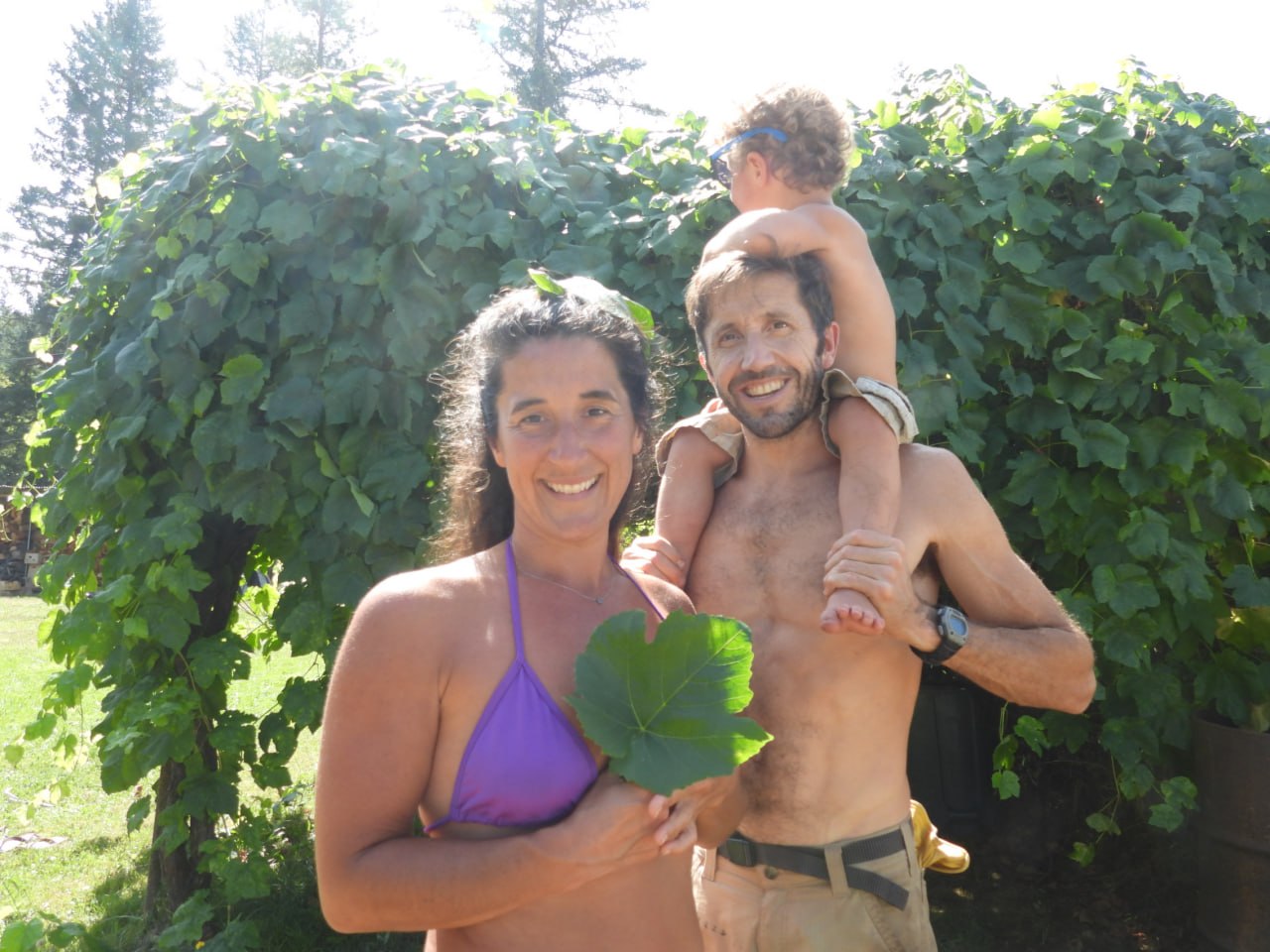
Over time, that interest grew into a deeper commitment to cultivating food in a way that supports the land rather than depletes it. We became increasingly interested in soil health, biodiversity, and working with natural processes. This led us to build Suncatcher Food Forest, our family homestead in Southern Oregon, where we grow a variety of fruits, vegetables, nuts, herbs, berries, and flowers while continuing to learn from the land and the seasons.
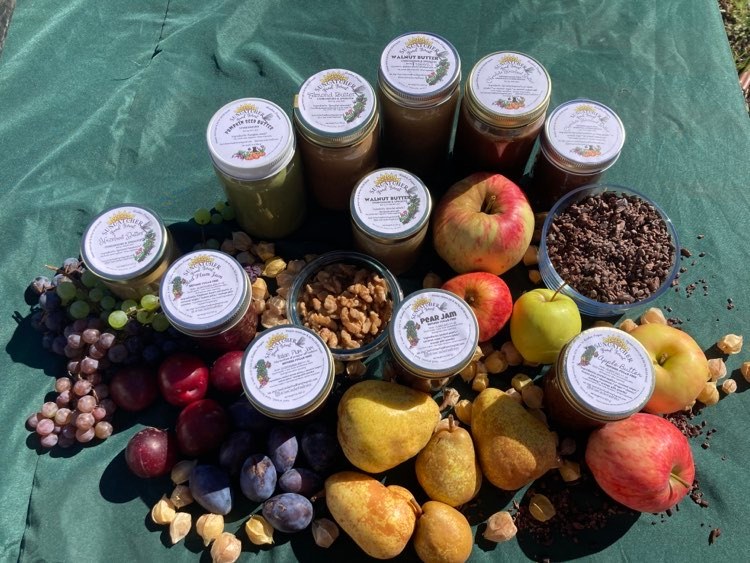
Today, Suncatcher is both our home and our small food forest. Alongside growing fresh produce, we make value-added products such as refined sugar-free fruit jams and sprouted and stoneground nut and seed butters, allowing us to share more of what we grow and create with our local food community. We sell through farmers markets and local health food stores in Eugene, Coos Bay, Grants Pass, Central Point, and Medford, building relationships with the people who grow, make, sell, and enjoy good food.
Our journey is an ongoing one. We continue to learn, experiment, and find ways to care for the soil, support biodiversity, and produce nourishing food. At the heart of it all is the belief that growing good food starts with caring for the land it comes from.
Can you talk to us a bit about the challenges and lessons you’ve learned along the way. Looking back would you say it’s been easy or smooth in retrospect?
It hasn’t always been a smooth road. Building a small food forest takes a tremendous amount of time, work, and patience, and agriculture itself comes with plenty of uncertainties. Working with the seasons, managing the many demands of growing and selling food, and building relationships with local markets and retailers all take persistence.
Becoming parents brought another major change to our lives and the way we approach our work and lifestyle. Raising a child while caring for the land and maintaining a small food forest has required us to adapt, rethink priorities, and find ways to balance family life with the demands of the farm.
As a homestead, we’ve had to learn as we go, adjust our plans, and keep moving forward even when things are challenging. The experience has taught us to be flexible, resourceful, and patient. It’s also reinforced why we’re doing this in the first place: to build a life around the things we value most, including family, nourishing food, healthy soil, and a deeper connection to the natural world.
We’ve been impressed with Suncatcher food forest, but for folks who might not be as familiar, what can you share with them about what you do and what sets you apart from others?
Suncatcher Food Forest is a family homestead and small-scale food forest located in a quiet valley in Azalea, Southern Oregon, beneath a canopy of cedar and pine trees. Our guiding philosophy is simple: when the land thrives, everything else flourishes.
We take an ecologically oriented, systems-thinking approach to farming, recognizing that healthy soil, biodiversity, water, plants, animals, and people are all interconnected. We prioritize soil health, no-till cultivation, and regenerative stewardship, working with natural processes and hand tools, rather than relying on conventional, intensive agricultural methods. Approximately half of our 3.25-acre property is dedicated to native habitat and conservation, while the rest is home to a diverse and evolving landscape of fruit trees, berries, grapes, nuts, herbs, vegetables, flowers, and other plants.
We specialize in growing diverse crops and transforming our harvest into nourishing, flavorful products. Alongside fresh seasonal produce, we make refined sugar-free fruit jams, apple butter, pie fillings, dried fruit, and small-batch sprouted and stoneground nut and seed butters, including walnut, hazelnut, almond, chocolate hazelnut, pumpkin seed, and watermelon seed butters. We also create other treats and specialty foods, with a focus on quality ingredients and distinctive flavors.
What sets us apart is the relationship between the way we grow our food and the products we make from it. We value diversity over uniformity, ecological health over maximum production, and thoughtful, hands-on cultivation over mechanized farming. We want our food to be something people can feel good about eating, knowing that its quality begins with the health of the land.
We’re also proud to be part of our local food community. Through farmers markets and independent health food stores across Southern Oregon and beyond, we build relationships with people who share an appreciation for nourishing food and thoughtful farming practices.
Ultimately, Suncatcher is about more than what we grow or sell. It’s about nurturing the land, growing good food, and building community within the local food network. We’re continually learning from the land and the seasons, experimenting with new crops and products, and finding ways to contribute to a healthier, more ecologically connected food system. We hope that the food we grow and share inspires others to take a greater interest in where their food comes from and the living world that sustains it.
We’d love to hear about how you think about risk taking?
We tend to think of risk-taking as something that doesn’t always involve a big, dramatic decision. Sometimes it’s about being willing to try something new, make a decision with incomplete information, and learn from the outcome.
Farming involves risk in many forms. Weather can change unexpectedly, plants don’t always respond as anticipated, and decisions about when to prune, plant, or harvest can have lasting consequences. We’ve learned that working with the land requires both careful observation and a willingness to adapt. You can research and plan, but ultimately, you also have to pay attention to the conditions in front of you and make the best decision you can with what you know.
Building Suncatcher Food Forest has also meant committing ourselves to something that takes time to grow, both literally and as a homestead. Establishing a diverse food forest requires patience, experimentation, and a long-term perspective. The results aren’t always immediate, and sometimes things don’t work out as planned.
We don’t necessarily approach risk for its own sake. We try to make thoughtful decisions, remain open to learning, and recognize that not every outcome can be controlled. For us, taking a risk is often about being willing to move forward without having every answer, while remaining flexible enough to change course when needed.
Pricing:
- Fruit jams (refined sugar free): $12 per jar
- Nut and seed butters (sprouted + stoneground): $16–$29, depending on variety and size
- Fresh seasonal produce: prices vary by crop and season
- Dried fruit: prices vary by crop and season
Contact Info:
- Website: https://suncatcherfoodforest.wixsite.com/suncatcherfoodforest
- Instagram: https://instagram.com/SuncatcherFoodForest