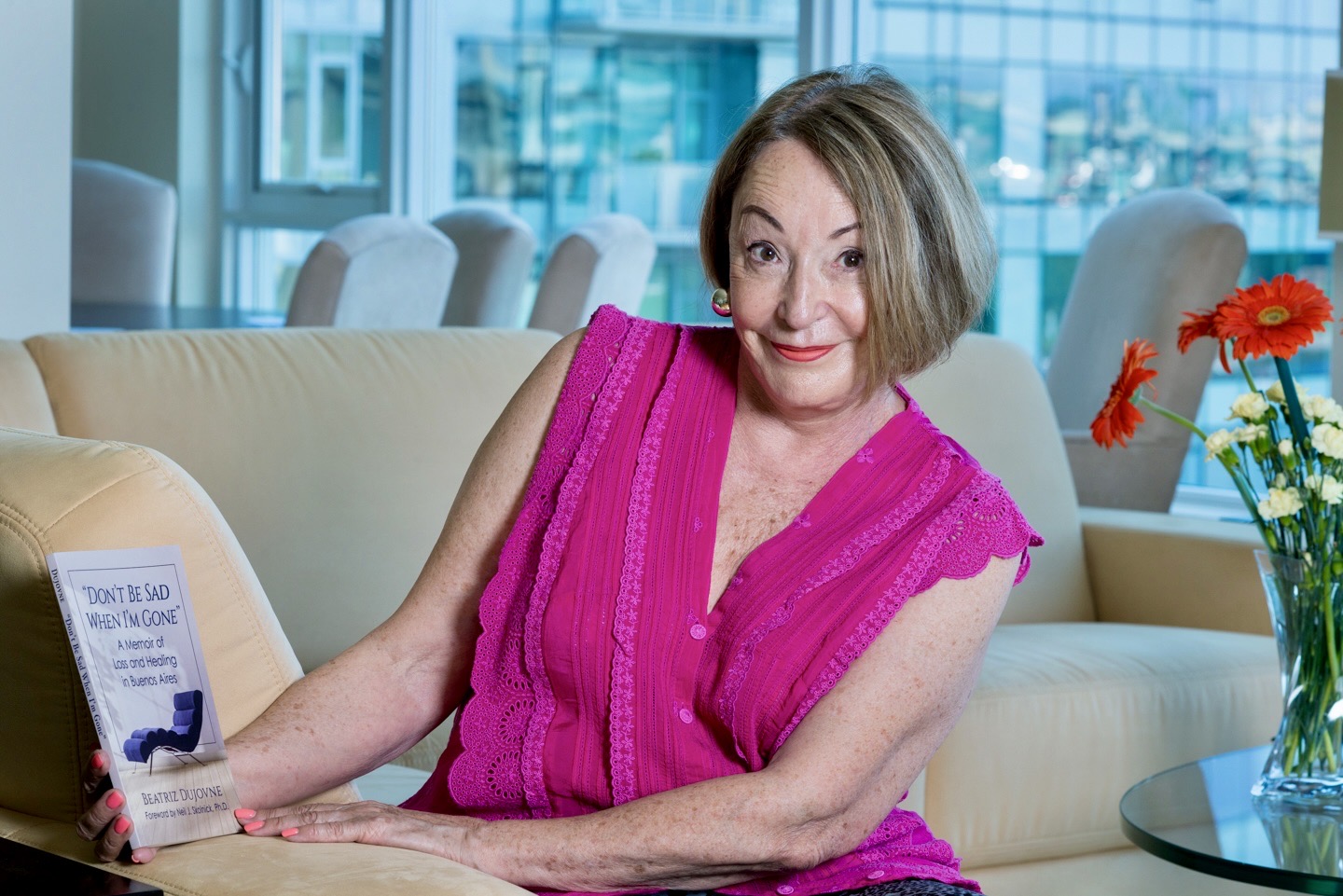



Today we’d like to introduce you to BEATRIZ DUJOVNE.
BEATRIZ, we appreciate you taking the time to share your story with us today. Where does your story begin?
I Have Lived Many Lives
My life has taken many unexpected turns. Some surprised me; others changed me. Along the way, I learned to let my heart choose which turns to embrace.
LIFE IN ARGENTINA
The biggest—and best—turn of my life began in Argentina.
As a young woman in Buenos Aires, I never imagined migrating to another country. That changed when I met Carlos, the most emotionally mature young man I had ever known.
We were both completing our university studies at the University of Buenos Aires when he proposed marriage—and migration. Carlos dreamed of devoting his life to medical research, and leaving Argentina was his way of making that dream possible.
Carlos was my dream: the man with whom I wanted to share my life.
We were both born, raised, and educated in Argentina. We were in our early twenties—curious, adventurous, and flexible enough to believe we could build a life together wherever we landed.
LIFE IN THE UNITED STATES
We left our beloved Buenos Aires with professional degrees: Carlos as a physician and I as a psychologist.
We flew to Chicago and made the United States our home. Over the years, with our daughter Vera, we moved several times as Carlos pursued his medical career—from Chicago to Washington, D.C., Baltimore, Kansas, and eventually Portland, Oregon.
The United States gave us extraordinary opportunities, and we gave back through our professional contributions. Without quite realizing it was happening, I became a bilingual and bicultural person, belonging to two countries and two languages.
To practice psychology in the United States, I needed American academic credentials. I earned an MA in Psychology at George Washington University and a PhD in Psychology at the University of Missouri–Kansas City.
I practiced psychotherapy in Kansas from 1976 until my recent retirement. Alongside my clinical practice, I taught, supervised, and published professional articles. Psychology became one of the enduring threads of my life.
But it would not be the only one.
LIFE AS A DANCER
Another unexpected turn began one ordinary morning in Kansas.
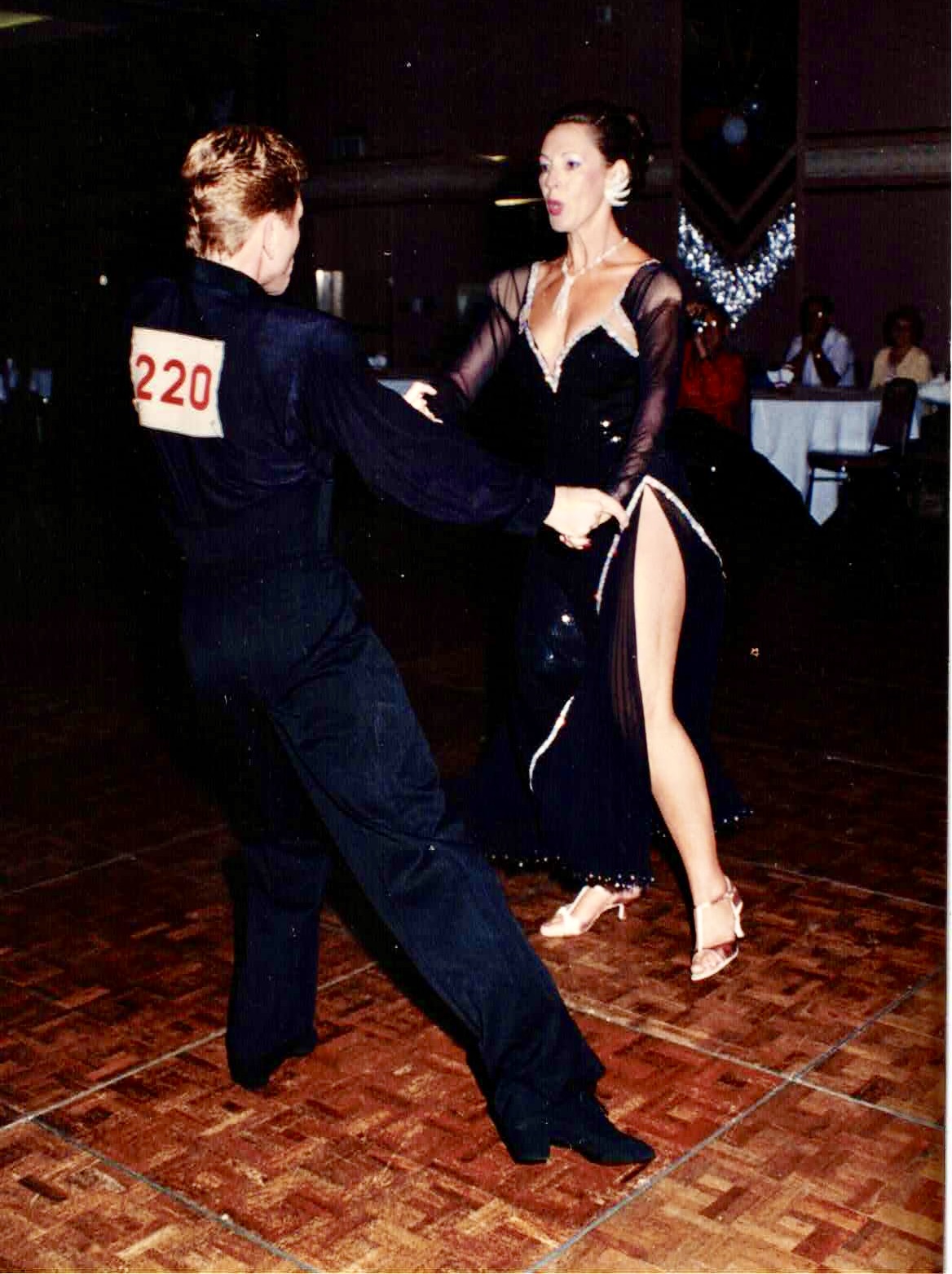
Carlos and I were driving home from the airport when I needed to make a stop at a nearby hotel. The moment we walked into the lobby, my senses were overwhelmed. Stands displayed elaborate dance costumes, enormous sparkling earrings, stilettos, feathers, and hairpieces. Latin rumbas and cha-chas filled the air.
A ballroom dance competition was underway.
I walked into the ballroom and watched the competitors moving with extraordinary elegance. I remember thinking, Wouldn’t it be wonderful to dance like that?
That accidental stop launched a ten-year adventure.
Soon afterward, I began studying with Perry Gingerich, a champion ballroom dancer in Kansas. Twice a week, I would leave my psychology office in the afternoon and rush to my lessons. Eventually, I began competing with Perry.
Carlos enthusiastically supported this new life. He came to my competitions and showcases. In fact, the photograph he carried in his wallet was of me dressed as a Latin dancer.
Then, around the year 2000, dance led me somewhere I never expected: back to Argentina.
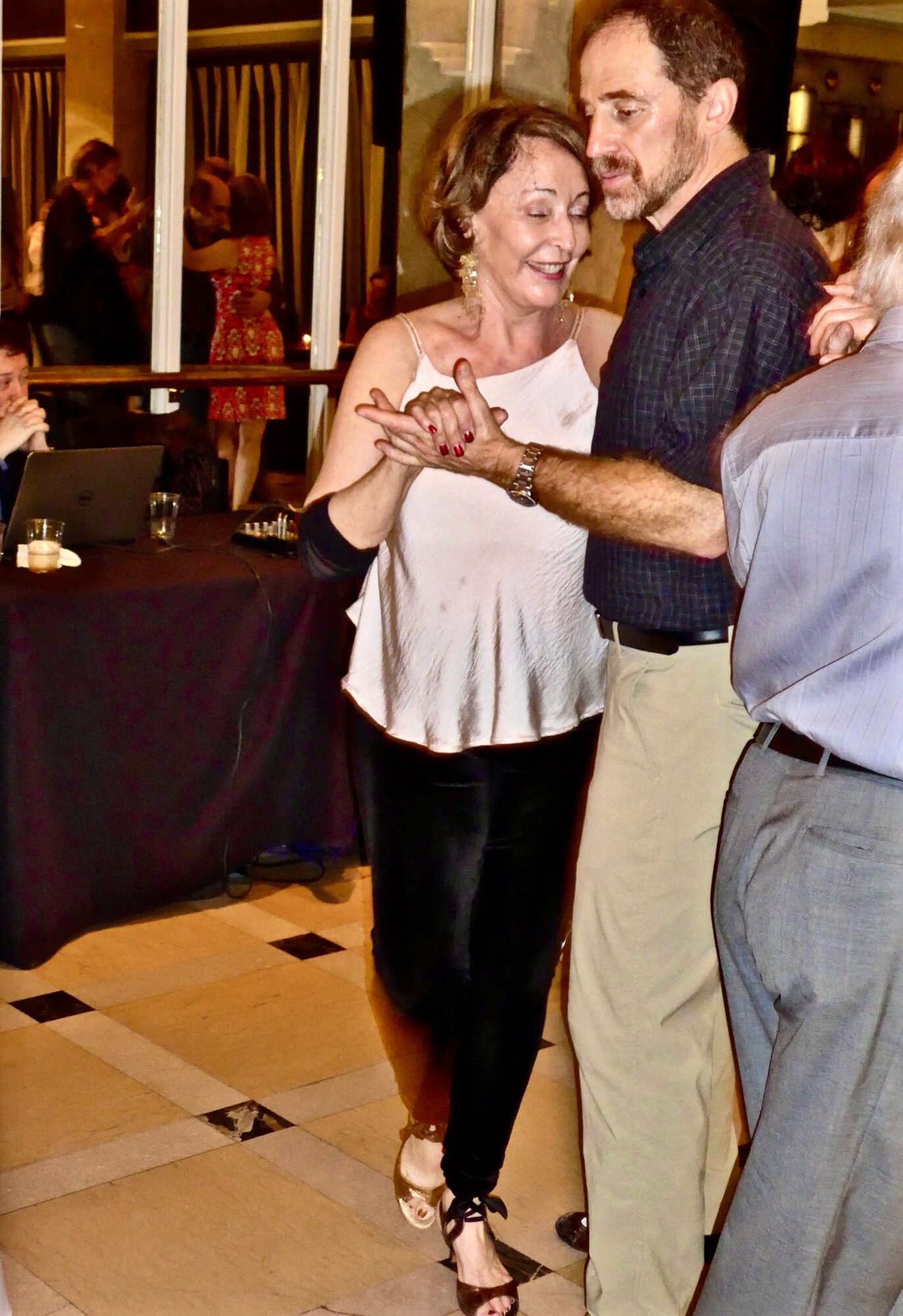
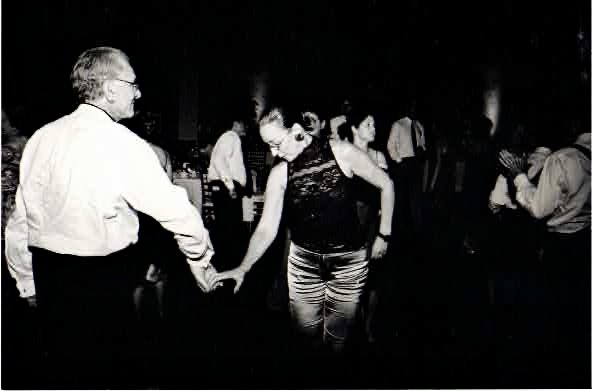
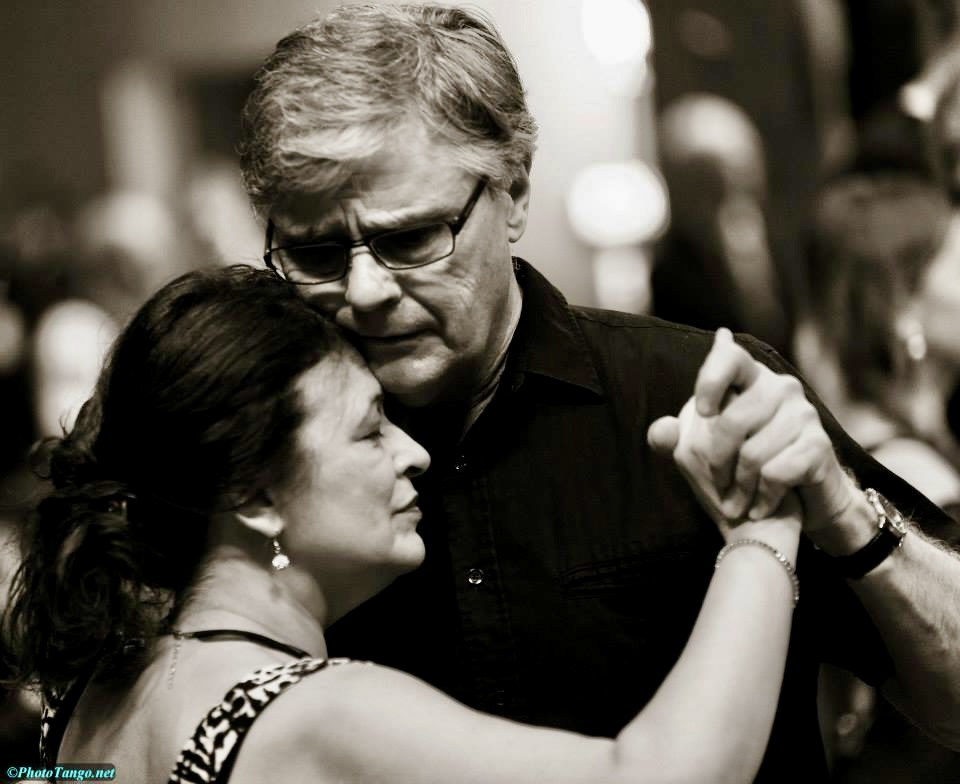
I discovered that Fedora’s Restaurant in Kansas City featured Tango Lorca every Thursday evening. Musicians played Argentine tango, and dancers gathered on the floor, dancing heart to heart.
I was captivated.
I began studying Argentine tango, and before long, the emotional depth of the dance made my body and soul vibrate in a way ballroom dancing never had.
Tango also awakened something much older in me.
Its music and lyrics had been part of my childhood in Buenos Aires. Every night, my father listened to tango programs on the radio. Decades later, in Kansas, that music brought back the sensations and emotions of those evenings around the old radio.
Through tango, I began rediscovering my Argentine roots.
LIFE AS A WRITER
The deeper I entered the world of tango, the more fascinated I became by what happened inside the embrace between two strangers.
Being both Argentine-born and a psychologist gave me a particular lens through which to understand it.
Carlos noticed this before I did.
He encouraged me to write a book. He told me that, as a bicultural and bilingual psychologist, I was uniquely positioned to explain to English-speaking readers the emotional richness of Argentine tango.
I said no.
I had a full psychology practice. Writing a book would be too much work.
Then I realized he was right.
I said yes.
I immersed myself in the international tango community and conducted research in Buenos Aires. I wrote from inside the dance, exploring the extraordinary intimacy and communication that can occur between two social dancers—often strangers—who communicate with their bodies in silence.
The research and writing took six years.
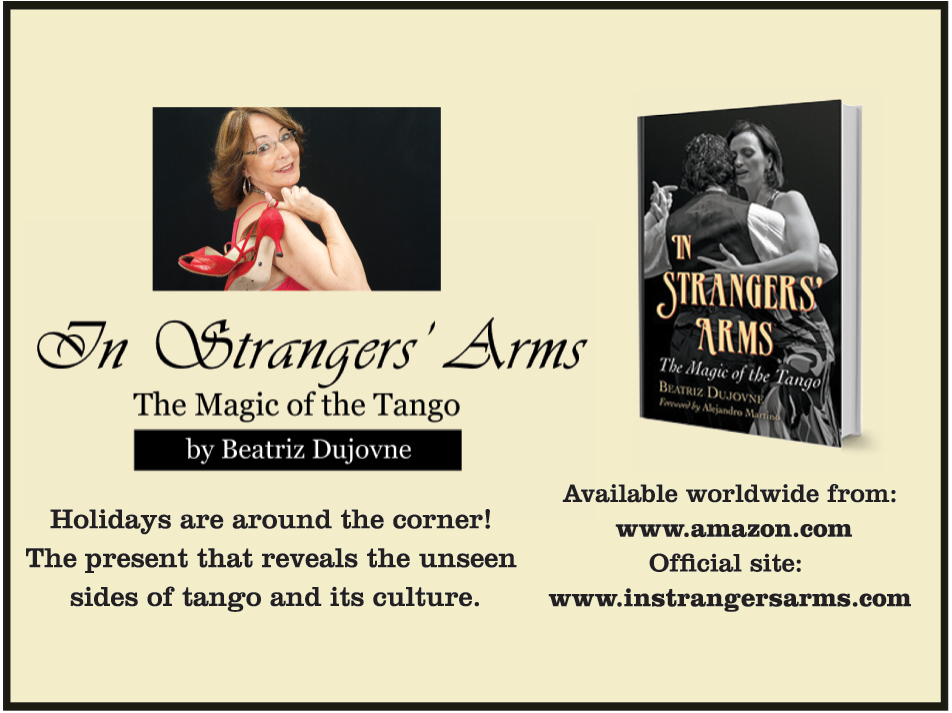
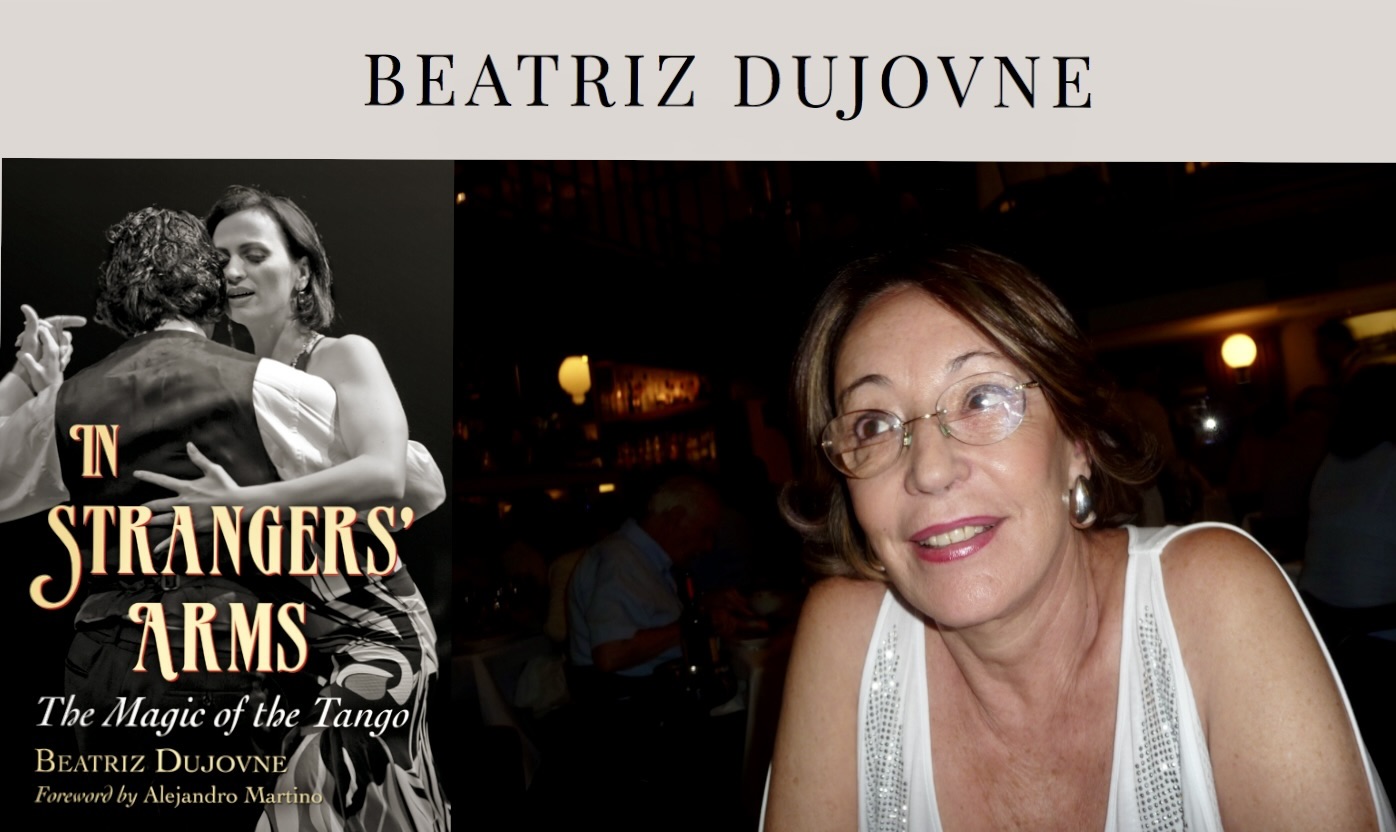
In Strangers’ Arms: The Magic of the Tango was published by McFarland in 2011.
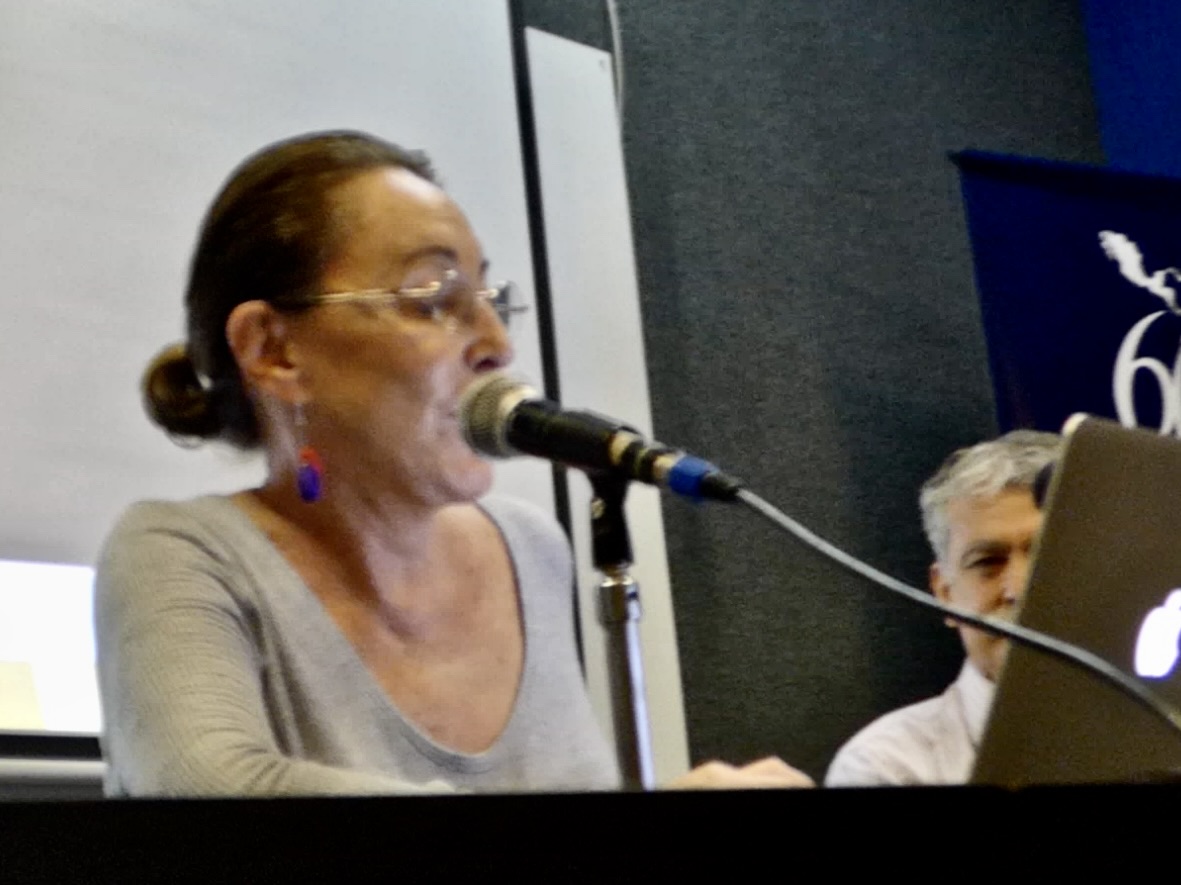
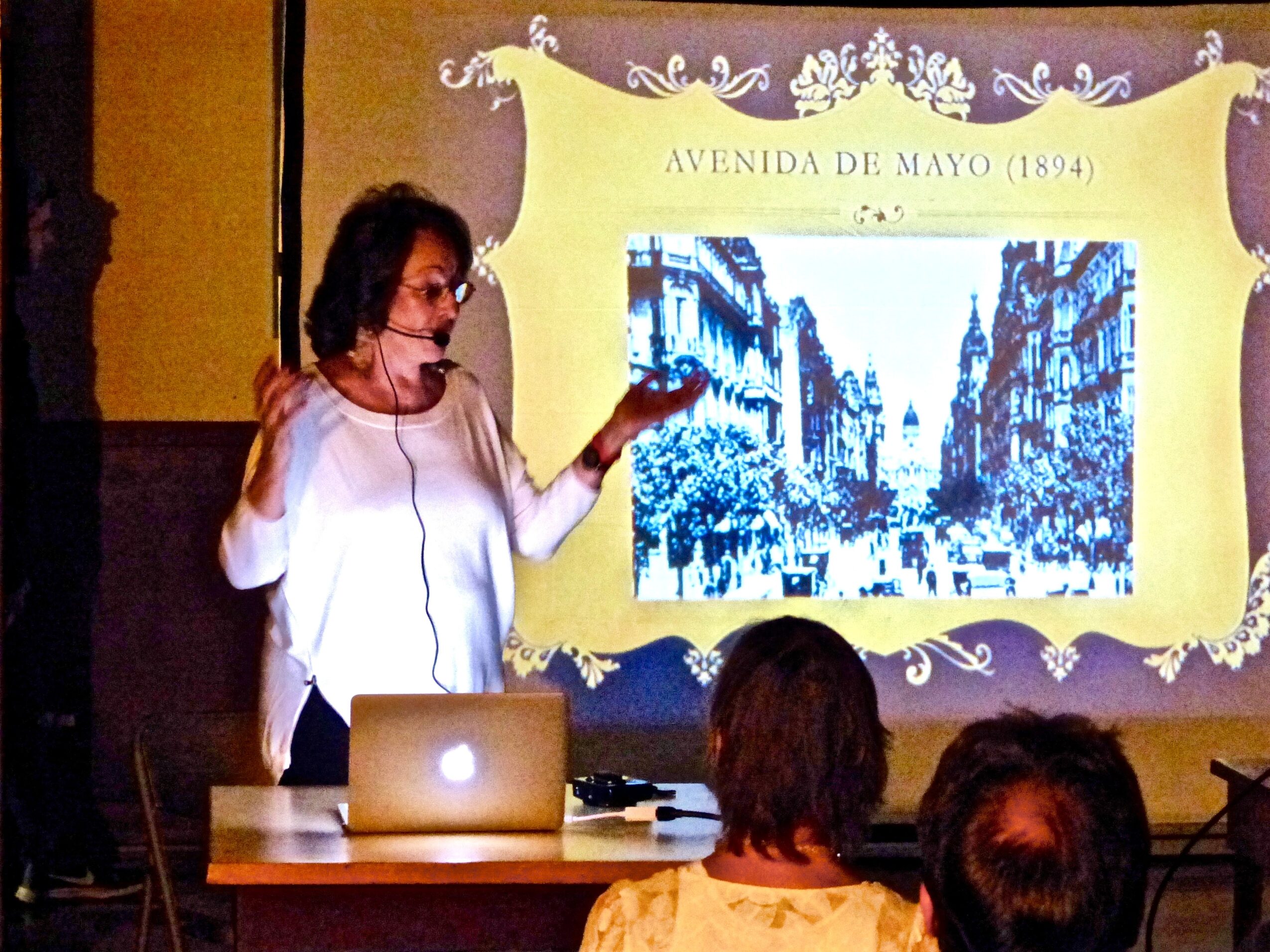
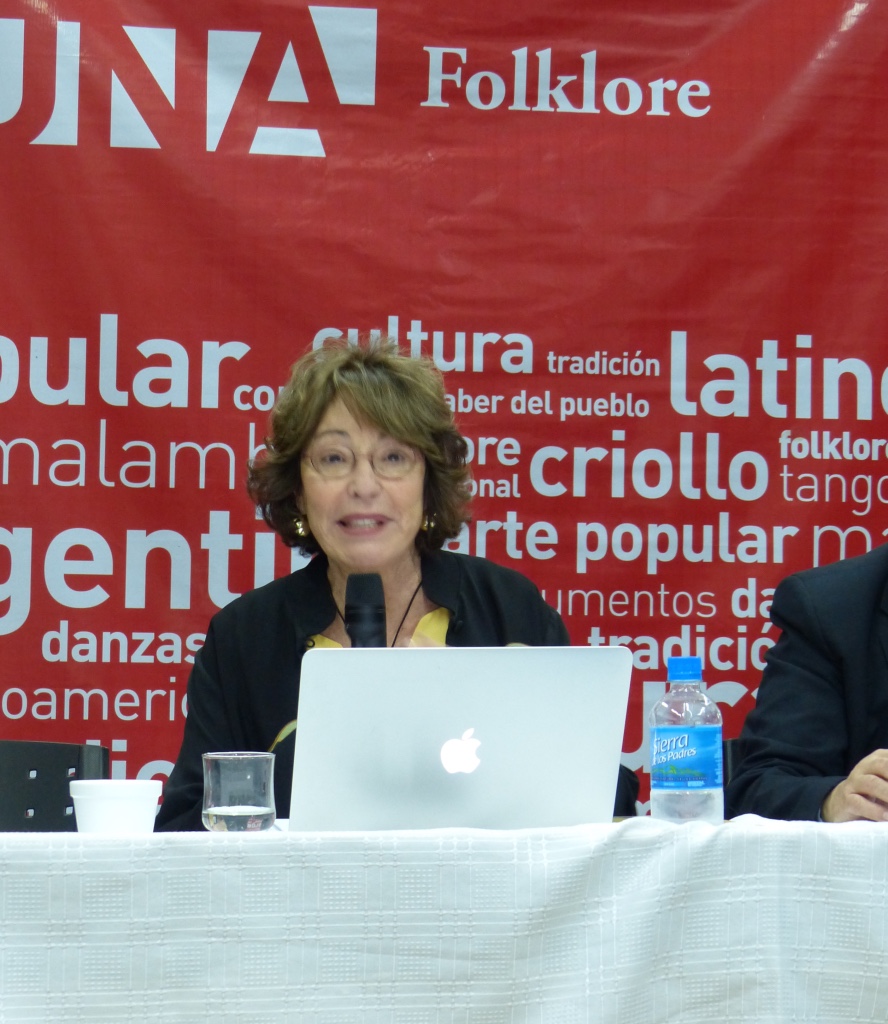
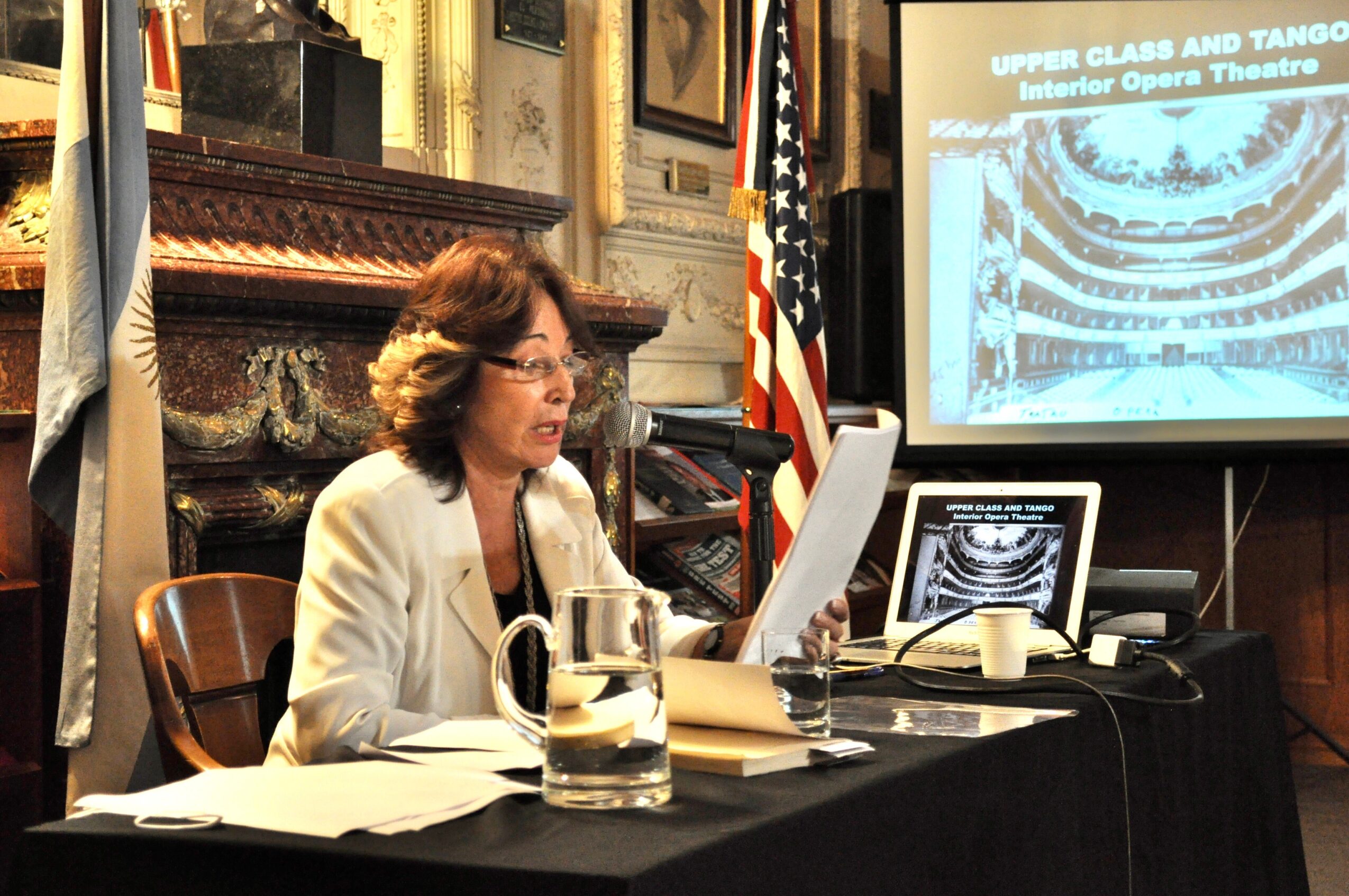
The book opened another life I had never anticipated. I was invited to speak at universities, tango congresses, and institutions in the United States and Argentina, including the U.S. Embassy in Buenos Aires.
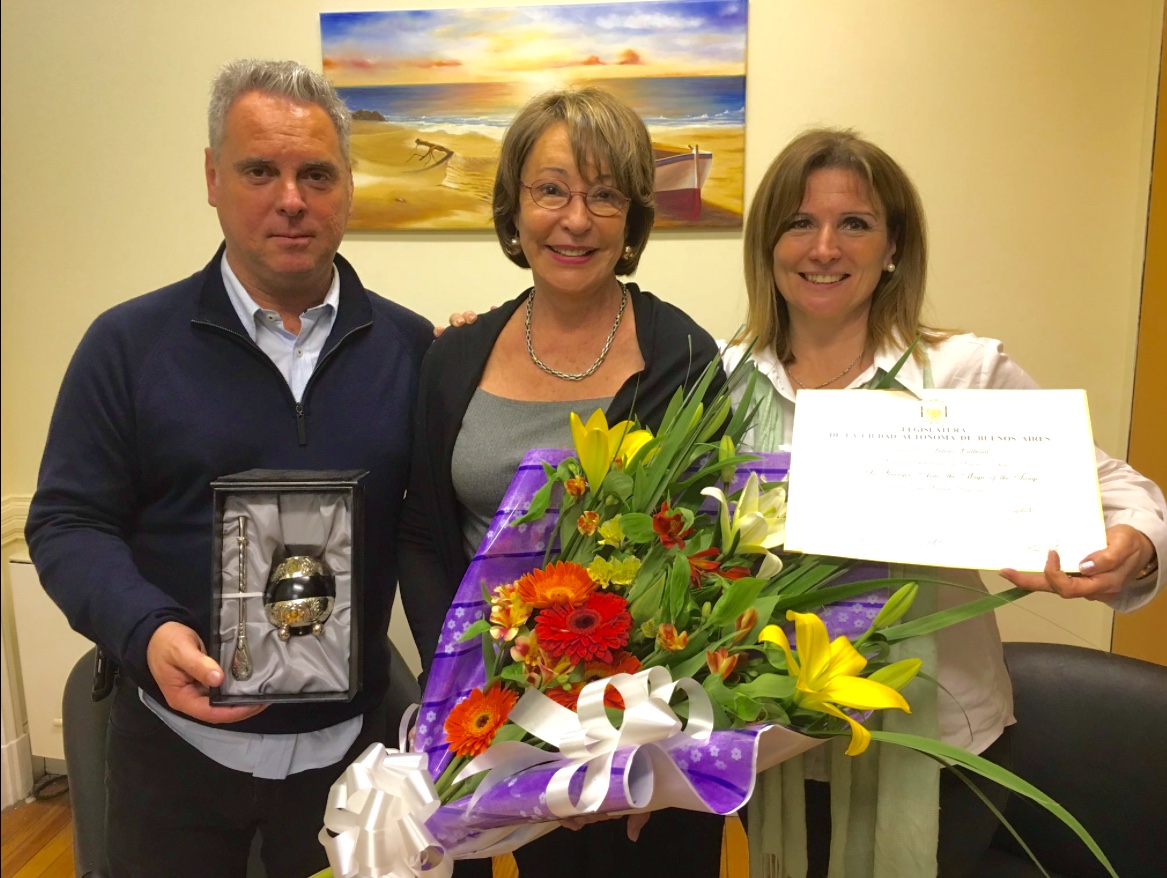
Then came a recognition that meant a great deal to me. In 2016, the Legislature of the City of Buenos Aires declared In Strangers’ Arms of cultural interest to the city, and I was invited to present the book at the Buenos Aires International Book Fair.
I had left Buenos Aires as a young woman. Decades later, I returned as the author of a book about a culture that had traveled with me all my life.
LOVE, LOSS, AND ANOTHER BOOK
In 2009, Carlos and I moved to Portland to be close to our family. By then, Carlos had published more than 200 scientific articles in peer-reviewed journals. We were healthy, thriving in our professions, and looking forward to the years ahead.
Then, in April 2015, Carlos was diagnosed with terminal cancer.
We began grieving even before we lost each other.
After his death, half of me felt gone. I was no longer the same; nothing was the same.
I moved to Buenos Aires for a year. Returning to my birth city—and undergoing psychotherapy in my maternal language—helped me begin to find my way through the loss of the man who had accompanied me throughout my entire adult life.
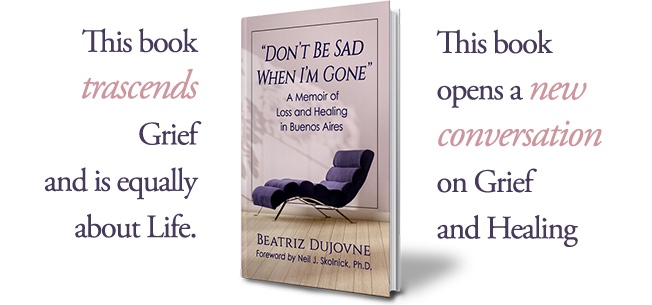
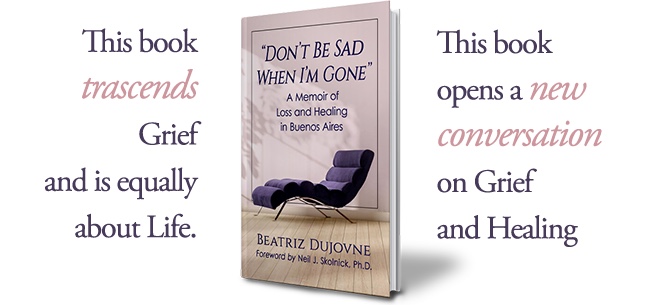
Out of that grief came my second book, begun in Buenos Aires and completed in the United States.
One reader described it as “a love letter from Beatriz to her husband, Carlos, and to their beloved Buenos Aires.”
That reader understood something essential. It was a book about grief, but also about life and love—and about how love can continue to transform us even after death.
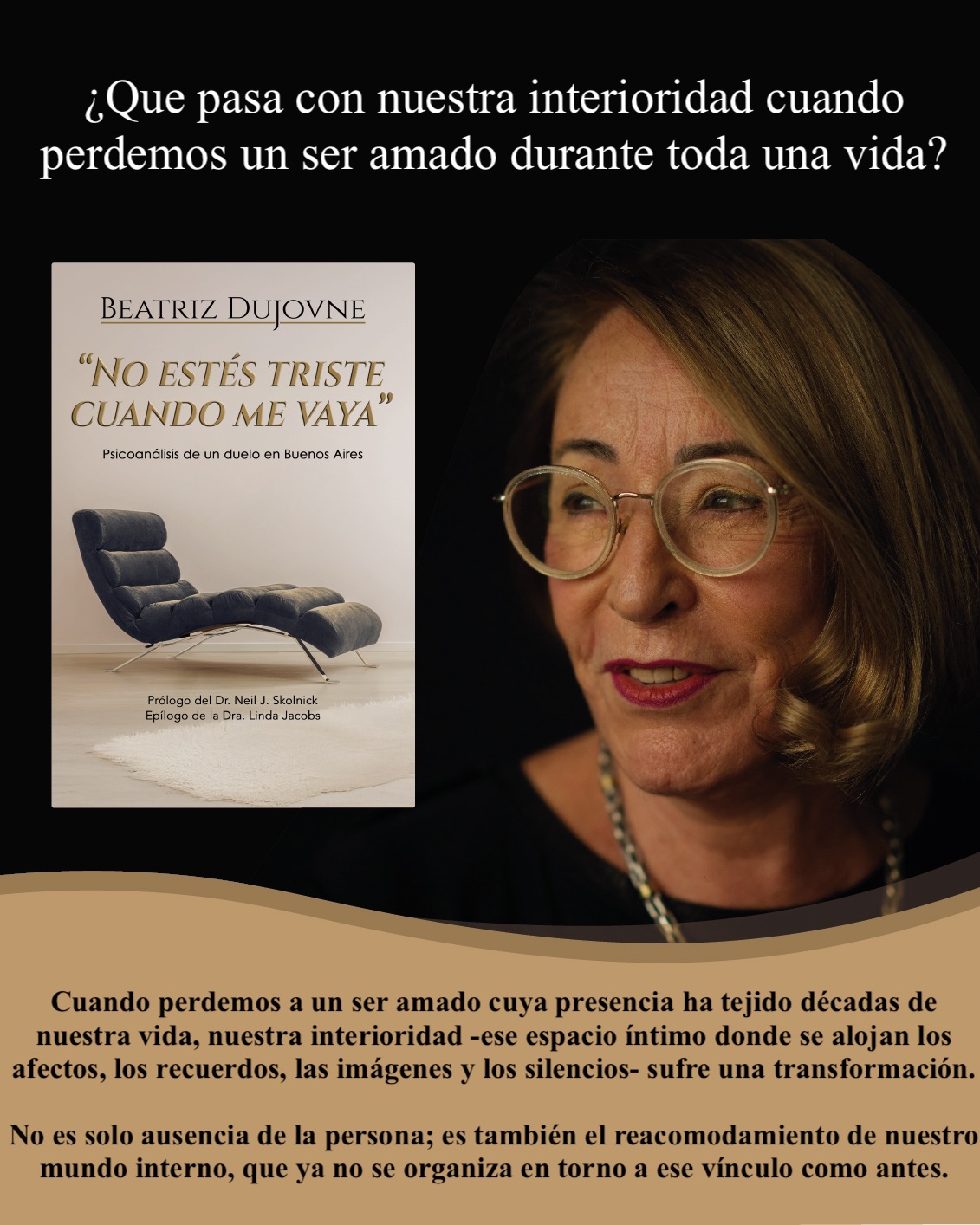
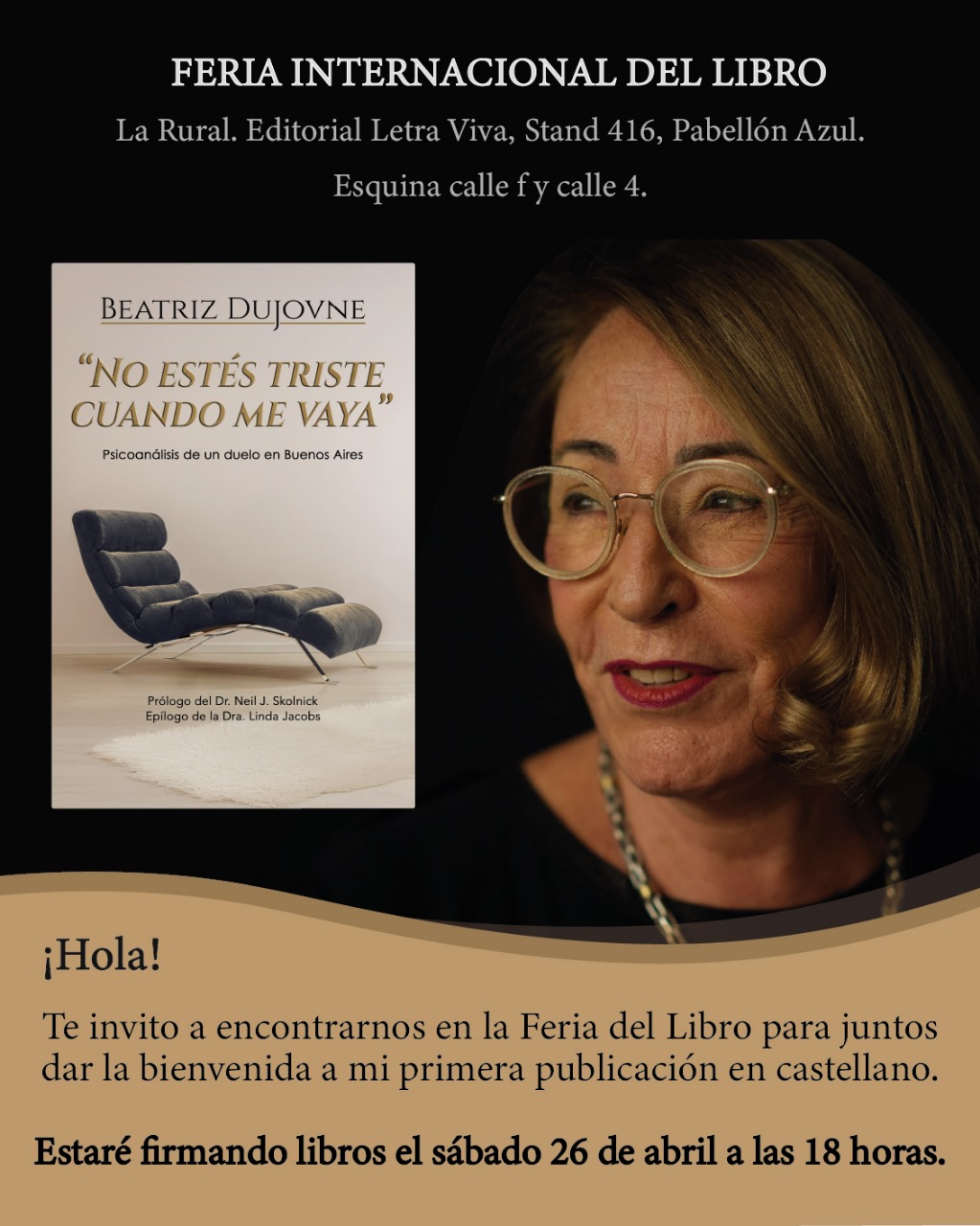
In 2025, the story completed another circle when a Spanish translation and cultural adaptation of the book, No Estés Triste Cuando Me Vaya, was published by Editorial Letra Viva in Buenos Aires.
My story had returned to my native city and my first language.
AND NOW, POETRY
That brings me to my latest unexpected turn.
I have begun writing poetry in Spanish, fueled by a desire to recover the richness and finesse of my maternal language, which had gradually become buried inside me after a lifetime of speaking and writing primarily in English.
One of my poems, Citas con mi río (My Dates with the River), grew out of my morning ritual in Portland. From my sixth-floor window, I watch the Willamette River change with the weather, the seasons, and perhaps my own moods.
I wrote:
When I wake
I am footsteps
walking toward the yellow armchair,
a privileged front-row seat.
My morning date with the
Willamette River awaits me.
How will I find today
my ever-changing companion?
And later:
I love these dawn encounters
that ask nothing of me.
The river is always waiting.
Looking back, I realize that I never really moved from one vocation to another.
In my heart, I remain a teacher, a psychologist, a nonfiction writer, a poet, a Latin dancer, and a tango dancer—even if I no longer dance.
I wasn’t transitioning from one life to another. I was adding dimensions to the same life.
Psychology taught me to listen. Dance taught me to communicate without words. Tango returned me to my Argentine roots. Writing gave those experiences a voice. Grief returned me to my maternal language. And poetry is helping me rediscover it.
I hope my life continues to take unexpected turns.
I am still curious to discover what the next one will add.
Can you talk to us a bit about the challenges and lessons you’ve learned along the way. Looking back would you say it’s been easy or smooth in retrospect?
Has it been a smooth road? If not, what were some of the struggles along the way?
––––– EMIGRATION AND IMMIGRATION
My husband and I planned our future around emigrating to the United States. We left the same month we got married in Buenos Aires.
For me, emigrating voluntarily—and married to the man of my dreams—was relatively smooth. Our relationship was easy, and we faced difficult times as a team. Still, it came at a cost: I had to leave behind my extended family and the city I loved.
Being an immigrant is a life-changing process that demands enormous adjustments. This is especially true when the languages are as different as English and Spanish.
The two languages work in very different ways—from how sentences are built to how words are pronounced. In Spanish, what you see is mostly what you say; the letters keep steady sounds and words are pronounced as they are written. English is full of surprises: silent letters, spellings that don’t match the sound, and vowels that change without warning. Even the simple idea of “to be” is different. English has one verb for everything. Spanish has two—ser for who you are or what something is permanently, and estar for how you feel or where you are right now.
Speaking a foreign language is a unique experience. The words never quite connect to the same deep emotions that the mother tongue carries. That remains true for me, even today.
––––– ADMISSION TO GRADUATE SCHOOL IN THE 60s
When my husband and I renewed our commitment to live in the US, I had to make new plans to practice psychology in the future; I needed to earn a degree in the United States.
Getting admitted to a university was nearly impossible in the early 1960s.
Loyola University in downtown Chicago was not accepting women at the time. I did not know it had been a male-only institution. In 1966, after I went there to apply for admission, it became fully coeducational, granting women access to all courses and programs on the main Lake Shore Campus. I learned this only a few years ago, when a memory of going to the bathroom there finally made sense: I had been perplexed at not finding any women’s restrooms—only the typical multi-stall urinals found in American academic buildings.
Gaining admission to a U.S. school in the mid-1960s was still almost impossible.
I was rejected by The George Washington University for three reasons: a) being a woman, b) not speaking English fluently, and c) having a child. Yes—in the mid-1960s, the admissions director told me that directly.
Carlos’s chief at the medical school and mentor, who knew me personally and was familiar with the high academic standards of the University of Buenos Aires, called the Department of Psychology and asked the chairman to give me a chance. He did—reluctantly and resentfully—and accepted me into the Master’s program in Psychology at The George Washington University.
I was essentially repeating the same courses I had already taken at the University of Buenos Aires, so I finished the M.A. in record time—including a research study that was published: Dujovne, B. and Levy, B. The psychometric structure of the Wechsler Memory Scale. Journal of Clinical Psychology, 1971; 27:351-354.
When I completed the degree, the chairman apologized for his initial unwelcoming attitude and invited me to enroll in the doctoral program. I appreciated the offer but could not accept it because we were moving to Baltimore for Carlos’s three-year fellowship at Johns Hopkins.
Three years later we had moved to Kansas. I began the long pilgrimage from university to university in search of a Ph.D. program. The University of Missouri in Kansas City Department of Psychology rejected me on the basis of my Graduate Record Examination scores, which they considered low. I crossed the street and and walked into the Counseling Psychology program on the same campus. The dean looked at my GRE scores and found them high for someone whose native language was not English. I was admitted. I graduated in record time.
––––– THE LOSS OF MY HUSBAND
Caring for Carlos, my husband, while dealing with physicians who barely seemed to care, was the deepest trauma of my adult life. Carlos was my favorite person. My cheerleader. My safe place. My protector. My advisor. My best friend.
I’m a psychologist. I knew, intellectually, how devastating the loss of a loved one can be—how it can leave you completely disoriented in a world that seems the same but it is not. How your whole life suddenly shifts and nothing feels solid anymore. I understood all of that. It didn’t help one bit when it happened to me.
What made it so much worse was the way he was treated at the local hospital. If the care hadn’t been so callous and dismissive, his dying might not have felt quite so brutal. The doctors didn’t take him seriously. They didn’t believe him when he said the pain felt like being stabbed with knives. They offered muscle relaxants or nothing. Carlos was an MD, so he chose nothing. They wouldn’t give him effective pain medication because they were worried he might get “addicted.” If that were the case, so what, he is a terminally ill patient.
Then, all at once, he was diagnosed with the worst kind of metastasis—the most painful kind—after living with it for who knows how long without proper pain relief. They gave him four weeks. They referred to palliative care. Those last two months of inadequate, almost cruel care, and then his death, made everything more traumatic.
After decades together, I had to figure out who I was without him. It felt like part of me had been removed. I don’t think anyone can rebuild themselves after something like that without help. I needed a good therapist—someone who could guide me through the slow, messy work of putting my life back together.
Here in the U.S., people don’t always think of therapy when they’ve lost someone. Doctors usually just reach for a prescription. I remembered that other cultures approach death and grief differently, so I went back to Buenos Aires, the city where I was born. There, therapists are trained to work with the unconscious and help people find their own way through mourning. There’s no set script for grief. Everyone moves through it in their own way.
The journey took me a long time. I went from pure despair to just surviving, then slowly toward hope, and eventually to feeling somewhat whole and steady again.
In that first year of widowhood, I wrote a poem that still says it better than anything else:
I’ll Have to Learn.
I’ll have to learn to give myself what I used to receive:
his whole being to love,
the sweet scent of yellow freesias from Buenos Aires,
his warm bear hugs when I firs open my eyes,
his smile when we passed each other in the hallway,
the stories that always made me laugh,
the quiet look in his eyes that said: I love you,
the card he gave me on our 25th anniversary:
Please give me another quarter-century of happiness. ¬
And the little notes stuck to the bathroom mirror:
You are my joy each day I wake up.
Every day is a happy anniversary.
I’ll have to learn to give myself practically everything.
As you know, we’re big fans of you and your work. For our readers who might not be as familiar what can you tell them about what you do?
When I began practicing psychotherapy in the United States in the early 1970s, I differed from many of my American colleagues in several important ways.
I came from another culture and had received part of my professional education in Argentina, where psychoanalytic psychotherapy was an established tradition. This approach was not generally accepted in American graduate programs at the time.
My bicultural background allowed me to see certain aspects of American society through a different lens. I was struck, for example, by how rarely people considered psychotherapeutic help when grieving the loss of a loved one. Physicians often responded to emotional suffering with prescriptions rather than recommending the healing potential of a human relationship. Psychotherapy still carries a stigma, as though seeking help were an admission of psychological weakness.
Unlike many colleagues who devoted themselves exclusively to private practice, I combined clinical work with teaching appointments at hospitals and universities and published articles in professional journals.
I also resisted the growing tendency toward specialization. In medicine, dividing the body into areas of expertise may be necessary. But I believed that psychology required a more holistic perspective. We cannot understand human beings by separating their emotions, relationships, personal histories, and unconscious lives. I chose to remain a generalist, interested in the whole person.
My theoretical orientation, contemporary psychoanalysis, also distinguished me from colleagues who favored cognitive approaches. I believed that understanding ourselves required looking beyond conscious thoughts and behaviors to discover the unconscious forces shaping our lives. My work became known for its depth. Rather than concentrating exclusively on relieving symptoms, I helped clients discover the emotional patterns and conflicts that interfered with their capacity to live more fully.
As I mentioned earlier, I have lived many lives. Psychology became the enduring thread, while dancing and writing fulfilled my artistic aspirations. Yet these pursuits were never separate. They enriched one another. My books, informed by psychology and cultural anthropology, benefited from the understanding of human nature I acquired through decades of clinical practice. Conversely, my experience as a writer and dancer deepened my sensitivity to the creative and expressive dimensions of my clients’ lives. I came to appreciate that an artist lives, in some form, within each of us.
What am I most proud of?
I am proud of having overcome the obstacles I encountered when seeking admission to graduate school in the United States during the 1960s. I entered an unfamiliar academic and professional world, learned its prevailing approaches, and broadened my intellectual horizons. But I did not abandon the traditions that had shaped me. I valued what American psychology had to offer without feeling compelled to embrace all its prevailing assumptions. Instead, I developed my own professional identity, integrating the knowledge acquired in two cultures while remaining faithful to my belief in the complexity of human nature.
Looking back, I realize that what once set me apart became one of my greatest strengths. I learned to belong to a new world without surrendering what made me different.
Do you have recommendations for books, apps, blogs, etc?
I only know what has worked for me.
Life has its ups and downs—sometimes the problems are small, sometimes they’re serious and hit hard. They mess with the smooth flow of everyday living.
Over the years I’ve built habits that help me stay at my best. Taking care of myself is just part of my daily routine now. I’m not big on apps or productivity systems, but a few simple practices keep me going.
For my body, I walk outside when the weather’s decent. On cold or rainy days, I hit the gym. I don’t do it because it’s fun—it’s more like brushing my teeth. You don’t do it for enjoyment; you do it so your future self doesn’t pay the price.
For my mind, I read a lot and keep a creative writing project going. That part I actually enjoy. Books and writing have been my best “resources.”
I also try to surround myself with people who can teach me something and who can learn from me. I especially like hanging out with younger people—their way of thinking shakes up my own. It forces me to update my mental and emotional software.
I work on knowing myself better and try not to let my ego keep conflicts going longer than they need to. When things get problematic with people I care about, I talk to a therapist. That’s been one of the most useful resources.
When I’m open to learning from people I admire and love, and when I can own my mistakes and shortcomings, life just feels a lot more interesting.
Contact Info:
- Website: https://www.instrangersarms.com
- Facebook: https://www.facebook.com/beatriz.dujovne
- LinkedIn: https://linkedin.com/in/beatriz-dujovne-92550b5a
- Youtube: https://newbooksnetwork.com/dont-be-sad-when-im-gone
- Other: https://www.beatrizdujovneauthor.com