

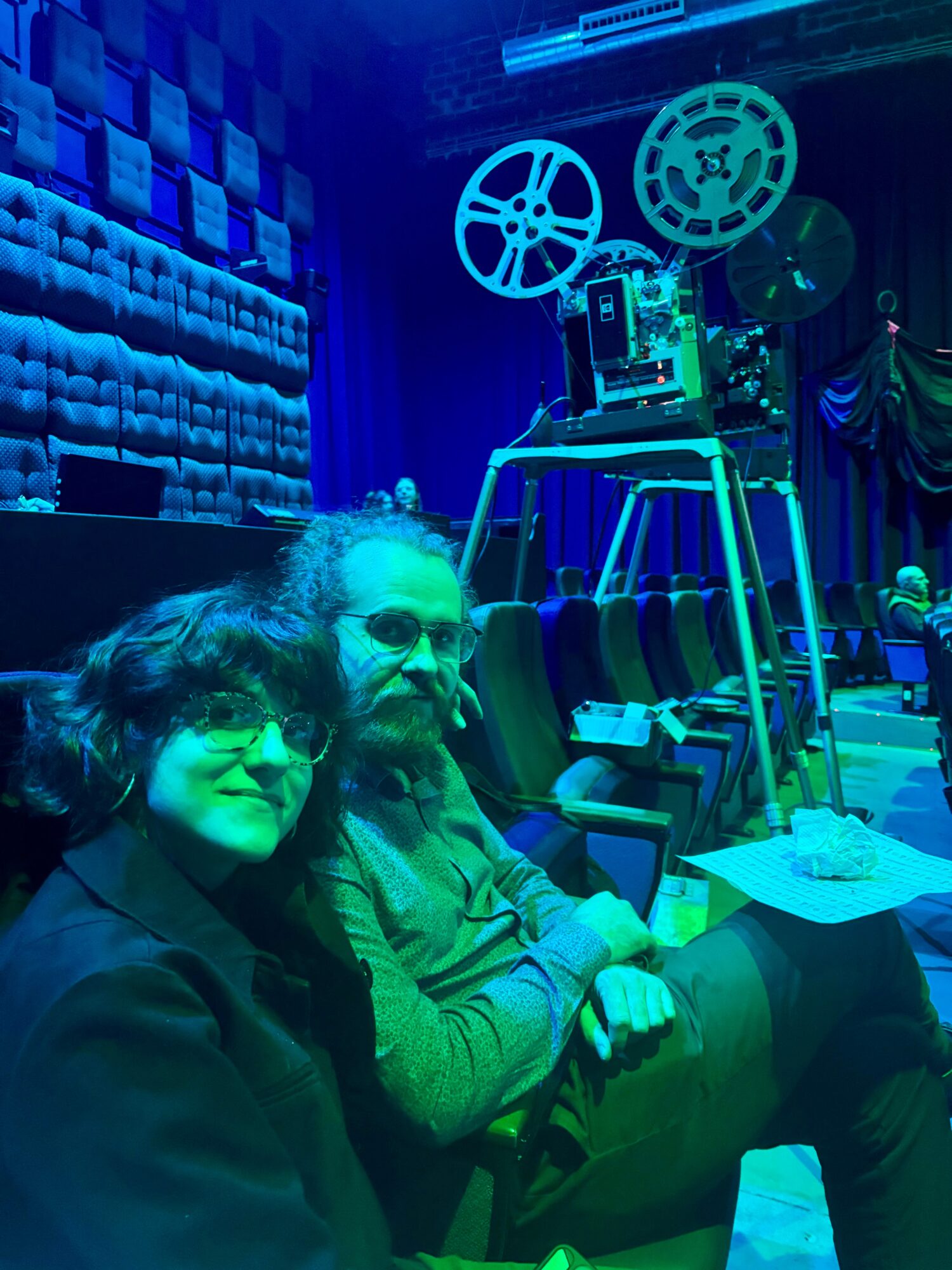
Today we’d like to introduce you to Garrett And Ioana Schroeder And Cherascu.
Hi Garrett and Ioana , please kick things off for us with an introduction to yourself and your story.
Garrett and Ioana came to Portland from Iowa. Garrett’s family has been in Iowa for many generations and Ioana is a first-generation Romanian-American.
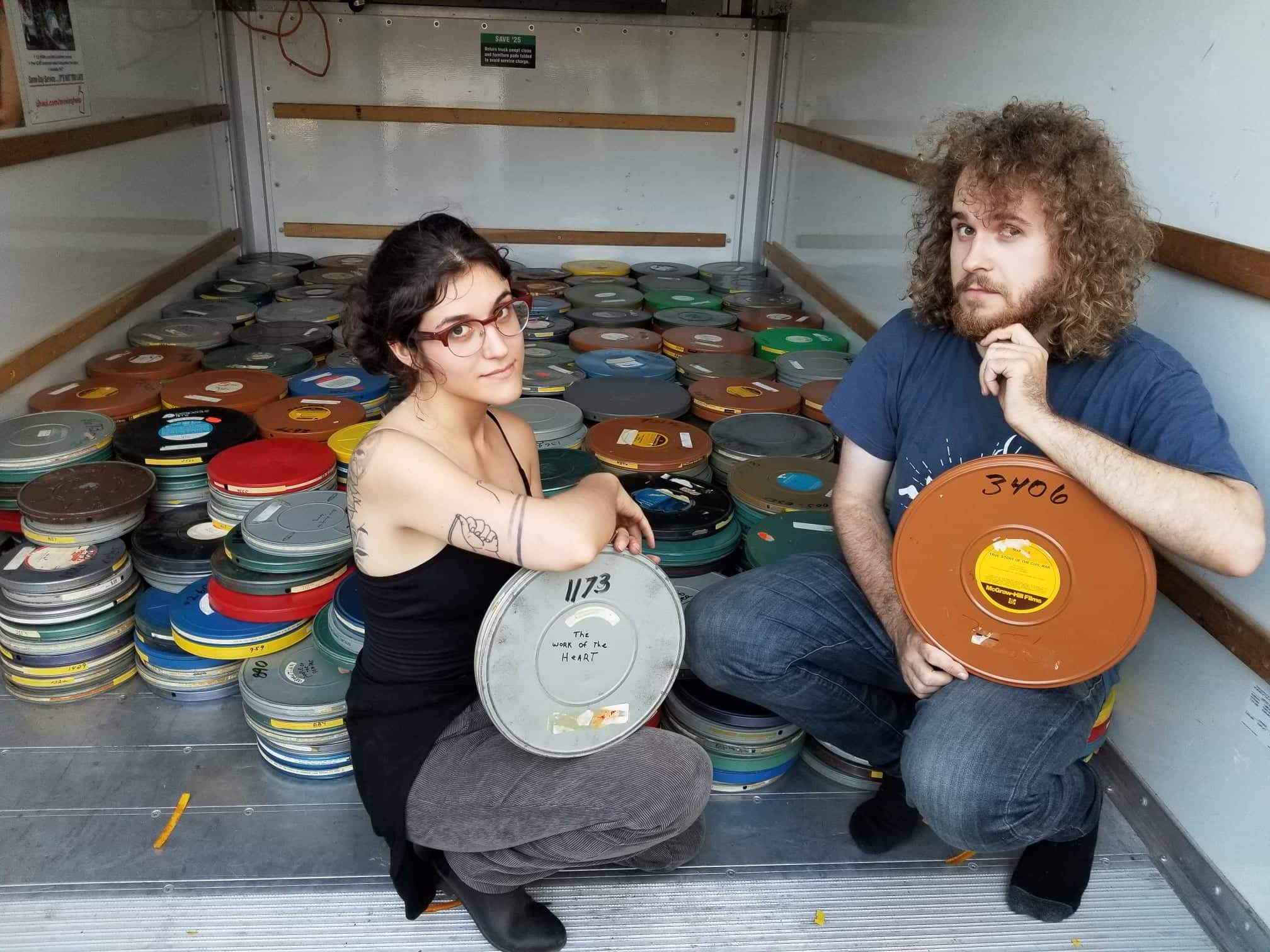
Garrett grew up fascinated with his grand-parents’ 8mm home movies, which snowballed into an interest for both of us in old movies in general. When we moved to Portland, we bought a few 16mm films and projector from an antique store and from that first Shriners recruitment propaganda film, we were hooked emotionally, intellectually, spiritually, and yes, financially. We then acquired about 1,000 films from the Coos County Library of Educational Films, which we used for our first few 16mm shows at the Hollywood Theatre.
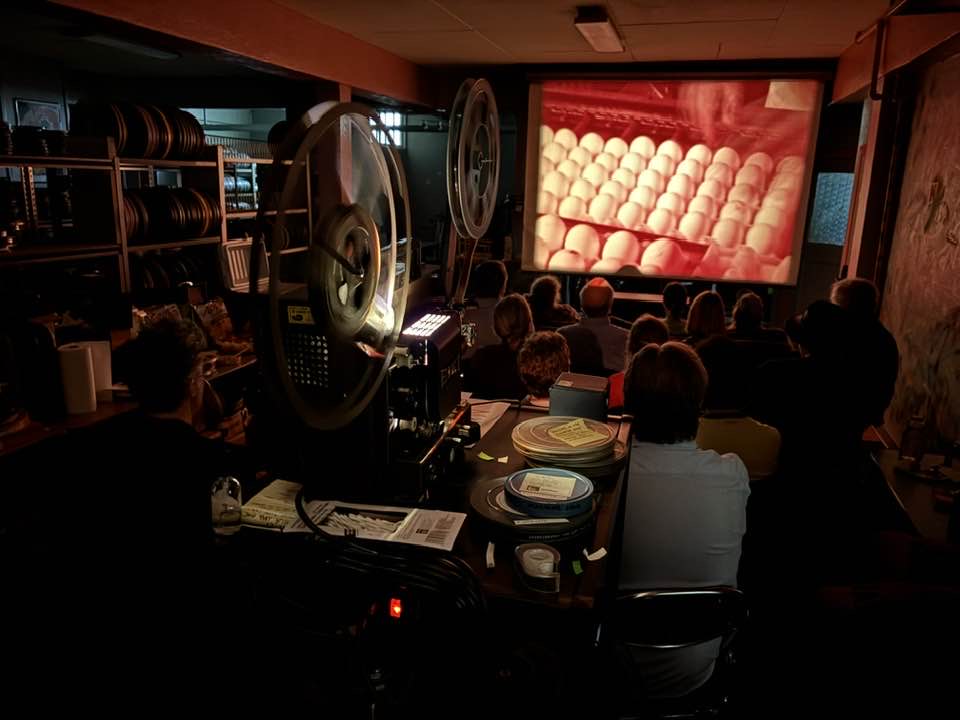
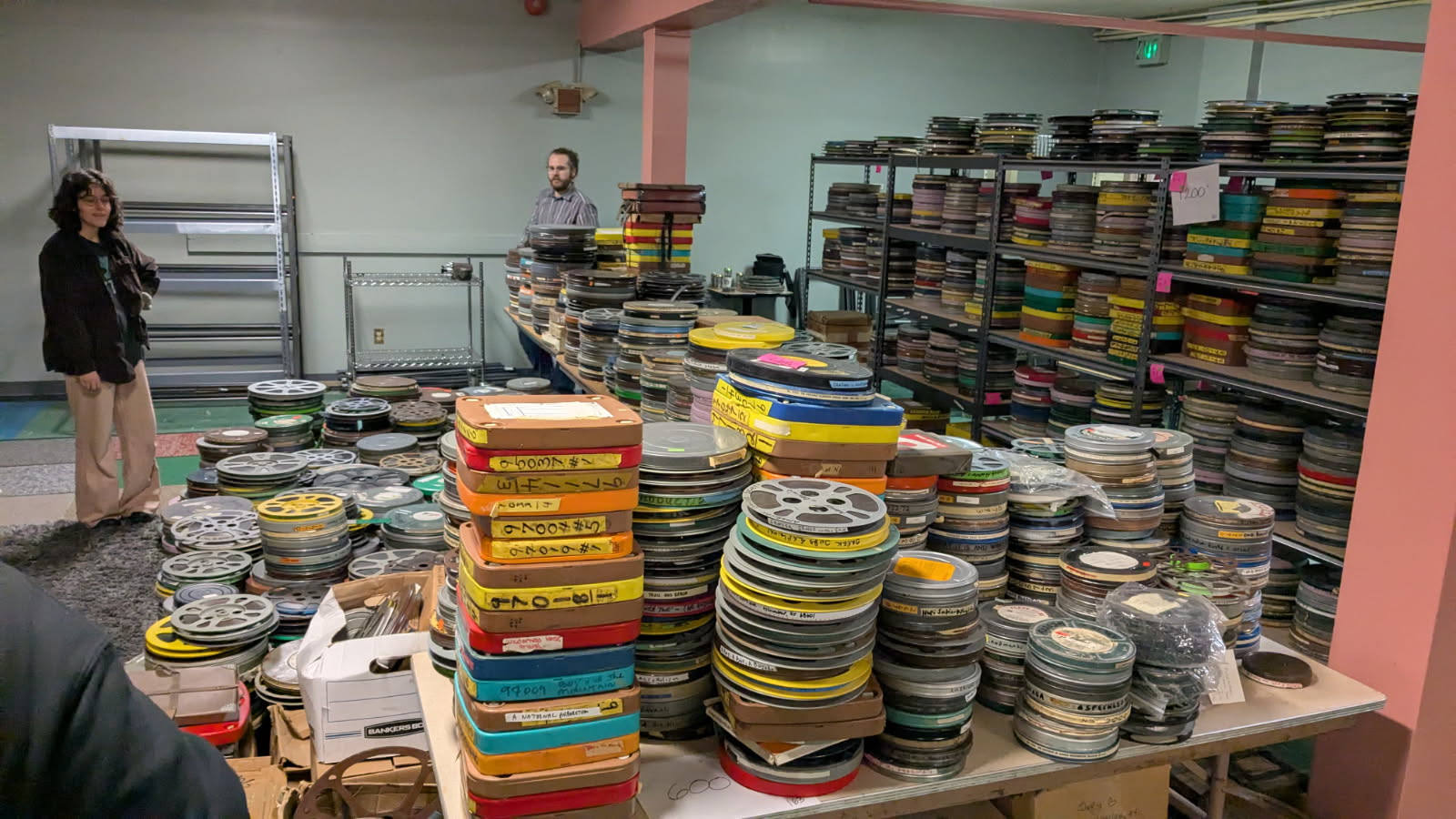
In late 2022, local 16mm collector and curator Dennis Nyback passed away, leaving behind a huge collection of films scattered throughout Portland. As part of a group of film enthusiasts, we helped locate and move Nyback’s films to a storage unit where they sat until early 2024. In February of 2024, we moved into a space at the Sunnyside Community Center, where we’ve been able to turn the collection of films into an almost bona fide archive! We do screenings in the space, host classes, and have several talented volunteers who help catalog and preserve the films.
Throughout all of this, we have helped foster a 16mm community by providing expertise, repairing and loaning equipment, and offering a screening space. Garrett fixes all our projectors and miscellaneous equipment.
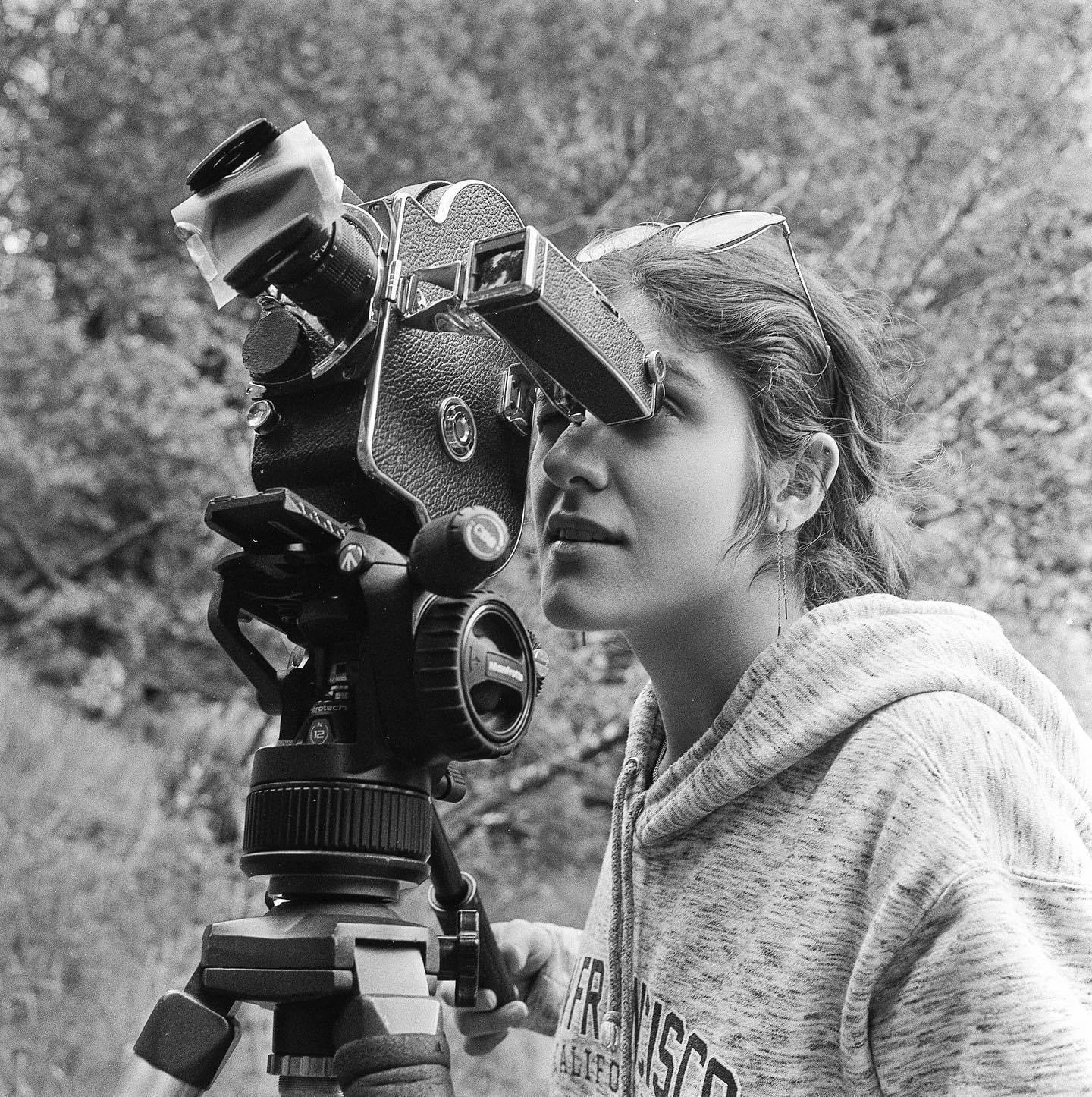
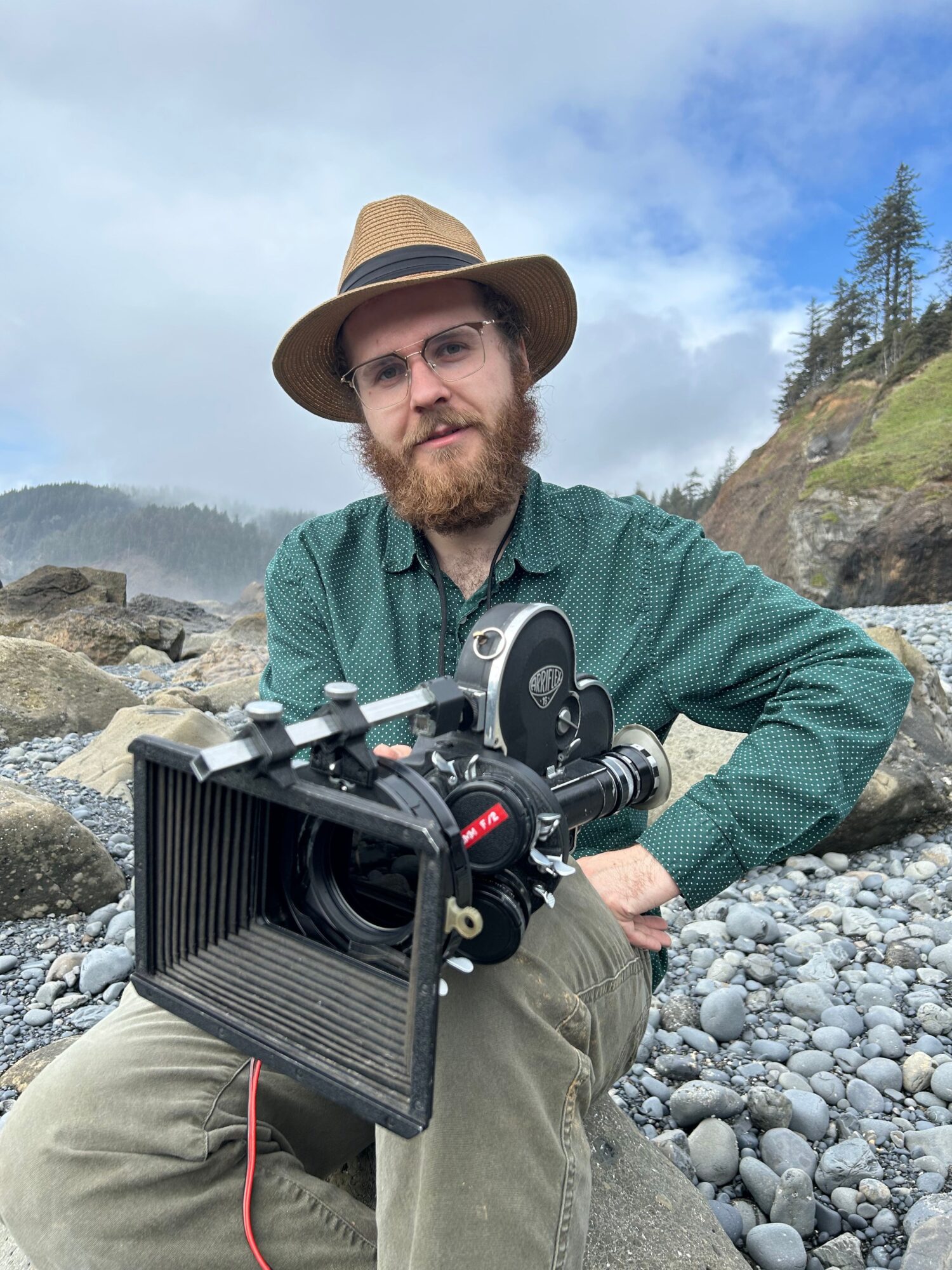
This is the backdrop for our own filmmaking practice. Being so deep into this particular film niche, we’ve discovered some unique sources of inspiration which inform the ways we make our films. We film on 16mm using old cameras, old lights, and old techniques. We’re currently working on a short musical film with our friends, local old-time musicians The Forty Drop Few.
We all face challenges, but looking back would you describe it as a relatively smooth road?
Concerning the archive: When Dennis died, he left behind a robust collection of films, but they were scattered throughout Portland in various garages and basements. Our earliest challenge was simply tracking down all the material, and then moving it into a storage unit where it lived for several years.
In early 2024, we found a space at Sunnyside Community Center with the help of NW Documentary which has allowed us to make the films more accessible, both by providing a screening space and giving us room to navigate the films racks and do work.
From the beginning, one of the major goals of the Archive as an organization has been the cataloguing of all the titles within the collection. We quickly realized that a significant portion of the films were mislabeled, so creating an accurate database remains an ongoing effort. With the number of films we have, and the number of films we continue to acquire, this goal is a moving target.
Concerning our curation: Interest in what we’re doing and 16mm generally has grown a lot since we’ve started doing shows. However, it is always kind of uncertain what will draw people in. The type of stuff we’re doing is unlike most cinematic experiences, so getting people to understand why they should buy a ticket or be interested can be an uphill battle. Sometimes we just want to be like, “just trust us! this is the weirdest, most beautiful stuff you’ll ever see!” The sheer breadth of material in the archive can be hard to communicate, too; every show we do is very different from the one before, so building a regular audience can be a challenge.
We’ve definitely learned how to make a tight program in the time we’ve been doing this. It was a learning process at first, figuring out that what plays well to us, stoned in our basement watching a 40-min educational film about space, may not play as well to an audience. People tend to like things they recognize, and we’re asking them to let go of all recognizability.
Concerning our filmmaking: 16mm filmmaking doesn’t exactly come with a user manual anymore. It’s hard to find instruction for something so outdated, so nearly all of our expertise has come through experimentation and old resources we’ve found online or in books. The process of filming on film is also kind of a baptism by fire. You film whatever it is you’re filming, and then you get the footage back a few weeks later. Only then do you get to either rejoice at the small miracle of getting it right or despair at the failure. Add this to the usual artistic cycle of attempt, fail, learn, and 16mm becomes a challenging medium, especially since at our budget we are doing every job on set, i.e. pre-production, filming, lighting, direction, set design, prop manufacturing, securing locations, etc etc. We’re only able to do it all with the help of our friends in the 16mm film community.
Alright, so let’s switch gears a bit and talk business. What should we know about your work?
Garrett Schroeder and Ioana Cherascu work together as filmmakers, 16mm film curators, and archivists.
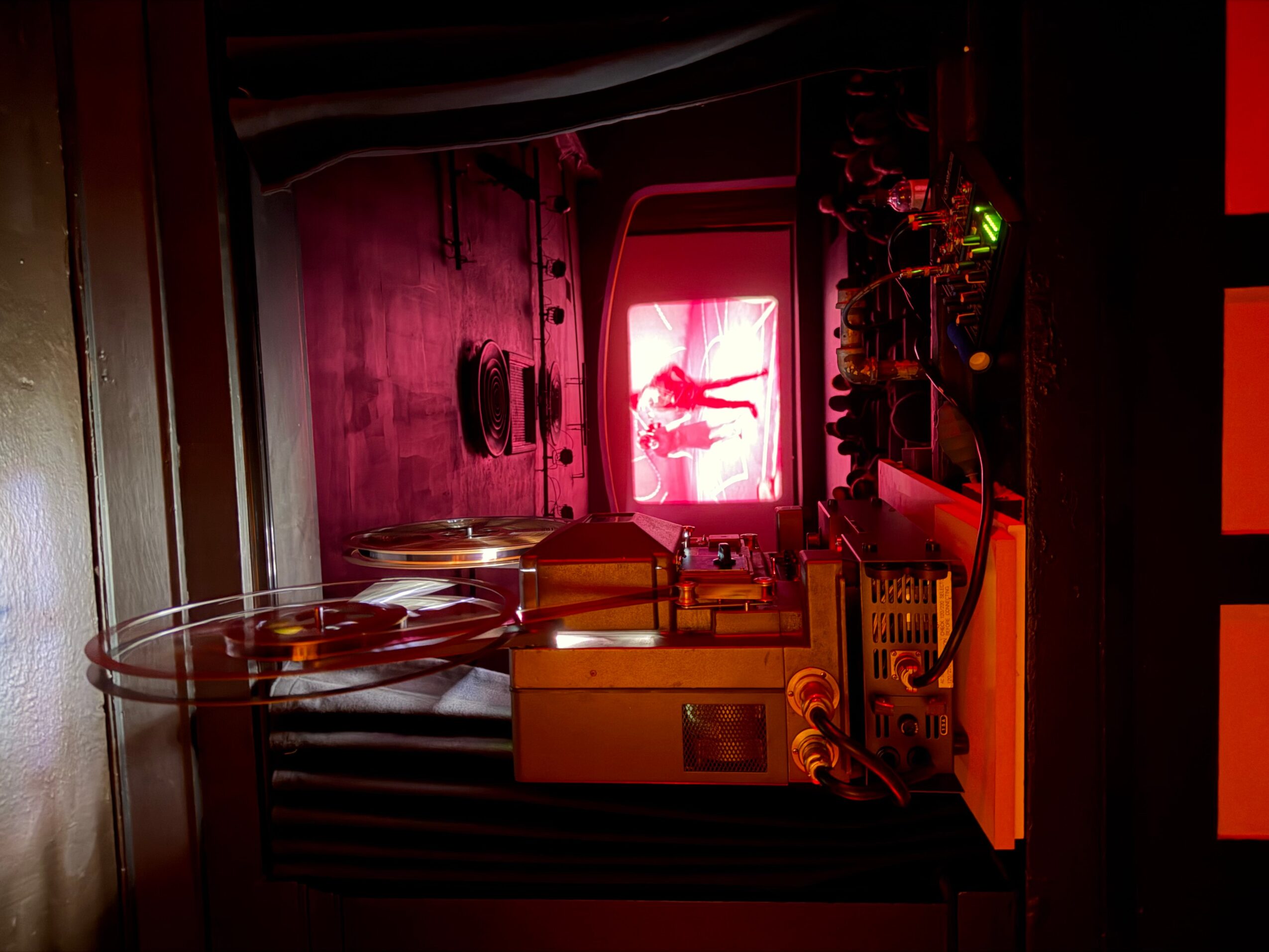
If we’re known for anything, it’s our work as 16mm film curators around Portland under the name Astral Projections. Sourcing films largely from the Nyback Archive, we curate and project 16mm film shows with a variety of themes, time periods, and genres. To explain the kinds of shows we do, it helps to have a little context for the films themselves.
Most people are familiar with 35mm and 70mm film, which were used almost exclusively for feature films. 16mm, however, being cheaper and easier to produce, was the preferred format for the strangest stuff of the 20th century, from animation to educationals to home movies to art films to industrial productions to features to stag films to soundies to silent films to documentary to things that just defy categorization. It’s the lost bits of the 20th century.
The Nyback Archive, which we help run, is comprised of about 8,000 of these films — a true wealth of material from which to draw. Sometimes our show themes are seasonally relevant, like our recent Haunted Films from the Dead at the Hollywood Theatre this October, or our annual 4/20 Toke-tacular, also at the Hollywood. Other times, show ideas arise organically from what we’re interested in at a given time, like Scopitone-A-Go-Go, a collection of the absolute campiest 60’s music jukebox films. One of our favorite things to do is put music over silent films, often from incongruous time periods, and sometimes with a live band like the stag film show, Wonders of the Unseen World, we put on in collaboration with local old-time musicians The Forty Drop Few.
Almost all of our events are variety shows, a combination of different types of films that intersect in some way. For example, Haunted Films included a Betty Boop cartoon, a soundie sing-a-long, an uncanny Smokey Bear spot, a Mormon propaganda film, a 100-year-old film about Everest, Hindenburg footage, a 30s seance, and a shockingly intimate home movie from 1928.
The films are all haunted in different ways, and hopefully come together to inspire questions about how time distorts things, how surreal it is to have the only copy of a moving image from 100 years ago, and maybe how modern ephemera fits into this continuum of lost media. Can you consciously manufacture this kind of ghostliness, or is it a patina only achieved through the passing of time? What will someone 100 years from now think of our contemporary artifacts? Will they be as uncanny and strange as a singing two-man horse costume is to us now?
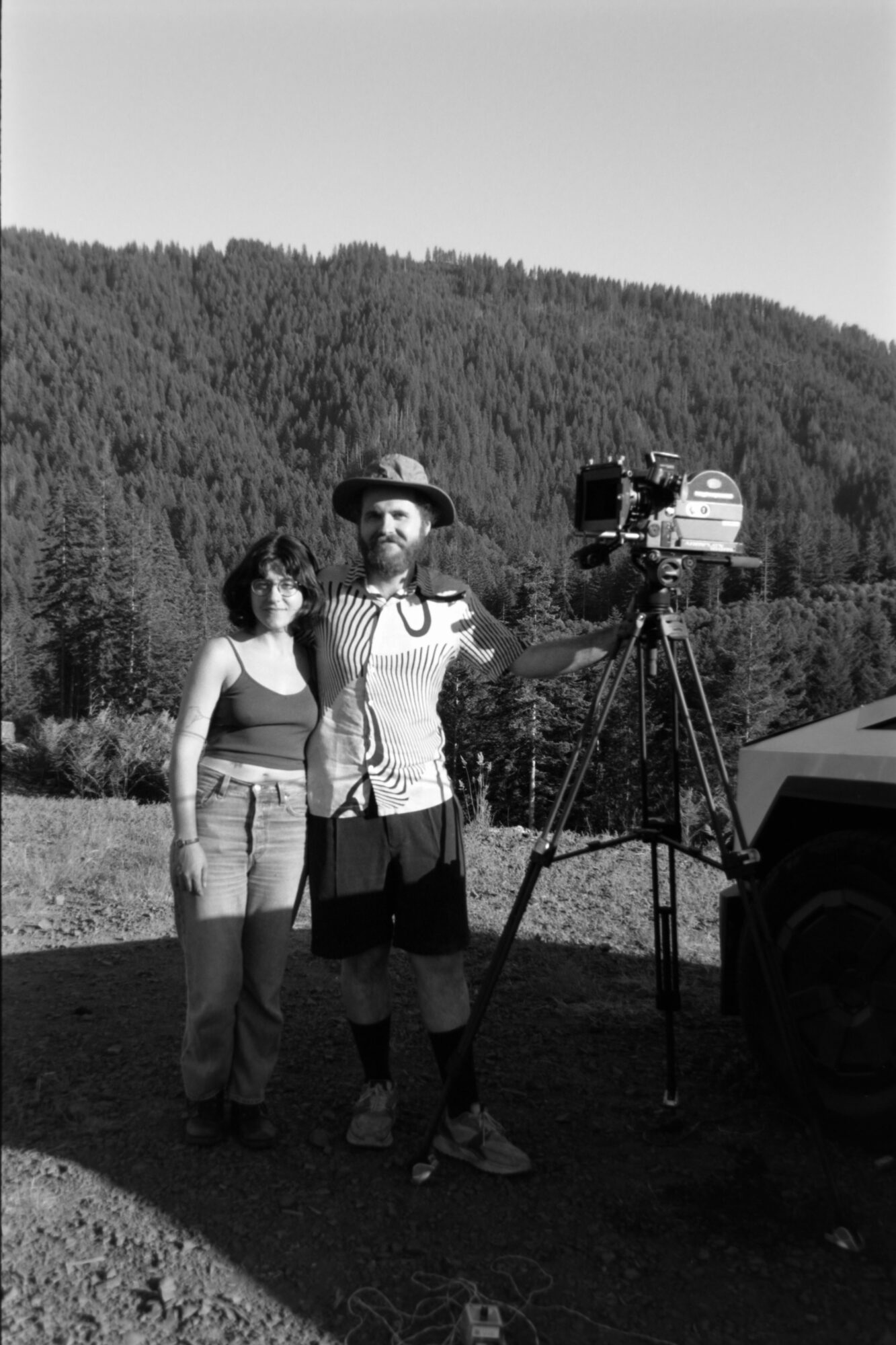
These are questions that we also ask ourselves in our own filmmaking. In addition to programming and preserving 16mm, film is also our primary art-making medium. This summer, we filmed a movie on 16mm with local old-time musicians The Forty Drop Few, drawing inspiration from some of our favorite styles of old filmmaking, particularly soundies.
What sets us apart has to be our arguably delusional dedication to celluloid in general and 16mm specifically. It can be an unwieldy, inconvenient, and sometimes expensive medium, but the results and more importantly, the process, are something you just can’t achieve digitally. Filming on 16mm puts you right in the moment — you can’t see what you shot until weeks later, so the filming process is unencumbered by tape review or second-guessing. It’s go, go, go, with no opportunity to lose momentum. In the end, you either got it or you didn’t, and there’s something freeing about that.
Is there something surprising that you feel even people who know you might not know about?
Since most people know us for our programming, curation, and archive work, they might not know that we make our own films. Which is fair, since this summer was our first sizable production!
If you’ve only come to one of our shows, you might not realize the breadth of material in the archive and our corresponding breadth of interest. We have a LOT of different interests reflected in our shows.
Contact Info:
- Website: https://nybackarchive.org
- Instagram: astralprojections16 and nybackarchive