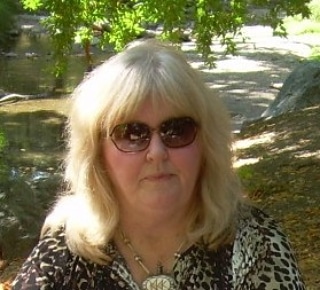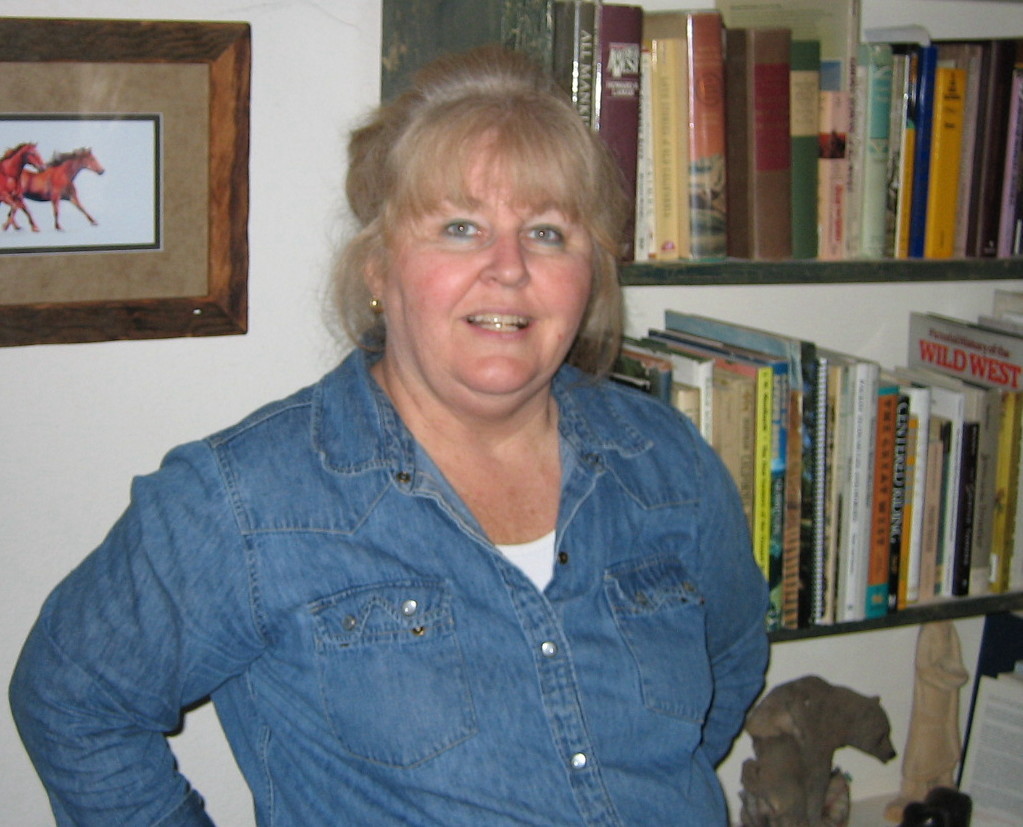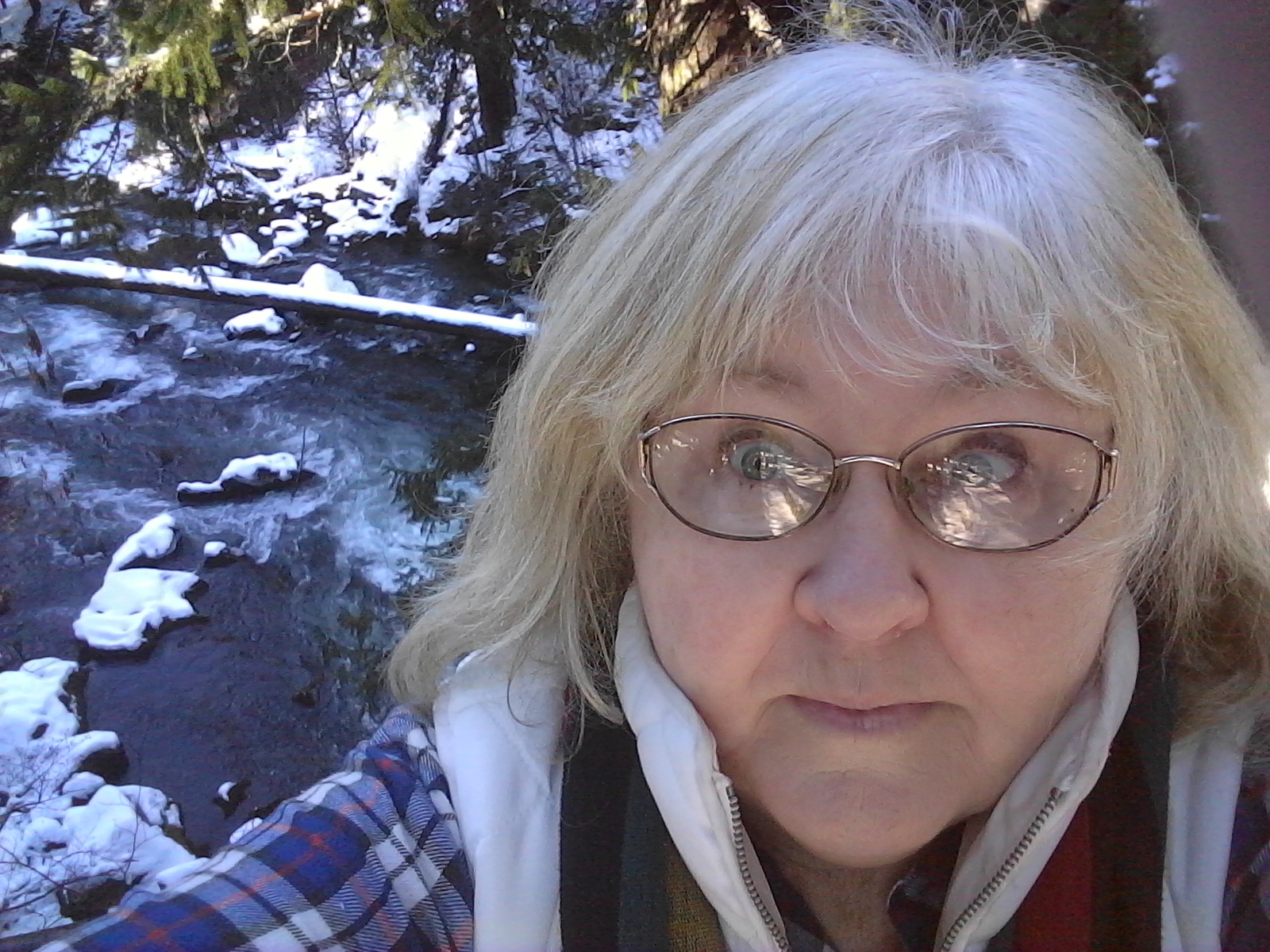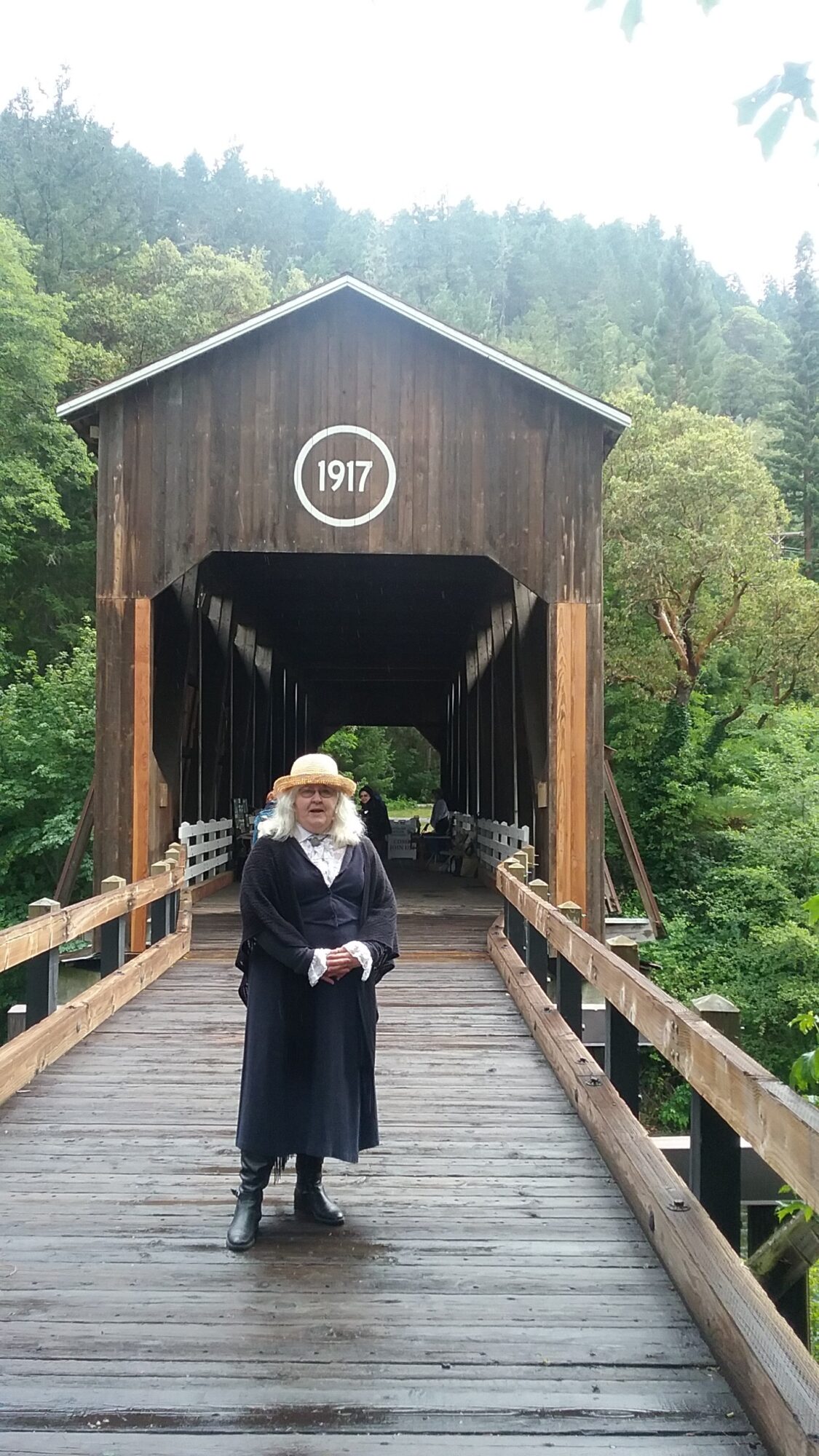



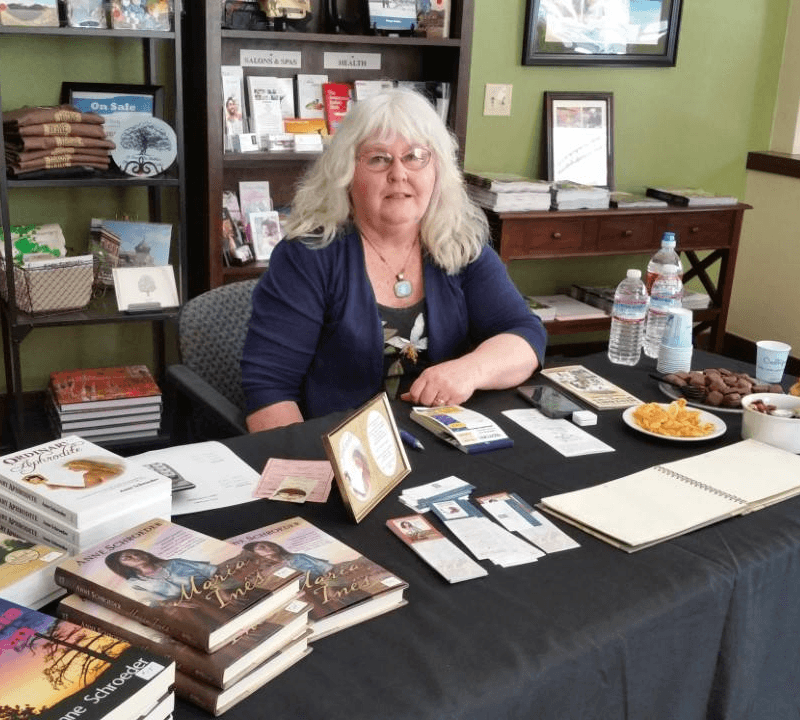
Today we’d like to introduce you to Anne Schroeder.
Anne, we appreciate you taking the time to share your story with us today. Where does your story begin?
I was born curious. Oldest daughter of seven children, from rural Southern California. My thirst for historical fiction was born of my grandfather’s stories of Indian caves, outlaws and my Norwegian ancestors building the Norwegian Grade in Southern California near where Cal Lutheran College now stands.
I grew up in an extended family that had been farming the same land for five generations. I attended the same Timber School where my grandparents met in first grade. We cousins roamed the hills like wild things, and listened in on gossip that was none of our business, I elbowed my sisters for reading space, the L.A. Times spread out on the hardwood floor of our living room. Life was wonderful.
One day a small group of Italians with New Jersey accents arrived. One of their sons told me that they were here to help a local rancher with his bookkeeping. Overnight, the Conejo Valley exploded into housing tracts and shopping centers. Our farms were reappraised at development tax rates. Our family began moving north. Development became the inciting event of my life.
In the fall of 1959, my father bought an irrigated farm, east of Paso Robles. Three weeks after our youngest sister was born, we followed, in a 1954 yellow station wagon that seated nine. My life flipped. Here, everyone was related but me. I was an outsider.
A week later, our 6th grade teacher assigned everyone to write a news report of our field trip for the local paper. I wrote mine in the journalistic style of the L.A. Times. We read them aloud and the class voted. A popular classmate’s recount of arm wrestling on the school bus was a close second, but one boy changed his vote and my piece won on the fourth ballot. When I saw my byline in print, I knew I had found my calling.
Life in a small pond had its advantages. I spent my summers moving irrigation pipe until I snagged a waitressing job at the local cafe, at the spot where James Dean died in a collision with a boy named Turnupseed. I spent two summers people watching. When a customer complained about his hamburger, my colorful boss hammered it to the wall where it shriveled and dried in a warning to others. I once found myself staring down the barrel of an ancient revolver when I surprised him in his office (door was ajar. He was counting money.) My first summer I fell in love with a chiseled ranchhand, who was drop-dead gorgeous with an honest-to-God dimple in his chin. Hope of a sighting fueled my shifts and long were the weekends when he failed to appear. In late August, overcome by his gorgeousness, my jar of straws slipped from my fingers. I bent to hide my heated face, scrambling to retrieve the scattered straws and fate delivered a nugget of pure writer’s gold. My summer story recast a nobel hero into a second-rate charmer, not even a B-storyline when I saw his shoes, Not the saddle-worn leather boots of my virginal dreams, he wore a pair of run-over hand-me-down city loafers, missing their laces. But worse, and unforgivably, he wasn’t wearing socks. Details.
I worked my way through Cal Poly, San Luis Obispo, in the throes of the Social and Sexual Revolution. By the end of 1971, I had a B.S. in Social Science, a husband and a toddler.
I was the first in my family to be a working mom. I talked my way into a position at our local television station doing billing and occasionally writing ad copy. When the manager reached for a paperclip in my drawer and murmured in my ear that he’s sure like to get into my drawers, I took a breath and slammed the drawer on his fingers. He yelped and I waited for him to fire me. When he didn’t, I learned that boldness trumps regret.
Work/life balance wasn’t a thing back then. The 70’s were a decade of utter exhaustion. A full time job meant 8-hour days, with a single week of vacation time and a week of sick time. Fast food restuarants were non-existant. As a farm girl, I seemed incapable of letting go of the lessons I’d learned at my mother’s apron. I defrosted frozen venison, used cloth diapers and hung my laundry outside in the dark. I sewed my growing families wardrobe. Until jersey knits came in, I starched and ironed. I canned the vegetables I still grew in my vegetable garden. Work/life balance meant starting over with a new entry level position each time exhaustion forced me to quit.
In the brief hiatuses when I was home, I wrote short stories, entered contests, read books on writing, attended workshops and classes and filled spiral notebooks with ideas and raw words. I had a half-dozen stories published. I was paid in copies and certificates.
In my early 40s, I explored an idea to open a Consumer Credit Counseling office, but this involved travel. A friend brought me a sign from God, a mouth-watering “take and bake. It was a freshly made, uncooked pizza that I baked at home. It had a solid pound of grated 4% mozzerella cheese and a mound of meats and vegetables. Six weeks later I’d secured a lease, completed training, bought a franchise and opened my doors. For eighteen years I operated Jake’s Take n’ Bake Pizza in two towns.
Strangely, this is when my writing got serious. My days were routine and fulfilling. I trained teenagers who proved surprisingly dependable. I rolled dough and prepped. In the early afternoons, before the evening rush, I plotted my stories. Life took on a rhythm. I wrote at night until the early hours, and in the morning until it was time to leave for work at 10:00.
I joined a critique group of writers, all in their 70s and 80s, who were wise, talented and generous. We met monthly. I read an essay or short story, and they offered insight. I would return home, incorporate their suggestions, revise and write another. At some point, I began to market my stories. In the early days, I sent out paper manuscripts in manila folders, with a SASE enclosed. I kept my rejection letters in a shoebox until it overflowed. But I began selling my stories. I kept count: an acceptance for every 27 rejections. I began collecting tear sheets and payment checks. I wrote more stories. I entered contests.
My first published book was a collection of essays, a Boomer woman’s memoir, “Ordinary Aphrodite,” traditionally published by a small press publisher and printed in Michigan. Three pallets of books arrived. I was in love. My next project was another memoir, my family’s history on the Norwegian Colony in Thousand Oaks.
I created a mission statement, objectives and tactics to achieve my goals. My motto: “I write so that my handful of pebbles, cast into still waters, can create a ripple,” expresses my desire to leave the world a better place. (I advise everyone to distill their values into a motto. Life-changing.) In the 1980s, I joined the fledgling Women Writing the West, a national writer’s organization that strives for historical and cultural accuracy of often-neglected women and minorities in the American West. I served on the Board for several years, including President,
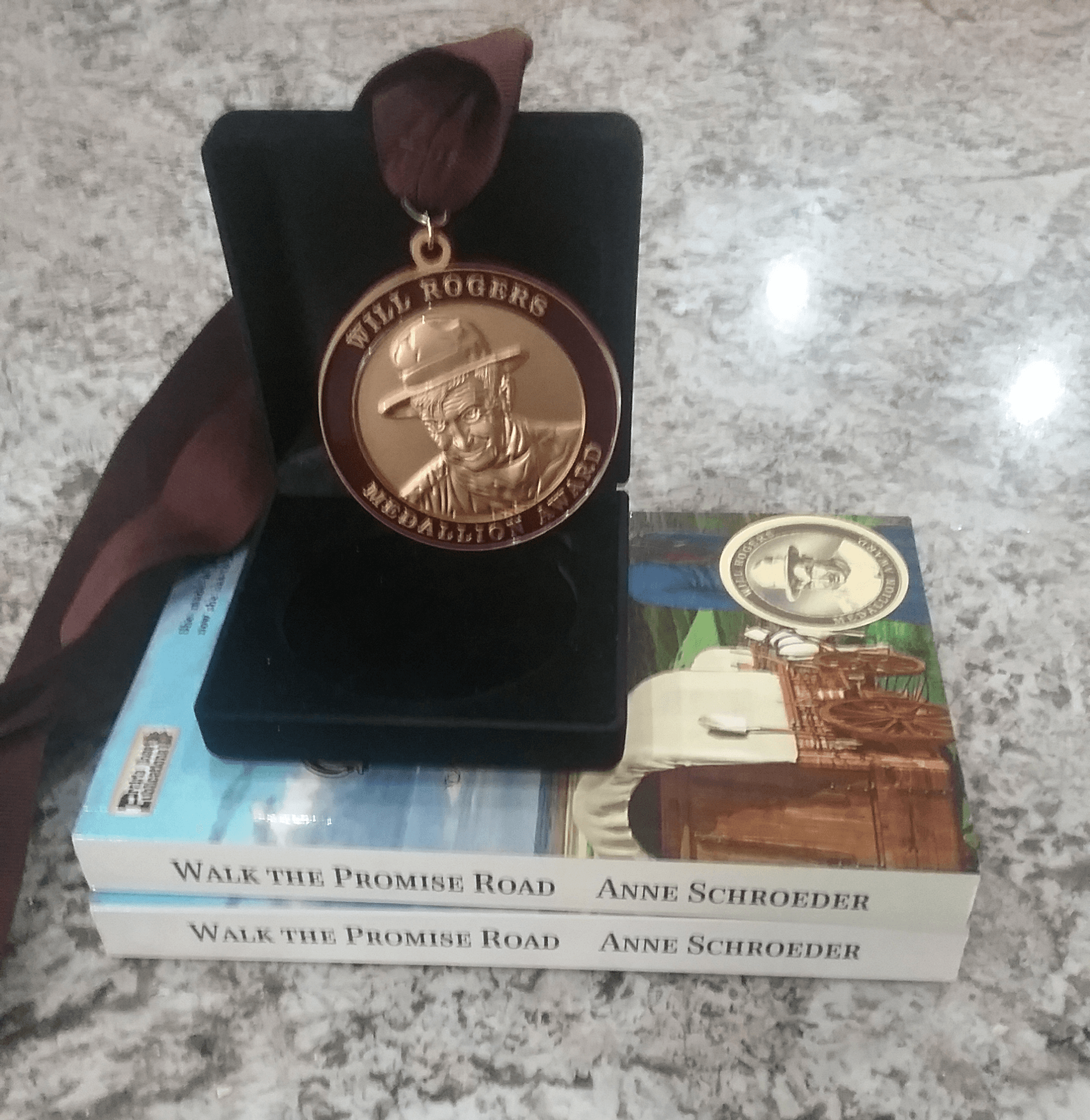
My work has earned national awards, including Will Rogers Medallion Awards, Western Writers of America SPUR Award, and others. The awards are rewarding, but it is reader feedback that fuels a writer’s tank. I love to give talks, teach workshops and sell at craft fairs and signings. To date, my volume of work includes 16 books. I have 3 more in the works, including a pair of Middle Grade books, “Izzy the Catholic Kid,” which a beta reader calls “1950’s values set in a contemporary setting.”
So that’s my life. A husband of nearly 60 years, who still rides motorcycles and hunts. Three strong kids, two granddaughters, a lazy Lab and ten acres in Oregon. Nineteen completed books and dozens of short stories. Writing brings me joy.
Would you say it’s been a smooth road, and if not what are some of the biggest challenges you’ve faced along the way?
For me, the road was fairly smooth, but I wrote for a decade before my first sale or published book. It was lonely. My family didn’t take me seriously so I had to believe in myself. With other art forms, there is a tangible product–a photograph, a painting, a sculpture. New writers labor in obscurity and many give up.
Time is a commodity. We spend it on what we love. It’s that simple. I prioritzed writing. I wrote every spare moment. No internet games, T.V. or shopping. I’m an extroverted introvert, which means I love a splashy event, but I retreat to my writing room to recover.
Rejection is a cost of doing business. I focused on the wins. I have a framed list of reader blurbs hanging over my desk that reminds me that my work matters.
I set a timer to force me to get up from my desktop. Physical exercise is critical. I’ve lost friends from “sitting disease.” We writers become obsessive. It’s important to balance exercise, nature, laughter, companionship and writing.
I work on a desktop computer in an office. With a sign on the closed door that reads, “Don’t even think about it.” When I’m in the zone, two hours can pass in the blink of an eye. Getting interrupted is like being awakened from REM sleep. It’s jarring. And it makes me say rude, terrible things to my spouse.
Critique is invaluable, but criticism can be crippling. It’s important for a new writer to get proper feedback, and that’s not always a family member. Join a writers group. Writers are incredibly generous.
Alright, so let’s switch gears a bit and talk business. What should we know about your work?
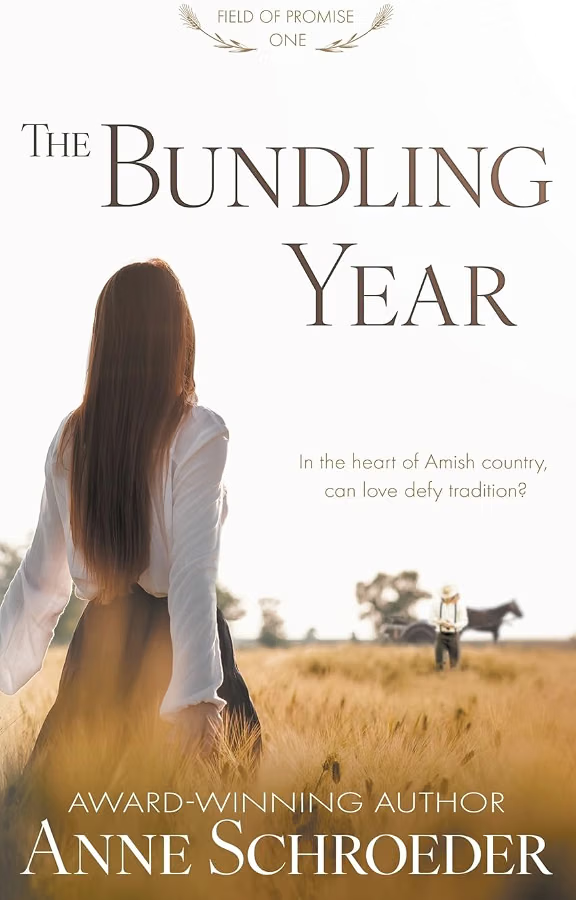
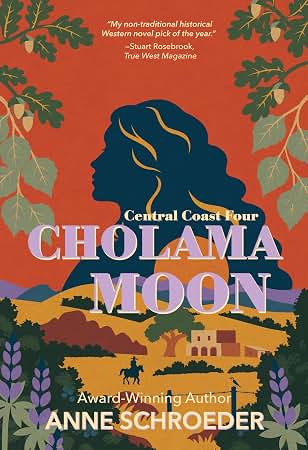
I write inspirational novels, short fiction and memoir set in the American West. I use deep characterization, strong dialogue and gritty detail. I’m a deep researcher. My stories balance vulnerability, grit and hope. Readers dwell on a story for days afterward. They laugh out loud, and cry.
Most of my novels and many short stories have won awards because I make multiple passes in my editing, layering nuance and detail before I pay for professional edits.
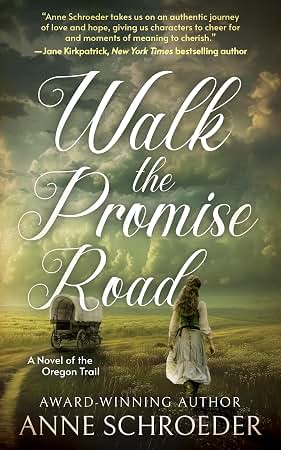
“Walk the Promise Road,” earned the Will Rogers Medallion Award for Historical Romance. The head of the Oregon Trail Interperative Committee called it “the most accurate novel of the Oregon Trail I’ve ever read.” That meant a lot to me.
Where we are in life is often partly because of others. Who/what else deserves credit for how your story turned out?
Robert Natiuk mentored me as a writer. We met at a coffee shop every Tuesday for two years, and he posed questions that forced me to deepen my stories.
My critique group of older writers was essential in my early development.
Catherine Ryan Hyde, author of “Pay it Forward” and countless YA novels, was an early mentor.
My writer’s organization, Nightwriters, provided years of discipline, opportunities and networking.
Women Writing the West and Western Writers of America provided networking, workshops and professional recognition.
Pricing:
- Paperbacks $12-$16 online and Amazon
- E-Books $4-$6 as listed
Contact Info:
- Website: https://anneschroederauthor.com
- Facebook: https://www.facebook.com/anne.schroeder.391/
- Twitter: https://x.com/anneschroeder2