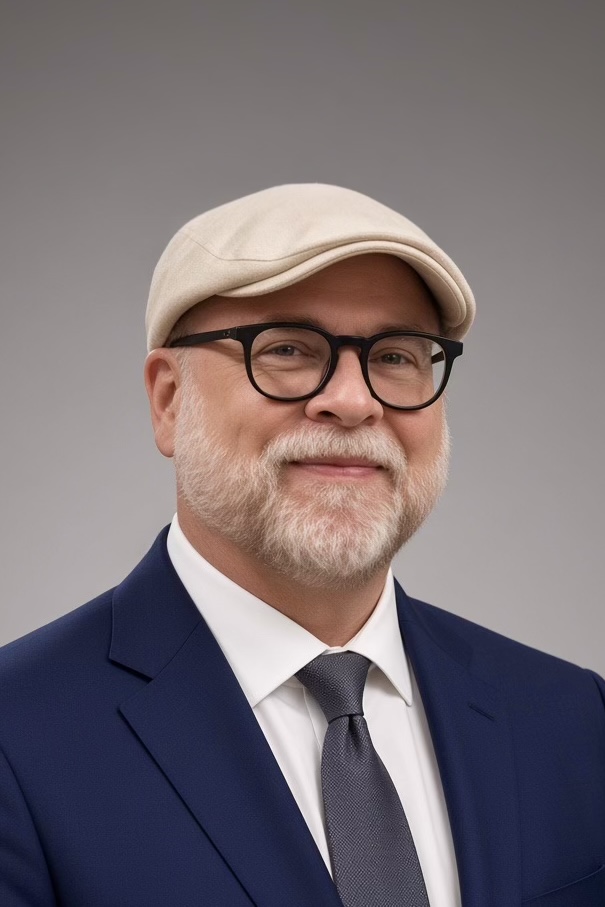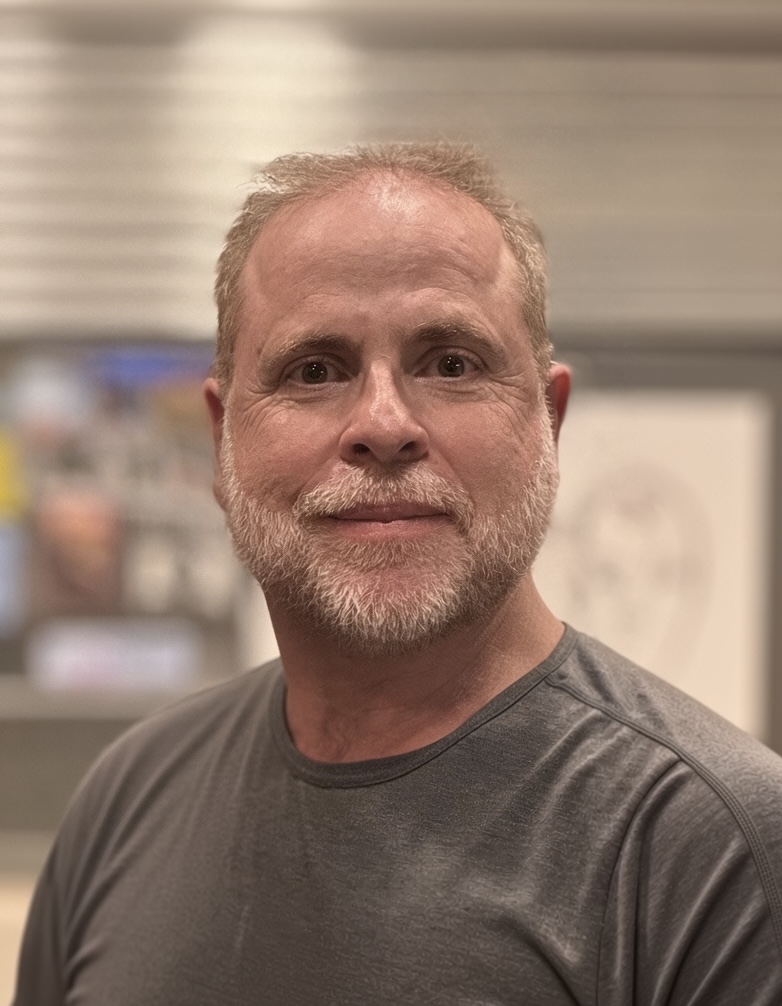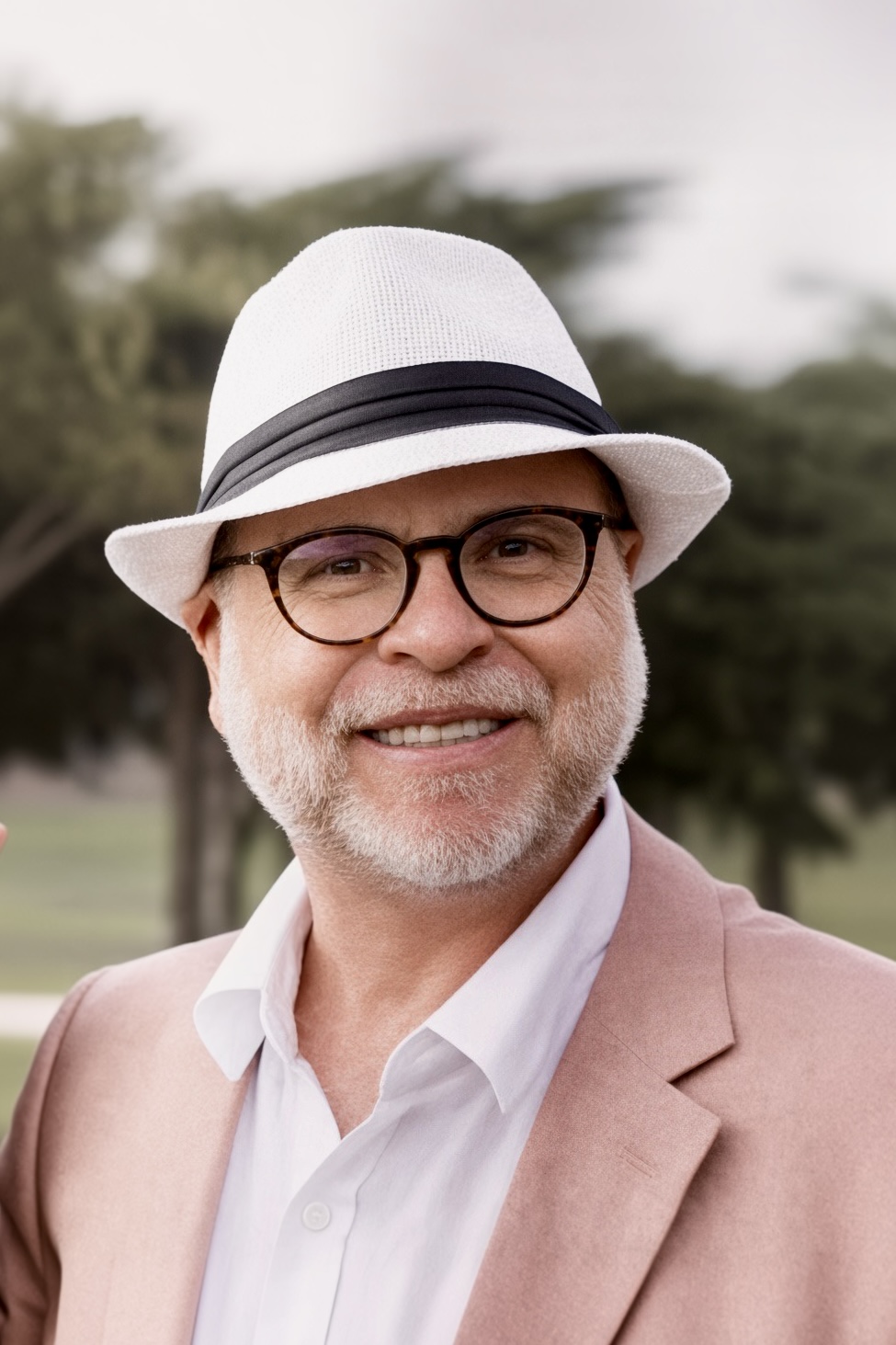



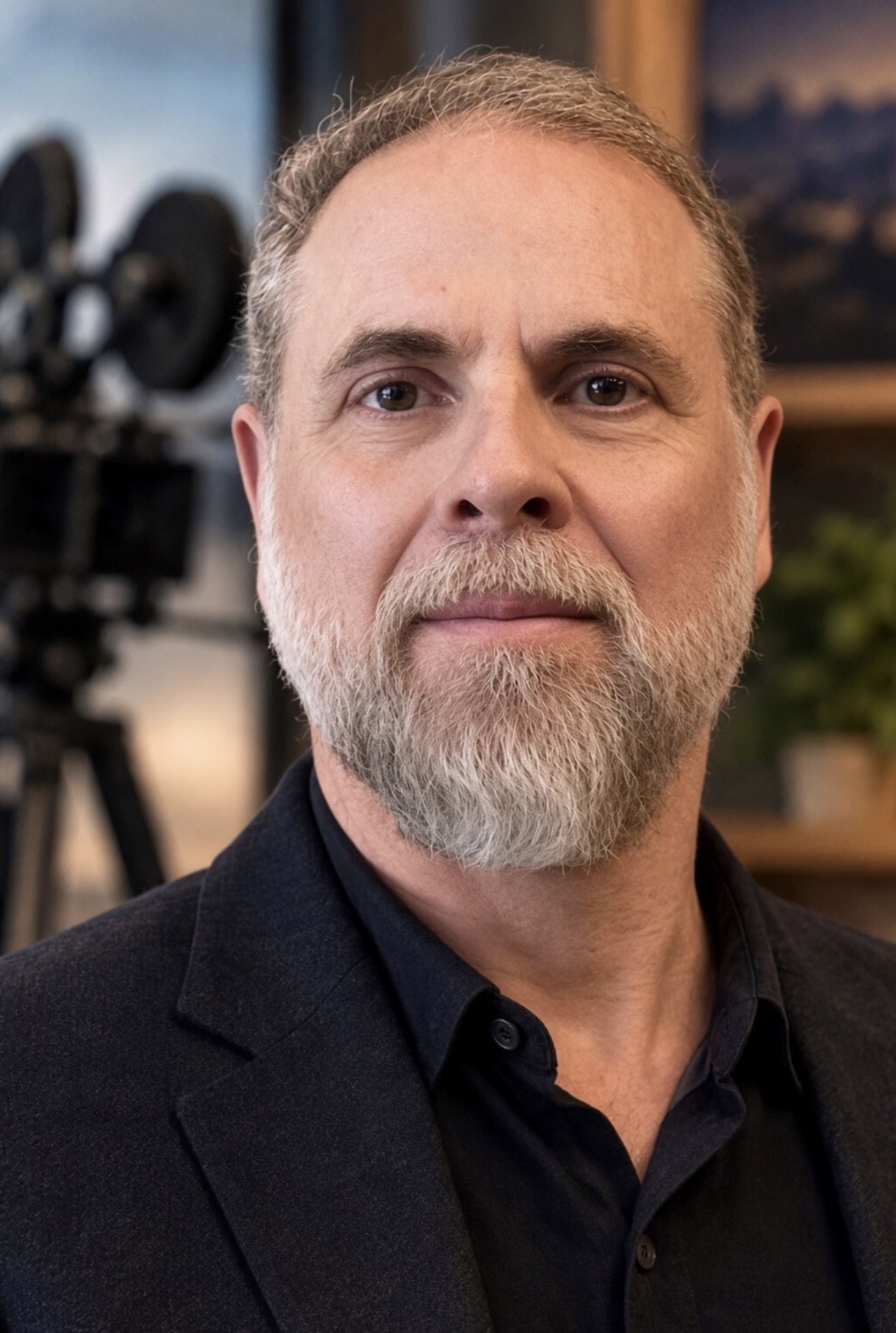
Today we’d like to introduce you to Husam Oubari.
Hi Husam, we’d love for you to start by introducing yourself.
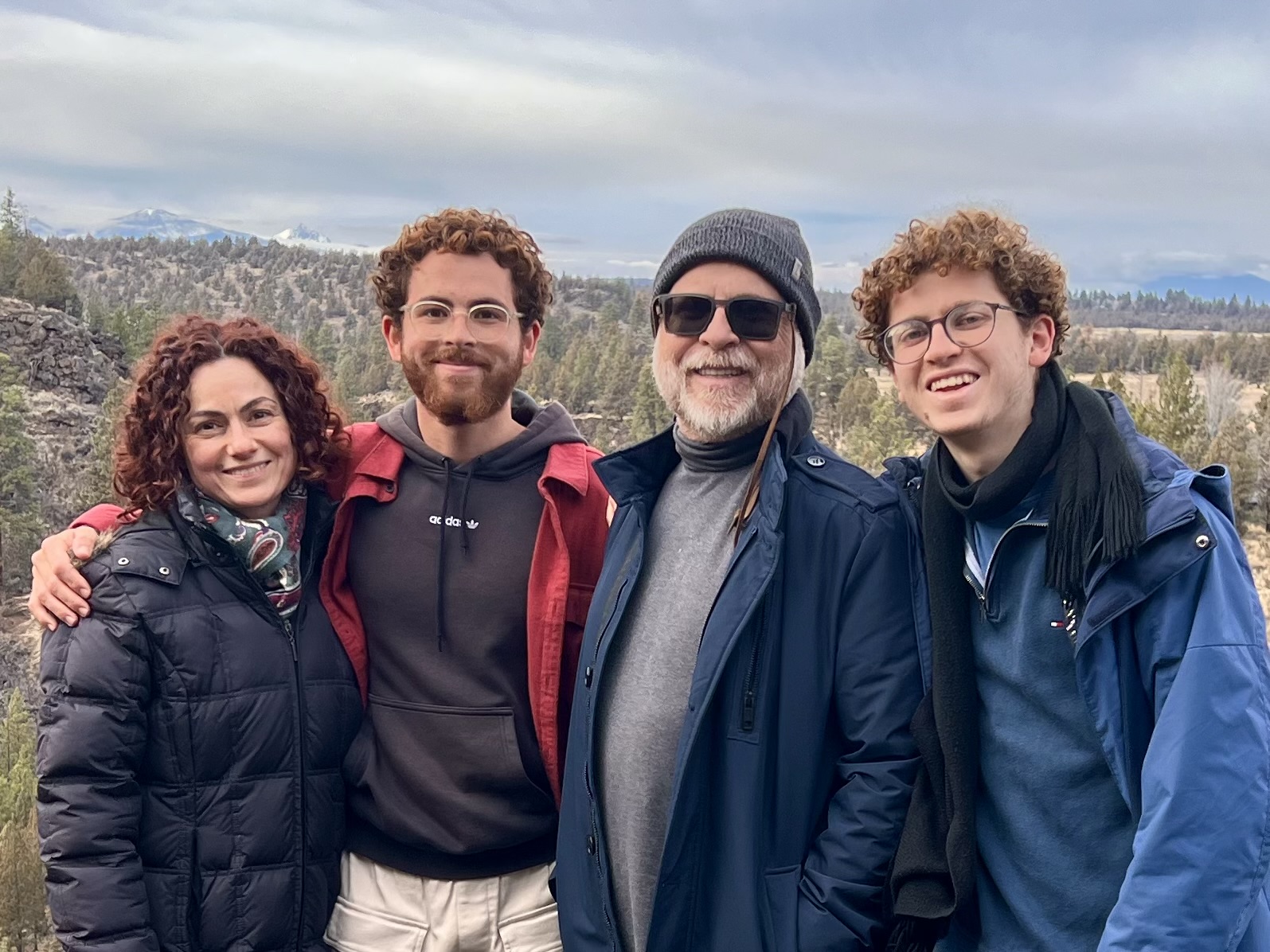
My wife and I are Syrian. Dana runs her own private violin studio, Studio Vivaldi.org. We have two grown sons, Karam, who’s working with a nonprofit consulting firm in Manhattan, and Yazen, our youngest, who just graduated with a degree in physics. As parents, one of the things we’re proudest of, beyond seeing your children thrive and find happiness in their own lives, is that we managed to keep our homeland’s heritage, cuisine, and language alive inside our own home. Both boys speak Arabic fluently, and they never felt torn between the culture inside our house and the world outside it. They’re proud of being Syrian, and they carry that with them wherever they go.
That’s not something you enforce. You simply make room for it, nurture it, and watch with quiet hope when it begins to take root.
Watching that balance take shape in my own sons got me thinking about the opposite problem, the one I saw facing the community around us.
The Gap Nobody Talks About
Central Oregon is beautiful and tight-knit, but like a lot of rural America, it isn’t always exposed to the wider world. I noticed it early: neighbors who had never really had the chance to sit across from someone from a culture unlike their own, to hear a story firsthand instead of through a headline.
That gap can make people more vulnerable to misinformation. It can make us more skeptical, more judgmental, toward cultures and perspectives we simply haven’t had the chance to know. Not because people are unkind, just because the door was never open.
So I decided to open one.
Last year, that idea became Shararah Films. I chose the name because it means two things at once: Shararah [sha-RAA-rah] means “spark” in Arabic (الشّرارة), and “truth” in Aramaic (ܫܪܪܐ), the ancient language that gave us “Amen,” a word that has traveled across borders, faiths, and centuries as an affirmation of truth. A spark. A truth. Two ancient meanings meeting in a single word. From that came our slogan, and, really, our whole mission, in eight words: See the truth. Feel a spark. widen our world. The formula is simple, but it was never really about the movies.
It’s an ambitious goal for an immigrant’s dream. But I’ve already run the experiment once, at my own kitchen table, with two sons who grew up fluent in two cultures at once and never had to choose between them. Now I’m trying to build that same table a little larger, a little more public, not to erase our differences, but to make room for them. A table where cultures can meet without having to compete, where curiosity is welcomed, stories are shared, and no one has to leave their heritage at the door.
Can you talk to us a bit about the challenges and lessons you’ve learned along the way. Looking back would you say it’s been easy or smooth in retrospect?
Not entirely, and I’ll be honest about that. Shararah started as a volunteer effort, and it still runs largely that way, which means funding has been one of the biggest struggles from day one. National funders expect years of financial track record, audited books, and an established board before they’ll even consider a first grant, none of which a young, all-volunteer nonprofit has yet. That’s meant leaning on smaller local grants and community support while I build toward the credibility larger funders require.
There’s also been the challenge of doing it all without dedicated staff. I’ve largely been the face of the organization ,booking films, securing screening rights, lining up speakers, and facilitating conversations, and I’m the first to say that isn’t sustainable long-term. Even the name has occasionally worked against me: “Shararah Films” reads to some funders as a production company, when the real work is convening and community dialogue, not filmmaking.
None of it has been a straight line. But watching the room fill each time, and watching strangers stay behind afterward just to keep talking, has been proof the effort is worth it.
Alright, so let’s switch gears a bit and talk business. What should we know about your work?
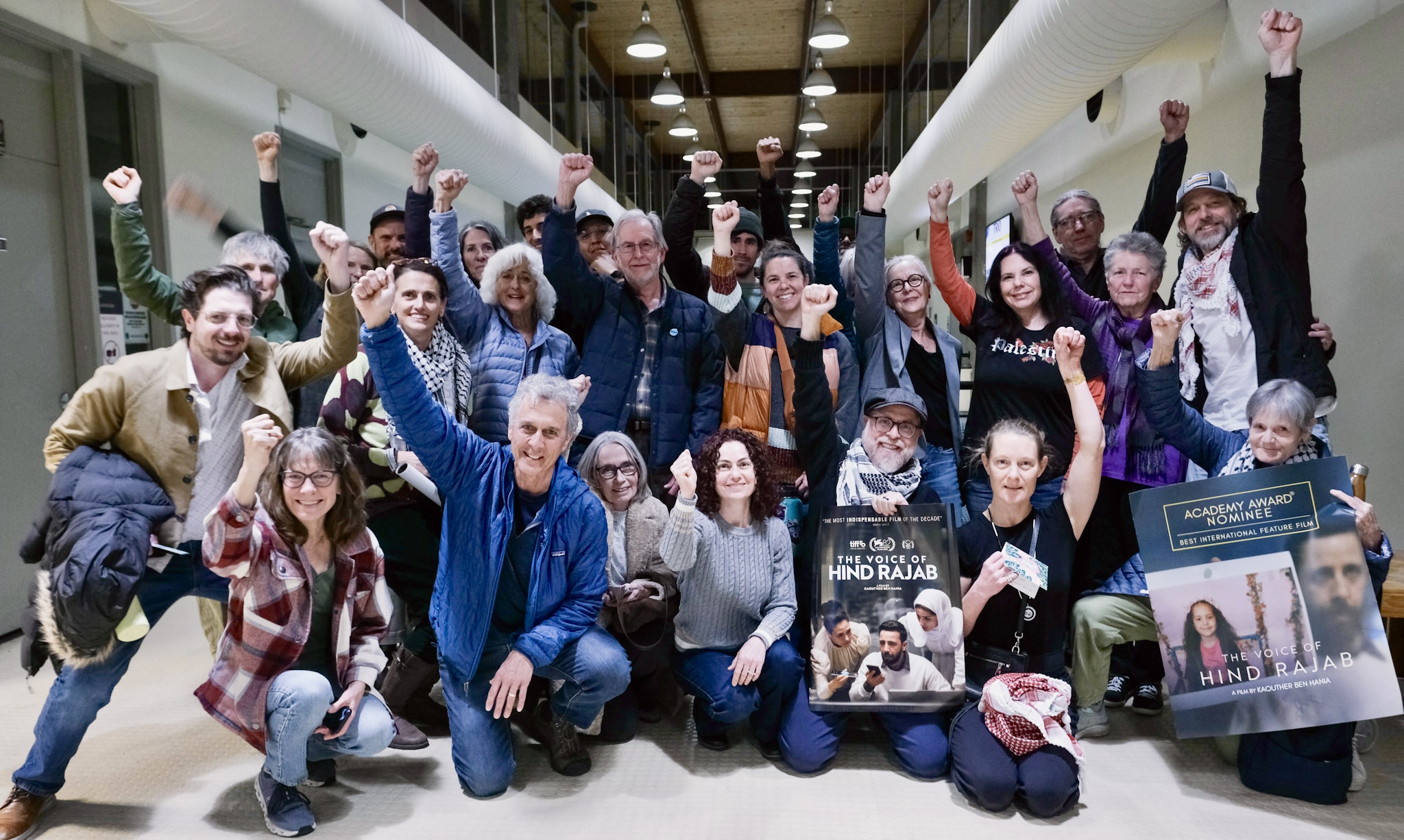
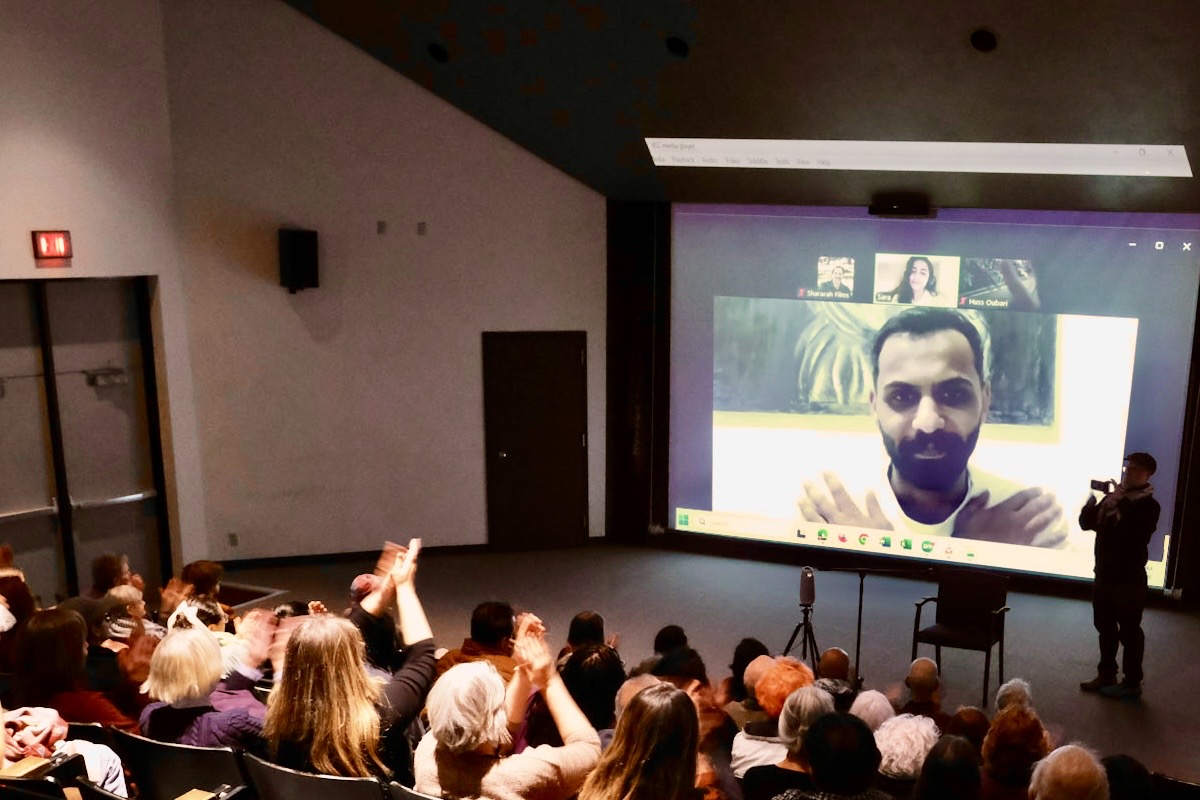
We run Shararah Films, a volunteer-led nonprofit here in Bend that brings independent films to Central Oregon and pairs them with real community conversation, not just a screening, but a discussion afterward with speakers and community voices. Our role covers all of it: selecting the films, securing screening rights, lining up guests, and facilitating the conversation that follows.
What we specialize in, really, is creating a space where people who might never otherwise talk to each other end up in the same room, listening. We’re known for the kind of programming that doesn’t feel like a lecture or a debate, it’s an honest, respectful conversation about difficult, sometimes distant issues, brought home.
What we’re most proud of is hearing someone in the audience say “I didn’t know that” or, even better, “Oh no… now I have to educate myself.” That’s the whole point. It means a door opened that wasn’t open before.
What sets Shararah apart is the setting itself. Almost all of the philanthropy and infrastructure for this kind of cross-cultural, belonging-focused work exists in major cities, places with ethnic enclaves, cultural media, and established advocacy organizations already in place. Very few organizations are doing this work in a small, rural, majority-white Western city like Bend, where none of that infrastructure exists yet. We’re building it from scratch, figuring out a method that could eventually travel to other small cities like ours.
So, before we go, how can our readers or others connect or collaborate with you? How can they support you?
There are a few ways in. If you’re part of an organization already doing outreach in Central Oregon, we’d welcome a conversation about becoming a community partner, helping spread the word and bring people through the door for a screening. If you have expertise on the issues our films raise, whether that’s international relations, immigration, human rights, or something else, we’re always looking for thoughtful speakers to join the conversation afterward.
For individuals, the simplest way to help is to show up, come to a screening, bring a neighbor, and stay for the conversation. Volunteers are also essential to everything we do, from event logistics to hospitality. And for anyone able to support us financially, donations and sponsorships directly fund our ability to secure screening rights, cover honoraria for speakers, and keep bringing these films to Central Oregon.
Pricing:
- Free
Contact Info:
- Website: https://shararahfilms.com/
- Instagram: https://www.instagram.com/shararahfilms?stkn=MTllam1rYnhidzRjeA%3D%3D&utm_source=qr
- Youtube: http://www.youtube.com/@ShararahFilms-2026