


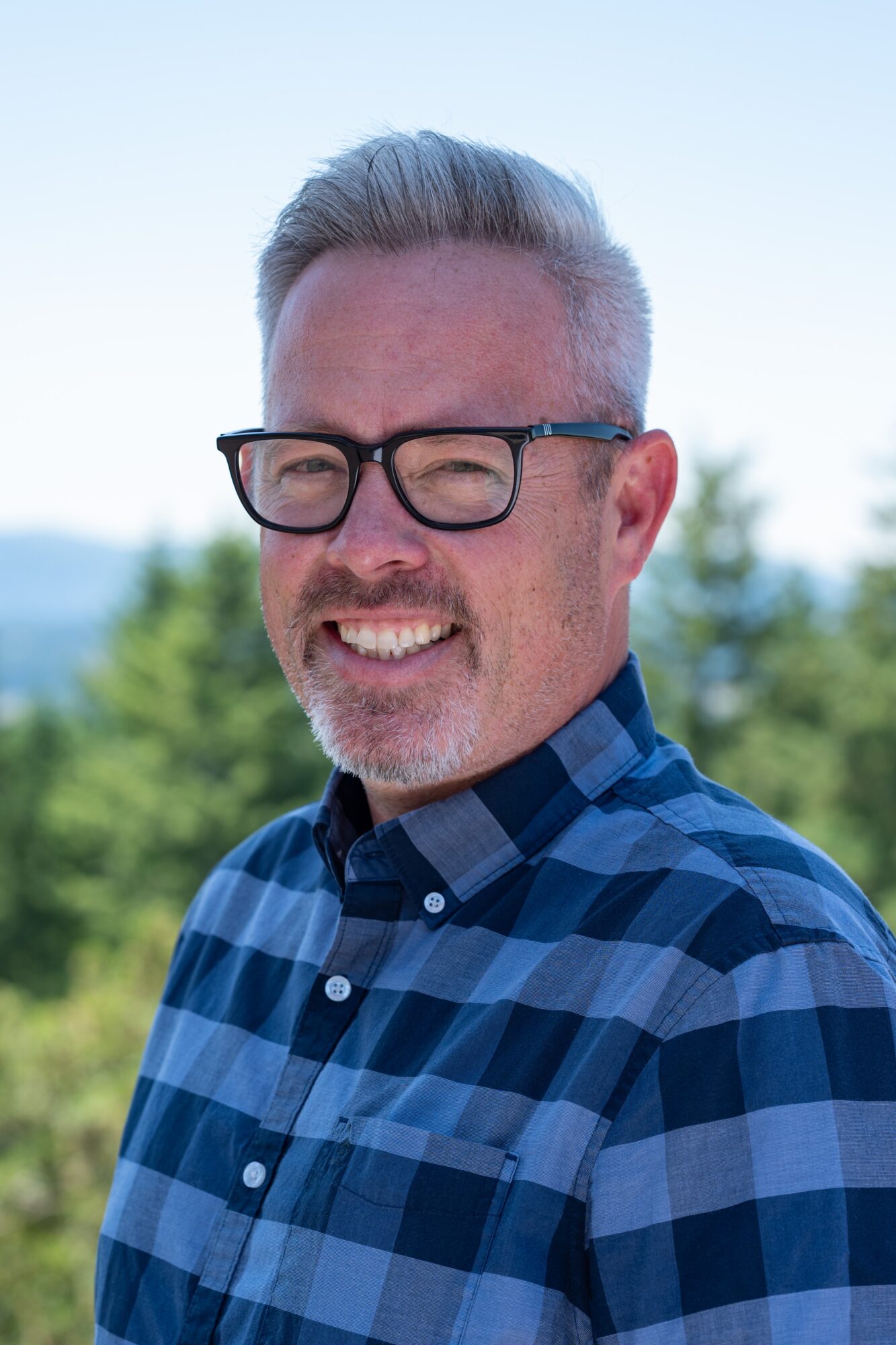
Today we’d like to introduce you to Joshua Carlsen.
Hi Joshua, thanks for joining us today. We’d love for you to start by introducing yourself.
We like to think that we have control of our daily lives. However every once in a while life chooses a day for us whether we’re prepared or not. June 24th, 2021 started like any other day…until my wife called. She was crying so hard she could barely speak. When she finally caught her breath all she could manage to say was “Lou’s dead.”
I’d known Lou for over 20 years as the father of a best friend. He was first and foremost an amazing father and grandfather, but he was so much more than that. Affectionately known as “Brown Sugar”, he had this uncanny way of making you feel like family upon first meeting him. His laughter filled the room and his hugs made you feel the deep love he had for you.
So when I received that call from my wife I knew that I wanted to produce Brown Sugar’s celebration of life video. Lou never met a camera he didn’t like so I sifted through thousands of pictures and spent countless hours scanning and arranging those pictures to music.
Shortly after I began editing I had a strong yearning to hear Lou’s voice. It occurred to me that if I could hear his voice and see his face on screen that I could almost feel him here with me. In that moment though, I was faced with the sad reality that it was simply too late.
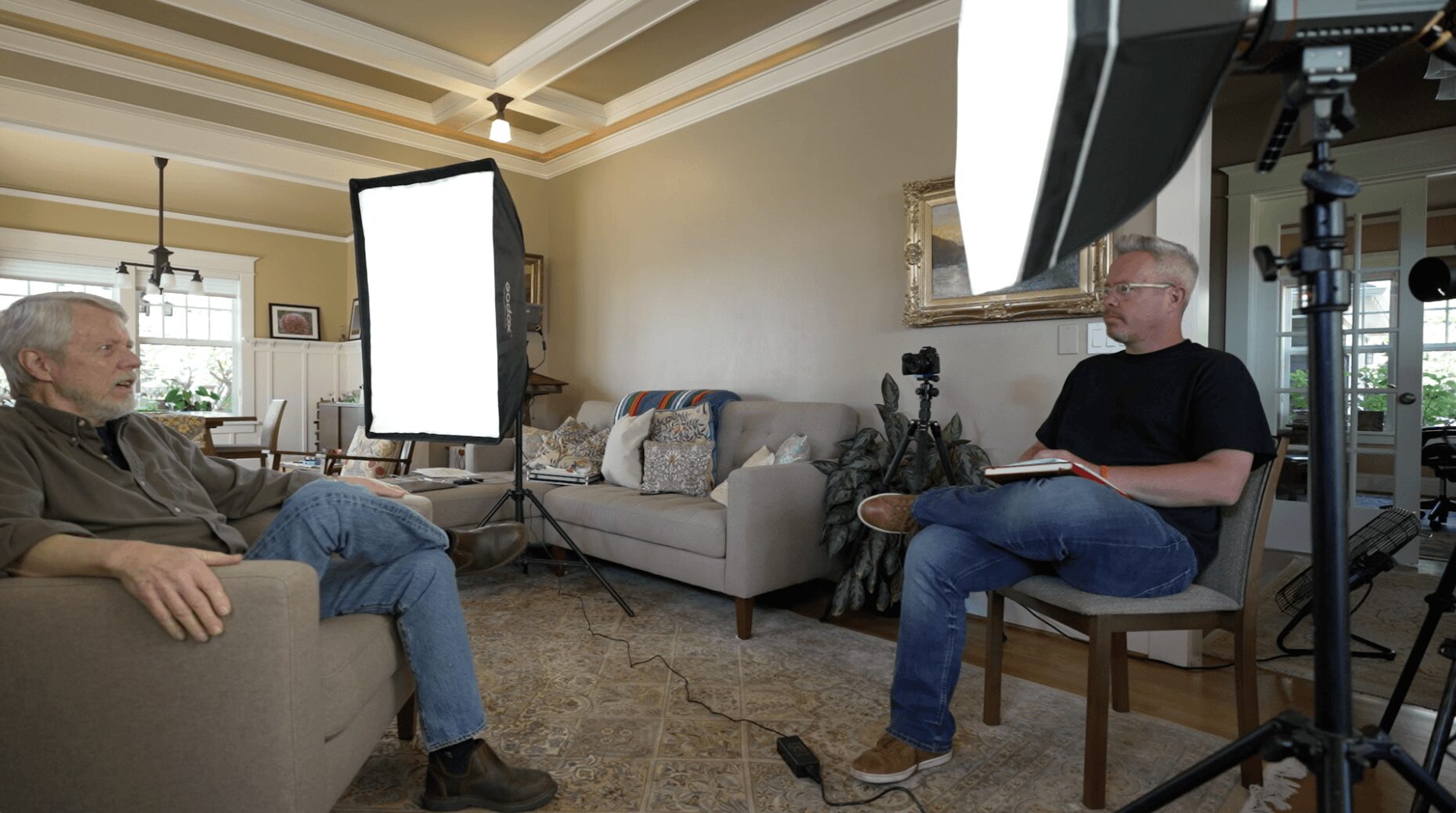
At this point in life I’d professionally interviewed hundreds of people on camera. Most of those where CEO’s, founders and thought leaders. My interviews started with a few questions, but my approach through and through was to have a real organic conversation. Most of these people are trained, and even paid, speakers, so my goal was to break through that corporate veneer and get to the real person underneath it all. I loved every minute of it, but at the end of the day I was one of countless business podcasts trying to make an impact.
It was in this moment through sorrow and reflection that I questioned, “Why don’t we interview the most important people in our lives, the people we love?” It would take a few years, and a lot of mentorship from great peers around me, that I finally created DocuMe.
People have a right to tell their stories as only they can, and we have a right to make sure that we have those memories forever!
I like to think of it as “emotional life insurance.” When I turned 40 I got life insurance to ensure that if something ever happened to me that my family would be financially protected. DocuMe insures the one thing that money can never protect, the heart and soul of the person you love.
As the business begins to take off my focus is still on capturing people’s life stories today, or as I like to say, “20 years too soon then a day too late.” At the heart of this is story telling, and I’ve come to realize that there are other incredibly meaningful ways to preserve our loved ones and their memories.
Through some painful juxtapositions of losing other people I’ve cared and loved for since starting the business, I realized there are other meaningful ways to capture a loved one’s stories after they’ve passed. So we now offer the options that allow people to share recorded messages for an upcoming celebration of life, or we can provide a “video booth” at the event for attendees to share their favorite memories of the loved one lost.
Ultimately, I just realized that societally we don’t do a great job at truly preserving our loved ones. Sure, we take pictures, or even some video, but those either get buried on our phones or social media feeds. More importantly, they’re often inadequate and truly making you feel like your loved one was still with you.
Photos show us what someone looked like. Stories remind us who they were. Their voice brings those stories to life forever.
We all face challenges, but looking back would you describe it as a relatively smooth road?
This is a really interesting question that if you’d asked me two years ago vs. today the answers would be wildly different. Two years ago I would have said that my biggest challenge would be getting people to appreciate a new type of service that doesn’t really exist.
So I knew that the first thing I needed to do was start talking to as many people as I could. It previous businesses, I was offering a service that already existed, so the only education I had to do was focus on differentiation. For DocuMe I knew that I’d have to educate people on what I was actually offering. I knew they’d get the “why” because we’ve all lost someone and know how big of a hole that leaves in our hearts.
Getting people to appreciate that they can have their very own life story documentary was going to take some work. Initial push-back largely centered around people that didn’t think their lives were anything special to document. I heard this repeatedly from a 78 year old grandmother with 37 grand/great grandkids (all of whom love her to the moon) to an 80 year old who took a family manufacturing business international creating a multi-million dollar company that afforded him to see the world with his family.
We all have meaningful stories, sometimes it just takes a reminder that it’s less about life’s accomplishments, it’s more about sharing special moments that we all love to feel and remember. That’s where my conversational approach gets people to appreciate that it’s less about the person being interviewed, it’s more for the people love.
Today the bigger issue is momentum. Virtually everyone that is introduced to DocuMe says one of two things, if not both. “Wow, that’s an amazing idea,” and/or “I wish I had that for (insert loved one’s name here)”. However, when the conversation goes to talking about capturing their life story, or even someone in their family, the conversation tends to lose momentum.
I can’t say with certainty because it’s never really explicitly said, but I think the challenge is my service can conjure the thought of our own mortality. And death is a hard topic that we here in America don’t really do a good job at talking about. In fact, we often do anything we can to ignore it, so there has been unusual imbalance between initial interest in the service to those that actually booking us for a story capturing session.
That’s why we’ve evolved with the posthumous options because that uncertainty of the future has sadly ended in painful certainty.
Thanks for sharing that. So, maybe next you can tell us a bit more about your work?
I’ve spent over 20 years in traditional business sense, initially focused on marcom communications for a local b2c start-up. They were an e-commerce service offering web-2-print postcard mailers, largely focused in the real estate market. I joined fresh out of college as an intern, and 15 years later I was being asked to run the entire operation.
I’d worked with dev teams on product enhancements, led customer service and marketing teams, and did biz dev securing strategic partnerships. Behind the scenes I was passionate about photography, and had a knack for understanding good composition and lighting. So I’d leverage the fact that I had an in-house design team to constantly learn and grow from.
After 15 years it was time for a new challenge and I went to work for a boutique marketing agency. It was here that my creativity really started to grow. Even though I didn’t have formal training in brand strategy, I realized the agency I wanted to work for was misaligned in it’s market approach, so during the interview process I pitched the idea of a full re-brand. At the time I knew it was needed but didn’t exactly know how to make it happen.
So for the first 6 months I dug deep into the company, into it’s people, it’s clients, it’s philosophy, and it’s offering, until we ultimately pulled the trigger. While scary at first the move was a success. We didn’t lose any clients, and the new brand positioned us to compete for much bigger clientele.
The last thing I’d share is that when Covid happened all of our client work grounded to a halt. So we looked around and said how can we help other struggling businesses right now. That’s when we started a podcast focused on talking to business leaders who could help struggling businesses focus on safety preparedness, PPP-loan process, client retention, innovated business pivots, to you name it.
Early in this process I began to appreciate that the most meaningful information, was typically not from the first question, but from the 3rd or 4th follow-up questions. It was these unknown deep veins of conversation that real heartfelt dialogue started to happen.
It reminds me of the old saying, “There are no b-2-c companies and there are no b-2-b companies, there are just p-2-p companies.”
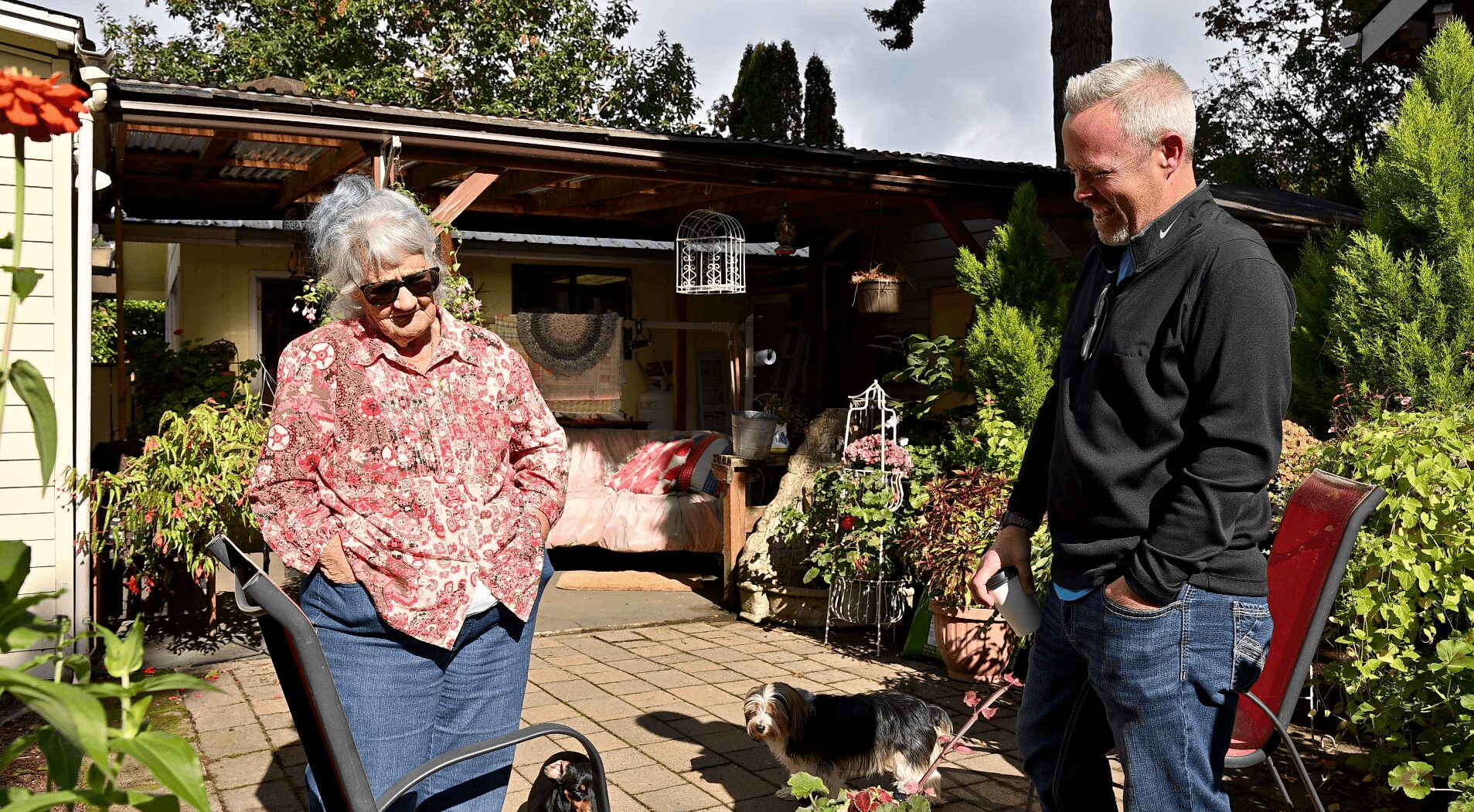
Ultimately, it’s always people to people. My gift is being able to connect with each an every individual, and then help them to express their authentic stories in ways that are meaningful to others. I don’t care if we’re talking to 78-year old Grandma Jean, or if we’re talking to Sasha, the head of an actual world renowned branding agency.
Authentic stories are what we all crave, and I help bring those to life.
Alright so before we go can you talk to us a bit about how people can work with you, collaborate with you or support you?
I’m a little uncertain of this question so I’ll just answer it this way.
If you have any interest in either you or a loved one having a DocuMe life story, then you can visit www.DocuMeHistory.com and we have a submission form for a free consultation. It’s not sales call, it’s a free consult explaining our process, the different life stages we focus on, and how this can be an unmeasurable gift to their family, and future generations.
As for support and collaboration, I’d pose this. Don’t think of it as is DocuMe for me? Think of it as, how can I do a better job at preserving our loved ones. Make a point to take pictures when you’re with loved ones. Turn your recording app on when you get together for holiday dinners. Be so bold as to actually just use your cell phone on a simple selfie/tripod stand and ask meaningful questions of the people you love.
You don’t need the studio quality sound/video that we offer, you don’t need to have music in the background, you don’t need to have the family photos intertwined to the stories. You really just need their voice, telling their stories as only they can.
I promise that you will be forever grateful on whatever terrible day you’ll face in the future.
Whether it’s DocuMe, or whether it’s you doing on your own, you’re preventing an immeasurable amount of regret in the future. Losing someone once is hard enough, losing them slowing over time as memories begin to fade is a second loss that none of us should have to endure.
Pricing:
- I honestly don’t like to talk pricing with people until I’ve had a chance to really talk about the service and finished product.
- It’s not inexpensive, so before people have a knee-jerk reaction I like to frame it in the context of insurance
- We pay thousands of dollars every year in the event that something might happen, from auto, health, home, life
- We do it and just accept it for the “potential” event that might happen
- DocuMe isn’t for a potential loss, it’s for the certain loss that will change your life forever
Contact Info:
- Website: https://www.DocuMeHistory.com
- Instagram: https://www.instagram.com/documehistory/
- Facebook: https://www.facebook.com/profile.php?id=100079759928708
- Youtube: https://www.youtube.com/@DocuMe-History