


Today we’d like to introduce you to Julie Wilson.
Hi Julie, please kick things off for us with an introduction to yourself and your story.
From the age of seven, I wanted to be an artist and teach art. Inspiring people to create art for themselves is a gift I gladly share.
My mother and both of my grandmothers are, and were, artists who worked in many different media. I grew up surrounded by gorgeous hand-knitted sweaters, homemade toys and blankets, elaborate Halloween costumes, portraits of myself hanging on the walls (and appearing in every prom photo), a huge handmade dollhouse, birthday parties decorated with hand-drawn, life-sized Rainbow Brite character posters, and so much more.
Whenever I was bored as a child, my mom would tell me to go make something. I also attended art classes outside of school, which helped shape my creativity. In high school, I took as many art classes as I could fit into my schedule.
I attended Longwood University, where I earned a BFA in Art Education and Crafts. Later, I returned to complete a BS in Psychology. I began my teaching career in Virginia, working in five different public-school systems. I also maintained an active studio at Artworks in Richmond, Virginia, for ten years.
In 2015, I packed up my entire life and moved across the country to live in a van down by the river while working as a tour leader for a travel company. My travels eventually led me to Central Oregon, where I now live with my husband, Philip, our two daughters, and our two cats.
I teach classes at the Dry Canyon Community Art Center and Wondery Art and Adventure. I am a member of the Dry Canyon Art Association, the Central Oregon Spinners and Weavers Guild, and the Sagebrushers Society. I also serve as a commissioner for RCAPP, the Redmond Commission for Art in Public Places.
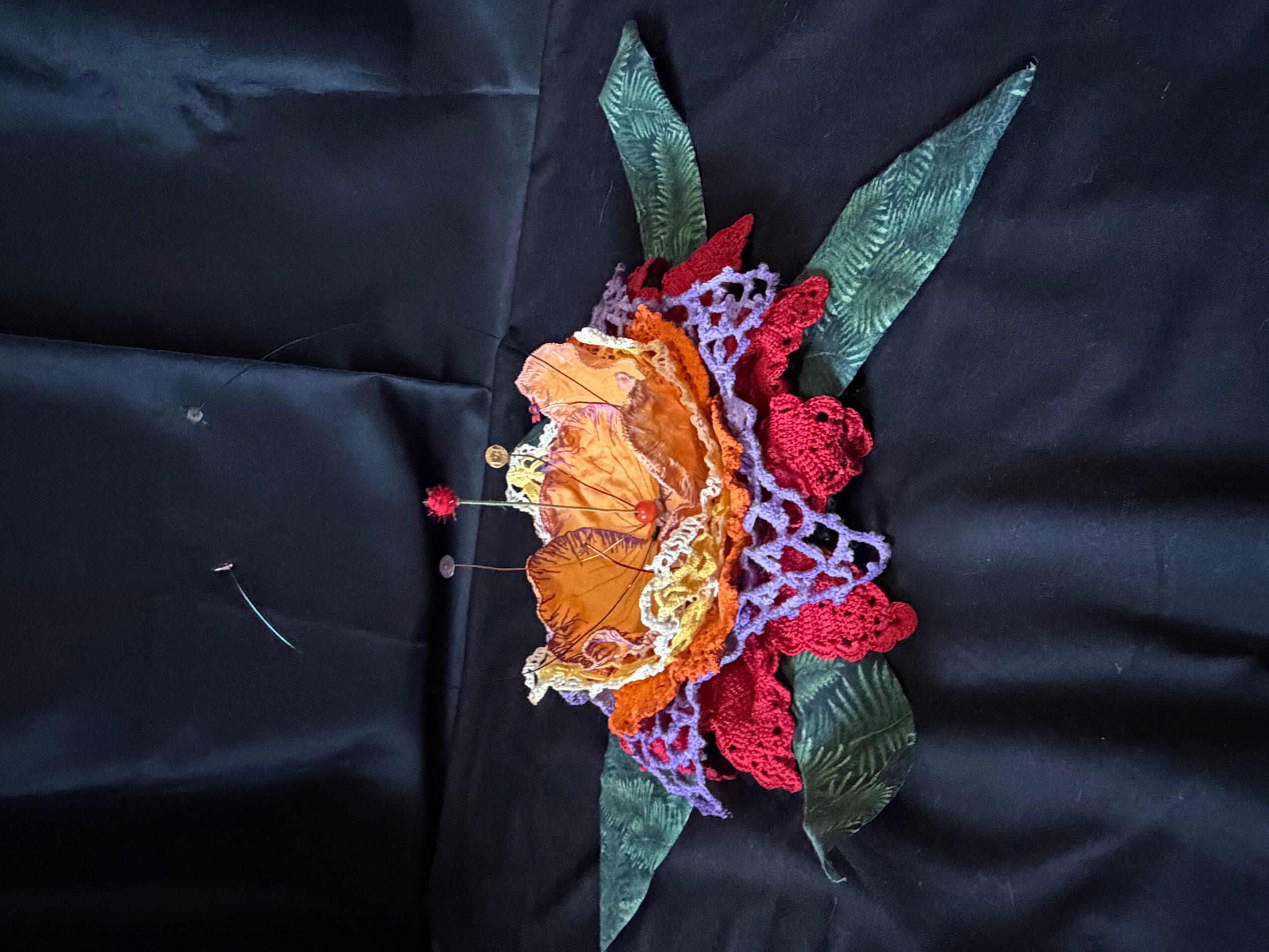
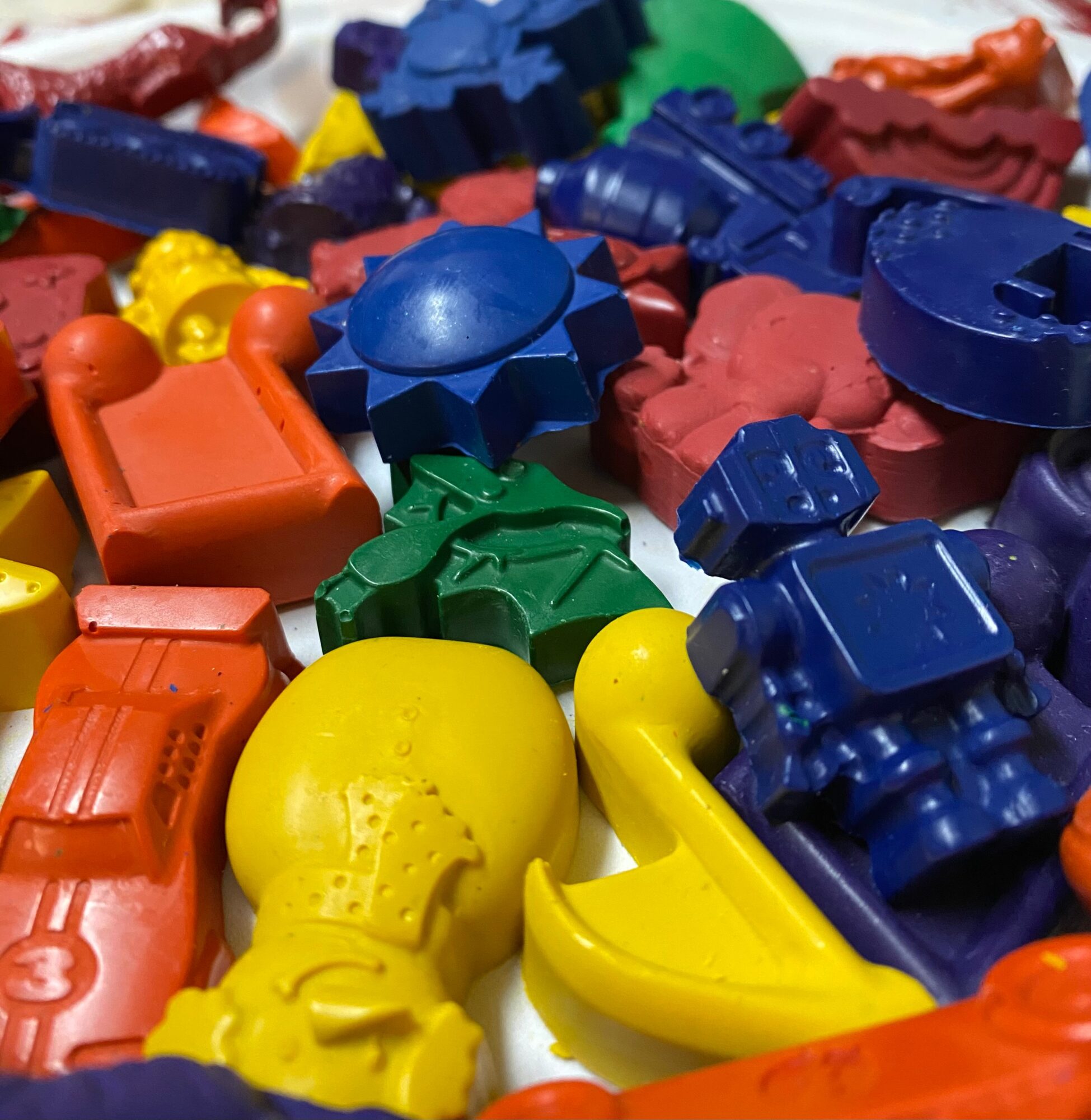
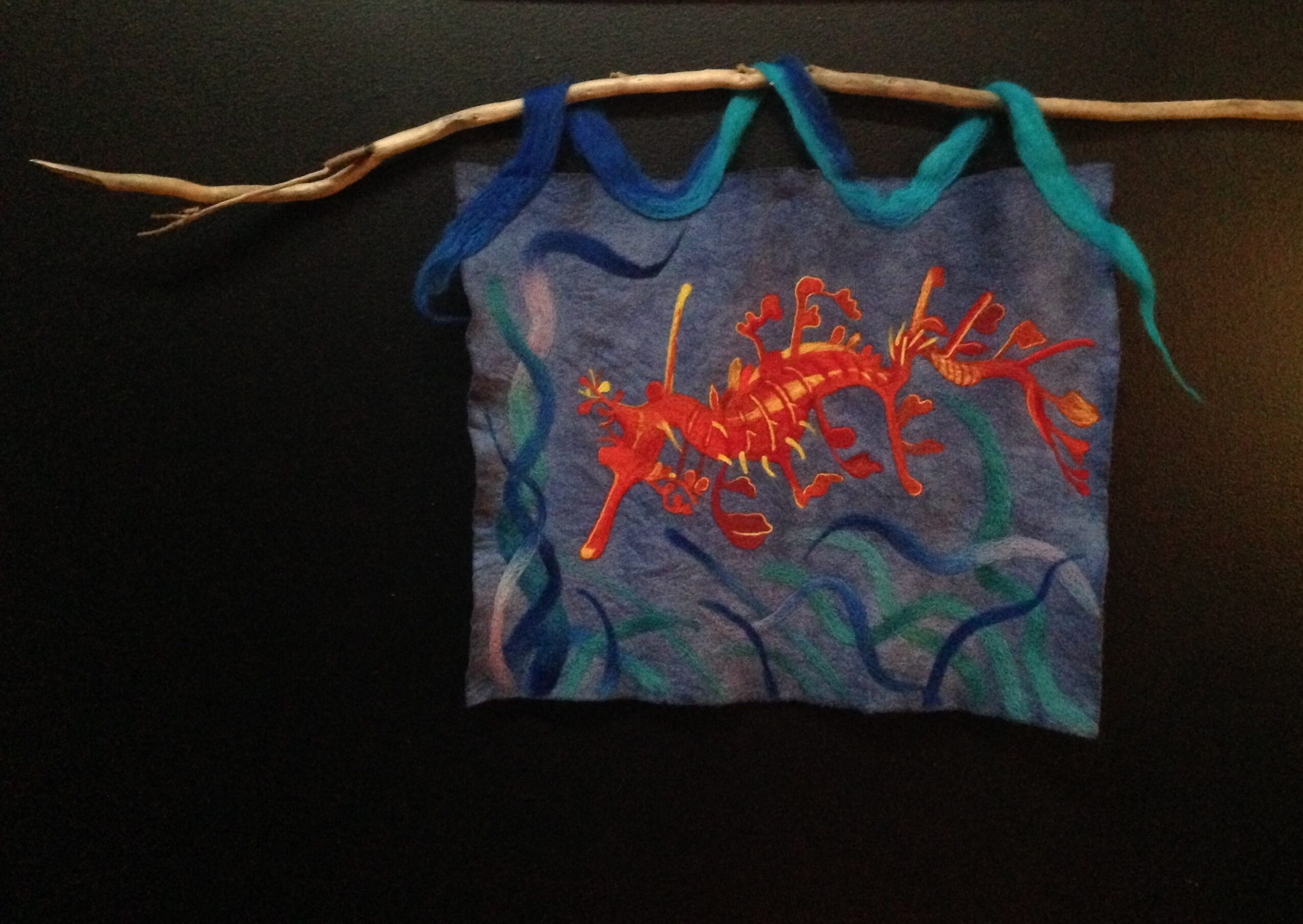
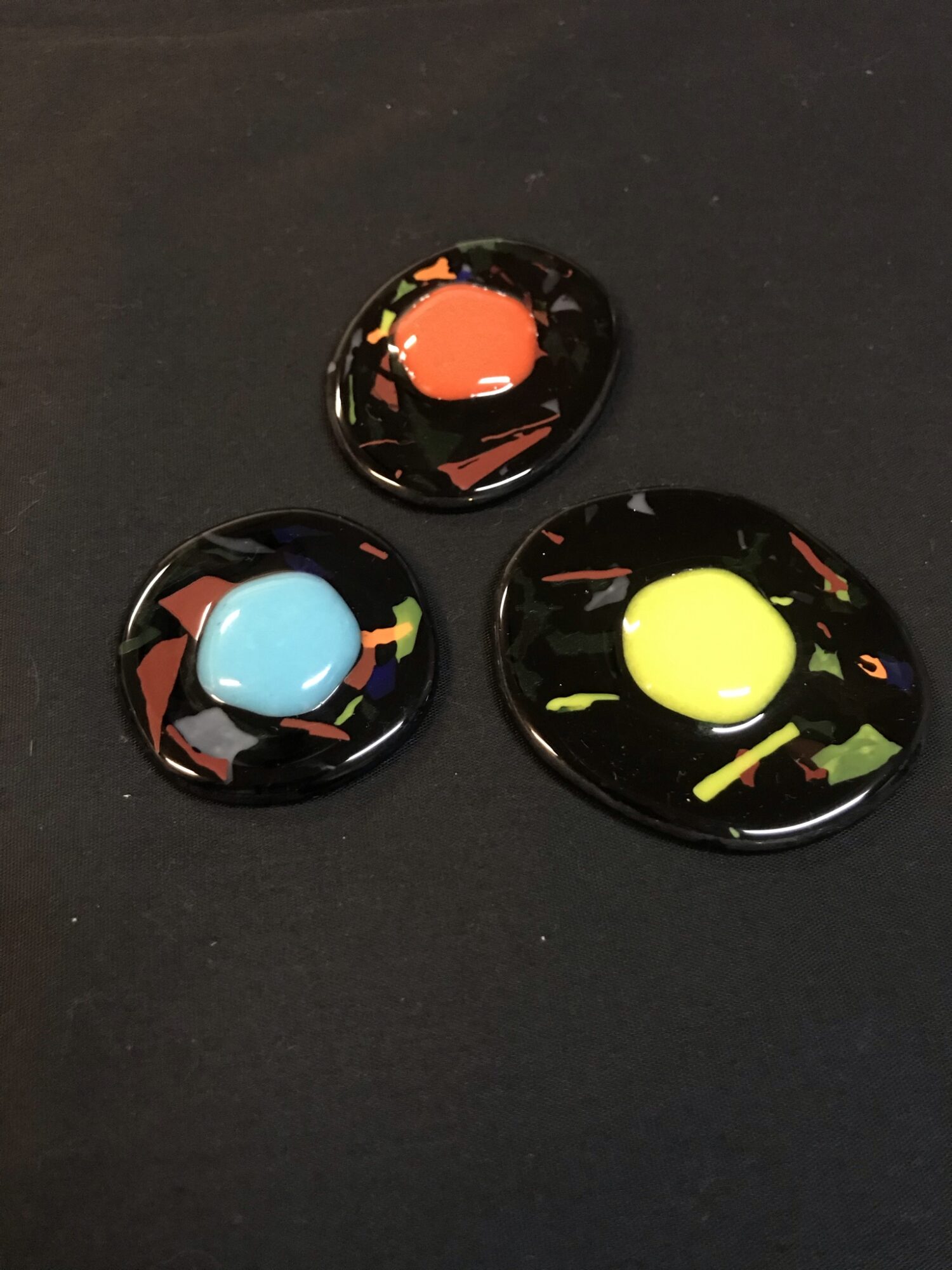
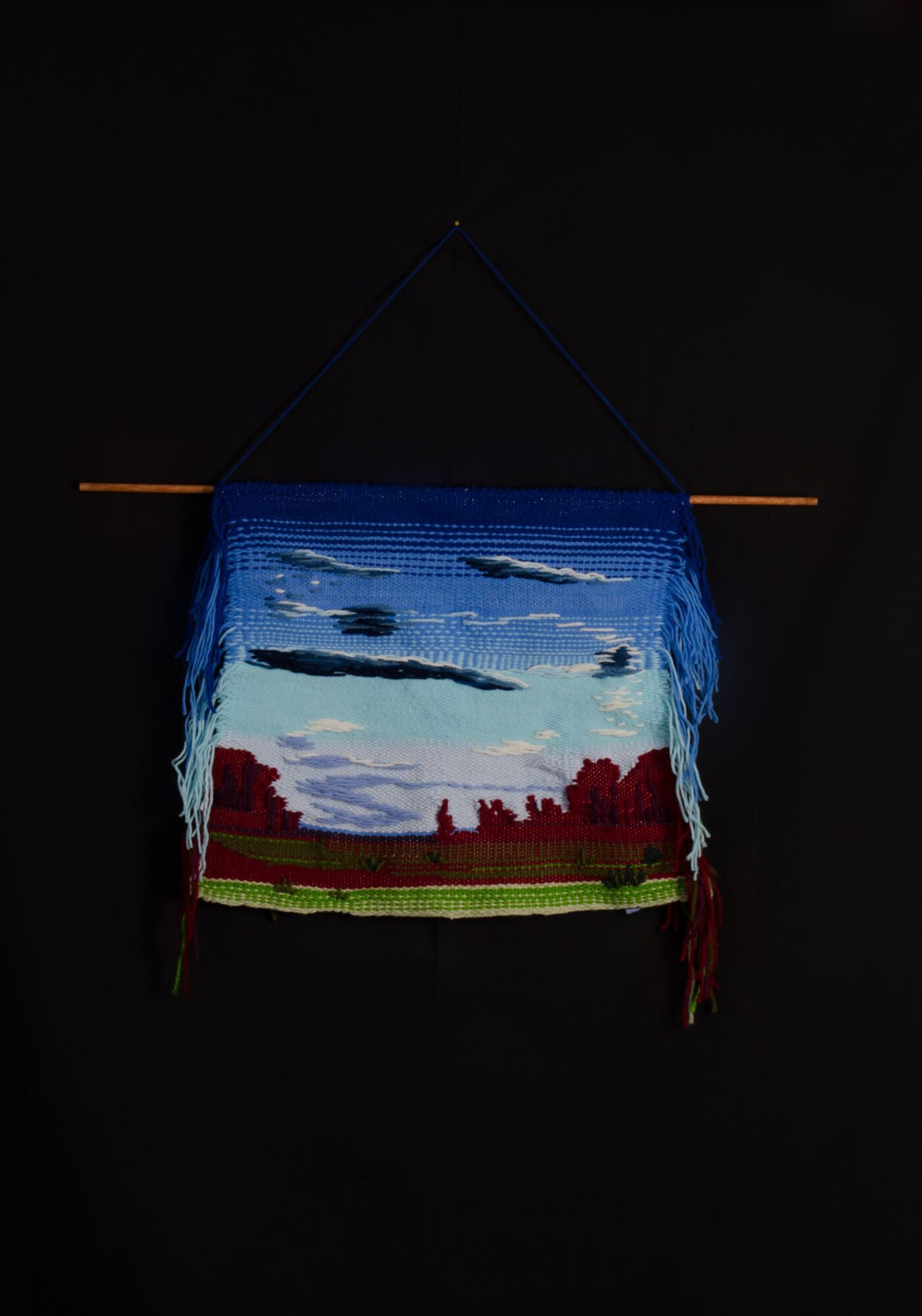
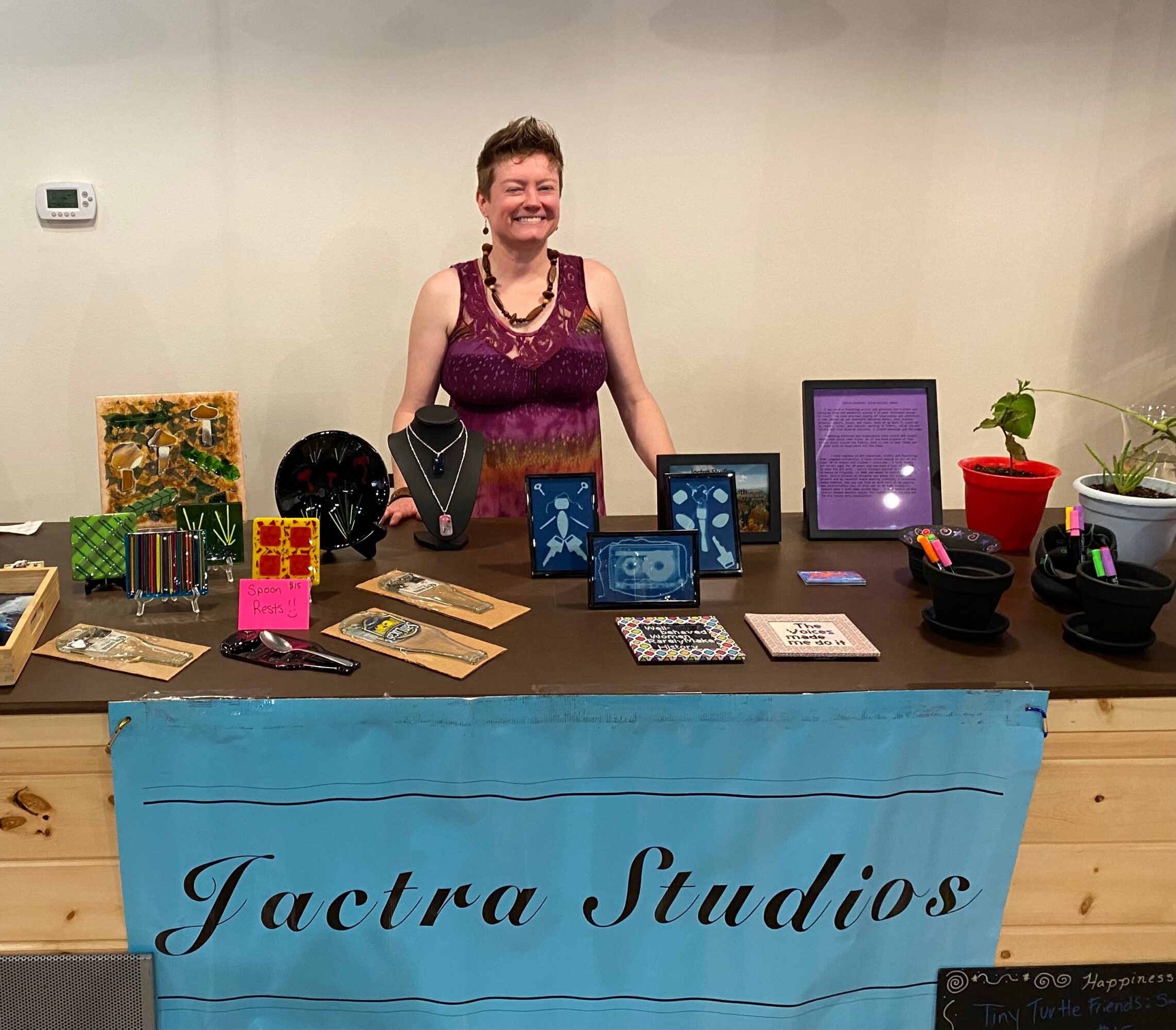
The majority of my work focuses on fiber arts, including weaving and Dry needle felting, as well as glass fusing and ceramics. I also create mixed-media pieces using almost anything I can find. I recycle crayons into fun new shapes and upcycle bottles, bottle caps, hangers, and other materials that inspire me to create.
Currently, my work is on display in Malleable at Umpqua Valley Arts in Roseburg, Oregon.
Online at the following:
Gallerium Art- Tranquilty
Monochromica Red Issue pg 74
Gallerium Art- Aquarium
And you can find me in person at the Redmond, OR Farmer’s Market on Friday’s 3-7 PM June 19th, July 24th and August 21st 2026. https://www.redmondoregonfarmersmarket.org/
Would you say it’s been a smooth road, and if not what are some of the biggest challenges you’ve faced along the way?
While earning my BFA in Art Education and Crafts in college, in a small town in rural VA. One of the most difficult lessons I learned was about professors. It was challenging to discover that some individuals, despite being paid to guide and support students in their studies and future careers, could be dishonest, unsupportive, or even set students up to fail. On top of that, my parents’ constant jokes about me taking “Underwater Basket Weaving” classes were annoying.
However, after working as an artist for more than 20 years, the most challenging part has been accepting the reality of the “starving artist.” When you pour your heart into your work, you also pour your money into it—often without recouping the investment. Pieces priced using a model designed to generate a profit rarely sell for what they are truly worth. Much like a boat is said to be just a hole in the water you pour money into, making art can feel like a black hole that continually sucks up your time and money.
In the art world, you often have to pay to play. Most shows charge application fees and per image and professional organizations require annual membership dues. If you sell your work at outdoor markets, you pay for the booth and hope to make enough sales to cover the booth cost. One valuable lesson I have learned is to spread the cost of supplies for specific projects over time. I also try to use those supplies across multiple works in progress that are waiting for that particular material before moving to the next step in creating.
Being mindful of prices and watching for sales, coupons, and discounts over months or even years has helped me compare brands and find the best deals. Networking within the community, utilizing local resources, volunteering at thrift stores to sort donated art supplies, materials, bottles, and purchasing items in bulk at discounted prices have also helped reduce costs.
Another important lesson has been not worrying about making a sale to every person who stops by. It is usually easy to tell who is genuinely interested in purchasing something and who is simply browsing. Even so, engaging with visitors and making conversation with everyone who stops by is important, it’s always good to network. You also never know who is going to stop by and who will mention your work or pass your card on to someone else.
Appreciate you sharing that. What else should we know about what you do?
I’ve always been known for creating fun, colorful art in a wide variety of mediums. People often comment, “Wow, you make a lot of different, cool, fun, colorful art!” Color is my main source of inspiration, whether I’m working with fibers, glass fusing, ceramics, or even in my garden.
When I maintained my studio at Artworks for ten years, my weenie dog, Pebbles, was my sidekick. She wore a sandwich-board sign that read, “Follow Me to Studio 192.” Everyone knew when I arrived because Pebbles was usually spotted first, scarfing up any food she could find on the floor.
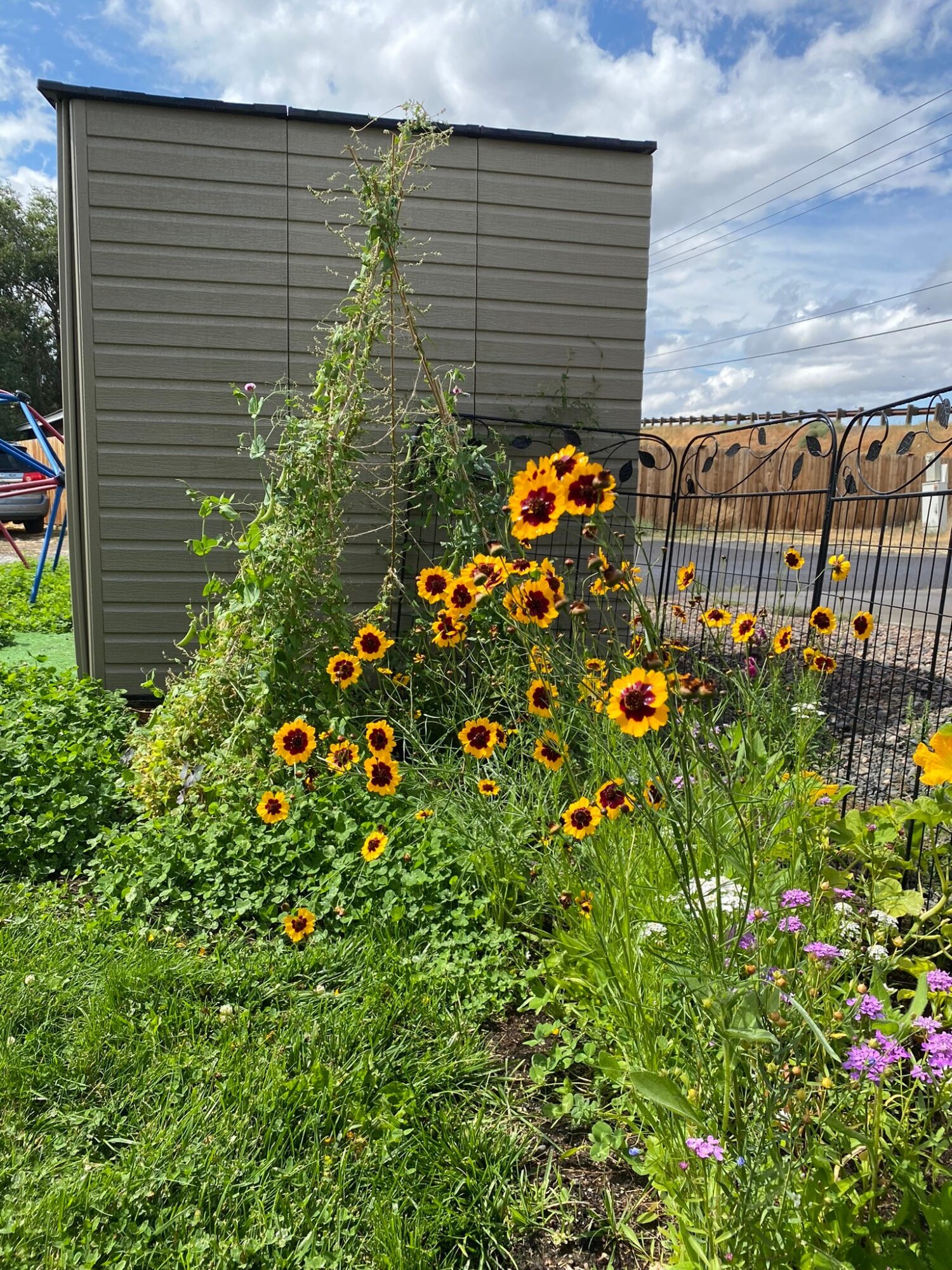
Now that I live in Oregon, I am often called the Crayon Lady, the Plant Lady, or The Colorful lady, because I am always easy to spot. I have transformed my yard into five distinct zones filled with food, flowers, and art. I host open garden days and sell both indoor and outdoor plants, along with my artwork, from my yard. I had a man stop his car while I was outside a few weeks ago and ask if I was the Plant lady and when I would have my stand up, which it now is.
One of my favorite plants is the simple sweet potato vine. It grows and weaves itself around metal sculptures, strings, and sticks that I have attached to my house and throughout the garden, creating unique patterns. I built a fairy garden for my daughters, and each year we grow a new living cover for it using sweet potato vines, sugar snap peas, and clematis. I have recently begun weaving willow branches from my neighbor’s bush as a trellis support for my blackberry and raspberry plants.
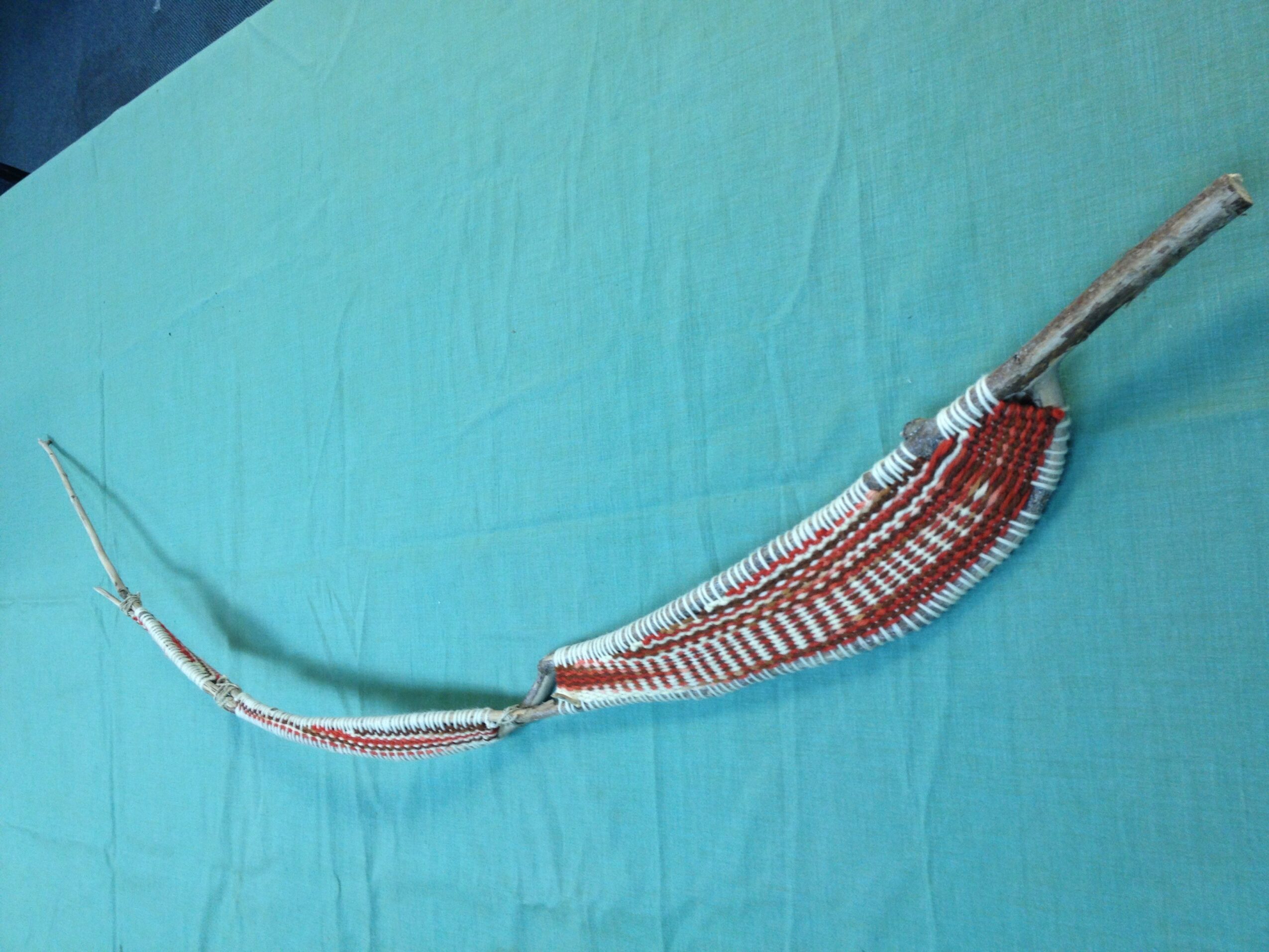
I am also known for recycling and upcycling materials into art. I use sticks I have found as frames for weavings, I enjoy looking for faces or eyes in the wood. I recycle crayons into fun new shapes, a practice that began when I was an elementary art teacher. I had a steady supply of broken crayons and plenty of students eager to sort and peel them. The class in each grade that demonstrated the best behavior throughout the semester earned a crayon-making party.
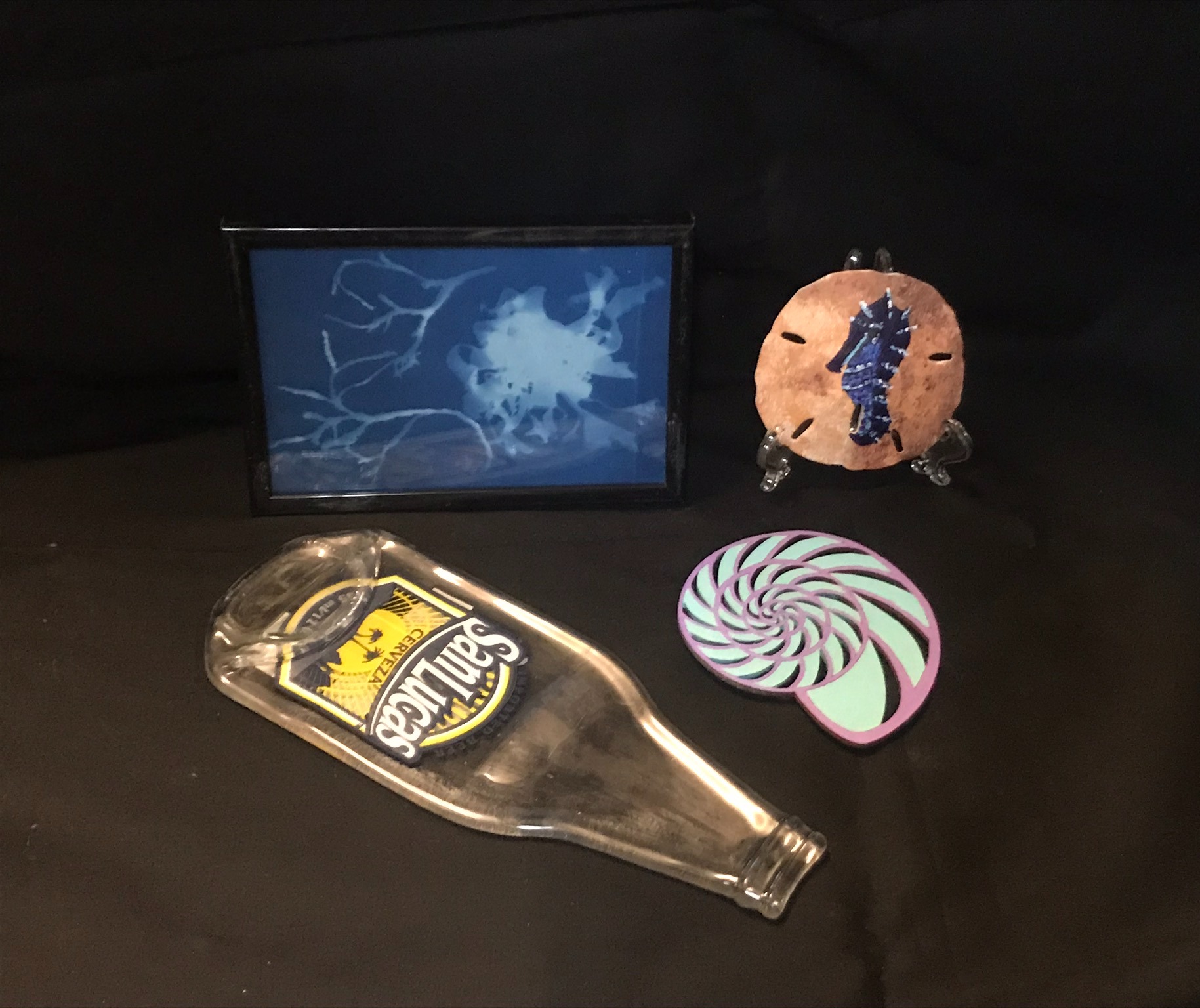
I also began slumping bottles into spoon rests more than twenty years ago, as soon as I could get my hands on a kiln. I have a favorite joke for people who ask how I make the bottles flat: “I put them in a book and squeeze REAL hard… and then I put them in the kiln.” The number of older men who believe me is about equal to the number who think my crayons are candy and try to eat one.
We’d love to hear about how you think about risk taking?
Risks are assessed anytime I consider making a new piece. Can I afford to make it in the first place? Can I afford to sell it for a smaller profit? Whenever I purchase new tools or equipment, I have to consider how many uses it will have or how many uses I will get out of one of them.
Artists take a risk every time they attempt to show their work. Between application fees, display costs, matting, framing, and taking quality photographs of finished pieces, there is a great deal involved in the process. From the initial idea to a sold artwork, there are many steps, expenses, and risks along the way.
Contact Info:
- Website: https://www.jactrastudios.com
- Instagram: jactra101
- Facebook: https://www.facebook.com/JactraStudios
- Youtube: @jactrastudios9873