


Today we’d like to introduce you to Aaron Stubbs.
Aaron, we appreciate you taking the time to share your story with us today. Where does your story begin?
I’ve never been especially afraid of a big pivot, and I’ve always been pretty honest with myself when something isn’t working. Looking back, it seems I was just collecting the ingredients for this life long before I knew the recipe.
I started in psychology because I’ve always been curious about people, and I’ve always loved being outdoors and working with my hands. After a serious ATV accident in 2007, I thought hard about the kind of work I wanted to do and the kind of life I wanted to build. That led me to law school, where I focused on environmental law and civil rights, but after graduating I realized that path wasn’t really mine.
From there I moved into restaurants and spent nearly a decade working in Chicago, Seattle, New York City, and finally Portland. I learned a lot about food, wine, hospitality, and how to keep a straight face in a dinner rush. Then the pandemic hit, I got laid off, and the universe, with its usual subtlety, basically said, “Time to figure it out.”
Portland had already shown me something I never forgot: chefs with real relationships to small farms, and a food culture that knew where its vegetables came from. I was working at Tusk when I got laid off, where Chef Sam Smith bridged that connection to local growers as part of his ethos, and it made farming feel less like a dream and more like a place I could actually belong. In part, I credit Sam to opening my eyes to the difference that a real human connection to the ingredients in a dish can bring to a table when the community supports small farms. You might not be able to see the difference on your plate, but you sure can taste the difference, and the joy and love it brings to the community is truly invaluable.
Around that same time, I stumbled onto J.M. Fortier’s The Market Gardener and Rogue Farm Corps, and that was the spark. It felt like one of those moments when the door doesn’t just open — it swings wide and practically drags you through it.
I applied for an internship through Rogue Farm Corps at Quackenbush Farm, just outside Portland. The program is structured in a way that really sets it apart: interns live on the farm for a full season (April through October), working every day while also learning through multiple avenues. We had written materials, farm visits to see how other operations worked, and online Zoom courses with interns from all over Oregon, all alongside the daily grind of real farm labor.
Matt and Jennifer at Quackenbush called me in for an interview and gave me a tour. They had goats, chickens, greenhouses, an amazing view of Mt. Hood, and the kind of genuine happiness that made me think, “Well, this is what I’ve been looking for.” When I left, they said they had a few other applicants and would get back to me. The next week I found out Jennifer was still checking my references, and I started to get excited that this might actually happen. A few days later, I got the offer and immediately accepted.
Being fully immersed in the farm while living there, combined with the structure of Rogue Farm Corps, meant I was like a sponge. I asked every question I could think of. I learned pretty quickly that farming isn’t just a job; it’s a lifestyle. A farmer lives in harmony with the sun and the weather. I was running the farmers market stand on weekends and planting, seeding, pruning, and harvesting all week. I was hooked hard.
Halfway through that season, I knew I wanted my own farm. Not someday. Next season. In August, I found a lease opportunity in Redmond through a small-farm Facebook group. The place already had irrigation, wash/pack space, greenhouses, and a germination chamber. My partner at the time, Lauren Rasmussen, was equally game. She was working at Columbia Sportswear in their photo studio as their Producer, and farming had always been her dream long before I picked up that copy of J.M. Fortier’s seminal book.
When I told her about the opportunity, she said yes pretty much without hesitation. We drove out to see it. We had never been to Bend or Redmond, and the high desert looked like another planet to us at first. We arrived in the dark and set up camp doing our best to find level ground but ultimately had lava rocks poking our backs throughout the freezing cold August night. We woke up and made coffee with the jet-boil and started our tour – to our pleasure we found that there were indeed vegetables growing from the soil and we both basically said, “All right, vegetables can grow here, let’s do it.”
We made our next trip up in early October to prep the furthest beds of garden for what would be our first crop in the ground – Garlic.We spent the winter in a small cabin on Mt. Hood, planning what became Fibonacci Farm. This is where Lauren’s skills truly changed the course of everything. While I was busy registering us with the Secretary of State and drafting our LLC documents, drafting crop plans and obsessing over seed spacing, Lauren built our website and Instagram from the cabin, posted the first photos, and by the time spring rolled around, we had sold 8 CSA shares to people who didn’t know us yet but liked our story and trusted us anyway.
That first year was a leap of faith with some seed packets and a dream attached. The next year, we had 20 CSA members. Then 40. Then 60. By last year, we’d grown to 235 members through a collaborative CSA with Boundless Farmstead, a beautiful farm just 20 minutes away. None of this would have been possible without Lauren. Her instinct for storytelling, her marketing magic, and her belief in what we were building lifted me and this farm in ways I didn’t even realize at the time. Our skills together — hers in community-building and craft, mine in the soil and systems — are what made Fibonacci Farm what it is today.
I’m also incredibly grateful to be farming in Central Oregon, where there are so many great farms doing really thoughtful work. Every farm here has its own flavor, its own niche, its own way of feeding this place, and I think that diversity is part of what makes the region so special. I’m proud to be part of that community.
This year feels different, though. It’s the first season I’m running Fibonacci Farm on my own after an amicable split with Lauren. We’re still close, still supportive, and I still consider this our story even if I’m the one standing in the field now. This year I have 135 CSA members, I am grateful and happy that we’re still able to collaborate with Boundless Farmstead and will be procuring some of the items for our CSA offerings that don’t work at our scale of production in relation to our scale of CSA needs. I’ll also be doing the Saturday farmers market at Northwest Crossing in Bend, I’ve hired a full-time employee, I’ve got part-time help, and nine folks signed up for a work-share where they trade four hours of harvest/weeding for a full CSA share’s worth of produce.
Additionally, seeing a need for more revenue and an opportunity to provide fresh local produce to our community in the winter, I developed a winter crop plan with the help of my friends Caleb and Ashley who own and operate Sungrounded Farm in Terrebonne, Oregon. It was a huge success and I was delivering 50-100 pounds of fresh produce to farms stands and local grocery stores in Bend from mid-November through February. This also gave me the opportunity to hire part time help throughout those months when many farms have chosen to break.
It took a few wild turns to get here, but every stop gave me something I still use today. Farming gave me a way to turn all those chapters into one life that finally feels honest, grounded, and my own. And I’ll always be grateful for Rogue Farm Corps, which gave me the structure, the community, and the confidence to make the leap.
Alright, so let’s dig a little deeper into the story – has it been an easy path overall and if not, what were the challenges you’ve had to overcome?
It has definitely not been a smooth road. Every move to a new city came with a learning curve, and working in food and wine taught me a lot about pace, pressure, and how easy it is to lose yourself if you don’t pay attention. I just celebrated five years alcohol-free, and that decision — along with starting the farm , and the support of those close to me— changed my life in a big way.
Farming in the high desert of Central Oregon is its own kind of comedy and chaos. Frost can show up when you least want it, heat and wind can show up when you really least want it, and the weather generally has a sense of humor that I do not always appreciate. Every season asks you to trust something bigger than yourself. I’ve learned to live with uncertainty, and honestly, that’s made me a better farmer.
One of the biggest challenges is building a farm on leased land. There’s always a little impermanence sitting in the background, and as a first-generation farmer I’ve had to build everything without inherited land or much of a financial cushion. But that has also made me incredibly intentional. I’m not just farming here — I’m trying to care for this land, improve it, and make it matter to the people around it.
There are hard days, sure. But there are also children picking up vegetables, neighbors walking to the farm, and a community that shows up for local food in a way that feels deeply hopeful. That’s the part that keeps me going. I know exactly why I’m doing this. And I know that none of this would have happened without the partnership Lauren and I built in that cabin, that first season, when we were just two people with a dream and a very small Instagram account.
Thanks – so what else should our readers know about Fibonacci Farm?
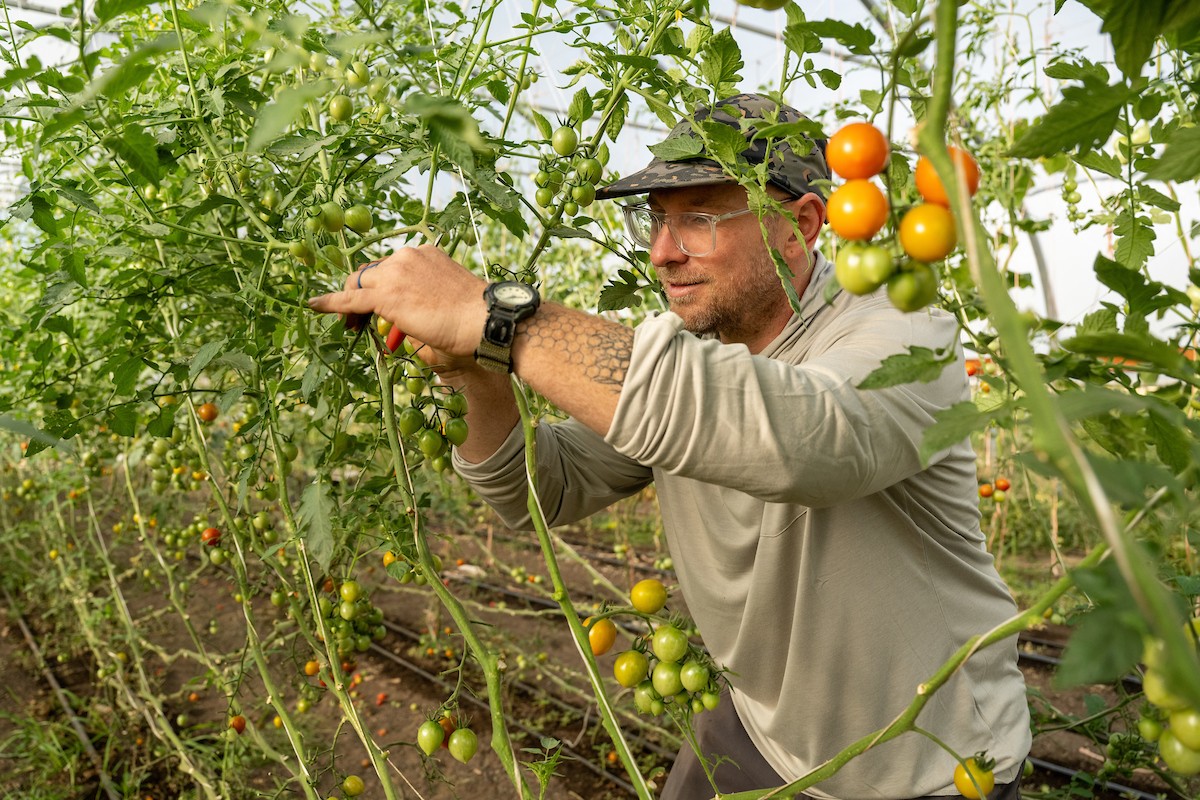
Fibonacci Farm grows a diverse selection of vegetables, fruits, and flowers using organic principles that build soil health and leave the land better than we found it. We’ve scaled to about an acre of intensive production with six greenhouses, sandy loam soil, and a growing CSA and market program.
What sets us apart is partly what we grow and partly how we fit into the community. We’re in NE Bend, in a place where farms and development sit right next to each other, and I think that makes access to local food especially meaningful. There are so many great farms in Central Oregon, and each one has carved out its own niche. I’m proud to be part of that landscape. CSA members can walk or bike to the farm to pick up their shares, and I love that the farm is part of people’s weekly rhythm instead of something remote or abstract. I hope that at least in some small way, I’m doing for my community what Sam Smith did for me; show me where food actually should come from and how good it can be.
Our CSA model is also a little different. Instead of a standard pre-packed box, we use a free-choice system through Farmhand, where members select what they want from the weekly availability list. That lets me harvest to order, reduce waste, and give people more control over what comes home in their box—or rather, their bag, basket, backpack or whatever vessel of joy they’ve brought that week.
On pickup day, the garage turns into a mini private farmer’s market with a 7 hour self-serve pickup window, and it’s one of my favorite scenes of the whole week. Kids get to choose vegetables, parents get to help them practice reading from their list and identify different veggies, and the whole thing feels a little bit more like food should feel: practical, lively, and human. And the positive feedback that I receive from members as they pick up their produce keeps me going strong during the +100℉ days of July and August.
This year I’m also expanding our CSA to include an add-on program with local producers offering eggs, meat, bread, berries, mushrooms, coffee, honey, and more. I love the idea that people can get much of what they need in one place while supporting a whole network of small producers at the same time. That, to me, is the real magic: one farm, one mission, many beneficiaries, and a stronger community because of it.
This is the first year I’m doing it all on my own, and it feels both terrifying and exhilarating. But the foundation Lauren and I built — the trust, the habits, the community, the story we told together from that cabin — is still here. And that foundation is what’s carrying us into this next chapter.
Any advice for finding a mentor or networking in general?
Rogue Farm Corps (now Oregon Farm Corps) was exactly what I needed. I’m still in contact with my mentors Matt and Jennifer from Quackenbush Farm on the regular. The Small Farms Conference at OSU in Corvallis is a really great networking opportunity as well. Farmers love Farmers, so I feel lucky to be thriving in a field that is always supportive of each other.
Contact Info:
- Website: https://www.fibonaccifarm.org/
- Instagram: https://www.instagram.com/fibonacci_farm/
- Facebook: https://www.facebook.com/FibonacciFarm
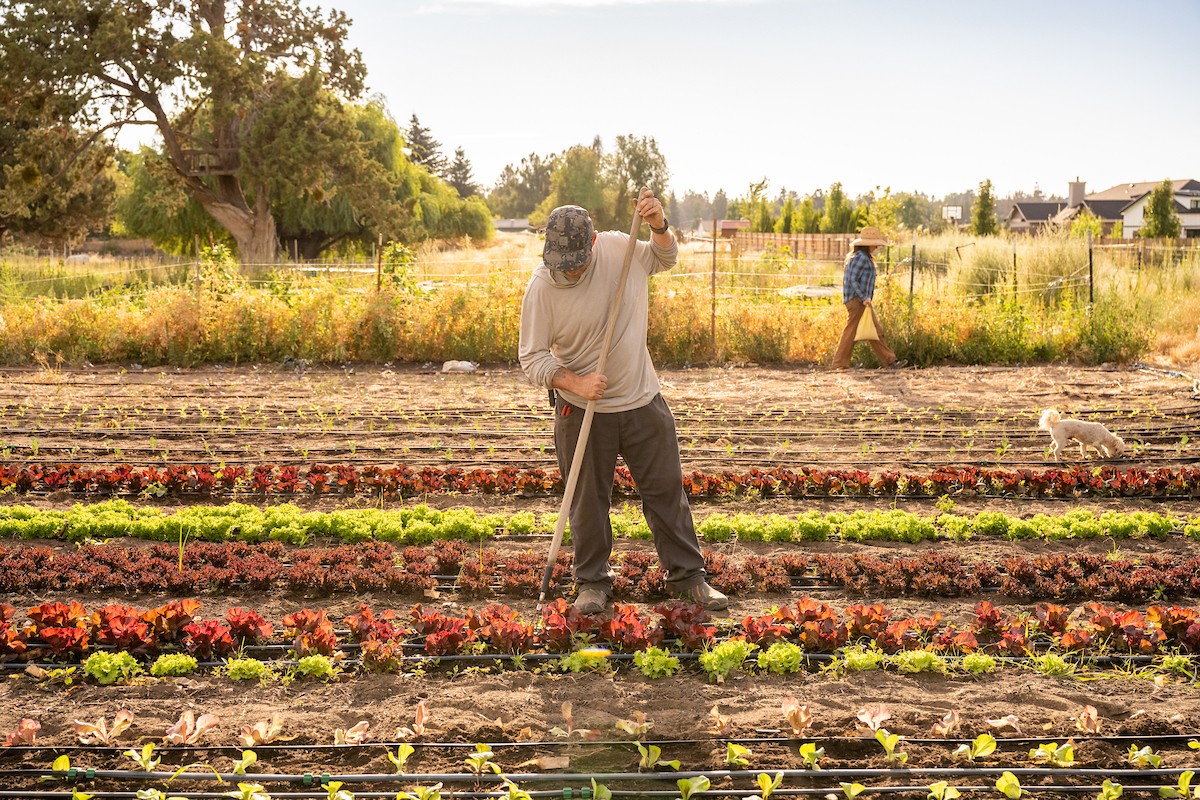
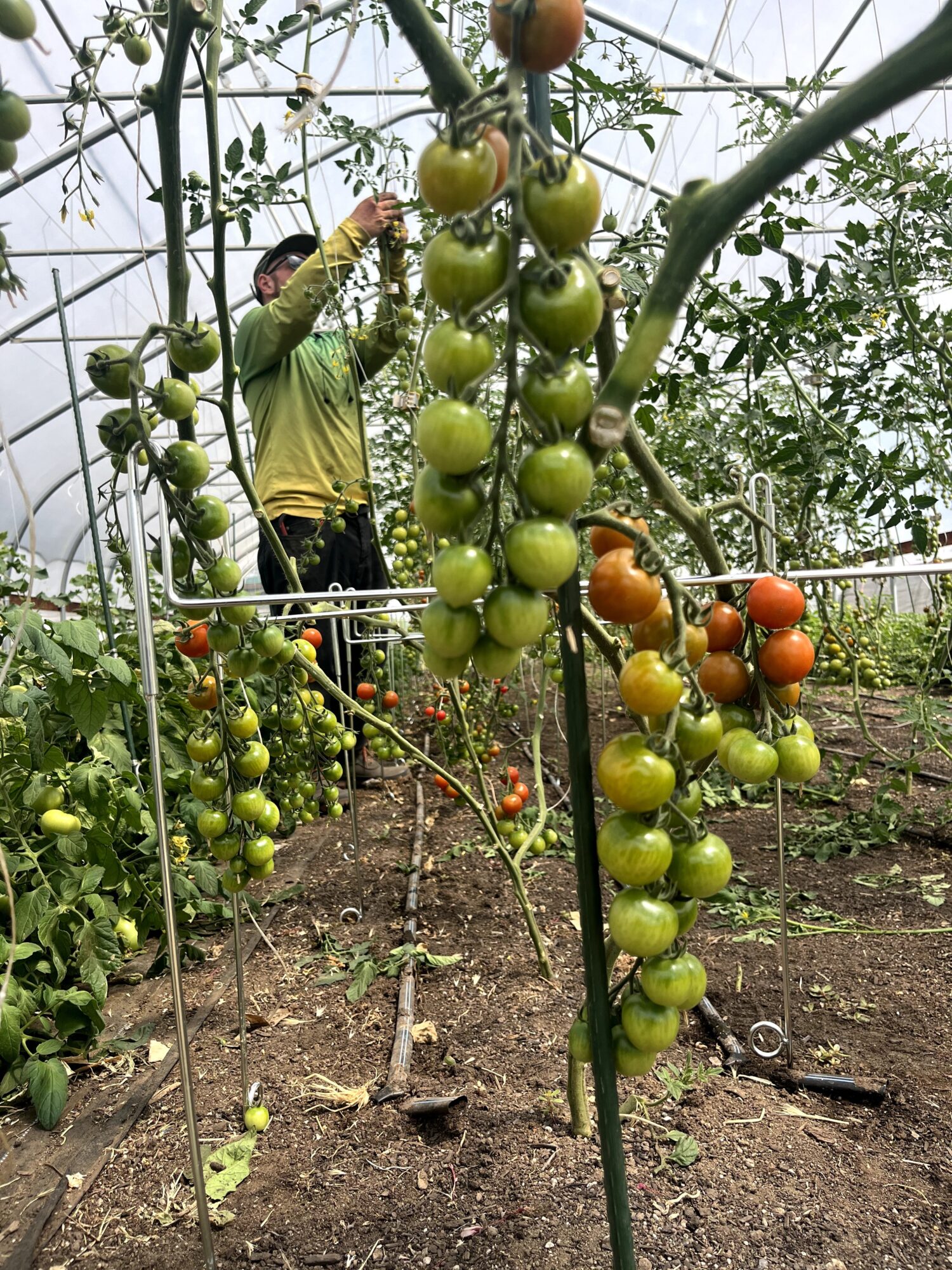
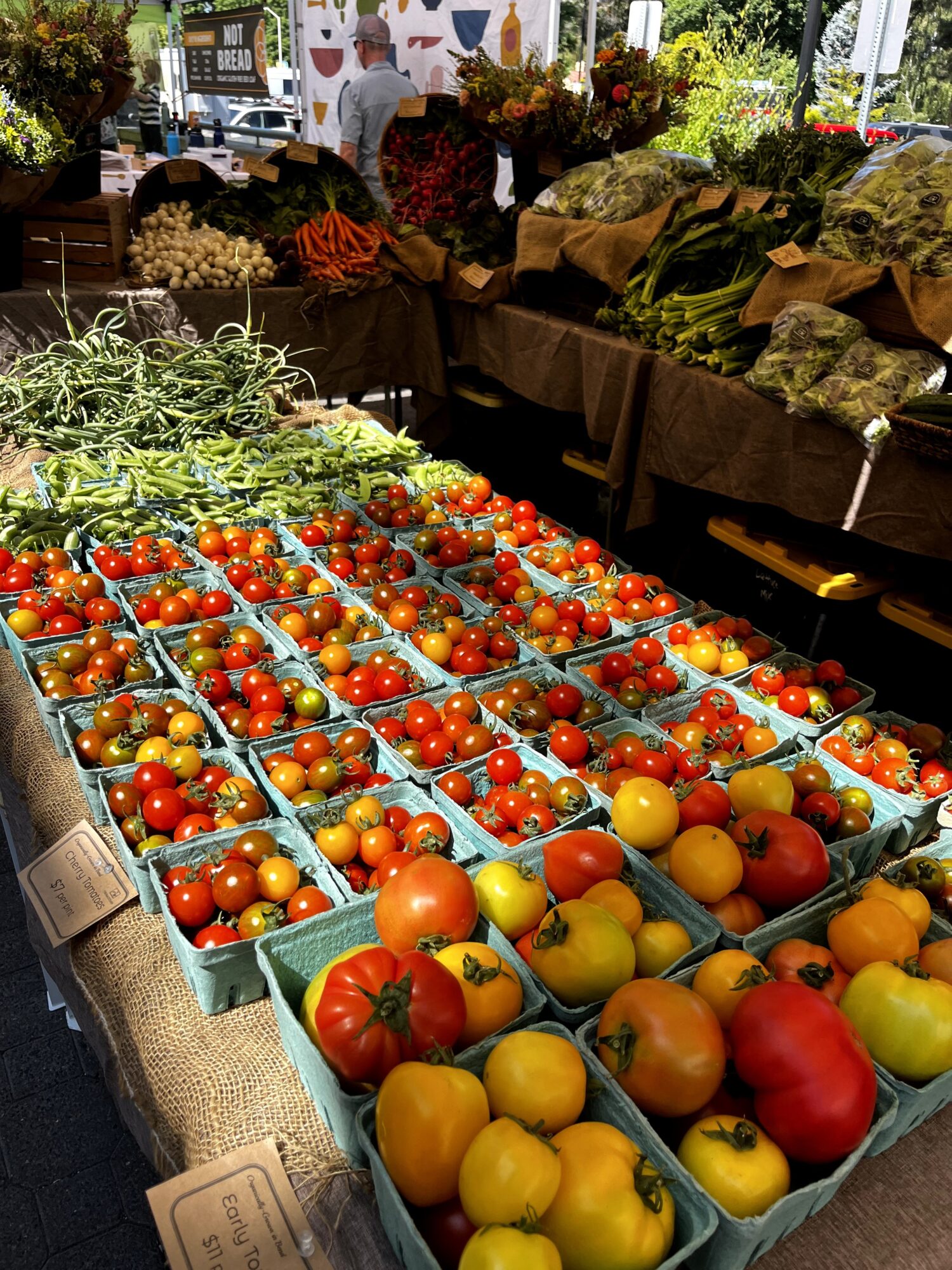
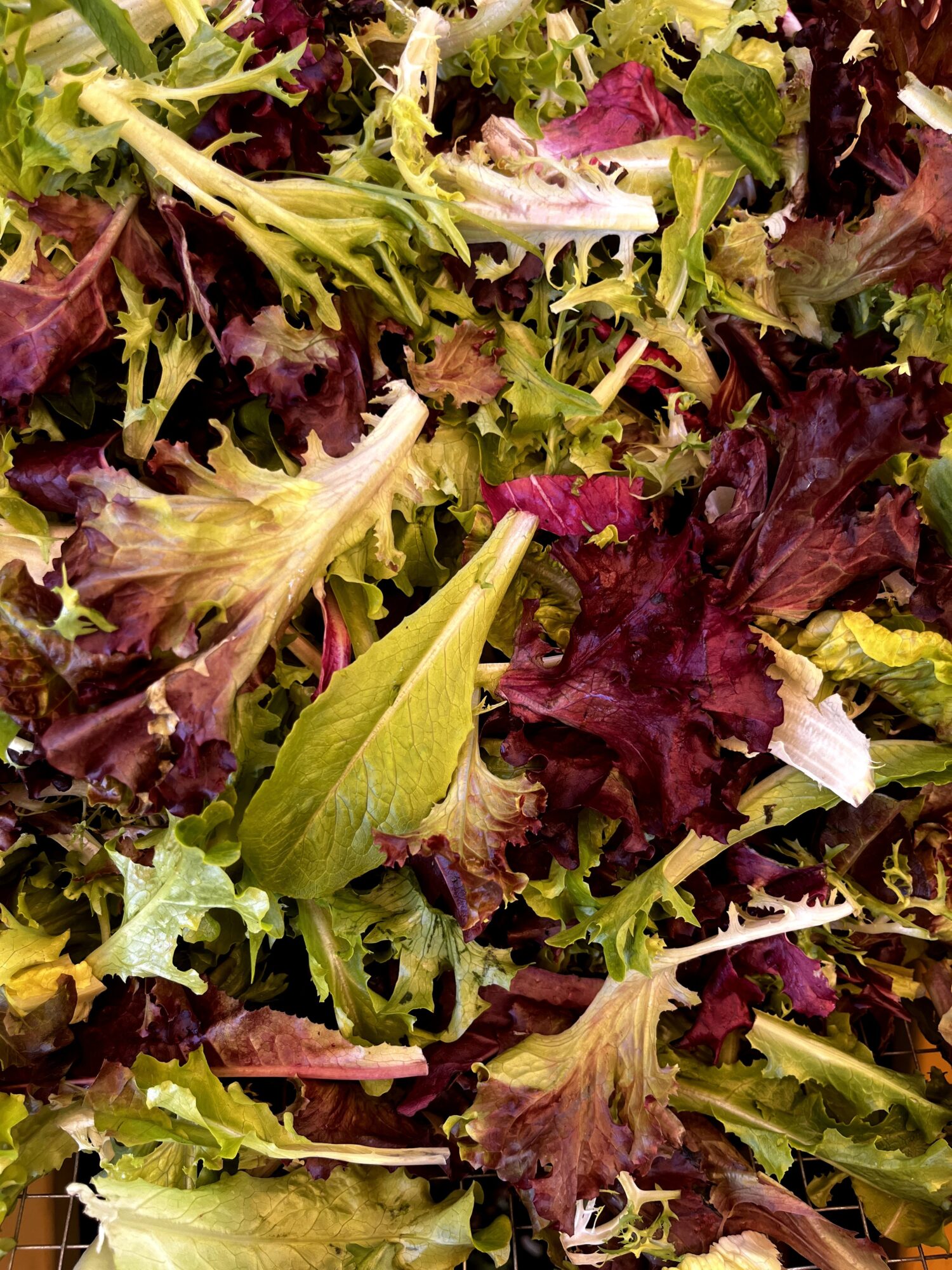
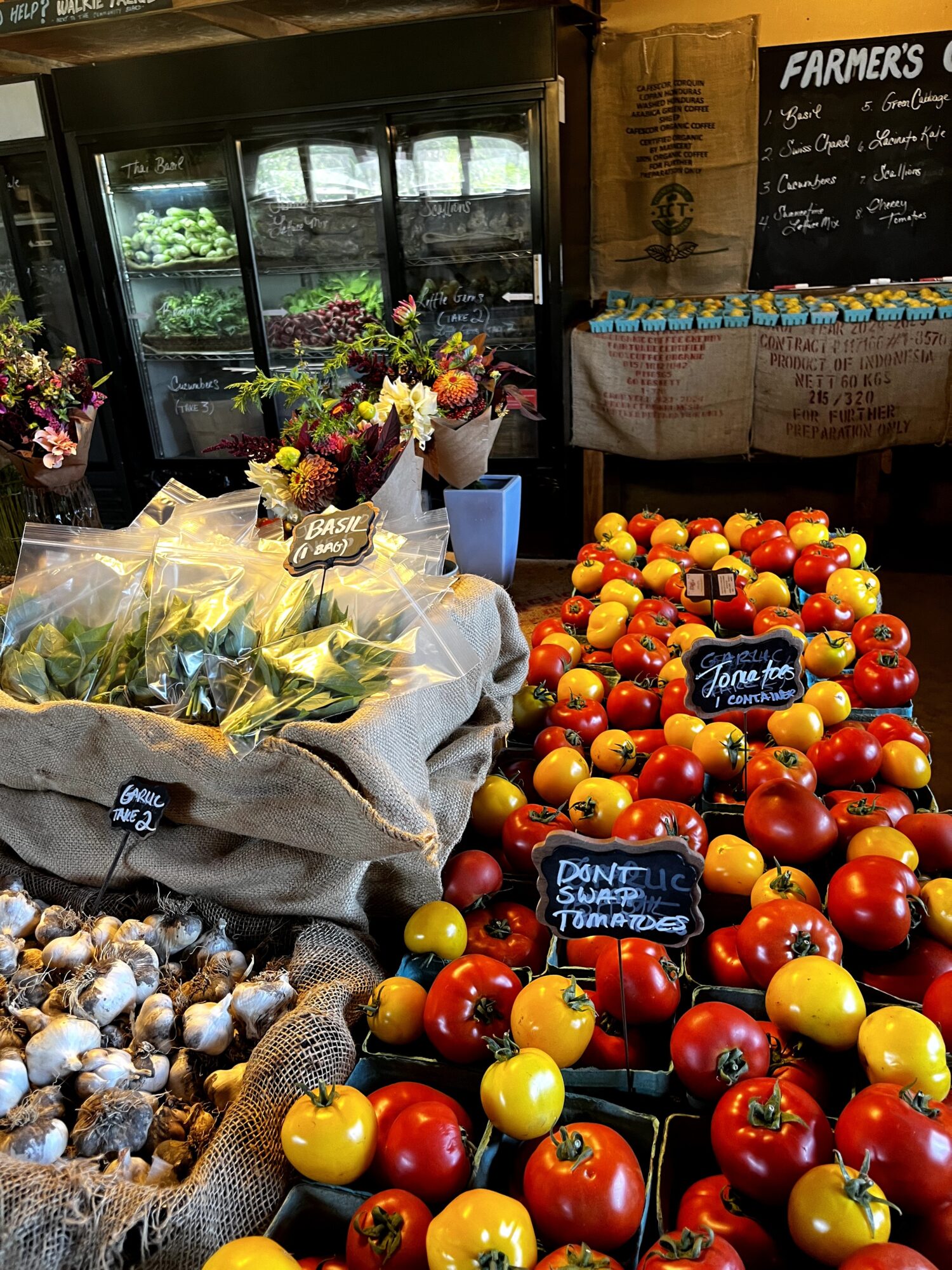
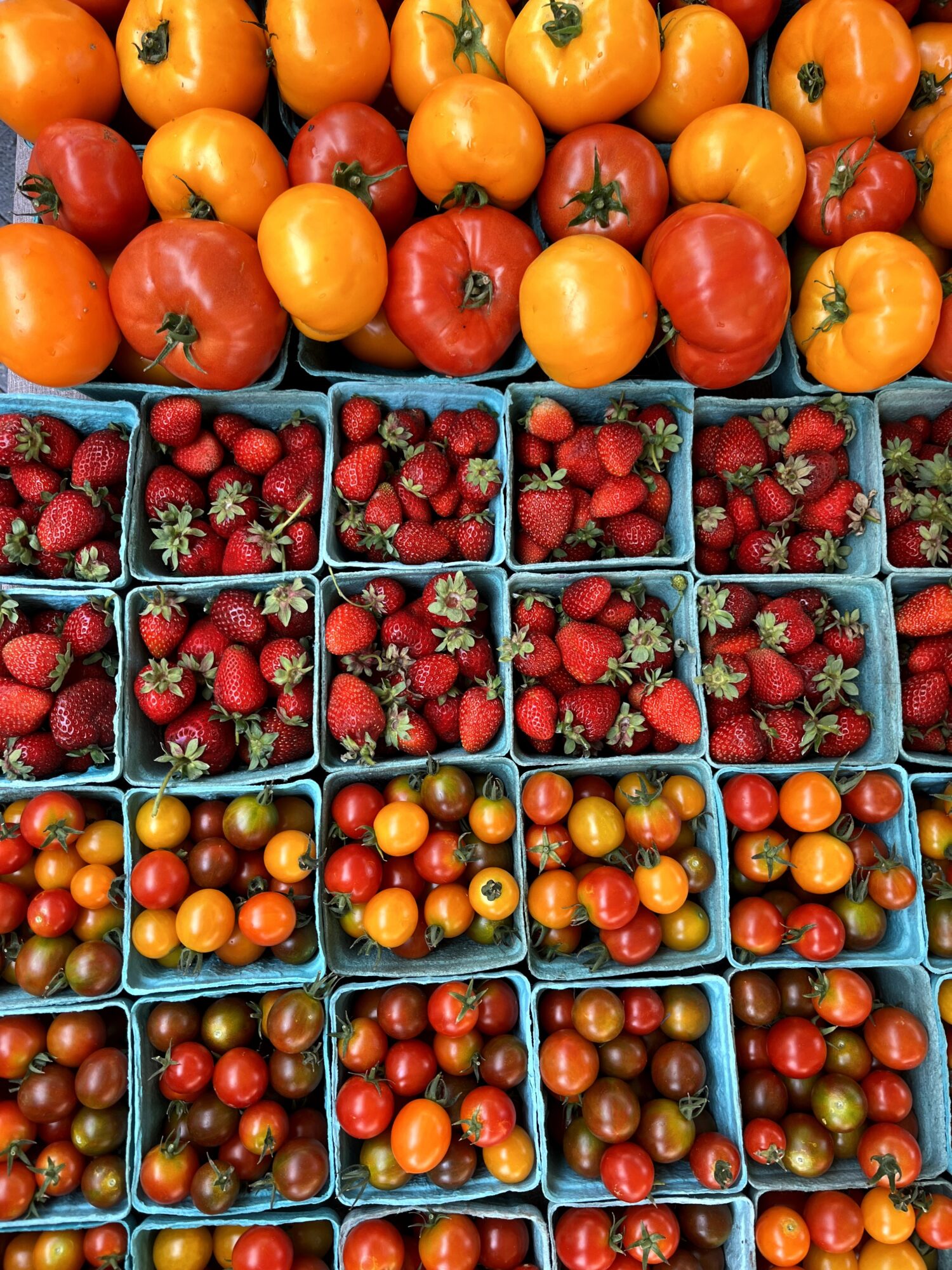
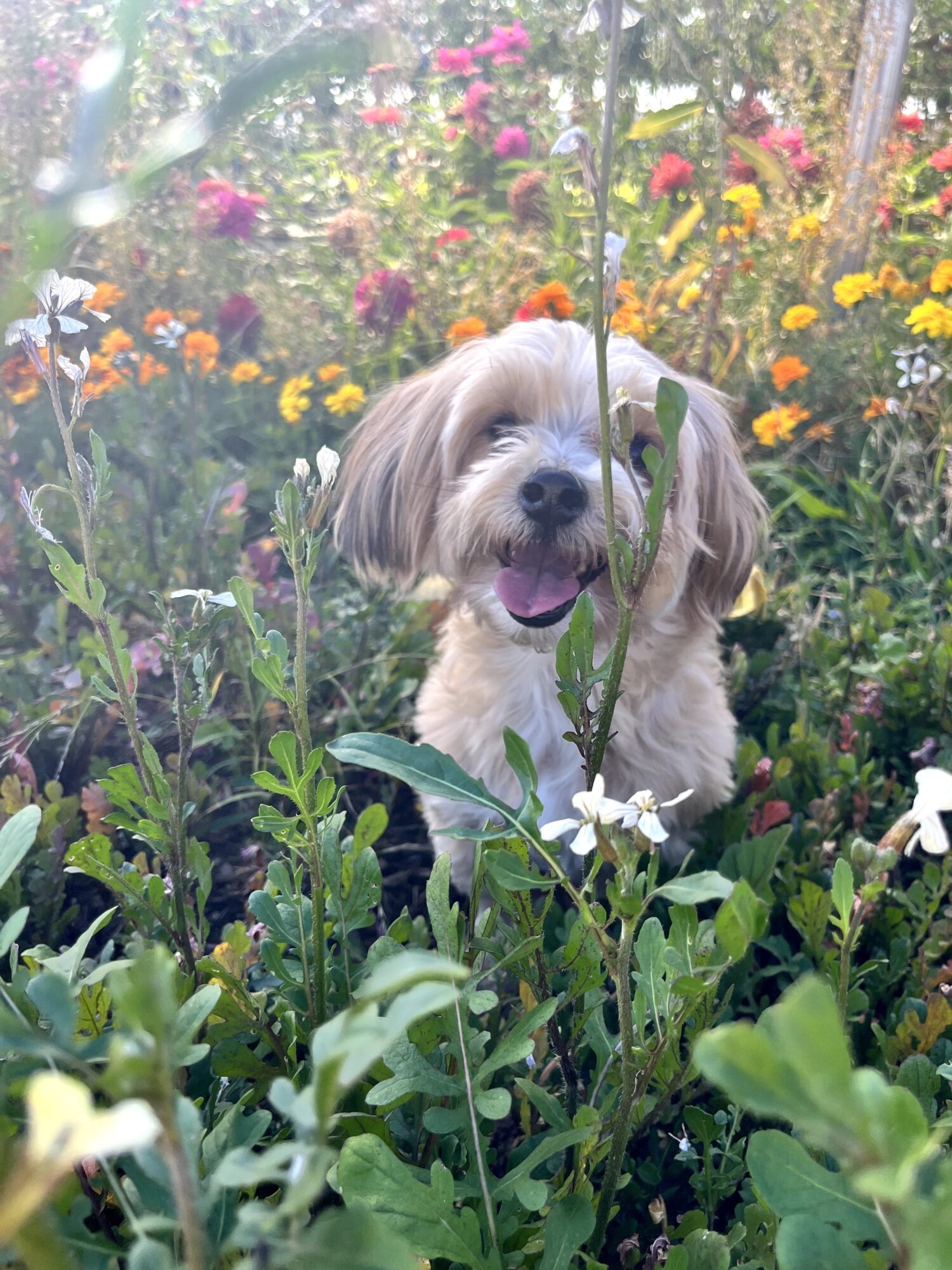
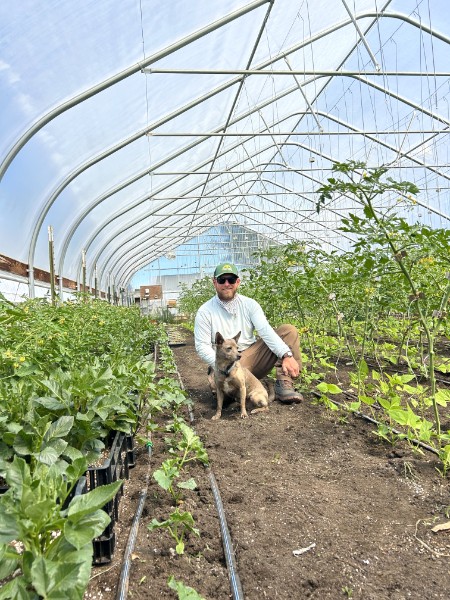
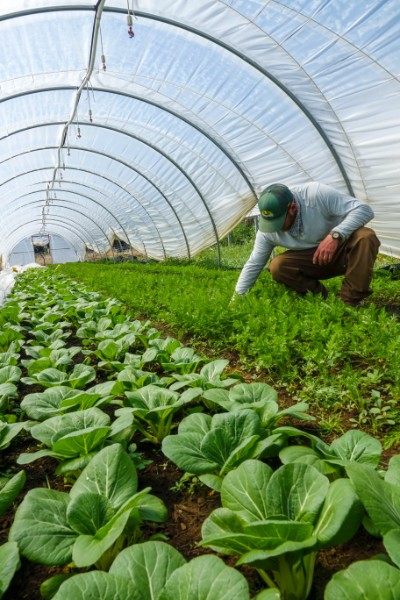
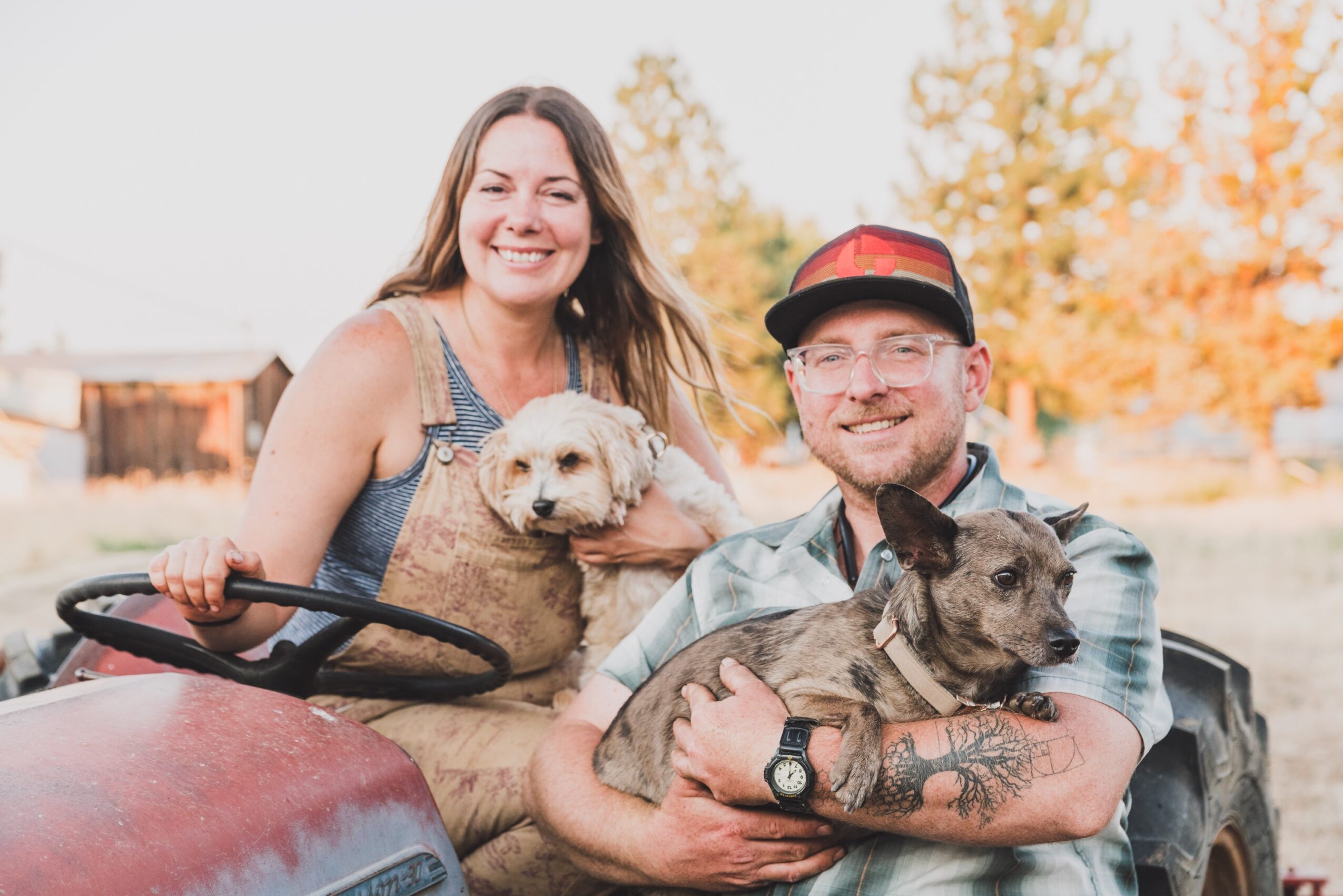
Image Credits
Lauren Rasmussen
Amanda Long – IG @hello.friends.amanda.here
Alexis Willick – IG @alexiskristen.w
Shawn Linehan – IG @ShawnLinehan