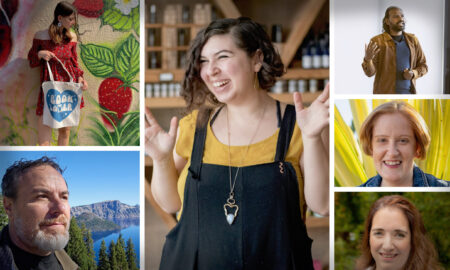



Today we’d like to introduce you to Alisha Smith.
Hi Alisha, we’re thrilled to have a chance to learn your story today. So, before we get into specifics, maybe you can briefly walk us through how you got to where you are today?
My journey with Recovery Outreach Community Center (ROCC) began in 2020, during one of the lowest points of my life. I had just gotten out of a toxic relationship, my son and I had lost almost everything, our home, our belongings, even our dogs, and I found myself homeless, overwhelmed, and honestly questioning whether I had the strength to keep going.
I remember sitting at the Crisis Center with my son and realizing that as much as I was hurting, he needed me to fight for both of us. Even if I didn’t fully love myself yet, I loved him enough to start getting my shit together. That moment became a turning point for me.
Because of our situation, I had to make the incredibly painful decision to temporarily place my son in foster care while I worked on getting stable housing. It was heartbreaking, but I knew he needed to be safe while I rebuilt our lives. Then COVID hit, everything shut down, and the uncertainty felt almost impossible. But I started learning about every resource I could find because I was determined to bring my son home.
That’s how I found ROCC. At first, I came in looking for support and resources, but what I found was so much more than that. I found people who saw me, believed in me, and didn’t give up on me. ROCC became one of my lifelines. I started volunteering, partly to keep myself focused and partly because I finally felt like I had a place where I belonged.
With support from ROCC, Family Promise’s Fresh Start Program, and people who were willing to take a chance on me, I moved into my own apartment in December 2020. My son came home in January, and by March 2021, our case was officially closed. From there, I knew I wanted more than just surviving. I wanted to build something better for both of us.
Lorretta, my mentor and ROCC’s Activities Director, encouraged me to apply for a job at ROCC, and that opened the door to peer support work. With ROCC’s support, I completed my Peer Support Specialist training, got my driver’s license for the first time, and started stepping into a life I honestly wasn’t sure I was capable of before.
It wasn’t perfect. I had setbacks. I struggled with self-sabotage and had moments where I almost destroyed what I had worked so hard to rebuild. But ROCC never fully gave up on me, and with support, accountability, and a lot of inner work, I got back on track.
Today, as the Executive Director of Recovery Outreach Community Center, I don’t see my past as something to be ashamed of. I see it as the foundation of why I do this work. I know what it feels like to be lost, scared, judged, and unsure if there is a way forward. I also know what it feels like when someone believes in you before you can believe in yourself.
That is why this work matters so much to me. My story is proof that people can rise, rebuild, and rewrite their future. ROCC helped me find hope and purpose again, and now I get to help create that same kind of space for others.
Alright, so let’s dig a little deeper into the story – has it been an easy path overall and if not, what were the challenges you’ve had to overcome?
No, it has not been a smooth road. There were seasons of my life where I was not gracefully walking through hardship. I was surviving minute by minute, trying to make the next right choice while everything around me felt like it was falling apart.
One of the biggest struggles was learning how to rebuild while still carrying so much shame, fear, and exhaustion. When I became homeless, I had to face the reality that my life had gotten to a place I never imagined it would. I was dealing with the aftermath of an unhealthy relationship, the loss of stability, and the painful realization that my son was being impacted by choices and circumstances he never asked for. That was a hard mirror to look into, but it also became the moment I knew something had to change.
Housing was one of the hardest barriers. It felt like every time I tried to move forward, another wall popped up. Applications were denied, old debt from my abusive relationship followed me, and the clock was ticking while I was trying to create a safe home for my son. Having to be separated from him during that time was one of the most painful things I have ever experienced, even though I knew I was doing what I had to do to keep him safe while I got stable.
I also had to fight battles inside myself. My mental health, agoraphobia, self-doubt, and self-sabotage did not just disappear because I found help. There were moments where I got overwhelmed by how fast everything changed. Going from homeless to housed, becoming a full-time mom again, starting work, and trying to figure out who I was outside of survival mode was a lot. I stumbled. I made mistakes. I had to learn accountability in a very real way.
But I also learned that struggling does not mean failing. Sometimes healing looks messy before it starts to look strong. I had people in my corner who told me the truth, held me accountable, and still believed I was worth fighting for. That support helped me keep going when part of me wanted to run from everything I had worked so hard to rebuild.
Those obstacles are a huge part of why I do this work the way I do now. I know what it feels like to be scared, overwhelmed, judged, and unsure of how to take the next step. I also know how powerful it is when someone meets you with compassion instead of shame. My challenges did not break me the way I thought they would. They became part of the foundation I stand on today.
Appreciate you sharing that. What should we know about Recovery Outreach Community Center?
Got it. I would change that section so it is honest without making the whole answer feel heavy or deficit-focused. Here’s the revised version:
**About ROCC**
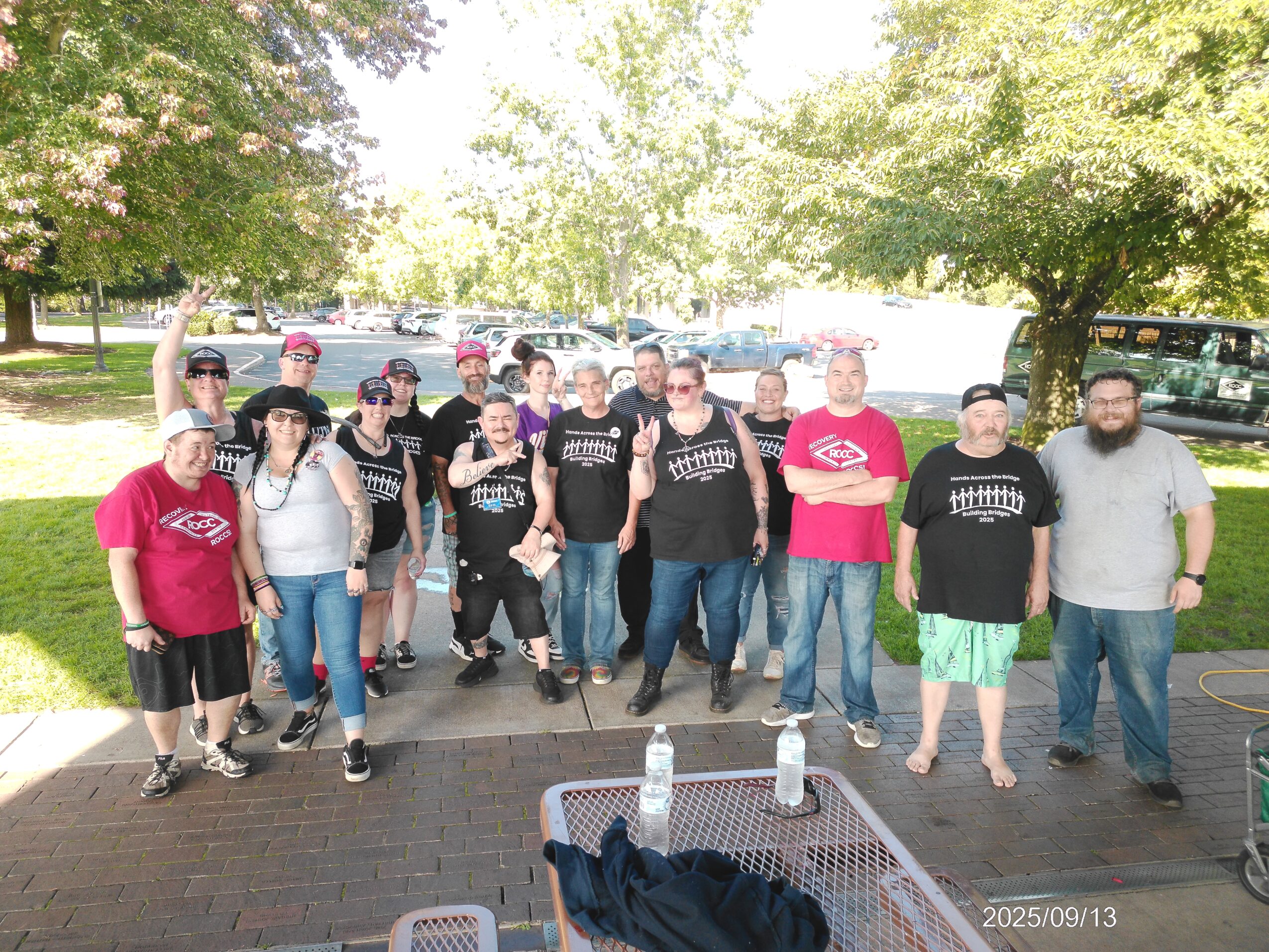
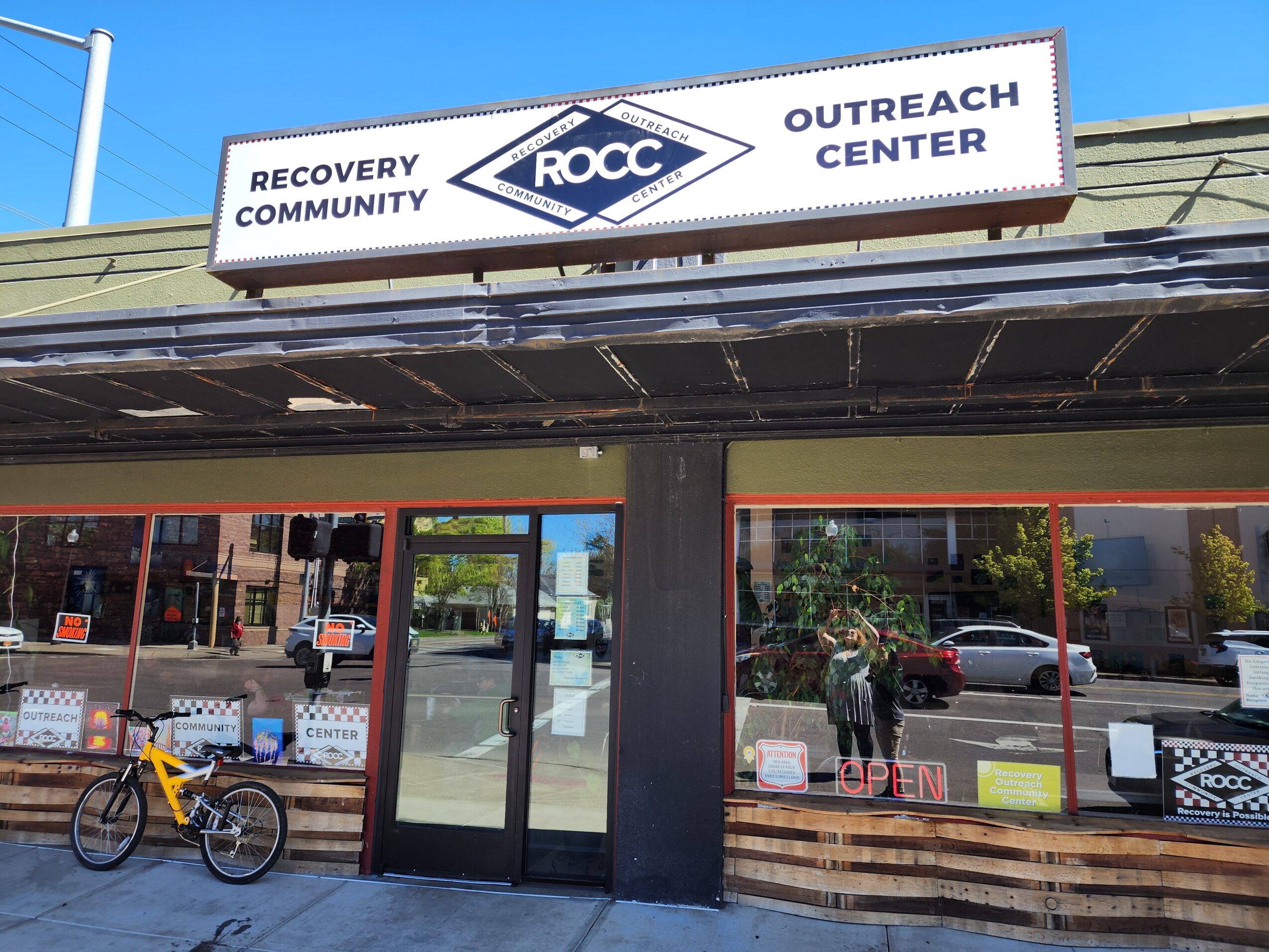
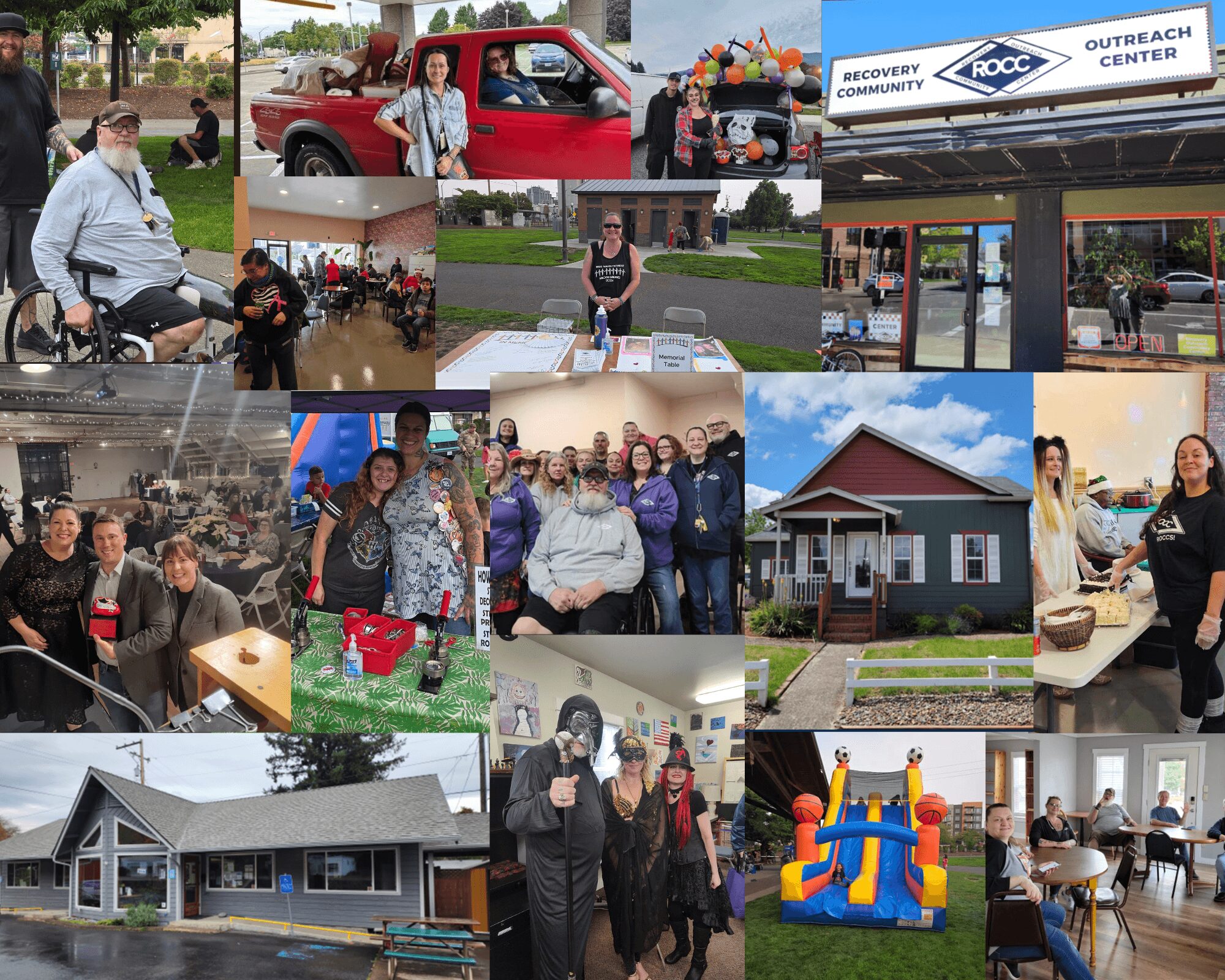
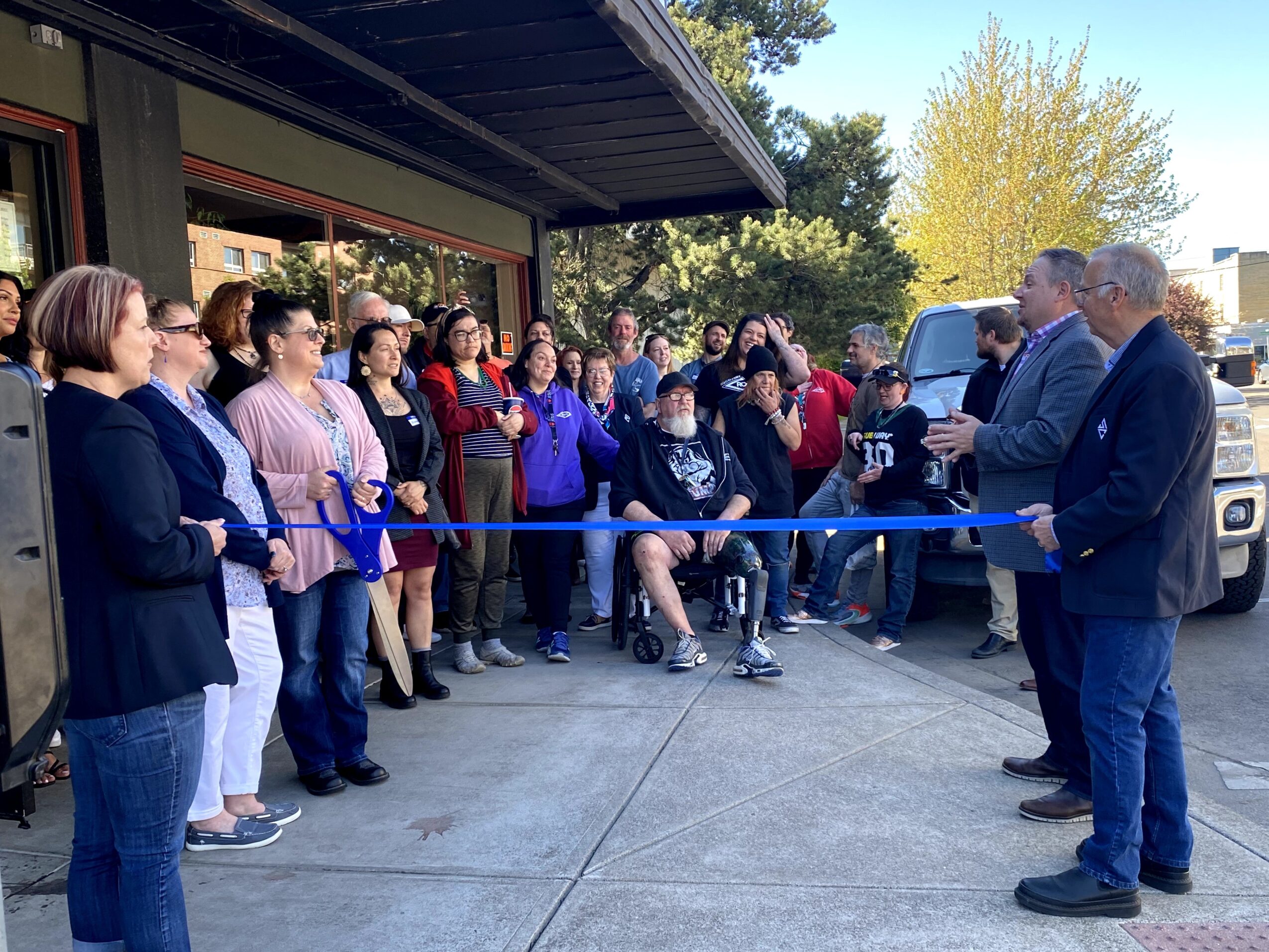
Recovery Outreach Community Center, or ROCC, is a peer-run, trauma-informed nonprofit that has been serving the community since 2007. At our core, we create safe spaces for all. That sounds simple, but it is powerful. It means people can walk through our doors exactly as they are and be met with compassion, understanding, and hope instead of judgment.
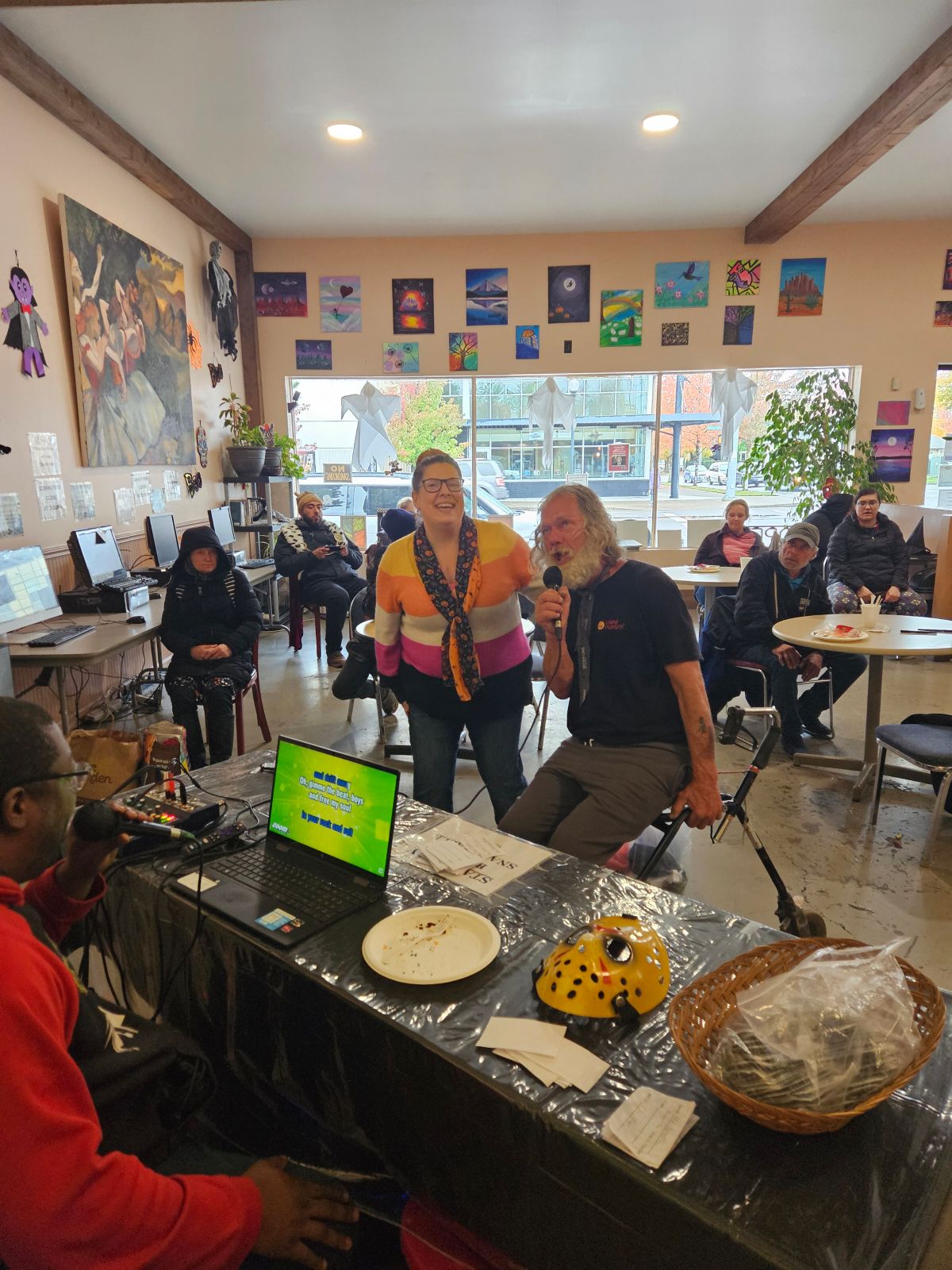
We specialize in peer support, connection, and community-based recovery. We believe everyone is recovering from something, whether that is addiction, mental health struggles, trauma, homelessness, grief, isolation, or just the heaviness life can hand us. Our centers offer support groups, activities, resources, and a place for people to belong. Sometimes what someone needs most is not someone trying to “fix” them, but someone willing to sit beside them, listen, and remind them they are not alone.
What sets ROCC apart is that our work is built on lived experience. Our Peer Support Specialists do not just understand recovery from a textbook. They understand it because they have walked through hard things themselves. That creates a different kind of trust. People can feel when support is real, and at ROCC, it is real.
Brand wise, I am most proud that ROCC feels like family. We are known for being a place where people can land when life feels uncertain or heavy. Due to funding cuts, we have had to reduce our centers to five days a week, which has been difficult because we know how much consistent access matters. Even with those challenges, our commitment has not changed. We continue to show up with compassion, creativity, and determination because the people we serve deserve that.
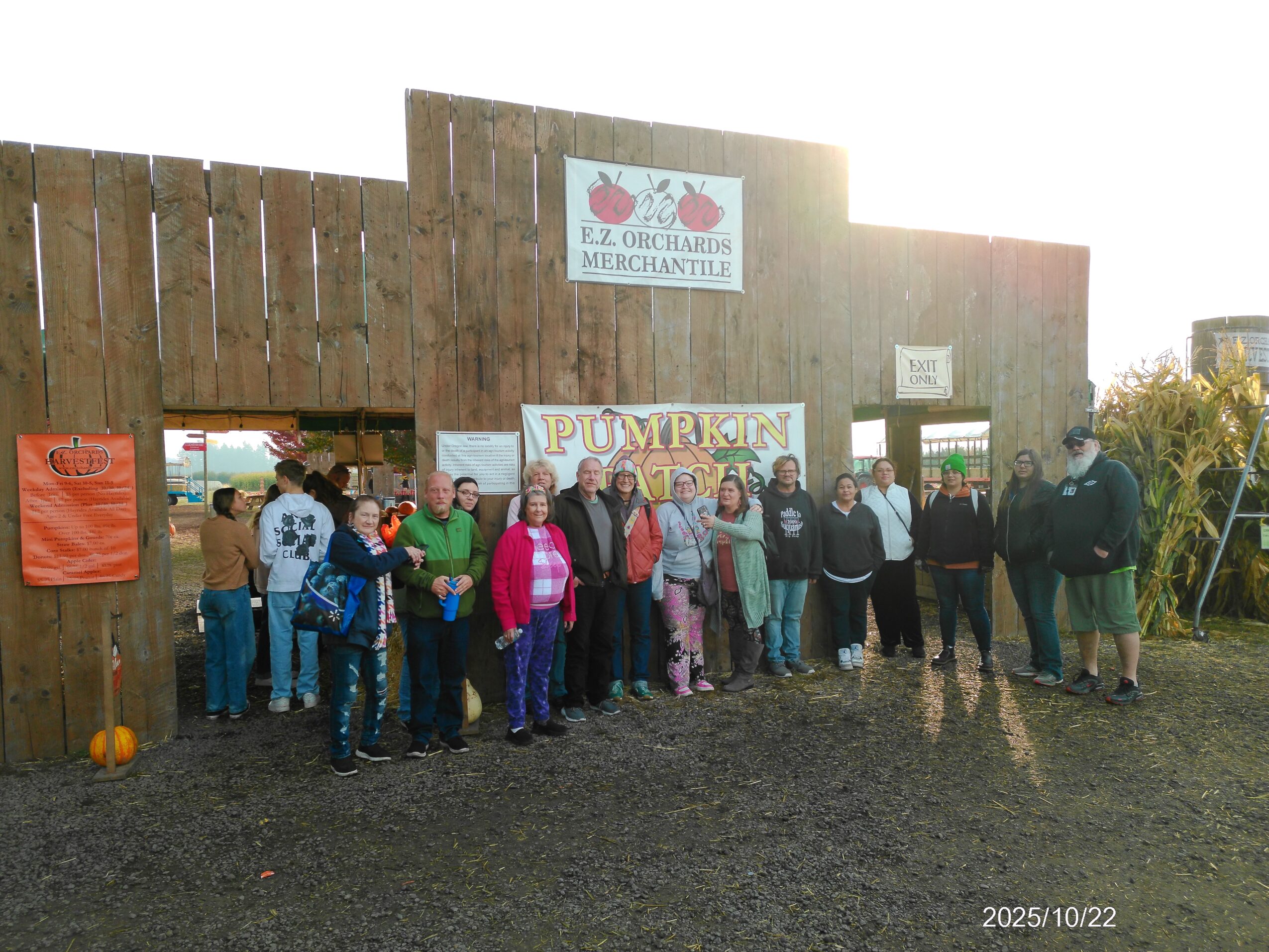
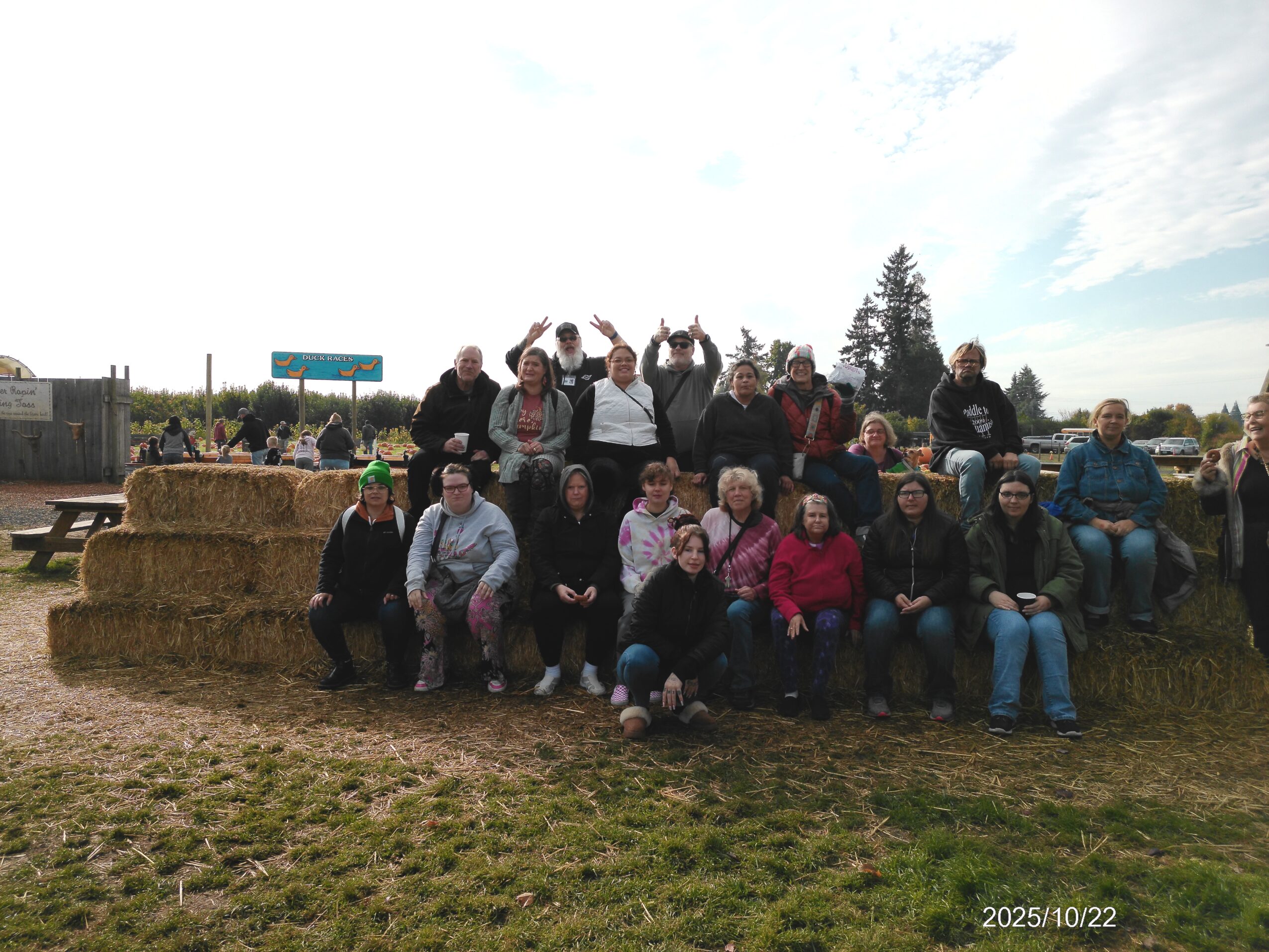
What I want people to know is that ROCC is more than a program or a building. It is a community. It is a place where people find connection instead of isolation, hope instead of shame, and support instead of judgment. I know firsthand that ROCC changes lives because it changed mine. Now I get to be part of helping create that same space for others, and that is something I am deeply proud of.
Is there anything else you’d like to share with our readers?
The biggest thing I would want readers to know is that recovery is not one-size-fits-all, and it is not always a straight line. People heal in different ways, at different speeds, and sometimes what changes a life is not a big dramatic moment. Sometimes it is having one safe place to go, one person who listens, one reminder that you still matter.
That is what ROCC is built on. We believe people are more than their worst day, their diagnosis, their addiction, their trauma, their housing status, or their past choices. We believe people deserve dignity, support, and community while they are figuring life out, not just after they have everything perfectly together.
I would also want people to know that places like ROCC need community support too. Funding cuts have forced us to reduce our days, and that is hard because we know how much access matters. But even when resources are limited, our heart for this work has not changed. We are still here, still showing up, and still doing everything we can to create spaces where people feel seen, supported, and less alone.
For me, this work is personal. I am not leading from a place of distance. I know what it feels like to need the kind of support ROCC offers, and I know what it can mean when someone believes in you before you are ready to believe in yourself. My hope is that readers walk away understanding that recovery is possible, people are worth investing in, and community can truly change the direction of someone’s life.
Pricing:
- Become a ROCC Sustainer for just $5 a month and help us continue creating safe spaces for recovery, connection, and support in our community.
Contact Info:
- Website: https://www.roccsalem.org/
- Facebook: https://www.facebook.com/ROCCSALEM/
- Youtube: https://www.youtube.com/@ROCCSalem