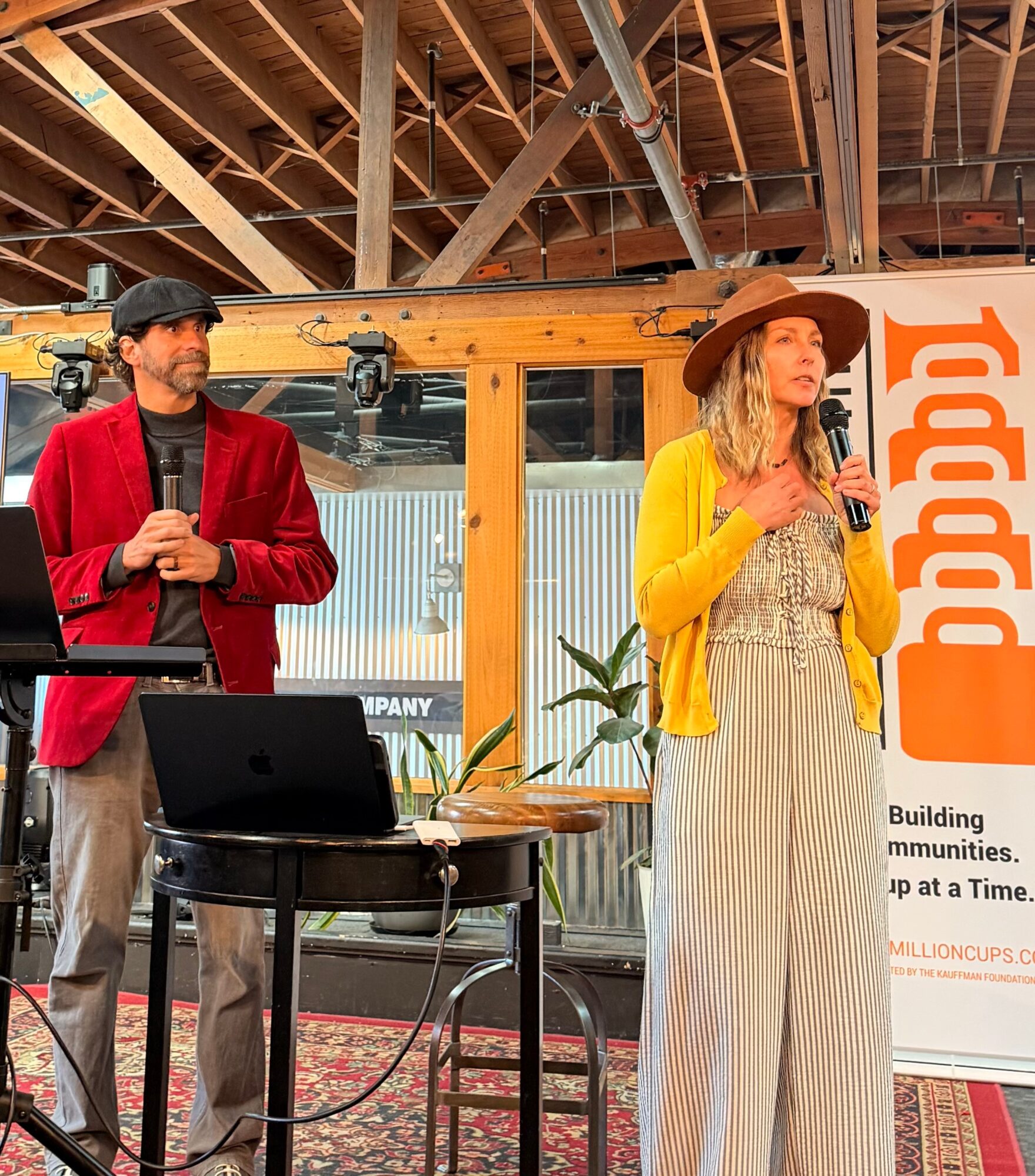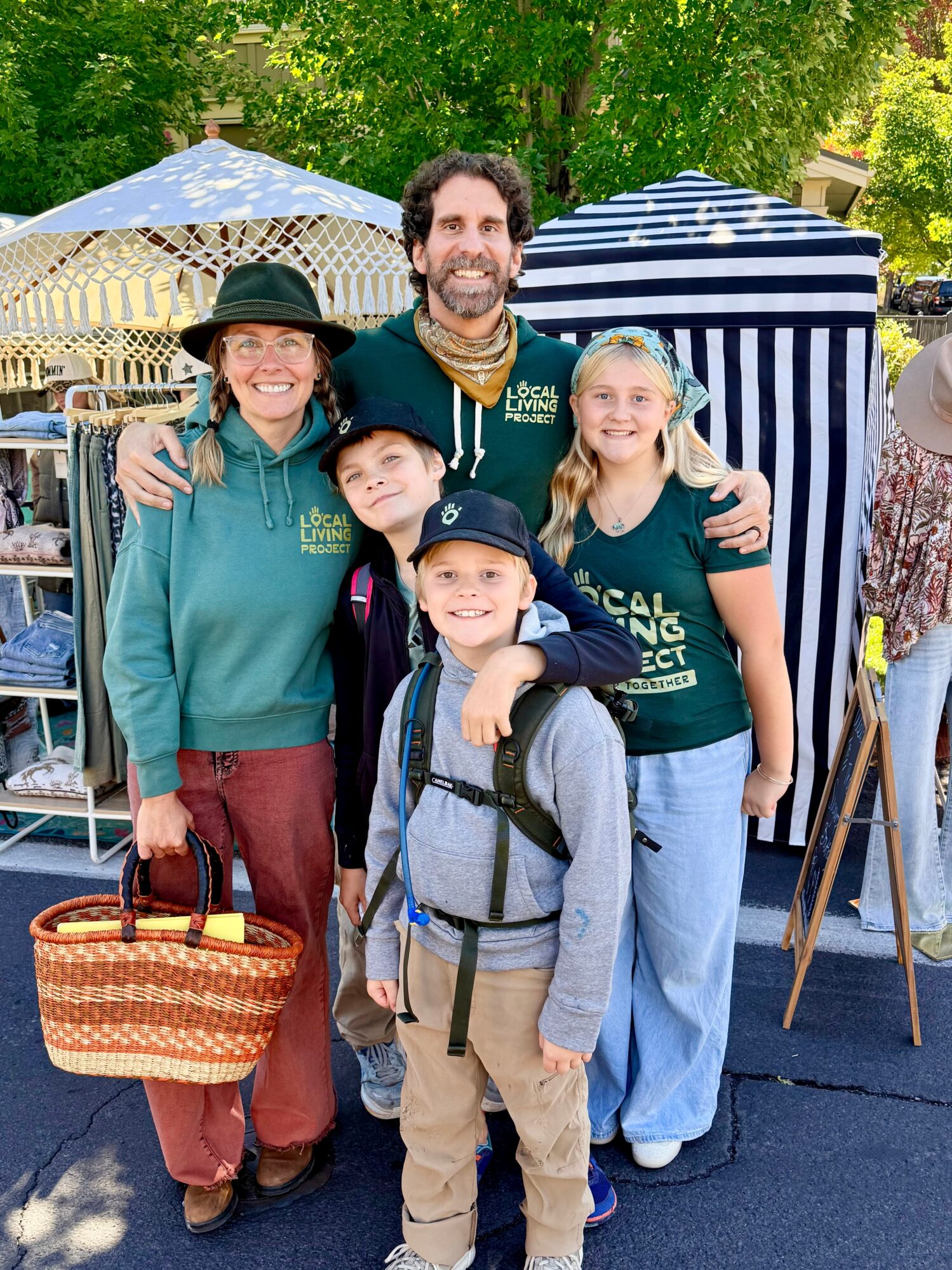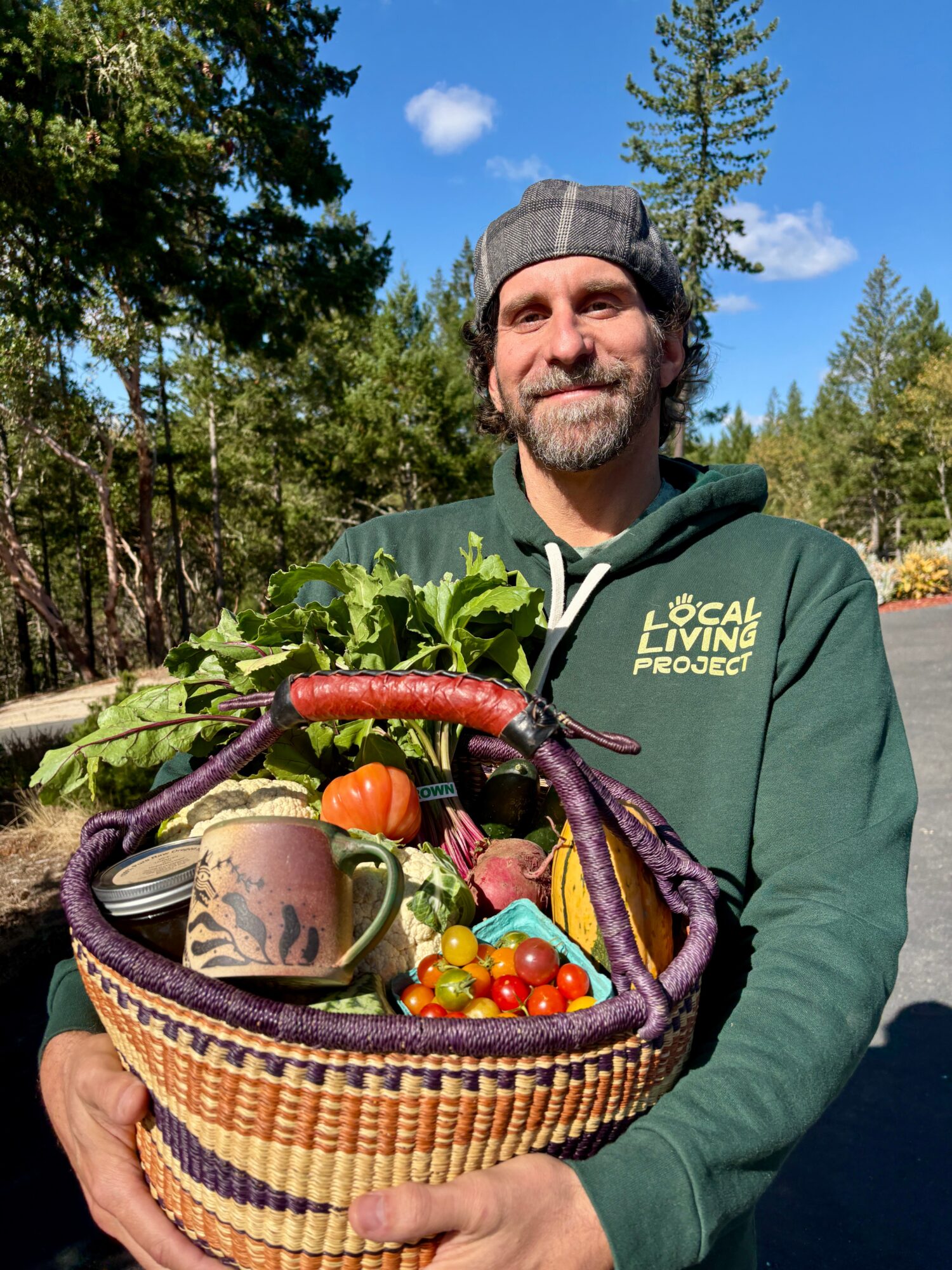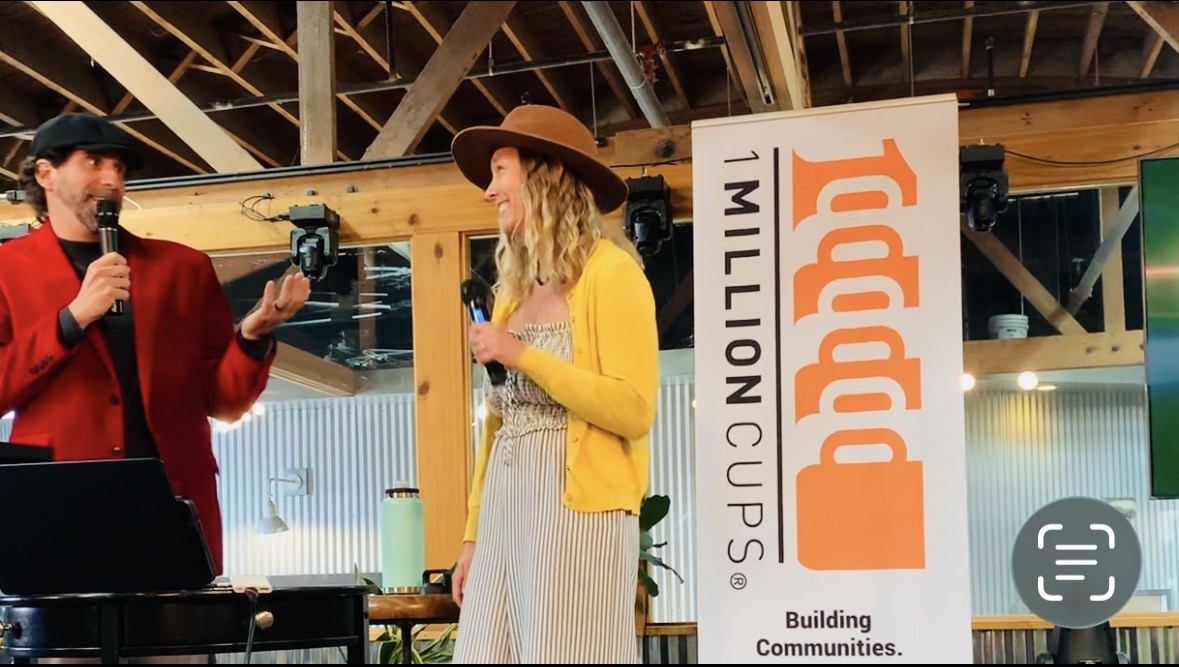



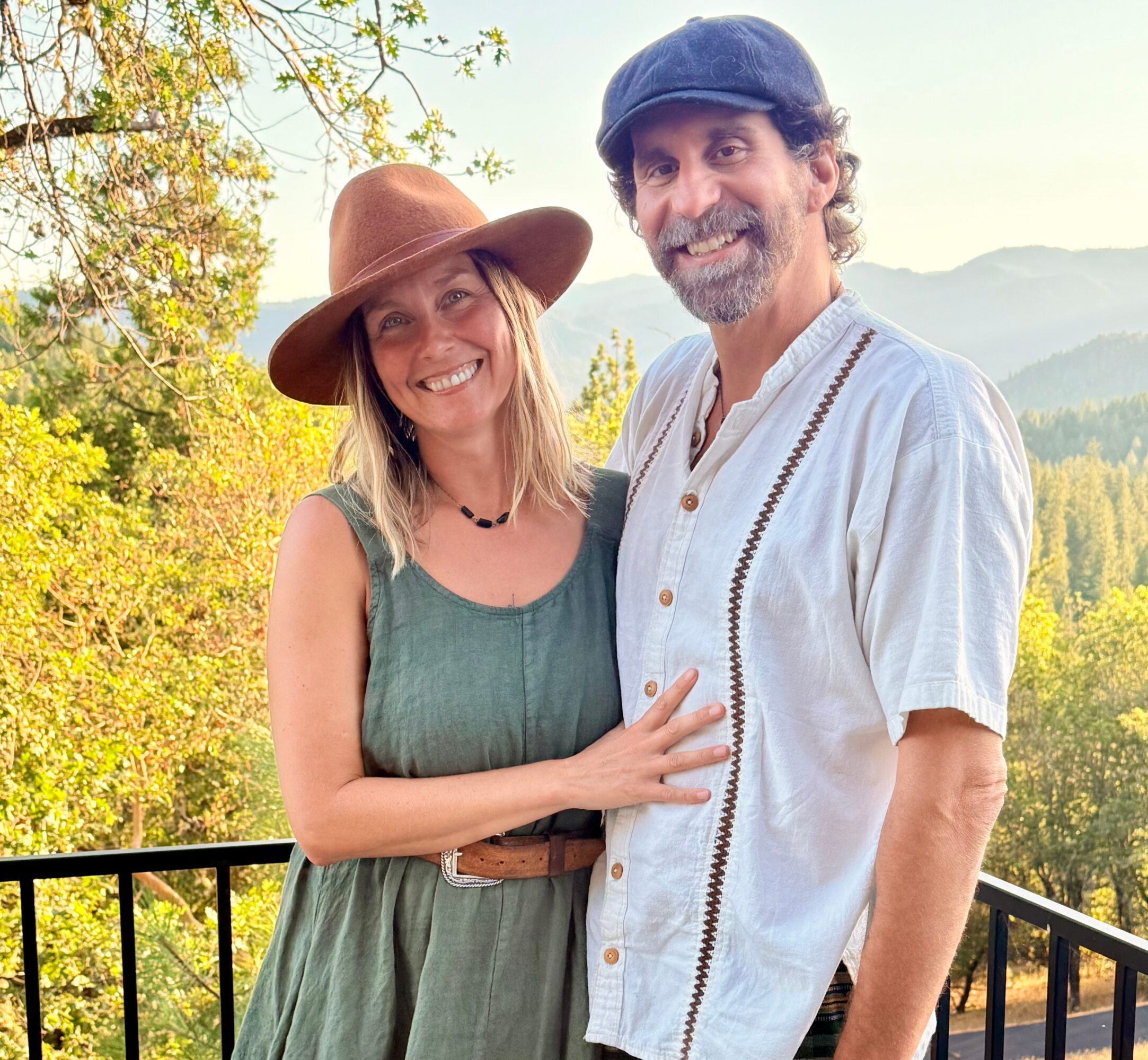
Today we’d like to introduce you to Dave & Erin.
Hi Dave & Erin, can you start by introducing yourself? We’d love to learn more about how you got to where you are today?
Our path to Local Living Project has always been about two things: taking care of a place, and taking care of the people in it.
We came to this from different directions. Dave started his career outdoors, working as a park ranger in Maryland and Oregon and as a medic and wildland firefighter. He earned a Master’s in Natural Resources Management, then moved into business as Director of Operations and later Director of Global Supply Chain at Humm Kombucha. There he helped launch dozens of products and build two breweries. Later he ran Naftaland Farms, an alpaca farm here in Oregon. Erin has spent more than a decade building programs for kids and families that are rooted in place. She earned her Master’s in Education, founded Elemental Forest School, and worked on an organic farm, so she knows firsthand how much heart goes into building something local.
Between the two of us, we’ve seen both sides. We know how well business systems can work, and we know how rarely they work for the independent bakery, the boutique, the massage therapist or the handyman down the street.
Most couples dream about a house or a trip. We kept dreaming about our communities. Local Living Project started at our kitchen table, on walks, and on long drives between Bend and Grants Pass. We kept coming back to the same worry. The local businesses we loved most were often the ones with the least support. The shop owner with a beautiful storefront and no time to build a website. The maker with incredible work and no way to reach anyone beyond her regulars. The service provider who’s great at what she does but hard to find online. Meanwhile, much of the money we all spend online leaves our region the moment we tap buy.
So we built the thing we wished existed. Local Living Project is a local marketplace app where neighbors in Central and Southern Oregon can discover and buy from independently owned local businesses in one place. That means local food, goods and services: bakeries, farms and food makers, boutiques and gift shops, artists and artisans, wellness studios, home services and more. If it’s locally owned, it belongs here. There are no chains, no national brands and no resellers. Store Owners keep $90 of every $100 they sell, and they choose pickup, local delivery or shipping. We earn nothing on delivery.
We didn’t split this up and go build our own halves. We dreamed it, designed it and built it side by side, and we funded it entirely ourselves because we believed in it and in each other. We’ve spent countless days visiting local shops, studios, farms and markets from Bend, Redmond and Sisters to Medford, Ashland, Grants Pass and the Applegate Valley, meeting the people we were building for. Apple and Google approved our apps this fall. Local Store Owners are now setting up their storefronts, and Community Partners in each region are helping them get ready. We open each community once at least 30 local businesses are ready, because a marketplace with only a few shops isn’t really a marketplace.
Our tagline is “Better Together,” and for us it’s more than a slogan. It’s how this business was born, and it’s what we believe about local economies. When we invest in each other, the whole community grows stronger.
Would you say it’s been a smooth road, and if not what are some of the biggest challenges you’ve faced along the way?
Honestly, no. But we wouldn’t trade any of it. Building something from scratch with your partner, with your own money, teaches you a lot about patience, about each other, and about what really matters.
Our biggest challenge, and our biggest focus, has been making Local Living Project truly easy for everyone who uses it. That means both the local businesses we call Store Owners and the shoppers we call neighbors. Simple is hard to build. Every screen and every step has to earn its place.
On the Store Owner side, we learned early that most local business owners are already stretched thin. They’re baking, building, serving clients and running their shops, often all at once. Many don’t have time to become tech experts, and they shouldn’t have to. Inventory management became one of our biggest areas of work. Some owners have a handful of products and want to add them by hand in a few minutes. Others have hundreds of items and already use Shopify or Square. Others keep everything in a spreadsheet. We built options for all of them: manual entry, simple spreadsheet uploads, and connections to the systems they already use. Getting those connections right took a lot of testing, a lot of rebuilding, and a lot of listening to real Store Owners tell us what was confusing. We also built simple step-by-step guides and offer personal help, so no one is left figuring it out alone.
On the neighbor side, the app has to feel intuitive from the very first tap. If someone can’t find what they’re looking for quickly, they won’t come back. So we put a lot of care into how the app is designed and developed. Discovering local businesses nearby should be easy, browsing by what you need should be easy, and choosing pickup, delivery or shipping at checkout should be clear. We tested it over and over, through a launch checklist of more than 130 items, before we felt it was ready.
A few other challenges along the way:
Building both sides at once. A marketplace needs Store Owners before neighbors will come, and neighbors before Store Owners see sales. We chose discipline over speed. We don’t open a community until at least 30 local businesses are ready, so the first neighbors who download the app find something worth coming back to.
Funding it ourselves. Every dollar has come from us, so we’ve had to be thoughtful and creative with every decision. That’s slowed some things down, but it also keeps us honest and close to the people we serve.
Covering two regions. We’re building in Central Oregon and Southern Oregon at the same time, so there have been a lot of miles on the road between Bend and Grants Pass. That’s also why our Community Partners matter so much. They’re local people in each region helping Store Owners get set up and succeed.
Earning trust. Many local business owners have been burned by big online services that take a big cut. We kept our model simple and transparent on purpose. Store Owners keep $90 of every $100 they sell, there’s no cost to list, and we earn nothing on delivery.
Getting the details right. App store approvals, secure payments, monthly payouts and countless small details all had to work before we could invite anyone in. Apple and Google approved our apps this fall, and that was a big day for us.
Through all of it, what kept us going was each other and the people we met along the way. Every Store Owner who told us “I wish something like this existed” reminded us why we started. The road hasn’t been smooth, but it has been ours, and we’ve walked every mile of it together.
We’ve been impressed with Local Living Project, but for folks who might not be as familiar, what can you share with them about what you do and what sets you apart from others?
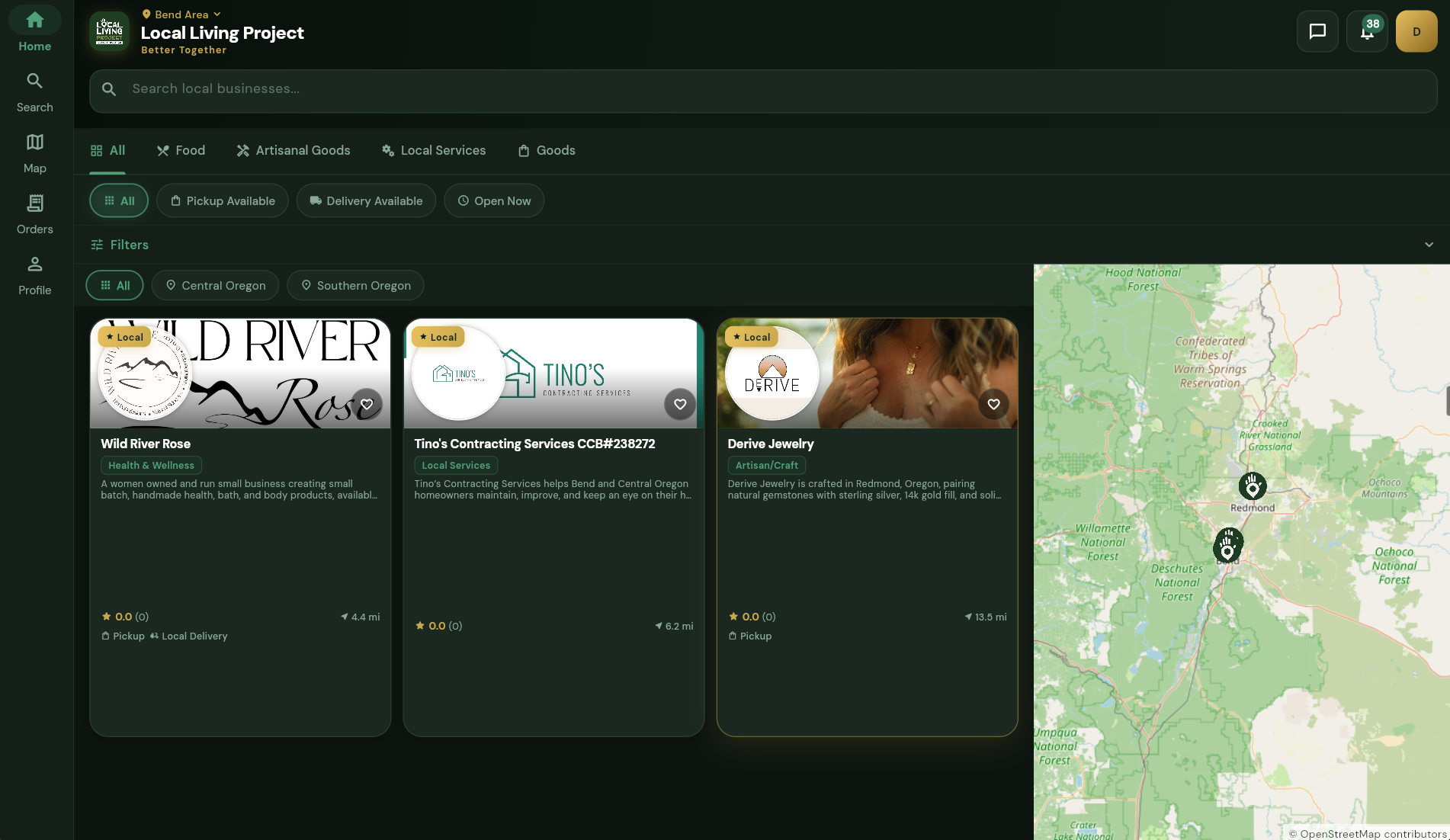
Local Living Project is a local marketplace app that helps neighbors discover and buy from independently owned businesses in their own communities. We’re starting in Central Oregon (Bend, Redmond and Sisters) and Southern Oregon (Ashland, Medford, Grants Pass, Jacksonville and the Applegate Valley).
Our idea is simple: everything here is from here. Every business on Local Living Project is locally and independently owned, within about 50 miles of the neighbors it serves. There are no chains, no franchises, no national brands and no resellers. Just the people who make, grow, create and serve in your community, all in one place.
What we offer
We bring the full range of local life together in one app.
Food: bakeries, farms, ranches and specialty food makers.
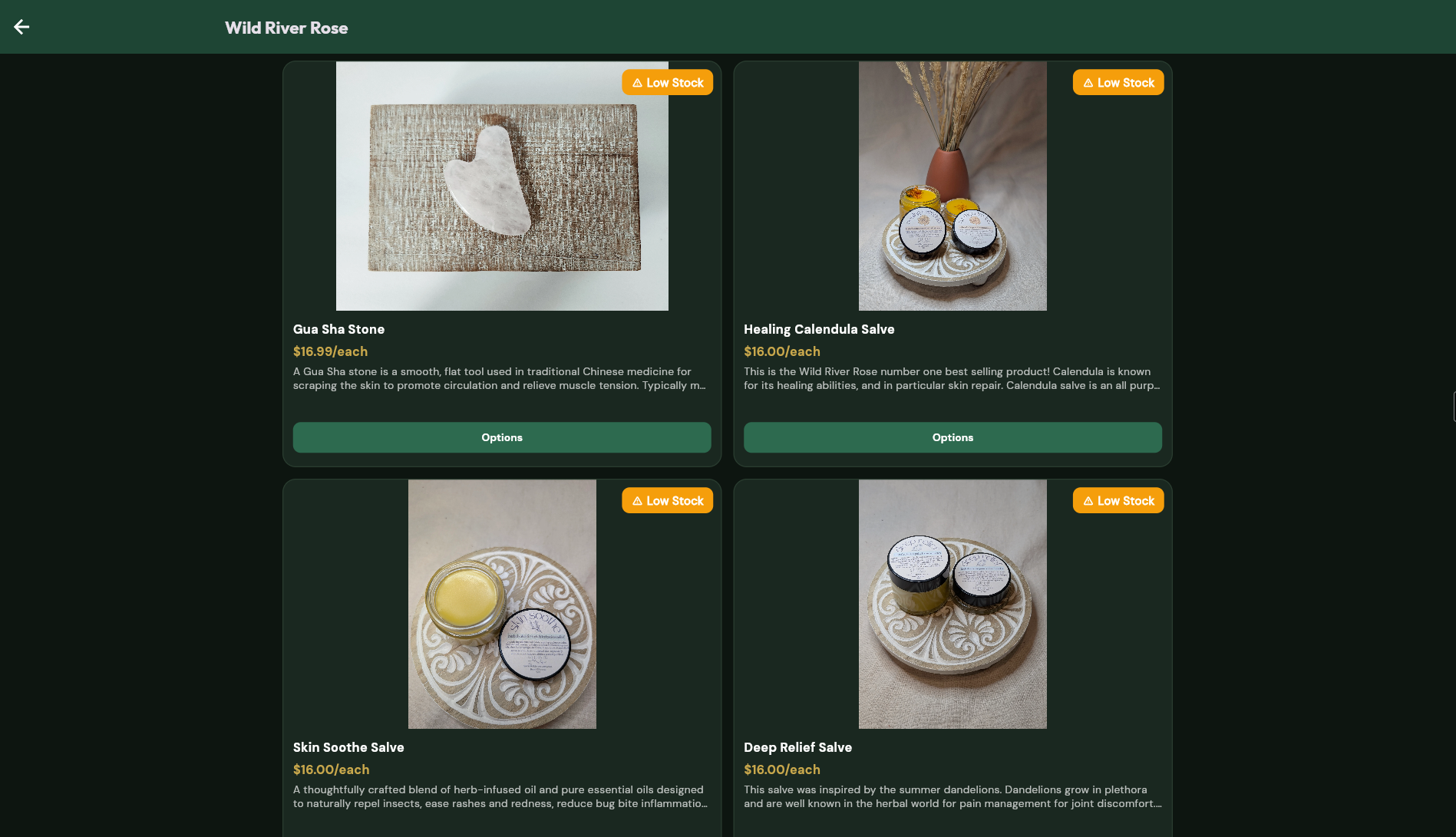
Goods: clothing, boutiques, gift shops, bookstores, artists, artisans, and makers of everything from candles to furniture.
Services: wellness studios, salons, fitness, home services, tradespeople, and the professionals who keep a community running.
Neighbors can browse what’s nearby, find something new, and order directly from each business. Every Store Owner chooses how they want to fulfill orders: free pickup, local same-day delivery where it’s available, or shipping. The app is free to download on both the Apple App Store and Google Play.
What sets us apart
Built here, by neighbors. We aren’t a tech company from somewhere else. We live here, shop here and raise our family here. Local Living Project was dreamed up at our kitchen table and built by the two of us, side by side and entirely self-funded.
A fair deal for local businesses. It’s free to list. Store Owners keep $90 of every $100 they sell on our standard plan, and we cover the payment processing fees. Delivery is a straight pass-through, so we earn nothing on it and Store Owners pay nothing for it. Payouts arrive every month. Service providers can list for free as of now.
Easy for everyone. Many local business owners are already wearing every hat, so we’ve worked hard to make getting started simple. Owners can add products by hand, upload a spreadsheet, or connect the systems they already use, like Shopify and Square. For neighbors, the app is designed to feel intuitive from the first tap.
Real people on the ground. Each region has a Community Partner, a local person who personally helps businesses get set up and succeed. When you have a question, you talk to someone who knows your community.
Quality over quantity. We don’t open a community until at least 30 local businesses are ready. That way, the first neighbors who download the app find a marketplace worth coming back to.
What we’re most proud of
Our tagline is “Better Together,” and it means everything to us. It describes how this business was born, as a shared dream between two partners. It also describes what we believe about local economies: when we invest in each other, the whole community grows stronger.
We’re also proud of how we talk about the people we serve. We don’t call them consumers or users. We call them neighbors, because that’s who they are. One of our guiding lines is “You are not a consumer. You are a neighbor.” Every choice we make, from our fees to our design, comes back to treating people that way.
Our logo is a hand holding a map pin. To us, it’s a reminder that local economies are held up by real people in real places.
What we want readers to know
Where you spend your money shapes the community you live in. Research on local spending has found that a much larger share of each dollar spent at an independent local business stays in the community than when that dollar goes to a chain or a big online retailer. That money goes to local jobs, local schools and the businesses that give our communities their character.
Local Living Project makes choosing local as easy as any other app on your phone, and it’s almost here. We’re releasing the app in just a few weeks, free on both the Apple App Store and Google Play.
Neighbors: Download Local Living Project from the Apple App Store or Google Play when we launch in a few weeks. Search “Local Living Project,” tap download, and start discovering the local businesses around you. Until then, follow us on Instagram at @local.living.project and visit locallivingproject.com so you’re ready on day one.
Local business owners: If you make it, grow it, bake it or serve it here, we’d love to have you. Apply at locallivingproject.com now so your storefront is ready when neighbors start downloading. It’s free to list, and we’ll help you every step of the way.
Are there any books, apps, podcasts or blogs that help you do your best?
For us, doing our best comes from a mix of good tools, time outside, and most of all, each other.
Each other. Our greatest resource is our love and our partnership. We check in with each other constantly, every single day, about life and about work. Sometimes that’s a quick call between Bend and Grants Pass, and sometimes it’s a long talk on a drive or a walk. We talk about what’s working, what’s hard, what we’re excited about and how we’re each really doing. Building a business together means taking care of the relationship that’s building it, and those daily conversations keep us connected, honest and moving in the same direction.
A book that shaped our “why.” For Erin, one book changed how she sees everything: Last Child in the Woods by Richard Louv.
“It named what I was already feeling in my work with children. Kids, and honestly all of us, are losing our direct connection to place, to the outdoors and to our neighbors. I ran an outdoor, place-based school, and I saw how different children were when they were outside, learning from the land and the people around them. That idea stayed with me. Local Living Project grew out of that same belief: we need to be rooted where we live, know who grows our food and makes our goods, and build community around real places and real people, not just convenience.”
Tools that keep us organized. Running a business across two regions means we live in our calendars and inboxes. Google Workspace keeps us and our team on the same page. Calendly makes it easy for Store Owners to book time with us, and Superhuman helps us keep email under control so more of our day goes to people instead of our inboxes. We use Muse as a personal assistant for certain tasks, which frees up time and headspace for the work that matters most. We also use Perplexity constantly for research, whether that’s learning about a new community or getting smart on a business question fast.
Our own local publications. Some of our best ideas come from reading about the people around us. Regional magazines like Bend Magazine, The Source, and Southern Oregon Magazine, and of course Oregon Voyager, are full of the makers, shop owners and service providers who inspire this whole project.
Learning that never stops. We both believe staying curious keeps you humble and open to better ideas. We’re always learning something new, whether that’s a new language on Duolingo or a new skill the business needs from us.
Time outside. Some of our clearest thinking happens away from screens. We love walking along the Deschutes River, hiking, rockhounding for agates on the Deschutes and the Rogue, visiting locally owned storefront as well as farmers markets, and taking road trips between Central and Southern Oregon. Being out in the places we’re building for keeps us grounded and reminds us why the work matters.
Music. SYML’s music has been a soundtrack to our relationship and to this whole journey. It’s what we play on long drives between Bend and Grants Pass, and it has a way of resetting us when the days get long.
Contact Info:
- Website: https://www.locallivingproject.com
- Instagram: https://www.instagram.com/local.living.project/
- Facebook: https://www.facebook.com/profile.php?id=61578490417171
- LinkedIn: https://www.linkedin.com/company/local-living-project/home/?viewAsMember=true
- Youtube: https://www.youtube.com/@LocalLivingProject