


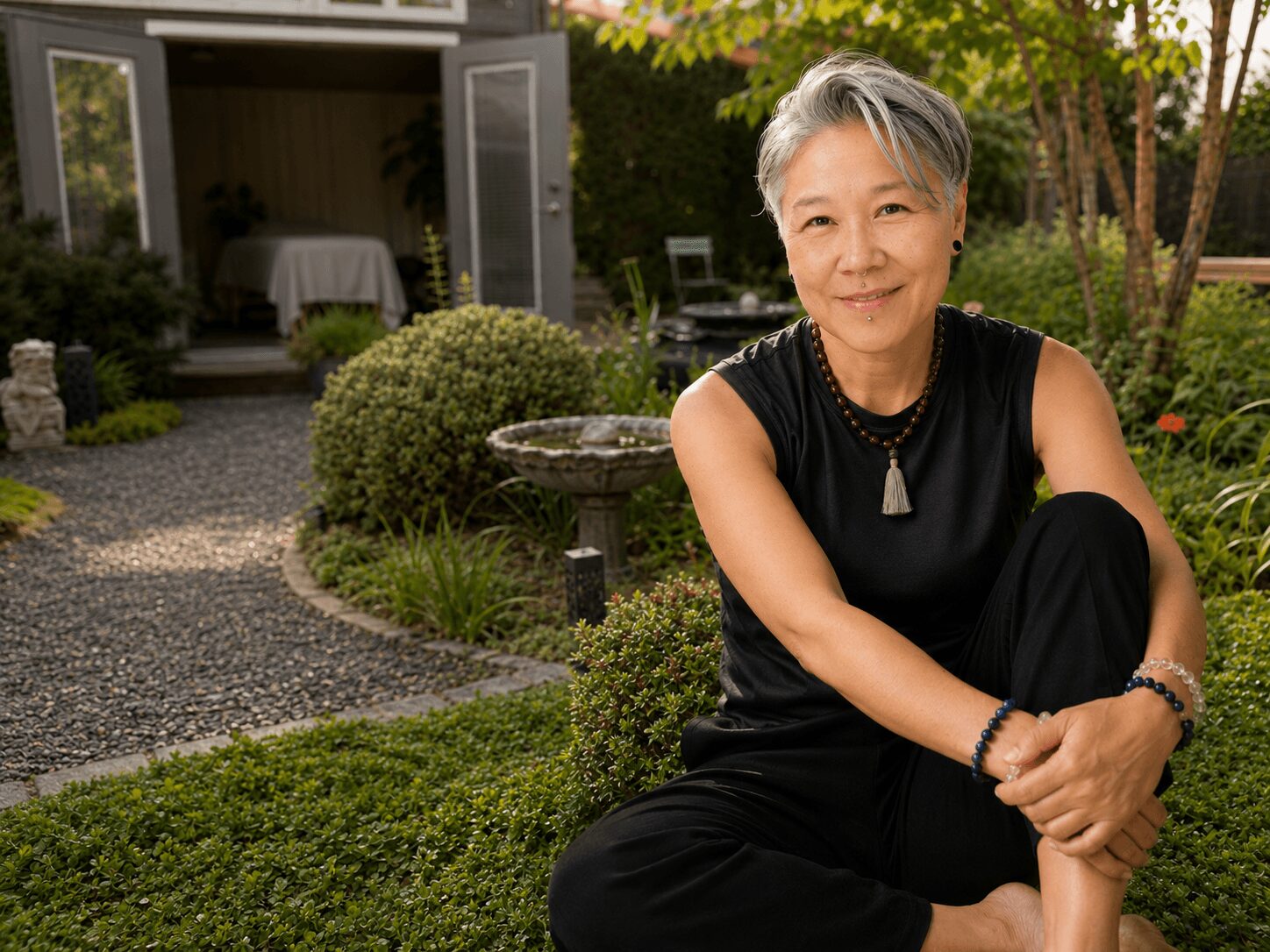
Today we’d like to introduce you to Free Lee.
Hi Free, so excited to have you with us today. What can you tell us about your story?
I was born in Hong Kong and immigrated to the United States with my family when I was five years old. My story begins with immigration, learning to make sense of a new world, and growing up between two cultures.
Growing up between my Chinese heritage and my American upbringing gave me a deep appreciation for both and has shaped much of who I am today. I was also fortunate to spend much of my early childhood being raised by my grandparents, who had a profound influence on my life. My grandmother was deaf and carried an extraordinary sense of intuition and wisdom. Through her, I learned to listen beyond words and discovered that connection often happens through presence, empathy, and feeling.
I also come from a family history that has given me a deep appreciation for creativity and service. Among my ancestors was a primary architect and engineer involved in the construction of the Forbidden City in Beijing and another who helped shape the establishment of the Republic of China. Learning more about my heritage has given me a sense of pride and a deeper appreciation for the ways our lives can contribute to something greater than ourselves.
From an early age, I was drawn toward service. I volunteered and worked with mentally and physically challenged children, women and families in transitional housing and safe houses, and seniors. Those experiences taught me that every person carries a story and that kindness, dignity, and a sense of belonging can profoundly affect another person’s life.
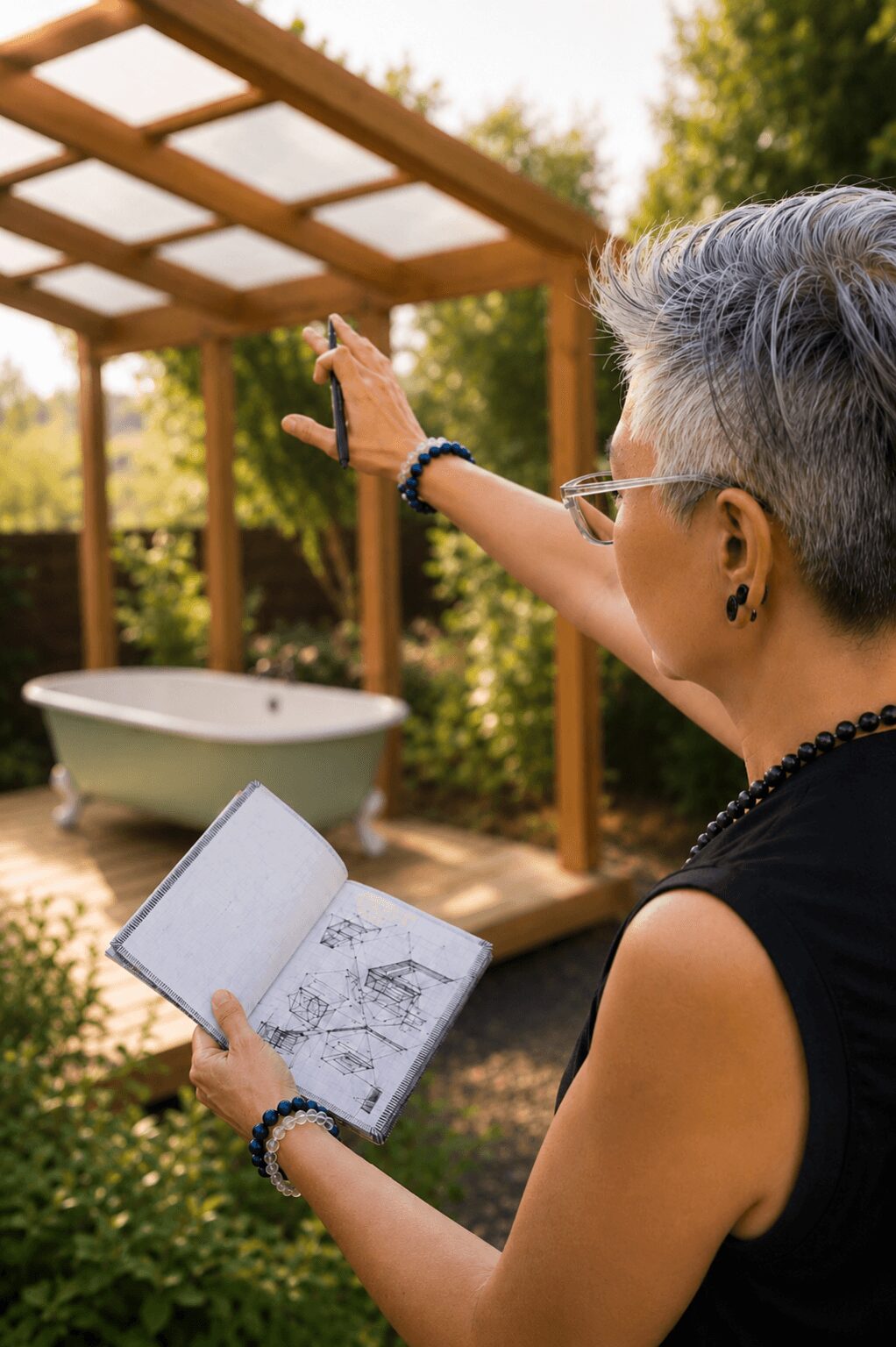
I eventually pursued architecture in New York, where my thesis explored gendered spaces and how thoughtful design could support Transitional Housing for Single Mothers and Children, earning the Dean’s Thesis Award. My career then took me internationally to eastern Germany after the Berlin Wall came down, where I worked in urban planning and community development. Later, I moved to the San Francisco Bay Area and Vancouver, British Columbia, where I worked on socially conscious projects that integrated architecture, innovation, sustainability, and healing-centered design.
Through these experiences, I became increasingly fascinated by the relationship between design, well-being, and the human experience. I began asking why certain environments help us feel safe, inspired, connected, or at ease. I realized that to truly understand how our environments affect us, I first needed to understand the people who inhabit those spaces and how we experience ourselves within them.
That curiosity eventually led me to become a Licensed Massage Therapist in 2009 and to continue studying body-centered psychotherapy, craniosacral work, neural manipulation, Reiki, energy medicine, and Asian bodywork traditions.
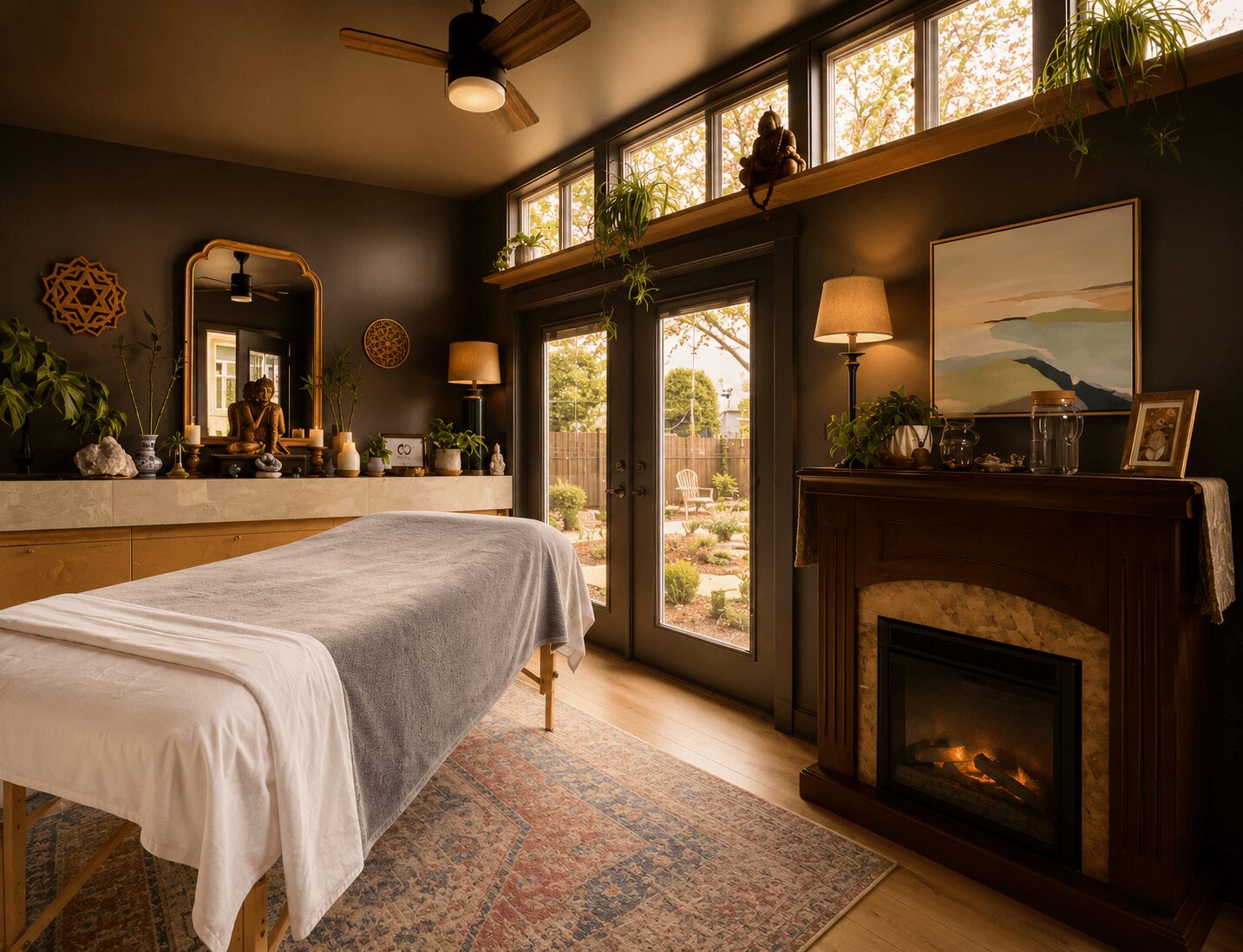
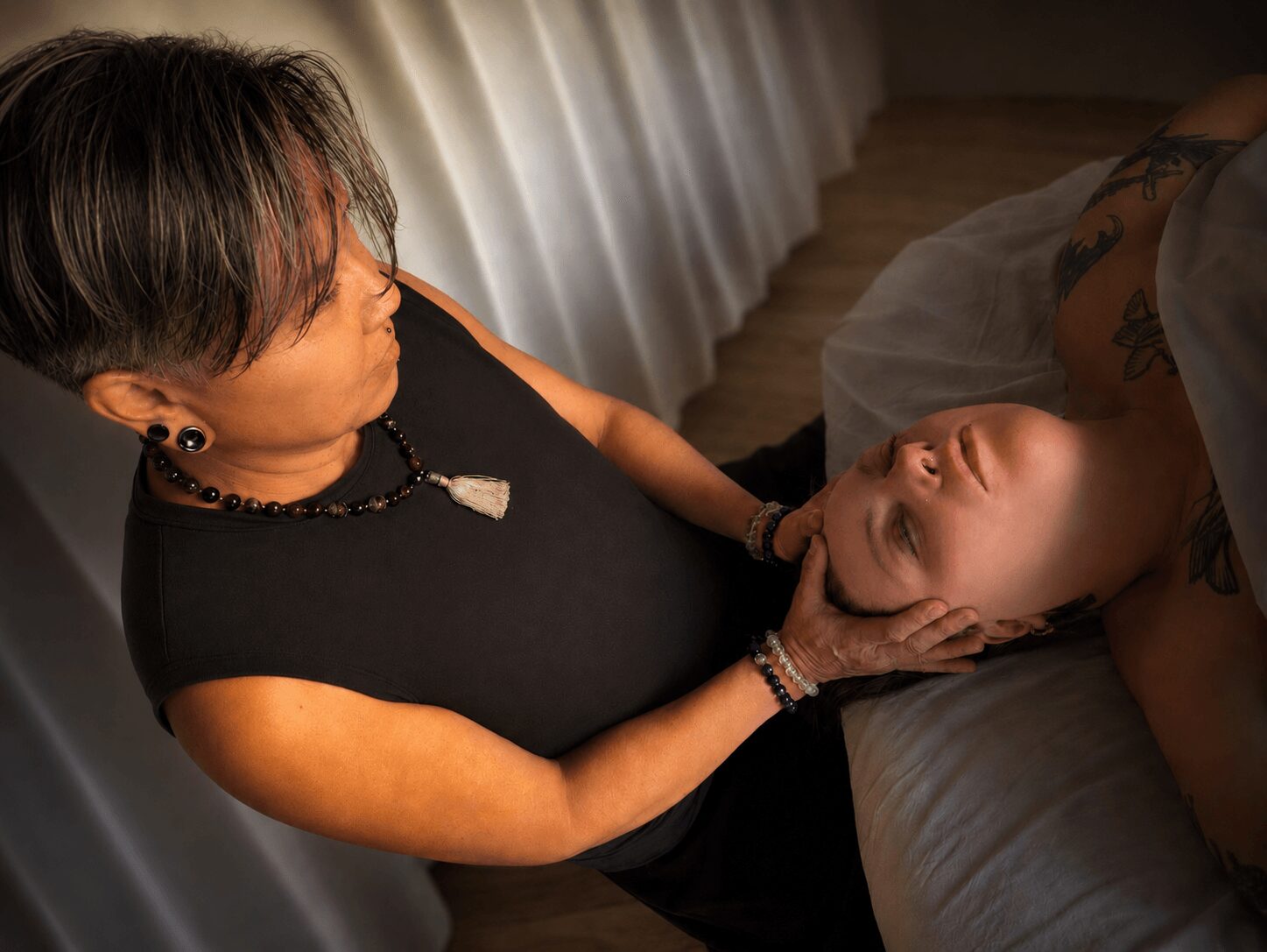
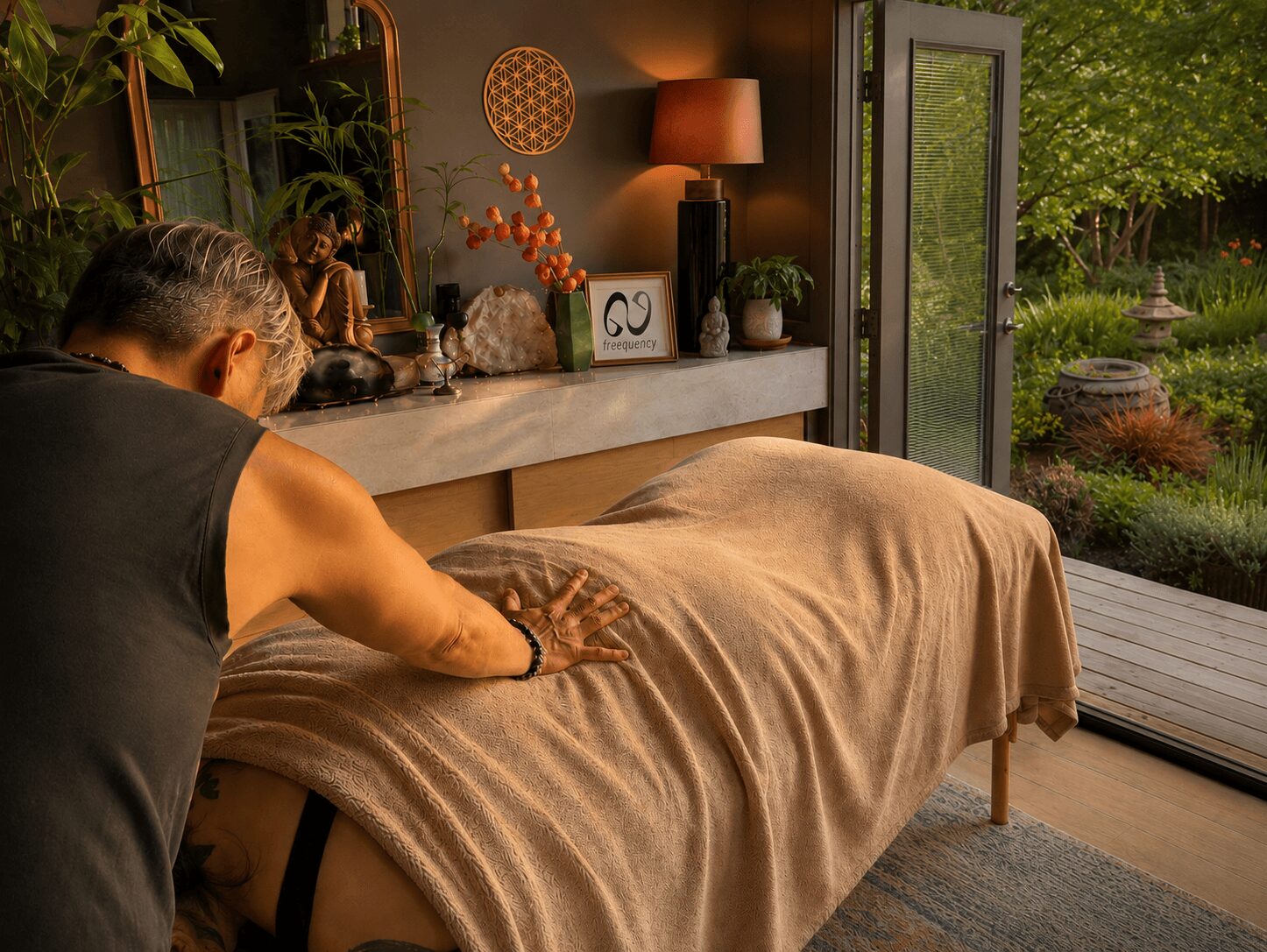
In my practice, I work both intuitively and practically, drawing upon empathy, presence, and an anatomical understanding of the body and nervous system. I help people regulate their nervous systems and cultivate a greater capacity to feel safe, present, and at ease within themselves. Whether someone is seeking relief from pain, stress, or the ways life’s experiences are held within the body, this work can create opportunities for release, self-awareness, and a deeper sense of connection.
I have come to see wholeness not as fixing what is broken, but as a process of remembering, releasing what has been held in the body, allowing energy to move, integrating our experiences, and sometimes discovering parts of ourselves that may never have had the opportunity to emerge before.
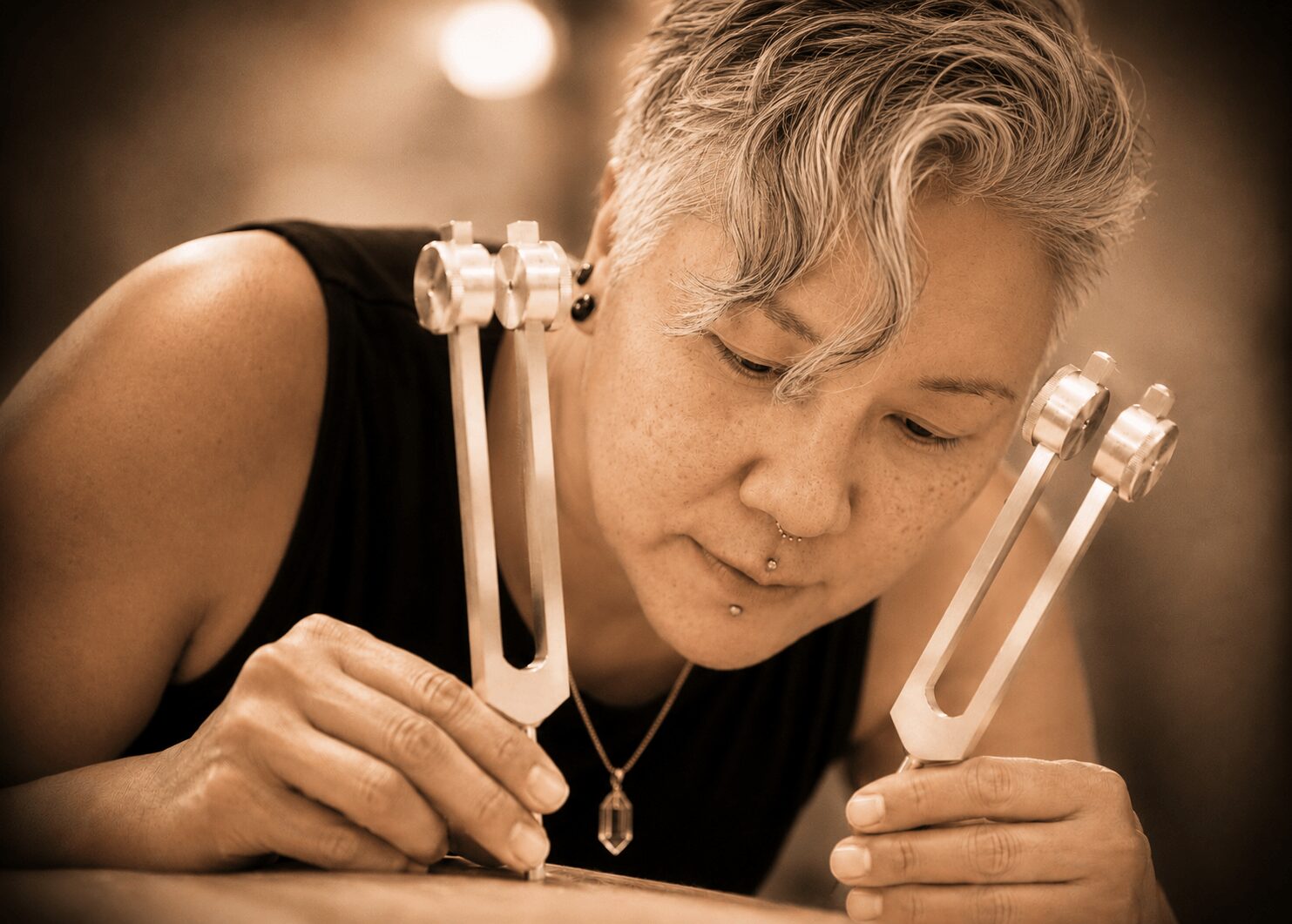
Another thread that has always woven through my life is music and resonance. I often think of human beings as musical instruments within a beautiful symphony. Life can pull us out of tune through stress, trauma, and difficult experiences, and much of my work is about supporting people in rediscovering their own rhythm and harmony.
This philosophy inspired the name of my practice, Freequency, which represents both freedom and frequency—the freedom that comes from living more in alignment with ourselves and our natural rhythms.
Much of my life has been devoted to service, but it has also been a journey of learning about myself. My hope is that we learn what it feels like to belong within our own lives—to feel safe, present, and deeply rooted in who we are. Genuine connection with others often begins there. When we feel more connected within ourselves, we naturally meet the world and one another with greater compassion and ease.
I’m sure it wasn’t obstacle-free, but would you say the journey has been fairly smooth so far?
It definitely has not been a smooth road, although I have come to appreciate that some of life’s greatest lessons come through its challenges.
Throughout my life, my path has continued to evolve—from architecture and design to bodywork and wellness—which often meant letting go of certainty and having the courage to begin again. Looking back, I can see that each chapter was guided by the same underlying curiosity about the relationship between people, place, and well-being.
I have also spent much of my life trying to understand my own sensitivities and why I experience the world so deeply. For many years, I thought being highly sensitive and empathic was something I needed to overcome. Instead, I have come to understand it as one of my greatest gifts.
There were also periods of profound change and loss that asked me to rebuild my life in unexpected ways. Those experiences taught me that transformation is rarely linear. Sometimes we are invited to let go of identities, relationships, or plans we thought would define us so that something new can emerge.
One of the most meaningful lessons I have learned is that we do not have to navigate life alone. There are seasons when we need support from practitioners, teachers, community, or meaningful experiences that help us remember our own strength and resilience.
At the same time, there is something deeply empowering about recognizing that we are responsible for our own growth and well-being. Growth and transformation ask something of us. They require courage, curiosity, and self-compassion. They invite us to rebuild trust, listen to our inner wisdom, and become more fully who we are.
Perhaps one of life’s greatest lessons is learning to come home to ourselves. As we develop a greater sense of safety, self-compassion, and belonging within, our relationships with others often become more authentic and compassionate as well. It is a reciprocal process of remembering who we are, reclaiming our agency and sovereignty, and living in greater alignment with ourselves and the world around us.
Appreciate you sharing that. What should we know about Freequency?
I’ve always been fascinated by people and what makes each of us uniquely who we are. While we all share the same human anatomy, no two people experience or respond to life in exactly the same way. Our genetics, life experiences, relationships, environment, and the ways we’ve adapted all shape how we move through the world.
I often say that none of us was given a user manual for understanding how our own system works. Much of my work is helping people begin to piece one together—not by searching for what’s wrong, but by becoming curious about how they’ve uniquely come to respond, adapt, and experience life.
Much of what I do is the art of compassionate listening. I listen not only to what someone shares, but also to what their body, nervous system, emotions, and sometimes the more subtle aspects of their experience may be communicating. Through bodywork, conversation, intuitive awareness, and compassionate witnessing, we begin to bridge a dialogue between what is consciously understood and what their whole system has been communicating all along. Sometimes understanding follows experience, not the other way around.
I don’t believe our bodies are trying to fight us; I believe they are continually inviting us into a deeper relationship with ourselves. We may not always understand that invitation with our minds, but our bodies often recognize it through a growing sense of ease, safety, and peace.
What I’m most proud of isn’t a particular technique or modality, but the privilege of helping people become more curious about themselves. I draw from years of study, experience, intuition, and a variety of approaches to meet each person where they are, offering the resources that best support their unique process. Whether someone finds relief from pain, discovers a new awareness, experiences greater ease, or simply begins to notice themselves in a different way, it is an honor to support that relationship with curiosity, compassion, and respect.
Any big plans?
I look forward to continuing to explore the intersection of design, wellness, and human experience.
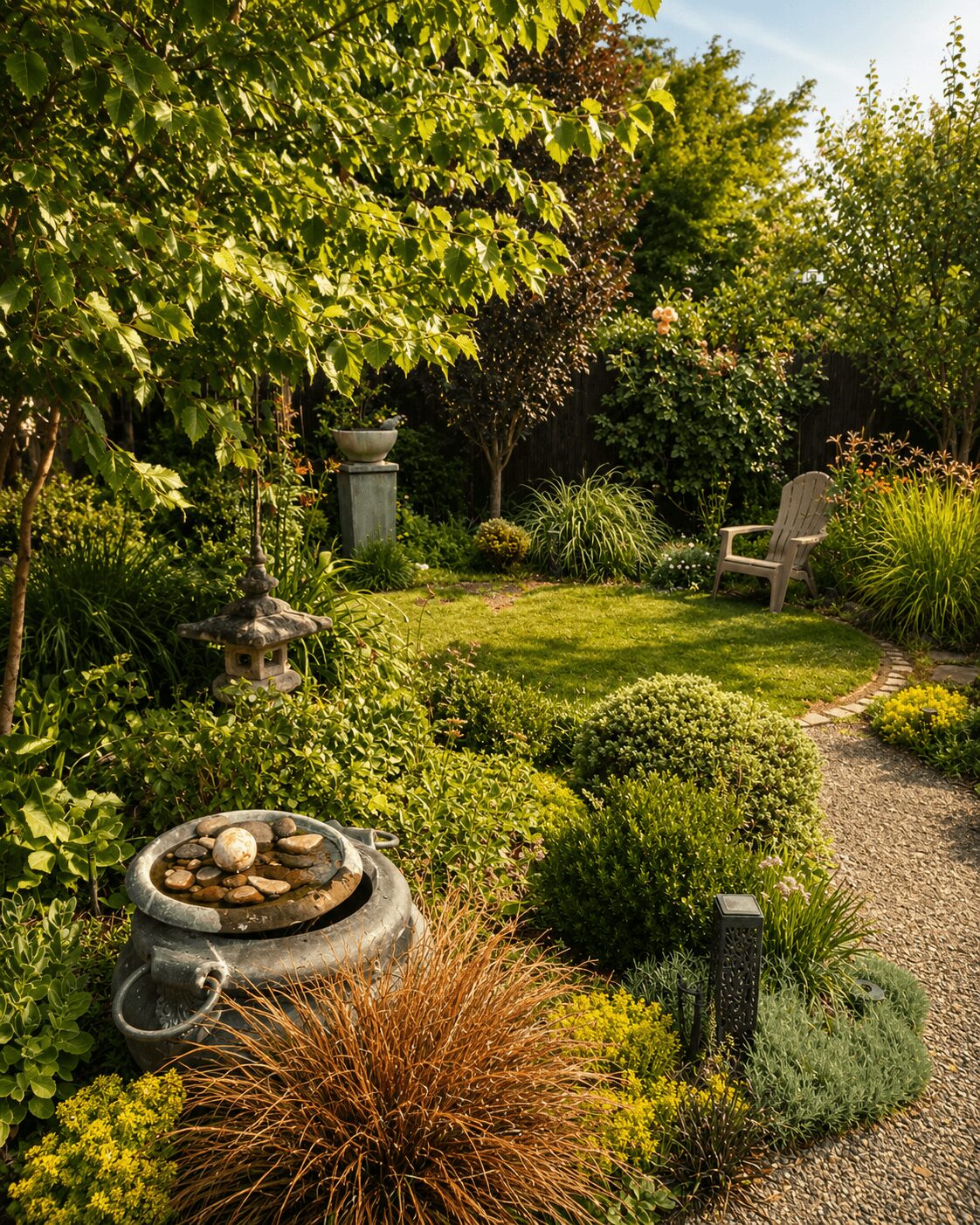
One of my greatest passions right now is creating The Retreat, which is perhaps the most personal project I have ever designed.
I think of it as an altar—a sacred place that gently reminds us to come back to ourselves. In our busy lives, we often spend so much time caring for others, achieving, surviving, or simply moving from one thing to the next that we forget how to simply be with ourselves.
Yet being with ourselves is not always easy. Sometimes our nervous systems have experienced stress, loss, or trauma, and stillness itself may not feel safe.
The Retreat was born from this understanding.
I envision it as a place to pause, breathe, and reconnect with nature, our bodies, and our inner experience. Through intentional design and sacred space, my hope is to create an environment that supports reflection, restoration, and a deeper sense of connection.
It is not meant to transform anyone for them. Rather, it is an invitation—a place that supports the unfolding process of remembering, discovering, and becoming more fully ourselves.
As I move into this next chapter of life, I feel called to live even more intentionally—to continue exploring what fosters connection, healing, and a sense of home both within ourselves and with one another. Life has taught me that both are essential. I hope to keep learning, creating, and sharing what life continues to teach me.
If there is one thing I hope to leave behind, it is the reminder that transformation is possible and that, by cultivating safety, presence, and connection, we create opportunities to remember, discover, and become more fully ourselves—living with greater self-trust, sovereignty, and authenticity.
Contact Info:
- Website: https://yourfreequency.com