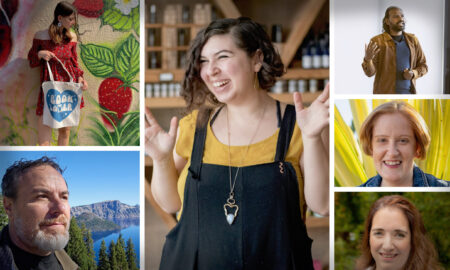



Today we’d like to introduce you to Kinship House.
Hi Kinship, we’re thrilled to have a chance to learn your story today. So, before we get into specifics, maybe you can briefly walk us through how you got to where you are today?
In 1996, five therapists and a state child welfare manager identified a pressing need in our community: to empower children experiencing foster care in a way that didn’t yet exist. That’s how Kinship House began.
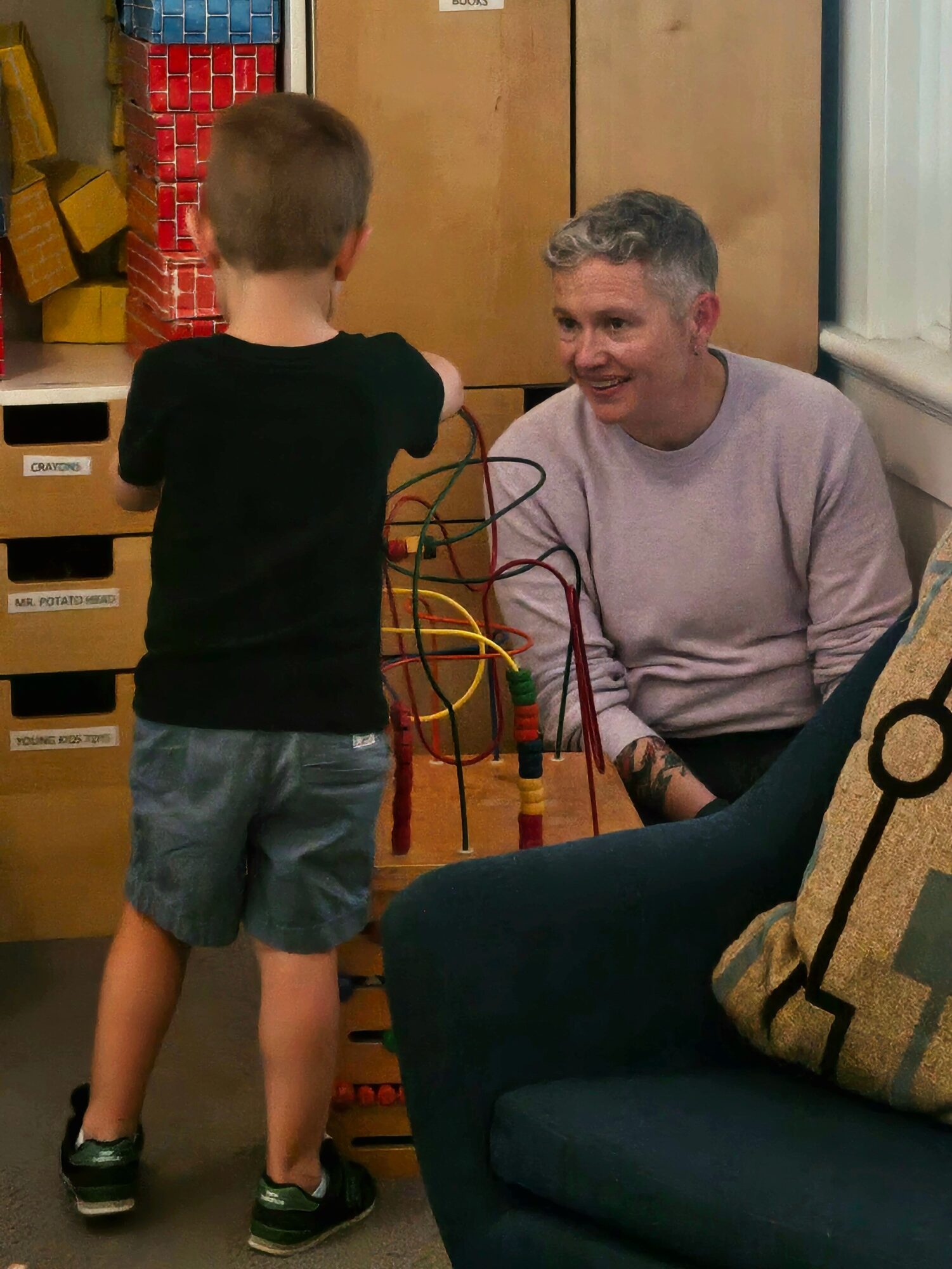
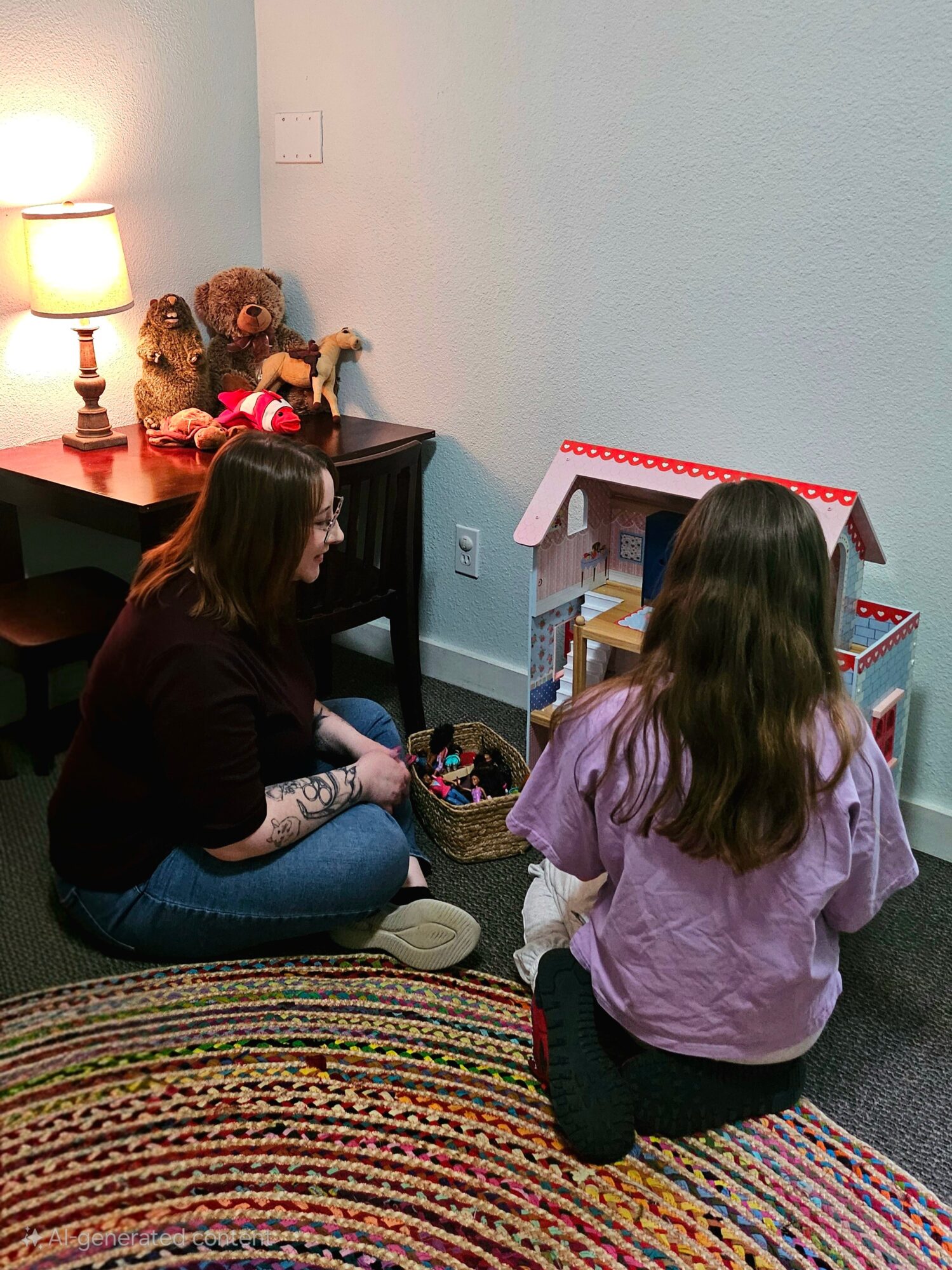
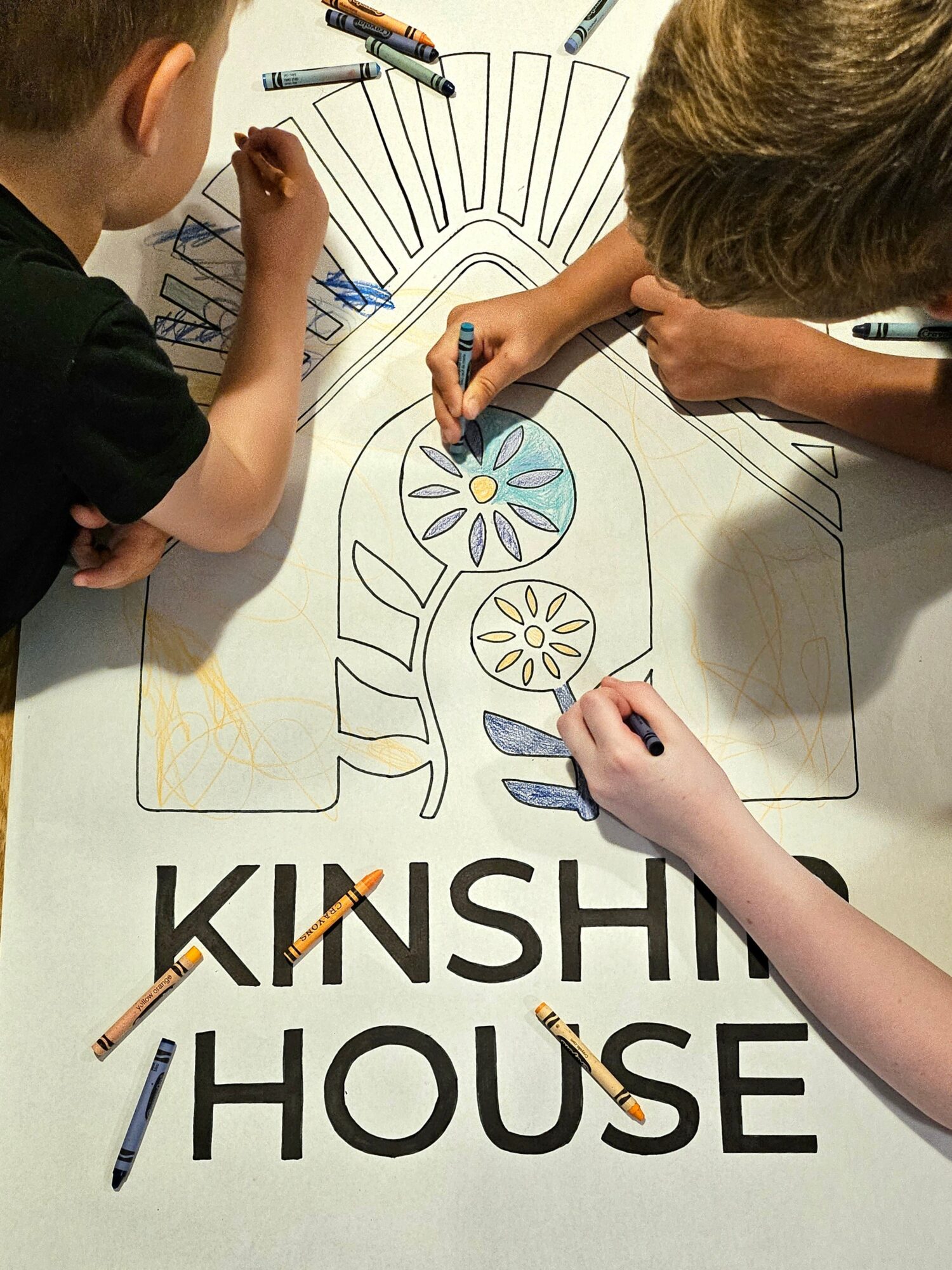
Thirty years later, we’re still the only organization in Oregon doing this specific work, and our low-barrier approach has remained a key intervention on the pathway to permanency and stability for the children and families we serve. Since day one, we’ve provided services to all children and families regardless of ability to pay or length of services required, and we’ve done it out of a house. That’s intentional. Creating a consistent, home-like environment means we embody our trauma-informed approach from the moment a child walks through the door.
Today, that founding vision has grown into a 20+ person staff across two distinct sites, serving over 300 children and families impacted by foster care annually, alongside countless community partners. Much has changed over the years. What hasn’t changed is our dedication to bringing health and joy back into the life of every child who walks through our door.
Would you say it’s been a smooth road, and if not what are some of the biggest challenges you’ve faced along the way?
No, it hasn’t been a smooth road, and honestly, we wouldn’t expect it to be. You can imagine we go through the struggles most nonprofits go through: stretching every dollar, adapting to change, and finding new ways to say yes to the families who need us.
Insurance and Medicaid changes have been a real challenge over the years. Navigating those shifts has meant constantly adapting how we fund and structure our services, because we never want cost to be the reason a child or family doesn’t get the care they need.
Then came COVID. Almost overnight, we had to move our services online. For an organization built around the warmth of a home-like, in-person space, where healing starts the moment a child walks through the door, that was a hard pivot to make. We had to find new ways to hold that same sense of safety and connection through a screen.
But through all of it, what’s carried us is the same thing that’s driven us since 1996: showing up for kids and families impacted by foster care, no matter what’s happening around us. Every challenge has just reminded us how much that consistency matters.
We’ve been impressed with Kinship House, but for folks who might not be as familiar, what can you share with them about what you do and what sets you apart from others?
We specialize in trauma-informed therapy designed specifically for the unique experiences of children who’ve been removed from their families, whether that’s individual therapy, family therapy, or advocacy that helps kids build connections with safe, stable adults. Everything we do is aimed at one outcome: helping children move toward permanency and a healthy, vibrant future, while still just getting to be kids today.
What we’re most proud of is that we’ve never wavered from our low-barrier model. Since 1996, we’ve served every child and family who walks through our door, regardless of ability to pay or how long they need us. And we do it out of a house, not a clinical building, because a home-like environment is part of the therapy itself. The moment a child turns that doorknob, they’re stepping into a space built for safety and consistency.
We’re also known in the community for our collaboration. We work alongside countless community partners, from the state child welfare system to local businesses and volunteers, because we know that no single organization can meet every need a child impacted by foster care has.
If there’s one thing we want readers to take away, it’s this: 30 years in, we’re still the only ones doing this specific work in Oregon, serving over 300 children and families a year across our two sites. That’s not something we take lightly, and it’s why we’re so committed to being here for the next 30 years, too.
Is there any advice you’d like to share with our readers who might just be starting out?
If you’re just starting out, our advice is this: don’t wait until you have everything figured out to start showing up for the people you want to serve. Kinship House began with five therapists and a state child welfare manager who simply saw a gap and decided to fill it. They didn’t have 30 years of infrastructure or two sites or a 20+ person staff. They had a clear sense of need and a willingness to start.
What we wish we’d known earlier is how much the low-barrier model would matter, and how early to build it in. Deciding from day one that no child or family would be turned away because of cost or length of service shaped everything else about who we became. If you’re starting a nonprofit, we’d encourage you to get really clear, early, about who you’re serving and what you refuse to compromise on, even when funding gets hard or the systems around you shift.
We’d also say: build relationships with your community partners early and often. No organization can meet every need a child impacted by foster care has on their own. The partnerships we’ve built over the years, with the state, with local businesses, with volunteers, have been just as important to our impact as the therapy itself.
And finally, stay close to your why. Systems change, funding changes, even the way you deliver care can change (we learned that firsthand during COVID). But if you stay anchored to the reason you started, you’ll find a way through almost anything.
Contact Info:
- Website: https://www.kinshiphouse.org/
- Instagram: https://instagram.com/kinshiphouse
- Facebook: https://facebook.com/kinshiphouse
- LinkedIn: https://www.linkedin.com/company/kinship-house/