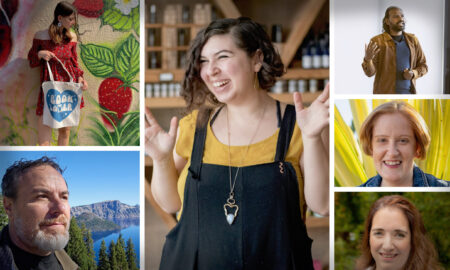



Today we’d like to introduce you to Natalie Kiyah.
Hi Natalie, we’d love for you to start by introducing yourself.
I grew up on a humble one-acre farm in a small rural town in Oregon, part of a large family where food insecurity was a quiet undercurrent. I didn’t recognize it then — only later did I come to understand it for what it was.
My dad would bring home expired donuts from Dari Mart that were donated for our pigs, and I remember sneaking them to eat because we never had money for “fun treats.”
As a young adult, I moved to Corvallis with the intention of earning my undergrad degree and then applying to nursing school to become a registered nurse. However, I stopped my college courses after two years and got married in 2012 as a young 20 year old.
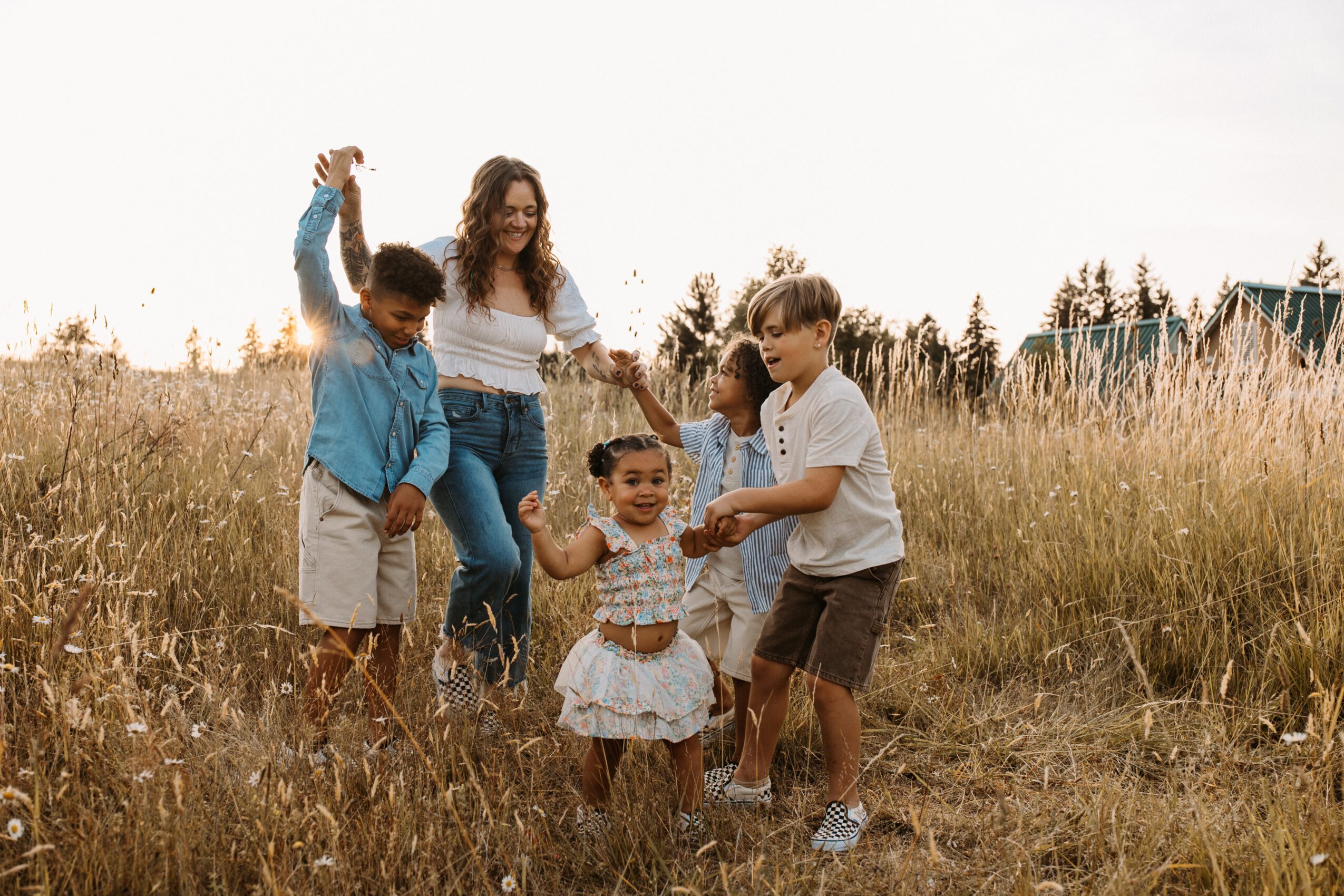
I have always been deeply committed to creating and strengthening community and supporting others through crisis. As a young 23 year old adoptive mom of two boys under the age of one, I wrote and published an Amazon Best Selling book about finding joy in the midst of grief.
I became a single parent of five in 2018 — three of them through foster care.
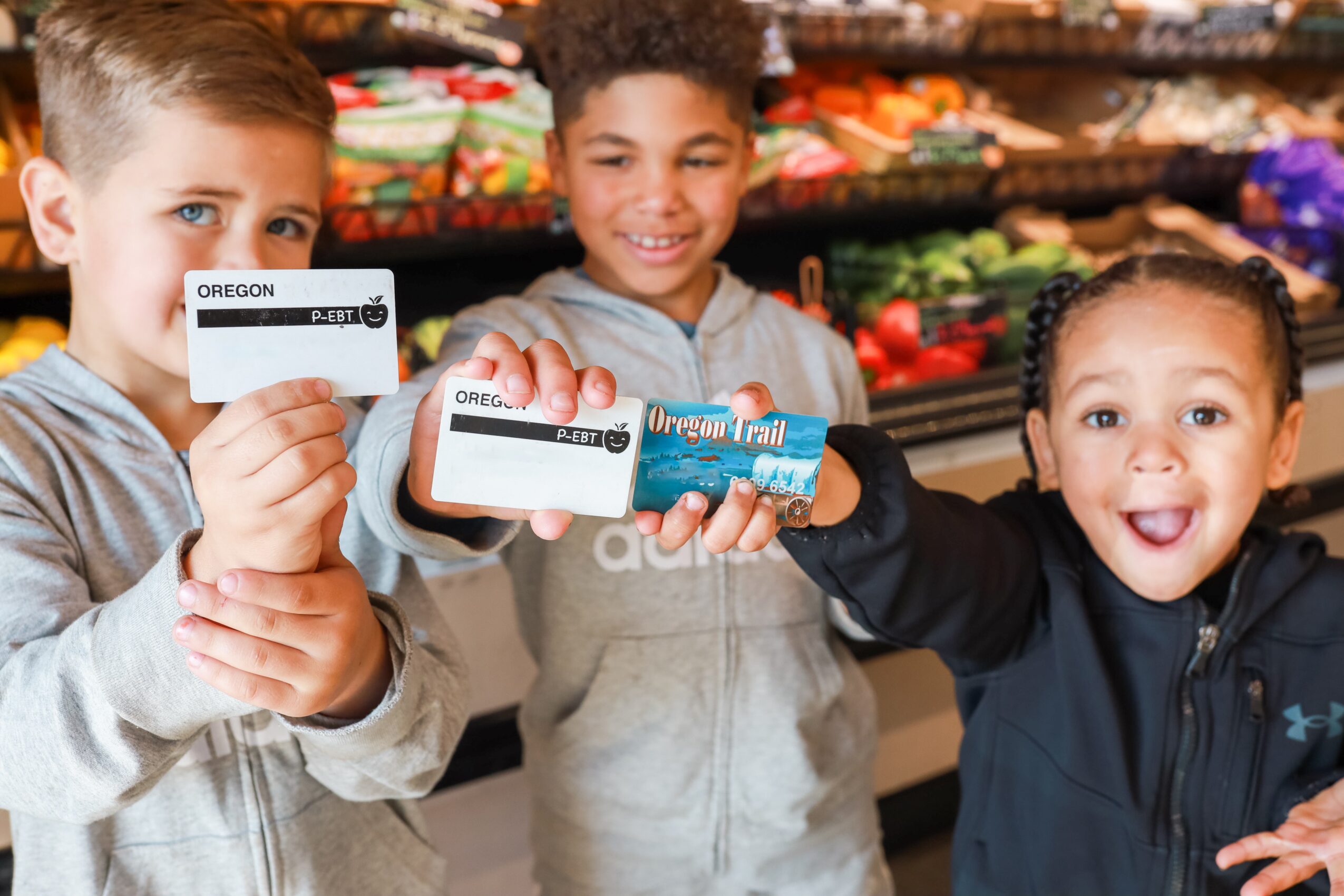
While building a photography and digital-strategy consulting business, I relied on supports like Employment Related Day Care (ERDC), a program that helps cover child care costs for working families, as well as the Supplemental Nutrition Assistance Program (SNAP), the Supplemental Nutrition Program for Women, Infants and Children (WIC), and Medicaid — programs that made it possible for me to work and provide for my family.
Along the way, I got caught up in another abusive relationship that also led to growing my family in a way I didn’t feel quite ready for, but believed I’d figure things out.
In the end, my story isn’t just about the challenges I’ve faced — it’s about the resilience I’ve built through them. From growing up with very little, to becoming a young parent through adoption, to navigating systems of support while trying to create stability for my family, and leaving abusive relationships when society tells us single motherhood is a failure: every step has shaped who I am today and how I show up for others. I’ve had to make hard choices, adapt quickly, and keep moving forward even when the path wasn’t visible.
Would you say it’s been a smooth road, and if not what are some of the biggest challenges you’ve faced along the way?
In 2022, my business began to thrive, and for the first time, I truly believed I could buy a home for my kids and me. But after reapplying for the resources that had made it possible for me to work and provide — ERDC, SNAP and Oregon Health Plan (OHP) — I lost nearly $4,000 a month in childcare assistance after slightly exceeding the income threshold.
Despite working full-time and growing a successful business, I simply couldn’t keep up. I tried putting childcare on a credit card, but it wasn’t sustainable for more than a few months. The system I had relied on to get ahead was no longer there the moment I began to make progress — it felt like the floor gave out just as I started to stand. That loss ultimately forced my children and me into a homeless shelter, leaving us “worse off” than ever before.
Living in the shelter was the hardest season of my life. The shelter program was restrictive with intense requirements that felt nearly impossible, and most families cycled through quickly. But even there, I stayed focused on my goal: creating stability and eventually buying a home for my kids. I held onto that vision every single day, even when everything around me felt like signs of my failure.
Looking back, this chapter taught me some of the most important lessons of my life. I’ve lived and learned that progress isn’t usually a straight line — sometimes it requires stepping backward before moving forward. I’ve learned that systems meant to support people can also (often) create barriers, especially in those fragile moments when someone is just beginning to gain stability. And most importantly, I’ve learned that our worth is not defined by our circumstances. We are more than our income, our housing status, our relational status, or whether we need support like SNAP.
This experience also showed me what I’m truly capable of surviving. As a single mother of four navigating overwhelming challenges, I did things I once thought were impossible. That doesn’t make me extraordinary — it reinforces my belief that when people are determined and have something bigger than themselves to fight for, they will keep going, even when the path needs to be forged.
During my time in the shelter, I often pictured myself as an arrow being pulled back in a bow. I didn’t know how far back I would go, but I trusted that eventually I would be released and move forward with strength and purpose.
Today, having reached stability and homeownership, I know that vision carried me through. It reminds me that even the most difficult, unexpected and sometimes sudden setbacks can become the very force that propels us into something better.
Appreciate you sharing that. What should we know about Oregon Food Bank ?
I’m deeply committed to helping others access the resources they need to not just survive, but thrive, because I know firsthand how critical those supports can be.
I’ve experienced how challenging it can be to provide for my kids and build stability within systems that don’t make it easy.
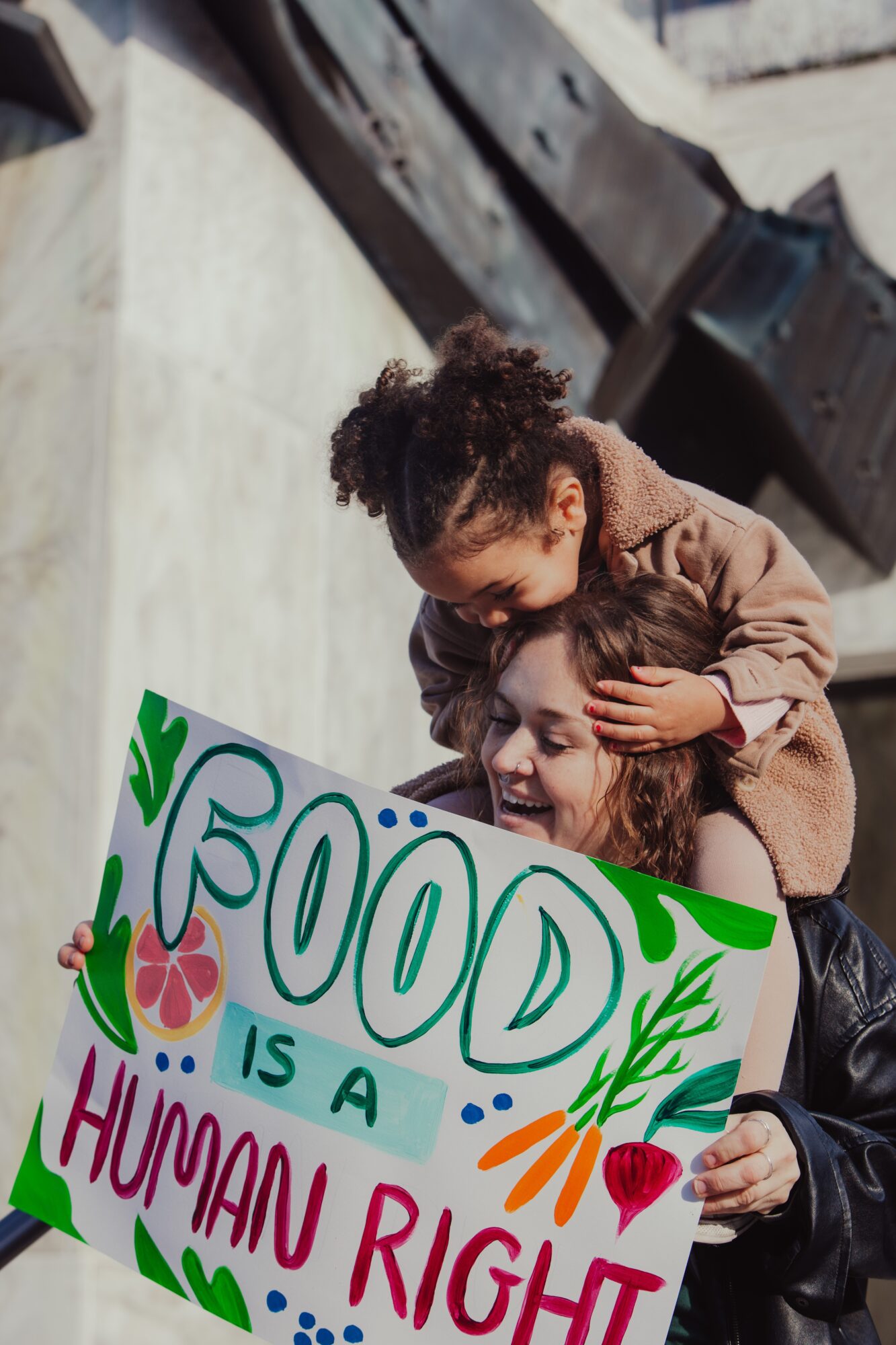
That perspective motivates me to strengthen access to food and support for families who are working hard to simply live, with the hope to one day thrive. My lived experience led me to my full-time role at Oregon Food Bank, where I focus on connecting families to essential services, advocating for systemic improvements and supporting community programs. That work is rooted in food justice, that everyone deserves dignified, equitable access to food. And that hunger is not a personal failing, but instead a policy choice.
Beyond my day job, I’ve built a photography and digital-strategy consulting business, which allows me to combine creativity with practical skills to help others tell their stories and grow their brands to make a positive impact.
At the core of how I live is showing up for people — whether it’s helping families navigate assistance programs, supporting children in crisis, or creating opportunities for joy and stability in difficult circumstances.
I try to live by the principle that even when you’re facing challenges, you can still make a meaningful impact on others’ lives, even in the simple way you check out at the grocery store.
What do you like and dislike about the city?
Can you talk to us a bit about happiness and what makes you happy?
Happiness. Growing up, I was taught that happiness is not the goal; joy is.
The difference, I learned, is that joy is a deeply embedded experience rooted in purpose and gratitude, sometimes deliberately chosen, while happiness is a fleeting and intense emotion that comes from external circumstances.
For me, happiness shows up when my child does something new for the first time, when I treat myself to a Carl’s Jr. chocolate milkshake, or when I realize I have more money than I expected. Happiness also comes when I put up new wallpaper in my home, while I built my chicken coop, when we collected our first chicken egg, or when the house is fully clean.
Joy, however, is always with me, even in the hardest and darkest days of my life.
What brings me joy is knowing that I am giving my kids a model of someone who believes in themselves, with the expectation that they will feel permission and empowered to believe in themselves too.
My kids bring me joy through sharing their thoughts, feelings, opinions, and trust. Knowing I have created a safe and stable home for them continues to make me joyful, happy, and purpose-filled. My garden growing, my kids picking flowers, and random family dance parties bubble up so much joy in me.
Living in the belief and energy that I am here to share love and kindness while creating a life I love brings me lasting joy.
Contact Info:
- Website: OregonFoodBank.org, nataliekristeen.com
- Instagram: @oregonfoodbank @nataliekristeenphotography