


Today we’d like to introduce you to Desiree Dalkiran.
Hi Desiree, please kick things off for us with an introduction to yourself and your story.
We’re Meant to Heal: The Story Behind Shine Counseling
I come from a poor background with a lot of instability and trauma. I moved to Lane County when I was young, in the third grade, after living in other places, and grew up locally. That experience gave me both an insider’s understanding of this community and the perspective of someone who learned it over time. That context matters, because everything I’m building is rooted in that lived experience—not just professionally, but personally.
Counseling is the career I chose, but it was never just about helping people in a general sense. I’ve always been drawn to science, to adventure, to understanding how things work. What pulled me into psychology was the realization that every human is their own universe—something complex, layered, and worth exploring. Psychology, to me, is not about creating something new inside people, but about discovering what is already there and activating it so it can grow.
At its core, I believe this: we’re meant to heal.
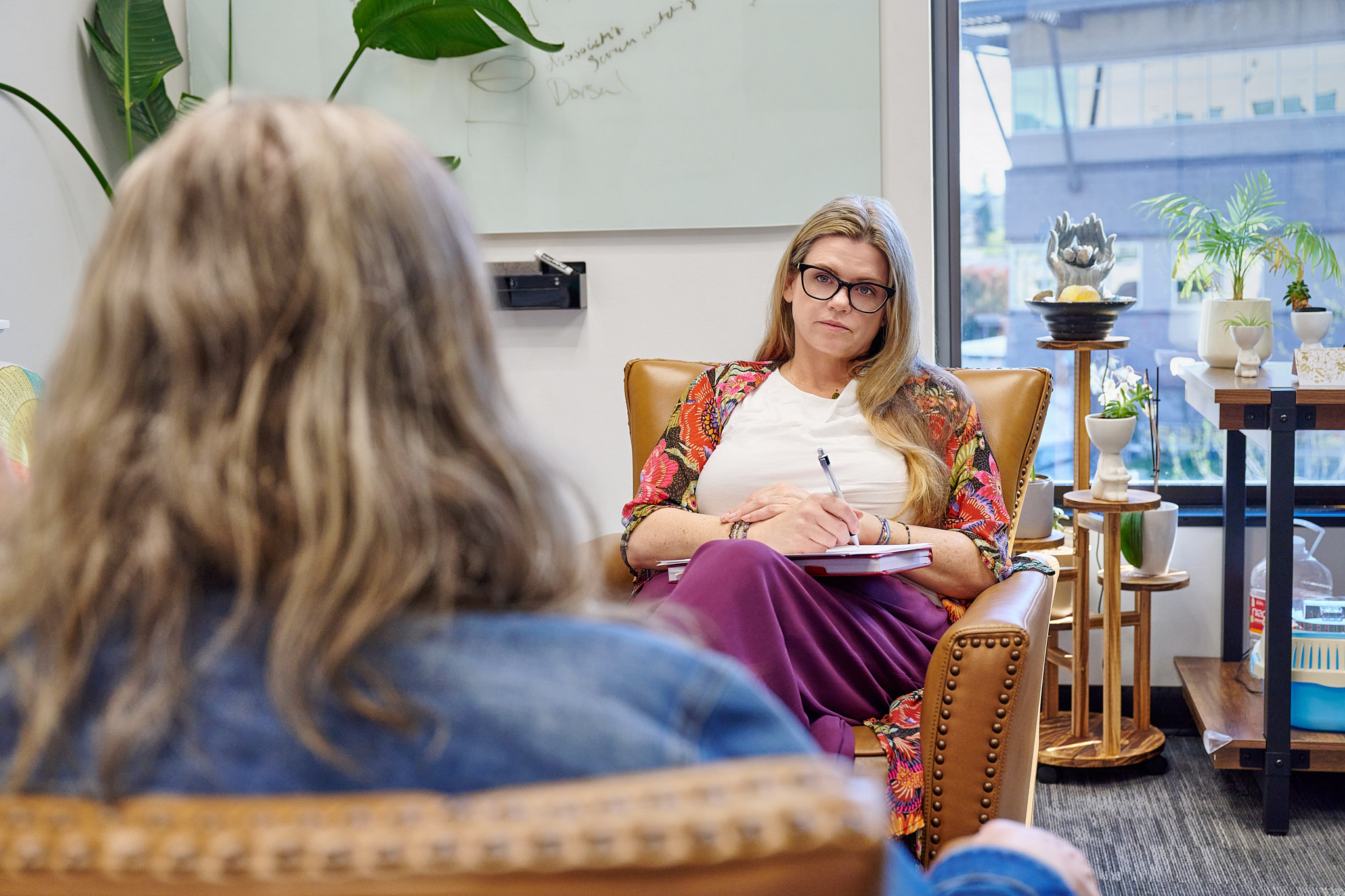
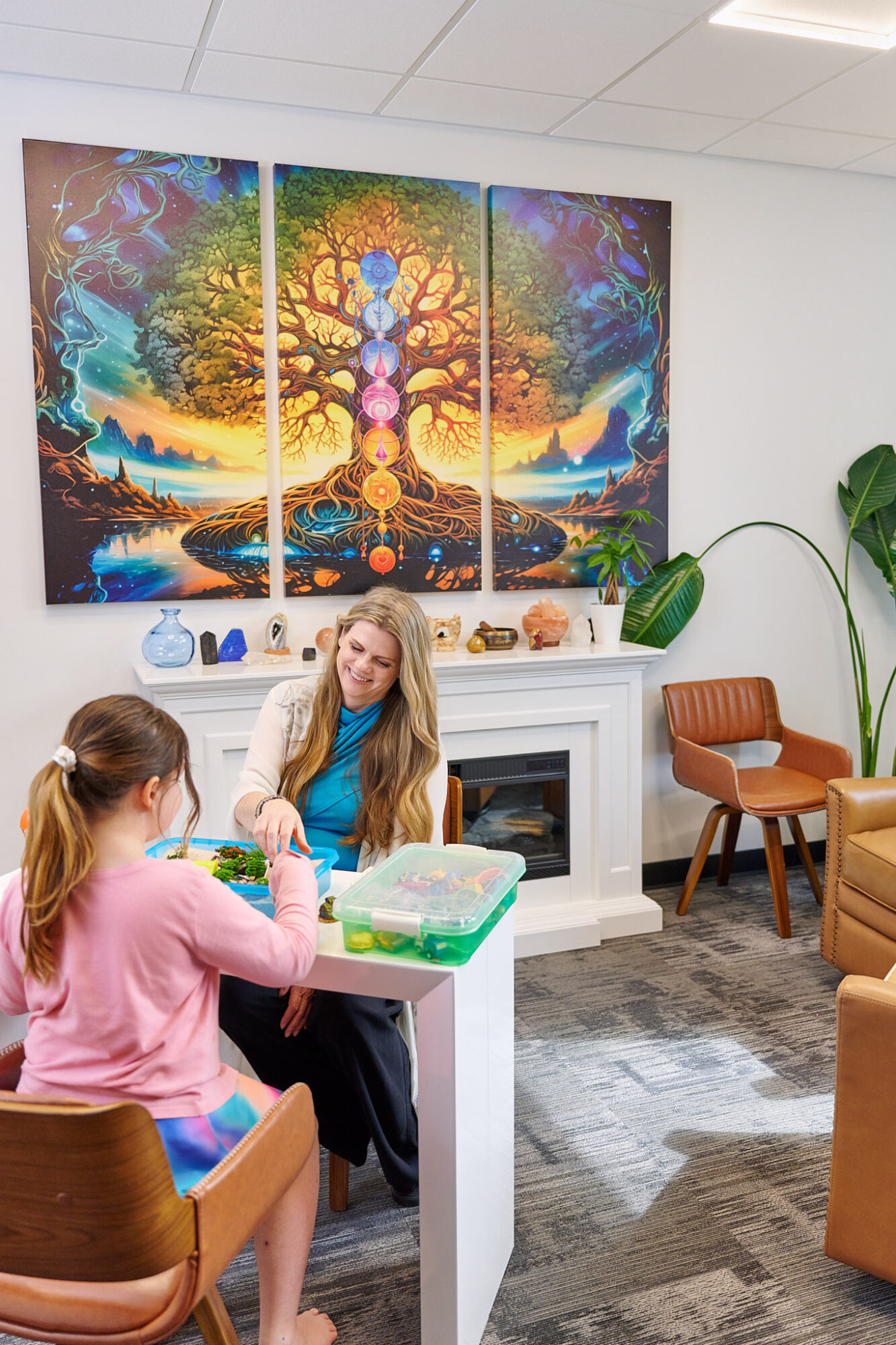
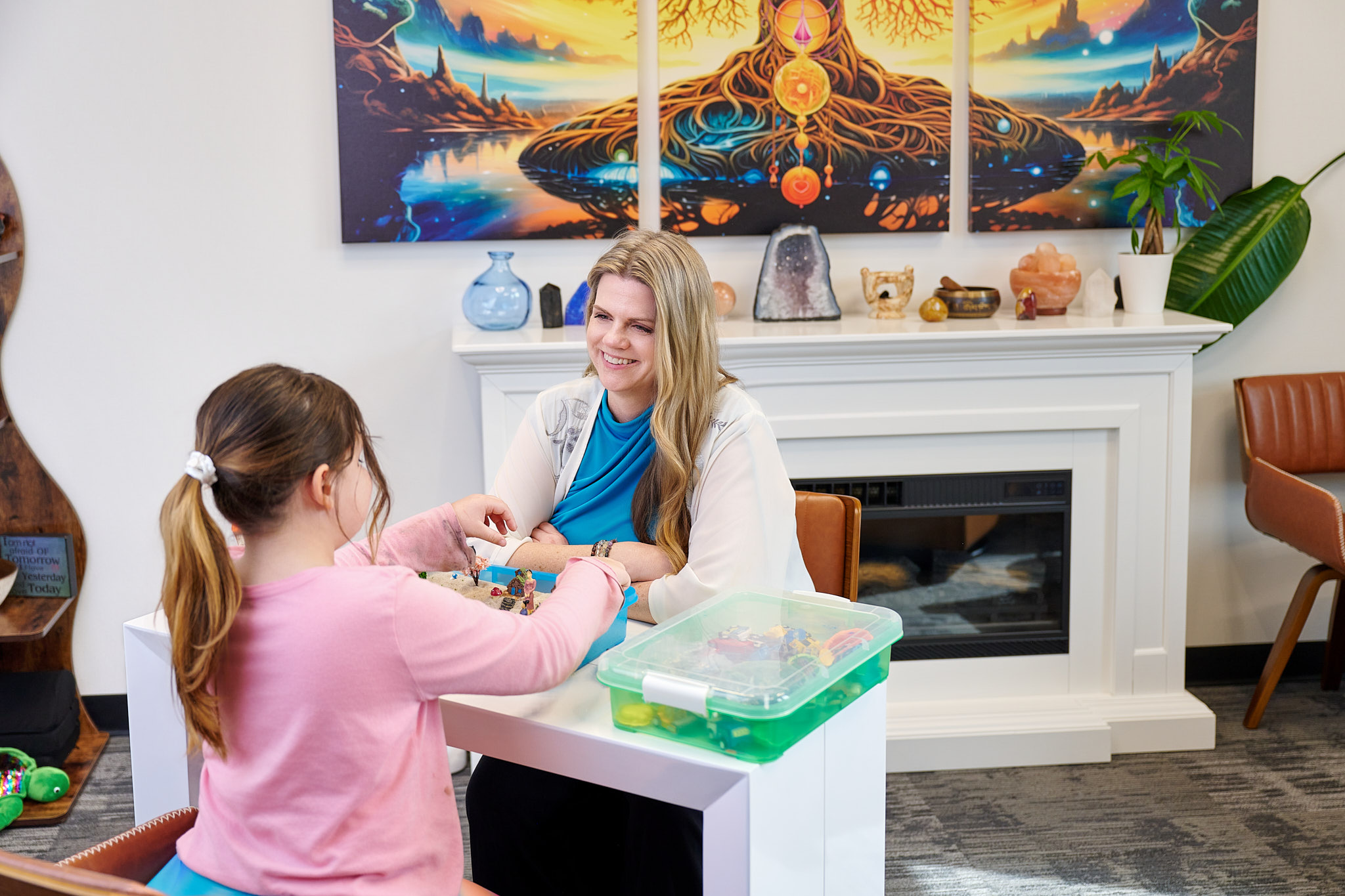
That belief is reflected in how I practice and in what I’ve built. Shine Counseling uses empirically validated therapy to help individuals access their innate ability to heal and improve the quality of their lives. The work is not about fixing people—it’s about helping them access something that already exists within them.
I genuinely enjoy connection. That’s a core part of who I am, and it’s part of what sustains me in this work.
At the same time, I reject the idea of the “wounded healer.” It’s a term often used in this field, but I think it oversimplifies and sometimes misrepresents what’s actually happening. It can imply that therapists are avoiding their own work while trying to fix others. While that may be true in some cases, a more accurate understanding, in my opinion, is grounded in the sixth stage of grief—meaning-making, as described by David Kessler.
Therapists are often people who have engaged in post-traumatic growth. They’ve gone into the depths of their own experiences and come back with something meaningful. And from that place, they choose to reach down—or sometimes climb down—and help others out of the pit.
That’s not wounded. That’s transformed.
I’ve also always been someone who thinks outside the box. The ideas I have often feel obvious to me, but I’ve realized they aren’t always obvious to others. I think part of that comes from my background—when you grow up with very little, you also grow up with less to lose. That gave me the freedom to try things. And as I’ve tried and succeeded, I’ve learned that many of the ideals people dismiss as unrealistic are actually achievable.
Before starting this company, I worked in community mental health. That experience was pivotal. I began to see significant discrepancies between what we say mental health care should be and what is actually practiced.
New clinicians are often given the hardest cases, in the most difficult environments, with the least amount of support. Many burn out before they even reach licensure. Others leave the field entirely, or are put in positions where ethical compromises become almost unavoidable. Even the most dedicated clinicians often cannot do their best work because the system itself is working against them.
I began to think of this model as a kind of “counselor mill,” something that can emerge in nonprofit structures. The funding generated through therapy often goes toward expanding programs rather than supporting the therapists doing the work. The result is a high volume of services, but not necessarily real healing.
That needs to change, especially if we are serious about addressing the mental health crisis.
If therapists are doing emotionally intensive work every day, they need access to the same foundational supports they encourage in their clients. At a bare minimum, that means manageable caseloads, work-life balance, natural light, the ability to move their bodies, and access to food.
It sounds simple, but it’s not consistently happening.
I’ve worked in environments where snacks were provided for clients, but clinicians had to pay for them—even when they were barely being paid themselves. I’ve also seen the opposite—where clinicians had snacks, but clients did not. Both miss the point.
At my company, we provide snacks for everyone. Because every human body needs to be fueled to function. That decision is small, but it reflects a larger philosophy: dignity and care should not be selectively applied.
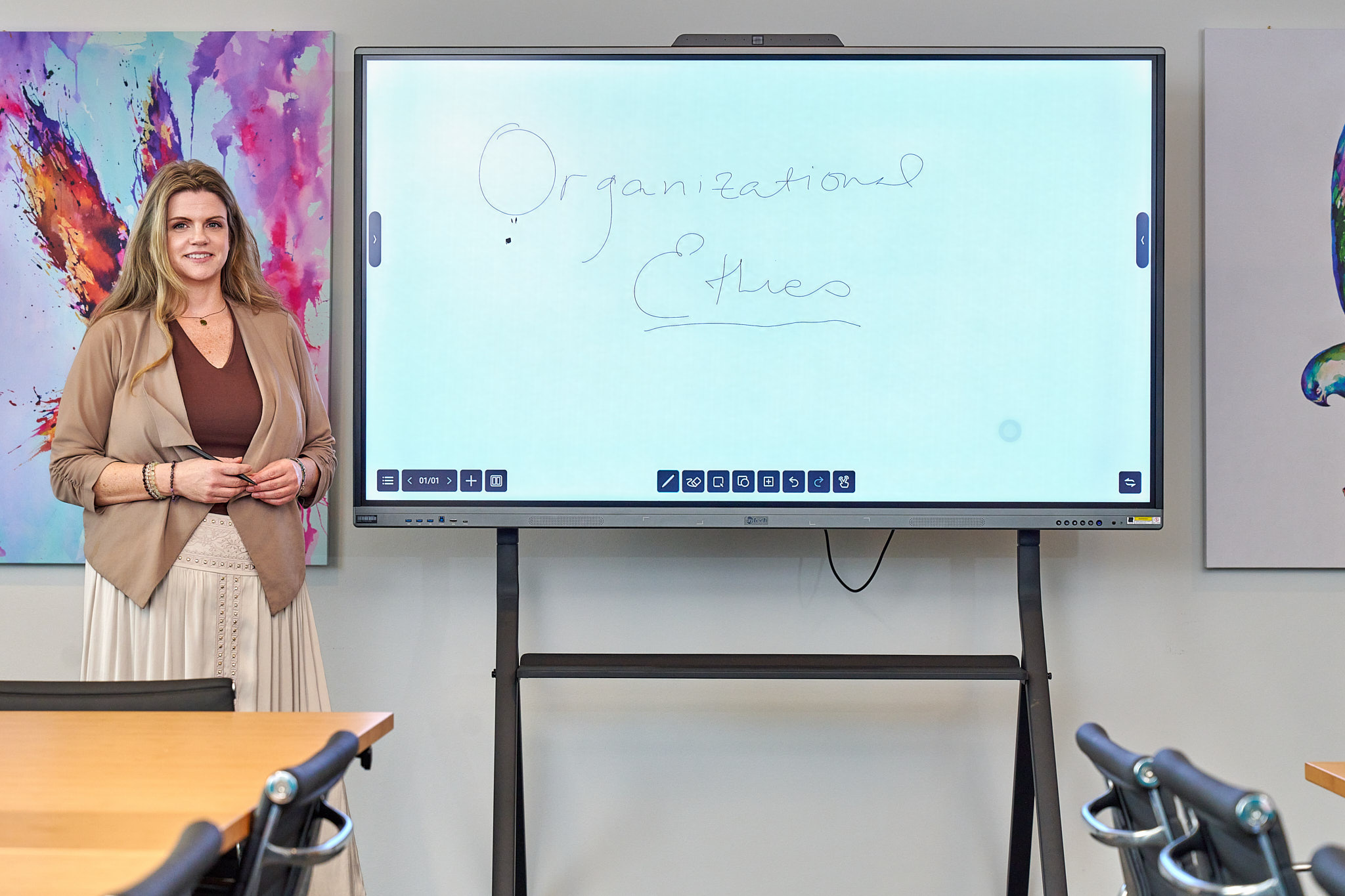
This speaks to a broader issue in our culture—the lack of organizational ethics.
Humans are behind every business, regardless of its size. In mental health, we have well-established ethical codes for clinicians, but very little that holds organizations to the same standard. We rely on general business guidelines, but those are not designed for the complexity and responsibility inherent in mental health care.
I believe we need an ethical framework for organizations themselves—one that considers both employees and clients. That’s something I am actively building. I’m writing that ethical guideline as I go, and I’ve been fortunate to meet others who share this vision and support me when I inevitably stumble.
Because it is a challenge.
It is not easy to create a system that is compassionate, trauma-informed, ethical, and still financially sustainable. For a long time, my strategy was to absorb the impact myself—to take the hits and make the sacrifices so others wouldn’t have to. Over time, I’ve realized that for this model to truly work, it has to be sustainable at every level. That has become my next growth edge.
This work also exists within a larger system that creates constraints—particularly insurance companies. Private insurance reimbursement rates for mental health services are often too low to support the kind of model I’m describing. That is one of the reasons I have chosen to limit the number of insurance panels I participate in.
Organizational ethics, in my view, should extend to payers as well. If insurance companies are truly invested in mental health outcomes, their financial structures should reflect that—supporting both providers and clients in meaningful ways.
Within my company, I prioritize transparency. My employees understand the salary structure. Traditional salary negotiation is not part of our model, but there are pathways to earn more. I believe in clarity and fairness, rather than opaque systems that benefit only a few.
Our vision is to grow an inclusive place that exemplifies the elements of well-being—one that contributes positively to both clients’ and practitioners’ lives while advancing the field of psychotherapy and counseling practice.
Ultimately, this isn’t just about a company. It’s about a vision.
I believe that Lane County can be one of the best places to live—anywhere. That’s where I’m starting, because this is where I live, and it’s where my kids are growing up. I often joke, “fuck Scandinavia and their long-standing place at the top of that list,” but the sentiment behind that is real. There is no reason we cannot create something just as good—or better—here.
And I’ve been incredibly fortunate to meet others who believe that too, and who are actively working toward that kind of future, and have even joined me at Shine.
One of the things that helped me survive and make sense of my early experiences was reading. It gave me access to ideas at a young age that shaped how I see the world. One of the most important ideas I developed is this: accepting responsibility gives you power.
When you take responsibility for something, you gain the ability to change it.
That belief has carried through every stage of my life and is at the core of what I’m building now.
My understanding of trauma isn’t theoretical. It comes from lived experience, including recently navigating and leaving domestic violence, and rebuilding from it. Trauma has shaped how I think about safety, autonomy, and what support actually needs to look like to be real.
Shine Counseling is an attempt to build something that reflects all of this—where healing is not just discussed, but actually possible and worked towards with every detail.
Because we’re meant to heal.
Can you talk to us a bit about the challenges and lessons you’ve learned along the way. Looking back would you say it’s been easy or smooth in retrospect?
It’s not been all smooth, with last year being the most difficult. Last year I went through a challenging divorce as I chose to leave an almost 9 year marriage due to domestic violence. He was also my business partner and had created a lot of chaos in the wake of this decision directly impacting Shine Counseling. Additionally, recently state and federal changes resulted in a very impactful transition with Lane County of one of the servicers of medicaid insurance choosing to leave the area. These events occurring nearly at the same time resulted in fiscal and personnel challenges that we have overcome and since almost completely stabilized from, though we are working to finalize this.
Alright, so let’s switch gears a bit and talk business. What should we know about your work?
Quality is very important with Shine. I started counseling at a cancer treatment center where we had a daily practice of engaging in integrative health on a multidisciplinary team. I have carried this approach into my practice at Shine. I endeavor to help clinicians see themselves as medical professionals and to stay abreast of medical issues that directly impact or have mental health related symptoms in order for them to make appropriate referrals and collaborate for the health of their clients. I also incorporate this into important culture considerations for the area. An example of this is that individuals who have vegan diets and who may not be managing their diets in a way to allow for balanced nutrition can experience anxiety and depression due to low amounts of triptifan, which is a precursor to serotonin. Additionally, we see children who have repeated Strep infections may actually have a diagnosis of PANDAS rather than a mood disorder. I encourage clinicians to reach out to other professionals involved in the individual’s care to provide and gain perspectives and to include this data in their consideration of treatment towards the client’s goals.
In counseling, we tend to call clinicians either directive, meaning they run the show, or client led, meaning clients run the show. I do not believe leaning too far into either is trauma informed. I encourage an approach that I have named collaborative. I believe creating a clear picture of what client’s can expect is trauma informed. I believe explaining that sometimes the client will need us to deviate from our goals is also trauma informed and that at times, it will be important for clinicians to use the knowledge they have is trauma informed. We work together as a team with our clients to help them accomplish the goals they have created for themselves.
Before we go, is there anything else you can share with us?
There is no such thing has mental and physical health, there is only health. I believe we all want to be healthy and I truly believe this will come from us learning how to reconnect with each other as humans in every facet of our lives. Shine is about my desire to show up embodying this in the world to as large of a degree as possible.
Contact Info:
- Website: https://shinecounseling.co
- Instagram: https://www.instagram.com/shinecounseling.co/
- Facebook: https://www.facebook.com/shinecounselingllc/