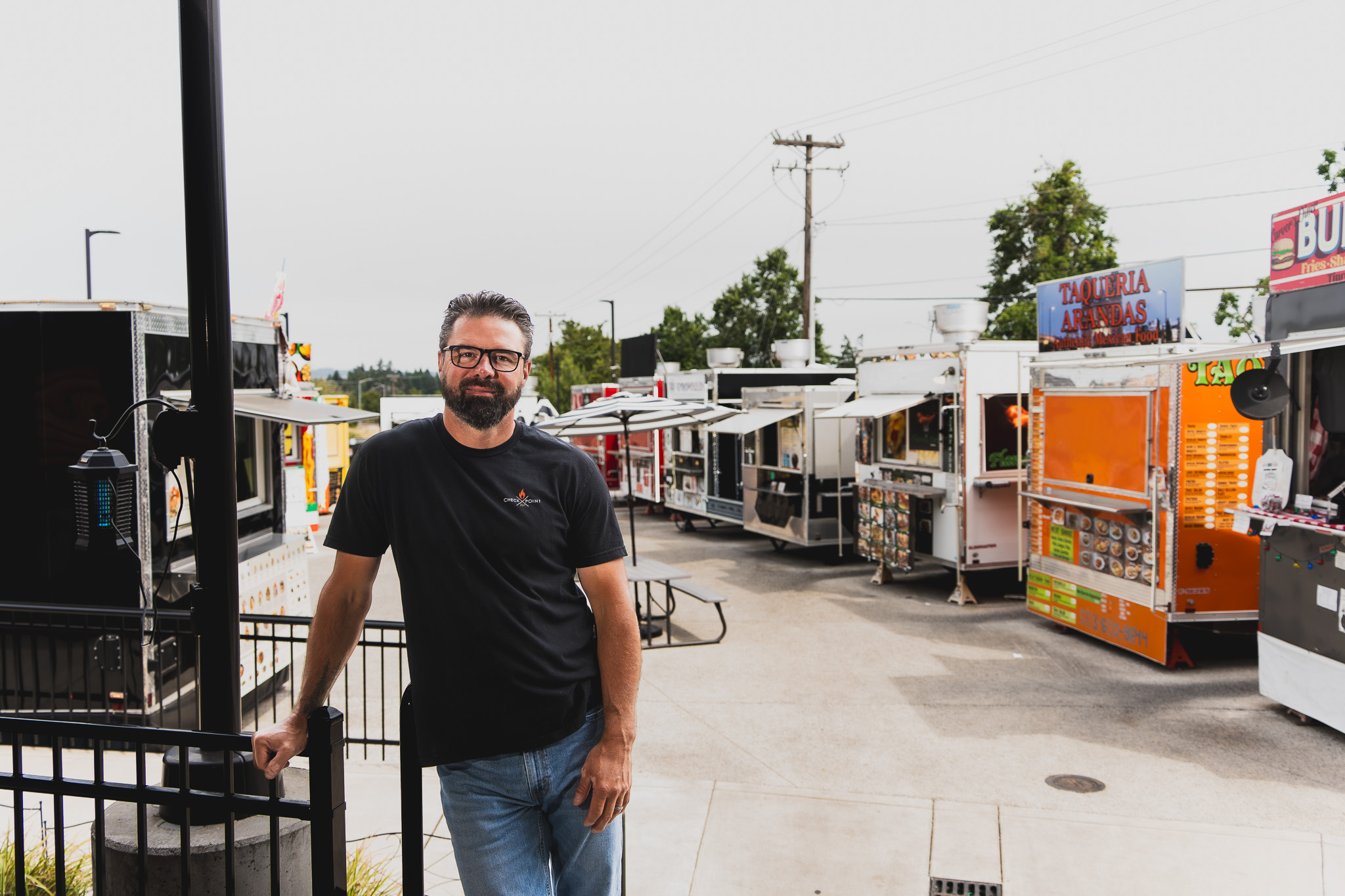



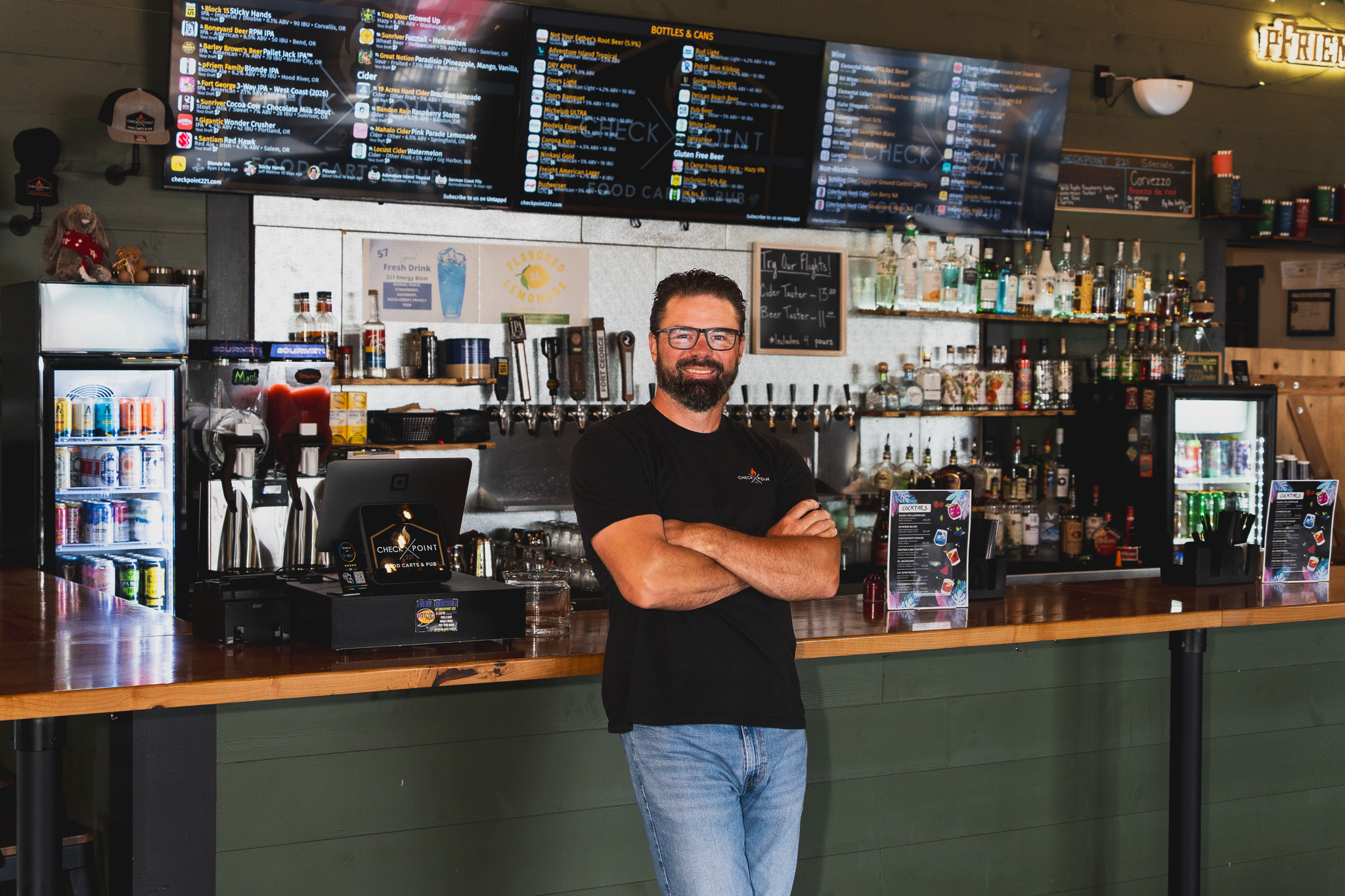
Today we’d like to introduce you to Roy Long.
Hi Roy, please kick things off for us with an introduction to yourself and your story.
My path into the food cart industry was anything but linear. From my time in the military to years in sales and eventually working in regulatory compliance for the State of Oregon, each step gave me a unique perspective on service, business, and operations. But despite a stable career, there was always an underlying drive in me to build something of my own. I wanted a venture where I could take full ownership of my work, but more importantly, one that allowed me to solve real needs in the local area and create a lasting, positive impact.
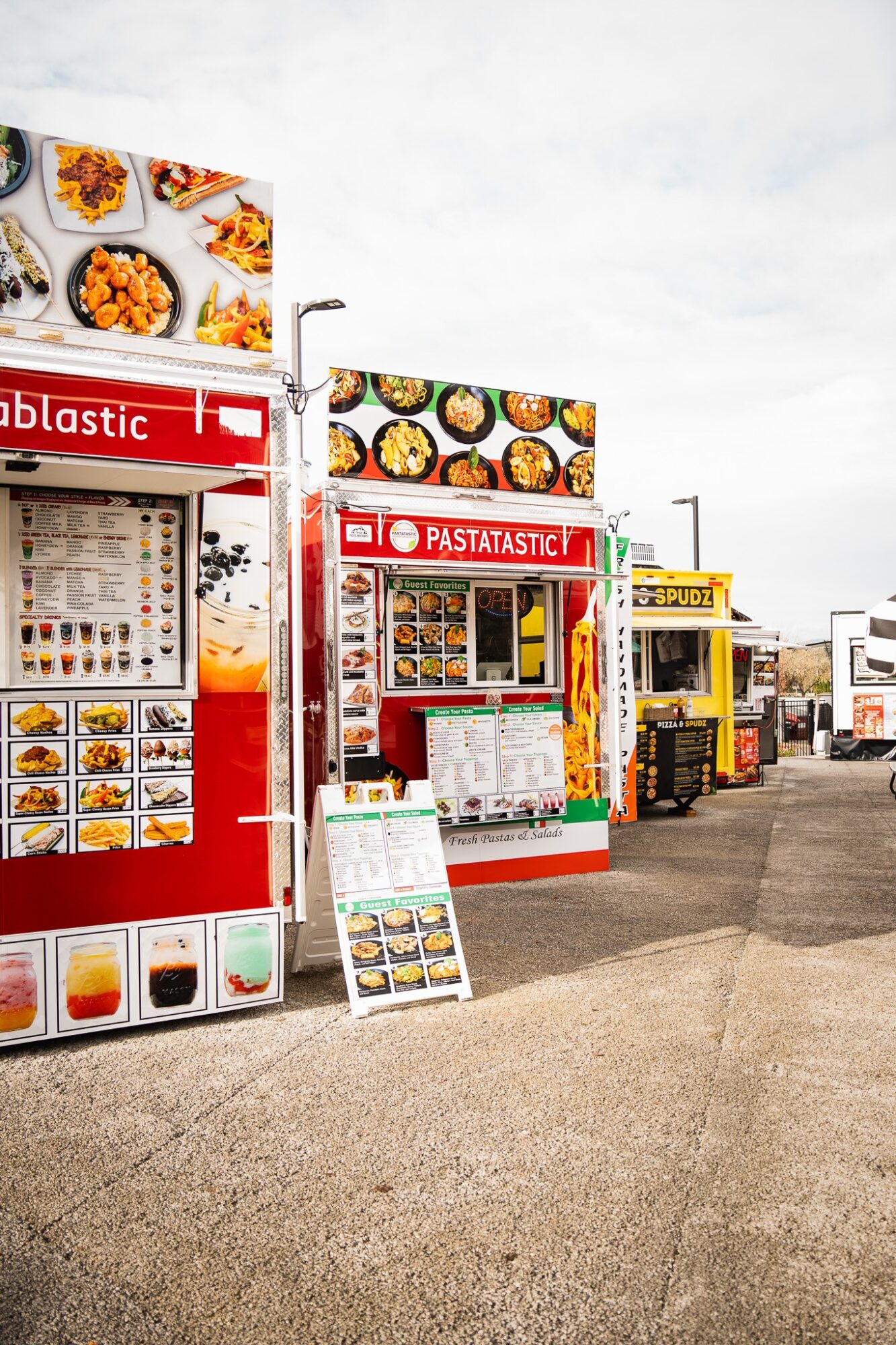
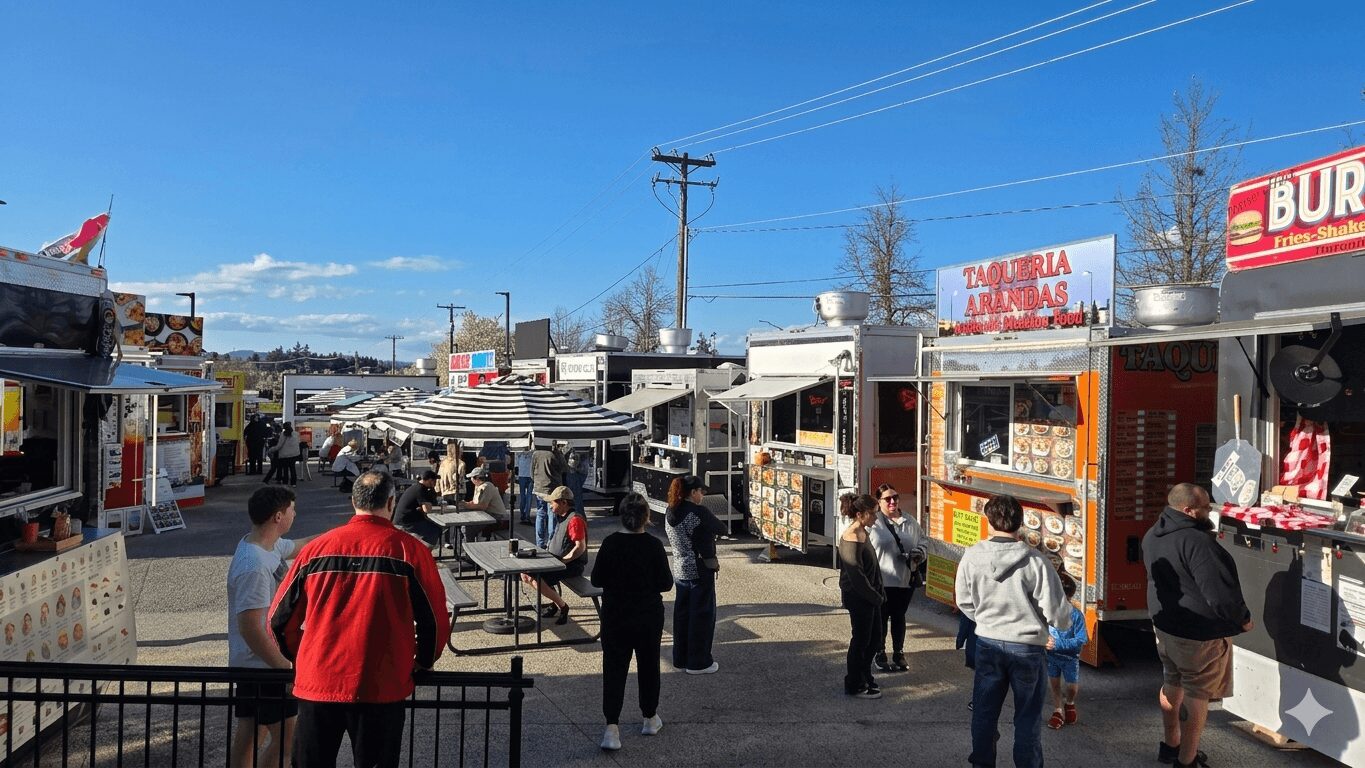
That’s where the food cart model clicked for me—it brought together everything I’m truly passionate about. It gave me a platform to help aspiring entrepreneurs launch their own businesses with fewer barriers, while simultaneously delivering incredible, diverse food options to a community that needed them. One of the most rewarding parts of this approach is bringing rich, authentic cultural cuisines directly to the neighborhood—flavors and traditional dishes that residents might otherwise never have the chance to experience in a standard brick-and-mortar restaurant setting.
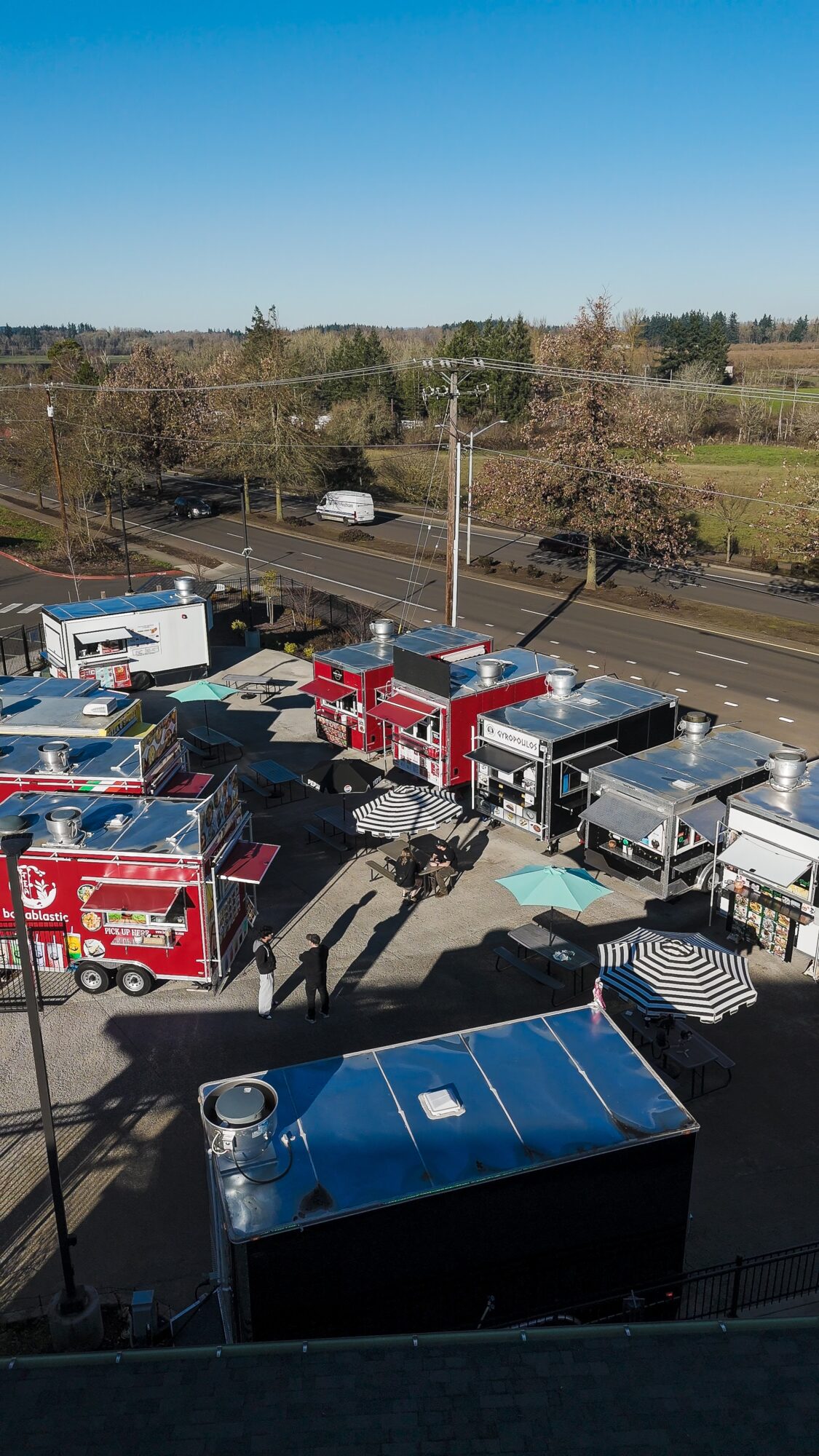
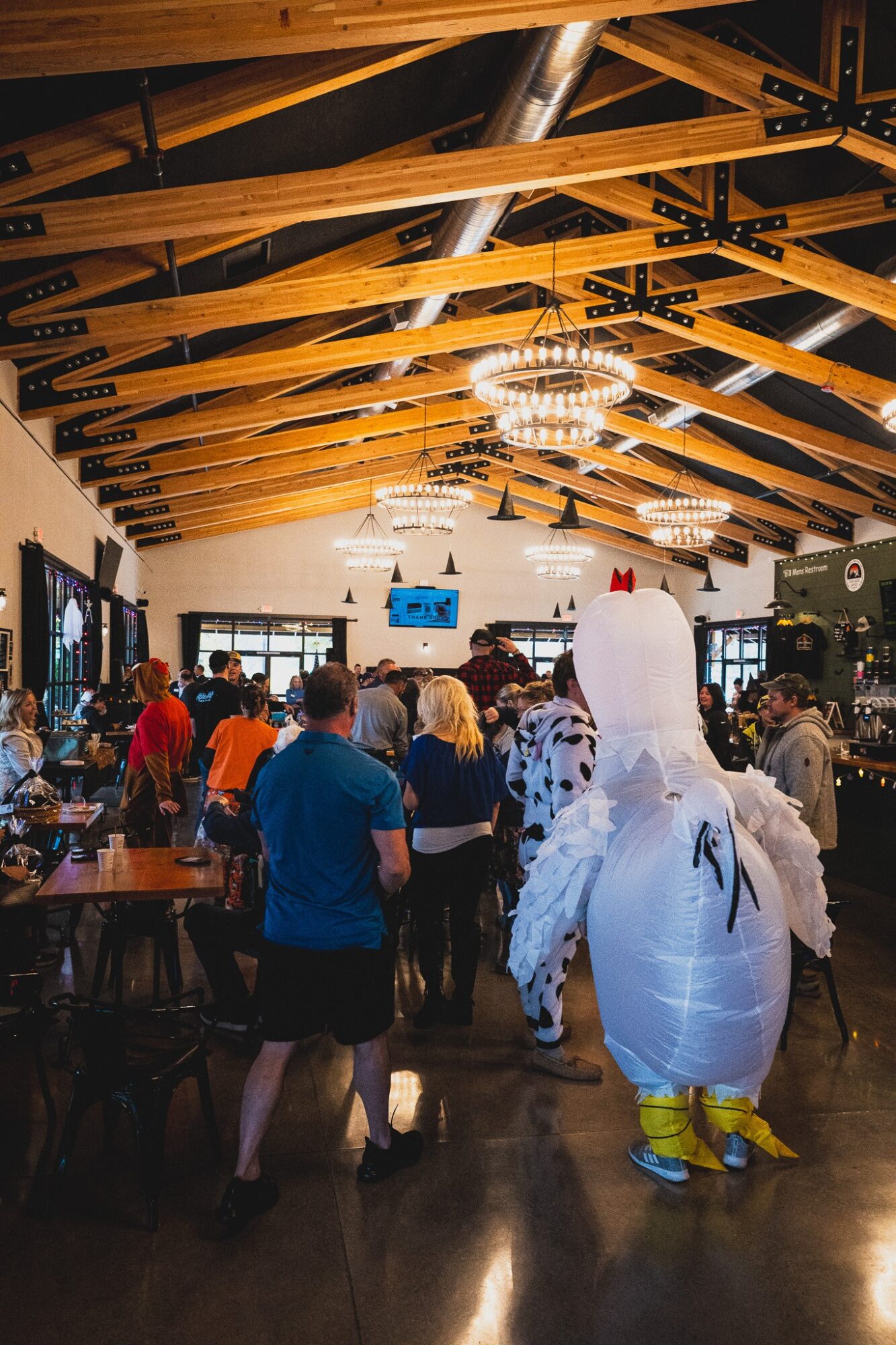
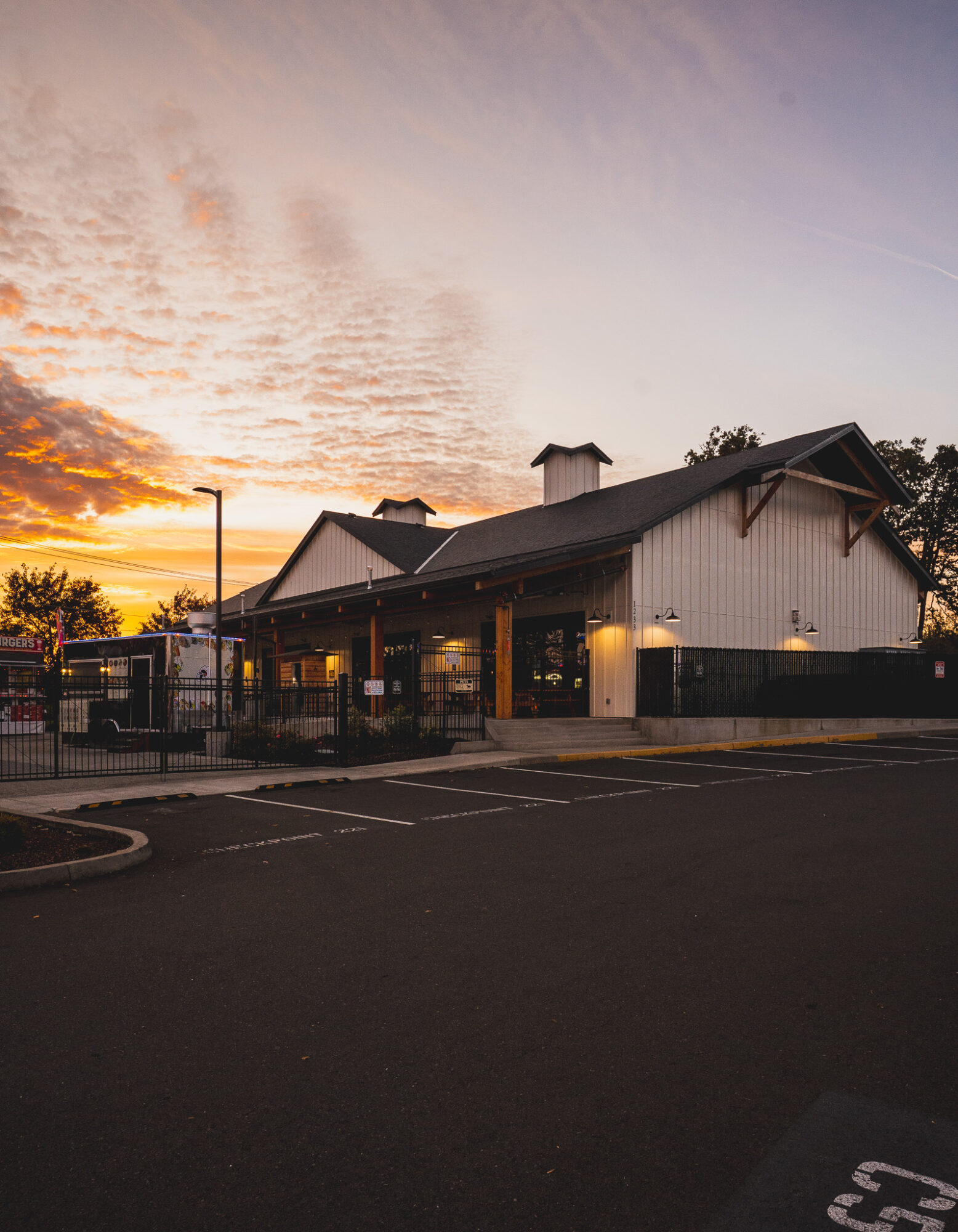
Bringing Checkpoint 221 from concept to reality took grit, careful planning, and an immense amount of support and understanding from my family, whose patience made the journey possible. Transforming the space required constructing a seamless, fully equipped environment engineered for vendor success, complete with reliable infrastructure, comfortable year-round seating, and an atmospheric pavilion bar serving local craft brews and drinks. Beyond just being a place to grab a bite, the pavilion was designed from day one to serve as a central hub for the community—regularly hosting everything from local school fundraisers and community gatherings to baby showers, celebrations, and everyday family hangouts.
Today, Checkpoint 221 stands as a thriving heart of local flavor and neighborhood connection. Being an owner who is deeply involved in the day-to-day operations allows me to continuously refine the venue, keeping it accessible, welcoming, and grounded in authentic hospitality. What started as a desire to forge my own path has grown into a destination where local food entrepreneurs can launch their dreams, cultures can be shared through incredible food, and the community always has a place to call home.
Alright, so let’s dig a little deeper into the story – has it been an easy path overall and if not, what were the challenges you’ve had to overcome?
Behind the scenes, bringing a project of this scale to life meant navigating a constant gauntlet of hurdles, with lending and financing proving to be the absolute biggest hurdle. Financial institutions are notoriously cautious when it comes to the food and beverage industry, and getting traditional lenders to share the vision for a multi-vendor culinary park was an uphill battle. Layer on top of that the endless maze of city regulations, zoning approvals, and permitting requirements, and there were countless moments where the administrative red tape threatened to stall momentum before we even broke ground.
Once the physical space was built, a whole new set of operational challenges began. Staffing a venue that blends a busy pavilion bar with shared space maintenance requires finding reliable, hard-working people who care about the guest experience. Just as crucial—and equally difficult—was recruiting food cart operators who aligned with my vision for high-standard customer service. A food pod only succeeds if every single cart treats guests with warmth and consistency; finding vendors who not only make incredible food but also share that hospitality-first mindset took time, careful Vetting, and constant communication.
Compounding all of these internal pressures was an unpredictable economy. Rising food costs, fluctuating consumer spending, and shifting economic conditions meant there was zero room for error on margins. Keeping prices fair for families while ensuring both the pavilion and our independent cart vendors remained profitable required constant adaptation. Facing those challenges head-on wasn’t easy, but overcoming them made the eventual success of the space that much more rewarding.
Thanks for sharing that. So, maybe next you can tell us a bit more about your work?
What I am most proud of is building a platform that serves two powerful purposes at once: giving local culinary entrepreneurs a launchpad to turn their dreams into sustainable businesses, and giving our community a welcoming place to call home. Whether it’s hosting school fundraisers, family celebrations, or simply providing a neighborhood hub where residents can experience rich, authentic cultural cuisines that aren’t available in traditional brick-and-mortar restaurants, creating a space grounded in genuine hospitality and connection is my greatest achievement.
What truly sets me apart is an unyielding insistence on high-standard customer service and operational pride. I strive every day to provide the cleanest, most friendly, and most welcoming space in the Salem area. That commitment extends directly into how I build my team—I make a deliberate point to hire local West Salem residents, creating a tight-knit staff where most team members have been with me since the day we opened. Drawing from my own experience growing up, I’m also passionate about opening doors for the next generation. I regularly hire local youth—some as young as 14 during the summer months—giving them their first real job experience, teaching them responsibility, and instilling a strong work ethic in a supportive environment. Combining that community-first mentorship with my background in the military, sales, and state regulation gives me a unique foundation to run a smooth operation while keeping local roots and genuine hospitality at the heart of everything I do.
What are your plans for the future?
Looking ahead, my passion for this industry continues to drive me to seek out new locations for future food cart pods. I am always actively scouting potential sites where we can bring greater culinary variety to communities that are currently underserved by diverse dining options. Right now, we are actively exploring opportunities in locations like Molalla and Woodburn, with the goal of replicating our success—building welcoming, family-friendly gathering spaces that empower local vendors, boost the local economy, and give residents convenient access to incredible cultural foods right in their own backyards.
Contact Info:
- Website: https://www.checkpoint221.com
- Instagram: https://www.instagram.com/chckpt221
- Facebook: https://www.facebook.com/checkpoint221