


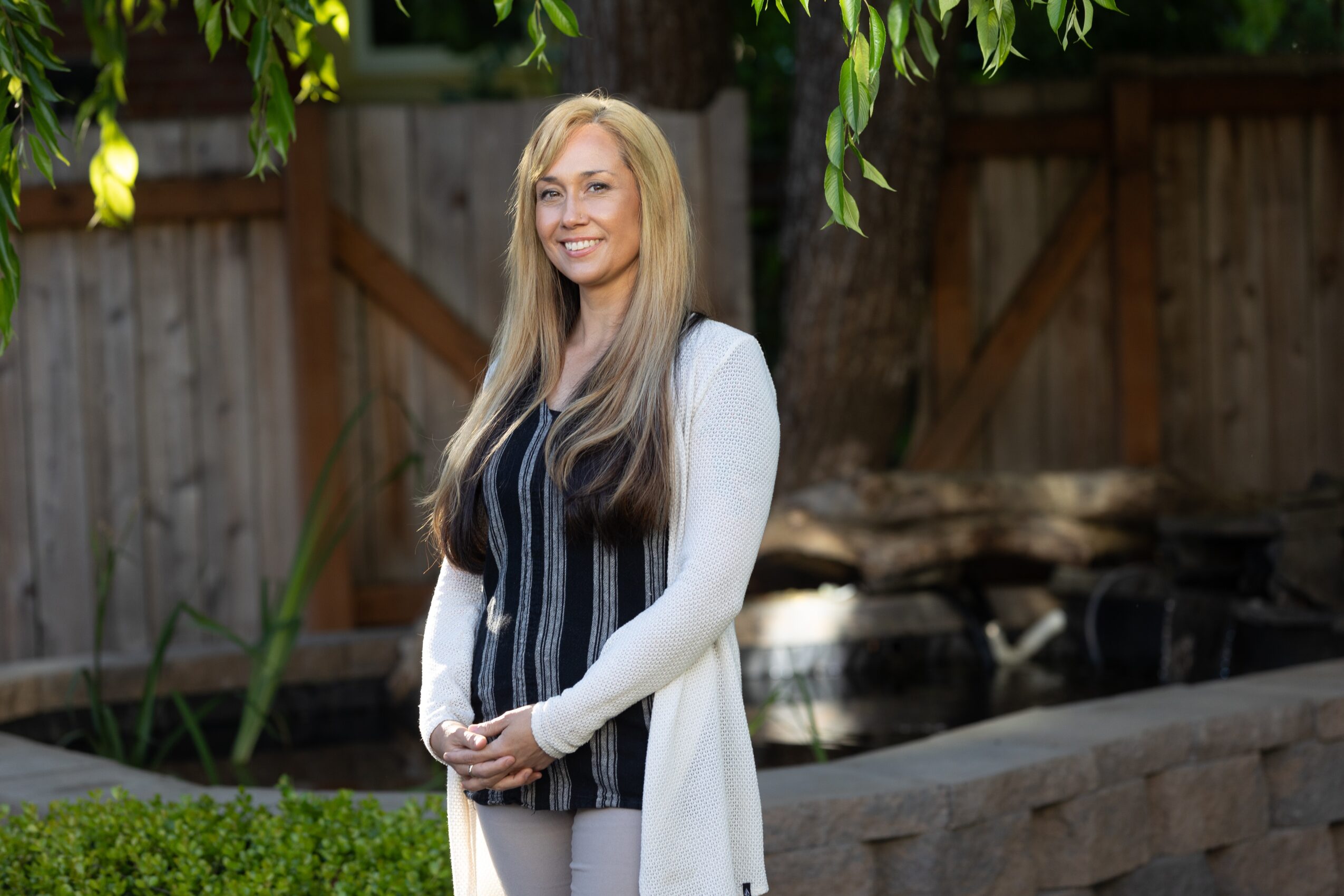
Today we’d like to introduce you to Cindy Guizar.
Hi Cindy, we’re thrilled to have a chance to learn your story today. So, before we get into specifics, maybe you can briefly walk us through how you got to where you are today?
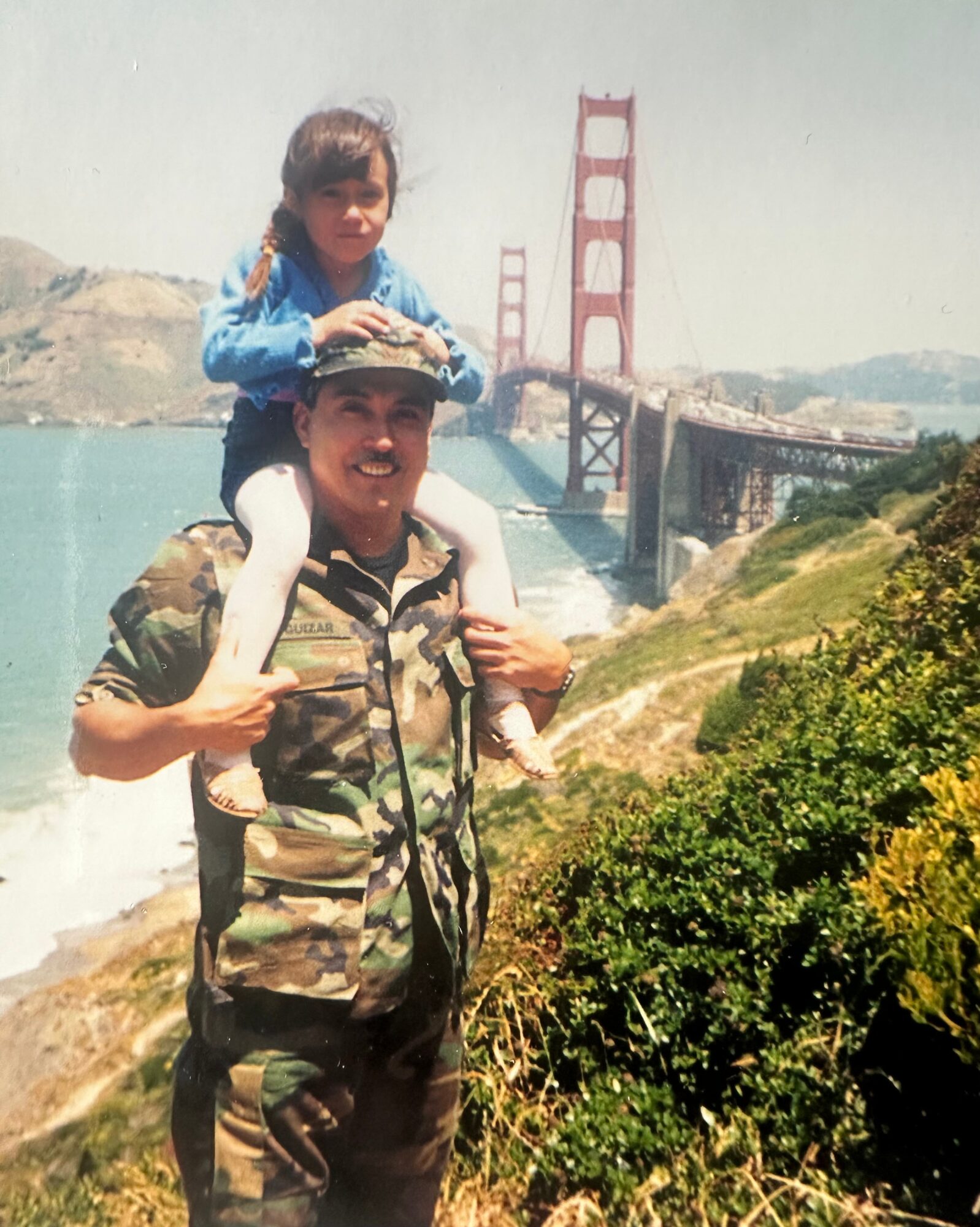
I was born in San Francisco and raised in the Mission District, the historic barrio of this major metropolitan city. My parents met while serving in the Army, back when the Presidio still operated as a military base. The Mission was, and remains, a vibrant, close-knit community rich in culture, resilience, and family ties. Yet beneath that sense of community was the reality of a neighborhood struggling with poverty, limited resources, and persistent violence.
Growing up in the Mission meant learning at an early age that tragedy could strike close to home. While the neighborhood was filled with strength, culture, and a deep sense of belonging, it was also a place where many of us were forced to navigate the realities of violence and its lasting impact on our community.
One of my earliest experiences with tragedy came when my best friend’s brother was killed. It was a stark reminder that violence could reach any family. In the area where I grew up, conflicts sometimes escalated beyond individuals; there were even instances where family members killed one another, leaving entire generations affected by grief and trauma.
Perhaps the loss that affected me most personally was the death of my best friend, someone I played with nearly every day. He was shot and killed by his mother. As a child, I struggled to understand how such a thing could happen. His death left a lasting impact on me and changed the way I viewed safety, family, and the world around me.
Growing up surrounded by these events meant that loss became familiar at an age when children should be focused on school, friendships, and dreams for the future. These experiences exposed me to the realities of violence and trauma long before I was ready for them. While they brought pain and confusion, they also shaped my understanding of resilience, the importance of community, and the lasting consequences that violence leaves behind.
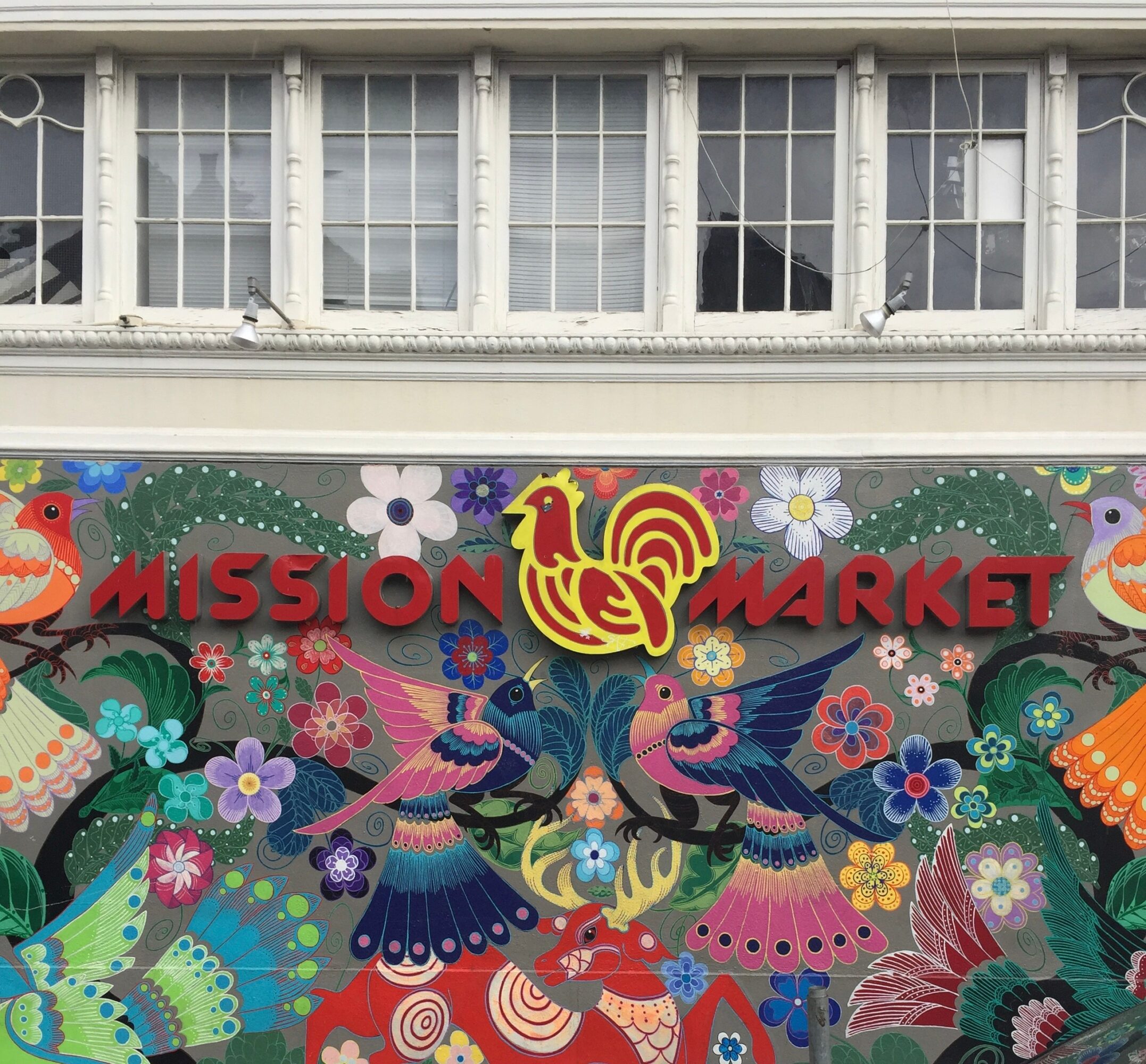
My mother owned a candy store, while my father managed what was then known as Mission Market. At the same time, he also ran his own construction business. The Mission District was deeply influenced by Catholic traditions, and I attended Catholic school throughout much of my childhood—St. James from kindergarten through fourth grade, and St. Peter’s from fourth grade until just a little of eighth grade.
Those schools gave me some of my earliest opportunities to explore music and performance. I sang solos in school plays, acted on stage, and discovered parts of myself through creativity and expression.
When I was twelve years old, my father was stationed in Southern California at Los Alamitos. Leaving the Mission was heartbreaking. I remember the tears, the hugs, and the sadness of saying goodbye to my friends. Even through their own sadness, they cheered me on, believing that moving to Southern California might open even greater opportunities for me.
There, I was introduced to an entirely different world—a safer, suburban environment in Orange County that felt far removed from the neighborhood where I had grown up. I quickly made new friends and began adapting to my new surroundings. However, as I entered high school, I experienced another difficult lesson. Rumors fueled by jealousy began to spread, straining and ultimately breaking apart some of those friendships. It was a painful experience, but one that taught me an important truth at a young age: not everyone will support you, and not everyone is meant to remain in your life.
Nonetheless, I formed lasting friendships and enjoyed a happy and fulfilling life. One of the most influential experiences of my teenage years was landing my first job at Disneyland. It was there that I learned the true meaning of customer service, the importance of making people feel welcome, creating a warm atmosphere, and helping guests create memorable experiences.
As a hostess at Pizza Port in Tomorrowland, I greeted hundreds of guests each day with a smile. I still remember coming home after my shifts with aching cheeks from smiling so much. While it may seem like a small detail, that experience taught me valuable lessons about hospitality, kindness, and the impact that a positive attitude can have on others. Those lessons would stay with me long after I left Disneyland, shaping the way I interact with people both personally and professionally.
Just before I graduated from high school, my father was once again transferred—this time to Texas. The move felt overwhelming. Texas seemed like a completely different world from California, and I made the decision to stay behind. I enrolled in college and tried to build my life independently, but I quickly realized how much I missed my family.
What happened next felt like a calling. After completing one semester of college, I packed my belongings and moved to Texas to reunite with them.
The adjustment was not easy. The culture was very different from the diverse and progressive environments I had known in San Francisco and Southern California. I encountered attitudes and social expectations that felt unfamiliar to me, particularly regarding race and traditional gender roles. In some communities, I observed beliefs that seemed rooted in an earlier era, where women were often expected to take on more conventional domestic roles and where cultural divisions felt more pronounced than what I had experienced growing up. The experience challenged my perspectives, broadened my understanding of different ways of life, and taught me how to navigate environments that did not always reflect my own values and experiences.
During my time in Texas, I began discovering more about who I was and what truly interested me. I developed a passion for science, health, and holistic wellness. I immersed myself in books, building a personal library and spending countless hours learning about the body, healing, and natural approaches to health.
In many ways, I found myself following in the footsteps of my grandmother, who had worked as a massage therapist in a chiropractic office. Inspired by her example, I enrolled in massage therapy school. One of our instructors was a chiropractor who taught anatomy and physiology. As part of the program, he offered students the opportunity to receive chiropractic adjustments.
That experience changed my life. After my first adjustment, I felt more energized, more present, and more connected to my body than I ever had before. It was as though my nervous system had awakened. I felt vibrant, healthy, and balanced for weeks afterward. The experience sparked a deep curiosity about the body’s ability to heal and function at its highest potential.
As I continued my studies, I began learning not only about chiropractic care itself, but also about the philosophy behind the profession. I was inspired by the belief that the body possesses an innate ability to heal when interference is removed and proper function is restored. The concept that health comes from within, rather than solely from outside interventions, resonated deeply with me. I was amazed that such a profound approach to health and healing remained relatively unknown to much of the public. The more I learned, the more passionate I became about helping others understand the body’s incredible potential.
I discovered that many people have only a limited understanding of what chiropractic truly is, often associating it solely with back pain or spinal adjustments. It is a profession centered on optimizing the body’s function and recognizing the powerful relationship between the nervous system and overall health. In many ways, chiropractic is the underdog of the healthcare world—often misunderstood, overlooked, or underestimated despite the profound impact it can have on people’s lives. The more I learned, the more inspired I became by its emphasis on the body’s innate ability to heal and adapt when given the opportunity to function at its best.
During this period of self-discovery, I met a man who immediately captured my attention. He was charismatic, handsome, and full of confidence. We connected quickly, and what began as a simple attraction soon developed into a serious relationship. Like many young women, I was drawn to his charm and the excitement of building a future together.
As our relationship grew, so did my hopes and dreams for what our life could become. Five years later, while still attending college, I unexpectedly became pregnant. Although it had not been part of my plans, I embraced motherhood and the responsibility that came with it.
At the same time, life grew increasingly difficult as my partner developed an addiction to prescription pain medication following a back injury. As his dependence on the medication deepened, subtle changes began to emerge in our relationship. The charm and confidence that had initially attracted me slowly gave way to behaviors that were more controlling and dismissive. My opinions were often minimized, and decisions increasingly revolved around his needs and moods.
Over time, I found myself questioning my own judgment and walking on eggshells to avoid conflict. What began as emotional control gradually evolved into manipulation, intimidation, and eventually mental and physical abuse. It was a painful and confusing experience, especially because it contrasted so sharply with the person I had first fallen in love with.
Yet even during those difficult years, my growing passion for health, healing, and chiropractic philosophy continued to inspire me. The belief that the body and mind possess an incredible capacity for healing gave me hope that my circumstances did not have to define my future. Those challenges ultimately became some of life’s most profound lessons, teaching me resilience, self-worth, and the importance of reclaiming my voice.
When my son, Jacob, was four years old, I made one of the most difficult and important decisions of my life. After years of enduring emotional, mental, and physical abuse, I obtained a protective order. More than anything, I wanted to break the cycle and ensure that my son did not grow up believing that such behavior was normal or acceptable. I knew that the example he witnessed during his childhood would shape the kind of man he would become, and I was determined to show him that respect, kindness, and healthy relationships were non-negotiable.
With courage, faith, and little certainty about what lay ahead, I packed up our lives and moved back west to be closer to my family and support system. It was not simply a geographical move—it was the beginning of a new chapter. As a single mother, I returned to school to complete my undergraduate studies with a renewed sense of purpose. The challenges I had endured had only strengthened my conviction that I wanted to help others heal and live healthier lives. It was during this time that I committed myself fully to pursuing a career in chiropractic, a path that had inspired me years earlier and one that now felt more like a calling than a profession.
After returning to the west, I moved in with my parents, who had retired to Reno, Nevada. Determined to create a better future for my son and myself, I threw myself into work and education. I worked as a massage therapist in the Lake Tahoe area while attending school full-time to complete my undergraduate studies in Reno. I often worked multiple jobs, including a customer service position at a local ski resort. I was focused, motivated, and driven by a clear sense of purpose.
During this time, I met a man while working at Alpine Meadows. From the beginning, he seemed far more interested in me than I was in him. He was kind, persistent, and made it clear that he wanted to get to know me. At the time, however, my schedule left little room for anything beyond raising my son, working, and attending school.
Months later, when I finally found a brief break from the demands of school and work, I decided I might be open to getting to know him after all. Unfortunately, timing had other plans. By then, he had already returned home to Oregon. What seemed like a missed opportunity at the time would eventually become an important part of my story, proving that sometimes life’s most meaningful relationships unfold according to their own timeline.
After completing my undergraduate studies, I returned to the San Francisco Bay Area, excited to be back in the city I had always considered home. I had dreamed of returning for years, imagining the familiarity of the places and culture that had shaped my childhood. Yet the reality was more challenging than I expected. The Bay Area had changed dramatically, with relentless traffic and an extraordinarily high cost of living.
Returning to San Francisco was both exciting and bittersweet. Not long after moving back, I learned that the building of the Mission Market, where much of my childhood had unfolded was gone. The property housed my parents’ businesses, and our family lived in an apartment above them. It was more than just a building—it was the backdrop of my earliest memories, the place where I learned about family, community, hardship, and resilience.
The building had been destroyed in a fire caused by faulty electrical wiring. As I stood reflecting on what had been lost, I couldn’t help but think about all the lives and stories connected to that place. It was also where one of my first childhood friends had lived before his tragic death. Seeing that physical piece of my past erased was emotional, as though a chapter of my life had been reduced to ashes. In many ways, the loss of that childhood home mirrored my own journey—learning to let go of what no longer exists while carrying forward the memories and meaning that continue to shape who I am.
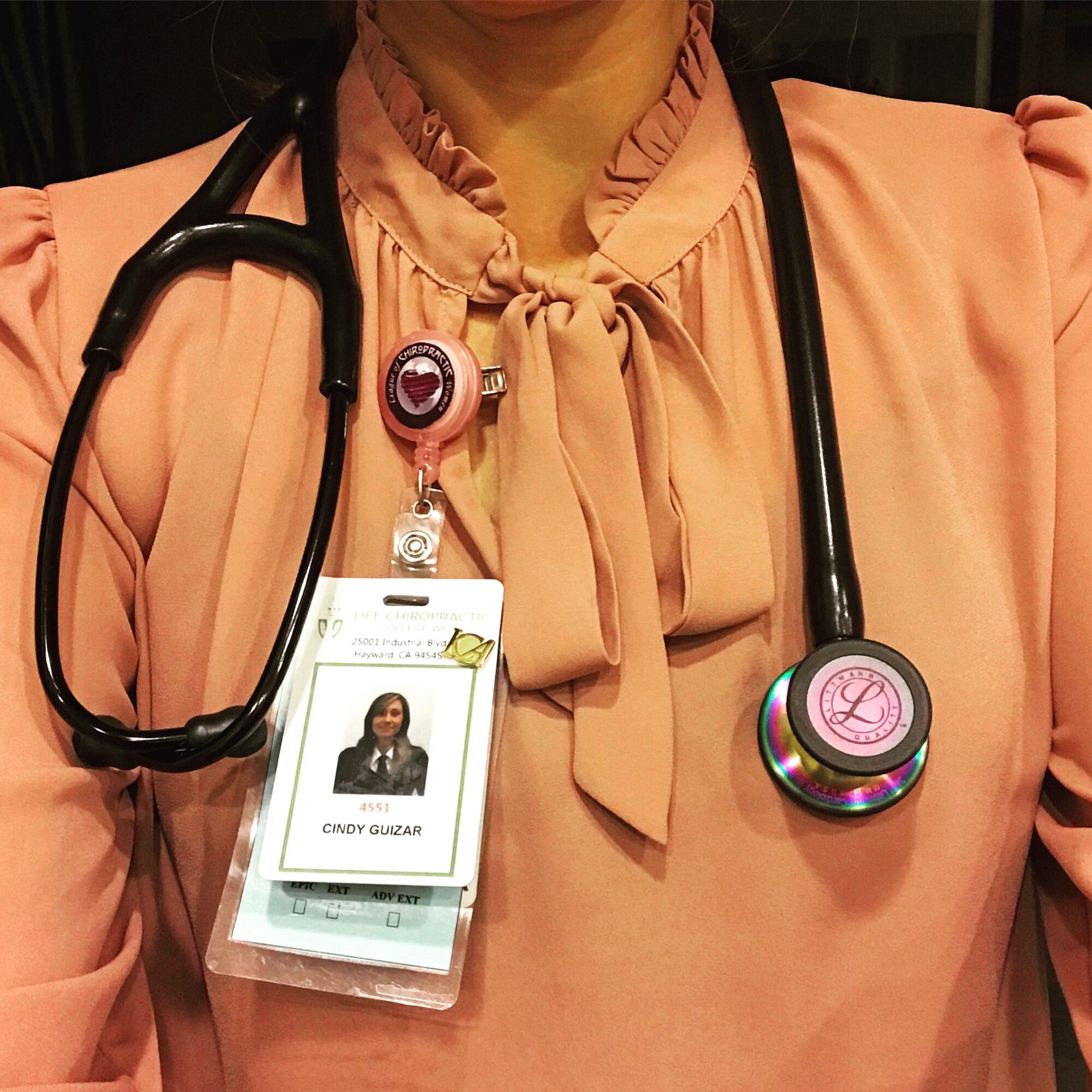
With that painful reminder of the past behind me, I had to turn my focus to the life I was trying to build in the present. My son and I lived in a modest one-bedroom apartment that cost $1,800 a month—a significant financial burden in 2014. At the same time, I had begun chiropractic school, a demanding graduate program that required long days of classes and studying Monday through Friday. Determined to support us financially, I accepted a position as a massage therapist at a luxury five-star spa located in the Presidio. Ironically, the building had once served as a medical storage facility when the Presidio was still an active military base, bringing my story full circle to the place where my parents had first met.
To make ends meet, I worked weekends at the spa while attending school full-time during the week. For long stretches, there were no days off—only classes, work, studying, and motherhood. The demands were exhausting, and there were moments when I questioned how much more I could carry. Yet I remained committed to my goal of becoming a chiropractor and creating a better future for my son.
Fortunately, I had family in the Bay Area who stepped in to help care for my son while I attended classes, studied, and worked long hours to support us. Their support gave me the opportunity to pursue my education without constantly worrying about who would be there for my son when I could not. Knowing he was surrounded by people who loved him provided a sense of stability during a time when our lives were filled with uncertainty and sacrifice.
Looking back, their willingness to help was one of the greatest gifts I received. While earning my doctorate required determination and perseverance, it was also made possible by the strength of a family that believed in me and was willing to invest in my future. Their support reminded me that success is rarely achieved alone. Behind every accomplishment are often people quietly offering their time, encouragement, and love along the way.
The challenges, however, extended beyond finances and academics. When the protective order expired, my ex-partner renewed his efforts to disrupt the life we had built. He accused me of abandoning our son and threatened legal action, claiming I had effectively kidnapped him by relocating to pursue my education. The accusations were painful and added tremendous emotional stress to an already difficult chapter. Balancing graduate school, work, single parenthood, and ongoing legal conflict often felt overwhelming. Rather than breaking me, each obstacle forged a deeper sense of purpose. I knew that every sacrifice I was making was in pursuit of a better life—one built on stability, purpose, and the opportunity to help others heal.
During my studies, I became deeply involved in campus organizations because I believed that education extended far beyond the classroom. Building relationships, developing leadership skills, and understanding the broader impact of the chiropractic profession were just as important to me as academics. I wanted to learn not only how to become a great chiropractor, but also how to become an effective leader, advocate, and businesswoman.
My involvement led me to serve as President of the League of Chiropractic Women, the Sustainability Club, and the International Chiropractic Association student chapter. These leadership roles provided invaluable opportunities to collaborate with students and professionals from diverse backgrounds, organize events, and advocate for causes that aligned with my values and vision for the future of healthcare.
It was through these experiences that I found my voice. For the first time, I began openly sharing my life story—the challenges of growing up in a community touched by violence, becoming a young mother, surviving an abusive relationship, and overcoming countless obstacles to pursue my dream of becoming a chiropractor. My grandmother’s death had a profound impact on me. She had been prescribed a medication for diabetes that was later removed from the market, and witnessing her decline left me with questions about healthcare, prevention, and the unintended consequences that can sometimes accompany medical treatment.
I also experienced the loss of a cousin following a serious health event that occurred after receiving a flu vaccination. Regardless of the medical explanations, the tragedy deeply affected our family and further fueled my desire to understand health from every possible perspective. A father developing Parkinson’s disease while I was in high school. Combined with watching my former partner struggle with addiction to pain medications after a back injury, I began to see how many families were navigating complex health challenges that extended far beyond symptoms alone.
These experiences did not turn me away from healthcare; rather, they inspired me to seek a broader understanding of it. They strengthened my belief in the importance of education, informed decision-making, prevention, and empowering individuals to take an active role in their health. More than anything, they helped define my life’s purpose. Chiropractic became more than a profession—it became a calling. I wanted to help people improve their quality of life, support their body’s natural ability to function at its best, and provide hope to those searching for answers, just as I once had. What I discovered was that vulnerability has the power to inspire.
Those experiences taught me that leadership is not about titles or recognition; it is about service, authenticity, and the willingness to help others believe in their own potential. Looking back, those years helped transform me from a student pursuing a profession into a woman discovering her purpose.
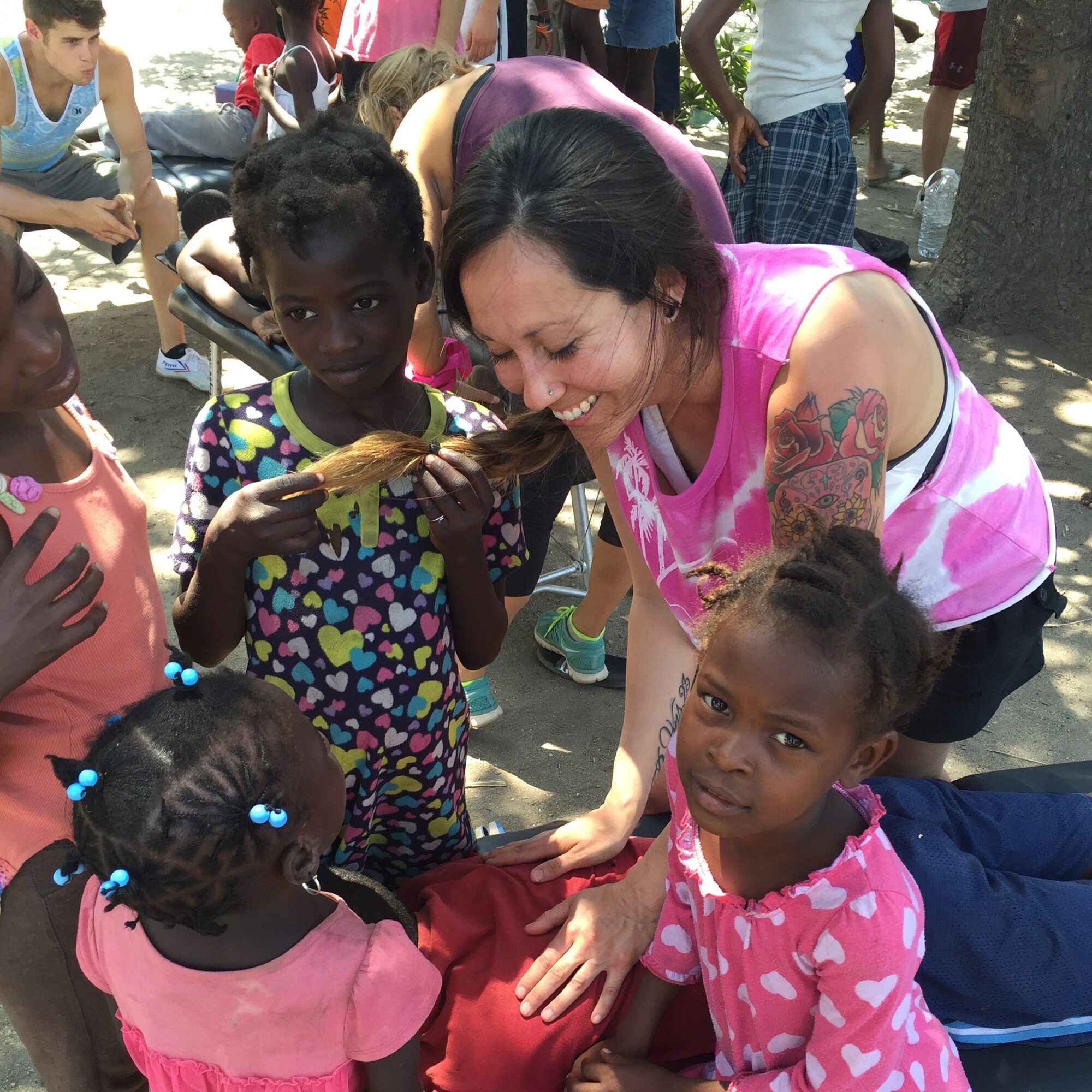
One of the most inspiring experiences of my graduate education was participating in chiropractic mission trips to Haiti. I initially traveled there believing that I was going to help others through the skills and knowledge I had developed. What I did not expect was how profoundly the people of Haiti would impact me.
Witnessing the resilience, strength, and spirit of the Haitian people awakened something within me. Despite facing hardships that many Americans can scarcely imagine, they demonstrated a deep sense of gratitude, faith, community, and compassion. They reminded me that happiness is not necessarily found in material possessions, but in our relationships with one another and the strength of the communities we build.
The experience reinforced the true purpose behind why I had chosen chiropractic. While providing care was rewarding, it was the human connection that left the greatest impression on me. The warmth, respect, and appreciation I received from the people of Haiti were unlike anything I had ever experienced. In many ways, I arrived believing I was there to serve them, only to realize that they were teaching me some of life’s most important lessons about humanity, humility, and love.
Those mission trips transformed my understanding of healthcare and service. They reminded me that healing extends far beyond the physical body—it is also about connection, dignity, hope, and compassion. To this day, Haiti remains close to my heart. I still dream of returning, not only to provide care, but to reconnect with the people and community that gave me so much more than I could ever have given in return.
During my final year of chiropractic college, I began hearing friends talk about Burning Man. At first, I assumed it was simply a massive festival in the desert, but the more I learned about its principles of community, self-expression, art, and personal transformation, the more intrigued I became.
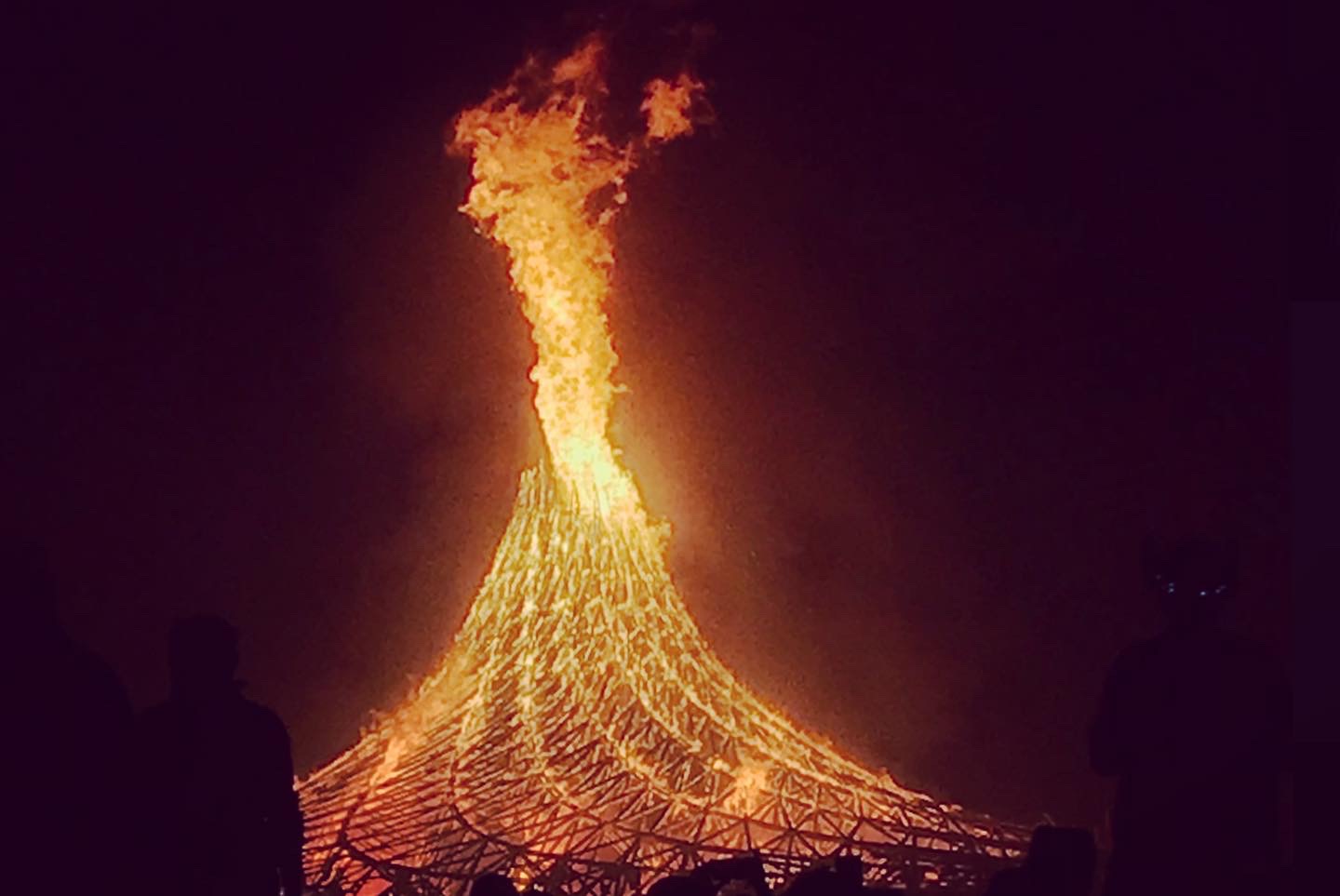
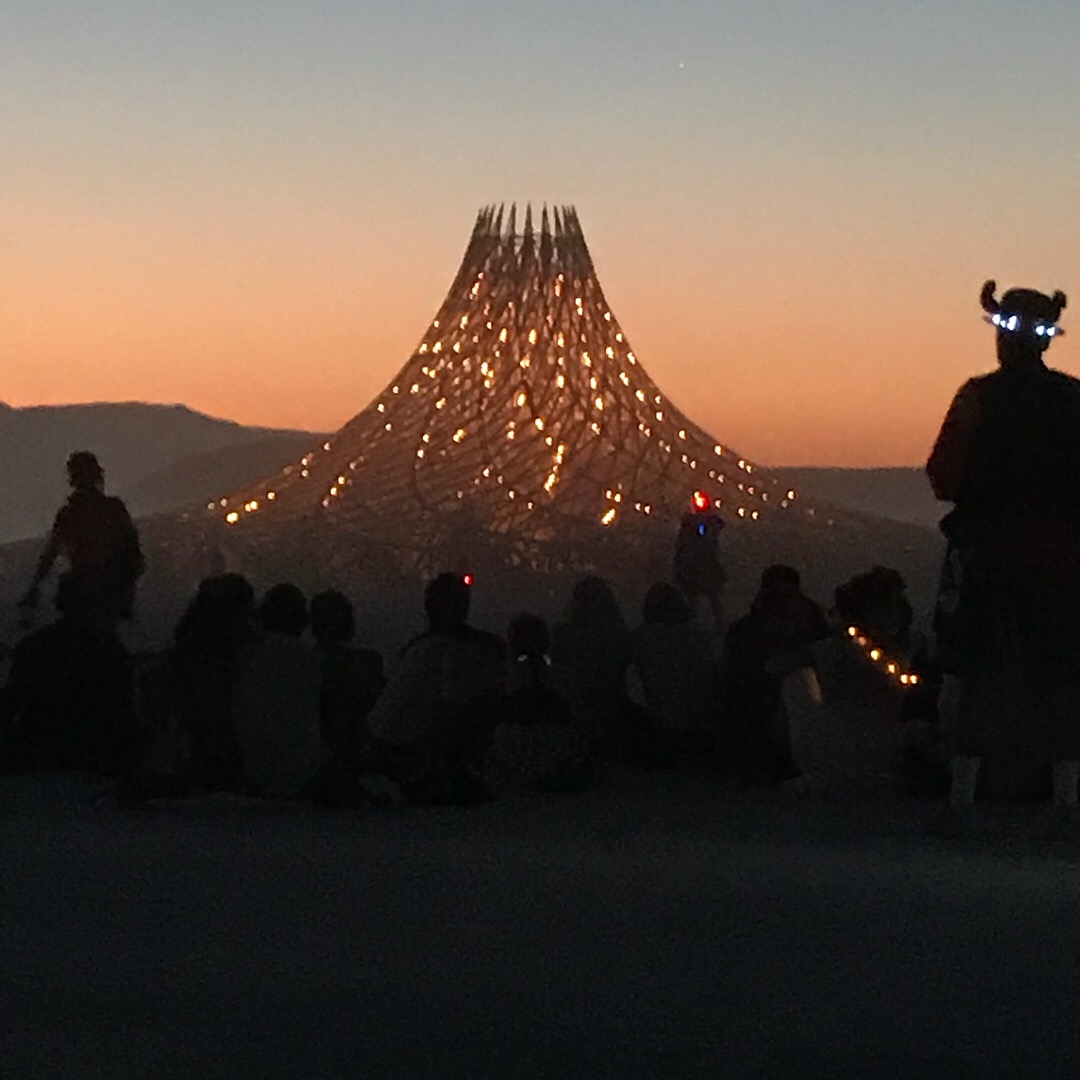
The idea of a temporary city rising from a dry desert lake bed, filled with breathtaking art installations, creativity, and human connection, captured my imagination. I was especially moved by the symbolism of the event—the burning of the Man, representing renewal and rebirth, and the Temple, a sacred space where people gathered on the final night to honor loved ones, release pain, and let go of what no longer served them. Unlike the celebration surrounding the burning of the Man, the Temple burn unfolded in complete silence, interrupted only by tears, quiet reflection, and the comforting presence of strangers supporting one another through shared humanity.
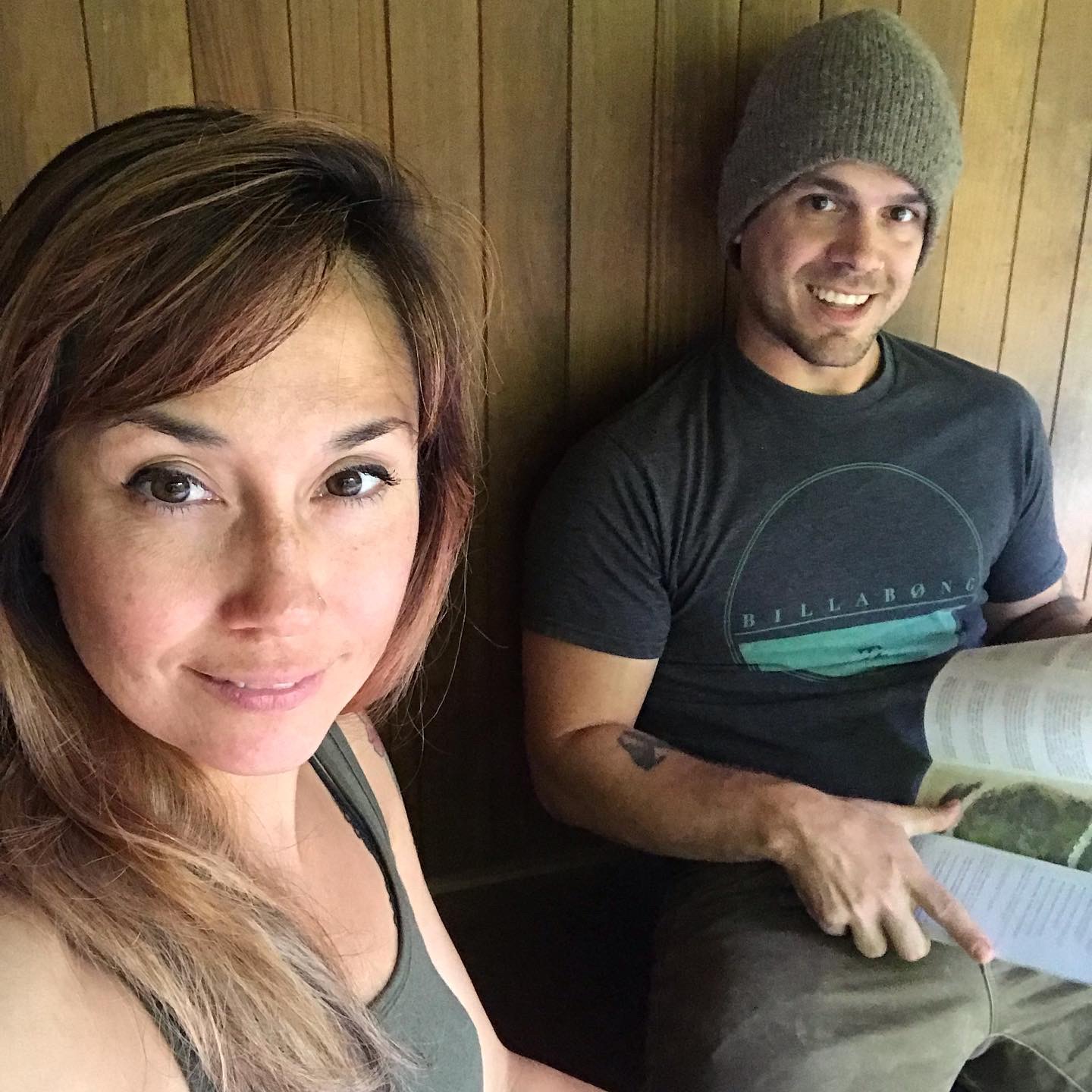
As fate would have it, while preparing for the trip, I noticed that the man, Nate, I had met years earlier in Lake Tahoe—the one from Oregon whose invitation I had missed because of school and life’s demands—had posted that he would also be attending. I reached out to him through social media. When he asked which camp I would be staying with, I realized I had no answer. The friends who had originally planned to go with me had backed out because of their own academic commitments. Without hesitation, he invited me to stay with his camp.
Over the course of the week, we slowly began getting to know one another. What had once seemed like a missed connection years earlier was unexpectedly finding its way back into my life.
Wanting to contribute to the community around me, I brought my table. In a place built on gifting and service rather than transactions, my skills are the most meaningful gift I knew how to offer. Through those interactions, I met people from all walks of life and experienced a level of openness and authenticity that was unlike anything I had encountered before.
Some of my most cherished memories are simple moments that felt almost magical. Watching the sun rise over the desert while sharing champagne with newfound friends. Standing in awe as a chapel-shaped art car rolled across the playa while powerful big beautiful black ladies sang gospel music filled the morning air. Gathering at sunset as calm electronic and house music drifted through the desert, the sky transformed into brilliant shades of orange and pink, and thousands of lights slowly illuminated the art, the cars, the camps, and the people around me as day gave way to night.
Burning Man became much more than an event. It was a reminder of the beauty of human connection, creativity, and presence. It taught me that community can be created anywhere and that some of life’s most meaningful experiences happen when we step beyond our comfort zones and allow ourselves to be fully open to the unexpected. Looking back, it was not only a transformative experience—it was also the beginning of a relationship that would change the course of my life.
When it came time for me to visit the Temple, Nate rode with me on our bicycles. Before arriving, I had gathered photographs that represented some of the most painful chapters of my life—losses, heartbreaks, struggles, and moments that had shaped me in ways I was still trying to understand.
Sitting together inside the Temple, I opened the box and shared each photograph one by one. With every image came a story. I spoke about the violence I had witnessed as a child, the people I had lost, the challenges of single motherhood, the abuse I had survived, and the obstacles I had overcome to pursue my dreams. Nate sat beside me, holding my hand, listening intently as I unfolded years of experiences that few people had ever fully heard. Around us, others were sharing their own grief, memories, and heartbreaks. The air was filled with tears, compassion, and an unspoken understanding that every person carried a story.
It became one of the most healing experiences of my life. For the first time, I felt as though I could lay down the weight I had carried for so many years and simply be seen, heard, and accepted.
On the final night, our camp gathered to watch the Temple burn. As the structure became engulfed in flames, many people around us cried, releasing their own pain and memories into the desert sky. Yet as I sat there reflecting on everything I had endured and everything I had overcome, I found myself smiling. Rather than feeling loss, I felt gratitude and in a sense of being free from my burdens.
As we watched the fire together, Nate turned to me and said, “Everyone here in camp loves you… and I love you too.”
I looked at him, overwhelmed by the sincerity of the moment, and told him that I loved him.
What followed was a night filled with joy, laughter, and more kisses than either of us could count. I was given the playa name that would stay with me long after I left the desert: “Dr. Smooches.” For someone who had spent so many years fighting to survive, it was a moment of unexpected peace. In a place dedicated to transformation, I had not only released much of my past—I had opened my heart to the possibility of a new future.
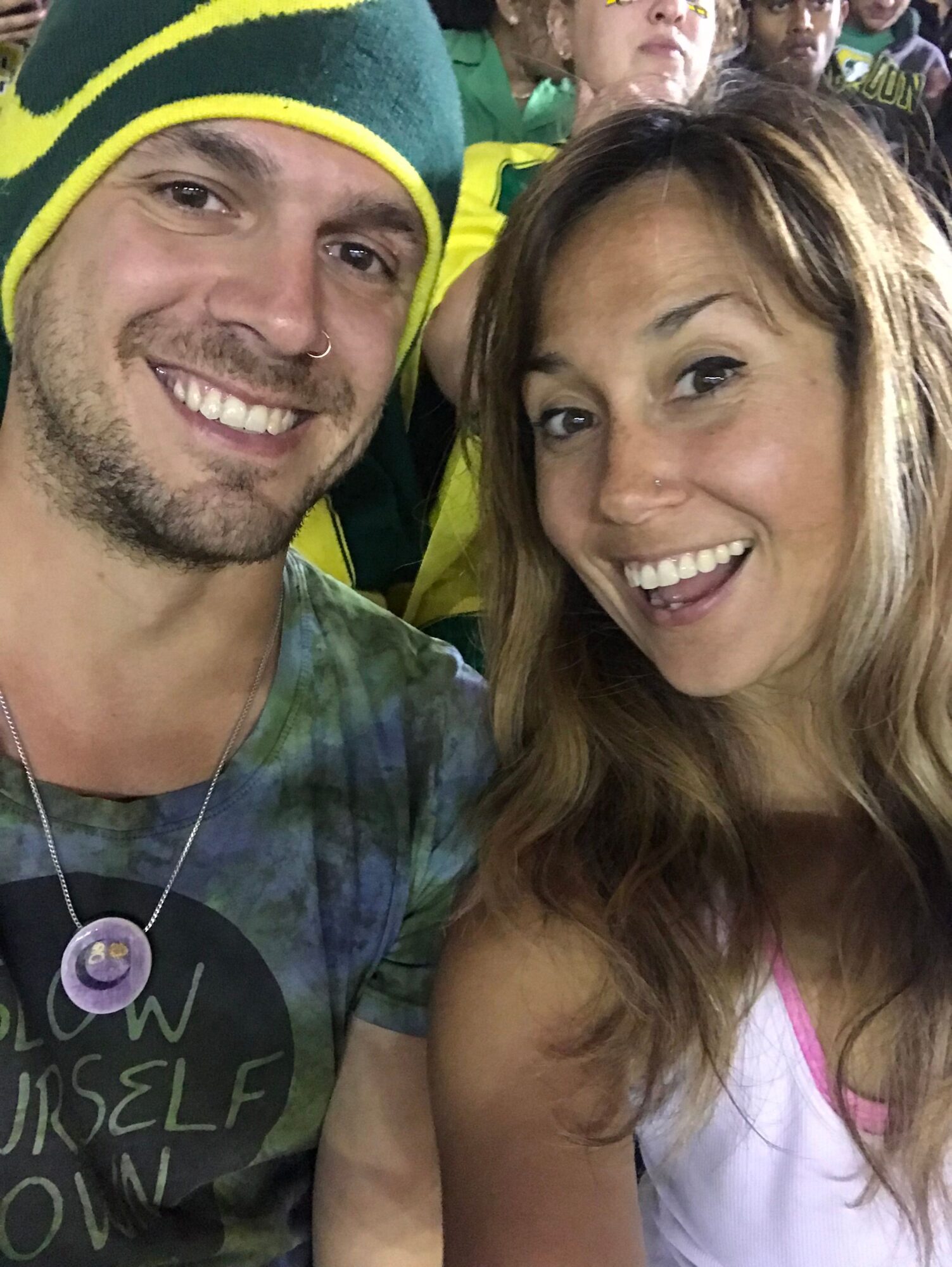
After graduating from chiropractic school, my son and I moved to Eugene, Oregon, to begin a new chapter with Nate. It felt like the culmination of years of sacrifice, perseverance, and personal growth. I had survived challenges that once seemed impossible, earned my doctorate, and was finally ready to build the life and career I had envisioned for so long.
Then the world changed.
In the midst of the COVID-19 pandemic and statewide lockdowns, I made what many considered a risky decision: I opened my own chiropractic practice. I started with a single treatment room inside a physical therapy clinic, fueled by determination, faith, and a desire to help others. What began as a small practice gradually expanded as more patients sought care. Over time, that one room evolved moving into a bigger facility in what is now Sunrise Healing Center, a multidisciplinary practice with multiple treatment rooms and multiple massage therapists working alongside me, with chiropractic care remaining at its foundation.
My vision was simple—to create a place where people felt heard, cared for, and empowered in their health journey. I was especially passionate about serving those who often struggled to access care, which led me to accept Medicaid patients. While many of those patients were grateful and committed to improving their health, I also encountered difficult realities. Some individuals took advantage of the practice’s generosity, while others arrived with expectations that made maintaining healthy professional relationships challenging.
As my practice grew, I discovered that success requires more than clinical knowledge. It requires leadership, communication, and the ability to establish clear boundaries. One of the hardest lessons has been learning that helping people does not always guarantee appreciation. In today’s digital world, disappointment can quickly become a public review, and criticism can be shared far more loudly than gratitude. There have been moments when negative online comments and public criticism left me feeling discouraged and questioning myself.
Yet when I reflect on my life, I am reminded that resilience has always been one of my greatest teachers. From the streets of the Mission District to single motherhood, from graduate school to building a business during a global pandemic, every challenge has required me to find strength I did not know I possessed. Today, my journey is no longer about simply surviving. It is about learning to lead with confidence, maintaining healthy boundaries, and trusting that the same determination that carried me through every previous chapter will carry me through this one as well.
My hope is that Sunrise Healing Center continues to grow and serve the community for years to come. More importantly, I hope that my story reminds others that adversity does not define us. It refines us. Every obstacle, every heartbreak, and every setback has ultimately shaped the person I have become.
One of the greatest lessons I have learned is that healing is not a destination—it is a lifelong journey. What heals you during one chapter of your life may not be what heals you in the next. The tools, practices, and support systems that once helped you survive may eventually reach their limits, requiring you to seek new ways of growing, adapting, and transforming.
Throughout my life, I have found healing through many different avenues: community, faith, education, chiropractic, massage therapy, service, leadership, nature, motherhood, friendship, love, and even the willingness to confront painful parts of my past. Each played an important role at a specific time, yet none provided a permanent solution to every challenge I would face.
Over the years, I have come to understand that no single treatment, philosophy, or modality holds all the answers. True healing requires curiosity, humility, and a commitment to continually learning about ourselves. It asks us to remain open to new experiences and new forms of support as we evolve. Sometimes healing looks like physical recovery. Other times it looks like setting boundaries, changing relationships, seeking community, finding purpose, or simply learning to forgive others.
If my life has taught me anything, it is that healing is not linear. There are setbacks, breakthroughs, seasons of growth, and seasons of struggle. The key is to keep going. To keep learning. To keep showing up for yourself and others. Because transformation is not something that happens once—it is something we choose again and again throughout our lives.
Today, I no longer view healing as fixing what is broken. I see it as a continual process of becoming more whole. And perhaps that is the greatest gift of all: realizing that every challenge, every loss, every triumph, and every new beginning has been part of a much larger journey toward understanding ourselves and others, serving others, and living a life with finding purpose.
I’m sure it wasn’t obstacle-free, but would you say the journey has been fairly smooth so far?
No, it has not been a smooth road. My journey has been shaped by adversity, resilience, and an unwavering commitment to growth. I grew up in San Francisco’s Mission District, where violence, gangs, and tragedy were realities that touched the lives of people I knew personally. Later, I navigated major life transitions, including moving across the country, becoming a young mother while still pursuing my education, and surviving an emotionally, mentally, and physically abusive relationship.
One of the greatest challenges was leaving that relationship and starting over as a single mother. I obtained a protective order to protect my son and moved back West to continue my education. While pursuing my undergraduate degree and later chiropractic school, I balanced motherhood, full-time studies, multiple jobs, financial hardship, and ongoing legal battles. There were periods when I worked seven days a week just to make ends meet while trying to create a better future for my son and myself.
Along the way, I also experienced profound personal losses and witnessed the effects of addiction, chronic illness, and trauma within my family and community. Those experiences ultimately inspired my passion for chiropractic and holistic health. They taught me that healing is not a one-time event but a lifelong journey requiring continual growth, self-discovery, and resilience.
Even after earning my doctorate, the challenges did not disappear. Building a healthcare practice during the COVID-19 pandemic brought a new set of obstacles, including financial uncertainty, leadership responsibilities, professional boundary-setting, and navigating public criticism. Yet every chapter of my life has reinforced the same lesson: adversity can either define you or refine you. I chose to let it refine me.
Today, I am grateful for every challenge because each one contributed to the person, mother, chiropractor, and business owner I have become. My story is not one of a smooth road—it is a story of perseverance, transformation, and the belief that healing and growth are always possible, no matter where you begin.
Alright, so let’s switch gears a bit and talk business. What should we know about your work?
Creativity has always been an important part of who I am. While many people know me as a chiropractor and healthcare provider, music and art have played significant roles throughout my life. I minored in music during my undergraduate studies and have spent years exploring various forms of musical expression, including singing and learning multiple instruments. I remain fascinated by the relationship between sound, frequency, and healing, and I continue to explore areas such as music therapy and the potential impact of frequency waves on human health and well-being.
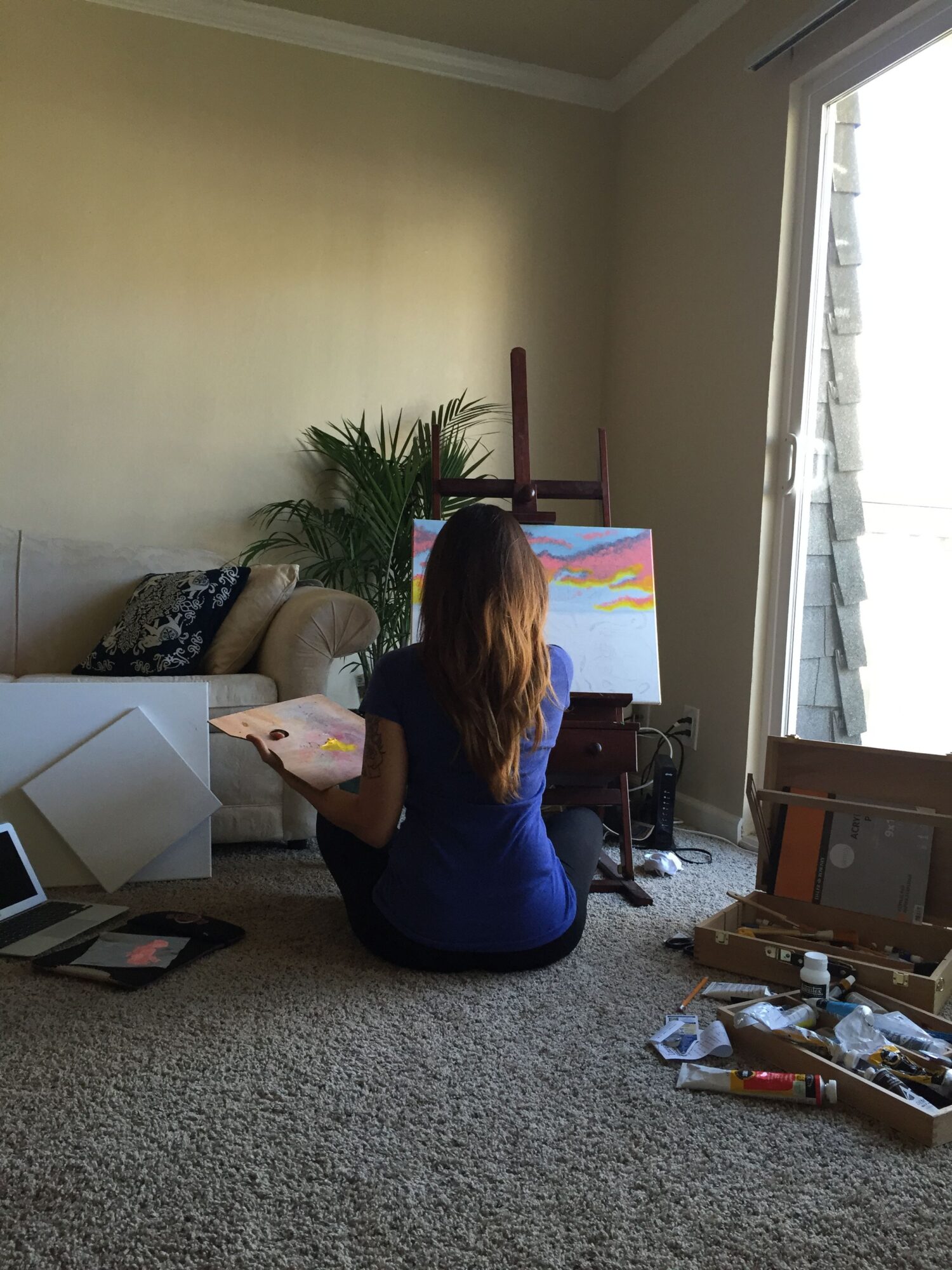
Visual art has also been a meaningful creative outlet. I enjoy painting with acrylics and have developed a style that often incorporates silhouettes against dramatic cloudscapes, sunrises, and sunsets. There is something deeply therapeutic about capturing the beauty of light, color, and nature. Many of my paintings reflect themes of transformation, hope, and renewal—the same themes that have shaped my personal and professional journey.
At the same time, I have learned that creativity requires nurturing. Between raising a son, earning a doctorate, building a business, and caring for patients, there have been periods where art and music took a back seat to life’s responsibilities. In some ways, I felt that part of myself became quieter over the years. After experiencing so many tragedies, losses, and challenges throughout my life, I also realized that my confidence had slowly shut down. Much of my energy had been devoted to surviving, persevering, and caring for others, leaving little room to explore who I was becoming. Recently, however, I have come to realize that reconnecting with my creative side is not a luxury—it is a necessity. Creativity is an essential part of my own healing, growth, and development.
As I continue evolving both personally and professionally, I am intentionally rediscovering those artistic passions. In many ways, I am still discovering who I am. It feels as though I am finding my light again, reconnecting with my groove, and awakening parts of myself that had been dormant for years. Through music, painting, and creative expression, I am learning to trust my voice, rebuild my confidence, and embrace the joy that comes from creating rather than simply accomplishing.
The more I practice chiropractic, the more I recognize that healthcare itself is a blend of art, science, and philosophy. That science provides knowledge, the philosophy provides purpose, and the art lies in understanding the unique human being sitting in front of you. In many ways, my journey back to music and art is also a journey back to a more complete version of myself, one that I believe will ultimately allow me to serve others more effectively and authentically.
What was your favorite childhood memory?
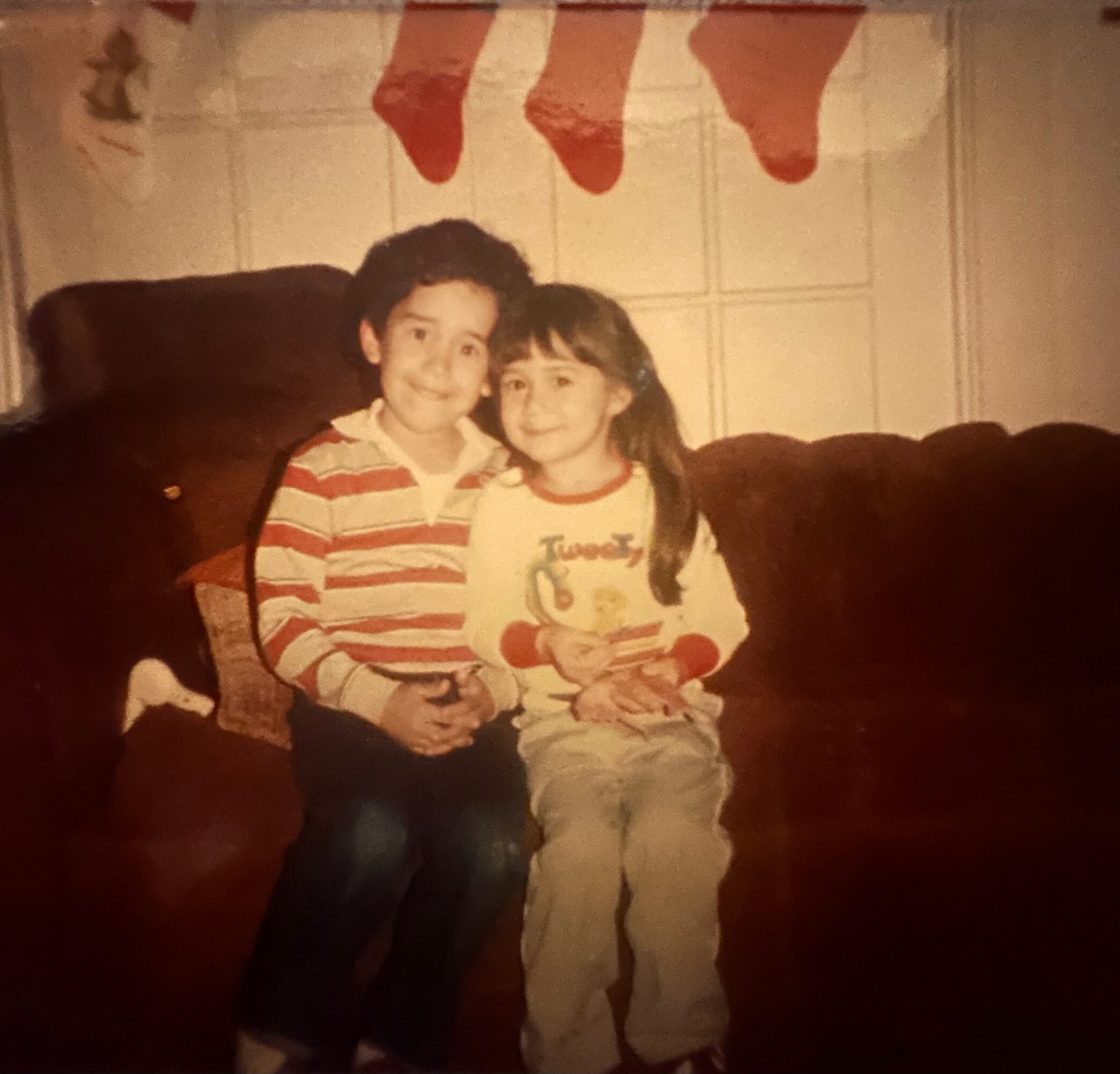
My favorite childhood memory is of my first best friend, Joseph, who was tragically killed by his mother years later. Before that heartbreaking loss, he was simply Joey—my constant companion and best friend. We grew up together from the time we were toddlers into young children, spending nearly every day side by side in the halls, stairwells, and courtyards of the Mission Market apartment complex where our families lived. To us, the entire building was our playground, and every day seemed to bring a new adventure.
One memory stands out more than any other. We were playing with a rubber ball together when Joey accidentally hit me in the head. I immediately started crying, upset and convinced I had been seriously hurt. Wanting to make me feel better, Joey did something only a child would think to do—he ran straight into a wall and pretended that he had hurt himself too. The sight was so unexpected and ridiculous that I burst out laughing through my tears. In that moment, he accomplished exactly what he intended: he made me feel better.
Looking back, that memory captures everything I loved about Joseph. He was playful, caring, and willing to do something silly simply to make a friend smile. Although his life was tragically cut short, that moment remains frozen in my heart. When I think of childhood, I don’t first remember the hardships or losses. I remember Joey’s kindness, our laughter echoing through the apartment halls, and the simple joy of having a best friend by my side.
Contact Info:
- Website: https://www.SunriseHealingCenter.org