


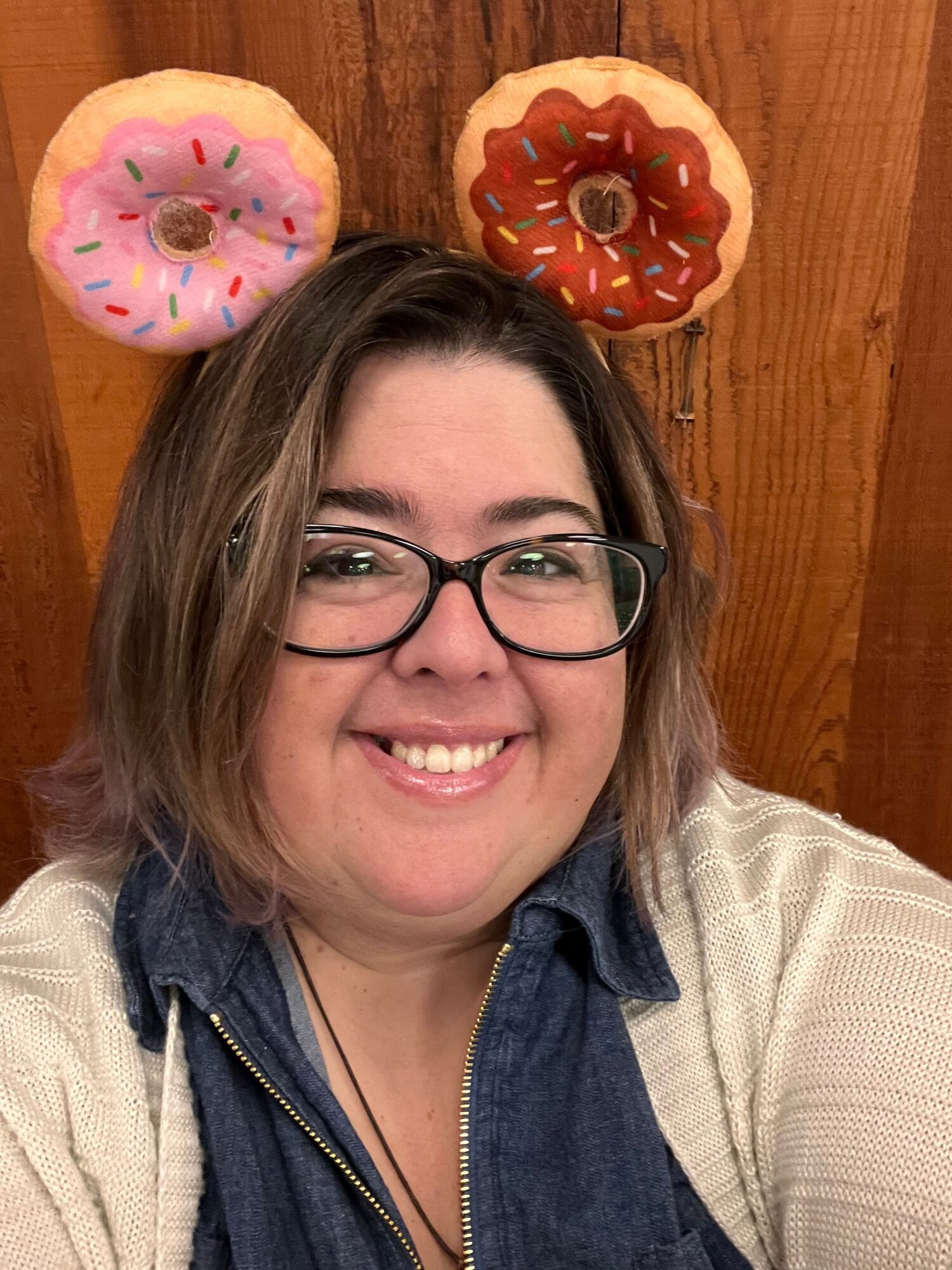
Today we’d like to introduce you to Jennifer Reida.
Hi Jennifer, can you start by introducing yourself? We’d love to learn more about how you got to where you are today?
I never imagined that one day I’d be leading a food pantry. As a kid, my family relied on food pantries ourselves. We lived in poverty, moved around a lot, and there were times when those boxes of food meant the difference between having dinner and going without. I didn’t know then that those experiences would one day become one of my greatest strengths.
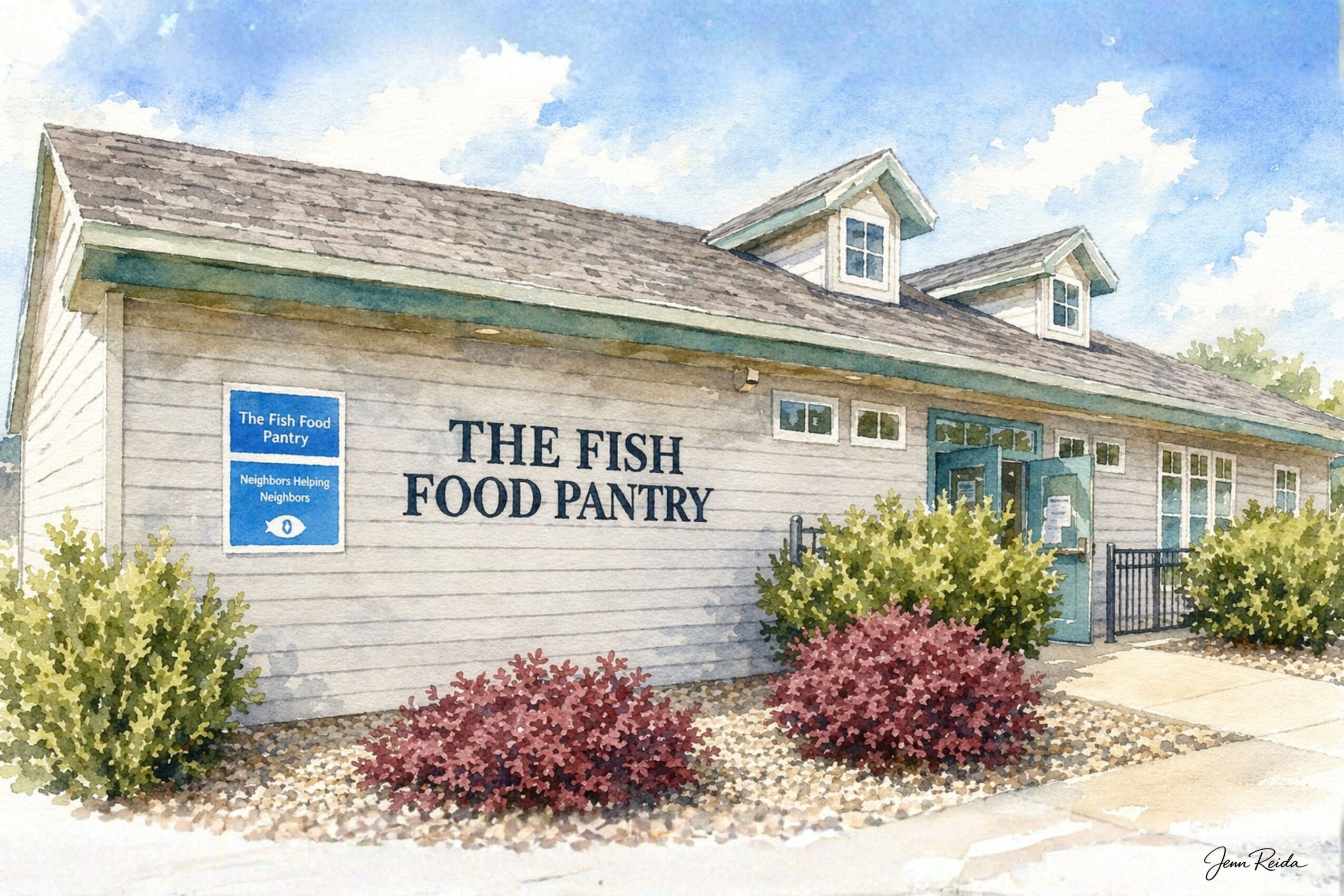
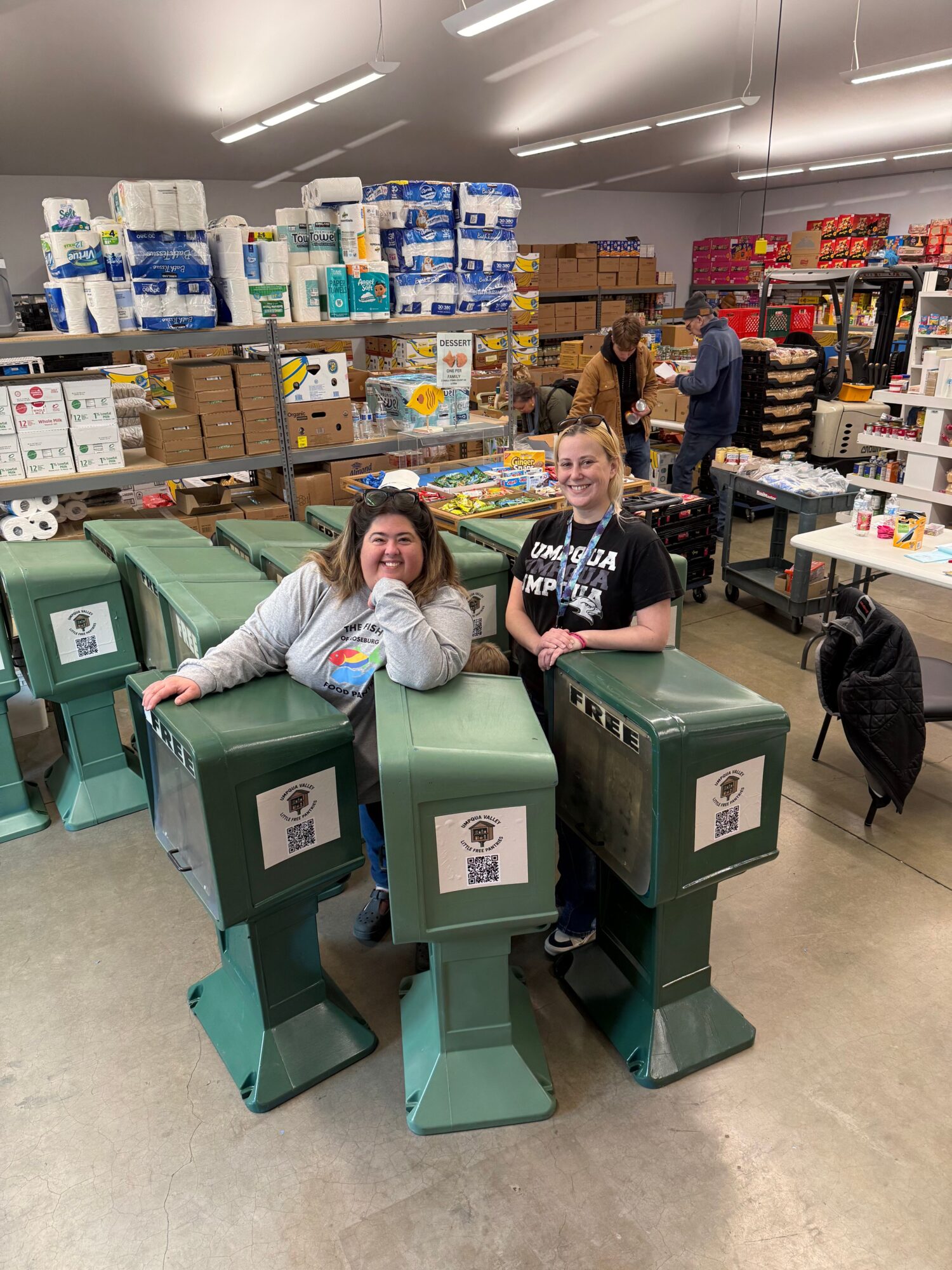
Today, I have the privilege of serving as the Executive Director of The FISH of Roseburg Food Pantry. While we provide food to thousands of families every month, I’ve always believed our job is about so much more than groceries. It’s about treating people with dignity, finding creative solutions to community challenges, and building partnerships that make our entire community stronger.
I’m incredibly fortunate to work alongside an amazing team of staff, volunteers, board members, and community partners who dream big right alongside me. Together we’ve expanded programs, launched new initiatives, and found ways to reach people who might otherwise fall through the cracks. There’s still a lot of work to do, but that’s what keeps me excited every morning.
At the end of the day, I’m still that kid who knows what it feels like to need a little help. The difference now is that I get to be part of making sure someone else has food on their table—and hopefully leaves knowing they were treated with kindness, respect, and a little bit of joy. That’s the part of this job I’ll never take for granted.
Would you say it’s been a smooth road, and if not what are some of the biggest challenges you’ve faced along the way?
Running a food pantry has never been easy, and the last few years have brought some significant challenges. The need in our community continues to grow while the amount of food coming through the charitable food system continues to shrink. Changes in government food programs have meant fewer truckloads of food reaching local pantries, even as more families are turning to us for help.
At the same time, rising grocery prices have stretched household budgets further than ever before. We’ve also seen changes to SNAP benefits that have left many families with less assistance to purchase food, forcing them to rely on local food pantries more often. The result is a perfect storm—increased demand, higher food costs, and fewer donated resources.
Rather than viewing these challenges as roadblocks, we’ve looked at them as opportunities to adapt. We’ve strengthened community partnerships, diversified our food sources, expanded food drives, pursued new funding opportunities, and developed innovative programs to make sure our neighbors continue to have access to nutritious food.
While the challenges are real, they’ve also reinforced why this work is so important. Every obstacle has reminded us that a strong community isn’t built during easy times—it’s built when neighbors come together to make sure no one has to face difficult times alone.
Can you tell our readers more about what you do and what you think sets you apart from others?
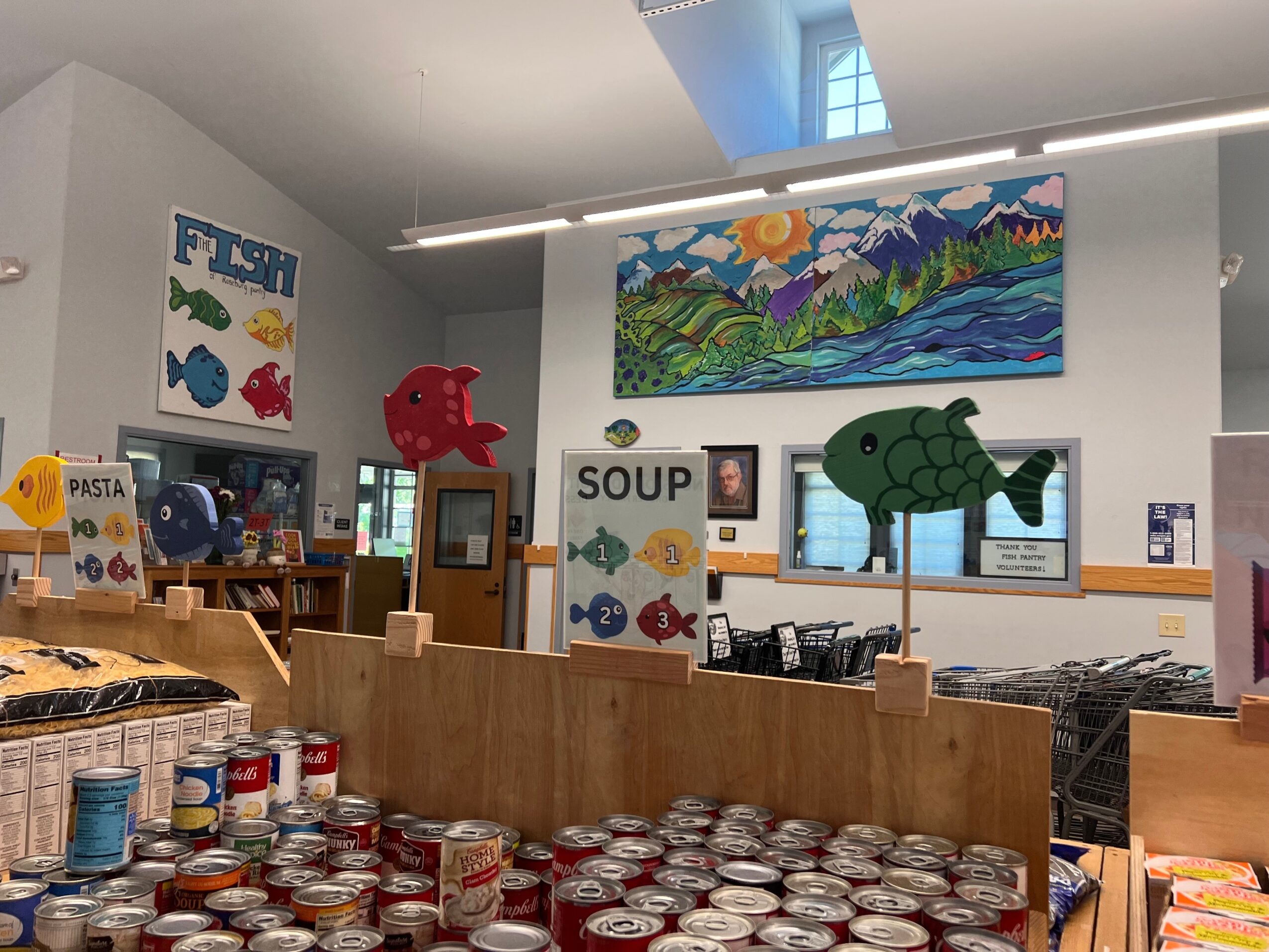
When I came to FISH, I didn’t just see a food pantry—I saw an opportunity to reimagine what one could be. Growing up, my experience with food pantries was often dark, quiet, and intimidating. People were grateful for the food, but the experience wasn’t always filled with dignity or hope. I wanted to help create something different.
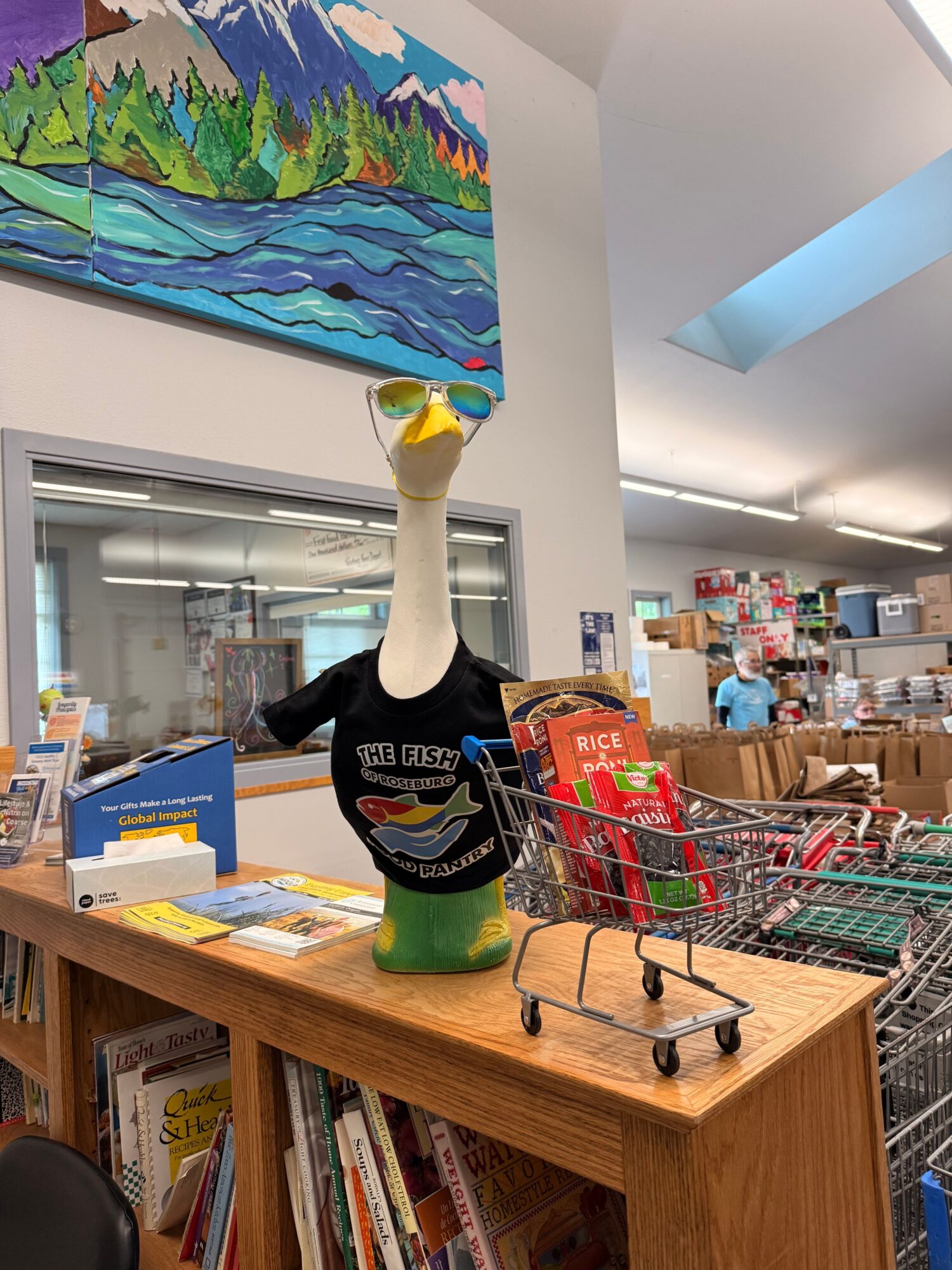
One of the first things I brought to FISH was color. Before nonprofit work, I came from an art background, and I believe our surroundings matter. We transformed our building into a welcoming space, and one of the projects I’m most proud of is our community mural. More than 250 community members picked up a paintbrush and helped create it. Every time someone walks through our doors, they’re reminded that this pantry belongs to the entire community.
I’ve also worked to make sure that when people come to us, they don’t just receive food—they receive food they can actually use. We created a dietary-sensitive shopping section for individuals with diabetes, heart disease, gluten intolerance, low-sodium needs, and other dietary restrictions, as well as culturally familiar foods. Food should nourish people, support their health, and provide comfort, not create another barrier.
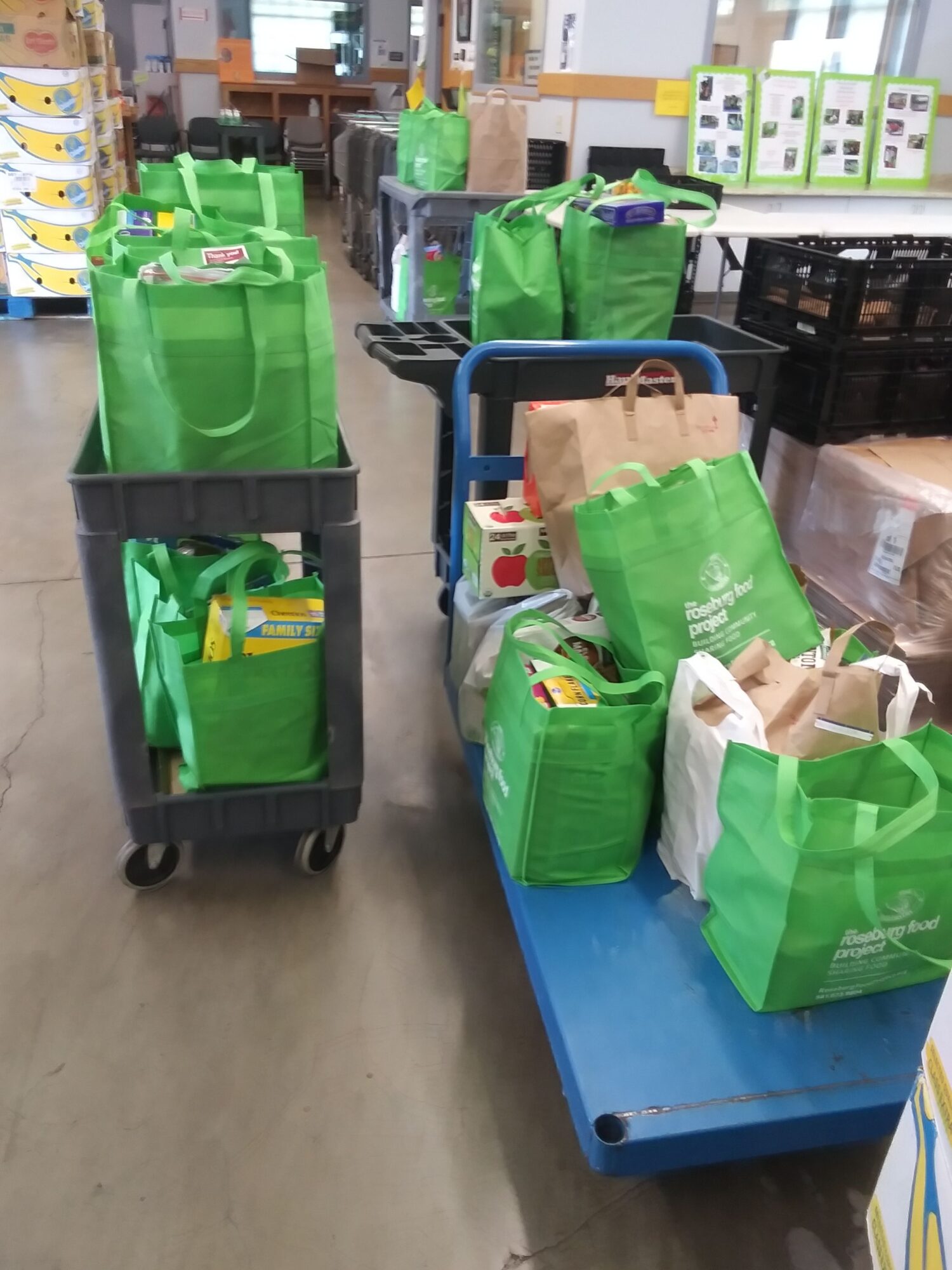
Accessibility has always been important to me. We developed Community Agency Shopping, allowing partner organizations to shop on behalf of clients who can’t make it to the pantry during our regular hours because of work, transportation, medical challenges, or other barriers. Meeting people where they are has become one of our guiding principles.
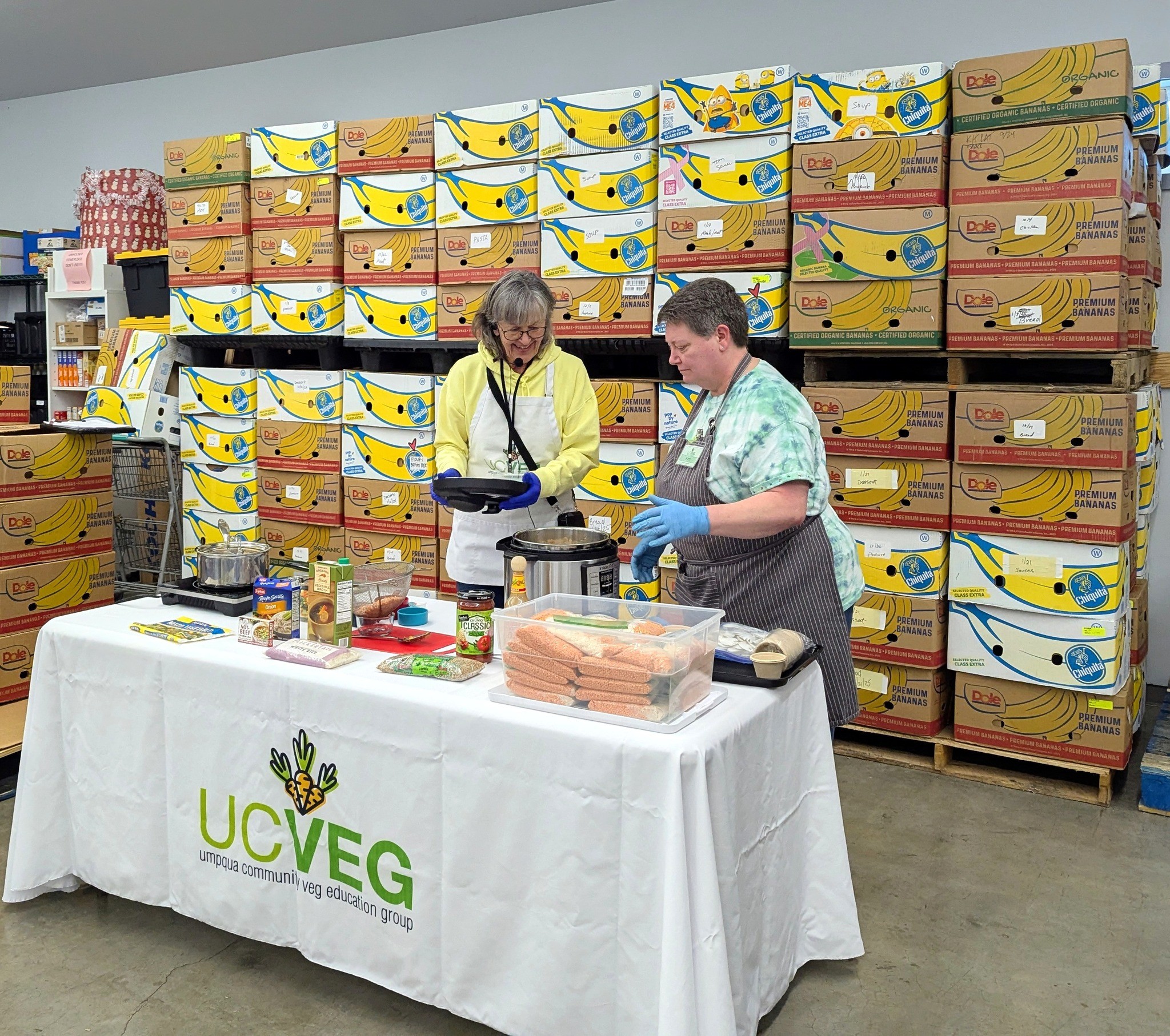
Education is another passion of mine because I remember watching my own teenage mom receive a box of food and not always knowing what to make with it. Having food is only part of the equation; knowing how to prepare it and make it stretch is just as important. That’s why we partner with Food as Medicine Oregon and Thrive Umpqua to offer quarterly cooking classes, work with OSU Extension to provide recipes, tastings, and nutrition education, and maintain a cookbook lending library so families can discover new ways to prepare healthy meals. We also created a children’s book lending library because literacy, like food, helps build healthier futures.
Beyond food, we believe a pantry can be a place where people connect with resources. We regularly invite healthcare providers, social service agencies, and other community organizations to table during pantry hours so shoppers can access additional support in one familiar location.
What I’m most proud of isn’t any one program—it’s that we’ve built a pantry that reflects the community we want to be. A place that’s welcoming instead of intimidating. Colorful instead of cold. Innovative instead of complacent. A place where people leave not only with food, but with knowledge, connections, hope, and the dignity they deserve.
I think what I bring to the table is a willingness to ask, “How can we do this better?” My lived experience helps me see challenges through the eyes of the people we serve, while my background in art and community building encourages me to think creatively. I believe the best solutions come from listening, collaborating, and never being afraid to try something new if it means serving our neighbors better.
What quality or characteristic do you feel is most important to your success?
I think the quality that’s been most important to my success is curiosity. I’m always asking questions, looking for opportunities, and wondering if there’s a better way to do something. I’ve never been someone who’s satisfied with “that’s the way we’ve always done it.”
I also believe deeply in collaboration. Some of the best ideas at FISH haven’t come from me—they’ve come from volunteers, clients, staff, community partners, and conversations that started with, “What if we tried this?” I love bringing people together around a shared goal because I believe our community already has the talent and heart to solve many of the challenges we face. Sometimes it just takes someone willing to connect the dots.
Finally, I lead with lived experience. I know what it’s like to need help, and I never want anyone walking through our doors to feel ashamed for asking. That perspective reminds me every day that we’re not just distributing food—we’re serving people. If we can do that with dignity, kindness, and a willingness to keep improving, then I believe we’re on the right path.
Contact Info:
- Website: https://www.fishofroseburg.org
- Facebook: https://www.facebook.com/thefishofroseburg