


Today we’d like to introduce you to Brad Franklin.
Hi Brad, thanks for sharing your story with us. To start, maybe you can tell our readers some of your backstory.
My story with this community started long before Every Body Athletics did. As a freshman in high school, I started volunteering with people with intellectual and developmental disabilities- first at a basketball camp, then in their classroom at school. I loved it, and I made some great friends.
In college, I’d come home each summer and see those same friends. What stood out was that many of them were becoming less active and more isolated year over year. People I’d known to be healthy and social were regressing, both physically and socially, and it seemed to start the moment they left school. That’s where the idea for Every Body Athletics began.
I wanted to understand why, so I studied it- I went to the University of Oregon for my master’s in Special Education and made that regression the focus of my work. It came down largely to a lack of services: when people with IDD age out of school, the structure, movement, and community that filled their days five times a week disappears, and there’s very little to replace it in adulthood. When I became a high school special education teacher, I saw the same pattern up close- students crossing the graduation stage and into that gap.
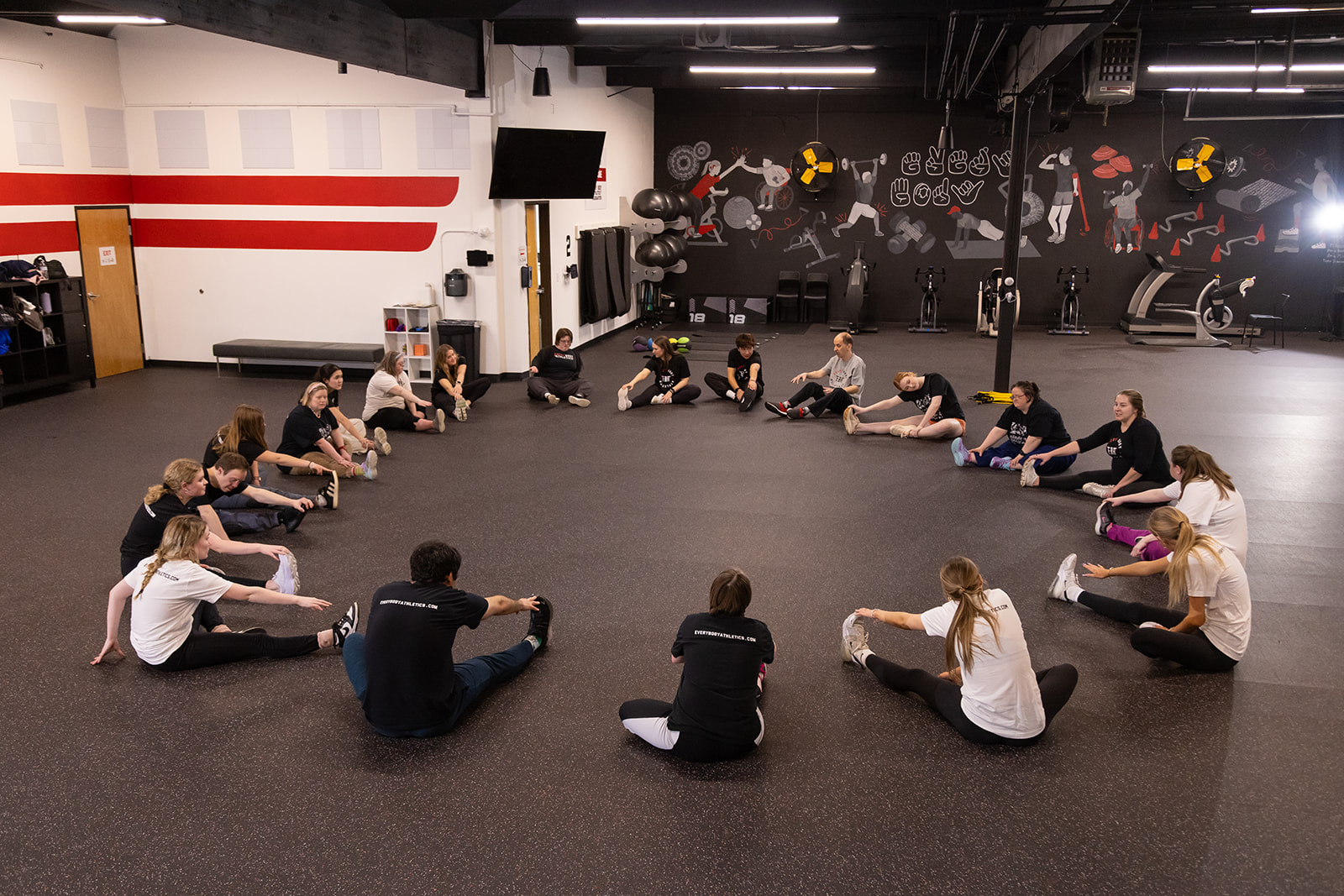
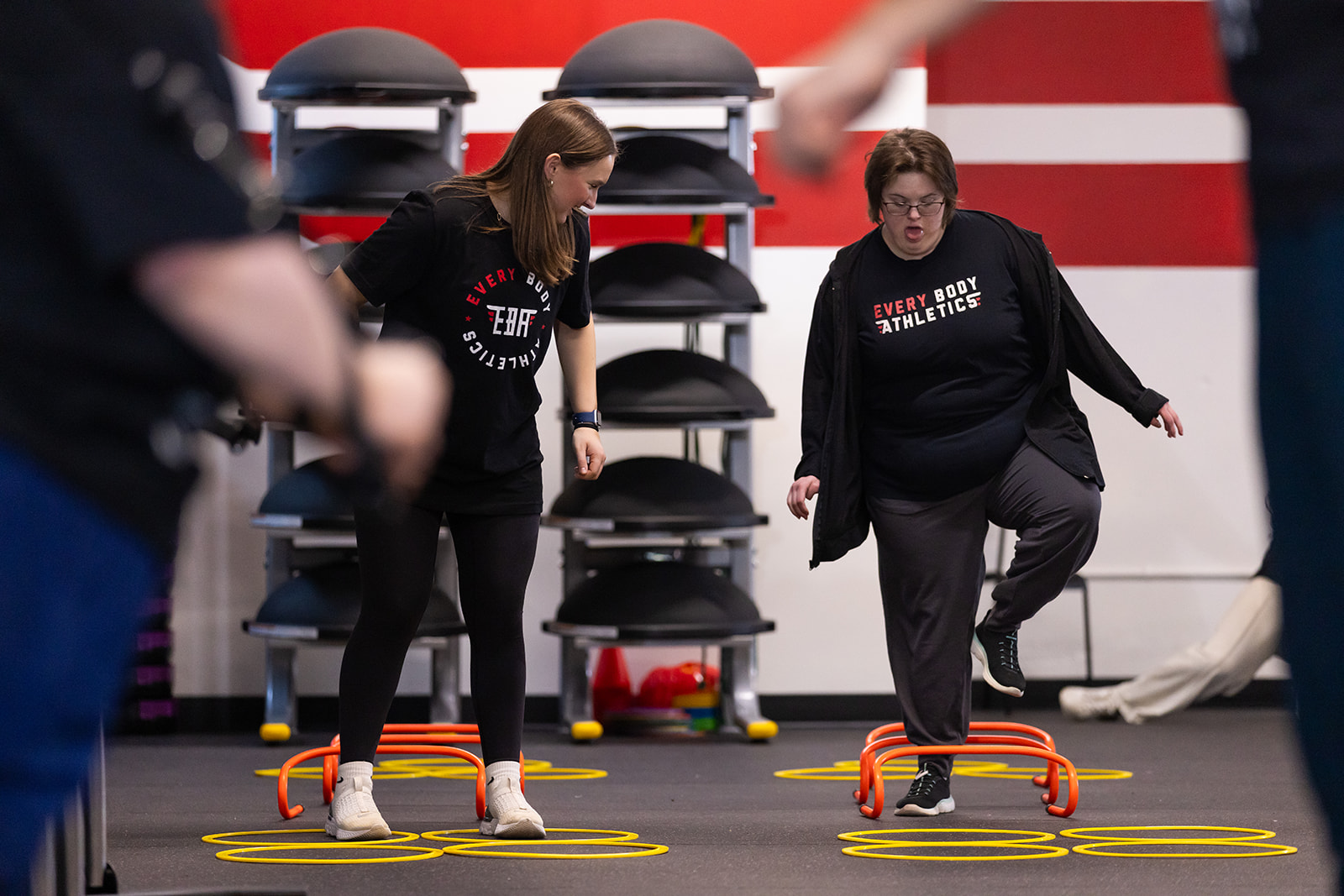
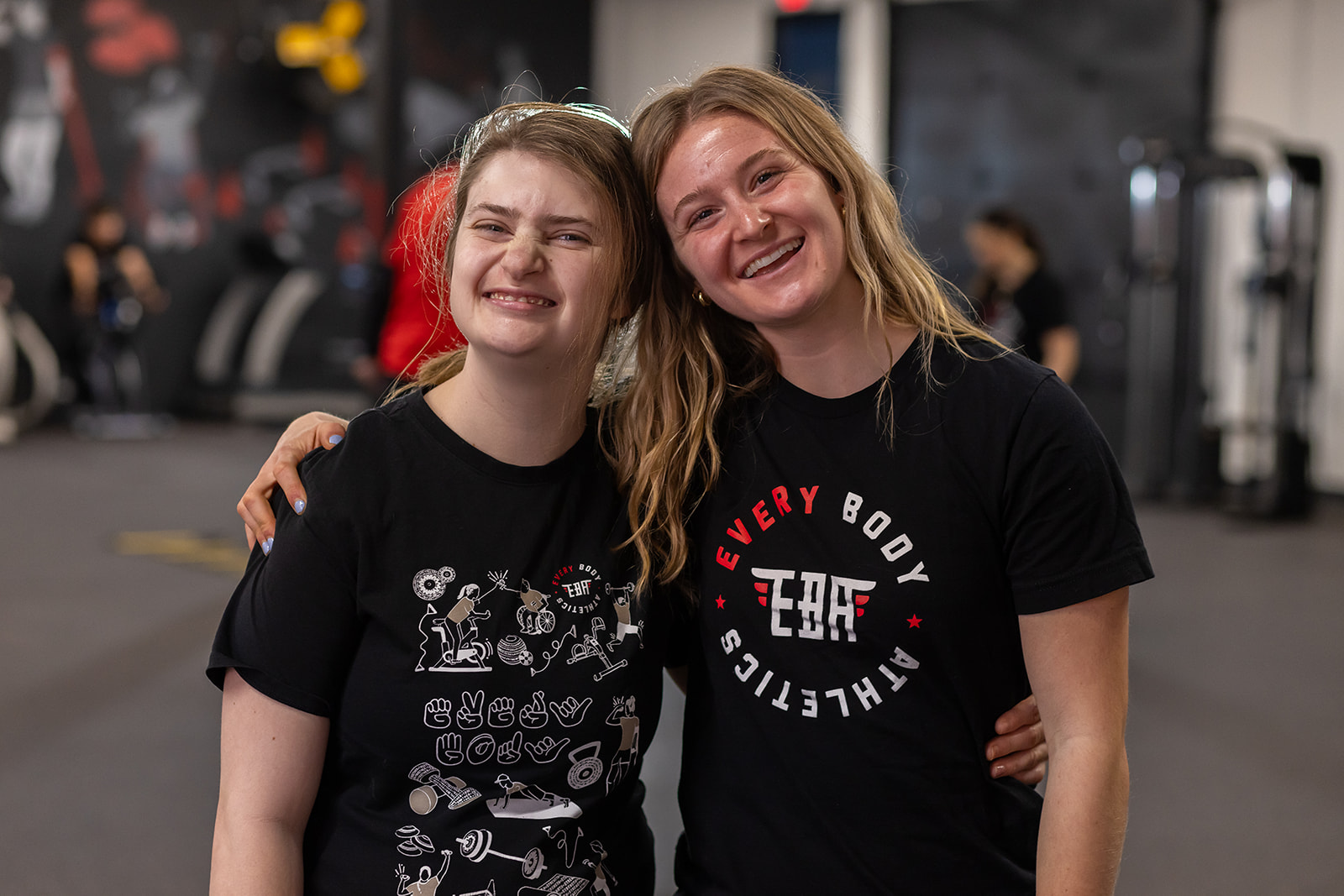
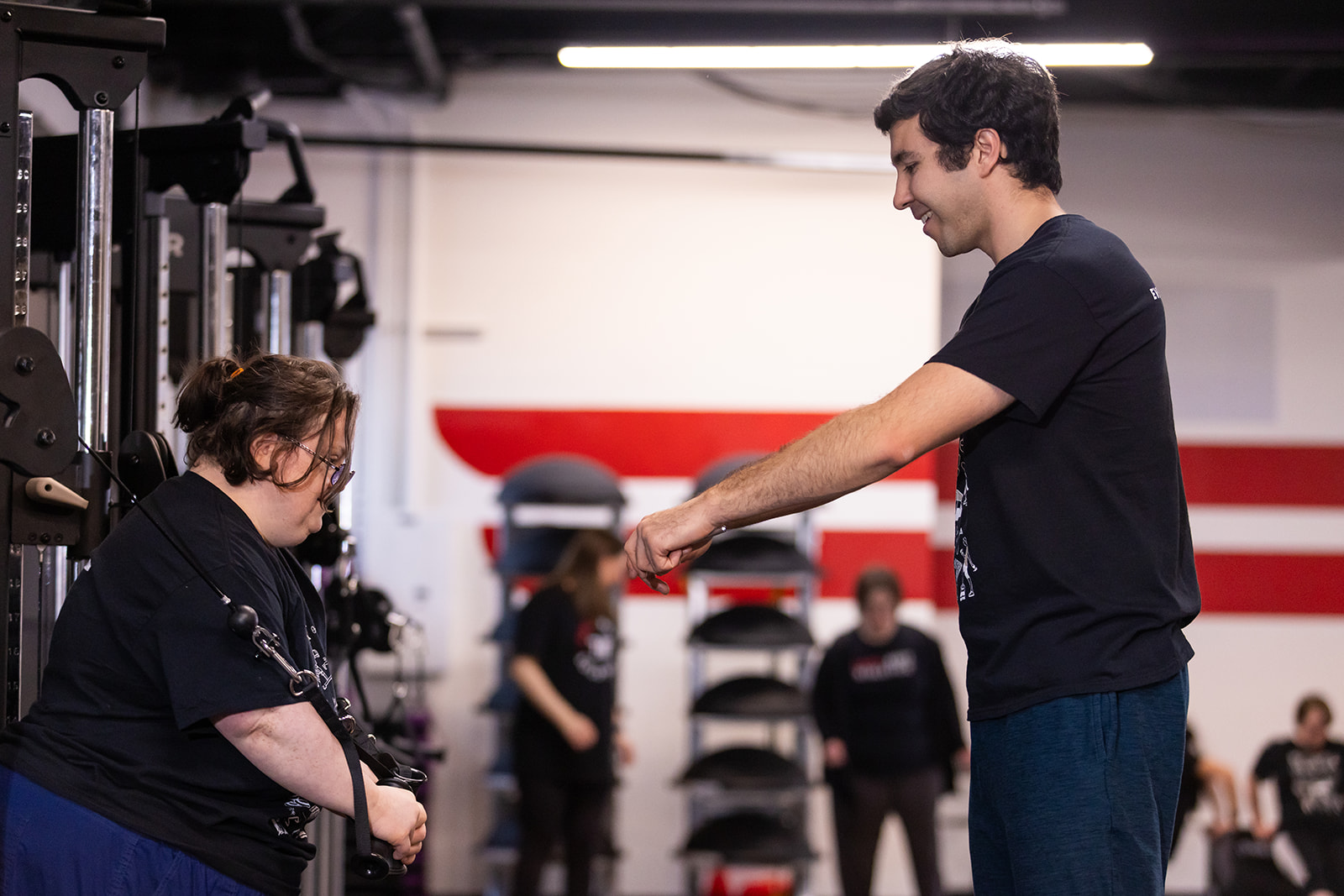
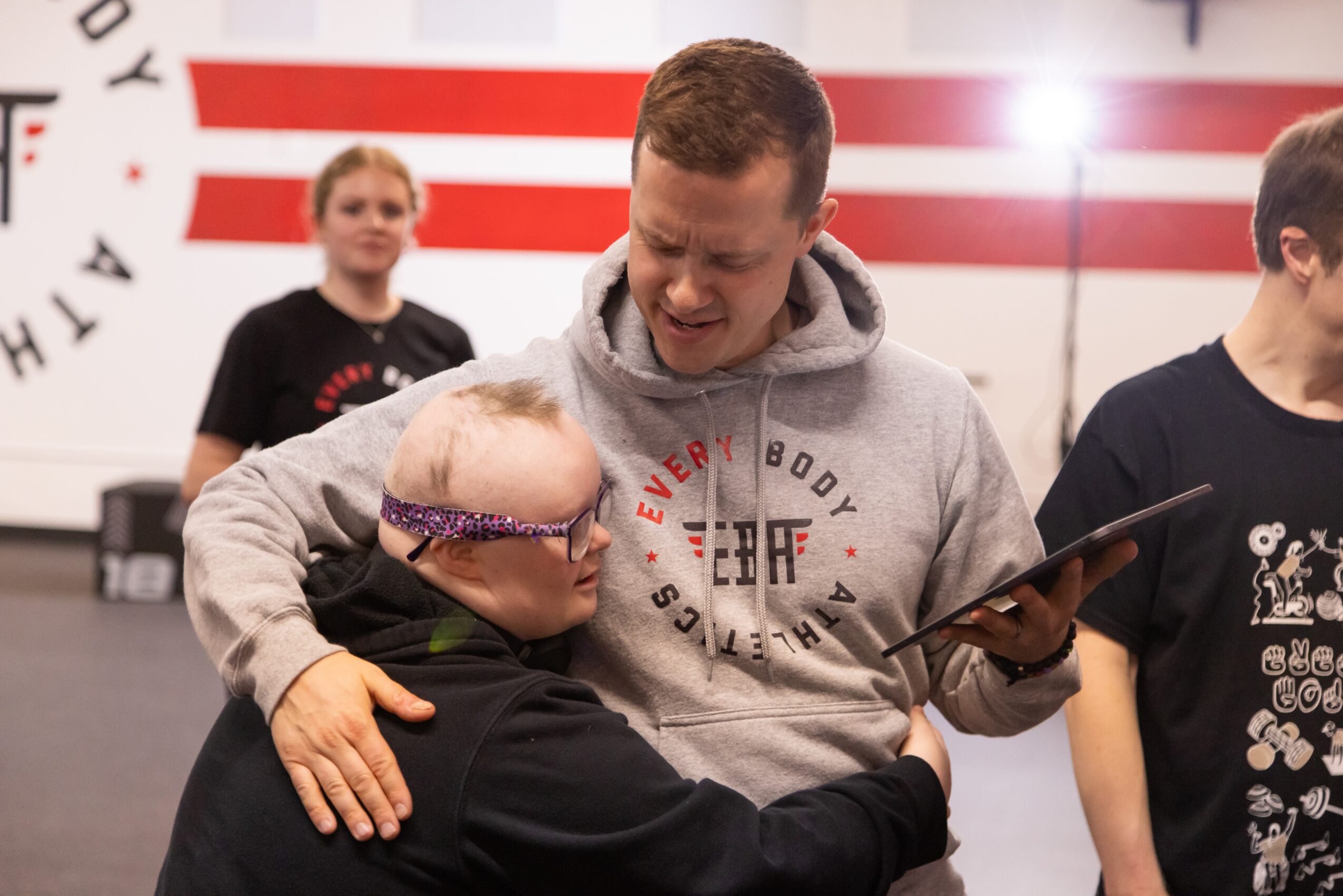
I left teaching to start Every Body Athletics in 2017. The premise was simple: everybody is an athlete, regardless of ability, and everybody deserves a place to move, connect, and belong. Every class focuses on both physical and social strengthening, and includes a 1:1 ratio of high school, college, and adult-aged volunteers without disabilities (“teammates”) who come in and workout alongside and support our adults with IDD (“athletes”).
The idea was to start small, but it grew faster than I expected. Word got around that there was finally a place built for this community, and a couple dozen athletes a week turned into hundreds. Today Every Body Athletics serves about 300 adults with intellectual and developmental disabilities each week, along with about 450 volunteers, across more than 30 weekly classes a nearly 6,000-square-foot home base, and amazing partnerships with local parks and recreation departments around the Portland Metro area.
I’m sure it wasn’t obstacle-free, but would you say the journey has been fairly smooth so far?
It hasn’t been entirely smooth, with the biggest early struggle being building up our volunteer base.
Our whole model depends on it. Every athlete with a disability is paired 1:1-2 with a volunteer we call a “teammate,” so to serve more people, we need a lot of teammates- and early on, that was hard to come by.
I did have a bit of a head start. When I was a teacher, I’d have students come volunteer in my classroom- the same way I’d gotten my own start as a high school volunteer years earlier. Before I left teaching, I pulled aside 20 or 25 of the strongest ones, told them I was leaving to start a nonprofit, and asked them to be ready to jump in. To their credit, they showed up right away and were incredible.
But going from that first group to something sustainable took time. It grew slowly, one new volunteer at a time. What started as 20-25 students from a single school has, over the years, become about 450 volunteers from more than 20 schools across the region. About 40% of that 450 are actually adult-aged volunteers who come in during their lunch breaks, after work hours, or have found new meaning at EBA post-retirement.
Part of what made the early traction hard was where we put our initial focus. In the beginning we built everything around our athletes with IDD, which made sense, as they’re who we exist to serve. But it became clear pretty quickly that the organization was having just as much of an impact on our volunteers. So we started investing in them as well, helping them grow authentic, inclusive friendships with our athletes and building them into real disability advocates along the way.
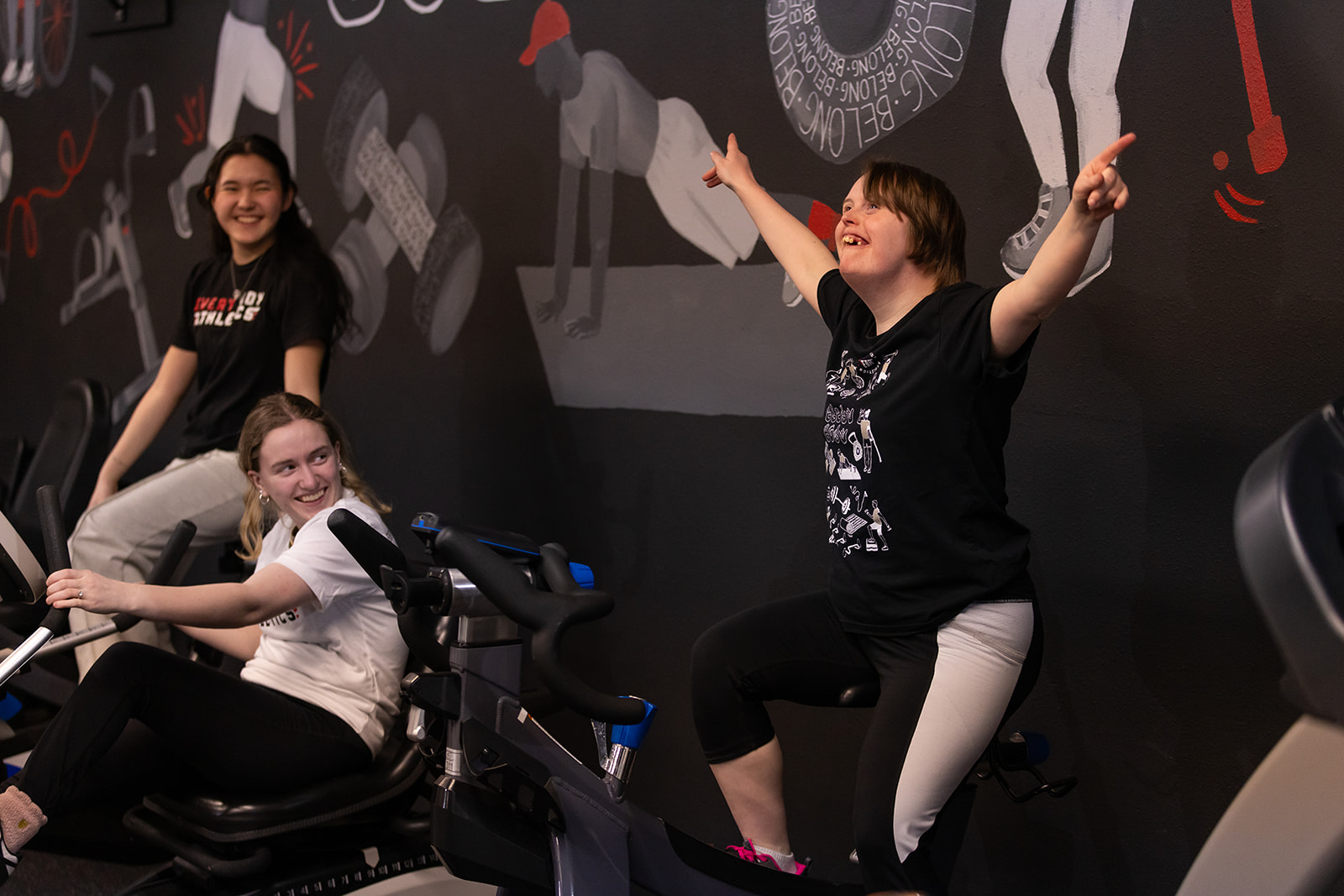
That shift is really at the heart of what we do now. We try to teach our volunteers that this isn’t about serving our athletes; it’s about seeing eye-to-eye with them. The line between service provider and service recipient gets erased. In the end, it’s just people- people working out together and enjoying each other’s company.
We’ve been impressed with Every Body Athletics, but for folks who might not be as familiar, what can you share with them about what you do and what sets you apart from others?
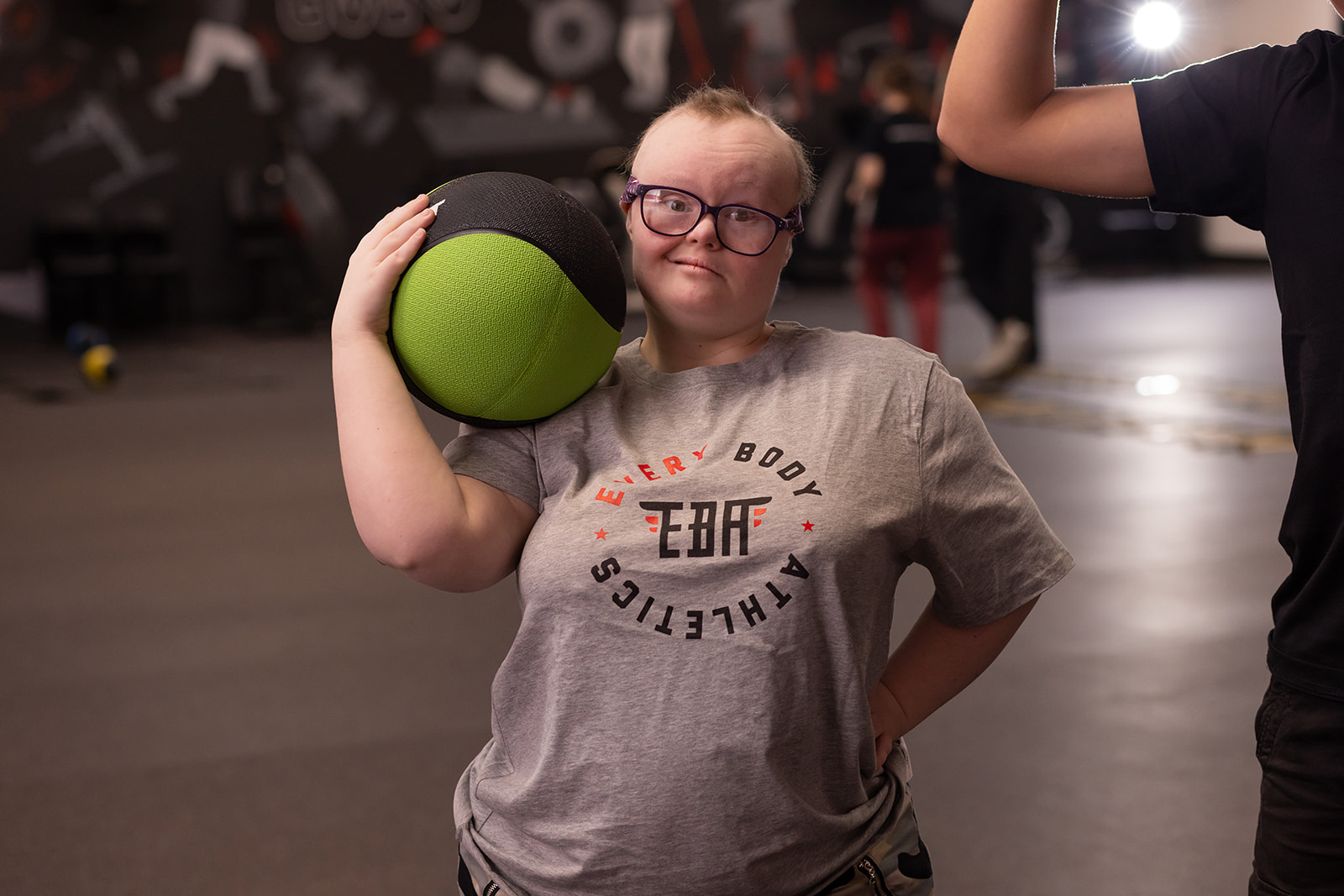
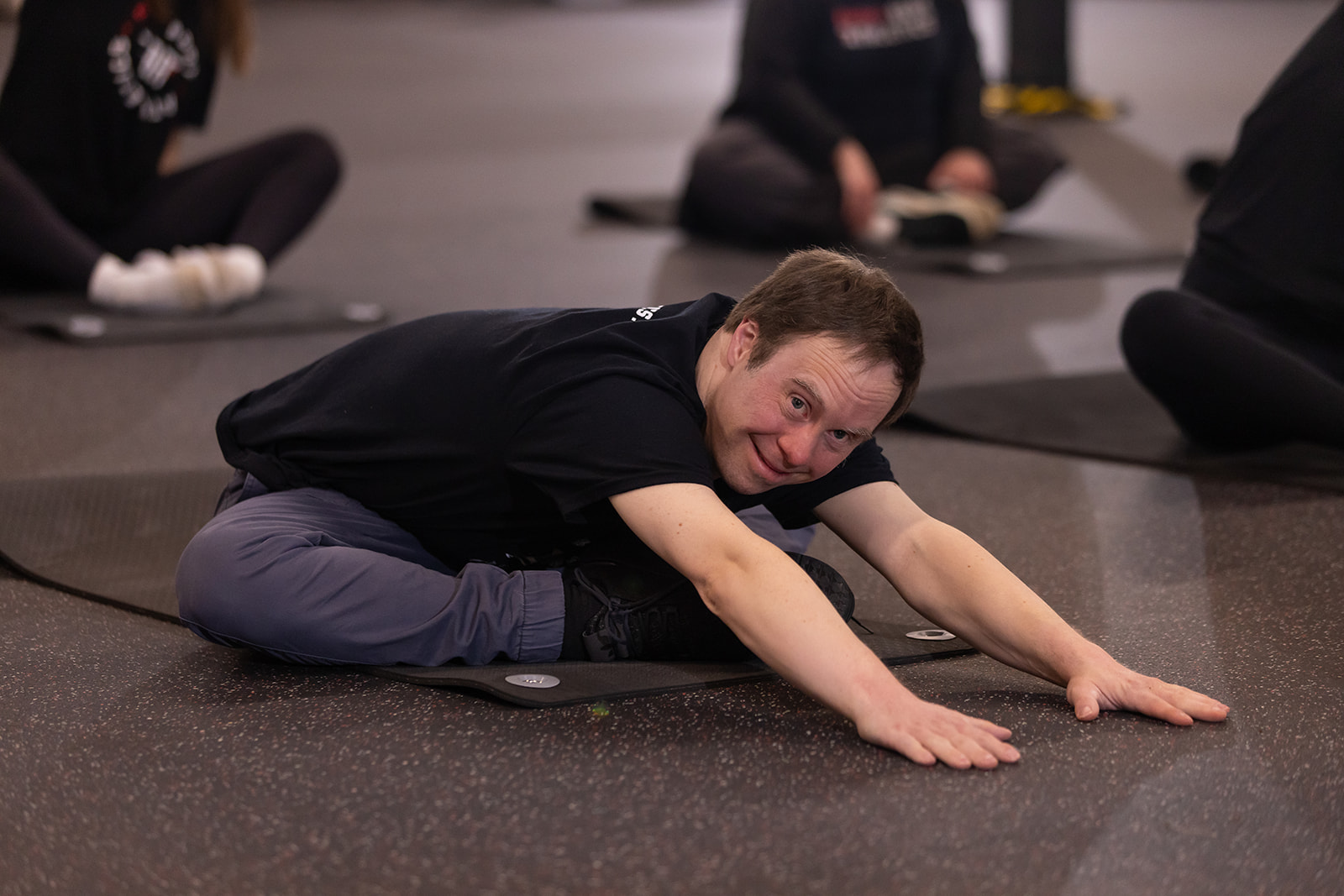
Every Body Athletics is an inclusive fitness movement for adults with intellectual and developmental disabilities. Our mission is to make a lasting impact on their physical, social, and emotional wellbeing through group exercise- and we mean all three of those. The name says it: we believe every body is an athlete, regardless of ability, and we’re built around exercising every part of the body- physical, social, and emotional. We also believe that every body benefits when every body is included.
We serve adults with IDD specifically, which is a group that tends to fall through the cracks. Our athletes range in age from 21 to over 75, with disabilities that include Down syndrome, autism, cerebral palsy, and many others. Once people age out of school-based services, the options for staying active and connected largely disappear- so that’s the gap we exist to fill.
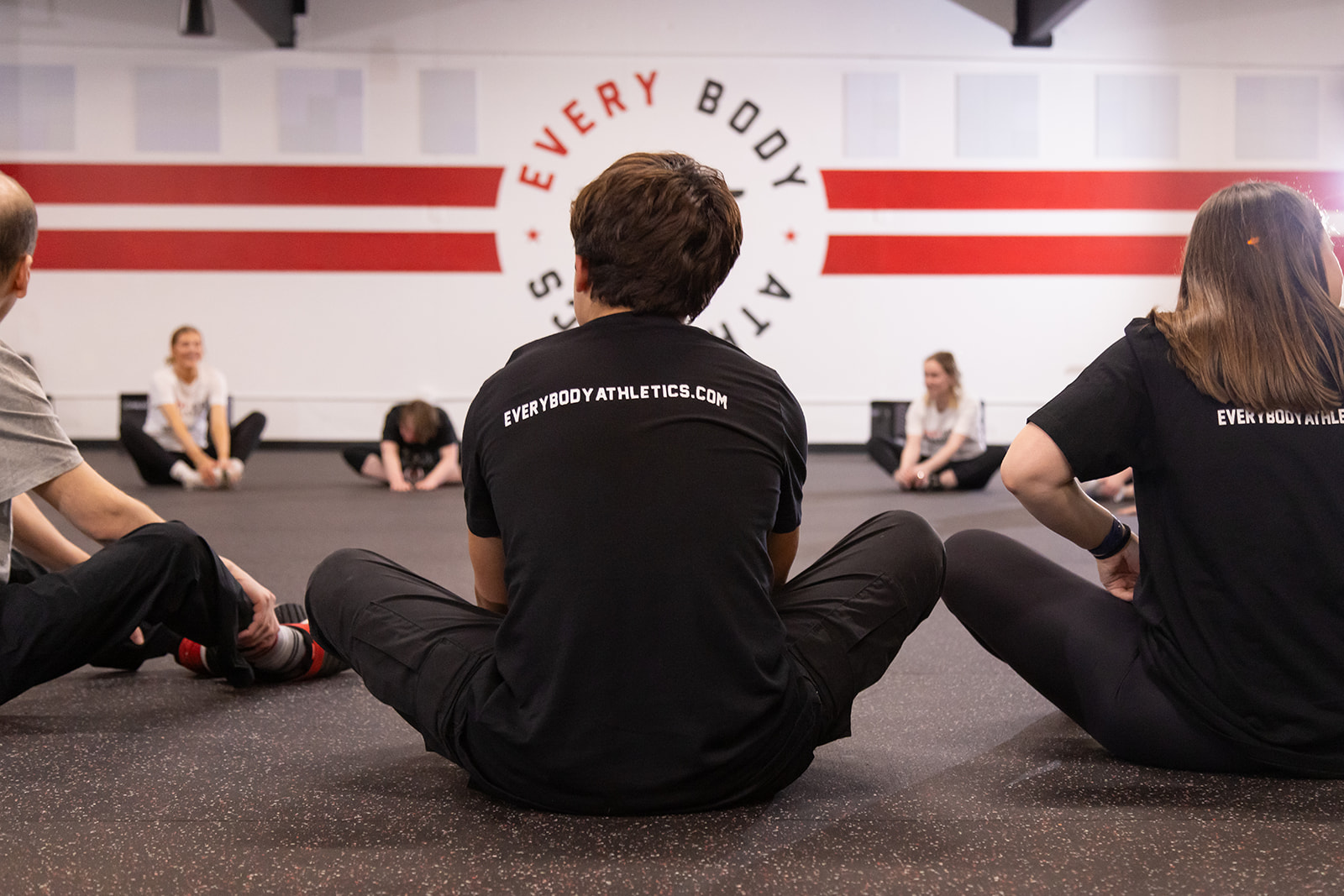
The heart of what we do is our weekly inclusive fitness classes, where each athlete is paired one-on-one with a volunteer teammate. We run more than 30 of those a week across the Portland metro area and on Zoom, serving nearly 300 adults with IDD and around 450 volunteers every week. Beyond that, we offer EBA+ specialty classes- things like yoga, dance fitness, cardio drumming, self-defense- along with one-on-one Focused Training for athletes working toward personal goals. Most of it runs out of our home base, a nearly 6,000-square-foot space we call EBA HQ.
What sets us apart has less to do with the workouts and more to do with the philosophy behind them. A lot of programs are set up as a service- providers on one side, recipients on the other. We work hard to erase that line. Our volunteers aren’t there to serve our athletes; they’re there to be their teammates and, quite often, their friends. Our goal is that people walk into EBA and can’t tell who the athletes and teammates are. It’s just people working out and in relationship with one another.The programming is designed and led by people who genuinely know this population- our staff hold advanced degrees in special education and occupational therapy — and, just as importantly, it’s shaped by the community itself. Adults with disabilities are on our staff and on our Athlete Leadership Council, helping steer the whole organization. We also keep it affordable, with scholarships always available, so cost is never the reason someone can’t take part. Bottom line, when you focus on services and not the relationships behind them, you start looking more like the DMV. I think the intentionality we place behind each and every relationship is something that sets us apart.
Brand-wise, the thing I’m most proud of is the belonging- and it’s not just a feeling. In our own outcome tracking, 80% of respondents report that their athlete has a greater sense of belonging, 88% report greater confidence in their self-worth, and 89% of our athletes are making real progress toward their fitness goals. But the numbers only tell part of the story. For a lot of our athletes, an EBA class is the one place all week where they feel like they fully fit in- and for a lot of our volunteers, it changes how they understand disability and community for the rest of their lives. It’s a two-way impact that we’d love the rest of the world to start emulating.
Alright so before we go can you talk to us a bit about how people can work with you, collaborate with you or support you?
There are a lot of ways to get involved, and we welcome each and every one of them!
Financially, individual donors are the backbone of everything we do- the majority of our funding comes from individuals. We’re relational in everything at EBA, and that absolutely includes our donors. They play a huge role in this, and we work hard to make sure they feel like they’re genuinely part of it, not just a name on a check. We want it to be relational, not transactional. This support helps us keep enrollment affordable and scholarships available so cost is never a barrier, and it helps us grow to reach more of the adults who are currently on our waitlist. Corporate sponsorships and partnerships make a big difference too- whether that’s funding, employees volunteering together, or donated goods and space.
The other big way to get involved is volunteering. Our whole model runs on our teammates- the volunteers who work out one-on-one alongside our athletes- so we’re always looking for more. You don’t need any background in fitness or in disability at all. In fact, we love it when someone comes in with no disability experience, because it means we get to help create a brand-new disability advocate. Our volunteers range from high schoolers up through folks in retirement, and you can come on your own or bring a group- a lot of workplaces and teams join together for a class. With classes across the Portland area there’s usually a time and place that fits, and with classes on Zoom then ANYONE can participate ANYWHERE.
We also love partnering with schools and universities. Many of our volunteers and interns come to us through local schools, and we work with college programs- including occupational and physical therapy departments- to give students hands-on experience while they help us serve more people.
And of course, if you’re an adult with a disability, or you love someone who is, we’d be glad to welcome you in as an athlete.
The easiest way to start with any of this is to reach out through our website, everybodyathletics.org. Even just helping spread the word matters- every new advocate helps us build a more inclusive community.
Contact Info:
- Website: https://www.everybodyathletics.org
- Instagram: https://www.instagram.com/everybodyathletics
- Facebook: https://www.facebook.com/everybodyathletics/