


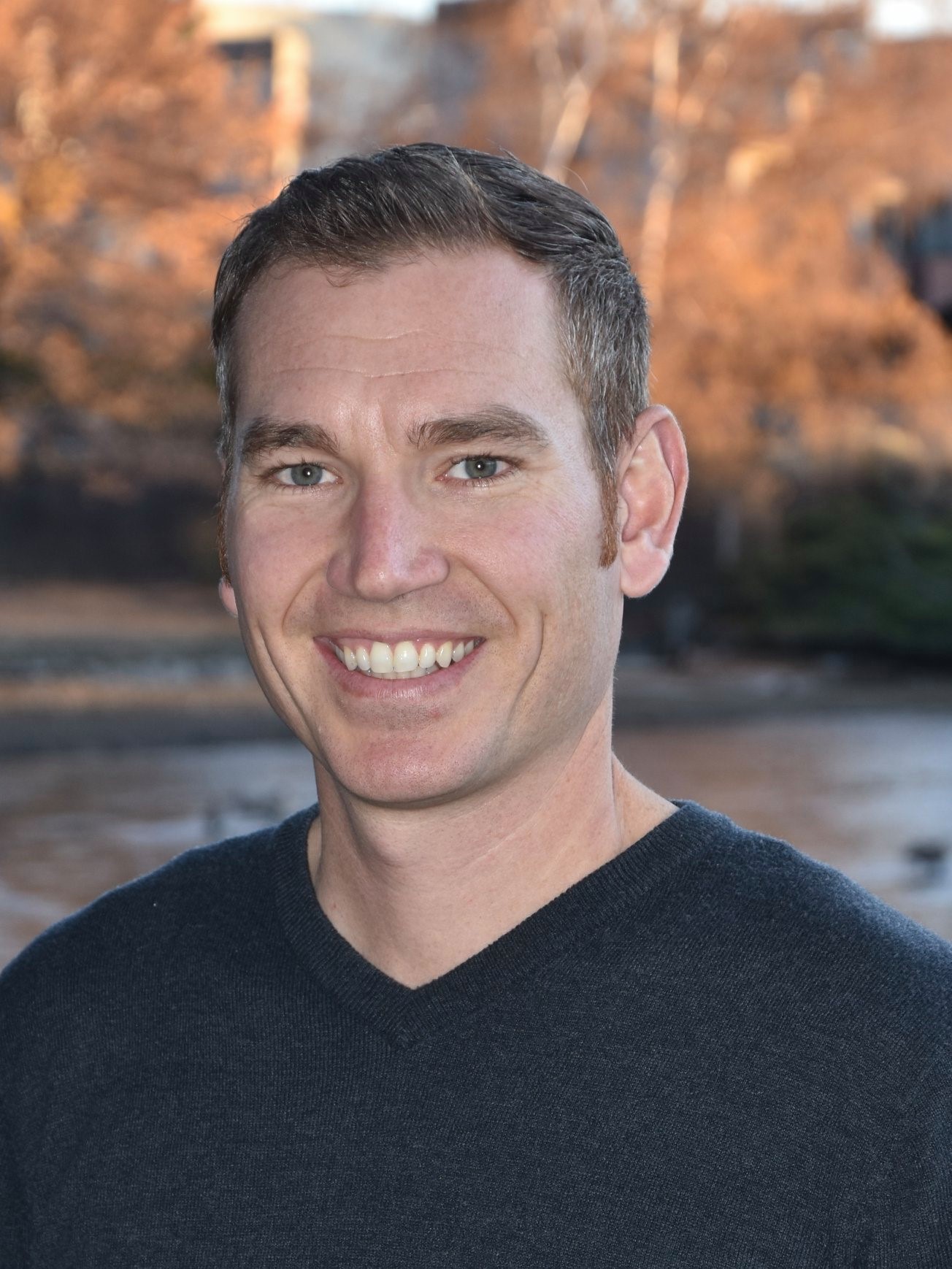
Today we’d like to introduce you to Jerod Michael.
Hi Jerod, can you start by introducing yourself? We’d love to learn more about how you got to where you are today?
My journey to speech-language pathology began when I was replaced at the small cabinet shop where I had been for a year and a half. I needed something to provide for my growing family, and did not want to be long in the job I found stocking shelves for a beverage company.
An older friend said, “You should do what I do. You love language and you’re good with kids…” I had no idea what she did! I had never heard of speech therapy (or didn’t remember it). After spending some time investigating the field and educational programs, I was given a job as an educational assistant in special education with our local school district. I had negligible experience even being around people with disabilities, so it was a little shocking at first. With time and experience, I began to love supporting the students and their families while I studied with online courses and began a master’s program through Western Kentucky University. There were about four years with far too little sleep– working at the school as an assistant, getting the family to bed, then studying half the night. Often I’d wake up and find that I’d been writing or typing the words from my dream! Up early and study some more. It was exhausting, and I found new challenges I’d never encountered.
During my last clinical placement for the graduate program, I was away from my family for 3 weeks at a time, staying with some kind strangers, and under the training of a very inexperienced supervisor in small skilled nursing facilities. I felt woefully unprepared and became intimately familiar with the experience of “imposter syndrome”. I have always been level and rather impervious emotionally, but I reached a point that, after a few weeks, I could barely hold myself together until the end of the shift before breaking down in tears. This was foreign territory for me, and deeply unnerving to be so uncomfortable with my role and so afraid of being found incompetent.
I did receive an offer of a position in the local school district just before the end of that clinical externship, and made it through. Graduating from the program and beginning my job as a speech-language pathologist, the only male in the field in Central Oregon at the time, was intimidating and exciting. I struggled with imposter syndrome until, about three years in, I began to learn to think about what I needed to learn. I found that because language, reading and writing came so naturally and easily for me, I didn’t know what to do for kids with language disorders and difficulty learning to read. I heard somewhere along the way that competence breeds confidence, so I found a way to learn about language therapy, That introduced me to concepts in literacy development and executive functions that helped me figure out how to keep developing my own understanding of how we learn and grow. I stumbled upon Structured Word Inquiry and never looked back! I am committed to pursuing and sharing the truth, so this approach that focuses on how our writing system actually works was (and still is!) fascinating. I dove in and have been taking courses to study whenever I can. More than once, Peter Bowers mentioned cognitive load and how many literacy programs require too much of a child’s executive function systems, and I knew I had to learn more. I found Tera Sumpter’s Seeds of Learning and Michael McLeod’s GrowNow model, and have been learning from them ever since. It has transformed my practice and is continually shaping my work in every area–from speech sounds to social complexities, from reading text to narrative structure, executive functions are the foundation for all learning.
Through a difficult financial situation, and with the input of coaching calls with a business man in our church, I had begun to supplement our income in private practices. It was the spring of 2020 when I was trying to navigate all the telehealth work I’d never done, the constant changes to procedures, and what I saw as the absurd policies employed in Oregon, that I found myself not wanting to return to the schools in the fall. Over the summer I added a few new clients to my own private practice and knew that I could not work 4 days a week in the school and continue to grow my practice.
When I called the special education director to discuss our options, he expressed how much they would love to keep me on, but to let them know ASAP if I chose to resign. I had to make that call while canoe camping with a friend and our sons, so he and I had climbed a bit of basalt to get signal and take care of a little business. I remember thinking as I hung up, “Well, I guess the decision’s made then.” I resigned from the schools and have been full-time in my own private practice since! I couldn’t believe how free I suddenly was to make my own decisions and treat as I saw fit, how much I got to talk to parents and support more than the educational system’s goals.
After renting an office for two years, we bought a house in a small community outside of town where we had room to have an office next to the house, space for clients to park, and room for our own children to play. It has been absolutely wonderful! I have a forty-foot commute, and I still do home visits one day a week. I can adjust to have Monday or Friday off throughout the winter so I can go skiing/snowboarding with my kids. I can take care of things at home when I have a half day. I can do paperwork at the dining table or have lunch with my family.
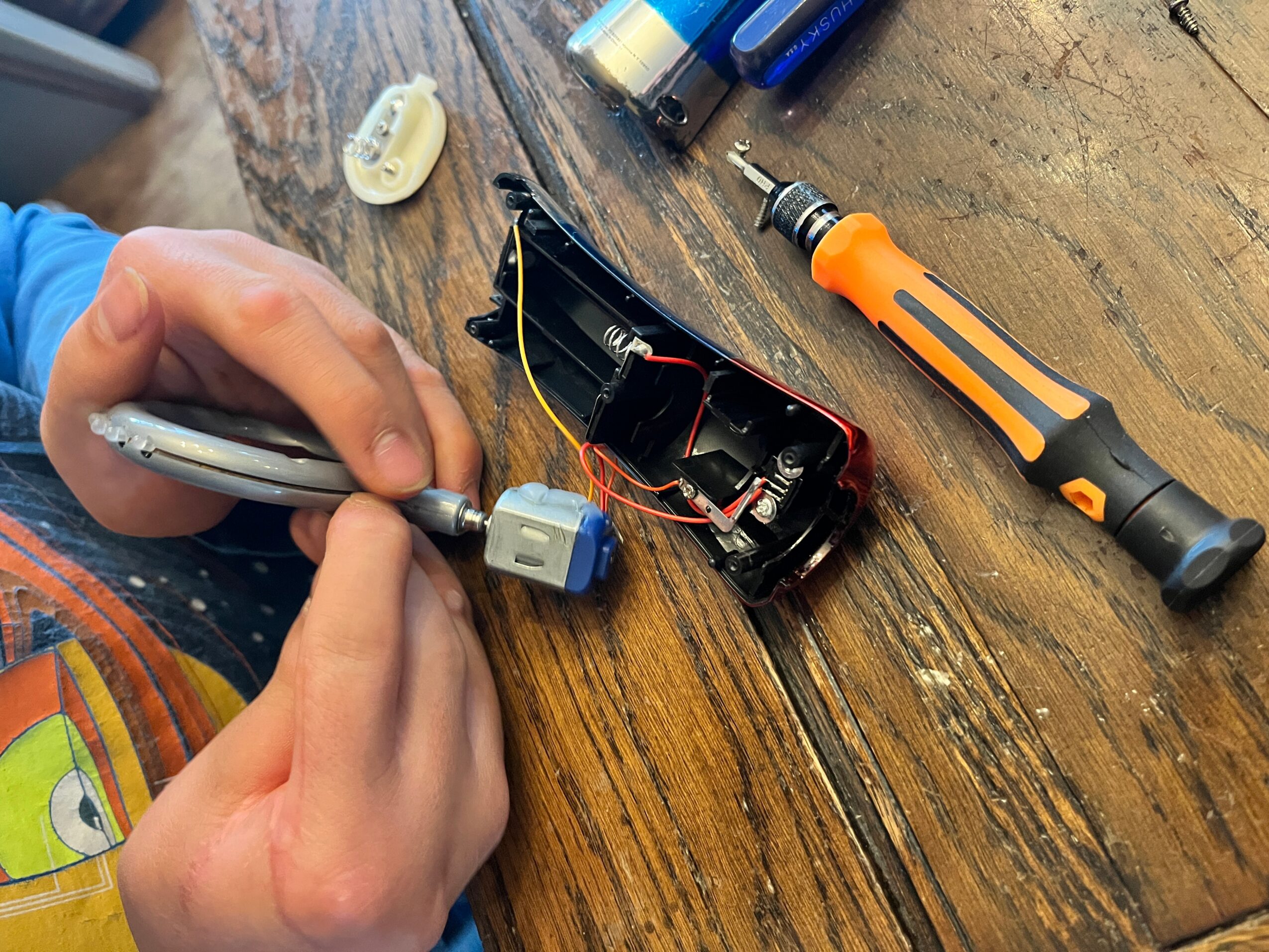
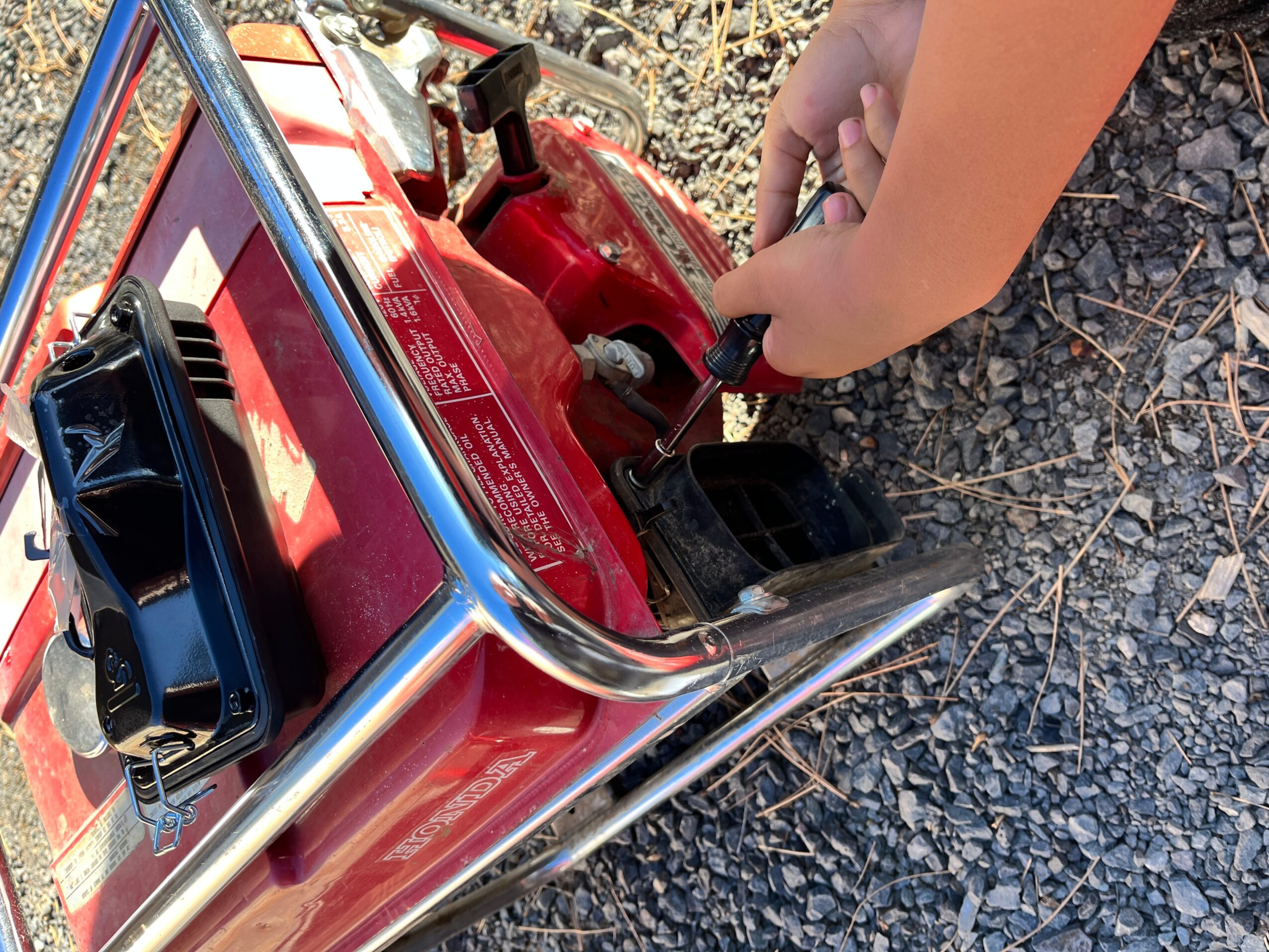
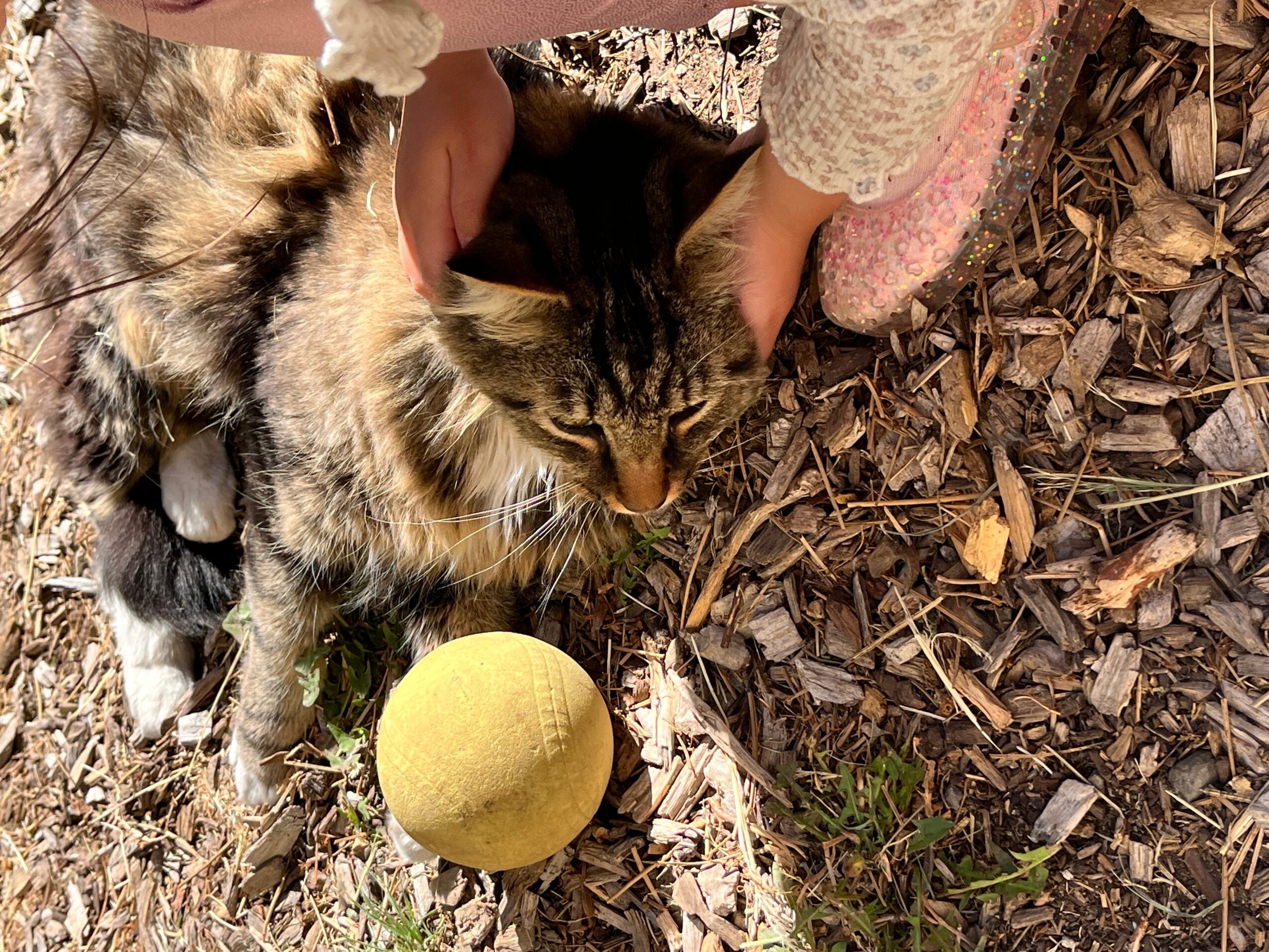
Over time, I make improvements to our area, which include brining in a play structure, building a fence to keep deer from making a mess of our play area, planting seeds each spring for giant sunflowers, pumpkins, or whatever we want. I use a tandem cruiser bike we got 20 years ago for some kids. They just love it! I get to take apart small equipment or fix motorized toys with boys who love mechanical things. I get to see a family one day a week in the office and one day a week at home if it works out. We are so very grateful for the way all of this has worked out, and can’t imagine it being any different!
Appreciate you sharing that. What should we know about Connections Speech & Language?
Commonly called speech therapy, my title is technically speech-language pathologist.
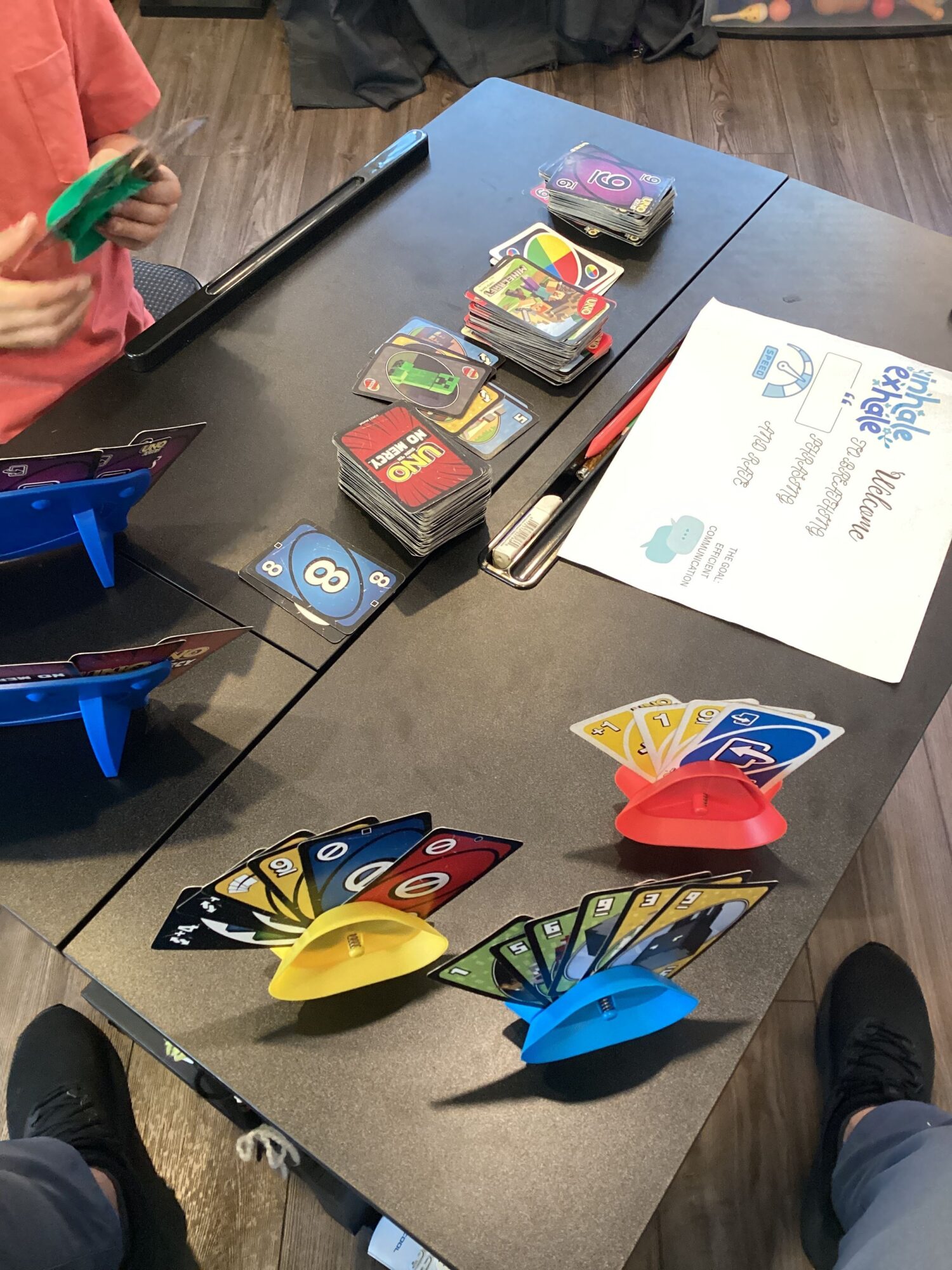
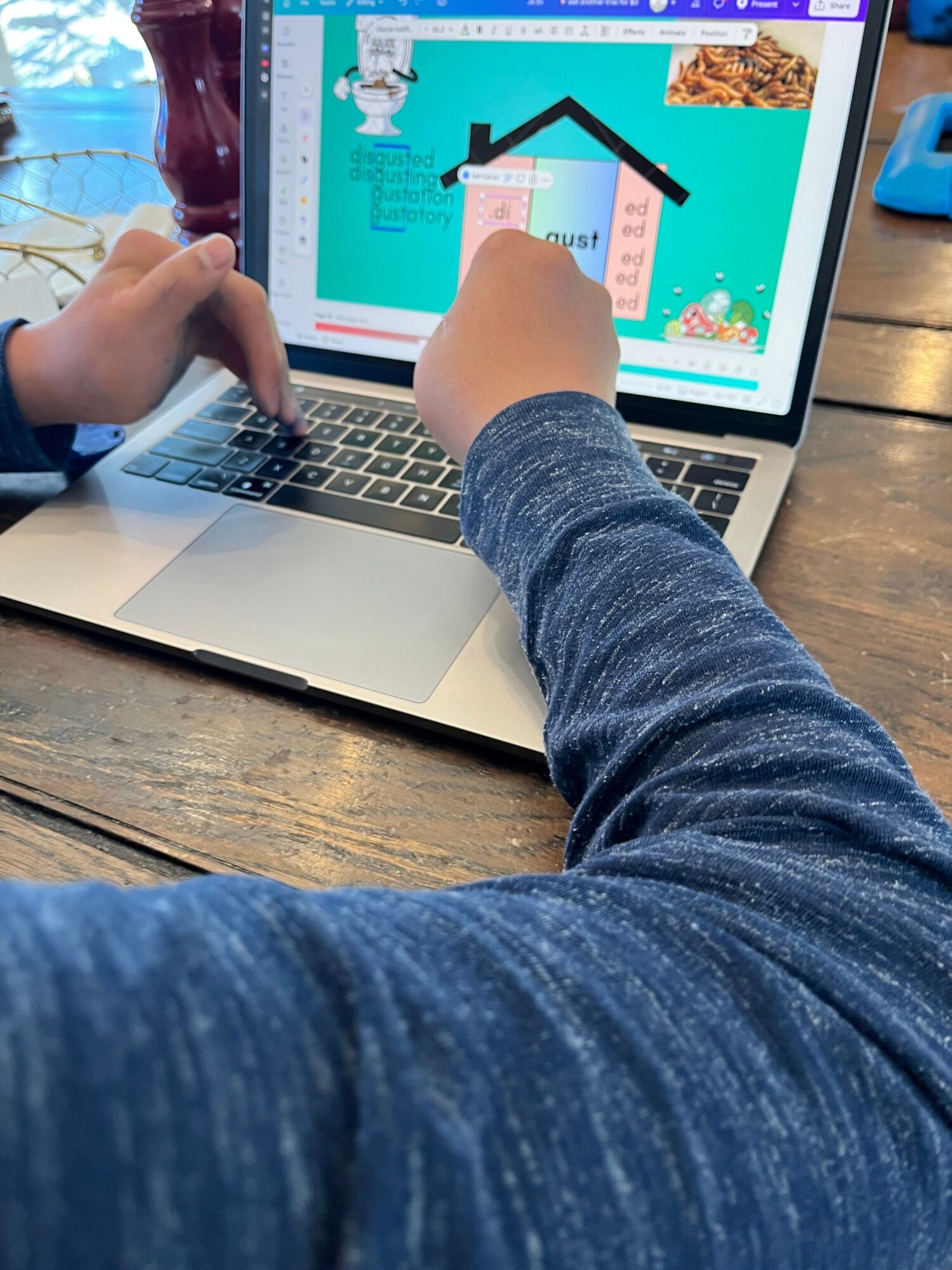
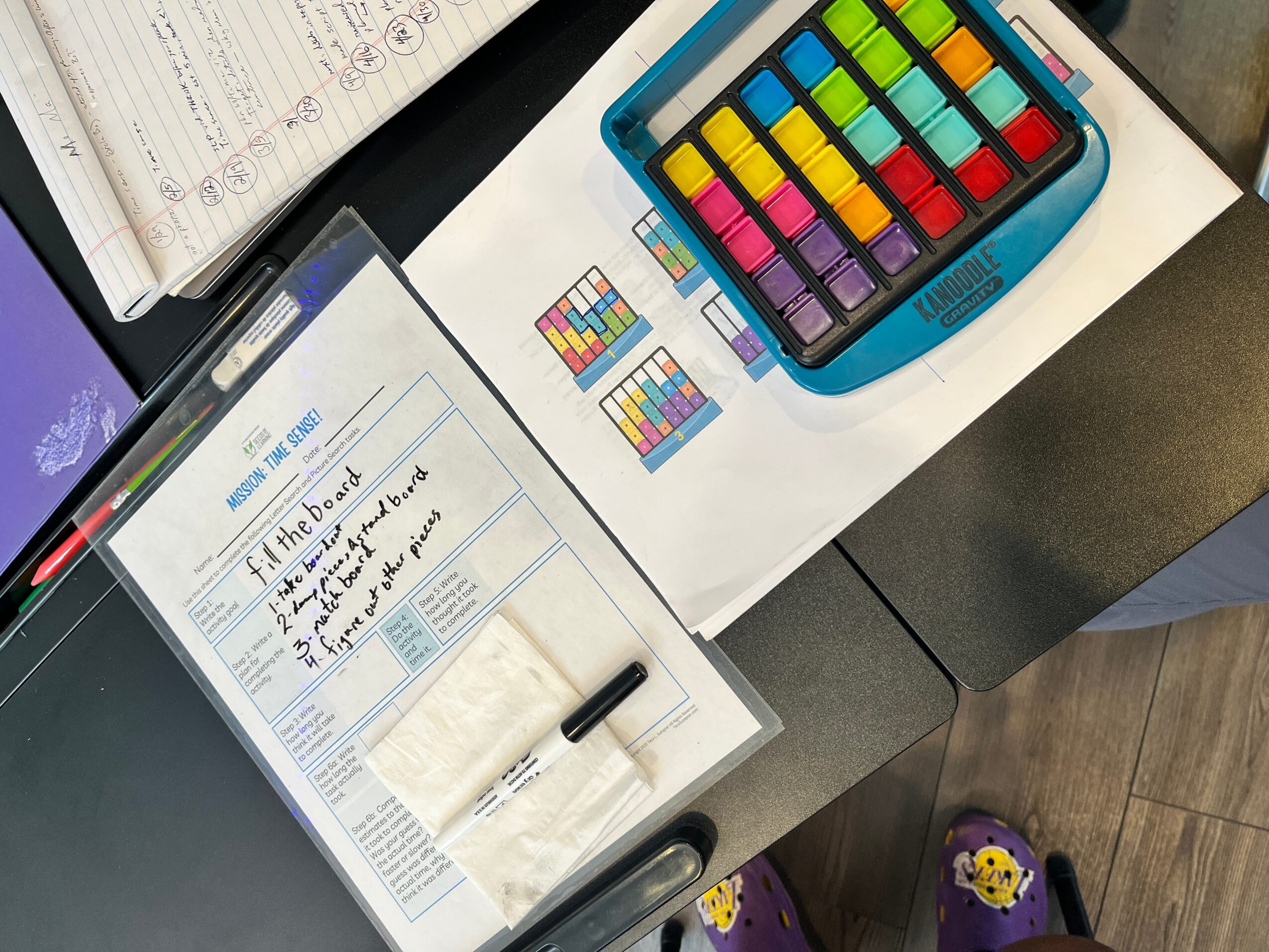
I help all kinds of kids with anything related to communication, whether it’s speech sounds, language concepts and organization, executive functions such as self-awareness and directing attention, speech-generating devices, understanding written language and how we spell and write English.
My focus on executive skills as the foundation for all my work in different skill areas is unique, and my work with Structured Word Inquiry is even moreso.
Around 3-4% of SLPs are male, so some families come to me specifically for a different experience, or because they need a positive male role model in their child’s life.
Alright, so to wrap up, is there anything else you’d like to share with us?
I don’t recommend grad school when you have young children! However, if you need to spend your career doing something meaningful, speech-language pathology is an excellent option. I never dreamed of being self-employed, and never was entrepreneurial, but it is the best and I encourage everyone to find a way! There are many options for how one’s work in speech-language pathology can look, in many different settings. Find something you’re passionate about and go for it!
Contact Info:
- Website: https://www.connectionsbend.com
- Facebook: https://www.facebook.com/connectionsbend.com